Saturday, February 22, 2014

Replacement or continuity?


Inuit meat cache, Kazan River (source: Library and Archives Canada / PA-101294). Because of their high meat diet, hunters produce more body heat than farmers do. Natural selection has thus favored certain mtDNA sequences over others in humans with this profile of heat production. A change in selection pressure may therefore explain, at least in part, the genetic divide between late hunter-gatherers and early farmers in Europe.
 

Who were the ancestors of present-day Europeans? The hunter-gatherers of the Paleolithic and the Mesolithic? Or the Neolithic farmers who began to spread out of the Middle East some 10,000 years ago?

This debate has teetered back and forth for the past thirty years. On the basis of various genetic polymorphisms, L.L. Cavalli-Sforza and his students argued that Europeans are largely descended from Middle Eastern farmers (Ammerman and Cavalli-Sforza, 1984; Cavalli-Sforza et al., 1994). On the basis of mtDNA and Y chromosomal data, two other research teams, one led by Martin Richards and the other by Ornella Semino, maintained that the European gene pool is over 75% of native hunter-gatherer origin (Richards et al., 2000; Semino et al., 2000). If we look only at the present-day gene pool, Europeans seem far too differentiated to be the descendants of Neolithic farmers from the Middle East.

Over the last few years, new evidence has swung the debate back to the model of population replacement. By retrieving DNA from ancient skeletal remains, we can now compare the latest hunter-gatherers with the earliest farmers, and what we see is a sharp genetic divide between the two (Bramanti et al., 2009). The farmers seem to have been immigrants who replaced the hunter-gatherers. This is direct evidence, so what more is there to say? Facts are facts.

Yet there is always more to say. Facts may be illusory or, if real, wrongly interpreted. For one thing, wherever we have a fairly continuous time series of ancient DNA, the genetic divide no longer appears between the latest hunter-gatherers and the earliest farmers. It appears between the earliest farmers and somewhat later farmers. This is particularly so when we examine haplogroup U lineages, whose disappearance is widely seen as evidence for population replacement. According to a study of 92 Danish remains, these lineages remained common after the Neolithic and reached their current low prevalence only during the Early Iron Age (Melchior et al., 2010).

If this genetic divide is not solely due to population replacement, what else might be responsible? Mishmar et al. (2003) were the first to suggest natural selection:

Thus, extensive global population studies have shown that there are striking differences in the nature of the mtDNAs found in different geographic regions. Previously, these marked differences in mtDNA haplogroup distribution were attributed to founder effects, specifically the colonizing of new geographic regions by only a few immigrants that contributed a limited number of mtDNAs. However, this model is difficult to reconcile with the fact that northeastern Africa harbors all of the African-specific mtDNA lineages as well as the progenitors of the Eurasia radiation, yet only two mtDNA lineages (macrohaplogroups M and N) left northeastern Africa to colonize all of Eurasia (1, 2) and also that there is a striking discontinuity in the frequency of haplogroups A, C, D, and G between central Asia and Siberia, regions that are contiguous over thousands of kilometers. Rather than Eurasia and Siberia being colonized by a limited number of founders, it seems more likely that environmental factors enriched for certain mtDNA lineages as humans moved to the more northern latitudes.

[...] We now hypothesize that natural selection may have influenced the regional differences between mtDNA lineages. This hypothesis is supported by our demonstration of striking differences in the ratio of nonsynonymous (nsyn)/synonymous (syn) nucleotide changes in mtDNA genes between geographic regions in different latitudes. We speculate that these differences may reflect the ancient adaptation of our ancestors to increasingly colder climates as Homo sapiens migrated out of Africa and into Europe and northeastern Asia.

This hypothesis has since received support from Balloux et al. (2009):

We show that populations living in colder environments have lower mitochondrial diversity and that the genetic differentiation between pairs of populations correlates with difference in temperature. These associations were unique to mtDNA; we could not find a similar pattern in any other genetic marker. We were able to identify two correlated non-synonymous point mutations in the ND3 and ATP6 genes characterized by a clear association with temperature, which appear to be plausible targets of natural selection producing the association with climate. The same mutations have been previously shown to be associated with variation in mitochondrial pH and calcium dynamics. Our results indicate that natural selection mediated by climate has contributed to shape the current distribution of mtDNA sequences in humans.

Humans have to adapt to two sources of warmth: climate and internal body heat, which in turn varies with lifestyle and diet. Diet in particular results in different patterns of body heat production between hunter-gatherers and farmers, as explained by Speth (1983):

One aspect of protein metabolism relevant to this issue concerns the high "specific dynamic action" (SDA) of protein ingestion. The SDA of food refers to the rise in metabolism or heat production (diet-induced thermogenesis) resulting from the ingestion of food [...] The SDA of a diet consisting largely of fat is about 6- 14%, while that of a diet high in carbohydrates is about 6%. In striking contrast, the SDA of a diet consisting almost entirely of protein may be as high as 30%; or, in other words, for every 100 calories of protein ingested, up to 30 calories are needed to compensate for the increase in metabolism. Thus, persons whose diets are high in protein experience higher metabolic rates than those whose diets are composed largely of carbohydrate. For example, members of Eskimo populations, at least 90% of whose caloric needs were traditionally met by meat and fat (cf. Draper 1980:263; Hoygaard 1941), had basal metabolic rates 13 to 33% above the DuBois standard, which is based on the metabolic rates of populations consuming western diets (Itoh 1980:285).

Conclusion

Before ancient DNA became available, the prehistory of populations had to be inferred. The age of a genetic lineage was inferred from the degree of differentiation divided by the mutation rate. Since both variables could be known only approximately, the time depths of Europe's genetic lineages were likewise known only approximately.

Ancient DNA seems to promise a clearer picture because the only source of uncertainty is the age of the skeletal material. Unfortunately, this new method is more sensitive to uncertainty from another source: natural selection. Late hunter-gatherers and early farmers had to adapt to different environments. There certainly was a genetic divide between the two, but did it result from differences in origin or from differences in natural selection?

Natural selection distorts the picture if either method is used, since both assume that mtDNA is selectively neutral. The distortion is more serious, however, with the new method, which assumes selective neutrality across the genetic divide between late hunter-gatherers and early farmers—the very moment in prehistory when this assumption is most likely to fail. The old method assumes selective neutrality throughout the entire time depth of Europe’s genetic lineages—an assumption that may indeed be true over most of that time.

Even if the lineage has no selective value in and of itself, natural selection can still distort the picture. This is especially so for mtDNA:

Selection can change allele frequency even at a locus not responsible for fitness differences. Because there is little or no recombination in mitochondrial DNA, selection at one nucleotide affects the frequencies of all other variable nucleotides for the whole molecule. Selection on the nuclear genome, particularly nuclear-encoded proteins that are imported into the mitochondrion and X-linked markers that can have a high effective linkage to mtDNA, can also cause changes in the frequencies of mtDNA haplotypes. Equally importantly, selection on any other cytoplasmically inherited traits will directly affect the frequencies of mtDNA. (Ballard and Whitlock, 2004)

This is less of a problem with nuclear DNA because of recombination, but the problem remains if the presumably neutral gene is close to another gene of high selective value.

In raising these points, I am not trying to argue that Middle Eastern farmers made no contribution to the European gene pool. There is good archaeological evidence of these farmers pushing up the Danube and into central Europe. Elsewhere, however, the evidence for population replacement becomes weaker and the evidence for continuity correspondingly stronger. This is the conclusion that Zvelebil and Dolukhanov (1991) make with respect to northern and eastern Europe:

The transition to farming occurred very slowly and took a long time to complete, the whole process lasting 1500-4000 years. In the far north and northeast of Europe, the process was never completed. [...] Local hunter-gatherer societies played a significant role in the transition. There is strong evidence for continuity in material culture in most regions throughout the transition. Although this neither proves nor disproves the case for population movement associated with the transition (small groups of people could have migrated, leaving little or no trace in the archaeological record), such evidence does not support the colonization model for the transition to farming and it does indicate that local hunter-gatherer traditions were passed on from generation to generation during the long period of the adoption of farming.

And yet the advent of farming brought massive genetic change to northern and eastern Europe, including widespread decline of haplogroup U—the sort of change that is supposed to mean massive population replacement. Since farming began to spread to this region only 6,000 years ago, even later among the Finnish and Baltic peoples, there is only a very narrow time frame in which northern and eastern Europeans could have evolved their characteristic physical appearance, assuming of course that population replacement had actually happened.

Even in central Europe, where population replacement is well documented, we are still unsure whether it was permanent or temporary. Indeed, we see evidence of the replacers being later replaced, perhaps by natives who had never disappeared from the vicinity of the farming settlements (Haak et al., 2005; Rowley-Conwy, 2011).
 

References

Ammerman, A.J. and L.L. Cavalli-Sforza. (1984). The Neolithic Transition and the Genetics of Populations in Europe, New Jersey: Princeton University Press.

Ballard, J.W.O. and M.C. Whitlock. (2004). The incomplete natural history of mitochondria, Molecular Ecology, 13, 729-744.
http://dna.ac/filogeografia/PDFs/Ballard%26Whitlock_04_MTrev.pdf

Balloux F., L.J. Handley, T. Jombart, H. Liu, and A. Manica (2009). Climate shaped the worldwide distribution of human mitochondrial DNA sequence variation. Proceedings. Biological Sciences, 276 (1672), 3447-55.
http://www.ncbi.nlm.nih.gov/pmc/articles/PMC2817182/?tool=pmcentrez

Bramanti, B., M. G. Thomas, W. Haak, M. Unterlaender, P. Jores, K. Tambets, I. Antanaitis-Jacobs, M.N. Haidle, R. Jankauskas, C.-J. Kind, F. Lueth, T. Terberger, J. Hiller, S. Matsumura, P. Forster, and J. Burger. (2009). Genetic discontinuity between local hunter-gatherers and Central Europe's first farmers, Science, 326 (5949), 137-140.
http://jsarf.free.fr/palanthsci/Europe's%20First%20Farmers%20Were%20Immigrants.pdf

Cavalli-Sforza, L.L., P. Menozzi, and A. Piazza. (1994). The History and Geography of Human Genes, New Jersey: Princeton University Press.

Haak, W., P. Forster, B. Bramanti, S. Matsumura, G. Brandt, M. Tänzer, R. Villems, C. Renfrew, D. Gronenborn, K.W. Alt, and J. Burger. (2005). Ancient DNA from the first European farmers in 7500-year-old Neolithic sites, Science, 310 (5750), 1016-1018.
http://www.sciencemag.org/content/310/5750/1016.short

Melchior, L., N. Lynnerup, H.R. Siegismund, T. Kivisild, J. Dissing. (2010). Genetic diversity among ancient Nordic populations, PLoS ONE, 5(7): e11898
http://www.plosone.org/article/info%3Adoi%2F10.1371%2Fjournal.pone.0011898#pone-0011898-g002

Mishmar, D., E. Ruiz-Pesini, P. Golik, V. Macaulay, A.G. Clark, S. Hosseini, M. Brandon, K. Easley, E. Chen, M.D. Brown, R.I. Sukernik, A. Olckers, and D.C. Wallace. (2003). Natural selection shaped regional mtDNA variation in humans, Proceedings of the National Academy of Sciences (USA), 100 (1), 171-176.
http://www.pnas.org/content/100/1/171.full

Richards, M., V. Macaulay, E. Hickey, E. Vega, B. Sykes, et al. (2000). Tracing European founder lineages in the Near Eastern mtDNA pool, American Journal of Human Genetics, 67, 1251-1276.
http://www.sciencedirect.com/science/article/pii/S0002929707629541

Rowley-Conwy, P. (2011). Westward ho! The spread of agriculturalism from Central Europe to the Atlantic, Current Anthropology, 52 (S4), S431-S451.
http://arkeobotanika.pbworks.com/w/file/fetch/48307263/Rowley-Conwy%2011%20CA%20Farming%20westward.pdf

Semino, O., G. Passarino, P.J. Oefner, A.A. Lin, S. Arbuzova, et al. (2000). The genetic legacy of Paleolithic Homo sapiens sapiens in extant Europeans: A Y chromosome perspective, Science, 290, 1155-1159.
http://fboekelo.tripod.com/boekelo/GP/semino.pdf

Speth, J.D. (1983). Energy source, protein metabolism, and hunter-gatherer subsistence strategies, Journal of Anthropological Archaeology, 2, 1-31.
http://faculty.ksu.edu.sa/archaeology/Publications/Hearths/Energy%20source,%20protein%20metabolism,%20and%20hunter-gatherer%20subsistence%20strategies.pdf

Zvelebil, M. and P. Dolukhanov. (1991). The transition to farming in Eastern and Northern Europe, Journal of World Prehistory, 5, 233-278.
http://link.springer.com/article/10.1007/BF00974991

Saturday, February 15, 2014

Burakumin, Paekchong, and Cagots

This is the first of a series of ebooks. You can access an Epub version here or a PDF here. Below is the foreword.

----------------------------------------------------------------------------------------

Foreword

 
The Burakumin of Japan, the Paekchong of Korea, and the Cagots of France … What do they have in common? All three were despised castes—closed groups of people who married among themselves. A despised caste is not just a low class. Otherwise, it would always be gaining and losing members, with some moving up and out and others down and in. As Gregory Clark has shown, the English lower class is descended largely from people who were middle or even upper class a few centuries before. This may seem strange if you equate the middle class with voluntary childlessness, but until the late 19th century they were the ones who had the most children—even more so if we look only at children who lived to adulthood. The resulting demographic overflow continually spilled over into the lower class.

In contrast, not much new blood flows into a despised caste, at least not on an ongoing basis. Social stigma discourages people from marrying out or marrying in. Nor does one enter simply by virtue of being poor, since the fear of losing caste keeps out most of the downwardly mobile. Despite this lack of new blood, a despised caste can perpetuate itself indefinitely because its members usually have enough resources—through their monopoly over equally despised occupations—to get married, form families, and have enough children to replace themselves. This was not the case with urban lower classes of pre-industrial times, which typically had large numbers of childless single men.

Because a caste is closed and self-perpetuating, it may preserve genetic traits that disappear everywhere else. It thus becomes more and more different not because it is changing but because its host population is changing.

But how can a population change over a few centuries? Didn’t human nature assume its present form back in the Pleistocene when cultural evolution took over from genetic evolution? In reality, these two evolutionary processes have reinforced each other. Human genetic evolution actually accelerated 40,000 years ago and even more so 10,000 years ago, apparently in response to a growing diversity of cultural environments.

What about Richard Lewontin’s finding that human genes vary much more within populations than between populations? Isn’t that proof that genetic evolution stagnated while humans were spreading over the earth and forming the many populations we see today? Lewontin’s finding is correct but does not mean what it seems to mean. Indeed, the same genetic overlap has been found between many species that are nonetheless distinct anatomically, morphologically, and behaviorally. Genetic variation between populations differs qualitatively from genetic variation within populations. In the first case, genes vary across a boundary that separates different environments and, thus, different selection pressures. This kind of genetic variation is shaped by selection and gives rise to real phenotypic differences. The situation is something else entirely when genes vary among individuals who belong to the same population and face similar selection pressures. That kind of variation matters much less, the actual phenotypic differences often being trivial or nonexistent.

Human evolution is a logarithmic curve where most of the interesting changes have happened since the advent of farming and complex societies. Homo sapiens was not a culmination but rather a beginning … of gene-culture co-evolution. There are many ways to study this co-evolution, but one way is to look at the different evolutionary trajectories followed by castes and their host populations.

Saturday, February 8, 2014

A little less brown and not necessarily blue-eyed


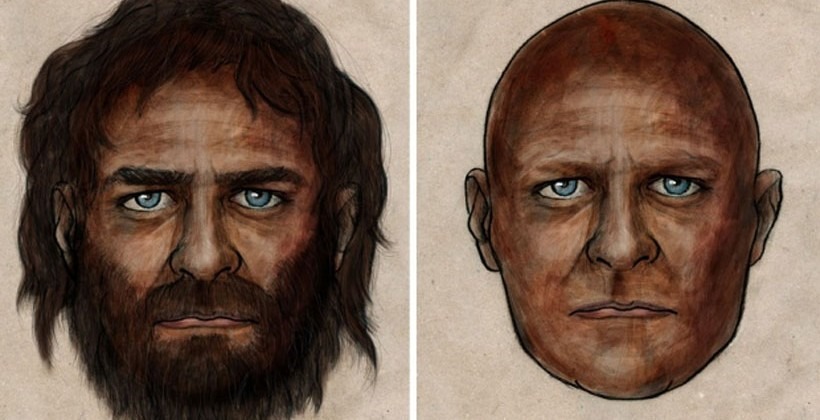
The skin color is about right. Not so sure about the eyes (source: Spanish National Research Council (CSIC)). There seems to have been a succession of changes to hair, eye, and skin color within a relatively restricted area of Europe. These changes then spread outward, the changes to eye color being apparently the earliest.


Ancient DNA has been retrieved from another Mesolithic hunter-gatherer, who is dated to 7,000 years ago and comes from La Braña-Arintero, Spain. We again see a strange combination of dark skin and light eyes. If we look at the three genes that produce white skin, only one of them, TYRP1, had the derived ‘European’ allele. The other two had the ancestral allele. So this Mesolithic individual was a bit lighter-skinned than the one from Luxembourg, dated to 8,000 BP, who had ancestral alleles at all three loci:
 

Of the ten variants, the Mesolithic genome carried the ancestral and non-selected allele as a homozygote in three regions: C12orf29 (a gene with unknown function), SLC45A2 (rs16891982) and SLC24A5 (rs1426654). The latter two variants are the two strongest known loci affecting light skin pigmentation in Europeans and their ancestral alleles and associated haplotypes are either absent or segregate at very low frequencies in extant Europeans (3% and 0% for SLC45A2 and SLC24A5, respectively). We subsequently examined all genes known to be associated with pigmentation in Europeans, and found ancestral alleles in MC1R, TYR and KITLG, and derived alleles in TYRP1, ASIP and IRF4. (Olalde et al., 2014)


Media reports describe the two Mesolithic individuals from Spain and Luxembourg as blue-eyed, although this is not what either study actually found. All we know is that their eyes were not brown. They had blue, gray, hazel, or green eyes:
 

[The individual had] the associated homozygous haplotype spanning the HERC2–OCA2 locus that is strongly associated with blue eye colour. Moreover, a prediction of eye colour based on genotypes at additional loci using HIrisPlex24 produced a 0.823 maximal and 0.672 minimal probability for being non-brown-eyed (Supplementary Information). The genotypic combination leading to a predicted phenotype of dark skin and non-brown eyes is unique and no longer present in contemporary European populations. Our results indicate that the adaptive spread of light skin pigmentation alleles was not complete in some European populations by the Mesolithic, and that the spread of alleles associated with light/blue eye colour may have preceded changes in skin pigmentation. (Olalde et al., 2014)


These findings seem to conflict with previous estimates of the time frame when European skin became white: 11,000 to 19,000 years ago according to Beleza et al. (2013) and 7,600 to 19,200 years ago according to Canfield et al. (2014). I would argue that this was indeed the time frame when European skin became white; however, white skin was initially confined to a geographic area that covered only part of Europe, essentially the plains of the north and east.

It also appears that the changes to hair, eye, and skin color did not happen simultaneously. First came the diversification of eye color and then the diversification of hair color. Parallel to these changes, and extending over a longer time, was the whitening of skin color. 

The most surprising—though least commented on—finding is that this Mesolithic hunter-gatherer had the ancestral allele for KITLG. According to Beleza et al. (2013), this gene was involved in the first stage of skin lightening that affected the common ancestors of Europeans and East Asians some 30,000 years ago. It looks like this first stage, like the second stage over 10,000 years later, affected Europeans only within part of Europe. The Mesolithic hunter-gatherers from Spain and Luxembourg thus seem to have belonged to a population that was peripheral to the evolution of white skin and multi-hued hair and eyes.


References
 
Beleza, S., Murias dos Santos, A., McEvoy, B., Alves, I., Martinho, C., Cameron, E., Shriver, M.D., Parra E.J., and Rocha, J. (2013). The timing of pigmentation lightening in Europeans. Molecular Biology and Evolution, 30, 24-35.
http://mbe.oxfordjournals.org/content/30/1/24.short 

Canfield, V.A., A. Berg, S. Peckins, S.M. Wentzel, K.C. Ang, S. Oppenheimer, and K.C. Cheng. (2014). Molecular phylogeography of a human autosomal skin color locus under natural selection, G3, 3, 2059-2067.
http://www.g3journal.org/content/3/11/2059.full 

Lazaridis, I., Patterson, N., Mittnik, A., Renaud, G., Mallick, S., et al. (2013). Ancient human genomes suggest three ancestral populations for present-day Europeans, BioRxiv, December 23.
http://biorxiv.org/content/early/2013/12/23/001552.full-text.pdf+html

Olalde, I., M.E. Allentoft, F. Sanchez-Quinto, G. Saintpere, C.W.K. Chiang, et al. (2014).  Derived immune and ancestral pigmentation alleles in a 7,000-year-old Mesolithic European, Nature, early view

Saturday, February 1, 2014

SLC24A5: Reply to Greg Cochran


Ethiopian manuscript paintings (source: A. Davey). Ethiopians have a self-image that is lighter-skinned than their actual selves. If the prevalence of SLC24A5 is higher in Ethiopia than the degree of admixture from lighter-skinned peoples across the Red Sea, this discrepancy may be explained by social selection for lighter skin.


Greg Cochran has been asking why the “European” allele for SLC24A5 has been so successful, not only in Europe but also elsewhere. He seems to be hinting that this allele has a selective advantage that is unrelated to skin color.

I posted the following comments at his website. References have been inserted for this post.
 

***************************************************


SLC24A5 is one of three genes involved in the whitening of European skin, the other two being SLC45A2 and TYRP1. This whitening occurred over a relatively short time and long after the entry of modern humans into Europe some 40,000 years ago. Sandra Beleza’s team estimates that all three genes “went white” between 11,000 and 19,000 years ago (Beleza et al, 2013). Victor Canfield’s team, working only with SLC24A5, estimates between 7,600 and 19,200 years ago (Canfield et al., 2014).

So, yes, white European skin is not an adaptation to weaker sunlight; otherwise, it would have evolved much earlier. Are we looking at some pleiotropic effect then? In that case, this effect would involve not only SLC24A5 but the other two genes as well. Perhaps, but I’d like to see the evidence.

No, I’m not going to invoke sexual selection to explain the apparent success of the “European” allele for SLC24A5. Sexual selection, especially sexual selection of women, occurs under very limited circumstances.  I believe that there was an episode of very intense sexual selection of women, but this episode was confined to northern and eastern Europe during the time frame of 10,000 to 20,000 years ago, i.e., the last ice age (Frost, 2006; Frost, 2008).

How then do we explain the much greater geographic and historical success of this allele? The answer is part of the larger one of why lighter-skinned folks have done better than darker-skinned folks. Mean temperature is inversely correlated with technological complexity, even going back to the hunter-gatherer stage of cultural evolution. This is partly because colder environments created a greater need for heat conservation (by means of tailored clothing and insulated shelters) and partly because their food resources were more dispersed and typically available for short periods of time. There was thus strong selection in such environments for time budgeting, forward planning, and the ability to manage storage technologies (ice cellars) and untended facilities (traps, snares). Northern hunters were pre-adapted for technological complexity and thus better able to exploit the sort of complex cultural environments that developed much later in time (Hoffecker, 2002, pp. 6-12).

Is this the whole story? You point to Ethiopians as an example where SLC24A5 seems to be present at a higher frequency than Caucasian admixture. This discrepancy can probably be explained by social selection for lighter skin, as indicated by an Israeli study that found light-skin preference among Falasha children (Munitz et al., 1987).  This preference may be learned, although there is evidence that people are predisposed to associate lighter skin with certain good qualities (as a result of a mental algorithm that uses skin tone for identification of women and young infants) (Frost, 2011). For whatever reason, social selection for lighter skin is a reality in Ethiopia, and it probably has had some impact on the prevalence of SLC24A5.
 

Question from ‘RS’: Sexual selection, especially sexual selection of women, occurs under very limited circumstances. So you are equally attracted to all women?
 

Sexual selection is not the same thing as sexual preference. In other words, what you prefer is not necessarily what you will get. It all comes down to the law of supply and demand.

Sexual selection occurs when too many of one sex have to compete for too few of the other. Normally, the males have to compete for the females. The reverse is rare in nature. It happens when (1) males die much earlier than females do and (2) the costs of providing for a second mate are too high for almost all males. In human hunter-gatherers, the ratio of men to women on the mate market declines as one moves away from the equator. It reaches its lowest point in open steppe-tundra environments, where almost all food is obtained by men through hunting and where male mortality is high because men have to pursue mobile herds of game over long distances in a cold environment that offers few alternate sources of food.

Steppe-tundra covered most of northern and eastern Europe during the Late Pleniglacial (25,000 to 10,000 BP). I use the term “last ice age” in order to be better understood. There was a series of ice ages during the Pleniglacial (70,000 to 10,000 BP), but modern humans had to adapt only to the last one. To date, it looks like the most visible features of Europeans (white skin, multi-hued hair and eyes) evolved during the time window of the Late Pleniglacial. If the estimates by Beleza and Canfield are to be believed, the time window is somewhere between 20,000 and 10,000 BP.

These estimates seem to conflict with the recent findings of brown-skinned Mesolithic Europeans from Spain (7,000 BP) and Luxembourg (8,000 BP). I would argue that the changes to hair, eye, and skin color took place within a relatively restricted geographic area (essentially the plains of northern and eastern Europe) and later spread outward. It’s silly to argue that these changes must have originated in the Middle East, since the Middle East was inhabited by an African-like population until at least 12,000 BP. This population (the Natufians) shows no biological continuity with later Middle Easterners.
 

References
 

Beleza, S., Murias dos Santos, A., McEvoy, B., Alves, I., Martinho, C., Cameron, E., Shriver, M.D., Parra E.J., and Rocha, J. (2013). The timing of pigmentation lightening in Europeans. Molecular Biology and Evolution, 30, 24-35.
http://mbe.oxfordjournals.org/content/30/1/24.short 

Canfield, V.A., A. Berg, S. Peckins, S.M. Wentzel, K.C. Ang, S. Oppenheimer, and K.C. Cheng. (2014). Molecular phylogeography of a human autosomal skin color locus under natural selection, G3, 3, 2059-2067.
http://www.g3journal.org/content/3/11/2059.full 

Cochran, G. (2014). Shades of pale, January 27, West Hunter
http://westhunt.wordpress.com/2014/01/27/shades-of-pale/

Frost, P. (2011). Hue and luminosity of human skin: a visual cue for gender recognition and other mental tasks, Human Ethology Bulletin, 26(2), 25-34. http://media.anthro.univie.ac.at/ISHE/index.php/bulletin/bulletin-contents 

Frost, P. (2008). Sexual selection and human geographic variation, Special Issue: Proceedings of the 2nd Annual Meeting of the NorthEastern Evolutionary Psychology Society. Journal of Social, Evolutionary, and Cultural Psychology, 2(4), pp. 169-191.
http://www.jsecjournal.com/articles/volume2/issue4/NEEPSfrost.pdf

Frost, P. (2006). European hair and eye color - A case of frequency-dependent sexual selection? Evolution and Human Behavior, 27, 85-103.

Hoffecker, J.F. (2002). Desolate Landscapes. Ice-Age Settlement in Eastern Europe. New Brunswick: Rutgers University Press.

Munitz, S., B. Priel, and A. Henik. (1987). Color, skin color preferences and self color identification among Ethiopian and Israeli born children, in M. Ashkenazi and A. Weingrod (eds.), Ethiopian Jews and Israel. (pp. 74-84). New Brunswick (U.S.A.): Transaction Books.

Saturday, January 25, 2014

The new European phenotype: expansion into the Middle East


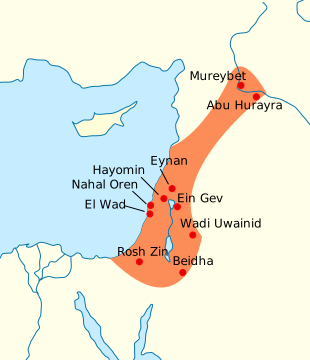
Natufian sites (15,000 – 12,000 BP). These semi-sedentary hunter-gatherers are widely seen as precursors to the early civilizations of the Middle East. Yet biological continuity between the two seems doubtful. Physically, they looked more like present-day sub-Saharan Africans. (source: Phirosiberia)


Humans look “European” not only in Europe but also to varying degrees in North Africa, the Middle East, and South Asia. This phenotype was thought to have begun to differentiate from an older African phenotype not long after modern humans entered Europe some 40,000 years ago. The timing of this change now seems much later, however, probably during the last ice age between 20,000 and 10,000 years ago. The new phenotype was not an adaptive response to weaker sunlight. Rather, it seems to have resulted from a selection pressure that acted primarily on women. This is particularly so for the most visible features—white skin, the diverse palette of hair and eye colors, and the more childlike face. As I have argued elsewhere, the most likely cause is sexual selection—too many women competing for too few men—due to a low polygyny rate and a high death rate among men who had to hunt over long distances on the steppe-tundra (Frost, 2006; Frost, 2008).

If this new phenotype arose on the former steppe-tundra of northern and eastern Europe, why did it later spread to the rest of Europe, not to mention North Africa, the Middle East, and South Asia? The reason probably had less to do with physical appearance and more to do with the mental toolkit that humans had developed in this unique environment. These northern hunting peoples were pre-adapted to technological complexity and thus better able to exploit the opportunities of later cultural environments (see previous post).

As late as the early Holocene, the old phenotype persisted to varying degrees in the more peripheral parts of Europe. In the Middle East, it seems to have persisted as late as the Natufians (15,000 – 12,000 BP). On the basis of skeletal remains, Brace et al. (2006) found them to be more like present-day West Africans than present-day Middle Easterners:
 

Interestingly enough, however, the small Natufian sample falls between the Niger-Congo group and the other samples used. […] This placement suggests that there may have been a Sub-Saharan African element in the make-up of the Natufians. (Brace et al., 2006)

Angel (1972) similarly found that “one can identify Negroid (Ethiopic or Bushmanoid?) traits of nose and prognathism appearing in Natufian latest hunters […] and in Anatolian and Macedonian first farmers.”

Both descriptions are consistent with a much earlier one made when the Natufians were first discovered:
 

Skulls and thighbones of this race were unearthed within the last four years, first at Shukbah near Jerusalem and later in caves at Mount Carmel, and because they puzzled the excavators who found them they received the new name “Natufians.”

Today the first authoritative account of them was given by Sir Arthur Keith to the congress of Prehistoric and Protohistoric Sciences and showed them to be one of the greatest riddles of archaeology.

They were clearly a Negroid people, said Sir Arthur, with wide faces flat-noses and long large heads.

They were short of stature 5 feet 3 or 4 inches tall-and their thighs and legs were remarkably strong. While their arms and shoulders were weak. (New York Times, 1932)

This is not to say that the Natufians were of recent sub-Saharan origin, but rather that they still retained many of the physical characteristics of early modern humans. This older phenotype later gave way to the new European phenotype that was expanding both within Europe and outside.

This lack of biological continuity argues against the widespread belief that the Natufians were ancestral to the sedentary farmers who created proto-cities in the Middle East like Çatalhöyük (9500 – 7700 BP). Yes, the Natufians were semi-sedentary and harvested wild cereals. Some of them may have even made the transition to true farming. But they were nobody’s ancestors. The earliest civilizations did not result from slow cultural change going back to Natufian times. The change was faster-paced, with most of it taking less than two thousand years. This was not a case of immigrants moving in from the north and applying what they already knew to a strange environment. Instead, they created a whole new world from scratch … and very quickly.

There is a second point to consider as well. This demographic expansion into the Middle East must have occurred while the new European phenotype was still evolving on the steppe-tundra. In particular, it must have predated the diversification of hair and eye color and the whitening of the skin up to the physiological limit. Thus, the “full” European phenotype could not have arisen until the final two to three thousand years of the last ice age. 
 

References

Angel, J.L. (1972). Biological relations of Egyptian and eastern Mediterranean populations during Pre-dynastic and Dynastic times, Journal of Human Evolution, 1, 307-313.

Brace, C.L., N. Seguchi, C.B. Quintyn, S.C. Fox, A.R. Nelson, S.K. Manolis, and P. Qifeng. (2006). The questionable contribution of the Neolithic and the Bronze Age to European craniofacial form, Proceedings of the National Academy of Sciences U.S.A., 103, 242-247http://www.pnas.org/content/103/1/242.full

Frost, P. (2008). Sexual selection and human geographic variation, Special Issue: Proceedings of the 2nd Annual Meeting of the NorthEastern Evolutionary Psychology Society. Journal of Social, Evolutionary, and Cultural Psychology, 2(4), pp. 169-191.
http://www.jsecjournal.com/articles/volume2/issue4/NEEPSfrost.pdf

Frost, P. (2006). European hair and eye color - A case of frequency-dependent sexual selection? Evolution and Human Behavior, 27, 85-103.

New York Times (1932). Bones of cannibals: a Palestine riddle, August 4, 1932; p. 21
http://select.nytimes.com/gst/abstract.html?res=FA0917F63E5416738DDDAD0894D0405B828FF1D3


Saturday, January 18, 2014

The first industrial revolution


Eyed sewing needles from Ice Age Europe (17,000 to 10,000 BP). (source: Didier Descouens)


As early modern humans spread farther north, they entered more challenging environments. This was particularly so when they left the boreal forests and entered the open steppe-tundra that covered much of northern Eurasia. Food was plentiful but largely took the form of meat—herds of reindeer and other herbivores. With few plant foods to gather, women took on other tasks: meat processing, shelter building, and garment making. Men also had to make the most of their hunting successes, since no other food was available during lean times.

Necessity is the mother of invention. Northern hunting peoples had to create a wider range of new and complex tools, as well as mental simulations of how their actions would play out in the future:

The technology of recent hunter-gatherers is also influenced by temperature and diet. Both the diversity of tool types and the complexity of individual tools and weapons […] increase as effective temperature and the percentage of plant foods in the diet decline […]. This apparently reflects the need for greater foraging efficiency in habitats where resources are available for limited periods of time. Recent hunter-gatherers in cold environments also tend to make increased use of storage technologies and untended facilities (e.g., traps and snares). The former represent another adaptive response to seasonal variations in resource availability, while the latter reflect an efficient approach (i.e., reduced mobility) to collecting unpredictable and widely dispersed resources […]. Finally, modern hunter-gatherers in northern environments produce relatively complex technology for heat conservation and cold protection (e.g., tailored fur clothing). (Hoffecker, 2002, p. 10).


On the frozen steppe-tundra, each base camp became a center of activity for production, processing, and storage. Deep storage pits were dug into the permafrost for meat refrigeration. Hand-powered rotary drills made their appearance. We find “traces of fired ceramic technology, including remains of kilns heated to as much as 800 degrees C.” There is also evidence of woven textiles, as well as eyed sewing needles and other fine instruments for the making of tailored clothing (Hoffecker, 2002, p. 161, 107).

Much of this activity was driven by the need to do a lot in a short time:
 
In such [non-tropical] areas, one or two seasonally abundant resources may be relied on to produce the critical storable surplus for the lean seasons. This would require short periods of intensive harvest and precise scheduling during those times of the year when these resources were available. In such ‘time-stressed environments’, time was at a premium and hunter-gatherer societies responded by developing time-saving devices: by budgeting their time and by preparing in advance more sophisticated, but also more complicated tools designed for the specific tasks involved. The development of capture facilities, such as pits, traps, weirs, and nets can be also seen as time-saving devices. Another technological requirement for effective exploitation of seasonal resources consists of storage. […] These technological developments, combined with the development of the microlithic industry, could be called, with some justification, the original industrial revolution. (Zvelebil, 2009, p. 170)

 
Did these new cognitive demands have an evolutionary impact? Did they select for certain mental capacities over others? Piffer (2013) has addressed these questions by seeing how hunter-gatherers differ from farming peoples in alleles at COMT, a gene linked to executive function, working memory, and intelligence:

Ethnic groups whose economy is based on farming have higher frequencies of the Met allele (symbol: A), whereas societies based on a hunter-gatherer economy have very low frequencies of the Met allele and a disproportionate predominance of the Val allele. Moreover, the frequency of the Met allele was positively correlated to the populations’ IQ (r = 0.57).


Northern hunting peoples, however, differ from other hunter-gatherers and resemble more advanced farming populations:

[…] hunter-gatherers living at high latitudes (Inuit) show high frequencies of the Met allele, possibly due to the higher pressure on technological skills and planning abilities posed by the adverse climatic conditions near the North Pole.
 

Conclusion

Modern humans arose in Africa, and founded the first civilizations in the Middle East. These two milestones are separated by the development of a new mental toolkit, i.e., an improved ability to imagine how resources can be used collectively not only in the present but also over long periods of time in the future. Surely, then, this mental toolkit must have arisen in the same geographic area. Wouldn’t that be the simplest answer? 

Sometimes the simplest answer is not the right one. Evolution can appear unnecessarily complicated at times, and this is a fine example. Although the new mental toolkit was initially an adaptation to harsh semi-Arctic conditions, it would later prove useful in warmer climes. We see this in an apparent series of demographic expansions out of the northern tier of Eurasia, beginning as early as 15,000 years ago, as indicated by the existence of the Eurasiatic language macrofamily and the more hypothetical Borean macrofamily. Today, most of the human gene pool has its origins in people who once roamed the northern wastes of Eurasia.


References 

Hoffecker, J.F. (2002). Desolate Landscapes. Ice-Age Settlement in Eastern Europe. New Brunswick: Rutgers University Press.

Piffer, D. (2013). Correlation of the COMT Val158Met polymorphism with latitude and a hunter-gather lifestyle suggests culture–gene coevolution and selective pressure on cognition genes due to climate, Anthropological Science, 121, 161-171.
https://lesacreduprintemps19.files.wordpress.com/2014/01/correlation-of-the-comt-val158met-polymorphism-with-latitude-and-a-hunter-gather-lifestyle-suggests-culturee28093gene-coevolution-and-selective-pressure-on-cognition-genes-due-to-climate.pdf

Zvelebil, M. (2009). Hunters in Transition: Mesolithic Societies of Temperate Eurasia and Their Transition to Farming, Cambridge University Press. 

Saturday, January 11, 2014

The brown man with blue eyes


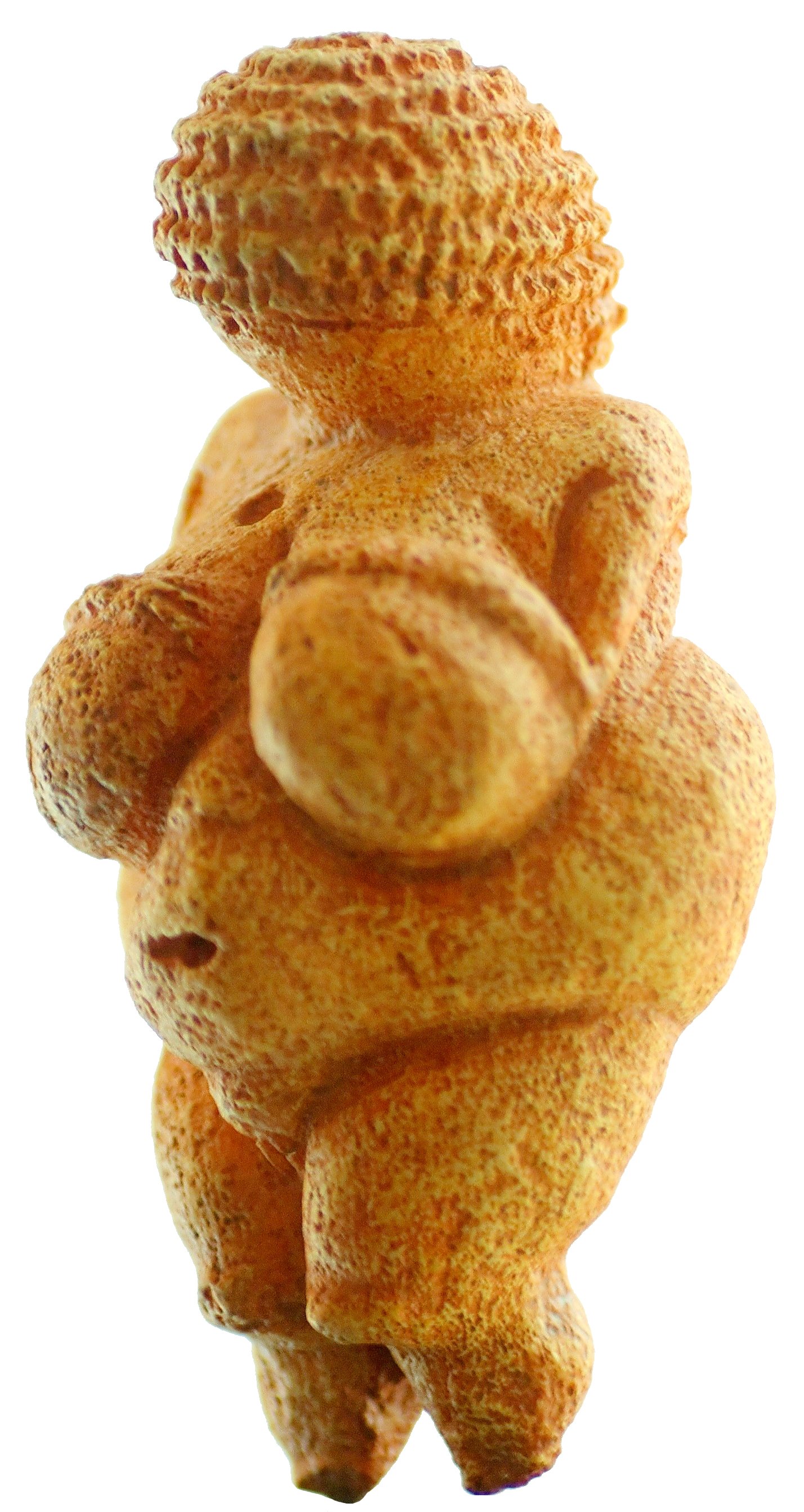
Venus of Willendorf (30,000 – 27,000 BP). Is that a special headdress … or peppercorn hair? (source: Matthias Kabel)


Europeans already had blue eyes while still hunter-gatherers. This is what we’ve learned after retrieving ancient DNA from two Mesolithic individuals, one from Luxembourg, dated to 8,000 years ago, and another from Spain, dated to 7,000 years ago (Dienekes, 2013; Lazaridis et al.,2013). These are late hunter-gatherers, so there is always the possibility of gene flow from early European farmers. Nonetheless, the time of origin now seems earlier for the palette of European eye colors and probably for the palette of European hair colors. How much earlier? Probably within the same time frame when European skin turned white: somewhere between 11,000 and 19,000 years ago according to Beleza et al. (2013) or between 7,600 and 19,200 years according to Canfield et al. (2014). Although different genes are responsible for eye, hair, and skin color, there was probably a single selection pressure that seems to have acted primarily on early European women (Frost, 2006; Frost, 2008).

Interestingly, although the Luxembourg man was blue-eyed, he also had brown skin. He lacked the ‘European’ alleles at all three genes involved in the whitening of European skin. Such a genotype is extremely rare today in unadmixed Europeans (Khan, 2014). Equally odd is the fact that this brown-skinned European lived long after (Beleza et al., 2013) or probably after (Canfield et al., 2014) the time period when European skin turned white. How could that be? Well, these estimates apply only to the ancestors of living Europeans. This individual may not have been so lucky.

When the last ice age ended some 10,000 years ago, it may be that only some European populations had acquired a fully ‘European’ phenotype, i.e., white skin, multi-hued eyes and hair, a more childlike face, and longer, straighter hair. This phenotype would have been most predominant on the former steppe-tundra of northern and eastern Europe. Moving outward from this region, one would have seen humans with more and more of the evolutionarily older traits, i.e., brown skin, uniformly brown eyes and black hair, a more robust face, and short, frizzy hair.

This older phenotype might have persisted well into the Holocene in peripheral and isolated parts of Europe.  As Fleure (1945) notes:

In a few places in Sweden, Britain, and France, people have been noticed who show characteristics of the skull and face that remind one of late-Paleolithic man: these people are usually darker, in hair and eyes, than their neighbors; sometimes they even have swarthy skins.

Even in Scandinavia, we find references in folklore and mythology to an ancient dark-skinned population. A Norse poem, the Rigsthula, describes how the god Rig created a class of thralls who were black-haired, swarthy, and flat-nosed (Jonassen, 1951). This theme comes up elsewhere in Old Norse literature (Karras, 1988).

This leads us to the debate over the discovery of so-called ‘Negroid’ skeletal remains in Europe. Clearly, these individuals were not African, but nor were they like present-day Europeans. They seem to represent an older phenotype that had already lost predominance by Holocene times. The skeletal evidence is reviewed by Boule and Vallois (1957, pp. pp. 291-292):

‘In Brittany, as well as in Switzerland and in the north of Italy, there lived in the Polished Stone period, in the Bronze Age and during the early Iron Age, a certain number of individuals who differed in certain characters from their contemporaries’, in particular in the dolichocephalic character of their skull, in possessing a prognathism that was sometimes extreme, and a large grooved nose. This is a matter of partial atavism which in certain cases, as in the Neolithic Breton skull from Conguel, may attain to complete atavism. Two Neolithic individuals from Chamblandes in Switzerland are Negroid not only as regards their skulls but also in the proportions of their limbs. Several Ligurian and Lombard tombs of the Metal Ages have also yielded evidences of a Negroid element.

Since the publication of Verneau’s memoir, discoveries of other Negroid skeletons in Neolithic levels in Illyria and the Balkans have been announced. The prehistoric statues, dating from the Copper Age, from Sultan Selo in Bulgaria are also thought to portray Negroids. In 1928 René Bailly found in one of the caverns of Moniat, near Dinant in Belgium, a human skeleton of whose age it is difficult to be certain, but which seems definitely prehistoric. It is remarkable for its Negroid characters, which give it a resemblance to the skeletons from both Grimaldi and Asselar.

It is not only in prehistoric times that the Grimaldi race seems to have made its influence felt. Verneau has been able to see, now in modern skulls and now in living subjects, in the Italian areas of Piedmont, Lombardy, Emilia, Tuscany, and the Rhone Valley, numerous characters of the old fossil race.

This older phenotype must have gradually disappeared as the newer phenotype spread outwards from the plains of northern and eastern Europe. Why did one replace the other? What sort of selective advantage did the newer phenotype confer? The reason probably had less to do with physical appearance and more to do with the mental toolkit that humans had developed on the steppe-tundra of the last ice age. These northern hunting peoples were pre-adapted to technological complexity and thus better able to exploit the opportunities of later cultural environments (Frost, 2010). Some of them, specifically the semi-sedentary hunter-fisher-gatherers around the North Sea and the Baltic, would become pre-adapted not only to technological complexity but also to social and economic complexity (Frost, 2013).

References 

Beleza, S., Murias dos Santos, A., McEvoy, B., Alves, I., Martinho, C., Cameron, E., Shriver, M.D., Parra E.J., and Rocha, J. (2013). The timing of pigmentation lightening in Europeans. Molecular Biology and Evolution, 30, 24-35.
http://mbe.oxfordjournals.org/content/30/1/24.short

Boule, M. and H.V. Vallois. (1957). Fossil Men. New York: Dryden Press. 

Canfield, V.A., A. Berg, S. Peckins, S.M. Wentzel, K.C. Ang, S. Oppenheimer, and K.C. Cheng. (2014). Molecular phylogeography of a human autosomal skin color locus under natural selection, G3, 3, 2059-2067.
http://www.g3journal.org/content/3/11/2059.full 

Dienekes (2013).  Mesolithic Iberians (La Braña-Arintero) not ancestors of modern ones,
Dienekes’ Anthropology Blog
http://dienekes.blogspot.ca/2013/12/europeans-neolithic-farmers-mesolithic.html

Fleure, H.J. (1945). The distribution of types of skin color, Geographical Review, 35, 580-595. 

Frost, P. (2013). Origins of Northwest European guilt culture. Part II, Evo and Proud, December 14
http://evoandproud.blogspot.ca/2013/12/origins-of-northwest-european-guilt.html

Frost, P. (2010). Out of North Eurasia, Evo and Proud, May 27
http://evoandproud.blogspot.ca/2010/05/out-of-north-eurasia.html 

Frost, P. (2008). Sexual selection and human geographic variation, Special Issue: Proceedings of the 2nd Annual Meeting of the NorthEastern Evolutionary Psychology Society. Journal of Social, Evolutionary, and Cultural Psychology, 2(4), pp. 169-191.
http://www.jsecjournal.com/articles/volume2/issue4/NEEPSfrost.pdf

Frost, P. (2006). European hair and eye color - A case of frequency-dependent sexual selection? Evolution and Human Behavior, 27, 85-103.

Jonassen, C.T. (1951). Some historical and theoretical bases of racism in northwestern Europe, Social Forces, 30, 155-161.

Karras, R.M. (1988). Slavery and Society in Medieval Scandinavia. New Haven. 

Khan, R. (2014). Phenotypic Whiteness as an Outcome of Neolithic Admixture, The Unz Review: An Alternative Media Selection, January 3.
http://www.unz.com/gnxp/phenotypic-whiteness-as-an-outcome-of-neolithic-admixture/ 

Lazaridis, I., Patterson, N., Mittnik, A., Renaud, G., Mallick, S., et al. (2013). Ancient human genomes suggest three ancestral populations for present-day Europeans, BioRxiv, December 23.
http://biorxiv.org/content/early/2013/12/23/001552.full-text.pdf+html