Showing posts with label Helmuth Nyborg. Show all posts

Friday, June 19, 2020

Cleansing the scientific literature ... again


J. Philippe Rushton (Wikicommons). Eight years later, one of his studies is being “removed” from the scientific literature.


Seven years ago I wrote about Danish psychologist Helmuth Nyborg and the attempts to "unpublish" a study he had already published. At first thought, the idea seemed strange to me:

I was initially stumped by the ruling that Dr. Nyborg must withdraw his study from the scientific literature. How can one withdraw an already published study? Then the penny dropped. Most journals are now published online, and cash-strapped university libraries have been phasing out their paper subscriptions. (Frost 2013)

I and many others complained to the Danish minister responsible for that decision, and it was reversed.

Now, the same thing is happening again, in the heart of the Free World:

An article claiming that skin pigmentation is related to aggression and sexuality in humans will be retracted, Elsevier announced today. The study, "Do pigmentation and the melanocortin system modulate aggression and sexuality in humans as they do in other animals?" was published online in Personality and Individual Differences, an Elsevier journal, on March 15, 2012. The study's authors, John Rushton and Donald Templer, both deceased, hypothesized that skin color was related to aggression and sexuality in humans. It has been cited just nine times in eight years, according to Clarivate Analytics' Web of Science. (Retraction Watch 2020)

According to Google Scholar it has been cited fifteen times. Anyway, a study’s worthiness isn't decided by a show of hands, either now or in the future. Opinions change, and fringe science may eventually become mainstream. Or vice versa.

That brings me to another point. For eight years that study was legitimate. Now, it no longer is. Thanks to George Floyd.

Actually, his death was only a pretext. The mob feels no differently today than it did before May 25. What has changed is its ability to get what it wants ... with no pushback. Let’s not kid ourselves. This is a power grab by people who already have much power over the most important aspect of human culture—the flow of information. If you control a few chokepoints, you can get most people to believe almost anything.

“Power” may not be the right word. The aim is not simply to control institutions but rather to control how we perceive and understand reality. These are people who believe that ideas matter, and they want control over ideas, even in the scientific literature (!).

I don't wish to judge whether Rushton and Templer were "right." Once a study has passed peer review and been published, that judgement belongs solely to the reader. Personally, I feel they were right in some respects and wrong in others. They were right to argue that darker-colored animals tend to be larger and more aggressive, this being true not only between species but also within species:

Ducrest et al. (2008) reviewed data on over 40 wild vertebrate species showing that within each species, darker pigmented individuals averaged higher levels of aggression and sexual activity than lighter pigmented individuals, with a larger body mass, more resistance to stress, and greater physical activity when grooming. The relationship between coloring and behavioral dominance was robust across three species of mammal (African lion, soay sheep, and white-tailed deer), four species of fish (mosquito fish, guppy, green swordtail, and Arctic charr), four species of reptile (asp viper, adder, fence lizard, and spiny lizard), one amphibian species (spadefoot toad) and 36 species of bird.

In captive Hermann's tortoises (Eurotestudo boettgeri), another reptile species, Mafli, Wakamatsu, and Roulin (2011) found darker shell coloration predicted greater aggressiveness and boldness. Darker individuals were more aggressive in male-male confrontations and bolder towards humans, independent of body size and ambient temperature. (Melanin based color traits are a criterion in mate choice.)

Validation of the pigmentation system as causal to the naturalistic observations was demonstrated by experimentally manipulating pharmacological dosages and by studies of cross-fostering (Ducrest et al., 2008). Thus, melanocortin hormone levels predicted the amount of testosterone and other sexual steroids along with concomitant increases (or decreases) in aggression and sexual behavior. Placing darker versus lighter pigmented individuals with adoptive parents of the opposite pigmentation did not modify offspring behavior. (Rushton and Templer 2012)

Yes, melanin does correlate with aggressiveness, especially male aggressiveness. Unlike Rushton and Templer, however, I don't believe the correlation is causal, at least not wholly. It probably began as an accidental association: newborns are generally less pigmented, and this has resulted in a mental association of lightness with weakness and immaturity. Conversely, darkness is associated with strength and maturity. The age difference in pigmentation has been amplified by sexual selection in many species, particularly polygynous species where males have to compete against each other for access to females

We humans make the same mental association, particularly darker-skinned humans. Among them, the contrast between infant and adult pigmentation is striking:

There is a rather widespread concept in Black Africa, according to which human beings, before "coming" into this world, dwell in heaven, where they are white. For, heaven itself is white and all the beings dwelling there are also white. Therefore the whiter a child is at birth, the more splendid it is. In other words, at that particular moment in a person's life, special importance is attached to the whiteness of his colour, which is endowed with exceptional qualities.

According to the same concept, it is also claimed that a newborn baby is not only white but also a soft being during the time between his birth and his acceptance into the society. Furthermore, during this entire period, he is not considered a real person, and this may go so far that parents and society may do away with him at will for reasons that are peculiar to each social group. Having been done away with, these beings are considered to return automatically to the place where they came from, that is, to heaven. (Zahan 1974, pp. 385-387)

This mental association may have become a factor in the struggle by men for mates. In highly polygynous societies, such as those of sub-Saharan Africa, darker-skinned men would be seen as more masculine, and threatening, by other men ... and by women.  Among human populations, darkness of skin correlates significantly with the polygyny rate, even after adjusting for latitudinal variation in skin color (Manning et al. 2004). It looks like selection has favored a darker color in adult males, particularly in a context of intra-male rivalry for mates, and this selection has probably occurred in many species.

I may be wrong. Perhaps Rushton and Templer were wrong. Perhaps nobody knows the truth on this point. That's why we don't unpublish scientific studies. No one has the last word in intellectual debate, and that's how things should be.

Elsevier is aware of the taboo it's treading on:

It is a general principle of scholarly communication that the editor of a learned journal is solely and independently responsible for deciding which articles submitted to the journal shall be published. In making this decision the editor is guided by policies of the journal's editorial board and constrained by such legal requirements in force regarding libel, copyright infringement and plagiarism.  An outcome of this principle is the importance of the scholarly archive as a permanent, historic record of the transactions of scholarship. Articles that have been published shall remain extant, exact and unaltered as far as is possible. However, very occasionally circumstances may arise where an article is published that must later be retracted or even removed. (Elsevier 2020)

Until now, unpublishing wasn’t even “very occasional.” I know of a few cases where a paper was retracted shortly after publication. But eight years after? That just wasn’t done. Now it’s been done. The taboo has been broken, and we're going to see more and more "removals."


References

Elsevier (2020). Article withdrawal. https://www.elsevier.com/about/policies/article-withdrawal

Frost, P. (2012). Dark coloration and male aggressiveness: Is there a link? Evo and Proud, March 31
https://evoandproud.blogspot.com/2012/03/dark-coloration-and-male-aggressiveness.html

Frost, P. (2013). Cleansing the scientific literature. Evo and Proud, November 23
http://evoandproud.blogspot.com/2013/11/cleansing-scientific-literature.html

Manning, J.T., P.E. Bundred, and F.M. Mather. (2004). Second to fourth digit ratio, sexual selection, and skin colour. Evolution and Human Behavior 25(1): 38-50.
https://doi.org/10.1016/s1090-5138(03)00082-5

Retraction Watch. (2020). Elsevier journal to retract 2012 paper widely derided as racist. June 17 https://retractionwatch.com/2020/06/17/elsevier-journal-to-retract-2012-paper-widely-derided-as-racist/

Rushton, J. P., and D.I. Templer. (2012). Do pigmentation and the melanocortin system modulate aggression and sexuality in humans as they do in other animals? Personality and Individual Differences 53(1): 4-8
https://www.sciencedirect.com/science/article/pii/S0191886912000840 

Zahan, D. (1974). White, Red and Black: Colour Symbolism in Black Africa. In A. Portmann and R. Ritsema (Eds.) The Realms of Colour, Eranos 41 (1972): 365-395, Leiden: Eranos.
https://doi.org/10.2307/1573594

Saturday, December 21, 2013

Looking back over 2013


She looks nice in a long skirt. Source: Ted Talks


The year is ending, and it’s time to take stock. Which posts interested you the most? Here are the five most popular ones, with the number of visits to each post:

The other slave trade –  5948
Eye color, face shape, and perceived personality traits –  5708
Cleansing the scientific literature –  4989
First, sexual transmissibility and then …?  –  3578

The first two belonged to a five-part series on the white slave trade (see also Trading in fair-skinned women. Did it happen elsewhere? From Slavs to slaves, From Slavs to slaves. Part II). The existence of this trade is little known even among the well-educated, who typically react with disbelief. Surely those white slaves were fewer in number than the black slaves taken across the Atlantic.  And surely all of that happened long before the Atlantic slave trade. 

Wrong on both counts. Europe exported about as many slaves to the non-European world as were exported from Africa to the Americas. Eastern Europeans continued to be “harvested” until the mid-1700s and the population of the Caucasus until the mid-1800s. By comparison, the black slave trade was banned within the British Empire in 1807 and throughout the Western Hemisphere by the 1860s. The difference was qualitative and not quantitative. Black slaves were mostly male; white slaves mostly female.

In writing those posts, I wasn’t driven by a desire to slander Muslims. Many white slave girls went on to become the wives of leading men, including sultans (like Roxelana). Their slave status was a passing thing, as explained by a notable of Tunis, Mohamed Rechid, when the authorities questioned him in 1891 on his role in slave trafficking:

Q. Do you have any white slave women of Circassian or other origins?
A. No, I don’t have any.
Q. When you went to Constantinople, you didn’t bring any white slave women back with you?
A. I brought two women back with me, this is true, but they aren’t slaves. They are two sisters, one of whom is my wife. One is called Zohra and the other Daïde.
Q. If they aren’t slaves, how did you get them?
A. I bought them in Constantinople, I freed them, and I married one of them. The other one is my sister-in-law. (Dali, 2012)

In Tunis, the noblest families are partly descended from such women (Dali, 2012). The same seems true for most of North Africa and the Middle East, according to this historian of Muslim Spain:

The same convoys of booty also included women, these Frankish women who were all the more sought after in Cordova because they were blond and fair-skinned. It was among them, as among the captive women from Gascony, that the Umayyad princes chose their most pampered concubines and who, once they became mothers, were themselves raised to the rank of veritable princesses, of proven sultanesses (umm walad) who were influential and quick to enter, with the assistance of Slav eunuchs, into secret and complicated palace intrigues. But the Frankish women did not populate only the caliph's harems; the dignitaries of the khassa and the rich burghers of the cities also procured them at lavish prices, like, in the modern period, the Circassian women who have so curiously tinted the upper classes of oriental Muslim society. (Lévi-Provençal, 1953, p. 179)

Of course, many white slave women had less fortunate outcomes, never rising above the level of concubine, singing girl, or prostitute. But this is not something to feel bitter or guilty about. The past is another country. We study it so that we may better understand the present.

In this five-part series, I was responding to Cameron Russell’s argument that she and other top models are cashing in on a legacy of white privilege. In other words, if Europeans had not become so dominant socially, economically, and geopolitically, her white skin and facial features would today seem much less attractive. Well, that alternate reality did exist. Until five centuries ago, white folks were weaklings on the world scene, with large areas of their continent under the rule of outsiders. And yet, European women were greatly admired in Muslim Spain, North Africa, the Middle East, and South Asia, this being why so many of them were enslaved and exported to those regions … just because of their looks.


This post was about Karel Kleisner’s study on eye color and face shape. In sum, blue eyes are associated with less robust and more feminine faces, but only if the faces are male. It may be that female face shape is overdetermined, i.e., all girls are exposed to enough estrogen in the womb to feminize their faces, but only blue-eyed boys reach this level of estrogenization. Thus, to some degree, blue eyes are a female trait. This finding is consistent with the view, supported by other findings, that the most visible features of Europeans are actually female features, i.e., they are a product of a selection pressure that acted primarily on women.

I was initially taken aback on seeing the averaged blue-eyed and brown-eyed male faces that appear in Dr. Kleisner’s first paper on this subject. Surely some of those photographed subjects were partly Jewish or Roma. But, then, the brown-eyed men would have been more variable in face shape, yet they were not. And how would that reason explain why blue eyes correlated with facial feminization in men but not in women?


Two years ago, the Danish psychologist Helmuth Nyborg published a paper on his country’s demographic future. He made the following points:

- Contrary to official statistics, immigrant birth rates are not falling. In fact, they have been rising since 1980 and were over twice the ethnic Danish birth rate in 2009. Since 1995, the ethnic Danish birth rate has been falling.

- After rising for half a century, average national IQ began to fall in 1997. This decline has also been observed in Norway, even though average IQ has continued to rise elsewhere in line with the Flynn effect.

- By 2050, less than one fifth of the population will have IQs in the 90 to 104 range, and over half in the 70 to 85 range. Primary schools will mainly have low IQ children of sub-Saharan, Middle Eastern, North African, Latin American, and Caribbean backgrounds.

- By 2072, ethnic Danes will have fallen to 60% of the population and 33% of all births. They will become a minority around 2085.

These predictions may or may not be correct (see Does Nyborg’s study make sense?). Is the rapidity of demographic change overstated? Are the differences in IQ due to poor upbringing and hence amenable to improvement? Criticism can and should be made, but that option was passed over by three of Nyborg’s colleagues. They complained to the Danish Committee for Scientific Dishonesty, which ruled that he must withdraw his study from the scientific literature. I denounced this decision in an e-mail to Morten Østergaard, the Danish Minister for Research, Innovation, and Higher Education, as did many other academics.

I got the following reply (words bolded as in the original):


Dear Dr. Frost,

The Minister for Science, Innovation and Higher Education Morten Østergaard acknowledges receipt of your e-mail dated 14 November 2013.

Further to your concern as to the decision (ruling) dated 28 October 2013 of the Danish Committees on Scientific Dishonesty on Helmuth Nyborg’s contribution to the article “The Decay of Western Civilization: Double Relaxed Darwinian Selection” published in the scientific journal “Personality and Individual Differences”, we are now pleased to invite you to study the translation into English of the decision. You will find the translation following this link:
 
http://fivu.dk/en/research-and-innovation/councils-and-commissions/the-danish-committees-on-scientific-dishonesty/decisions/2013/decisions-of-28-october-2013-on-authorship-and-misleading-reference.pdf

Based on the conclusions of the Committees they recommend that the article be withdrawn. But, as you will see, the Danish Committees on Scientific Dishonesty have not in any way considered the conclusions drawn by Dr. Nyborg, nor have they ordered him to withdraw the article.

The Committees have been established as stipulated in an act of Parliament to “investigate allegations on research misconduct only, i.e. falsification, fabrication, plagiarism and other serious violation of good scientific practice committed wilfully or grossly negligent on planning, performance or reporting of research results”. The Committees are not entitled to consider cases involving the validity or truth of scientific theories or cases involving the research quality of a scientific product.

If you are interested in more information on the mandate of the Committees, you may find all the relevant regulations translated into English here:


Yours sincerely,
 

Charlotte Elverdam
General Counsel and
Head of Secretariat for Danish Committees on Scientific Dishonesty
 

Yes, it was just a recommendation, but recommendations are made to be acted upon by someone in authority. Or maybe the Committee expected that Dr. Nyborg would just voluntarily purge his study from the scientific literature? Anyhow, it’s clear that no one in authority wishes to proceed further.


The scientific community is slowly realizing that microscopic parasites can manipulate human behavior. Attention is now focused on the protozoan Toxoplasma gondii, but only because we already know what it does to cats and mice. There is no reason to think that human-specific microbes have not also evolved in this direction. As the Czech biologist Jaroslav Flegr points out: “A large number of parasitic organisms […] may influence the phenotype of their human host even more than the Toxoplasma. These organisms are, however, still waiting for research teams to engage in a systematic study of their influence on the human host.”

Some of them may be surprisingly commonplace, organisms like vaginal yeast and bacterial vaginosis. See also Brainwashed by a microbe?
 

And now for the duds …

My year-end review would be incomplete unless I mentioned my least popular posts:

The cagots – 649
The Visual Word Form Area. Part II  –  667
Thoughts on the Paris Spring – 755
More thoughts. The evolution of a word – 771
Can antiracism reform itself? – 860

I thought my worst post would be Is something afoot with Bigfoot? Yet that one had a respectable 1199 visits (the alleged yeti DNA turned out to be from a bear). Instead, the booby prize goes to ...

 
The cagots

In this post, together with previous ones on the Paekchong of Korea and the Burakumin of Japan, I argued that outcaste groups are evolutionarily conservative and thus tend to preserve predispositions that once were prevalent in the general population, e.g., with respect to time orientation, impulse control, anger threshold, etc.

Such groups exist in many societies, such as those of East Asia. The existence of stigmatized occupations, notably trades that involve contact with dead flesh (butchering, leather making, undertaking), provide lower-class individuals with a protected means of livelihood, but at the cost of becoming themselves stigmatized. The occupational class becomes a caste and, hence, no longer participates in the evolutionary changes that affect the general population. Over time, this caste tends to perpetuate the same behavioral profile and thus increasingly diverges from the evolving behavioral profile of the larger society, with the result that social stigmatization and genetic isolation further increase.

The situation is unlike that of England where, over the past millennium, the reproductive success of the upper and middle classes caused a demographic overflow that continually replenished the ranks of the lower classes, who had negative natural increase. Today, the population of English background, even in the lower classes, is composed of lineages that half a millennium ago were predominantly upper or middle class (Clark, 2007; Clark, 2009).
 

The Paris Spring, racism, and antiracism

Time will tell whether anything will come of the Paris Spring (better known as the French Spring). By “time” I mean the next year or so. Can antiracism reform itself? I doubt it. Yes, there is a growing willingness to extend the concept of “hate crime” to cases of interracial violence where the victim is white, e.g., the knockout game. But such willingness can never be more than tokenism. First, whites are the victims in most cases of interracial violence, and overwhelmingly so. Any acknowledgement of that reality would completely transform antiracism. Second, as antiracists are right to point out, non-white on white violence is less ideologically motivated than the reverse. The motive is typically a perception that whites are soft targets. “Whites don’t fight back.” In particular, they don’t fight back collectively. The White man has no friends.

In the real world, motives are less important than consequences. Humans have been ganging up on soft targets for millennia, but for most of that time they had no conscious ideological motive. Were the Thule Inuit aware that they were driving the Dorset people to extinction? Not really. They would first move into Dorset territory and work out a modus vivendi. When they became more numerous, they would drive those people out. Then they moved into the next patch of Dorset territory. And the cycle repeated again and again until the Dorset were no more.


References 

Clark, G. (2007). A Farewell to Alms. A Brief Economic History of the World, Princeton University Press, Princeton and Oxford.

Clark, G. (2009) The indicted and the wealthy: surnames, reproductive success, genetic selection and social class in pre-industrial England,
http://www.econ.ucdavis.edu/faculty/gclark/Farewell%20to%20Alms/Clark%20-Surnames.pdf 

Dali, I.M. (2012). Problématique du phénotype. Approche comparative des esclavages dans la Tunisie du XIXe siècle, in R. Botte and A. Stella (eds.) Couleurs de l’esclavages sur les deux rives de la Méditerranée (Moyen Âge-XXe siècle), (pp. 337-369), Paris: Éditions Karthala.

Lévi-Provençal, E. (1953). Histoire de l’Espagne musulmane, tome III, Paris: G.P. Maisonneuve.

Saturday, November 30, 2013

Does Nyborg's study make sense?


Immigrants to Denmark come largely from the Muslim world, where fertility rates are converging to the European norm. In the future, most immigrants will come from sub-Saharan Africa, where the fertility decline has stalled and has actually reversed in some countries. (source)
 

My last post dealt with Helmuth Nyborg’s study and the decision by the Danish Committee for Scientific Dishonesty to have it deleted from the scientific literature. Please note: this is not about barring a study from publication. That happens all the time. This is about removing a study that has already been published.

Let me now turn to the study itself. What do I think? Does it make sense?

First, I seldom see a paper I fully agree with. Something usually seems wrong. Often, the authors overstate their case, out of enthusiasm or fear of being ignored. This is normal, and the only way to learn the whole truth is to encourage others to speak up and provide their views.

But, yes, Nyborg’s study does make sense, if only because his population projection holds true regardless of how imperfect his data may be. The result is overdetermined. If a population opens up its territory to immigration while having below-replacement fertility, it will eventually become a minority within its own borders. The actual timeline may be unsure. Things may happen slower or faster than predicted. But the end result is a sure thing.

Of course, immigration might stop. And Danish fertility might return to replacement level. But such an eventuality will not happen unassisted. It will come about through deliberate changes to public policy. And that will happen only through free debate—the very thing that Nyborg’s critics apparently wish to prevent.

So please let me state what I think, at the risk of being likewise erased from the scientific literature. 

Nyborg’s model: fertility rates and birth rates

Clearly, Danes are below the replacement level of 2.1 children per woman (the figure was 1.73 in 2012). And since their mean age is rising, their birth rate is falling despite a constant fertility rate. Fewer and fewer Danish women are of childbearing age.

Meanwhile, immigrants to Denmark have a rising birth rate because they increasingly come from high-fertility societies in the Muslim world and sub-Saharan Africa. Nyborg thus argues that their natural increase will eventually overtake immigration as the main impetus for Denmark’s population growth: “Whereas 72% of growth in 2010 was due to new immigration, by 2072 more than three quarters of further growth will be driven by the higher fertility of non-Western immigrants” (Nyborg, 2011).

Nyborg’s model assumes that the immigrant birth rate will remain high. Yet this is already less and less true, as shown by a Statistics Denmark study in 2010:

The fertility rate has fallen among immigrants of non-Western background and is now flush with the fertility rate among women of Danish background. [...] For many years, immigrants born in non-Western countries had far more children than women of Danish origin. In 1993 immigrants born in non-Western countries had 3.4 children on average, while Danish women gave birth to 1.7 children on average. The fertility rates have since converged, and in 2009 both immigrants from non-Western countries and Danish women gave birth on average to 1.9 children, according to figures from Statistics Denmark. (Nielsen, 2010)

While this convergence may reflect assimilation to Danish cultural norms, we should remember that fertility has sharply declined throughout most of the Muslim world, which is Denmark’s leading source of non-Western immigrants.

Of course, despite this convergence of fertility rates, the birth rate will still be higher among women of non-Western origin because they are younger on average. And, unless the immigration tap is turned off, they will be continually joined by immigrant women who are drawn disproportionately from the childbearing age bracket. Nonetheless, even if immigration continues unabated, this factor will lose importance as the community of non-Western origin grows larger and larger. Over time, the birth rates of both communities should converge, just as their fertility rates have already converged. This point was actually made by Nyborg’s critics. So his model may be too pessimistic.

Or maybe not. Although Nyborg’s model took into account the current shift toward non-Western sources of immigration, it did not allow for the likelihood that non-Western immigrants will increasingly come from sub-Saharan Africa. While fertility rates have fallen sharply throughout most of the Muslim world, there has been little or no decline in most of sub-Saharan Africa (see previous post). In some countries, like Somalia, fertility rates are actually rising. This trend has been noted in the latest UN population projections:

In the new revision, the estimated total fertility rate (TFR) for 2005-2010 has increased in several countries, including by more than 5 per cent in 15 high-fertility countries from sub-Saharan Africa. In some cases, the actual level of fertility appears to have risen in recent years; in other cases, the previous estimate was too low. (United Stations, 2013, p. 2) 

[…] Between 2013 and 2100, the populations of 35 countries, most of them LDCs, could triple or more. Among them, the populations of Burundi, Malawi, Mali, Niger, Nigeria, Somalia, Uganda, United Republic of Tanzania and Zambia are projected to increase at least five-fold by 2100. (United Nations, 2013, p. 5)

In any case, Nyborg’s predictions will come true even if the immigrant birth rate converges to the Danish norm. The immigrant community will expand through immigration alone. And the ethnic Danish community will shrink once its deaths begin to outnumber its births. One group will replace the other.

Nyborg’s model and IQ

Human populations differ statistically in mean IQ. We can argue why this is so. Genetics? Poor upbringing? Racism? Whatever the reason, these differences exist. The only real debate is whether they will persist over time or gradually disappear as the immigrant community assimilates and becomes increasingly Danish-born. Some observers see this problem as a generational one. The older immigrants may be too set in their ways, but their children should turn out all right.

Intelligence does seem to be more malleable in children than in adults. If one intervenes early enough, differences in cognitive ability should therefore be erased, and these equal outcomes should persist into adulthood. This was the thinking behind the Head Start Program, which provides American 3 and 4 year-olds from disadvantaged backgrounds with early educational training. Unfortunately, even its proponents have concluded that the IQ benefits fade away and are usually gone by Grade 2. Longer-term benefits tend to be non-IQ-related, such as a greater willingness to stay in school and comply with the school regimen. Moreover, all of these improvements tend to be larger and longer-lasting in white children than in black children, even when the white children are initially more disadvantaged (Wikipedia 2013).

Do these different outcomes reflect the different family and community environments of white and black children? This is the currently favored explanation: no matter how poor a white child may be, he or she benefits from a society that allocates fewer resources to black families and black communities. The IQ gap will thus disappear only when white and black children share the same resources.

The most radical solution would be to raise black and white children together in the same households. Yet even that kind of environment fails to eliminate the IQ gap. This was the finding of the Minnesota Transracial Adoption Study —a longitudinal study of black, biracial, and white children adopted into white middle-class Minnesotan families, as well as the biological children of the same families (Levin, 1994; Lynn, 1994; Scarr and Weinberg, 1976; Weinberg,Scarr, and Waldman, 1992). IQ was measured when the adopted children were on average 7 years old and the biological children on average 10 years old. They were tested again ten years later:

Test ------------------ 1st --- 2nd 

Black children ----- 97 ---  89
Biracial children - 109 ---  99
White children --- 112 --- 106 (adopted)
White children --- 117 --- 109 (biological)

Between the two tests, all four groups showed a decline in mean IQ that may or may not have been due to changes in testing and norms. On both tests, however, the differences among the four groups remained unchanged, particularly the 15-point IQ gap between blacks and whites that comes up in one study after another. Whatever it is that causes this gap, it must happen very early in life. In the womb? But how do we explain the poorer showing of the biracial children? They were born overwhelmingly to white mothers.

In sum, early intervention does help, but it helps all children equally. And this benefit seems to fade away in all children as time goes by.

Perhaps there is another explanation. Perhaps, in early humans, learning was just a means of encoding information while a young child is becoming familiar with the world. Once this critical period was over, the brain no longer had to be so malleable and lost its plasticity.  This developmental trajectory then began to take place more slowly in some human populations than in others. Why not? Different populations have to cope with different physical and cultural environments, and some of those environments require more lifelong learning than others. This adult retention of mental plasticity may be analogous to adult retention of lactase (the enzyme that infants use to digest milk) in those populations that have domesticated cattle.

Yes, this is just theorizing. Nothing has been proven. But isn’t the burden of proof on those who seek irrevocable change? In any case, whatever the cause, this IQ gap seems almost intractable. If it cannot even be narrowed in the shared environment of a nice Minnesotan household, how are you going to eliminate it in a country where a native European population has so little in common—culturally, linguistically, and ideologically—with an increasingly African immigrant community?

Closing thoughts

One other thing bothers me. So please let me say it.

Why must the Danes prove that they deserve to keep their country to themselves? Isn’t that a basic right? They have only one land to call home … unlike the many “refugees” who regularly visit their own homelands. Once the Danes lose majority status in their country, they’ll be like the Copts of Egypt and other minorities in this world. They’ll have to live by their wits, trying to balance off one potential enemy against another. 

I wouldn’t wish that fate on anyone, let alone on the Danes.


References 

Levin, M. (1994). Comment on the Minnesota transracial adoption study, Intelligence, 19, 13-20.
http://www.sciencedirect.com/science/article/pii/0160289694900493 

Lynn, R. (1994). Some reinterpretations of the Minnesota Transracial Adoption Study, Intelligence, 19, 21-27.
http://www.sciencedirect.com/science/article/pii/0160289694900507 

Nielsen, J.B. (2010). Indvandrerkvinder og danske kvinder føder lige mange børn, July 27, Kristeligt Dagblad.
http://www.kristeligt-dagblad.dk/artikel/374994:Danmark--Indvandrerkvinder-og-danske-kvinder-foeder-lige-mange-boern 

Nyborg, H. (2011). The decay of Western civilization: Double relaxed Darwinian Selection. Personality and Individual Differences, 53, 118-125.
http://emilkirkegaard.dk/da/wp-content/uploads/Helmuth-nyborg-2011-the-decay-of-western-civilization-double-relaxed-darwinian-selection1.pdf 

Scarr, S., and Weinberg, R.A. (1976). IQ test performance of Black children adopted by White families, American Psychologist, 31, 726-739.
http://www.kjplanet.com/amp-31-10-726.pdf 

United Nations, Department of Economic and Social Affairs, Population Division (2013). World Population Prospects: The 2012 Revision, Key Findings and Advance Tables. Working Paper No. ESA/P/WP.227.
http://esa.un.org/wpp/Documentation/pdf/WPP2012_%20KEY%20FINDINGS.pdf 

Weinberg, R.A., Scarr, S., and Waldman, I.D. (1992). The Minnesota Transracial Adoption Study: A follow-up of IQ test performance at adolescence. Intelligence, 16, 117-135.
http://www.sciencedirect.com/science/article/pii/016028969290028P 

Wikipedia. (2013). Head Start Program
http://en.wikipedia.org/wiki/Head_Start_Program 

Saturday, November 23, 2013

Cleansing the scientific literature


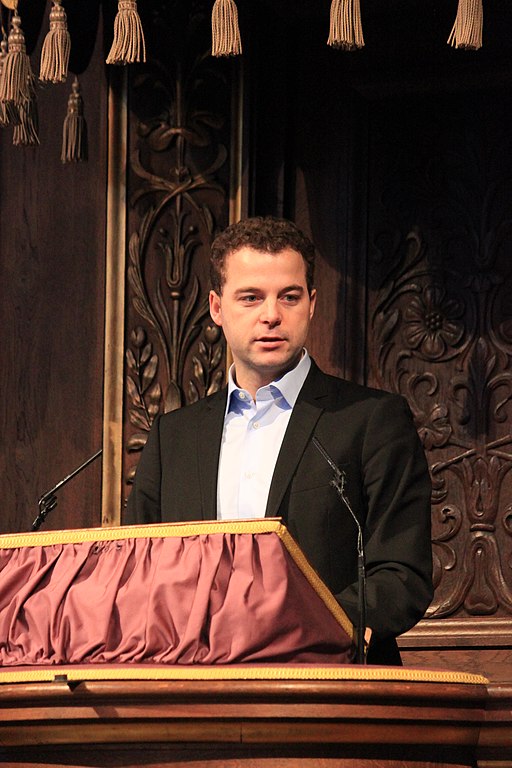
 Morten Østergaard, Danish Minister for Research, Innovation, and Higher Education (source: VicVal). Morten, if you’re reading this post, please reply to my e-mail.


I first learned about Danish psychologist Helmuth Nyborg while working on my doctoral thesis. In those pre-Internet days, I plodded my way through the academic literature largely by consulting the Science Citation Index and then pulling bound journals off library shelves. This was how I encountered Dr. Nyborg, or rather his studies on hormones and behavior.

As early as the late 1980s, he began to take an interest in “human biodiversity,” i.e., the belief that heritable mental and behavioral traits differ among human populations just as they do among individuals. At the time, I had an attitude of friendly skepticism, being still influenced by the belief that cultural evolution had replaced genetic evolution way back in the Pleistocene. Only later did I learn that cultural evolution had actually accelerated the pace of genetic evolution (Hawks et al., 2007).

In recent years, Dr. Nyborg has turned his attention to the demographic changes that are sweeping through Western Europe and his own country. In this, he has acted not just as an academic who wishes to understand reality, but also as a Danish citizen who is concerned about his country’s future. What will Denmark look like half a century from now? Will it still be recognizably Danish? Will it still be functioning as a modern society with a high quality of life?

On the basis of population projections, he concluded that ethnic Danes will become a minority in their own country, the tipping point being sometime in the late 21st century. In addition, the Danish population will no longer be able to provide the standard of living that Danes have long been used to. Denmark will cease to be a First World country.

His study made the following points:

- Contrary to official statistics, immigrant birth rates are not falling. In fact, they have been rising since 1980 and were over twice the ethnic Danish birth rate in 2009. Meanwhile, the ethnic Danish birth rate has been falling since 1995 and reached a new low of 9.31 in 2009.

- After rising for half a century, average national IQ began to fall in 1997. This decline has also been observed in Norway, even though average IQ has continued to rise elsewhere (in line with the Flynn effect).

- By 2050, less than one fifth of the population will have IQs in the 90 to 104 range, whereas over half will have IQs in the 70 to 85 range. Primary schools will mainly have low IQ children of sub-Saharan, Middle Eastern, North African, Latin American, and Caribbean backgrounds.

- By 2072, ethnic Danes will have fallen to 60% of the population and 33% of all births. They will become a minority around 2085.

This study was met with much criticism. Unfortunately, not content with making their views known in academic forums, three people complained to the Danish Committee for Scientific Dishonesty. The committee ruled that two of their complaints were justified: “the defendant had committed scientific dishonesty by appearing as the sole author of an article and by including a reference which did not support the data it indicated to support.” The committee also ruled that Dr. Nyborg must withdraw his study from the scientific literature.

The two complaints seem to me weird. Yes, another person had contributed to the study, but he had specifically requested that his contribution remain anonymous. The second complaint is a bit more valid. Dr. Nyborg had not explained how he had converted his fertility rate data into birth rate data. Nonetheless, he corrected that shortcoming by having an addendum published in a subsequent issue of the journal.

I was initially stumped by the ruling that Dr. Nyborg must withdraw his study from the scientific literature. How can one withdraw an already published study? Then the penny dropped. Most journals are now published online, and cash-strapped university libraries have been phasing out their paper subscriptions. So it’s quite easy to “disappear” a published study.

I e-mailed the following letter to the Danish minister responsible for this committee:
 

Morten Østergaard, Minister for Research, Innovation, and Higher Education

Subject: Decision that Helmuth Nyborg must withdraw a published paper from the international scientific literature

Dear Mr. Østergaard:

I have known Dr. Nyborg for many years. He is much appreciated in the international academic community and has published on many subjects, some of which are controversial. Recently, the Danish Committee for Scientific Dishonesty has ruled that Dr. Nyborg must withdraw a published article from the international scientific literature. In my opinion, this kind of ruling is unprecedented and should not go unchallenged.

Scientific papers are published with a view to provoking debate. If other scholars consider a paper to be "dishonest," they are free to write a letter to the journal of that paper and, normally, such letters will be published in a subsequent issue. They are also free to denounce the paper at conferences or in their own published papers. That is how the system works, and to date it has worked very well.

But no one has the right to delete a paper once it has been published. The paper no longer belongs solely to its author. It also belongs to the international academic community. It is part of the marketplace of ideas. Yes, in the past, certain governments would try to remove books, articles, and papers from circulation. Police officers would go into bookstores, libraries, and publishing houses and literally remove the offending publications from the shelves. Must I state the obvious? Such governments were totalitarian. They were either communist or fascist.

Yes, thanks to electronic publishing of academic journals, it is much easier to delete a published paper. But that does not change the rightness or wrongness of the act. Your ministry is acting in a way that is morally wrong. Not technically wrong. Morally wrong. This decision is an offence not just to the Danish academic community, but also to the international academic community.

Please, think long and hard about the implications of this decision.  

Yours sincerely,


Peter Frost, Ph.D. 

Anthropology
Université Laval
Quebec City, Canada


I resisted the temptation to write something like: “I disagree with what he says, but I defend his right to say it.” That goes without saying. Just as physicians must swear the Hippocratic Oath, academics are supposed to defend the marketplace of ideas.  

I will say more in my next post. In the meantime, I encourage others, especially other academics, to denounce this decision by e-mailing Morten Østergaard (min@fivu.dk)


References 

Hawks, J., E.T. Wang, G.M. Cochran, H.C. Harpending, and R.K. Moyzis. (2007). Recent acceleration of human adaptive evolution. Proceedings of the National Academy of Science, 104(52), 20753–20758.
http://www.pnas.org/content/104/52/20753.full 

Nyborg, H. (2011). The decay of Western civilization: Double relaxed Darwinian Selection. Personality and Individual Differences, 53, 118-125.
http://emilkirkegaard.dk/da/wp-content/uploads/Helmuth-nyborg-2011-the-decay-of-western-civilization-double-relaxed-darwinian-selection1.pdf