Saturday, September 28, 2013

Brainwashed by a microbe?


Toxoplasma gondii (source: A.J. Cann)

It’s long been known that many organisms are parasites, i.e., they survive by living off a host. In recent years we’ve learned that some of them can improve on their life strategy by manipulating their host’s behavior. A fungus, Ophiocordyceps unilateralis, will invade an ant’s brain and direct its host to go to the right height above ground, lock itself into position … and die (Ophiocordycepsunilateralis, 2013). A tapeworm, Schistocephalus solidus, will infect a fish and cause its host to turn white and prefer the water surface, thereby making it an easy prey for a passing bird—the next stage in the worm’s life cycle (Fish diseases and parasites, 2013). A protozoan, Toxoplasma gondii, after being excreted in cat feces and then picked up by a mouse, will infiltrate the brain of its new host and neutralize the fear response to the smell of cat urine. The host thus becomes a way to get back into a cat’s gut—the only place where this protozoan can sexually reproduce (Ingram et al., 2013). 

Ants, fish, mice … The sequence is troubling. What about us? Have some microbes evolved to manipulate our brains? Perhaps, but it would be hard to prove. For one thing, we’re continually being infected by seemingly benign microbes that trigger no symptoms of infection, i.e., fever, pus formation, immune response, etc. They go about their business without our knowing they’re inside us.

For another thing, a microbe can permanently alter our mental wiring and then be removed from our body. The culprit vanishes from the scene of the crime and leaves only a few ambiguous clues. This is the conclusion of a recent study on Toxoplasma gondii. When mice were infected with a weakened strain of this protozoan, they were able to overcome the infection and clear all traces of it from their brains. Yet the behavioral change remained:

[…] our data indicate that infection with all three major North American T. gondii clonal lineages results in loss of innate, hard-wired aversion to feline predator urine in mice. […] permanent interruption of mouse innate aversion to feline urine is a general trait of T. gondii infection that occurs within the first three weeks, independent of parasite persistence and ongoing brain inflammation. (Ingram etal., 2013)

It seems that T. gondii moves around the host’s brain and alters many neurons without actually taking up residence in them, apparently by injecting specific proteins through the cell wall.

Although we’re not a natural host, T. gondii does appear to alter human behavior: 

Toxoplasma-infected subjects differ from uninfected controls in the personality profile estimated with two versions of Cattell’s 16PF, Cloninger’s TCI and Big Five questionnaires. Most of these differences increase with the length of time since the onset of infection, suggesting that Toxoplasma influences human personality rather than human personality influencing the probability of infection. Toxoplasmosis increases the reaction time of infected subjects, which can explain the increased probability of traffic accidents in infected subjects reported in three retrospective and one very large prospective case-control study. […] Toxoplasma-infected male students are about 3 cm taller than Toxoplasma-free subjects and their faces are rated by women as more masculine and dominant. These differences may be caused by an increased concentration of testosterone. Toxoplasma also appears to be involved in the initiation of more severe forms of schizophrenia. At least 40 studies confirmed an increased prevalence of toxoplasmosis among schizophrenic patients. Toxoplasma-infected schizophrenic patients differ from Toxoplasma-free schizophrenic patients by brain anatomy and by a higher intensity of the positive symptoms of the disease. (Flegr, 2013)

T. gondii is being studied for possible behavioral effects mainly because it has attracted so much attention. But we’re probably being manipulated by other parasites. “A large number of parasitic organisms probably exist in helminths, protozoa, fungi, bacteria, archea and viruses that may influence the phenotype of their human host even more than the Toxoplasma. These organisms are, however, still waiting for research teams to engage in a systematic study of their influence on the human host” (Flegr, 2013).

Where to look? Cherchez la femme. Sexually transmitted diseases have much to gain from altering host behavior. I would especially look at bacterial vaginosis, chlamydia, and vaginal yeast.

References 

Fish diseases and parasites. (2013). Wikipedia
http://en.wikipedia.org/wiki/Fish_diseases_and_parasites

Flegr, J. (2013). Influence of latent Toxoplasma infection on human personality, physiology and morphology: pros and cons of the Toxoplasma–human model in studying the manipulation hypothesis, The Journal of Experimental Biology, 216, 127-133. http://jeb.biologists.org/content/216/1/127.full 

Ingram, W.M., L.M. Goodrich, E.A. Robey, and M.B. Eisen (2013). Mice infected with low-virulence strains of Toxoplasma gondii lose their innate aversion to cat urine, even after extensive parasite clearance. PLoS ONE 8(9): e75246. doi:10.1371/journal.pone.0075246
http://www.plosone.org/article/info%3Adoi%2F10.1371%2Fjournal.pone.0075246

Ophiocordyceps unilateralis. (2013). Wikipedia

Sunday, September 22, 2013

From Slavs to slaves. Part II


St. Adalbert freeing Slavic slaves (source). With the Christianization of Eastern Europe, the trade in fair-skinned women and boys came to an end.


The white slave trade played a key role in ending the Dark Ages—this seemingly unending downward spiral that followed the collapse of the Roman Empire. By the 8th century, the elites of Western Europe had run out of gold and possessed very little else that could be traded for luxury Oriental goods. It was at that point in time that the possibility arose of selling fellow Europeans into slavery, particularly Slavs from the lands between the Elbe and the Volga.

Yet this historical episode is relatively unknown. One reason was its semi-illegality. Involuntary servitude wasn’t unlawful in itself. In fact, most Europeans were bound by long-term ties of submission, like the serfs who farmed the land. This was an accepted part of life. Enslavement was even seen as a humane way of dealing with criminals, prisoners of war, and other people who would otherwise be killed. But this particular form of enslavement meant more than just inferior status. Some of its aspects contravened both secular law and Christian morality, notably castration, the breaking up of families, and the abandonment of individuals who were too old or too young. There was also the exporting of fellow Europeans to the Muslim world and the prohibition against letting them learn about the Christian faith. It was for this reason that the existing term for involuntary servitude—servus—was felt to be inappropriate. The ethnonym ‘Slav’ thus came to mean a particularly degraded kind of servant—a slave.

This leads to another reason why this trade is little talked about. It sheds an unflattering light on our early history. The end of the Dark Ages was bought at a high moral price, even by medieval standards. After selling off the family heirlooms, our ancestors began to sell eunuchs, concubines, and toy boys—all this to get gold and precious fabrics to adorn their palaces … and churches.

This same price would also make possible the rise of states in Eastern Europe. When we read that early Polish and Russian kings had hundreds of wives or concubines, we smile and assume that this sort of thing was normal in those days. Yet it wasn’t. The slave trade initiated a cultural revolution that radically transformed social relations throughout pre-Christian Slavic Europe. Chieftains were previously elected and ruled over small territories through consensus; now, with Arab gold and silver, some of them had the means to assert their power unilaterally over much larger territories. A primitive form of democracy gave way to despotic rule.

Finally, this historical episode sheds an unflattering light on a group of Jews based in Spain and France who came to be called Radhanites. Being neither Christian nor Muslim, they were ideal middlemen for the overland trade route to Muslim Spain. At the other end of this route, there arose between the 8th and 12th centuries a network of trading posts across the Slavic lands that stretched from the Elbe in the West to the Volga in the East.

These trading posts may have eventually given rise to the Ashkenazi community of Eastern Europe. Admittedly, the usual explanation is that Jews emigrated to Poland in the wake of 12th-century persecutions in Western Europe. Yet there are earlier references to the presence of Jewish traders in what is now eastern and central Europe:

The appearance of Jews in central and eastern Europe occurred, it seems, only in the eighth century. It was linked to two important facts, the first of which was the establishment of a Jewish cultural and political center in Khazaria, a great Turkish empire whose center was on the lower Volga. […] The second fact that favored the formation of Jewish colonies in central and eastern Europe (located east of the Elbe) was the role played by Jewish merchants in the trade between Western Europe and the Muslim East.

[…] The Jews of Bohemia are cited for the first time in the 10th century; the Jews of Prague, in particular, are mentioned in the biographies of St. Adalbert. The existence of Jewish colonies in Poland go back only to the early 11th century.

[…] Jewish trade with central and eastern Europe was from the beginning closely linked to the fact that the Western Jews, especially the Spanish, French, and Rhineland Jews, played a major role in the international trade of Western Europe with the Muslim East. This trade began in the late 8th century at the initiative of Arab and Muslim traders. Many colonies of Jewish merchants formed along the trading routes that linked Western Europe to the countries of the Abbasid Caliphate. 

[…] We have already mentioned the existence of Jewish traders in Prague in the late 10th century. The biographies of St. Adalbert tell us that they trafficked in slaves. There was also in the early 11th century, we will discuss further, a Jewish establishment at Przemysl, a town at the crossroads of two trading routes: Prague-Krakow-Kiev and Hungary-Kiev. The importance of this center is confirmed by the discovery, made in the mid 19th century of a great treasure of dirhams (Arab silver money) from the Iranian dynasty of the Samanids, dating from the first half of the 10th century (Lewicki, 1960)

This settlement model is also consistent with the genetic evidence that Ashkenazi Jews descend from a small founder group of only 300 to 400 individuals who lived about 800 years ago (Carmi et al., 2013).

We should keep in mind that that these merchants were only a small group within a much larger Jewish community. Moreover, this trade was shared with at least two other groups: the Vikings, who dominated the trading routes via the Baltic and the Dnieper, the Don, and the Volga, and the Khazars, who controlled the Volga trading route. Indeed, the sudden eruption of Viking raids into Western and Eastern Europe at this time was, to a large degree, motivated by a desire to cash in on the white slave trade. Captives from both western and eastern Europe were taken to the trading center at Hedeby (in present-day Denmark) for sale to Muslim traders (Skirda, 2010, pp. 143-146). 

The world was a very different place in the 8th century and should not be seen through the lens of more recent times. Back then, Western Europe was a ruined civilization with memories of former grandeur. The white slave trade offered the ruling classes a way out, either indirectly through taxation or through direct sale of prisoners of war from the Elbe frontier. Had Jewish merchants not been available as go-betweens, there would have been other middlemen. The Vikings and the Khazars, for instance, who dominated this trade at the eastern and northern ends, would have eventually developed the overland route through Germany and France to Muslim Spain.

References 

Carmi, S., E. Kochav, K. Hui, X. Liu, J. Xue, F. Grady, S. Guha, K. Upadhyay, S. Mukherjee, B.M. Bowen, V. Joseph, A. Darvasi, K. Offit, L. Ozelius, I. Peter, J. Cho, H. Ostrer, G. Atzmon, L. Clark, T. Lencz, and I. Pe'er. (2013). The Ashkenazi Jewish genome, American Society of Human Genetics, Annual Meeting
http://www.ashg.org/2013meeting/abstracts/fulltext/f130120972.htm 

Lewicki, T. (1961). Les sources hébraïques consacrées a l'histoire de l'Europe centrale et Orientale et particulièrement a celle des pays slaves de la fin du IXe au milieu du XIIIe siècle, Cahiers du Monde russe et soviétique, 2, 228-241.
http://www.persee.fr/web/revues/home/prescript/article/cmr_0008-0160_1961_num_2_2_1466

Skirda, A. (2010). La traite des Slaves. L’esclavage des Blancs du VIIIe au XVIIIe siècle, Paris, Les Éditions de Paris Max Chaleil.

Saturday, September 14, 2013

From Slavs to Slaves


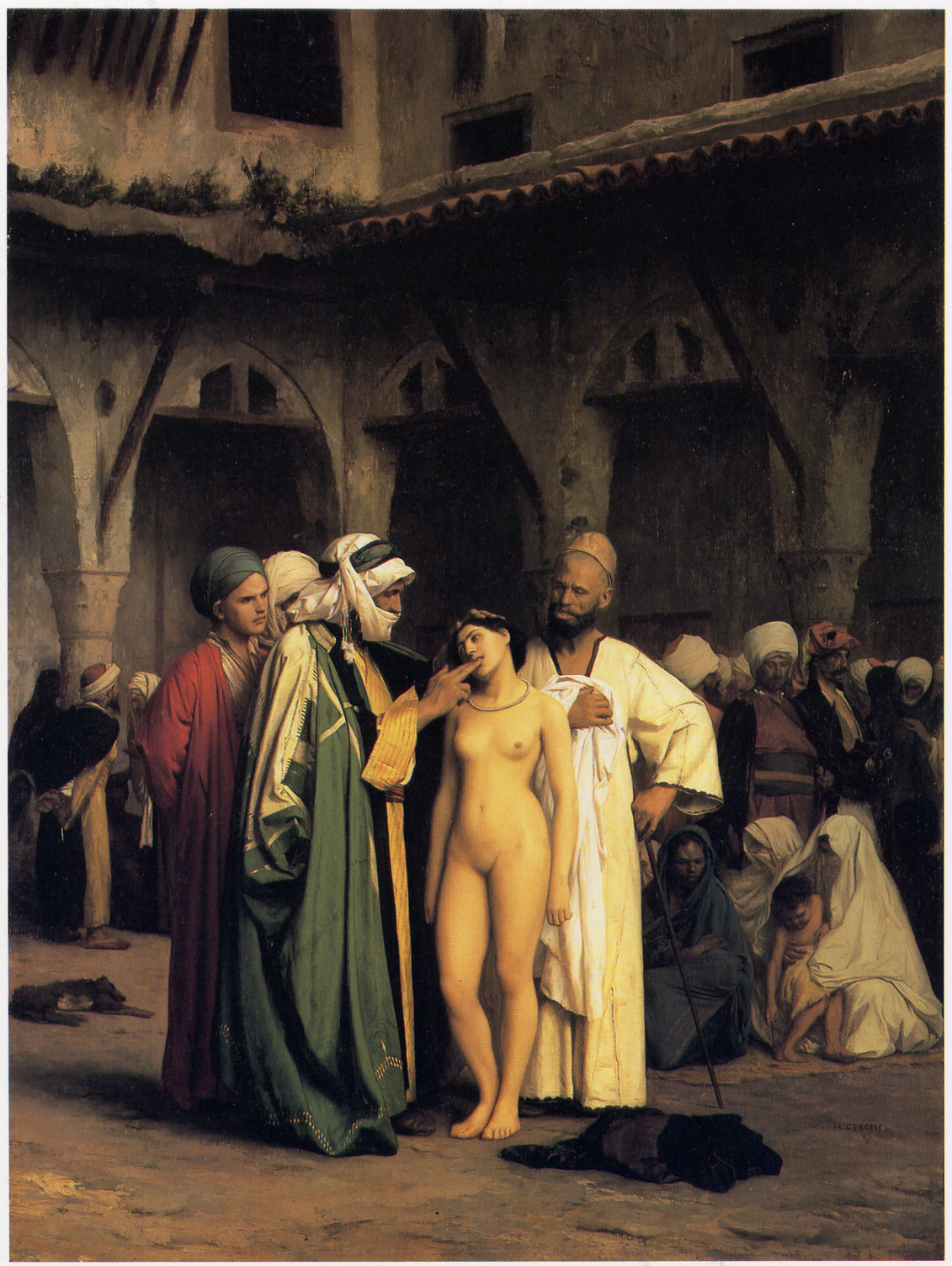
The Slave Market, painting (c. 1884) by Jean-Léon Gérôme (source)

Can Europeans, and European women in particular, become objects of trade? The idea seems laughable, since the term ‘slave trade’ almost always brings Africans to mind. Yet there was a time not so long ago when Europe exported slaves on a large scale. Between 1500 and 1650, Eastern Europe exported 1.5 million slaves to North Africa, the Middle East, and South Asia (Fisher, 1972; Kolodziejczyk, 2006). Western Europe exported a little over a million between 1530 and 1780 (Davis, 2004).

These slaves were taken during hit-and-run raids by either Crimean Tatar horsemen or North African corsairs. A raiding party would typically descend on an isolated village and carry away its inhabitants—or rather those who were commercially useful, particularly young women and young boys.

There was a time farther back, however, when Europeans were accomplices in this trade and when it provided most of their foreign exchange. This was during the Dark Ages and the early Middle Ages, specifically the 8th to 12th centuries.

The slave trade was a godsend for the elites of France, Germany, and Italy. With the collapse of the Western Roman Empire in the 5th century, they had to dip into their gold reserves to buy foreign luxury goods from the Middle East, generally clothing, upholstery, tapestries, carpets, and other precious fabrics (Skirda, 2010, pp. 56-57). By the 8th century, these reserves had been almost completely exhausted. Gold was giving way to silver, and even that medium of exchange was being debased. Western Europe had largely reverted to an economy of autarky, its shrunken towns and cities no longer major centers of trade. Most people produced everything they needed within their local village or manor.

Would Western Europe have eventually returned on its own to an international trading economy? Perhaps, although revival of trade would have become more difficult once the elites had become accustomed to autarky. As things turned out, they found the means to buy foreign luxury goods almost at the same time their gold reserves ran out. The 8th century brought the rapid expansion of a new civilization, Islam, into the Middle East, North Africa, and Spain. Its Arab elite was darker-skinned than the Greco-Roman or Visigothic elites it displaced. It was also more polygynous. A new market had come into being, a market for wives and concubines. European women were especially sought after, not because they were exotic but because their fair skin and fine facial features corresponded to notions of beauty that were indigenous to Arab culture (see previous post).

And so began the commodification of European women. Initially, this trade involved prisoners of war captured during the Islamic wars of expansion. Soon, however, a peaceful trading relationship developed. It was officially prohibited by Christian emperors and popes alike, but “in reality, people closed their eyes and everything was tolerated in exchange for good gold dinars” (Skirda, 2010, p. 75).

The women came from a belt of territory stretching from the Elbe in the West to the Volga in the East. This territory was inhabited by Slavic tribes—the ancestors of today’s Poles, Czechs, Slovaks, Byelorussians, Ukrainians, and Russians. They were typically prisoners of war who had been taken during fighting either between Germans and Slavs or among different Slavic tribes:

Only the adolescent boys and girls—the Slavonici—were spared, enslaved, and immediately sold to the merchants accompanying the armies. The Barbarian-ruled West, abandoned by major international trade and bereft of gold, was able to get gold by trading in slaves, who were almost exclusively Slavs. These objects of servile trade and commerce would be integrated into harems and used as military slaves or eunuchs. Adults and children were eliminated for obvious reasons. They did not correspond to the Muslim demand for young virgin girls and beardless boys and it was out of the question to gather children and raise them. The traders had neither the time nor the willingness and more importantly it would not have been cost-effective. Later, they would spare the lives of more captives, by selecting them according to their capacities for productive work and by using them to the limit of their strength at laborious physical tasks (Skirda, 2010, pp. 85-86).

The captives were taken overland by various routes: through Germany and France to Muslim Spain; through Venice and by ship to the Middle East; or down the Dniepr, the Don, or the Volga to the Middle East via the Black Sea or the Caspian. How many were traded? It’s difficult to say, but Skirda (2010, p. 6) advances a figure between several tens of thousands and several hundreds of thousands for the period extending from the 8th to 12th centuries.

It was this trade, more than any other, that revived the old trading networks not only between Europe and the Middle East, but also within Europe itself. The balance of foreign exchange also shifted in Europe’s favor, thus giving the elites of France, Germany, and Italy the means to buy not only foreign goods but also local products, thereby stimulating a long economic recovery that would take Europe out of the Dark Ages. As Skirda notes ironically:

The Italians who […] were the “great initiators of Europe” […] became the promoters of trading companies, creators of credit, restorers of currency. The only major oversight [of historians]: all of that was accomplished through the trade in Slavs. It is easier to understand why almost all historians and commentators have silently observed this phenomenon. It is difficult for them to acknowledge that the economic renaissance of the West of the 10th and 11th centuries was achieved through human trafficking! (Skirda, 2010, p. 112)

References

Davis, R. (2004). Christian Slaves, Muslim Masters: White Slavery in the Mediterranean, the Barbary Coast, and Italy, 1500-1800, Palgrave-Macmillan.

Fisher, A. (1972). Muscovy and the Black Sea slave trade, Canadian American Slavic Studies, 6, 575-594.

Kolodziejczyk, D. (2006). Slave hunting and slave redemption as a business enterprise: The northern Black Sea region in the sixteenth to seventeenth centuries, Oriente Moderno, 86, 1, The Ottomans and Trade, pp. 149-159.

Skirda, A. (2010). La traite des Slaves. L’esclavage des Blancs du VIIIe au XVIIIe siècle, Paris, Les Éditions de Paris Max Chaleil.

Saturday, September 7, 2013

Why are we the naked ape?


Infant stump-tailed macaque (source). Other photos showing adults and infants (courtesy of Monte M. Taylor and Christopher H. Taylor).


Why do humans have so little body hair? This question is addressed by Sandel (2013) in his comparative review of hair density in 23 primates and 29 nonprimate mammals. There seems to have been a long-term trend towards hairlessness in our primate ancestors: 

[…] all primates, and chimpanzees in particular, are relatively hairless compared to other mammals. This suggests that there may have been selective pressures acting on the ancestor of humans and chimpanzees that led to an initial reduction in hair density. (Sandel, 2013)

Across species, hair density negatively correlates with body mass. This correlation may exist because bigger primates are of more recent origin. Or hairlessness may be a way to disperse the excess heat generated by a larger body, since the increase in surface area (and hence the ability to dissipate heat) does not keep pace with the increase in mass. Sandel rejects this ‘heat load’ hypothesis:

Wheeler (1984, 1985) hypothesized that the low hair density in humans was associated with increased sweating capabilities. If the low hair density among primates represents a thermoregulatory adaptation, there should be a negative correlation between eccrine sweat gland density and hair density. There are no comparative data on eccrine sweat gland density in primates, but the distribution of eccrine sweat glands (presence vs. absence in certain body regions) is not consistent with the thermoregulatory predictions (Montagna, 1972; Grant and Hoff, 1975). In sum, the negative relationship between hair density and body mass cannot currently be explained. (Sandel, 2013) 

He concludes that the evolutionary trend towards hairlessness cannot be due to anything specifically human, such as bipedality. Denudation of the skin must have begun even before the common ancestors of humans and chimpanzees went their separate ways:

If chimpanzees are indeed relatively hairless compared to other mammals, there may have been a selective pressure acting on the ancestor of humans and chimpanzees that led to an initial reduction in hair density. Current hypotheses for human hair evolution focus on uniquely human traits, such as bipedality or longdistance running. If a reduction in terminal hair density is shared with chimpanzees, we may need to develop hypotheses for human “hairlessness” based on traits that are shared among chimpanzees, bonobos, and humans. (Sandel, 2013). 

Social signaling?

One cause may have been a growing tendency among primates to replace fur coloration with skin coloration as a means to provide conspecifics with key information about oneself: age, sex, social rank, availability for mating, etc. (Higham, 2009). Increasingly complex social relations would have created more information to signal, thereby driving selection for denudation of the body surface. Since social status can change over a short span of time, skin might have edged out fur as a better way to convey this information to others.

In ancestral humans, the key signaler seems to have been the adult female, as Charles Darwin noted: 

As woman has a less hairy body than man, and as this character is common to all races, we may conclude that our female semi-human progenitors were probably first partially divested of hair; and that this occurred at an extremely remote period before the several races had diverged from a common stock. As our female progenitors gradually acquired this new character of nudity, they must have transmitted it in an almost equal degree to their young offspring of both sexes; so that its transmission, as in the case of many ornaments with mammals and birds, has, not been limited either by age or sex. […] 

The females of certain anthropoid apes, as stated in a former chapter, are somewhat less hairy on the under surface than are the males; and here we have what might have afforded a commencement for the process of denudation. (Darwin, 1871, pp. 377-378)

If we consider women’s skin, particularly its visual and tactile properties, it tends to be softer, smoother, paler, and more pliable. These are also the properties of infant skin. In this and other ways (e.g., face shape, pitch of voice), the adult female body tends to mimic the infant schema, perhaps as a way to trigger the same mental and behavioral responses. There may thus have been a three-stage evolutionary process where human skin lost its body hair through a selection pressure that first targeted infants and then women, with men becoming denuded as a side effect.

Infant skin color and social signaling

Primate infants use both skin and fur coloration to indicate their age class:

The coat color of the newborn infant of all species of Old World monkeys for which information is available is different from that of an adult of the same species. Often this difference is extremely striking, as in the dark-brown fur of the newborn langur. Skin color of the infant langur, baboon, and macaque is pink, in contrast to the almost black skin of the older infant or adult. The infant’s pink face, hands, and feet and its large pink ears are in sharp contrast to its dark brown fur. The natal coat color is present during the first two or three months of life, when the infant most needs protection and nourishment from its mother and older monkeys. It is almost certainly more than coincidence that the duration of coat color difference coincides with a period of dependency, when it is essential that the young be sheltered and protected by older animals (Jay, 1962)

According to a review of the primatological literature, the infant stage is most often identified by a specific fur color. Nonetheless, the infant does have differently colored skin in many species: “deep blue face colouration” (proboscis monkey), “white skin” (silvered leaf monkey), “pink/grey skin” (hanuman langur), “pink face” (spectacled leaf monkey), “pink skin” (capped langur), “pink face” (baboons), “pink flesh” (stump-tailed macaques), and “pale pink skin” (lion-tailed macaque) (Alley, 1980)

The skin seems to have reached its current denudation relatively late in hominid evolution, perhaps even after the fork that led on the one hand to Neanderthals and on the other to modern humans.  Neanderthals survived subzero climates without tailored clothing, and their sites yield only hide scrapers that could have served only to make blankets or ponchos. Microwear analysis shows that these scrapers were used for the initial phases of hide preparation, but not for the more advanced phases of clothing production (Hoffecker, 2002,p. 107). In contrast, modern human sites abound in eyed bone needles and bone awls (Hoffecker, 2002, pp. 107, 109, 135, 252). Further evidence for the relative lateness of tailored clothing is the recent origin of the human body louse, which lives in clothing and first appeared perhaps 83,000 to 170,000 years ago (Toups et al, 2011). Finally, Neanderthal infants seem to have clung to their mothers’ fur: “Chimpanzees have ridges on their finger bones that stem from the way that they clutch their mother’s fur as infants. Modern humans don’t have these ridges, but Neanderthals do” (Cochran and Harpending, 2009).

Denudation would have made the pale pink skin of infants visually more important. This pallor is striking in darker-skinned humans and seems to be appreciated by parents. A life story of a !Kung woman records why she would not kill her newborn child: “Uhn, Uhn … I don't want to kill her. This little girl is too beautiful. See how lovely and fair her skin is?” (Shostak, 2000, p. 70). In Kenya, newborn infants are often called mzungu ('European' in Swahili), and a new mother may tell her neighbors to come and see her mzungu (Walentowitz, 2008). Among the Tuareg, children are said to be born "white" because of the freshness and moisture of the womb (Walentowitz, 2008). The cause is often thought to be a previous spiritual life:

There is a rather widespread concept in Black Africa, according to which human beings, before "coming" into this world, dwell in heaven, where they are white. For, heaven itself is white and all the beings dwelling there are also white. Therefore the whiter a child is at birth, the more splendid it is. In other words, at that particular moment in a person's life, special importance is attached to the whiteness of his colour, which is endowed with exceptional qualities. (Zahan, 1974, p. 385)

Another Africanist makes the same point: "black is thus the color of maturity [...] White on the other hand is a sign of the before-life and the after-life: the African newborn is light-skinned and the color of mourning is white kaolin" (Maertens, 1978, p. 41).

Conclusion

Loss of body hair was a long-term evolutionary trend in ancestral hominids and even ancestral primates, being perhaps a response to a greater need for social signaling. In ancestral humans, the selection pressure seems to have gone through three stages, initially targeting infants and only later women and then men.

Among nonhuman primates, the relatively depigmented skin of infants has long exercised the signaling function of calming aggressive impulses in parents and stimulating protective, nurturing behavior. Women seem to have mimicked infant skin for the same purpose, perhaps because of the longer period of infant dependency and their correspondingly greater vulnerability during this period.

References

Alley, T.R. (1980). Infantile colouration as an elicitor of caretaking behaviour in Old World primates, Primates, 21, 416-429.
http://link.springer.com/article/10.1007/BF02390470#

Cochran, G. & H. Harpending (2009). Neanderthals, Steve Sailer’s iSteve Blog, January 10, 2009
http://isteve.blogspot.com/2009/01/neanderthals.html 

Darwin, C.R. (1871). The Descent of Man and Selection in relation to Sex, London: John Murray, vol. II, 1st edition.
http://darwin-online.org.uk/EditorialIntroductions/Freeman_TheDescentofMan.html 

Higham, J.P. (2009). Primate Coloration: An Introduction to the Special Issue, International Journal of Primatology, 30, 749–751.
http://link.springer.com/article/10.1007%2Fs10764-009-9381-y?LI=true# 

Hoffecker, J.F. (2002). Desolate Landscapes. Ice-Age Settlement in Eastern Europe, New Brunswick: Rutgers University Press.
http://books.google.fr/books?hl=fr&lr=&id=nXuqgInMOXIC&oi=fnd&pg=PR10&dq=Desolate+Landscapes.+Ice-Age+Settlement+in+Eastern+Europe&ots=UmwmLxMDDG&sig=bXfiayx_z0DSMQcwCauN5_8NHEw#v=onepage&q&f=false 

Jay, P.C. (1962). Aspects of maternal behavior among langurs, Annals of the New York Academy of Sciences, 102, 468-476.
http://onlinelibrary.wiley.com/doi/10.1111/j.1749-6632.1962.tb13653.x/abstract 

Maertens, J-T. (1978). Le dessein sur la peau. Essai d'anthropologie des inscriptions tégumentaires, Ritologiques I, Paris: Aubier Montaigne.

Sandel, A.A. (2013). Brief communication: Hair density and body mass in mammals and the evolution of human hairlessness, American Journal of Physical Anthropology, 152, 145–150.
http://onlinelibrary.wiley.com/doi/10.1002/ajpa.22333/abstract 

Shostak, M. (2000). Nisa: The Life and Words of a !Kung Woman, Harvard University Press.
http://books.google.fr/books?hl=fr&lr=&id=up4_q8ooKO0C&oi=fnd&pg=PP8&ots=IWCywpZQvq&sig=SaJsUdUZMeVTCGFFecXvD9mNVew#v=onepage&q&f=false 

Walentowitz, S. (2008). Des êtres à peaufiner. Variations de la coloration et de la pigmentation du nouveau-né, in J-P. Albert, B. Andrieu, P. Blanchard, G. Boëtsch, and D. Chevé (eds.) Coloris Corpus, (pp. 113-120), Paris: CNRS Éditions.

Zahan, D. (1974). White, Red and Black: Colour Symbolism in Black Africa, in A. Portmann and R. Ritsema (eds.) The Realms of Colour, Eranos 41 (1972), 365-395, Leiden: Eranos.

Saturday, August 31, 2013

Is something afoot with Bigfoot?


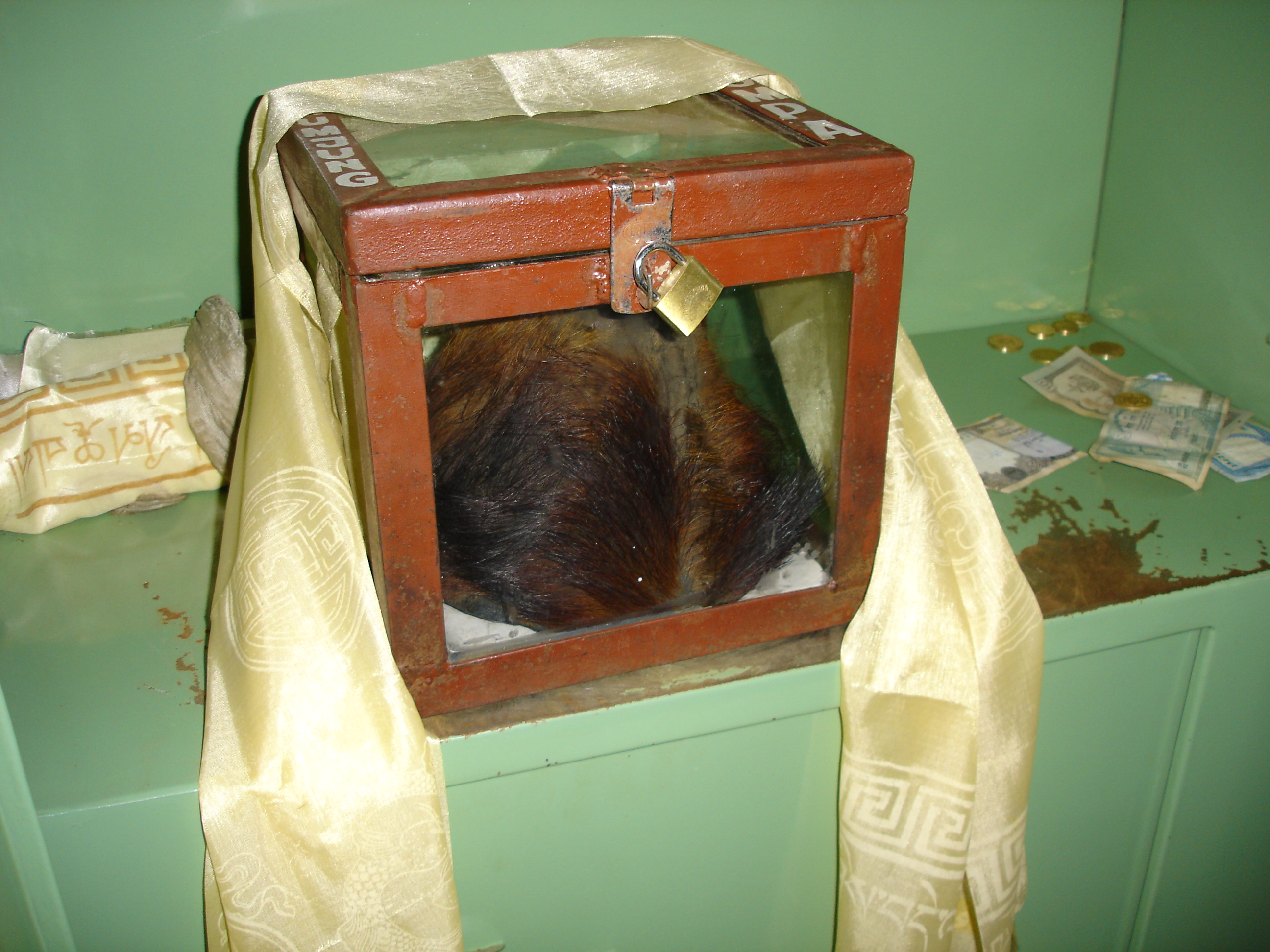
Purported Yeti scalp at Khumjung Monastery (source). Has DNA been retrieved from it for the Oxford-Lausanne Collateral Hominid Project?

 
Over a year ago, geneticist Bryan Sykes launched the Oxford-Lausanne Collateral Hominid Project:

As part of a larger enquiry into the genetic relationship between our own species Homo sapiens and other hominids, we invite submissions of organic material from formally undescribed species, or “cryptids”, for the purpose of their species identification by genetic means. (Sykes, 2012)

The aim was to retrieve DNA from alleged remains of Yeti, Bigfoot, and the like. At the time, I was skeptical that anything would come of the project, since most remains of this type seem to be of dubious provenance. And then there’s the problem of contamination due to human handling.

So I was surprised to see this update on the project webpage, dated August 2013:

Thanks to all who have contributed samples to the project. We have collected and analysed over thirty samples and results are being prepared for publication. Following normal procedure, no results or other information will be available prior to publication, so please do not enquire.

Academics normally don’t like to publish negative results. When I googled the project name, I came across this report about Bryan Sykes meeting with people who had submitted samples of alleged Bigfoot remains: 

Interestingly, Professor Sykes has been visiting North America recently in order to speak with some of the researchers who have submitted samples, and he has also met with US Fish and Wildlife officials at one of their main laboratories located in Melford, Oregon. It has been revealed that Professor Sykes was in California very recently to speak with Justin Smeja, and also to be filmed for a documentary detailing his study which will be released on BBC Channel 4 once the results of the many samples tested by Sykes are published in a scientific journal. (Cooney, 2013)

Something seems to be afoot.  

References

Cooney, J. (2013). Exciting updates on the Oxford-Lausanne Collateral Hominid Project, Bizarre Zoology, June 12
http://bizarrezoology.blogspot.ca/2013/06/exciting-updates-on-oxford-lausanne.html

Sykes, B. (2012). Oxford-Lausanne Collateral Hominid Project, Wolfson College, University of Oxford
https://www.wolfson.ox.ac.uk/academic/GBFs-v/OLCHP

Saturday, August 24, 2013

Women and eye color


Inheritance of eye color doesn’t follow a simple Mendelian model. Although the blue-eye allele (C) is less dominant than the brown-eye allele (T), CT heterozygotes aren’t necessarily brown-eyed and CC homozygotes aren’t necessarily blue-eyed. Even TT homozygotes are sometimes blue-eyed. There is also a sex difference, with women having a more diverse palette of eye colors. (source)


Most humans have black hair and brown eyes. Europeans display a much more diverse range of hues, their hair being also brown, flaxen, golden, or red and their eyes being also blue, gray, hazel, or green.

This diversification has gone farther in European women than in European men. According to a twin study, women have a more diverse palette of hair colors, with a greater prevalence of lighter shades, particularly red hair (Shekar et al., 2008).

Women also have a more diverse palette of eye colors, according to a recent study of six SNPs associated with eye color. When both copies of the so-called blue-eye allele are present, the resulting phenotype is more variable in women than in men (Martinez-Cadenas et al., 2013). This translates into a greater range of female eye colors in regions, like northern and eastern Europe, where blue eyes are the single most common phenotype (Walsh et al.,2012). As the study’s authors observe, “in populations with very high blue-eye frequency, such as Iceland or Holland, females show greater proportion of green eyes at the expense of blue eyes” (Martinez-Cadenas et al., 2013). The authors also confirmed earlier findings that eye color doesn’t follow a simple Mendelian model. Although the blue-eye allele (C) is less dominant than the brown-eye allele (T), CT heterozygotes aren’t necessarily brown-eyed and CC homozygotes aren’t necessarily blue-eyed. Even TT homozygotes are sometimes blue-eyed. 

Thus, both hair color and eye color tend to be more diverse in women. There is, however, one difference. With hair color, the “derived” alleles are more fully expressed in women than in men. With eye color, they are less fully expressed. This seems to argue against the theory that hair and eye color diversified through a process of sexual selection that acted more strongly on women than on men. Since blue eyes are the derived phenotype, they should be more fully expressed in women because the female sex is the main target of this selection pressure. Yet the reverse is actually true.

The reason may be physiological. It seems easier to produce new eye colors by modifying the way the blue-eye allele is expressed than by simply creating new alleles. Thus, to produce a range of hues that extends beyond brown and blue, the so-called blue-eye genotype must be more common than the actual incidence of blue eyes. As a result, “more females bearing the ‘blue eye genotype’ (HERC2/OCA2 CC homozygous genotype) end up having green or intermediate eyes” (Martinez-Cadenas et al., 2013).

Other recent studies

A recent paper has confirmed that European eye color diversified through some kind of selection pressure, and not random factors like genetic drift or founder effects. Blue-eye alleles show a very strong signal of selection (Donnelly et al., 2012). Another study, however, has failed to find any preference for blue eyes over other colors, an indication that all eye colors are at selective equilibrium, at least for the German population under study. This finding may be related to the already high frequency of blue eyes in that population:

Perhaps the frequency of eye colors plays a role. In most countries, blue eyes are less prevalent than other eye colors and may have the image of something special and more valuable. If this assumption is true, brown eyes should be preferred in countries where the majority of the population has blue eyes. (Gründl et al, 2012).

In this case, sexual selection is frequency-dependent, shifting to whichever eye color is least frequent. Eventually, an equilibrium is reached where color novelty is in balance with other characteristics, such as color brightness, that may increase sexual attractiveness.

This last finding shows the opportunistic nature of sexual selection. When too many of one sex have to compete for mating opportunities with too few of the other sex, there will be selection for any traits that increase mating success. In many cases, these traits will hyperstimulate a mental algorithm that is used for sex recognition. In other cases, hyperstimulation will simply involve use of bright or novel colors that can better engage visual attention and remain longer in memory.  

References

Donnelly, M.P., P. Paschou,  E. Grigorenko, D. Gurwitz, C. Barta, R-B. Lu, O.V. Zhukova, J.-J. Kim, M. Siniscalco, M. New, H. Li, S.L.B. Kajuna, V.G. Manolopoulos, W.C. Speed, A.J. Pakstis, J.R. Kidd, and K.K. Kidd. (2012). A global view of the OCA2-HERC2 region and pigmentation, Human Genetics, 131, 683–696.
http://europepmc.org/articles/PMC3325407

Gründl, M., S. Knoll, M. Eisenmann-Klein, and L. Prantl. (2012). The blue-eyes stereotype: Do eye color, pupil diameter, and scleral color affect attractiveness? Aesthetic Plastic Surgery, 36, 234–240.

Martinez-Cadenas, C., M. Pena-Chilet, M. Ibarrola-Villava, and G. Ribas. (2013). Gender is a major factor explaining discrepancies in eye colour prediction based on HERC2/OCA2 genotype and the IrisPlex model, Forensic Science International: Genetics, 7, 453–460.

Shekar, S.N., D.L. Duffy, T. Frudakis, G.W. Montgomery, M.R. James, R.A. Sturm, & N.G. Martin. (2008). Spectrophotometric methods for quantifying pigmentation in human hair—Influence of MC1R genotype and environment, Photochemistry and Photobiology, 84, 719–726.

Walsh, S., A. Wollstein, F. Liu, U. Chakravarthy, M. Rahu, J.H. Seland, G. Soubrane, L. Tomazzoli, F. Topouzis, J.R. Vingerling, J. Vioque, A.E. Fletcher, K.N. Ballantyne, and M. Kayser. (2012). DNA-based eye colour prediction across Europe with the IrisPlex system, Forensic Science International: Genetics, 6, 330–340.
http://www.fsigenetics.com/article/S1872-4973(11)00144-X/abstract

Saturday, August 17, 2013

Facial contrast and femininity


How to hyperstimulate a sex-recognition algorithm. Women have higher luminous contrast between their facial skin and their lip/eye color. This contrast effect is influenced not only by degree of lightness but also by degree of redness (source).

Women are fairer in complexion because their skin has less melanin and less blood (Edwards and Duntley, 1939). Male castrates similarly look pale (Edwards et al., 1941). For this reason, relative lightness or darkness of skin seems to be key to sex recognition. People especially focus on the luminous contrast between facial skin and the color of the lips and eyes (Russell, 2009; Russell, 2010; see also Dupuis-Roy et al., 2009):

The luminance contrast between the eyes and the surrounding skin and the lips and the surrounding skin has been termed ‘facial contrast’. Female faces have greater facial contrast than male faces, and facial contrast plays an important role in sex classification and the perception of masculinity and femininity and also attractiveness (Porcheron et al., 2013)

This contrast effect has influenced the development of cosmetics. Different societies, sometimes independently of each other, have invented ways to increase facial contrast by darkening the lips and eye area and, conversely, by lightening facial skin (Russell, 2009; Russell, 2010).

Ancient Egypt was an early center for the development of cosmetics (Dayagi-Mendels, 1989). Indeed, the Egyptians “had most of the cosmetic aids which have ever been devised” (Corson, 1972, p.8), including rouge for the lips and cheeks, eyeliner (kohl), eyeshadows, and foundation […] In Mesopotamia, pots of colored paints for the eyes, and rouges for the lips have been found in Sumerian tombs near Ur from 5,000 years ago.

[…] Excavations at Harappa and Mohenjo-daro have found kohl pots and sticks for lining the eyes, as well as red iron oxides and white lead-based compounds that have been surmised to be rouge for the lips and cheeks and foundation for lightening the skin […] Evidence for ancient uses of received cosmetics in the East Asia is less clear, though there is a long history of the use of white face paint and rouge for the lips in China and Japan (Corson, 1972). Overall, there is evidence for the idea that the received style of cosmetics developed in multiple centers of early technology development, and spread outward to peripheral areas such as Europe and Southeast Asia, analogous to the spread of other technologies like agriculture and writing. (Russell, 2010)

This contrast effect may have likewise influenced evolution within our species. The most common human phenotype combines relatively light skin with dark hair and dark eyes. The opposite pattern is biologically possible but rare. In addition, the whitening of European skin might have provided a sufficient degree of luminous contrast for hair and eye color to diversify.

Not just luminous contrast

Facial contrast involves differences not only in luminosity, i.e., lightness/darkness, but also in hue, particularly the redness of the lips versus the lack of ruddiness of adjacent facial skin. Contrast in luminosity and hue declines with age and may provide a means for distinguishing younger from older women:

Several aspects of facial contrast – the luminance and color differences between the facial features and the skin surrounding those features – were found to decrease with age. These included the luminance contrast around the eyes and eyebrows, the red-green (a*) contrast around the mouth and eyes, and the yellow-blue (b*) contrast around the eyes. (Porcheron et al., 2013)

Hue contrast explains why redness—lipstick, red clothing, etc.—seems to enhance femininity even though women are the less ruddy sex. Red colors highlight this lack of ruddiness, thereby stimulating the mental algorithm that people use for sex recognition:

Stephen & McKeegan [26] found that people increase the redness (a*) of the lips to make a female face appear more feminine and attractive. Elliot & Niesta [46] found that pictures of women are perceived by men as more attractive and sexually desirable when they are associated with the color red–whether by the placement of a red border around the picture, or the presence of a red colored shirt on the woman. (Porcheron et al., 2013)

Some questions remain unanswered. Why, for instance, do many women redden their cheeks? Are the cheeks a secondary contrast zone? And what about women from racial groups with dark facial skin?

This last question seems to have given the study’s authors some trouble with the reviewers. Evidently, darker-skinned women still have some facial contrast. They just don’t have as much, probably because they don’t need as much. Dark skin tends to characterize highly polygynous societies; in fact, the correlation between darkness of skin and polygyny rate is greater than the one between lightness of skin and latitude (Manning et al., 2004). In such societies, women are almost sure to get mated and remain so as long as they are fertile. There is thus only weak selection for those who can better attract potential mates and more strongly stimulate sex-recognition algorithms. 

On a final note, it’s no coincidence that the polygyny rate correlates inversely with latitude. In simple tropical societies, especially those with year-round farming, women can more easily provide for themselves and their children without male assistance. Since women cost so little to support, men will tend to seize all mating opportunities. A man will have as many wives as he can get, and not as many as he can support.
 

References

Dupuis-Roy, N., I. Fortin, D. Fiset, and F. Gosselin. (2009). Uncovering gender discrimination cues in a realistic setting, Journal of Vision, 9(2), 10, 1–8. http://journalofvision.org/9/2/10/ 

Edwards, E.A. and S.Q. Duntley. (1939). The pigments and color of living human skin, American Journal of Anatomy, 65, 1-33.
http://onlinelibrary.wiley.com/doi/10.1002/aja.1000650102/abstract;jsessionid=43509EAC6110062BBF5676995DA16C6B.d01t01?deniedAccessCustomisedMessage=&userIsAuthenticated=false 

Edwards, E.A., J.B. Hamilton, S.Q. Duntley, and G. Hubert. (1941). Cutaneous vascular and pigmentary changes in castrate and eunuchoid men, Endocrinology, 28, 119-128.
http://endo.endojournals.org/content/28/1/119.short 

Manning, J.T., Bundred, P.E., and Mather, F.M. (2004). Second to fourth digit ratio, sexual selection, and skin colour, Evolution and Human Behavior, 25, 38-50.
http://www.ehbonline.org/article/S1090-5138(03)00082-5/abstract 

Porcheron, A., E. Mauger, and R. Russell (2013). Aspects of facial contrast decrease with age and are cues for age perception, PLoS ONE 8(3): e57985
http://www.plosone.org/article/info%3Adoi%2F10.1371%2Fjournal.pone.0057985 

Russell, R. (2010). Why cosmetics work. In Adams, R., Ambady, N., Nakayama, K., & Shimojo, S. (eds.) The Science of Social Vision, New York: Oxford.
http://public.gettysburg.edu/~rrussell/Russell_SocialVision_cosmetics_chapter.pdf 

Russell, R. (2009). A sex difference in facial contrast and its exaggeration by cosmetics, Perception, 38, 1211-1219
http://public.gettysburg.edu/~rrussell/Russell_2009.pdf