Showing posts with label Greg Cochran. Show all posts

Thursday, July 7, 2022

Adapting to bubonic plague


Rash associated with familial Mediterranean fever (Wikicommons – Dr. H.J. Lachman)


In the eastern Mediterranean, people were likelier to survive bubonic plague if they had stronger inflammatory responses to infection in their lungs, gut, and other tissues. Today, that natural selection is attested by a high incidence of familial Mediterranean fever.


Familial Mediterranean fever is due to mutations that increase the body’s production of pyrin, a protein that assists inflammatory responses to infection of the lungs, gut, and other tissues. It’s common among eastern Mediterranean peoples, like Jews, Syrians, Armenians, Turks, Greeks, and Italians. The most common symptoms are inflammation of the abdominal lining, the joints, and the chest. Some kind of natural selection seems likely because different mutations have evolved independently to produce the same disease within the same geographic region.


Several years ago, Greg Cochran suggested this fever might be an adaptation to trypanosome parasites (Leishmaniasis). Recent research now suggests an adaptation to bacteria of the genus Yersinia. Y. pestis causes bubonic plague, whereas Y. pseudotuberculosis and Y. enterocolitica cause gastroenteritis. These pathogens are highly infectious because they decrease the body’s production of pyrin and thus reduce its ability to fight infection. To compensate for this underproduction of pyrin, there seems to have been selection for mutations that cause overproduction of pyrin, hence the high incidence of familial Mediterranean fever in populations that have coexisted with Yersinia bacteria (Loeven et al. 2020).


Yepiskoposyan and Harutyunyan (2007) argue that selection for familial Mediterranean fever must have begun more than 2,500 years ago, since one of the alleles responsible for it is found in different communities of the Jewish diaspora, notably Iraqi and North African Jews. That argument doesn’t convince me, since diaspora communities were not reproductively isolated. The mutation could have arisen in one community and then been spread to others by Jewish individuals moving from one place to another.


I’m inclined to believe that selection for this fever began with the earliest recorded outbreak of bubonic plague: the Plague of Justinian (541-549 AD), which killed an estimated 25 million people throughout the Mediterranean Basin and the Middle East. An earlier date is nonetheless possible, since Y. pestis has been attested in archaeological finds as far back as 5,000 years ago (Wikipedia 2022).


References


Chung, L.K., Y.H. Park, Y. Zheng, I.E. Brodsky, P. Hearing, D.L. Kastner, J.J. Chae, and J.B. Bliska. (2016). The Yersinia Virulence Factor YopM Hijacks Host Kinases to Inhibit Type III Effector-Triggered Activation of the Pyrin Inflammasome. Cell Host Microbe 20(3):296-306. https://doi.org/10.1016%2Fj.chom.2016.07.018


Cochran, G. (2015). Familial Mediterranean fever. West Hunter, January 9. https://westhunt.wordpress.com/2015/01/09/familial-mediterranean-fever/


Loeven, N.A., N.P. Medici, and J.B. Bliska. (2020). The pyrin inflammasome in host-microbe interactions. Curr Opin Microbiol 54:77-86. https://doi.org/10.1016/j.mib.2020.01.005


Wikipedia (2022). Bubonic plague. https://en.wikipedia.org/wiki/Bubonic_plague#History


Yepiskoposyan, L., and A. Harutyunyan. (2007) Population genetics of familial Mediterranean fever: a review. Eur J Hum Genet 15: 911–916. https://doi.org/10.1038/sj.ejhg.5201869

Saturday, July 25, 2020

Selection for slow life history?


One of several posters to promote family formation in the dwindling Parsi community (Jiyo Parsi)


In India, and overseas, the Parsis are renowned for their achievements, particularly in business but also in science, culture, and philanthropy. 

They are also known for something else: they’re dying out. From 114,000 in 1941, they were down to half that number by 2011. Today, more than 30% of Parsis don't marry, and an equal proportion are over 60 years old. Their fertility rate is 0.8—in other words, the average Parsi woman gives birth to less than one child during her lifetime. This existential crisis is worrying not only the Parsis but also the Indian government. In 2013, a program was set up to subsidize fertility treatments and promote family formation in the community (Dore 2017).

Extinction is irreversible. If the Parsis die out, the loss will be greatest in those things we don’t fully understand: the workings of the human mind. That is precisely where the Parsis have succeeded the most. How much of that success has been due to learning and how much to innate factors?

A few steps toward an answer were taken by Greg Cochran and Henry Harpending in their paper on Ashkenazi intelligence:

Since strong selection for IQ seems to be unusual in humans (few populations have had most members performing high-complexity jobs) and since near-total reproductive isolation is also unusual, the Ashkenazim may be the only extant human population with polymorphic frequencies of IQ-boosting disease mutations, although another place to look for a similar phenomenon is in India. In particular, the Parsi are an endogamous group with high levels of economic achievement, a history of long-distance trading, business and management, and who suffer high prevalences of Parkinson disease, breast cancer and tremor disorders, diseases not present in their neighbours. (Cochran et al. 2006)

Such disorders may be a side-effect of strong selection for intelligence over a short time in a small population. This was historically the case with Ashkenazi Jews. They are unusually prone to four neurological disorders: Tay-Sachs, Gaucher, Niemann-Pick, and mucolipidosis type IV. All four affect the brain by increasing the capacity of lysosomes to store sphingolipid compounds for axonal growth and branching. Furthermore, Tay-Sachs is caused in Ashkenazi Jews by two unrelated mutations and Gaucher disease by five. Random chance simply cannot explain why so many mutations exist in the same metabolic pathway and have reached such high frequencies.

Those mutations apparently spread through heterozygote advantage. Though harmful when two copies are inherited from both parents, they are beneficial when only one copy is inherited, as is more often the case. With a better supply of sphingolipids and no adverse effects, the brain can process information more efficiently.

Jared Diamond (1994) was the first to argue that chance cannot explain the high prevalence of so many lysosome storage disorders in a single population. He suggested the cause was selection for intelligence. His theory was then developed by Cochran et al. (2006). Other researchers have further confirmed Diamond’s theory by showing that Ashkenazim have high frequencies of alleles associated with educational attainment (Dunkel et al. 2019; Piffer 2019).


Frequent neurological/cerebral diseases among the Parsis

We see a similarly high prevalence of neurological or cerebral diseases among the Parsis. Parkinson’s disease is considerably more prevalent among them than among other Indians or even people of developed countries. Strokes are at least twice as common. Essential tremors are exceptionally frequent (Gourie-Devi 2014).

These diseases seem to have a genetic basis among the Parsis. A mitochondrial genome study found 420 unique genetic variants within that community, 178 of which are associated with Parkinson's disease. Others are linked to other neurodegenerative disorders, as well as colon, breast, and prostate cancer. A surprising number of these unique variants, 217, are linked to increased longevity. Finally, and perhaps curiously, some variants are linked to asthenozoospermia, i.e., reduced sperm motility (Patell 2020)

The above results are consistent with the findings of an earlier genetic study of the Parsis, specifically their autosomal, Y chromosome, and mitochondrial DNA. Signals of selection were strongest in SNPs associated with humoral immunity, cerebellar physiology, and neurological disorders like early epilepsy (Lopez et al. 2017).


Conclusion

The evidence is only suggestive, but it looks like the Parsis have undergone strong selection for intelligence over a relatively short time; hence, the high prevalence of neurological disorders.

In addition, this community seems to have adapted to its economic and social niche through a "slow life history" strategy. The Parsis are predisposed to live longer and thus learn more over a longer time. They may also be predisposed to longer birth intervals and higher parental investment in each child (K selection). Such a reproductive strategy is consistent with lower male fertility.

A slower life history, combined with higher intelligence, may have assisted the trading lifestyle of the Parsi community. Trade requires a high level of cognitive ability, particularly for literacy and numeracy, as well as lower time preference and a longer learning period. 

Ironically, low time preference may explain the demographic decline of the Parsis, and other people like them. If you’re future-oriented, you’re also keenly aware of future costs, particularly those of getting married and having a family. So you’ll postpone marriage and family formation until you’re financially ready. Unfortunately, that day may never come. Or it may come too late.

This problem was known to traditional societies, and there used to be social incentives to ensure that young people would marry before they got too old. Unfortunately, those incentives have disappeared in modern societies.

If you wait to check all the boxes, you may check into an old-age home … alone.


References

Cochran, G., J. Hardy, and H. Harpending. (2006). Natural history of Ashkenazi intelligence. Journal of Biosocial Science 38: 659-693

Diamond, J.M. (1994). Jewish Lysosomes. Nature 368: 291-292.

Dore, B. (2017). Glimmer of hope at last for India's vanishing Parsis. BBC News

Dunkel, C.S., Woodley of Menie, M.A., Pallesen, J., and Kirkegaard, E.O.W. (2019). Polygenic scores mediate the Jewish phenotypic advantage in educational attainment and cognitive ability compared with Catholics and Lutherans. Evolutionary Behavioral Sciences 13(4): 366-375.

Gourie-Devi M. (2014). Epidemiology of neurological disorders in India: review of background, prevalence and incidence of epilepsy, stroke, Parkinson's disease and tremors. Neurology India 62(6): 588-598. https://doi.org/10.4103/0028-3886.149365  

López, S., Thomas, M. G., van Dorp, L., Ansari-Pour, N., Stewart, S., Jones, A. L., Jelinek, E., Chikhi, L., Parfitt, T., Bradman, N., Weale, M. E., and Hellenthal, G. (2017). The genetic legacy of Zoroastrianism in Iran and India: insights into population structure, gene flow, and selection. American Journal of Human Genetics 101(3): 353-368.

Patell, V.M., N. Pasha, K. Krishnasamy, B. Mittal, C. Gopalakrishnan, R. Mugasimangalam, N. Sharma, A-K. Gupta, P. Bhote-Patell, S. Rao, R. Jain, and The Avestagenome Project. (2020). The First complete Zoroastrian-Parsi Mitochondria Reference Genome: Implications of 2 mitochondrial signatures in an endogamous, non-smoking population. bioRxiv preprint doi: https://doi.org/10.1101/2020.06.05.124891

Piffer, D. (2019). Evidence for Recent Polygenic Selection on Educational Attainment and Intelligence Inferred from Gwas Hits: A Replication of Previous Findings Using Recent Data. Psych 1(1): 55-75.

Monday, December 23, 2019

Not what you think


Preparing for a test (Wikicommons - Excelz)


Why do West African immigrants outperform native-born whites in UK schools? This is the question posed by Chanda Chisala using data from the GCSE, the General Certificate of Secondary Education. 

To be sure, the GCSE is not the same as an IQ test. For most subjects it includes things like coursework and attendance. The test-taker is also motivated by self-interest: a high GCSE score can be a ticket to a good university and a good job. Nonetheless, Thompson (2013) has argued that the GCSE has a correlation of 0.81 with IQ. So perhaps the two are roughly equivalent.

Let's look at the GCSE results from England for 2012. They are indeed astounding for immigrant children from English-speaking Africa. Just look at the percentage difference from the mean by country of origin:

Nigerians -     +21.8
Ghanaians -     +5.5
Sierra Leone - +1.4

Source: Chisala (2019)

This academic excellence seems to be unusually concentrated among Nigerian immigrants. Are we looking at our friends from the Niger delta? Often known as the "Jews of West Africa," the Igbo have a long record of academic and economic success. This has been attributed to their openness to Western learning and the commercial opportunities it creates, although the Igbo were, in fact, a trading nation long before the colonial era (Frost 2015). They became receptive to Western learning because they had long been receptive to learning in general, much like the Japanese during the Meiji era.

Chisala (2015) provides an ethnic breakdown of GCSE results for the years 2009 to 2011:

2009: Igbo - 100%, Yoruba - 39%
2010: Igbo - 80%, Yoruba - 68%
2011: Igbo - 76%, Yoruba - 75%

The Igbo started off as top achievers, but their lead evaporated over the next two years as the Yoruba made remarkable gains. There were 90 Yoruba kids, so sampling error could hardly explain their increase from 39% to 75%. Because the Igbo kids numbered only 16, the decrease from 100% to 76% might not be significant.

Perhaps the Yoruba kids got better coaching and tutoring. Whatever the explanation, GCSE cannot be used as a proxy for IQ, at least not for Nigerians. Yes, IQ can change over the course of a lifespan, but not that fast and not that much—unless you suffer a serious accident.


Exam malpractice

There are less innocent explanations for the rapid rise in Yoruba scores. A study of students in Nigeria found that test-retest reliability ranged from 77 to 85% (Petters and Okon 2014). The authors blame the low test reliability on cheating, calling it "a plague":

Examination malpractice in Nigeria has attained a frightening proportion and it is becoming more sophisticated as years pass by. Efforts by government and stakeholders to curtail this trend have not yielded much success. If this trend is not given an urgent attention, it may utterly destroy the quality of education in Nigeria.

Bisong et al. (2009) come to similar conclusions:

The implication of this study is that the cheating tendency is becoming endemic in Nigerian society. A situation where one in every four students tends to cheat in every examination calls for a significant moral questioning of our society. Even with a high level of supervision, as the results show, students are still prone to indulge in cheating behaviour.

In their review of the literature, Bisong et al. (2009) note that "in 1980, out of the 190,000 candidates who sat the West African Examination Certificate in May and June, 46,000 candidates from Nigeria had their results nullified." Cheating is partly due to Nigerian parents, who understand the value of academic success and push their children to get good grades "by all means":

Parents expect nothing less than passing in examination from their children. There must not be failure. That is to say that he who fails is not entertained in any way. Where there is weakness or a psychological measure that one is not prepared to pass the examination, then fear begins to disturb the minds of students as to how to make it. This leads to serious reading throughout the night, pressing lectures for areas of concentration and arranging to enter the examination hall with every possible means to cheat during the examination. (Halima 2003, p. 17)

Halima (2003, p. 19) notes the harshness of penalties for cheating: "in 1983 the punishment for cheating was increased to a jail term of 21 years without the option for fine. In spite of this cheating in examination increased."


Nigeria's cognitive elite?

It has been argued, notably by Greg Cochran, that Nigerian immigrants are skimmed from the top of their country's IQ distribution (Cochran 2019). They are the best that Nigeria has to offer—la crème de la crème. To make that argument work, however, Nigerian immigrants to the UK would have to be much smarter than the average Nigerian, with an IQ more than one standard deviation higher and probably two.

There is only a rough consensus on the mean IQ of sub-Saharan Africa. In their review of the literature, Wicherts et al. (2010) argue for a mean of 82, whereas Lynn (2010) puts it at 66. Rindermann (2013) favors a "best guess" of 75. Even if we take the high estimate of 82, we must still assume extreme selection to get a mean IQ above 100. Is that a reasonable assumption?  Elite individuals exist among immigrants from Nigeria, but they are not the majority: 

Socially, the Nigerian diaspora is by no means homogenous. There are those who struggle for basic means of survival such as car park attendants, cleaners and other menial workers working long hours to make ends meet. But some professionals have distinguished themselves and moved on to become members of the Black middle class. (Akinrinade and Ogen 2011)

Furthermore, some doubt may be cast on the credentials of middle-class Nigerians: "they have acquired a notorious reputation for arrogance and fraud" (Akinrinade and Ogen 2011). Finally, the cognitive elite argument fails to explain why immigrants from Nigeria do so much better than those from Ghana and Sierra Leone.


Math scores

On many GCSE components, there is much room for cheating, particularly on coursework. But what about the mathematics component? GCSE math has not had coursework since 2009. It is simply a timed test. How can one cheat on a timed test?

By impersonation. A "ghost" who knows the subject takes the exam by impersonating the student, and the actual student never takes the exam (Azuka 2014). This method requires a photo ID that combines the ghost's photo with the test-taker's name. In most cases, the fake ID is sufficient to dispel any suspicions.


Conclusion

For whatever reason, the GCSE is too volatile to be used as a proxy for IQ, particularly in the case of Nigerian students. The volatility seems to be due to cheating, as well as to the grey area of coaching and tutoring services. Cheating is rife among Nigerians in Nigeria, and it would be naïve to suppose that such behavior disappears once they relocate to another country, especially if their new country imposes none of the harsh penalties that are regularly imposed in Nigeria.

Nigerian academic achievement may be genuine in some cases. This is particularly so with respect to the Igbo, who have a longstanding record of achievement within and outside school. Unfortunately, genuine ability can be cofounded with fake ability. Smart people are better at gaming the system and making themselves look smarter than they really are.

Indeed, I can't help wondering when I look at the GCSE results for Igbo students in 2009. Every single Igbo got a perfect score—that's unusual even for a smart population and even with a sample size that small. Chanda suggests that year-to-year fluctuations might have made the sample even smaller in that year. Well, perhaps.

It would be easy to say that we need more data. Additional GCSE results, however, will be just as distorted by academic fraud. We need data from real IQ tests that provide no incentive for cheating.


References

Akinrinade, S., and O. Ogen. (2011). Historicising the Nigerian Diaspora: Nigerian Migrants and Homeland Relations. Turkish Journal of Politics 2(2): 71-85.
https://s3.amazonaws.com/academia.edu.documents/31034426/tjp_sayi_4.pdf?response-content-disposition=inline%3B%20filename%3DTurkish_Journal_of_Politics_TJP_V._2_N..pdf&X-Amz-Algorithm=AWS4-HMAC-SHA256&X-Amz-Credential=AKIAIWOWYYGZ2Y53UL3A%2F20191221%2Fus-east-1%2Fs3%2Faws4_request&X-Amz-Date=20191221T170342Z&X-Amz-Expires=3600&X-Amz-SignedHeaders=host&X-Amz-Signature=033191eb3309b04839db9b399a1976750b779991740778b6044b92573f0b1501#page=73

Azuka, E.B. (2014). Academic Fraud among Students in Higher Education in Nigeria: Reasons, Methods Adopted and Strategies to curb it. Journal of Educational and Social Research 4(3): 289-296.
https://www.mcser.org/journal/index.php/jesr/article/view/2725 

Bisong, N.N., F. Akpama, and P.B. Edet. (2009). Cheating Tendency in Examinations among Secondary School Students in Nigeria:  a case study of schools in the Odukpani Local Government Area, Cross River State. Policy Futures in Education 7(4): 410-415
http://citeseerx.ist.psu.edu/viewdoc/download?doi=10.1.1.1030.3426&rep=rep1&type=pdf  
Chisala, C. (2019). Why Do Blacks Outperform Whites in UK Schools? The Unz Review, November 29
https://www.unz.com/article/reply-to-lance-welton-why-do-blacks-outperform-whites-in-uk-schools/?showcomments#comments 

Chisala, C. (2015). UK: Igbo Nigeria Academic performance destroys the myth of Black Low IQ. Afripol November 28
http://afripol.org/afripol/item/1813-uk-nigerian-academic-performance-in-destroys-the-myth-of-black-low-iq.html

Cochran, G. (2019). Selective immigration. West Hunter, March 13
https://westhunt.wordpress.com/2019/03/13/selective-immigration/

Frost, P. (2015). The Jews of West Africa? The Unz Review, July 4
https://www.unz.com/pfrost/the-jews-of-west-africa/ 

Halima, D. (2003). A study of some socio-psychological factors of cheating in examination among students of Kaduna Polytechnic. Post Graduate School Ahmadu Bello University Zaria.
http://kubanni.abu.edu.ng/jspui/bitstream/123456789/2190/1/A%20%20STUDY%20OF%20SOME%20SOCIO-PSYCHOLOGICAL%20FACTORS%20OF%20CHEATING%20IN%20EXAMINATION%20AMONY%20STUDENTS%20OF%20%20KADUNA%20POLYTECHNIC.pdf 

Lynn, R. (2010). The average IQ of sub-Saharan Africans assessed by the Progressive Matrices: A reply to Wicherts, Dolan, Carlson & van der Maas. Learning and Individual Differences 20(3): 152-154.
https://www.sciencedirect.com/science/article/pii/S1041608010000348

Petters, J.S., and M.O. Okon. (2014). Students' Perception of Causes and Effects of Examination Malpractice in the Nigerian Educational System: The Way Forward for Quality Education. Procedia - Social and Behavioral Sciences 114: 125-129
https://www.sciencedirect.com/science/article/pii/S187704281305310X

Rindermann, H. (2013). African cognitive ability: Research, results, divergences and recommendations. Personality and Individual Differences 55: 229-233.
http://citeseerx.ist.psu.edu/viewdoc/download?doi=10.1.1.372.5462&rep=rep1&type=pdf

Thompson, J. (2013). IQ and GCSE Results in England R=0.81. The Unz Review, November 5
https://www.unz.com/jthompson/iq-and-gcse-results-in-england-r081/ 

Wicherts, J.M., C.V. Dolan, and H.L.J. van der Maas. (2010). A systematic literature review of the average IQ of sub-Saharan Africans. Intelligence 38: 1-20.
http://www.iapsych.com/iqmr/fe/LinkedDocuments/wicherts2010b.pdf

Friday, October 18, 2019

I was really something


I was really something (2016), by Judith Carlin. A fungus may live in your brain for years while meddling only as much as necessary with your neurons. Beyond a certain age it gets less benefit and has less incentive to keep you mentally healthy. One result may be Alzheimer's.


Behavior manipulation has been perfected by many organisms: viruses, bacteria, worms, and insects. Fungi, however, seem to be the champions:

Fungi probably represent a special case study in this general field because of several unique factors peculiar to this Kingdom. The first and most prominent is the range and complexity of behavioral manipulation by fungi of arthropods. [...] It is difficult and perhaps futile to rank manipulation across different kingdoms of life and argue that fungal manipulation is more complex than that observed when the manipulator is in the Kingdom Animalia (eg, trematodes). However, what is clear is that the diversity of strategies is greater than that observed in other groups. In addition, it is evident that behavioral manipulation has arisen multiple times independently. (Hughes et al. 2016)

You've probably heard about "zombie ants." A fungus invades an ant's brain and makes it leave its nest, climb up a plant, and fix itself in place with its mandibles. The fungus then kills the ant, and a fruiting body sprouts from behind the ant's head and showers spores onto the forest floor below.

There are other examples. A fungus invades the body of a flying insect and causes a hole to form on the side of the abdomen. It then releases spores through that hole while its host is flying. The infected body gradually falls apart, except for its nervous system and its wings. Is the insect still alive? Not really. The bits and pieces that remain have become extensions of the fungus (Hughes et al. 2016).

Other fungi imitate the smell or visual appearance of a sexually receptive female to lure male insects, who then become infected (Hughes et al. 2016).

In the above cases, the fungus mutilates and kills its host in ways that are not only ghastly but also easy to observe and study. But what about the more subtle cases where the host's behavior is simply altered? Those are the ones we know much less about. Our knowledge is biased toward the most obvious cases of infection. As Greg Cochran observed:

The most conspicuous transmission chains occur when disease manifestations are externally apparent in a high proportion of infected individuals, when they occur soon after the onset of infection, and when contact between infected and susceptible individuals is easy to observe. Under these circumstances chains of transmission are apparent through everyday experience. (Cochran et al. 2000)

Even when we can detect the presence of a pathogen, the causal link with certain effects is far from obvious because the effects are either subtle or long-term:

Pathogens are often classified as relatively harmless or even commensal without sufficient long-term study to warrant such a classification. The historical record illustrates the consequences of this error. Epstein-Barr viruses and human papillomaviruses were once thought of as relatively harmless on the basis of their linkage to relatively benign diseases that occur soon after infection (infectious mononucleosis and warts respectively). But each virus can cause lethal cancers. Bacteroides was once thought to be a harmless commensal, but recent evidence indicates that it may be linked to ulcerative colitis. (Cochran et al. 2000)

Many slowly developing diseases are probably of pathogenic origin. This seems especially the case with various forms of senile dementia. The pathogen targets your brain and gains some benefit while you’re still socially and sexually active. At that stage, it’s living in a commensal relationship with you and confines its neuronal meddling to the minimum necessary. Beyond a certain age, however, it gets less benefit from you and has less incentive to keep you mentally healthy. One result may be Alzheimer's:

The possibility that Alzheimer's disease (AD) has a microbial aetiology has been proposed by several researchers. Here, we provide evidence that tissue from the central nervous system (CNS) of AD patients contain fungal cells and hyphae. Fungal material can be detected both intra- and extracellularly using specific antibodies against several fungi. Different brain regions including external frontal cortex, cerebellar hemisphere, entorhinal cortex/hippocampus and choroid plexus contain fungal material, which is absent in brain tissue from control individuals. Analysis of brain sections from ten additional AD patients reveals that all are infected with fungi. Fungal infection is also observed in blood vessels, which may explain the vascular pathology frequently detected in AD patients. Sequencing of fungal DNA extracted from frozen CNS samples identifies several fungal species. Collectively, our findings provide compelling evidence for the existence of fungal infection in the CNS from AD patients, but not in control individuals. (Pisa et al. 2015)

Alzheimer's is a late onset disease. What is the fungus doing to your brain during the long time when you’re not mentally impaired? 

Another example may be multiple sclerosis:

Many biomarkers of MS are consistent with fungal infections, such as IL-17, chitotriosidase, and antibodies against fungi. Dimethyl fumarate (DMF), first used as an industrial fungicide, was recently repurposed to reduce MS symptoms. Its mechanisms of action in MS have not been firmly established. The low risk of MS during childhood and its moderate association with herpes simplex virus type 2 suggest genital exposure to microbes (including fungi) should be investigated as a possible trigger. (Benito-Leon and Laurence 2017)


References

Benito-Leon, J. and M. Laurence. (2017). The Role of Fungi in the Etiology of Multiple Sclerosis. Frontiers in Neurology 16 October
https://www.frontiersin.org/articles/10.3389/fneur.2017.00535/full

Cochran, G.M., Ewald, P.W., and Cochran, K.D. (2000). Infectious causation of disease: an evolutionary perspective. Perspectives in Biology and Medicine 43: 406-448.
https://citeseerx.ist.psu.edu/viewdoc/download?doi=10.1.1.182.5521&rep=rep1&type=pdf  

Hughes, D.P., J.P.M. Araujo, R.G. Loreto, L. Quevillon, C. de Bekker, and H.C. Evans. (2016). Chapter Eleven - From So Simple a Beginning: The Evolution of Behavioral Manipulation by Fungi. Advances in Genetics 94: 437-469.
https://www.sciencedirect.com/science/article/abs/pii/S0065266016300049

Pisa, D., R. Alonso, A. Rabano, and I. Rodal. (2015). Different Brain Regions are Infected with Fungi in Alzheimer's Disease. Scientific Reports 5(15015)
https://www.nature.com/articles/srep15015 

Thursday, October 10, 2019

Is this the Gay Germ? Part II


Courtyard with Lunatics, Francisco Goya (1746-1828). Why is HIV much more likely to cause cognitive impairment in the body of a gay man than in the body of an intravenous drug user? Has an unknown pathogen been caught in the dragnet of AIDS studies?


My last post focused on certain discrepancies in data on AIDS victims: as antiretroviral therapy becomes more widespread, there has been a decline in opportunistic infections, but the decline hasn't been the same for all pathogens. In particular, some brain infections have shown modest declines or no change at all. 

Has an unknown pathogen been caught in the dragnet of AIDS studies? This pathogen would coexist with HIV only because it, too, is associated with the gay lifestyle. It would not be a "cofactor" that makes the HIV infection worse. In fact, it probably precedes the HIV infection by many years. This unknown pathogen may target certain sites in the brain of its host early in life in order to change his sexual orientation and thereby increase its chances of transmission to another host. It thereafter remains in the background until its host has reached an age when he ceases to be useful. The pathogen is then no longer penalized if it causes damage to surrounding neural tissues. Various neurocognitive disorders could therefore develop in its host from late middle age onward.


AIDS in gay men and intravenous drug users

This post will focus on discrepancies in data from two other papers. The first one is a study of AIDS victims in the Italian city of Bologna. Some of them contracted AIDS via homosexual/bisexual behavior, and some via intravenous drug use. One finding strikes me as unusual: "Compared with injecting drug users, homosexual/bisexual and heterosexual participants had ORs of 9.6 (95% CI, 2.2-42.7) and 6.3 (95% CI, 2.2-18.3), respectively, for cognitive impairment" (De Ronchi et al. 2002).

In other words, when the researchers looked at AIDS victims, they found that cognitive impairment was ten times more strongly associated with homosexuality/bisexuality than with intravenous drug use. That finding is curious because the ratio of ten to one doesn't correspond at all to the ratio of homosexuals/bisexuals to intravenous drug users among Italian AIDS cases. In fact, intravenous drug users made up about 60% of those cases in 1997 (Wikipedia 2019). The Bologna study took place between 1994 and 1997.

Why is HIV much more likely to cause cognitive impairment in the body of a gay man than in the body of an intravenous drug user? Do druggies take better care of their mental health? The evidence actually suggests the reverse: HIV-associated dementia seems to progress more rapidly in intravenous drug users (Bouwman et al. 1998). The latter finding also points to a qualitative difference between the two groups: dementia seems to develop more slowly in gay men.


HAND and HAART

The second paper is a review of studies on HAND [HIV-associated neurocognitive disorders]. It notes that HAND can develop even in individuals on HAART [Highly active antiretroviral therapy] with no detectable traces of HIV:

Furthermore, 21% [of individuals in the CHARTER study] developed HAND despite effective HAART (although the precise number who were aviremic is unclear). Similarly, in a cohort of individuals with AIDS, 21% of aviremic individuals (who also had undetectable CSF HIV RNA) progressed to HAD [HIV-associated dementia]. A third prospective study also identified HAND in 8-34% (depending on the time point of the assessment) of aviremic patients without comorbidities and with a nadir CD4 cell count less than 200 cells/µl (McArthur and Brew 2010)

The authors suggest that HIV can produce irreversible neural damage that becomes noticeable only much later in life. Well, perhaps. Nonetheless, it seems to me more parsimonious to postulate a second pathogen.


Parting thoughts

Clearly, HIV does cause cognitive impairment. The Bologna study showed a strong association between HAND and low white cell counts. But it looks like a certain proportion of HANDs are due to a cause that exists independently of HIV infection.

Please note: I'm not arguing that HIV is interacting with an unknown pathogen to cause cognitive impairment. I am arguing that these two pathogens impair cognition independently of each other and in different ways. They share only one thing in common: they have a much higher incidence among gay men than in the general population.

Finally, I'm not arguing that this unknown pathogen is the only cause of male homosexuality. There are likely multiple causes. In a nutshell, male homosexuality seems to be due to a genetic predisposition interacting with something in the environment. The genetic predisposition is a smaller-than-average neuronal population that promotes a heterosexual orientation. Normally, natural selection keeps it from falling below the threshold needed to sustain attraction to women. Certain environmental agents, however, can cause this neuronal population to fall below the threshold: fraternal birth order effects, stressful events during pregnancy, exposure to environmental estrogens during childhood, and, yes, a pathogen.

I don't know whether my views on the "gay germ theory" are consistent with Greg Cochran's. I hope he will deign to provide his comments.


References

Bouwman, F., R. Skolasky, D. Hes, O. Selnes, J. Glass, T. Nance-Sproson, W. Royal, G. Dal Pan,  and J. McArthur. (1998). Variable progression of HIV-associated dementia. Neurology 50(6): 1814-1820.
https://insights.ovid.com/article/00006114-199806000-00048 

Cochran, G.M., Ewald, P.W., and Cochran, K.D. (2000). Infectious causation of disease: an evolutionary perspective. Perspectives in Biology and Medicine 43: 406-448.
https://citeseerx.ist.psu.edu/viewdoc/download?doi=10.1.1.182.5521&rep=rep1&type=pdf 

De Ronchi, D., I. Faranca, D. Berardi, et al. (2002). Risk Factors for Cognitive Impairment in HIV-1-Infected Persons with Different Risk Behaviors. Archives of Neurology 59(5): 812-818.
https://jamanetwork.com/journals/jamaneurology/article-abstract/781960

McArthur, J.C., and B.J. Brew. (2010). HIV-associated neurocognitive disorders: is there a hidden epidemic? AIDS 24(9): 1367-1370
https://journals.lww.com/aidsonline/Fulltext/2010/06010/Circulating_proviral_HIV_DNA_and_HIV_associated.17.aspx?Ppt=Article|aidsonline:2010:06010:00017|| 

Wikipedia (2019). HIV/AIDS Public Health Campaigns in Italy
https://en.wikipedia.org/wiki/HIV/AIDS_Public_Health_Campaigns_in_Italy


Wednesday, October 2, 2019

Is this the Gay Germ?


Poster for 1997 World AIDS Day (Wikicommons - Neil Curtis, Christian Michelides). Antiretroviral therapy has reduced infections in AIDS victims, but the decline hasn't been the same for all pathogens. Some infections have shown modest declines or no change at all. Could they be due to the "gay germ"?


Male homosexuality has low to moderate heritability (30 to 45%). A recent study in the UK Biobank and 23andMe has identified a number of genetic variants associated with same-sex sexual behavior. Together, they account for 8 to 25% of variation in male and female same-sex behavior (Ganna et al. 2019). There is thus a genetic predisposition, but it's weak and may simply reflect a smaller population of neurons for heterosexual orientation.

So this genetic predisposition seems to be interacting with something in the environment. But what?

There may be different environmental factors. One possibility would be a pathogen that alters its host's sexual orientation in order to enhance its chances of spreading to other hosts. This is Greg Cochran's "gay germ" theory (Cochran et al. 2000).

With the introduction of antiretroviral therapy for AIDS, we may have a chance to identify candidates for the "gay germ." Over time this therapy should reduce the incidence of infections in AIDS victims. Indeed it has, but the decline has been uneven.  A retrospective study of AIDS autopsies in Vienna between 1984 and 1999 found a lower rate of decline for infections due to fungi and most bacteria than for infections due to protozoa, viruses, and mycobacteria:

Extracerebral protozoal (Pneumocystis carinii, toxoplasmosis), Mycobacterium avium complex, viral [e.g., cytomegalovirus (CMV)], multiple opportunistic organ and CNS infections, and Kaposi sarcoma significantly decreased over time. There was less decrease in fungal infections, while bacterial organ and CNS infections (except for mycobacteriosis), lymphomas, HIV-associated CNS lesions (around 30%), non HIV-associated changes (vascular, metabolic, etc.) and negative CNS findings (10-11%) remained unchanged. (Jellinger et al. 2000)

These findings are in line with those of a retrospective study of AIDS autopsies in San Diego between 1982 and 1998:

Pneumocystis carinii pneumonia and Mycobacterium avium complex decreased, whereas bacterial infections increased and the frequency of fungal infection remained unchanged over time. (Eliezer et al. 2000)

After the lungs, such pathogens most often target the brain:

This study suggests that despite the beneficial effects of antiretroviral and anti-opportunistic infection therapy, involvement of the brain by HIV continues to be a frequent autopsy finding. (Eliezer et al. 2000).


Similar to a recent autopsy study from San Diego, these data suggest that despite the beneficial effects of modern antiretroviral combination therapy, involvement of the brain in AIDS subjects continues to be a frequent autopsy finding. (Jellinger et al. 2000)

Subjects with brain alterations at an early stage otherwise seemed almost normal:

Of the cases with early brain alterations, systemic opportunistic infections were present in only 5.9% of the cases, neoplasms in 0.5%, and neoplasms and opportunistic infections in 1.7%. (Eliezer et al. 2000)


A few caveats

The change in incidence over time partly reflects differences between fast-developing infections and slow-developing ones. By definition, people succumb more quickly to the former than to the latter. When antiretroviral therapy was still unavailable those infections were the ones that generally killed people with AIDS. Better control of aggressive infections may have also created a better environment for the growth of less aggressive infections.


But ...

It is harder to explain why the brain should remain a major pathogenic target. It is especially hard to explain why subjects with brain alterations at an early stage otherwise seemed almost normal.

Eggers et al. (2017) pointed out another apparent contradiction: HIV-associated neurocognitive disorders (HAND) are continuing to develop in people whose HIV infection is under control.

Despite the brain infection taking place in the days after primary infection, the development of HAND takes years. As an explanation for this ostensible contradiction, it has been suggested that initially, the brain infection is relatively well controlled, while later, there is a quantitative and qualitative breakdown of immune control in the CNS (Eggers et al. 2017)

Some authors have suggested co-infection by the Hepatitis C virus, but Eggers et al. (2017) ruled this out:

While some authors implicated HCV co-infection in the pathogenesis of HAND, a recent large and well-controlled study found no evidence for worse cognitive function in HCV co-infected patients, at least in the absence of liver dysfunction. (Eggers et al. 2017)


Pathogen "X"

Could we be looking at an unknown pathogen that exists independently of HIV? Over the years some have suggested that HIV is not the only pathogen involved in AIDS. In this case, pathogen "X" may cause adverse effects that get blamed on HIV, but its relationship with HIV is incidental, the only common denominator being the gay lifestyle.

I would propose the following scenario. Pathogen "X" enters its host early in life, just in time to alter that person's psychosexual development. From then on it remains in the background and reaps whatever benefit it gets from its behavior manipulation. Past the age of 40 the host becomes less useful, and the pathogen begins to cause more adverse effects, including neurocognitive disorders that are wrongly attributed to HIV.

Pathogen "X" is most likely a fungus. If we go back to the two retrospective studies, the fungal infections were the ones that seemed the least influenced by the introduction of antiretroviral therapy.


References

Cochran, G.M., Ewald, P.W., and Cochran, K.D. (2000). Infectious causation of disease: an evolutionary perspective. Perspectives in Biology and Medicine 43: 406-448.
https://citeseerx.ist.psu.edu/viewdoc/download?doi=10.1.1.182.5521&rep=rep1&type=pdf 

Eggers, C., G. Arendt, K. Hahn, K., I.W. Husstedt, M. Mashke, et al. (2017). HIV-1-associated neurocognitive disorder: epidemiology, pathogenesis, diagnosis, and treatment. Journal of Neurology 264: 1715-1727
https://link.springer.com/article/10.1007/s00415-017-8503-2

Eliezer, M., R.M. DeTeresa, M.E. Mallory, and L.A. Hansen. (2000). Changes in pathological findings at autopsy in AIDS cases for the last 15 years. AIDS 14(1): 69-74.
https://journals.lww.com/aidsonline/Fulltext/2000/01070/HIV_associated_brain_pathology_in_the_United.8.aspx

Ganna, A., K.J.H. Verweij, M.C. Nivard, R. Maier, R. Weddow, et al. (2019). Large-scale GWAS reveals insights into the genetic architecture of same-sex sexual behavior. Science 365(6456)
https://science.sciencemag.org/content/365/6456/eaat7693 

Jellinger, K.A., U. Setinek, M. Drlicek, G. Böhm, A. Steurer, and F. Lintner. (2000). Neuropathology and general autopsy findings in AIDS during the last 15 years. Acta Neuropathologica 100(2): 213-220.
https://www.ncbi.nlm.nih.gov/pubmed/10963370

Monday, April 1, 2019

They really are smart ... and other surprises


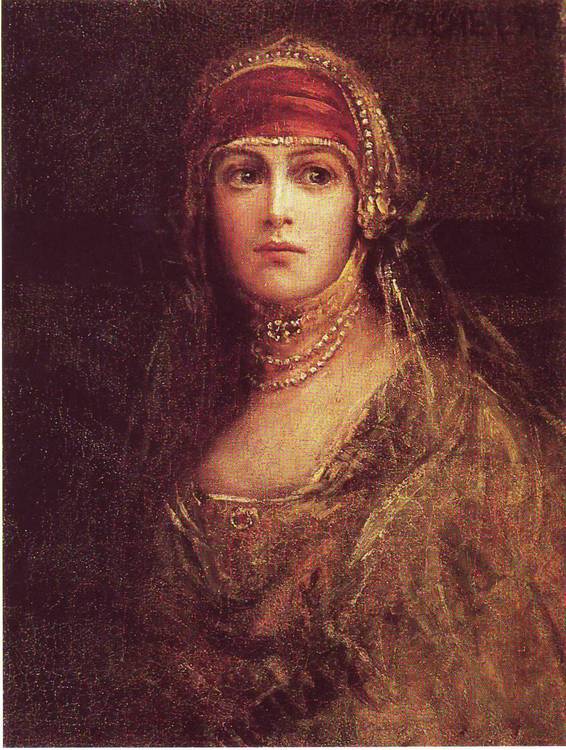
Rachela - Maurycy Gottlieb (1856-1879) (Wikicommons). Ashkenazi Jews have a higher incidence of genetic variants associated with high educational attainment.


Intelligence varies from one individual to the next, and most of this variance has genetic causes. But what, exactly, are these causes? Lots and lots of genes, it seems. To be precise, if we look at the genes that influence human intelligence, we find two things:

1. They are very numerous, numbering in the thousands.

2. In general, their variants differ slightly in their effects.

This shouldn't be surprising. Evolution proceeds by tinkering, i.e., by making little changes. Big changes tend to produce big side-effects, and most side-effects are deleterious. So the genetic capacity for intelligence differs among humans through small differences at thousands upon thousands of genes. Does it follow, then, that we cannot understand these differences by looking only at a few genes? Not necessarily. Each gene is like a weathervane. If you can get enough subjects from a human population, even a few genes will tell you the direction and strength of natural selection for intelligence. 

Davide Piffer began looking at these “weathervanes” six years ago. He gathered data from different human populations on ten SNPs (single nucleotide polymorphisms) whose genetic variants are associated with differences in intelligence, specifically differences in educational attainment. Then, for each population, he estimated its genetic capacity for intelligence by calculating a "polygenic score"—the number of genetic variants associated with higher educational attainment, out of a maximum of ten.

This score correlated with population IQ (r=0.90) and with PISA scores (r=0.84). It was highest in East Asians:

East Asians have the highest frequencies of alleles beneficial to educational attainment (39%) and consistently outperform other racial groups both within the US and around the world, in terms of educational variables such as completion of college degree or results on standardized tests of scholastic achievement. Europeans have slightly lower frequencies of educational attainment alleles (35.5%) and perform slightly worse in terms of educational attainment, compared to East Asians. On the other hand, Africans seem to be disadvantaged both with regards to their level of educational attainment in the US and around the world. Indeed, Africans have the lowest frequencies of alleles associated with educational attainment (16%). (Piffer 2013)

These results were considered preliminary. Thousands upon thousands of genes influence intelligence, and here we have only ten! Perhaps chance alone produced this geographic pattern. Over the next few years, as other researchers discovered more SNPs associated with educational attainment, Davide Piffer repeated his study with more of these weathervanes.

His latest study has just come out. It uses data on 2,411 SNPs, and the polygenic score correlates even higher with population IQ (r=0.98). The geographic pattern is the same, with East Asians scoring higher than Europeans, and with Africans scoring lower.


Yes, Jews really are smart

This time, however, the highest score was obtained for Ashkenazi Jews: 

This dataset included a sample of 145 Ashkenazi Jewish individuals. The IQ of Ashkenazi Jews has been estimated to be around 110 [34]. Remarkably, their EDU polygenic score was the highest in our sample, corresponding to a predicted score of about 108, mirroring preliminary results from a smaller (N = 53) sample (Dunkel et al., 2019) [34]. (Piffer 2019)

This finding vindicates the authors of a paper written more than a decade ago. Gregory Cochran, Jason Hardy, and Henry Harpending presented evidence that the mean IQ of Ashkenazi Jews exceeds not only that of non-Jewish Europeans but also that of other Jewish groups. The most striking piece of evidence is the high incidence among Ashkenazim of four genetic disorders: Tay-Sachs, Gaucher, Niemann-Pick, and mucolipidosis type IV (MLIV). All four affect the capacity to store sphingolipid compounds that promote the growth and branching of axons in the brain. These disorders are caused by alleles that are harmful in the homozygote state and beneficial in the much more common heterozygote state, i.e., the brain receives higher levels of sphingolipids without the adverse health effects.

Ironically, these facts are coming to light at a time when Ashkenazi Jews are disappearing through low fertility and high out-marriage. Meanwhile, and not coincidentally, they are disappearing from the ranks of top winners at the U.S. Math Olympiad, the Putnam Exam, the Computing Olympiad, and other academic competitions. This decline became noticeable in the 1980s and has accelerated since the turn of the millennium (Unz 2012; Frost 2018). Jews are still present in intellectual and cultural life, but this presence is losing its dynamism and becoming a mere legacy.


African American IQ is higher than predicted

The polygenic score seems to underpredict the IQ of African Americans:

Indeed, the IQ of African Americans appears to be higher than what is predicted by the PGS (Figure 2), which suggests this cannot be explained by European admixture alone, but it could be the result of enjoying better nutrition or education infrastructure compared to native Africans. Another explanation is heterosis ("hybrid vigor"), that is the increase in fitness observed in hybrid offspring thanks to the reduced expression of homozygous deleterious recessive alleles. (Piffer 2019)

I’d propose another possible explanation: higher intelligence in African Americans may be associated with a somewhat different basket of genetic variants. Some of these variants may come from our friends the Igbos, who seem to have followed their own evolutionary path toward higher intelligence (Frost 2015). Many notable African Americans are in fact of Igbo descent, including Forest Whitaker, Paul Robeson, and Blair Underwood (Wikipedia 2019).

Davide is skeptical about this explanation, pointing out that population IQ is in line with the polygenic score he calculated for sub-Saharan African groups (Esan, Gambians, Luhya, Mende, Yoruba). None of those groups, however, are Igbo, and it's really the Igbo who stand out among West Africans in measures of intellectual and educational attainment. If only for the sake of curiosity, we should find out their polygenic score. This score may underpredict their genetic capacity for intelligence, which to some degree would be boosted by genetic variants that exist only in sub-Saharan Africa, but it should still exceed what we see for other West Africans.


Conclusion

This latest study brings to 2,411 the number of SNPs that can inform us about the genetic capacity for intelligence in different human populations. This information was more dubious when only ten SNPs were available, and the geographic pattern could be put down to chance. That argument now seems weak. If chance is causing this pattern, why do we keep getting the same one?

Sure, we can wait until we get even more relevant SNPs, but the overall picture will probably remain the same. We will get finer geographic detail. In France, for example, we will probably understand why educational attainment is so much higher in Brittany (see:  http://www.targetmap.com/viewer.aspx?reportId=5987  H/T to Philippe Gouillou). There are probably several European regions and subregions where the genetic capacity for intelligence is on a par with what we see in Ashkenazi Jews and East Asians.

In sum, these findings deserve to be better known ... and more widely discussed.


Erratum

Initially, I wrote that Davide Piffer used 127 SNPs. In fact, 127 is the number of SNPs found in the HGDP (low coverage) dataset. In the other two datasets (1000 Genomes and GnomAd), those that the main analysis was based on, there were actually 2,411 SNPs.


****
Hiatus alert ****


I'll be unable to post for the near future, probably the next three months. 


References

Cochran, G., J. Hardy, and H. Harpending. (2006). Natural history of Ashkenazi intelligence, Journal of Biosocial Science 38: 659-693.
https://antville.org/static/sites/kratzbuerste/files/AshkenaziIQ.pdf   

Frost, P. (2018). The end of Jewish achievement? Evo and Proud, May 21
http://evoandproud.blogspot.com/2018/05/the-end-of-jewish-achievement.html

Frost, P. (2015). The Jews of West Africa, Evo and Proud, July 4
https://evoandproud.blogspot.com/2015/07/the-jews-of-west-africa.html

Piffer, D. (2019). Evidence for Recent Polygenic Selection on Educational Attainment and Intelligence Inferred from Gwas Hits: A Replication of Previous Findings Using Recent Data. Psych 1(1): 55-75
https://www.mdpi.com/2624-8611/1/1/5

Piffer, D. (2013). Factor analysis of population allele frequencies as a simple, novel method of detecting signals of recent polygenic selection: The example of educational attainment and IQ, Mankind Quarterly 54(2): 168-200
https://www.researchgate.net/profile/Davide_Piffer/publication/260436834_Factor_Analysis_of_Population_Allele_Frequencies_as_a_Simple_Novel_Method_of_Detecting_Signals_of_Recent_Polygenic_Selection_The_Example_of_Educational_Attainment_and_IQ/links/0c9605314d28dba7ea000000/Factor-Analysis-of-Population-Allele-Frequencies-as-a-Simple-Novel-Method-of-Detecting-Signals-of-Recent-Polygenic-Selection-The-Example-of-Educational-Attainment-and-IQ.pdf 

Unz, R. (2012). The myth of American meritocracy. The American Conservative, November 28
http://www.theamericanconservative.com/articles/the-myth-of-american-meritocracy/   

Wikipedia (2019). Igbo people.
https://en.wikipedia.org/wiki/Igbo_people#Diaspora