Showing posts with label liberalism. Show all posts

Monday, January 7, 2019

Demise of the West


Rachel Silverthorne's Ride (1938), mural by John W. Beauchamp at Muncy Post Office. Government-funded art used to promote love of family, community, and nation.


In my last post I discussed the uncoupling of gene-culture coevolution in the Western world. We are no longer co-evolving genetically with an environment where kinship matters less and less and where the market economy has become the main way we process social and economic transactions. Meanwhile, this cultural environment has continued to evolve on its own ... and at an ever-faster rate.

A lot of cultural change has happened since that uncoupling in the late nineteenth century. The extended family is gone—few young people have significant relationships with their cousins or grandparents … if only because most of the latter are already dead because of longer generation times. As for the nation-state, kinship no longer plays even a symbolic role—your "nation" is where you currently reside. Only the nuclear family remains as a kin group, and that last holdout is crumbling. A growing proportion of the population lives alone, and the families that do exist are increasingly "blended" or single-parent.

This liquidation of kinship is driven by the expansion of the market economy and its accompanying ideology of liberalism. This ideology allows some differences of opinion: Right-liberals wish to let kinship self-liquidate and wither away on its own, whereas Left-liberals want to use the State to accelerate the process. Both agree, however, on the end game. Once kinship has been reduced to a vestigial role, individual freedom will be maximized, and we will be able to do the most with what we have in a global marketplace.

So why worry? There may be bumps and potholes on the road to a better world, but we'll all be better off in the end. So let's stay the course and ignore the purveyors of doom and gloom. Such is the thinking that prevails among our elites.

I see fewer grounds for optimism:


Psychological mismatch

We are creating conditions of extreme social atomization that have never existed before and for which we are psychologically ill prepared. It's true that northwest Europeans have a long history of individualism, and this is largely why our ancestors were able to create free societies where the market economy replaces kinship networks as the main way for people to relate to each other. Nonetheless, we’ve freed ourselves from ties of kith and kin to a degree that would surprise even our recent ancestors, with no accompanying changes to our psychological makeup.

Some consequences are already visible: after decades of uninterrupted increase among white Americans, life expectancy is falling because of suicide and opioid abuse among the growing numbers of men who live alone. Those people are like canaries in a coal mine.

To make matters worse, we are exporting this societal model to the rest of the world. The psychological consequences will be much worse there, as can be seen with immigrants to the West. Typically, the first generation has low levels of dysfunction; the problems arise mostly in the second and third generations. 

You may ask: how can that be when the latter are more acculturated? To ask the question is to answer it. Non-Western societies keep people in line through multiple social, cultural, and ideological restraints. Migration to the West dissolves those restraints in an acid bath of personal freedom. The first generation will be OK, but the succeeding generations will have a serious mismatch between their genotype and our phenotype of extreme individualism. Some of them will become a caricature of Western dysfunction. Others will try to recreate the restrictive environment of their ancestors.


Decline of the bourgeois mindset

The market economy requires a certain psychological makeup. It will not, for instance, self-generate in a low-trust society where people are fixated on the present and prefer to settle personal disputes through violence. In that context, the market mechanism will be confined in space and time to marketplaces. It will not spread throughout society to encompass most of the transactions that people carry on with each other (Frost 2018).

This was the case for most of history and prehistory. It's not that people didn't understand markets. They did. It's just that they preferred to get most of what they wanted on their own or through people they could trust in their kinship network. Conditions were not in place for the market mechanism to break out of this straitjacket and create a true market economy.

It's no coincidence that this breakout happened in northwest Europe, where kinship networks were already relatively weak, where most adults remained single into their mid to late twenties, and where many never married. Once the market economy took off, people exploited its possibilities by pushing their envelope of phenotypic plasticity—by living, thinking, and behaving in new ways. Then, through selection over succeeding generations, the mean genotype followed this evolving phenotype, thus allowing people to keep pushing the envelope farther and farther. 

In sum, this market-driven environment favored the survival and reproduction of people with a certain psychological makeup. Such people were more future-oriented, less willing to settle personal disputes with violence, and better able to process numerical and textual data. In other words, this was the bourgeois mindset of thrift, self-control, foresight, numeracy, and literacy (Clark 2007; Clark 2009; Frost 2011; Frost 2017; Frost and Harpending 2015; hbd*chick 2014; Rindermann 2018, pp. 86-87).


Cultural decline

This mindset has helped the market economy to work better, but there is no reason to think that the latter will return the favor. This was pointed out by Daniel Bell in his work The Cultural Contradictions of Capitalism (1976). In it, he argued that the market economy encourages consumerism and desires for immediate fulfilment, thus eroding the values of thrift and delayed gratification that originally made it possible. Furthermore, since personal desires cannot be satisfied without effort, and since people vary in their ability to make the necessary effort, there will be growing pressure on the State to step in and satisfy those desires for everyone. The culture itself will become narcissistic.

These negative effects were being noticed by the late nineteenth century, notably in Catholic encyclicals. In Rerum novarum (1891), the church stated that employers must see the worker "as a person ennobled by Christian character" and ensure that he "be not exposed to corrupting influences and dangerous occasions; and that he be not led away to neglect his home and family, or to squander his earnings."

In the United States, the Progressive Era of the 1890s to the 1920s reflected this same mistrust of the free market and individualism. Many movements for community or national improvement began in that era, particularly those for temperance, social hygiene, immigration control, nature conservation, urban beautification, and so on.


Genetic decline

Alongside this cultural decline, the bourgeois mindset also seems to have suffered genetic decline. There is growing evidence that people in Western countries are losing the gene-based improvements their ancestors had gained in cognitive capacity and other mental traits. 

The strongest evidence for this regressive evolution is seen in an Icelandic study that shows a steady decline since the early twentieth century in alleles associated with high educational attainment (Kong et al. 2017). Only a fraction of such alleles have been identified to date, but it is disturbing that the ones we have identified are being replaced by alleles associated with low educational attainment. There is also evidence that mean reaction time has increased since the Victorian era (Madison 2014; Madison et al. 2016; Woodley et al. 2013). Finally, the Flynn effect is leveling off and even reversing in some Western countries (Rindermann 2018, p. 88). The Flynn effect is itself illusory, being due mostly to increasing familiarity with test taking. With peak familiarity the genetic decline is now becoming visible.

At first, this decline was driven by a reversal of class differences in natural increase. Previously, the lower classes had failed to reproduce themselves and had steadily absorbed downwardly mobile members of the middle class, which at that time was much more reproductively successful (Clark 2007). In the late nineteenth century this situation reversed. The middle class had fewer children because they wished to pursue higher education and pay for the trappings of an affluent lifestyle. Meanwhile, working people were better able to settle down, marry, and have children. This was largely because industrialists began to recognize they had a vested interest in creating stable communities for their workers. Two English companies, Cadbury's and Lever Brothers, showed the way by providing their employees with housing, medical care, and recreational activities. Other companies followed suit, and this industrial paternalism became a model for the welfare state (Wikipedia 2019a)

These class differences in natural increase would eventually narrow, particularly after the Second World War. All classes participated in the postwar economic boom and baby boom, with fertility rising among middle-class couples. This leveling of class differences was further aided by greater access to contraception for people of all backgrounds.

Since the 1970s the IQ decline seems to be driven much more by decomposition of the nuclear family: proportionately more births are to single mothers who tend to have children by sexy men who are less intelligent and more prone to violence (see previous post).


The Indian summer of the mid-twentieth century

This cultural and genetic decline leveled off during the mid-twentieth century. On both the right and the left, people had become convinced that the market economy was fouling its nest through impulse buying, needless consumer debt, and erosion of community values. In response, a new societal model came into being.

That model took shape during the last great depression and lasted until the 1960s. Called the "New Deal" in the U.S., it was characterized by low immigration, particularly of unskilled, low-wage labor, by high unionization, by corporate paternalism (employee benefits, recreational activities for workers, etc.), and by the welfare state (pensions, health care, unemployment insurance). It was also characterized by propaganda to promote the family, the community, and the nation. Although this societal model is now branded as "fascist" it was present to some degree in all advanced societies, including America under Roosevelt and the Soviet Union under Stalin.

Indeed, Roosevelt's America was a lot less liberal than we like to think. The Hays Code, introduced in 1930 and strengthened in 1934, imposed strict moral guidelines on movie making. Meanwhile, Frances Perkins, U.S. Secretary of Labor in the Roosevelt administration, brought in policies to encourage marriage, larger families, and population growth:

Maternalists would use the New Deal to reward the domestic woman and discourage the working mother. They expanded and nationalized existing state programs that protected mothers and created "new ones to deliver social benefits to the wives and widows of wage-earning men." They "prescribed domesticity to unemployed women in vocational programs that trained [them] for housekeeping and parenting," and they urged "counseling services for mothers tempted to work outside the home." Linking truancy, incorrigibility, and emotional disorders among children to a "mother's absence at her job," the Maternalists mounted campaigns to bring working mothers home. (Carlson 2002)

Under the New Deal, support was also given to artwork that promoted love of family, community, and nation. This was particularly so with "regionalist” artists like Thomas Hart Benton, Thomas Craven, and many others (Baigell 1974).


End of the New Deal and beginnings of globalization

The baby boom ended in the 1960s and the economic boom a decade later. To some degree both were victims of their success. As incomes doubled, and as unemployment remained low, people could more easily do as they liked. Many postponed marriage, either to pursue postsecondary education or simply to enjoy the pleasures of the new affluence. Sexual experimentation became widespread. Again, this was made easier by the success of postwar society, particularly in reducing STDs to a low level and in creating a safety net that could cope with broken homes and parentless children. Negative effects were less serious back then than they would be later.

Meanwhile, the West opened up to globalization. This began in the late 1960s with outsourcing of textile production and some manufacturing to low-wage economies, initially the eastern fringe of Asia (Hong Kong, Taiwan, and South Korea) and later, in the 1980s, the People's Republic of China, Mexico, and Bangladesh. Outsourcing soon spread through most of  manufacturing and even high-tech.

This period also saw a steady rise in the number of immigrants, principally from low-wage countries. The U.S alone went from taking in just under 300,000 a year in 1965 to over a million a year by 1990. Illegal immigrants also arrived in growing numbers, their estimated population in the U.S. now ranging from a low of 11 million to a high of 29 million (Fazel-Zarandi et al. 2018). Immigration to the United Kingdom has similarly surged from around 200,000 a year in the 1970s and 1980s to around 600,000 in the 2000s (Wikipedia 2019b). Most Western countries have followed suit, including many that had previously not received immigrants on a large scale.

Jobs have thus been outsourced to countries where labor is cheaper. Conversely, cheap labor has been insourced for jobs that, by their very nature, cannot be sent abroad, i.e., in construction, agriculture, and services. This two-way movement benefits business at the expense of workers. It is one of the reasons, if not the main reason, why more and more wealth is accruing to the top 1% (Roser and Ortiz-Ospina 2016). It is also the reason why workers in the West are getting poorer: median wages have stagnated since the 1970s and have probably fallen if we adjust for the decline in employee benefits and the decline in unpaid childcare by mothers and grandparents (Mishel et al. 2015; Semuels 2013).

The old working class also has to bear the cost of longer commutes as it gets pushed farther and farther into the exurbs by the rising cost of housing and by the new class of low-wage immigrants. The latter now dominate the suburbs and provide the gentry of the inner city with cheap services (daycare, food services, laundry and dry cleaning, landscaping, etc.).  A new social geography is being created, with high-income people in the inner city, immigrants in the suburbs, and the old working class relegated to the exurbs.

This pattern is key to understanding the gilets jaunes in France. Why are they so upset over a fuel tax? A big reason is the long commutes that French working people now have to make.

[...] employment and wealth have become more and more concentrated in the big cities. The deindustrialised regions, rural areas, small and medium-size towns are less and less dynamic. But it is in these places — in "peripheral France" (one could also talk of peripheral America or peripheral Britain) — that many working-class people live. Thus, for the first time, "workers" no longer live in areas where employment is created, giving rise to a social and cultural shock.

[...] This confinement is not only geographical but also intellectual. The globalised metropolises are the new citadels of the 21st century — rich and unequal, where even the former lower-middle class no longer has a place. Instead, large global cities work on a dual dynamic: gentrification and immigration. This is the paradox: the open society results in a world increasingly closed to the majority of working people.

The economic divide between peripheral France and the metropolises illustrates the separation of an elite and its popular hinterland. Western elites have gradually forgotten a people they no longer see. (Guilluy 2018; also see Caldwell 2017)

Why not build housing for them near the big cities? Well, such housing was built. It's now inhabited overwhelmingly by immigrants who provide the inner-city gentry with cheap services:

After the mid-twentieth century, the French state built a vast stock—about 5 million units—of public housing, which now accounts for a sixth of the country's households. Much of it is hideous-looking, but it's all more or less affordable. Its purpose has changed, however. It is now used primarily for billeting not native French workers, as once was the case, but immigrants and their descendants, millions of whom arrived from North Africa starting in the 1960s, with yet another wave of newcomers from sub-Saharan Africa and the Middle East arriving today.

[...] As a new bourgeoisie has taken over the private housing stock, poor foreigners have taken over the public—which thus serves the metropolitan rich as a kind of taxpayer-subsidized servants' quarters. Public-housing inhabitants are almost never ethnically French; the prevailing culture there nowadays is often heavily, intimidatingly Muslim. (Caldwell 2017)


Conclusion

We need to stop viewing the market economy as a self-correcting mechanism that works best if left alone. That view is best reserved for things that have proven themselves over the long term. That is not the case here. For most of history and prehistory we had markets but not a true market economy. It has only been over the past thousand years that this economic system gradually came into being among northwest Europeans and in the societies they founded. Its current globalized form is less than a half-century old.

Ironically, free market proponents often look back with nostalgia to the United States of the 1950s—a time of high tariffs, low immigration, high corporate taxation, and high unionization, not to mention the Hays Code and countless other restrictions on entertainment. The current system is actually much closer to the free market ideal.

Is this system sustainable? It is … for some people. As is often the case, the system is most sustainable for those who benefit the most and who have the power to prevent change. For them, life is great and couldn’t be better, at least for now. 

The system is less sustainable for the remnants of the old working class. For them, the outlook is especially bleak. They are caught between the anvil of stagnant wages and the hammer of rising costs—in part to support the growing population of net tax consumers and in part to insulate themselves from the latter … and an increasingly dysfunctional social environment.

In the end, however, the current system is not sustainable. The problem isn’t just that globalization will level the wages of Western working people down to the global average. In that scenario, the system could be sustainable. Indeed, the new gentry would have the best of both: a nice first-world lifestyle and cheap third-world labor. The world, as a whole, would be wealthier, even though people in the West would, on average, be poorer. And the top 1% would probably be richer than they are today.

That scenario ignores one thing, however. The market economy, and its power to create so much wealth, came into being because of certain cultural, psychological and, yes, genetic characteristics. Those characteristics are not distributed uniformly around the world. In fact, for a long time they didn’t even exist. They gradually evolved and came together in certain human groups, particularly in northwest Europeans.

Yes, there were similar evolutionary processes in other human groups, notably East Asians, Ashkenazi Jews, Parsees, and so on. But those groups, too, will form a diminishing proportion of the world’s population. The cultural, psychological, and genetic basis for the market economy will therefore regress as time goes on.

The most likely scenario is that the market economy will likewise regress. We will return to a low-trust world of spatially localized markets with no market economy, at least not one that will self-generate without coercion. We will all be poorer.


References

Baigell, M. (1974). The American Scene. American painting of the 1930s. New York: Praeger.

Bell, D. (1976). The Cultural Contradictions of Capitalism. New York: Basic Books.

Caldwell, C. (2017). The French, coming apart. The Social Order. Spring
https://www.city-journal.org/html/french-coming-apart-15125.html

Carlson, A.C. (2002). Sanctifying the traditional family: The New Deal and national solidarity, The Family in America 16(5).
http://profam.org/pub/fia/fia_1605.htm

Clark, G. (2007). A Farewell to Alms. A Brief Economic History of the World. Princeton University Press: Princeton and Oxford.  

Clark, G. (2009). The domestication of man: The social implications of Darwin. ArtefaCTos 2: 64-80.
https://www.researchgate.net/publication/277275046_The_Domestication_of_Man_The_Social_Implications_of_Darwin

Fazel-Zarandi M.M., Feinstein, J.S., Kaplan, E.H. (2018). The number of undocumented immigrants in the United States: Estimates based on demographic modeling with data from 1990 to 2016. PLoS ONE 13(9): e0201193.
https://doi.org/10.1371/journal.pone.0201193

Frost, P. (2011). Human nature or human natures? Futures 43: 740-748.
https://www.researchgate.net/profile/Peter_Frost2/publication/251725125_Human_nature_or_human_natures/links/004635223eaf8196f0000000.pdf

Frost, P. (2017). The Hajnal line and gene-culture coevolution in northwest Europe. Advances in Anthropology 7: 154-174.
http://file.scirp.org/pdf/AA_2017082915090955.pdf

Frost, P. (2018). Evolution of the market economy. Evo and Proud, June 4.
http://evoandproud.blogspot.com/2018/06/evolution-of-market-economy.html

Frost, P. and H. Harpending. (2015). Western Europe, state formation, and genetic pacification. Evolutionary Psychology 13: 230-243.
http://evp.sagepub.com/content/13/1/147470491501300114.abstract

Guilluy, C. (2018). France is deeply fractured. Gilets jaunes are just a symptom. The Guardian, December 2
https://www.theguardian.com/commentisfree/2018/dec/02/france-is-deeply-fractured-gilets-jeunes-just-a-symptom

Hbd*chick (2014). Big summary post on the Hajnal Line. October 3
https://hbdchick.wordpress.com/2014/03/10/big-summary-post-on-the-hajnal-line/

Kong, A., M.L. Frigge, G. Thorleifsson, H. Stefansson, A.I. Young, F. Zink, G.A. Jonsdottir, A. Okbay, P. Sulem, G. Masson, D.F. Gudbjartsson, A. Helgason, G. Bjornsdottir, U. Thorsteinsdottir, and K. Stefansson. (2017). Selection against variants in the genome associated with educational attainment. Proceedings of the National Academy of Sciences 114(5): E727-E732.
http://www.pnas.org/content/early/2017/01/10/1612113114.full

Madison, G. (2014). Increasing simple reaction times demonstrate decreasing genetic intelligence in Scotland and Sweden, London Conference on Intelligence, Psychological Comments, April 25
#LCI14 Conference proceedings
http://www.unz.com/jthompson/lci14-questions-on-intelligence/  

Madison, G., M.A. Woodley of Menie, and J. Sänger. (2016). Secular Slowing of Auditory Simple Reaction Time in Sweden (1959-1985). Frontiers in Human Neuroscience, August 18
https://www.frontiersin.org/articles/10.3389/fnhum.2016.00407/full

Mishel, L., E. Gould, and J. Bivens. (2015). Wage stagnation in nine charts. Economic Policy Institute

Rindermann, H. (2018). Cognitive Capitalism. Human Capital and the Wellbeing of Nations. Cambridge University Press.

Roser, M. and E. Ortiz-Ospina. (2016). Income inequality. Our world in data
https://ourworldindata.org/income-inequality

Semuels, A. (2013). The numbers behind the decline in workplace benefits. Los Angeles Times, April 7
http://articles.latimes.com/2013/apr/07/business/la-fi-mo-numbers-decline-workplace-benefits-20130407

Wikipedia (2019a). Welfare capitalism
https://en.wikipedia.org/wiki/Welfare_capitalism  

Wikipedia (2019b). Modern immigration to the United Kingdom
https://en.wikipedia.org/wiki/Modern_immigration_to_the_United_Kingdom  

Woodley, M.A., J. Nijenhuis, and R. Murphy. (2013). Were the Victorians cleverer than us? The decline in general intelligence estimated from a meta-analysis of the slowing of simple reaction time. Intelligence 41: 843-850.
https://pdfs.semanticscholar.org/e8cc/634169c7c5d3e4738fe08091c86177be1380.pdf

Thursday, December 27, 2018

Rise of the West, part II


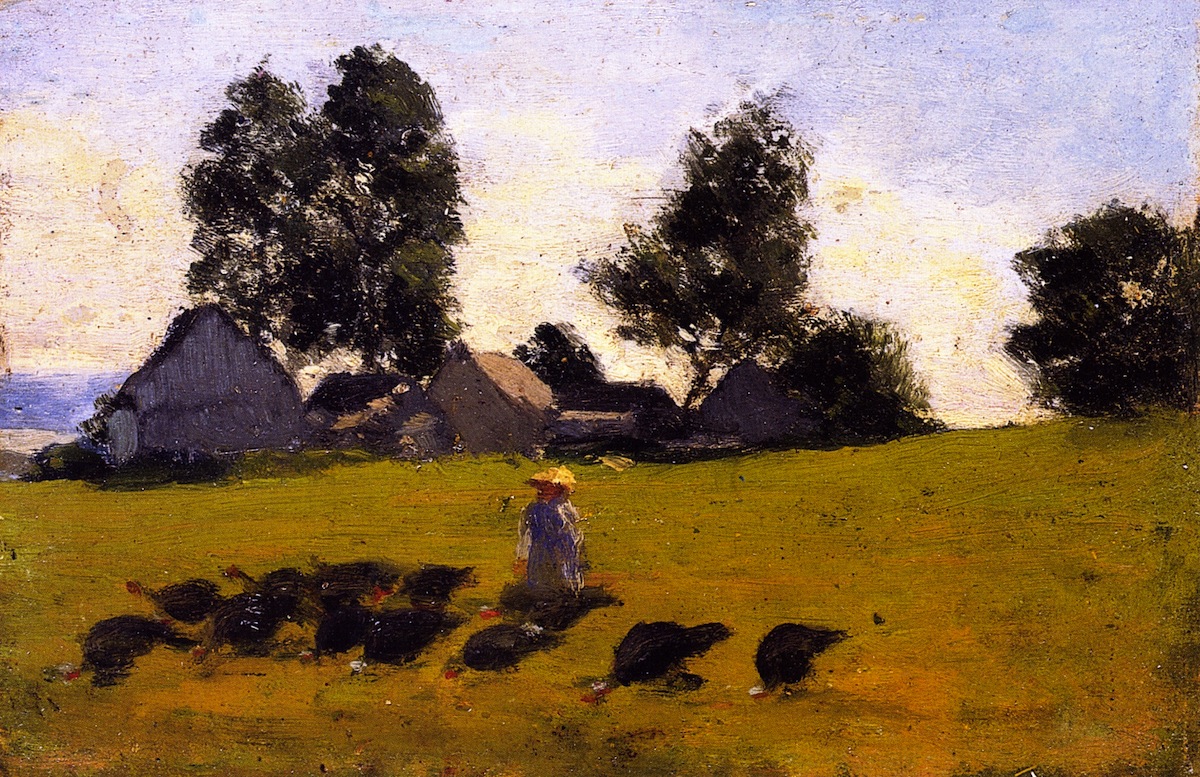
Paysage à Saint-Joachim (1903), Clarence Gagnon. A hundred years ago genetic evolution came to a halt throughout the West, yet cultural evolution continued to forge ahead ... at an accelerating speed.


My last post covered the reasons why liberal regimes have historically prevailed over conservative ones. In short, liberalism delivers the goods. By reducing the importance of kinship, it has given the market a freer rein to mobilize labor and capital for production of goods and services. More wealth is created—not only in peacetime but also, and just as critically, in wartime. Because liberal regimes are not tied to a single ethnocultural community, they can recruit from a broader pool of people and, if need be, relocate production of arms and ammunition to territories far from enemy attack.

In this post I wish to discuss the contradictions of liberalism. By "contradiction" I mean an inherent problem that will worsen even in the absence of organized opposition. Here, I will focus on one problem: liberal regimes tend to erode their own cultural and genetic foundations, thus undermining the cause of their success.


End and reversal of gene-culture coevolution

Liberalism emerged in northwest Europe. This was where conditions were most conducive to dissolving the bonds of kinship and creating communities of atomized individuals who produce and consume for a market. Northwest Europeans were most likely to embark on this evolutionary trajectory because of their tendency toward late marriage, their high proportion of adults who live alone, their weaker kinship ties and, conversely, their greater individualism. This is the Western European Marriage Pattern, and it seems to go far back in time. The market economy began to take shape at a later date, possibly with the expansion of North Sea trade during early medieval times and certainly with the take-off of the North Sea trading area in the mid-1300s (Note 1).

Thus began a process of gene-culture coevolution:  people pushed the limits of their phenotype to exploit the possibilities of the market economy; selection then brought the mean genotype into line with the new phenotype. The cycle then continued anew, with the mean phenotype always one step ahead of the mean genotype.

This gene-culture coevolution has interested several researchers. Gregory Clark has linked the demographic expansion of the English middle class to specific behavioral changes in the English population: increasing future time orientation; greater acceptance of the State monopoly on violence and consequently less willingness to use violence to settle personal disputes; and, more generally, a shift toward bourgeois values of thrift, reserve, self-control, and foresight. Heiner Rindermann has presented the evidence for a steady rise in mean IQ in Western Europe during the late medieval and early modern era. Henry Harpending and myself have investigated genetic pacification during the same timeframe in English society. Finally, hbd*chick has written about individualism in relation to the Western European Marriage Pattern (Note 2).

This process of gene-culture coevolution came to a halt in the late 19th century. Cottage industries gave way to large firms that invested in housing and other services for their workers, and this corporate paternalism eventually became the model for the welfare state, first in Germany and then elsewhere in the West. Working people could now settle down and have families, whereas previously they had largely been a lumpenproletariat of single men and women. Meanwhile, middle-class fertility began to decline, partly because of the rising cost of maintaining a middle-class lifestyle and partly because of sociocultural changes (increasing acceptance and availability of contraception, feminism, etc.).

This reversal of class differences in fertility seems to have reversed the gene-culture coevolution of the late medieval and early modern era. The evidence is still incomplete, but a consistent pattern is emerging:

1. Mean reaction time has risen in Great Britain by 13 points since Victorian times (Woodley et al. 2013). This finding may be an artefact of better sampling of the general population over time (hbd*chick 2013a). A Swedish study, however, has confirmed this lengthening of reaction time, particularly in cohorts born since the 1970s (Madison 2014; Madison et al. 2016).

2. The genetic basis of intelligence has fallen in Iceland since the cohort born in 1910. This is shown by a progressive decrease in the "polygenic score" of alleles associated with high educational attainment (Kong et al. 2017).

3. The Flynn effect is slowing throughout the West (Flynn 2007, p. 143). In Scandinavia, mean IQ peaked during the late 1990s and has since declined (Teasdale and Owen 2005). A review of this literature has shown recent declines in mean IQ in England, Denmark, Finland, and Austria and a leveling off in Norway and Australia (Rindermann 2018). The Flynn effect does not, in itself, seem to be a real increase in intelligence. Rather, it is simply a greater familiarity by people with the process of doing tests and, as such, has masked an underlying decline in real intelligence. Now that the Flynn effect has exhausted itself, we are seeing this underlying decline.


Causes?

Some of this decline may be due to class differences in fertility, especially during the early to mid-20th century. Today, with widespread use of contraception and abortion by all social classes, this factor is much less operational (Jayman 2012). Recently, two economists, Bernt Bratsberg and Ole Rogeberg, have found that the reversal of the Flynn effect in Norway is largely explained by "within-family variation." So this decline is not due to the poor outbreeding the rich or to immigrants outbreeding natives. 

It doesn't follow, however, as Bratsberg and Rogeberg argue, that a genetic cause is excluded. In Norway, as elsewhere, siblings are increasingly half-siblings. This is not a minor factor. Bratsberg and Rogeberg charted their country's IQ decline by looking at pairs of brothers; their data came from the military conscript register, and only men are subject to conscription. To produce a pair of brothers, a woman has to have three children on average. Among Norwegian women with three children, 36.2% have had them by two or more men (Thomson et al. 2014). Furthermore, because half-siblings tend to be born farther apart than full-siblings, they have contributed more to changes in mean IQ over time. 

If the genetic basis of intelligence has been declining between older and younger half-siblings, two things must be happening:

- Divorced mothers are, on average, having their second children by lower-IQ men;

- Such men have been contributing more than other men to succeeding generations of Norwegians, at least during the last forty years.

Lappegård et al. (2011) found that multi-partner fatherhood is most common among Norwegian men with the lowest level of education. Furthermore, multi-partner fertility has increased over time among such men. Thomson et al. (2014) have similarly observed that education is negatively associated with childbearing across partnerships in Australia, United States, Norway, and Sweden. These differentials increased from the 1970s to the 2000s.

Unfortunately, we cannot easily measure the impact of multi-partner fatherhood on the IQ of the next generation. How can we compare the first father’s children with the second father’s children when Norwegian statistics do not identify a child's biological father? Only the "registered father" is identified. Once a man has adopted the earlier children of his spouse, he becomes their father for all statistical purposes.


Uncoupling of gene-culture coevolution

There has thus been an uncoupling of gene-culture co-evolution. Genetic evolution is leveling off throughout the West and even reversing in some countries. Meanwhile, cultural evolution has been forging ahead. The mean phenotype is no longer one step ahead of the mean genotype. It's several steps ahead.

A century ago the market economy was important, but a lot of economic activity still took place within the family, especially in rural areas. In the late 1980s I interviewed elderly French Canadians in a small rural community, and I was struck by how little the market economy mattered in their youth. At that time none of them had bank accounts. Few even had wallets. Coins and bills were kept at home in a small wooden box for special occasions, like the yearly trip to Quebec City. The rest of the time these people grew their own food and made their own clothes and furniture. Farms did produce food for local markets, but this surplus was of secondary importance and could just as often be bartered with neighbors or donated to the priest. Farm families were also large and typically brought together many people from three or four generations. 

By the 1980s things had changed considerably. Many of my interviewees were living in circumstances of extreme social isolation, with only occasional visits from family or friends. Even among middle-aged members of the community there were many who lived alone, either because of divorce or because of relationships that had never gone anywhere. This is a major cultural change, and it has occurred in the absence of any underlying changes to the way people think and feel.

Whenever I raise this point I'm usually told we're nonetheless better off today, not only materially but also in terms of enjoying varied and more interesting lives. That argument made sense back in the 1980s—in the wake of a long economic boom that had doubled incomes, increased life expectancy, and improved our lives through labor-saving devices, new forms of home entertainment, and stimulating interactions with a broader range of people.

Today, that argument seems less convincing. Median income has stagnated since the 1970s and may even be decreasing if we adjust for monetization of activities, like child care, that were previously nonmonetized. Life expectancy too has leveled off and is now declining in the U.S. because of rising suicide rates among people who live alone. Finally, cultural diversity is having the perverse effect of reducing intellectual diversity. More and more topics are considered off-limits in public discourse and, increasingly, in private conversation. 

Liberalism is no longer delivering the goods—not only material goods but also the goods of long-term relationships and rewarding social interaction.

To be cont'd


Notes

1. Markets, of course, go much farther back in time, farther than the earliest historical records. For most of that time, however, they were secondary to kinship. People organized their lives primarily in terms of blood ties or the ties of procreation between husband and wife. The main unit of economic activity was the family. Markets were not only of secondary importance but also highly localized in space and time. In short, there were markets but no market economy.

2. Hbd*chick has accused me of plagiarizing her work on the Hajnal Line and the Western European Marriage Pattern. The truth is that I became interested in that subject much earlier— during the early 1990s in an exchange of letters with Kevin MacDonald in the pages of Ethology and Sociobiology. Afterwards, I intended to write a follow-up that would prove two points: 1) the Western European Marriage Pattern predates Christianity; and 2) this cultural environment has selected for certain psychological traits. Over the years I gathered material, but I didn't feel I had enough for a publishable article. I finally wrote up several blog posts on the subject in 2011 and eventually a full article in 2017. Meanwhile, hbd*chick had published her first post on the Hajnal Line in 2011. I did read that post but she seemed to be taking the same position that Kevin MacDonald had taken, i.e., that the WEMP was created by the Catholic Church and that outbreeding was key to emergence of the Western mindset. Later, in a 2012 post, she began to see the WEMP as a template for gene-culture coevolution. At that point I had the impression she was drawing on my material, either directly from my articles and blog posts or indirectly through various bloggers.

So did I "discover" this idea? No, of course not. Neither I nor hbd*chick was the first to write about the Hajnal Line or the WEMP. More importantly, neither of us was the first to link the WEMP to Western European individualism and mercantilism. I would award that title to Wally Seccombe in his 1992 book A Millennium of Family Change. Feudalism to Capitalism in Northwestern Europe. In the end, few ideas are truly original. It's no coincidence that both of us began writing about that subject around the same time. Other people were writing on related topics, and those people were influencing both me and her. I'm thinking here about authors like Gregory Clark and blogs like Jayman and Those Who Can See. I didn't read it at the time, but in January 2011 Kevin MacDonald wrote a book review that discussed the Hajnal Line and European individualism:

The nuclear family, freed from extended kinship obligations, is the basis of Western social organization. It is unique relative to other culture areas. This pattern is particularly noticeable in the Northwest of Europe rather than the Pontic steppe region. As one goes from the Northwest of Europe to the Southeast, there is an increase in joint family structure, with brothers living together with parents, grandparents and children. Family historian John Hajnal discovered the "Hajnal line" that separates Western Europe from Eastern Europe, the former characterized by nuclear family structure, relatively late marriage and large numbers of unmarried in economically difficult times, the latter by joint family structure and relatively early and universal marriage.

Finally, while preparing my 2017 article, I wanted to cite hbd*chick as someone with an alternate point of view, but I couldn't find anything published under her real name. There were only pseudonymous posts from her blog. To cite her in my manuscript would require inserting citations like (hbd*chick 2014). The reviewers would immediately notice, and the chances of rejection would increase accordingly. This point should be obvious.


References

Bratsberg, B., and O. Rogeberg. (2018). Flynn effect and its reversal are both environmentally caused. Proceedings of the National Academy of Sciences June 2018, DOI: 10.1073/pnas.1718793115

Clark, G. (2007). A Farewell to Alms. A Brief Economic History of the World. Princeton University Press: Princeton and Oxford.

Clark, G. (2009a). The indicted and the wealthy: surnames, reproductive success, genetic selection and social class in pre-industrial England.

Clark, G. (2009b). The domestication of man: The social implications of Darwin. ArtefaCTos 2: 64-80. 

Flynn, J.R. (2007). What is Intelligence? Beyond the Flynn Effect. Cambridge University Press.

Frost, P. (2017). The Hajnal line and gene-culture coevolution in northwest Europe. Advances in Anthropology 7: 154-174.

Frost, P. (2011a). From markets to market economy. Evo and Proud. March 4

Frost, P. (2011b). Bringing reproductive maturity into line with the age of marriage. Evo and Proud. October 29

Frost, P. (2011c). The Western European Marriage Pattern. Evo and Proud. November 12 http://evoandproud.blogspot.ca/2011/11/western-european-marriage-pattern.html

Frost, P. (1991). "Mechanisms of sexual egalitarianism in Western Europe": Comment. Ethology & Sociobiology 12(5), 335-336. 

Frost, P. and H. Harpending. (2015b). Western Europe, state formation, and genetic pacification. Evolutionary Psychology 13: 230-243.

Greer, T. (2013a). The Rise of the West: Asking the Right Questions. July 7. The Scholar's Stage

Greer, T. (2013b). Another look at the 'Rise of the West' - but with better numbers. November 20. The Scholar's Stage

Hbd*chick (2013a). A response to a response to two critical commentaries on woodley, te nijenhuis & murphy. May 27

Hbd*chick (2014b). Big summary post on the Hajnal Line. October 3

Hbd*chick (2013c). Going Dutch. November 29

Hbd*chick (2012). Behind the Hajnal Line. January 16

Hbd*chick (2011a). The Hajnal Line. June 30

JayMan (2012). It's not the cads, it's the tramps. JayMan's Blog. December 28

Kong, A., M.L. Frigge, G. Thorleifsson, H. Stefansson, A.I. Young, F. Zink, G.A. Jonsdottir, A. Okbay, P. Sulem, G. Masson, D.F. Gudbjartsson, A. Helgason, G. Bjornsdottir, U. Thorsteinsdottir, and K. Stefansson. (2017). Selection against variants in the genome associated with educational attainment. Proceedings of the National Academy of Sciences 114(5): E727-E732.

Lappegård, T., Rønsen, M., & Skrede, K. (2011). Fatherhood and fertility. Fathering 9: 103-120.

MacDonald, K. (2011). Going against the Tide: Ricardo Duchesne's Intellectual Defence of the West. The Occidental Quarterly 11(3): 1-22.

Madison, G. (2014). Increasing simple reaction times demonstrate decreasing genetic intelligence in Scotland and Sweden, London Conference on Intelligence, Psychological comments, April 25
#LCI14 Conference proceedings

Madison, G., M.A. Woodley of Menie, and J. Sänger. (2016). Secular Slowing of Auditory Simple Reaction Time in Sweden (1959-1985). Frontiers in Human Neuroscience, August 18

Rindermann, H. (2018). Cognitive Capitalism. Human Capital and the Wellbeing of Nations. Cambridge University Press.

Seccombe, W. (1992). A Millennium of Family Change. Feudalism to Capitalism in Northwestern Europe. London: Verso.

Teasdale, T.W., and D.R. Owen. (2005). A long-term rise and recent decline in intelligence test performance: The Flynn Effect in reverse. Personality and Individual Differences 39(4): 837-843.

Thomson, E., T. Lappegård, M. Carlson, A. Evans, and E. Gray (2014). Childbearing across partnerships in Australia, the United States, Norway, and Sweden. Demography 51(2): 485-508

Woodley, M.A., J. Nijenhuis, and R. Murphy. (2013). Were the Victorians cleverer than us? The decline in general intelligence estimated from a meta-analysis of the slowing of simple reaction time. Intelligence 41: 843-850. 

Monday, December 17, 2018

Rise of the West


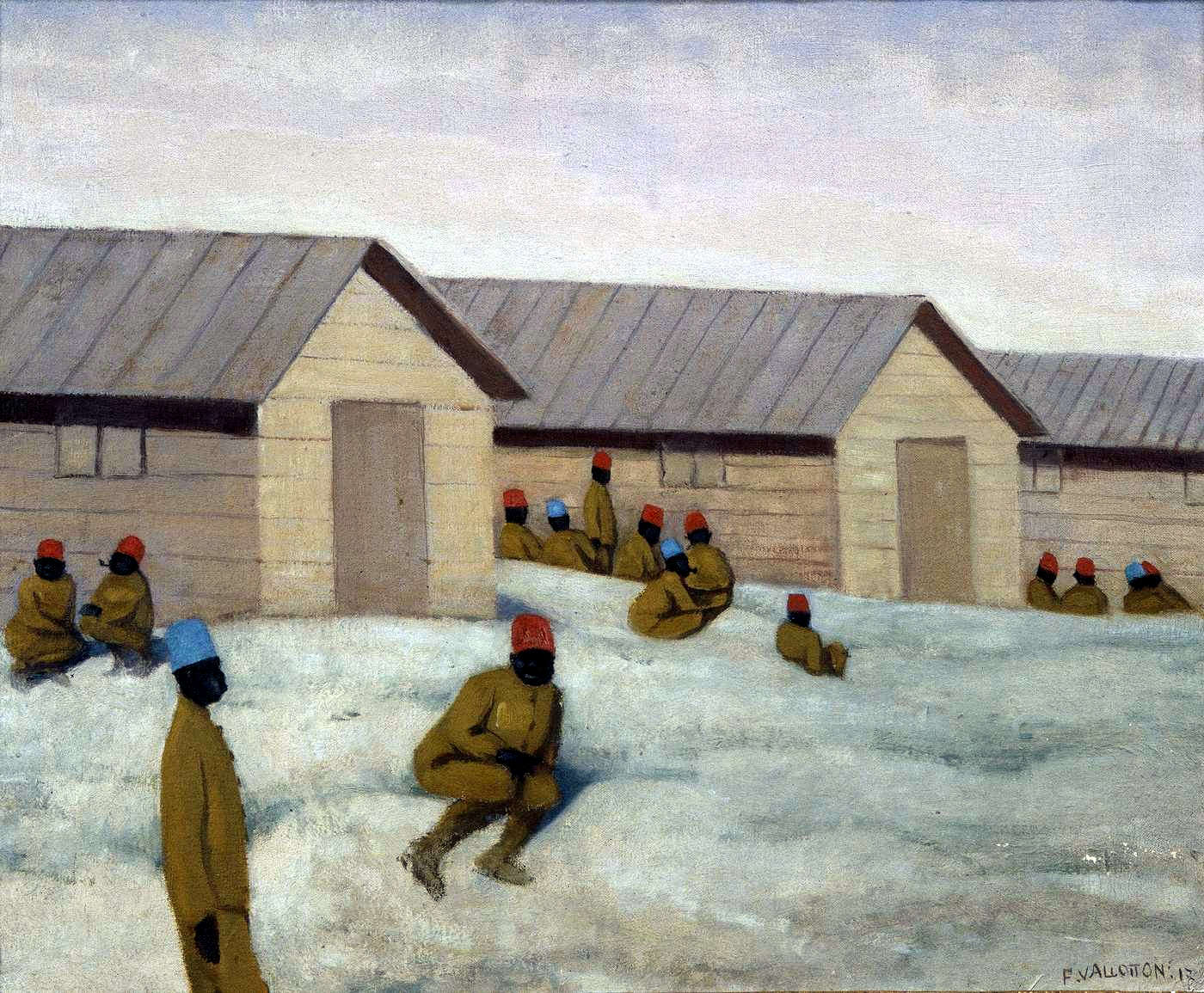
Soldats sénégalais au camp de Mailly (1917) by Félix Vallotton. During WWI, France recruited half a million Africans to fight in Europe.


When did "the West" begin? Usually historians look back to the 17th century, when the maritime nations of northwest Europe—Great Britain, France, and Holland—overtook Spain and Portugal in colonizing the Americas, Africa, and Asia. One can look farther back. Greer (2013a, 2013b) pinpoints the 14th century as the time when the North Sea economies began to diverge from the rest of the world:

[...] the two exceptions are Netherlands and Great Britain. These North Sea economies experienced sustained GDP per capita growth for six straight centuries. The North Sea begins to diverge from the rest of Europe long before the 'West' begins its more famous split from 'the rest.'

[...] we can pin point the beginning of this 'little divergence' with greater detail. In 1348 Holland's GDP per capita was $876. England's was $777. In less than 60 years time Holland's jumps to $1,245 and England's to 1090. The North Sea's revolutionary divergence started at this time. (Greer 2013b; see also Hbd *chick 2013)

This process began before the European conquest of the Americas, the invention of printing, the creation of modern finance institutions, the Atlantic slave trade, or the Protestant Reformation. None of these can be proper explanations for this "little divergence." (Greer 2013a)

One can look even farther back to the 7th century, when North Sea trade began an expansion that would later eclipse Mediterranean trade (Callmer 2002, also see Barrett et al. 2004).


Coevolution with the market economy

There is reason to believe that northwest Europeans were pre-adapted to the market economy. They were not the first to create markets, but they were the first to replace kinship with the market as the main way of organizing social and economic life. Already in the fourteenth century, their kinship ties were weaker than those of other human populations, as attested by marriage data going back to before the Black Death and in some cases to the seventh century (Frost 2017). The data reveal a characteristic pattern:

- men and women marry relatively late

- many people never marry

- children usually leave the nuclear family to form new households

- households often have non-kin members

This behavioral pattern was associated with a psychological one:

- weaker kinship and stronger individualism;

- framing of social rules in terms of moral universalism and moral absolutism, as opposed to kinship-based morality (nepotism, amoral familialism);

- greater tendency to use internal controls on behavior (guilt proneness, empathy) than external controls (public shaming, community surveillance, etc.)

This is the mindset that enabled northwest Europeans to exploit the possibilities of the market economy. Because they could more easily move toward individualism and social atomization, they could go farther in reorganizing social relationships along market-oriented lines. They could thus mobilize capital, labor, and raw resources more efficiently, thereby gaining more wealth and, ultimately, more military power.

This new cultural environment in turn led to further behavioral and psychological changes. Northwest Europeans have adapted to it just as humans elsewhere have adapted to their own cultural environments, through gene-culture coevolution:

1.      People adapt to the new environment by pushing their envelope of phenotypic plasticity.

2.      Natural selection then favors those individuals whose genotype more closely matches the new phenotype.

3.      Over time, the mean genotype of the population moves closer and closer to the new phenotype.

Northwest Europeans adapted to the market economy, especially those who formed the nascent middle class of merchants, yeomen, and petty traders. Over time, this class enjoyed higher fertility and became demographically more important, as shown by Clark (2007, 2009a, 2009b) in his study of medieval and post-medieval England: the lower classes had negative population growth and were steadily replaced, generation after generation, by downwardly mobile individuals from the middle class. By the early 19th century most English people were either middle-class or impoverished descendants of the middle class.

This demographic change was associated with behavioral and psychological changes to the average English person. Time orientation became shifted toward the future, as seen by increased willingness to save money and defer gratification. There was also a long-term decline in personal violence, with male homicide falling steadily from 1150 to 1800 and, parallel to this, a decline in blood sports and other violent though legal practices (cock fighting, bear and bull baiting, public executions). This change can largely be attributed to the State's monopoly on violence and the consequent removal of violence-prone individuals through court-ordered or extrajudicial executions. Between 1500 and 1750, court-ordered executions removed 0.5 to 1.0% of all men of each generation, with perhaps just as many dying at the scene of the crime or in prison while awaiting trial (Clark 2007; Frost and Harpending 2015).

Similarly, Rindermann (2018) has argued that mean IQ steadily rose in Western Europe during late medieval and post-medieval times. More people were able to reach higher stages of mental development. Previously, the average person could learn language and social norms well enough, but their ability to reason was hindered by cognitive egocentrism, anthropomorphism, finalism, and animism (Rindermann 2018, p. 49). From the sixteenth century onward, more and more people could better understand probability, cause and effect, and the perspective of another person, whether real or hypothetical. This improvement preceded universal education and improvements in nutrition and sanitation (Rindermann 2018, pp. 86-87).


Ideology of the market economy: the rise of liberalism

Finally, the emergence of the middle class was associated with ideological change: the rise of liberalism and its belief in the supremacy of the individual. John Locke (1632-1704) is considered to be the "father of liberalism," but belief in the individual as the ultimate moral arbiter was already evident in Protestant and pre-Protestant thinkers going back to John Wycliffe (1320s-1384) and earlier. These are all elaborations and refinements of the same mindset.

Liberalism has been dominant in Britain and its main overseas offshoot, the United States, since the 18th century. There is some difference between right-liberals and left-liberals, but both see the individual as the fundamental unit of society and both seek to maximize personal autonomy at the expense of kinship-based forms of social organization, i.e., the nuclear family, the extended family, the kin group, the community, and the ethnie. Right-liberals are willing to tolerate these older forms and let them gradually self-liquidate, whereas left-liberals want to use the power of the State to liquidate them. Some left-liberals say they simply want to redefine these older forms of sociality to make them voluntary and open to everyone. Redefine, however, means eliminate. If you make a community truly "open" it will eventually become little more than a motel: a place where people share space, where they may or may not know each other, and where very few if any are linked by longstanding ties—certainly not ties of kinship.

For a long time, liberalism was merely dominant in Britain and the U.S. The market economy coexisted with kinship as the proper way to organize social and economic life. The latter form of sociality was even dominant in some groups and regions, such as the Celtic fringe, Catholic communities, the American “Bible Belt,” and rural or semi-rural areas in general. Today, those subcultures are largely gone. Opposition to liberalism is for the most part limited, ironically, to individuals who act on their own. 


Success of the liberal model, in peace and in war

How did liberalism become so dominant, even hegemonic? In a word, it delivered the goods. Liberal regimes were better able to mobilize labor, capital, and raw resources over long distances and across different communities. Conservative regimes were less flexible and, by their very nature, tied to a single ethnocultural community. Liberals pushed and pushed for more individualism and social atomization, thereby reaping the benefits of access to an ever larger market economy.

The benefits included not only more wealth but also more military power. During the American Civil War, the North benefitted not only from a greater capacity to produce arms and ammunition but also from a more extensive railway system and a larger pool of recruits, including young migrants of diverse origins—one in four members of the Union army was an immigrant (Doyle 2015). 

During the First World War, Britain and France could likewise draw on not only their own manpower but also that of their colonies and elsewhere. France recruited half a million African soldiers to fight in Europe, and Britain over a million Indian troops to fight in Europe, the Middle East, and East Africa (Koller 2014; Wikipedia 2018b). An additional 300,000 laborers were brought to Europe and the Middle East for non-combat roles from China, Egypt, India, and South Africa (Wikipedia 2018a). In contrast, the Central Powers had to rely almost entirely on their own human resources. The Allied powers thus turned a European civil war into a truly global conflict.

The same imbalance developed during the Second World War. The Allies could produce arms and ammunition in greater quantities and far from enemy attack in North America, India, and South Africa, while recruiting large numbers of soldiers overseas. More than a million African soldiers fought for Britain and France, their contribution being particularly critical to the Burma campaign, the Italian campaign, and the invasion of southern France (Krinninger and Mwanamilongo 2015; Wikipedia 2018c). Meanwhile, India provided over 2.5 million soldiers, who fought in North Africa, Europe, and Asia (Wikipedia 2018d). India also produced armaments and resources for the war effort, notably coal, iron ore, and steel.

Liberalism thus succeeded not so much in the battle of ideas as on the actual battlefield. 


To be cont'd

References

Barrett, J.H., Locker, A.M. and Roberts, C.M. (2004). Dark Age Economics revisited: The English fish bone evidence AD 600-1600. Antiquity 78 (301): 618-636.

Callmer, J. (2002). North-European trading centres and the early medieval craftsman. Craftsmen at Ã…hus, North-Eastern Scania, Sweden ca. AD 750-850+, UppSkrastudier 6 (Acta Archaeologica Lundensia Ser. in 8, no. 39), 133-158.

Clark, G. (2007). A Farewell to Alms. A Brief Economic History of the World. Princeton University Press: Princeton and Oxford.

Clark, G. (2009a). The indicted and the wealthy: surnames, reproductive success, genetic selection and social class in pre-industrial England.

Clark, G. (2009b). The domestication of man: The social implications of Darwin. ArtefaCTos 2: 64-80. 

Doyle, D.H. (2015). The Civil War Was Won by Immigrant Soldiers, June 29, Time

Frost, P. (2017). The Hajnal line and gene-culture coevolution in northwest Europe. Advances in Anthropology 7: 154-174.

Frost, P. and H. Harpending. (2015b). Western Europe, state formation, and genetic pacification. Evolutionary Psychology 13: 230-243.

Greer, T. (2013a). The Rise of the West: Asking the Right Questions. July 7, The Scholar's Stage

Greer, T. (2013b). Another look at the 'Rise of the West' - but with better numbers. November 20, The Scholar's Stage

Hbd *chick (2013). Going Dutch, November 29

Koller, C. (2014). Colonial military participation in Europe. International Encyclopedia of the First World War. 

Krinninger, T., and Mwanamilongo, S. (2015). Africa in World War II: the forgotten veterans. July 5, DW

Rindermann, H. (2018). Cognitive Capitalism. Human Capital and the Wellbeing of Nations. Cambridge University Press.

Wikipedia (2018a). Chinese Labour Corps.

Wikipedia (2018b). Indian Army during World War I

Wikipedia (2018c). Débarquement de Provence

Wikipedia (2018d). Indian army during World War II
https://en.wikipedia.org/wiki/Indian_Army_during_World_War_II