Showing posts with label out of Africa model. Show all posts

Monday, April 2, 2018

Africa's Neanderthals


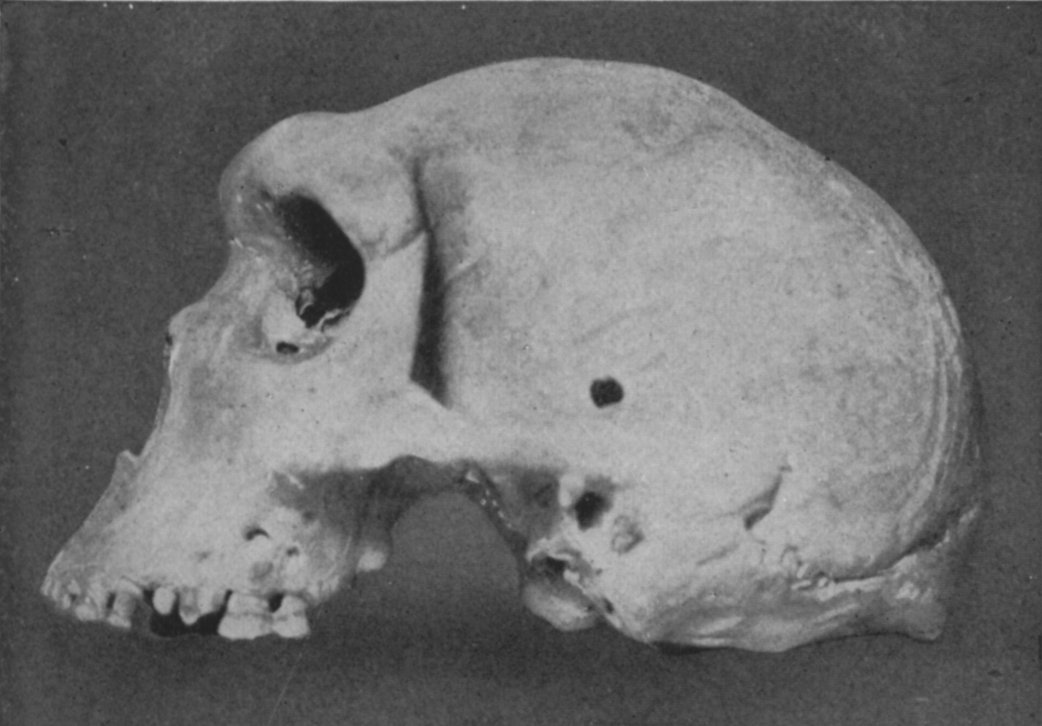
Skull from Zambia, dated to 110,000 years ago. Modern humans co-existed with archaic groups in Africa, particularly in the south and west.


When and where did modern humans emerge? Anatomical evidence points to somewhere in eastern Africa some 300,000 years ago. The time of origin is different if we look at behavioral and genetic evidence. Sophisticated tool-making, detailed artwork, and other signs of “behavioral modernity” appeared only 70,000 years ago (Brown et al., 2012). Genetic evidence points to a series of demographic expansions between 80,000 and 60,000 years ago in eastern Africa, with the last one spreading throughout Africa and into Eurasia (Watson et al. 1997). At that moment, an innovation in thinking seems to have given these truly modern humans an edge over everyone else.

As these humans spread throughout the world, to what extent did they intermix with the more archaic groups they replaced? We can answer this question for Eurasia by comparing the modern human genome with reconstructed genomes of the now-extinct Neanderthals (Europe, Middle East, and Central Asia) and Denisovans (East Asia, Southeast Asia). Present-day Eurasians have relatively low levels of archaic admixture: about 2% from Neanderthals and up to 5% from Denisovans (Sankararaman et al. 2016).

What about Africa? Unfortunately, we have not yet reconstructed the genome of any archaic population from that continent. We probably never will, given that DNA tends to degrade quickly in tropical climates. In theory, there should be more admixture in Africa than in Eurasia, since many archaic Africans would have been "near-modern," i.e., much more similar in appearance, behavior, and genetic makeup to modern humans than either Neanderthals or Denisovans. Greater genetic similarity would have also made hybrid infertility less likely. Indeed, it looks like male fertility suffered from hybridization with Neanderthals or Denisovans, given that present-day humans have a lower proportion of archaic ancestry on the X chromosome and in genes disproportionately expressed in the testes (Sankararaman et al. 2016). In these parts of the genome, natural selection has stepped in to remove archaic admixture.

The above speculations seem borne out by a recent and still unpublished paper. Its authors, Sriram Sankararaman and Arun Durvasula, came up with a novel way to measure admixture from an unknown archaic group, essentially by using a machine learning algorithm (which they validated with data on Neanderthal introgression in present-day Europeans). When they applied this method to Yoruba from Nigeria, they found a level of archaic admixture higher than in any other human population known to date:

Our results suggest that Yoruban individuals trace about 7.9% of their genomes to an as yet unidentified archaic population. This is in agreement with some results from previous papers in other African populations such as the Biaka and the Baka, suggesting that there was a rich diversity of hominin species within Africa and that introgression was commonplace. (Sankararaman and Durvasula 2018)

This finding is consistent with previous archaeological and genetic evidence, particularly from western and southern Africa. Both regions seem to have had archaic populations until recent times:

- A skull from a Nigerian site (Iwo Eleru) is only about 16,300 years old and yet looks intermediate in shape between modern humans on the one hand and Neanderthals and Homo erectus on the other. It resembles the skull of a near-modern human, like the Skhul-Qafzeh hominins who lived in the Middle East some 80,000 to 100,000 years ago (Harvati et al., 2011; Stojanowski, 2014).

- Genomic analysis of 16 prehistoric Africans suggests that modern humans spread out of eastern Africa and into western Africa, where they mixed with an archaic population as divergent from modern humans as Neanderthals were, the time of separation from modern humans being 200,000 to 300,000 years ago. This archaic admixture is estimated at 9% in Yoruba and 13% in Mende (Skoglund et al. 2017)

- Genomic analysis shows an apparently higher level of Neanderthal ancestry in the Yoruba of Nigeria than in the Luhya of Kenya. This admixture seems to come from a Neanderthal-like population that formerly lived in West Africa (Hawks 2012)

- A skull from Zambia has been dated to 110,000 years ago and yet looks very much like a Homo erectus (Bada et al., 1974; Stringer, 2011). 

-  About 2% of the current African gene pool comes from a population that split from ancestral modern humans some 700,000 years ago. This archaic DNA was then picked up by modern African humans about 35,000 years ago, probably in central Africa because this admixture is highest in pygmy groups from that region (Hammer et al. 2011).

- Genomic analysis of western African pygmies (Biaka and Baka) indicates frequent, low-level interbreeding between archaic and modern humans, including an admixture event within the last 30,000 years (Hsieh et al. 2016). 

- Jawbone fragments from South Africa exhibits significant size and morphological variability, indicating admixture with an archaic population. The fragments fall within the range of 110,000 to 60,000 years ago (Malekfar, 2012)

- Sub-Saharan Africans exhibit dental traits that distinguish them from other modern humans (Sub-Saharan African Dental Complex). These traits are shared with extinct hominids and many extinct and extant nonhuman primates (Irish 1998). When dentitions are compared from western, central, eastern, and southern Africans, these ancestral traits appear to be least present in Kenyans and Tanzanians (Irish 1998). The SSADC thus seems least present in the "homeland" of modern humans (eastern Africa) and more present farther west and south.

Is the estimate of 7.9% archaic admixture a lower bound?

While the new finding of 7.9% archaic admixture is higher than what we see in other modern humans, the actual figure may be higher still. Sankararaman and Durvasula attribute this 7.9% admixture to "a deeply-diverged archaic population," while nonetheless acknowledging the "rich diversity of hominin species within Africa." Dienekes (2018) likewise notes that multiple admixture events had occurred between modern African humans and a range of "Palaeoafrican" groups.

Thus, Sankararaman and Durvasula are measuring admixture only from a highly divergent archaic group, apparently the same one that Skoglund et al. (2017) found in their study of the Yoruba. Indeed, the two studies found almost the same level of archaic admixture in the Yoruba: 7.9% versus 9%. Although Sankararaman and Durvasula validated their methodology with data on Neanderthal admixture in Europe, the two situations are not really comparable. In Europe, modern humans encountered only one archaic group over a relatively short time span, intermixture taking place essentially between 60,000 and 50,000 years ago with a second event more than 37,000 years ago (Yang and Fu 2018).  In Africa, modern humans likely encountered a range of archaic groups over a longer time, including "near-moderns" whose ancestors diverged from those of modern humans less than 200,000 years ago.

If we include introgression from these “near-moderns,” the total for archaic admixture in present-day sub-Saharan Africans should be much higher.  Indeed, 13% of the sub-Saharan gene pool seems to come from a demographic expansion that took place some 111,000 years ago and which probably brought the Skhul-Qafzeh hominins to the Middle East (Watson et al. 1997). Those hominins were anatomically modern, or almost so, but culturally Neanderthal.

Did archaic admixture help or hinder?

Mainstream evolutionary theorists have argued that admixture does more harm than good. As Ernst Mayr (1970, p. 80) wrote:

The claim has been made that species owe much of their genetic variability to introgressive hybridization. However, all the evidence contradicts this conclusion so far as animals is concerned. Not only are F1 hybrids between good species very rare, but where they occur the hybrids (even when not sterile) are demonstrably of inferior viability. The few genes that occasionally introgress into the parental species are not coadapted [...] and are selected against. Introgressive hybridization seems to be a negligible source of genetic variation in animals.

This view has been challenged by Hawks et al. (2007), who argue that gene introgression helped modern humans adapt to new environments. Instead of starting from scratch, they could cherry-pick genes that had already been tried and proven by the populations they were replacing: 

Compared with novel mutations, archaic genetic variants would have had several qualities that, in some cases, may have enhanced their selective value. Because they had long existed within human populations, these alleles had a much lower chance of being strongly deleterious. [...] Alleles with local advantages might never have been selected within the expanding modern population until it reached new climatic regimens. The spread of modern humans may have attained a burst of evolutionary change by drawing on the fruits of the existing adaptations of archaic humans. (Hawks et al. 2007)

The latest findings seem to lie between the above two views. Introgression can in some cases provide useful genes. Usually, however, it’s maladaptive.

We observe a decrease in the frequency of archaic ancestry in the Yoruban populations in more constrained regions of the genome, suggesting that these archaic alleles have been subject to the effects of purifying selection similar to the deleterious consequences of Neanderthal and Denisovan alleles in the modern human genetic background. On the other hand, we find several loci that harbor archaic haplotypes at elevated frequencies (>60%). (Sankararaman and Durvasula 2018)

Similarly, Yang and Fu (2018) note that a "gradual decline in archaic ancestry in Europeans dating from ~37 to 14 ka suggests that purifying selection lowered the amount of Neanderthal ancestry first introduced into ancient modern humans."

This pattern is consistent with findings from nonhuman species. A study of admixture in trout found sharp declines in fitness even with 20% admixture. The decline has two causes:

Hybridization can reduce fitness by either introducing alleles to a population that are not suited to the local environment (extrinsic outbreeding depression) or disrupting co-adapted gene complexes (intrinsic outbreeding depression) (Templeton 1986). These mechanisms are not mutually exclusive, and identifying the contribution of each effect is difficult. However, the high reproductive success of F1 hybrids relative to post-F1 hybrids with similar amounts of admixture suggests that some of the outbreeding depression is intrinsic. (Muhlfeld et al. 2009)

By disrupting co-adapted gene complexes, introgression causes individual genes to lose their adaptive value. Selection will thus eliminate either the introgressed alleles or the previously existing ones. In the second scenario, the complex of co-adapted genes is replaced with a simpler version.

Conclusion

Something “clicked” in eastern Africa 80,000 to 60,000 years ago. A relatively small group of humans acquired a new way of imagining themselves, each other, and the world around them, and this innovation gave them an edge over everyone else. The result: a “big bang” of population growth. They began to spread outward, first within Africa and then into Eurasia.

Their expansion within Africa seems to have proceeded more slowly than in Eurasia. Initially, these modern humans were replacing “near-moderns”—people fairly similar in appearance and genetic makeup. As they pushed farther east and south, however, they encountered populations that were much less similar. West Africa seems to have been home to a people who were as different from modern humans as Neanderthals were, perhaps being related to them. In southern Africa, modern humans encountered people even more divergent: a relic Homo erectus population. Even these highly divergent archaic groups were not rapidly replaced; they may have persisted as late as 15,000 years ago in West Africa and 30,000 years ago in central Africa. Thus, modern and archaic groups seem to have long coexisted in parts of Africa.

In general, archaic admixture reduced fitness: “archaic alleles that introgressed into the Yoruban population were deleterious on average”; neutral alleles were more likely to be retained than those that had functional impacts (Sankararaman and Durvasula 2018). A few, however, seem to have been favored by selection. This is the case with alleles located at a tumor suppressor gene, a gene involved with hormone regulation, and a gene involved with potassium channels. These are individual genes, however, and it is hard to know the impact on co-adapted gene complexes. In theory, archaic admixture should have had a disruptive effect.

Present-day Africans thus have admixture from a range of archaic groups, some being similar to modern humans and others more like Neanderthals or even Homo erectus. This admixture is highest in western and southern Africa and lowest in eastern Africa. In West Africa, admixture from a Neanderthal-like group is estimated at 7.9% by Sankararaman and Durvasula (2018) and at 9 to 13% by Skoglund et al. (2017). Admixture from “near-moderns” is harder to measure. There seems to be a 13% pan-African admixture from a population that had expanded across much of the continent some 111,000 years ago and which perhaps spilled into the Middle East, giving rise to the Skhul-Qafzeh hominins, i.e., early modern humans with Neanderthal culture (Watson et al. 1997, see L1i in Table 2).


References

Bada, J.L., R.A. Schroeder, R. Protsch, & R. Berger. (1974). Concordance of Collagen-Based Radiocarbon and Aspartic-Acid Racemization Ages, Proceedings of the National Academy of Sciences (USA) 71: 914-917.
http://www.pnas.org/content/71/3/914.short

Brown, Kyle S.; Marean, Curtis W.; Jacobs, Zenobia; Schoville, Benjamin J.; Oestmo, Simen; Fisher, Erich C.; Bernatchez, Jocelyn; Karkanas, Panagiotis; Matthews, Thalassa (2012). An early and enduring advanced technology originating 71,000 years ago in South Africa. Nature 491 (7425): 590.
https://www.researchgate.net/publication/233331522_An_early_and_enduring_advanced_technology_originating_71000_years_ago_in_South_Africa

Dienekes (2018). Statistical Palaeoafricans, Dienekes' Anthropology Blog, March 25
http://dienekes.blogspot.ca/2018/03/statistical-palaeoafricans.html

Durvasula, A., and S. Sankararaman. (2018). Recovering signals of ghost archaic admixture in the genomes of present-day Africans, BioRxiv, March 21
https://www.biorxiv.org/content/early/2018/03/21/285734  

Hammer, M.F., A.E. Woerner, F.L. Mendez, J.C. Watkins, and J.D. Wall. (2011). Genetic evidence for archaic admixture in Africa, Proceedings of the National Academy of Sciences (USA) 108: 15123-15128.
http://www.u.arizona.edu/~flmendez/papers/Hammer_2011.pdf

Harvati, K., C. Stringer, R. Grün, M. Aubert, P. Allsworth-Jones, C.A. Folorunso. (2011). The Later Stone Age Calvaria from Iwo Eleru, Nigeria: Morphology and Chronology. PLoS ONE 6(9): e24024. doi:10.1371/journal.pone.0024024
http://www.plosone.org/article/info%3Adoi%2F10.1371%2Fjournal.pone.0024024

Hawks, J. (2012). Which population in the 1000 Genomes Project samples has the most Neandertal similarity? John Hawks Weblog, February 8
http://johnhawks.net/weblog/reviews/neandertals/neandertal_dna/1000-genomes-introgression-among-populations-2012.html

Hawks, J., G. Cochran, H.C. Harpending, and B.T. Lahn. (2007). A genetic legacy from archaic Homo, Trends in Genetics 24(1): 19-23
https://s3.amazonaws.com/academia.edu.documents/46568403/A_genetic_legacy_from_archaic_Homo20160617-13508-1nt7amy.pdf?AWSAccessKeyId=AKIAIWOWYYGZ2Y53UL3A&Expires=1522259324&Signature=Ng%2FyAWbzdtcjUJ%2BDAJTY7yE8FuA%3D&response-content-disposition=inline%3B%20filename%3DA_genetic_legacy_from_archaic_Homo.pdf

Hsieh, P., A.W. Woerner, J.D. Wall, J. Lachance, S.A. Tishkoff, R.N. Gutenkunst, and M.F. Hammer. (2016). Model-based analyses of whole-genome data reveal a complex evolutionary history involving archaic introgression in Central African Pygmies. Genome Research 26(3): 291-300
https://www.ncbi.nlm.nih.gov/pmc/articles/PMC4772012/

Irish, J.D. (1998). Ancestral dental traits in recent Sub-Saharan Africans and the origins of modern humans, Journal of Human Evolution 34: 81-98.
https://www.sciencedirect.com/science/article/pii/S0047248497901913

Malekfar, L. (2012). An analysis of the Klasies River hominins using a hybrid model, American Journal of Physical Anthropology, Program of the 81st Annual Meeting of the American Association of Physical Anthropologists, p. 201.
https://s3.amazonaws.com/academia.edu.documents/33649075/anthro_poster_lily_%281%29.pdf?AWSAccessKeyId=AKIAIWOWYYGZ2Y53UL3A&Expires=1522334949&Signature=h10VLn2RDPu8HtH4X55L64S2ODU%3D&response-content-disposition=inline%3B%20filename%3DPoster_An_Analysis_of_the_Klasies_River.pdf

Mayr, E. (1970). Populations, Species, and Evolution, Belknap Press: Cambridge (Mass.)

Muhlfeld, C.C.,  S.T Kalinowski, T.E. McMahon, M.L. Taper, S. Painter, R.F. Leary, F.W. Allendorf. (2009). Hybridization rapidly reduces fitness of a native trout in the wild, Biology Letters, March 18
http://rsbl.royalsocietypublishing.org/content/early/2009/03/13/rsbl.2009.0033.short

Sankararaman, S., S. Mallick, N. Patterson, and D. Reich. (2016). The combined landscape of Denisovan and Neanderthal ancestry in present-day humans, Current Biology 26(9): 1241-1247.
https://www.sciencedirect.com/science/article/pii/S0960982216302470#bib1

Skoglund, P., J.C. Thompson, M.E. Prendergast, A. Mittnik, K. Sirak, et al. (2017). Reconstructing Prehistoric African Population Structure, Cell 171(1): 59-71
http://www.cell.com/cell/fulltext/S0092-8674(17)31008-5

Stojanowski, C.M. (2014). Iwo Eleru's place among Late Pleistocene and Early Holocene populations of North and East Africa, Journal of Human Evolution 75: 80-89.
http://www.sciencedirect.com/science/article/pii/S0047248414000876

Stringer, C. (2011). The chronological and evolutionary position of the Broken Hill cranium. American Journal of Physical Anthropology 144(supp. 52): 287

Watson, E., P. Forster, M. Richards, and H-J. Bandelt. (1997). Mitochondrial footprints of human expansions in Africa, American Journal of Human Genetics 61: 691-704. 0024024
https://www.sciencedirect.com/science/article/pii/S000292970764333X

Yang, M.A., and Q. Fu. (2018). Insights into Modern Human Prehistory Using Ancient Genomes, Trends in Genetics 34(3): 184-196
https://www.sciencedirect.com/science/article/pii/S016895251730210X

Thursday, January 11, 2018

The people before the First Nations


Aeta woman (Philippines) – Wikipedia (Ken Llio)


Modern humans pushed out of Africa along two routes: a northern one through the Levant and into Europe and a southern one along the Indian Ocean coast and eventually into New Guinea and Australia. The southern route is said to have had two waves: an earlier one between 62,000 and 75,000 years ago that was ancestral to present-day Australian Aborigines and a later one between 25,000 and 38,000 years ago that was ancestral to present-day Negrito groups in Southeast Asia: the Andaman Islanders, the Semang of the Malayan Peninsula, and the Aeta of the Philippines, although these groups would have intermixed with the population already present from the first wave (Rasmussen et al. 2011; Reyes-Centeno et al. 2014).

Did this southern route end in Southeast Asia or did it swing north along the Pacific coast? We know that the Philippines was once inhabited by Negritos—the country still has over thirty such groups. In addition, there have been claims that a Negrito group used to live on Taiwan. In the early 20th century, the anthropologist Rolange Dixon argued that a Negrito population once occupied the whole of the South, Southeast, and East Asian littoral:

At this time the southern and eastern borderlands, from India around to Kamchatka, seem to have been occupied in the main by a dolichocephalic, dark-skinned, Negroid population which was a blend in varying proportions of the Proto-Australoid and Proto-Negroid types. There is some evidence which leads us to believe that this Negroid population extended farther westward than India, along the shores of the Persian Gulf and the southern coast of Arabia, so being continuous with the great area held by similar peoples in Africa. (Dixon 1923, p. 243)

In the late 20th century, interest declined in Negritos and their place in human prehistory, partly because anthropologists were increasingly taking an ahistorical approach hunter-gatherers and shunning anything that smacked of racial or evolutionary thinking. Though a student of Franz Boas, Dixon studied anthropology (1897-1906) at a time when Boas believed not only in the existence of human races but also in psychological differences between them, albeit in a statistical sense (Frost 2014, Frost 2015). Furthermore, genetic studies in the late 20th century seemed to show that different Negrito groups had little in common with each other. Clearly, Negritos are a very ancient population, and the time to the most recent ancestor for all of them is greater than it is for, say, present-day Europeans and present-day East Asians. They still look similar to each other only because they remained under similar climatic and cultural conditions.

Recent years have seen a renewal of interest in Negritos. Mitochondrial DNA studies have shown that they are indeed the remnants of a southern "Out of Africa" route, together with New Guineans and Australian Aborigines (Reyes-Centeno et al. 2014; Stoneking and Delfin 2010; Thangaraj et al. 2005). Of particular interest is the discovery of significant admixture from these peoples in Amerindians from Amazonia and the Central Brazilian Plateau (Skoglund et al. 2015). This admixture seems to be very old:

The genetic data allow us to say with confidence that Population Y ancestry arrived south of the ice sheets anciently: the fact that the geographically diverse Andamanese, Australian and New Guinean populations are all similarly related to this source suggests that the population is no longer extant, and the absence of long-range admixture linkage disequilibrium suggests that the population mixture did not occur in the last few thousand years.

As the authors note, this finding is consistent with ancient skeletal remains from the same region:

This discovery is striking in light of interpretations of the morphology of some early Native American skeletons, which some authors have suggested have affinities to Australasian groups. The largest number of skeletons that have been described as having this craniofacial morphology and that date to younger than ten thousand years have been found in Brazil6, the home of the Suruí, Karitiana and Xavante who in genetic data show the strongest affinity to Australasians.

How did this population reach the Amazonian basin? Perhaps the same way the Paleo-Amerindians did: across the Bering Strait and down through North America. If Negrito groups had reached south China and the Philippines, they could have continued up the East Asian shoreline and then down the west coast of North America. One problem with this model, raised by Greg Cochran and Steve Sailer, is that the "Australasian" admixture is absent from native North Americans. Keep in mind, however, that at least three waves of migration entered North America: the latest one corresponding to the Inuit-Aleut peoples, an earlier one corresponding to the Na-Dene peoples, and the earliest one corresponding to all other Amerindian groups. Only this earliest wave reached South America. There has consequently been much more population replacement among native North Americans than among native South Americans.

Population replacement is widely seen as something that has been done by European peoples (and, more recently, which is being done to them). In reality, the world was not a static place before Columbus. Human populations have been replacing each other for a very long time.

References

Cochran, G. (2018). Beringians, West Hunter, January 4

Dixon, R.B. (1923). The Racial History of Man, New York: Charles Scribner's Sons.

Frost, P. (2014). The Franz Boas you never knew, Evo and Proud, July 13 http://evoandproud.blogspot.ca/2014/07/the-franz-boas-you-never-knew.html 

Frost, P. (2015). More on the younger Franz Boas, Evo and Proud, April 18

Rasmussen M, et al. (2011) An Aboriginal Australian genome reveals separate human dispersals into Asia, Science, 334(6052), 94-98.

Reyes-Centeno, H., S. Ghirotto, F. Détroit, D. Grimaud-Hervé, G. Barbujani, and K. Harvati. (2014). Genomic and cranial phenotype data support multiple modern human dispersals from Africa and a southern route into Asia, PNAS, 111(20), 7248-7253.

Sailer, S. (2018). Were There People Already in the New World When the Indians Arrived? The Unz Review, January 6

Skoglund, P., S. Mallick, M.C. Bortolini, N. Chennagiri, T. Hunemeier, M.L. Petzl-Erier, F.M. Salzano, N. Patterson, and D. Reich. (2015). Genetic evidence for two founding populations of the Americas, Nature, 525, 104-108

Stoneking, M. and F. Delfin (2010). The Human Genetic History of East Asia: Weaving a Complex Tapestry, Current Biology, 20(4), R188-R193 

Thangaraj, K., G. Chaubey, T. Kivisild, A.G. Reddy, V.K. Singh, et al. (2005). Reconstructing the origin of Andaman Islanders, Science, 308(5724), 996

Saturday, November 21, 2015

Evolution of long head hair


Swan princess, John Bauer (1882-1918). Human head hair is of relatively recent origin, reaching incredible lengths in some groups but not in others.


I've published an article on the evolution of long head hair in humans. The following is the abstract:


In many humans, head hair can grow to a much greater length than hair elsewhere on the body. This is a "derived" form that evolved outside Africa and probably in northern Eurasia. The ancestral form, which is frizzier and much shorter, survives in sub-Saharan Africans and in other groups whose ancestors never left the tropics. This original hair form is nonetheless relatively straight and silky during infancy. Head hair thus seems to have lengthened in two stages: 1) retention of the infant hair form at older ages; and 2) further lengthening to mid-back and even waist lengths. These changes seem to have gone farther in women, whose head hair is thicker and somewhat longer. The most popular evolutionary explanations are: 1) relaxation of selection for short hair; and 2) sexual selection for women with long hair. Neither hypothesis is satisfactory. The first one cannot explain why head hair lengthened so dramatically over so little time. The second hypothesis suffers from the assumption that some populations have remained naturally short-haired because they consider long-haired women undesirable. Almost the opposite is true in traditional African cultures, which have a long history of lengthening and straightening women's hair. It is argued here that sexual selection produced different outcomes in different populations not because standards of beauty differed but because the intensity of sexual selection differed. In the tropical zone, sexual selection acted more on men than on women and was thus too weak to enhance desirable female characteristics. This situation reversed as ancestral humans spread northward into environments that tended to limit polygyny while increasing male mortality. Because fewer men were available for mating, women faced a more competitive mate market and were selected more severely.


Reference

Frost, P. (2015). Evolution of long head hair in humans, Advances in Anthropology, 5, 274-281.
http://www.scirp.org/Journal/PaperInformation.aspx?PaperID=60916


Saturday, October 4, 2014

Making the big time ... elsewhere


Skull from Broken Hill (Kabwe), Zambia. This kind of human was still around when the Neanderthals were going extinct in Europe. (Wikicommons)


East Africa, 60,000 to 80,000 years ago. The relative stasis of early humans was being shaken by a series of population expansions. The last one went global, spreading out of Africa, into Eurasia and, eventually, throughout the whole world (Watson et al., 1997). Those humans became us.

This expansion took place at the expense of more archaic humans: Neanderthals in Europe, the Middle East, and Central Asia; Denisovans in East Asia; and mysterious hobbit-like creatures in parts of Southeast Asia.

And in Africa itself? We know less about those archaic humans, partly because the archeological record is so patchy and partly because ancient DNA does not survive as long in the tropics. Over time, the double helix breaks down, and this decomposition occurs faster at higher ambient temperatures. We'll probably never be able to reconstruct the genome of archaic Africans.

Yet they did exist. Surprisingly, they held out longer in parts of Africa than their counterparts did much farther away. A Nigerian site has yielded a skull that is only about 16,300 years old and yet looks intermediate in shape between modern humans on the one hand and Neanderthals and Homo erectus on the other. It resembles the skull of a very early modern human, like the ones who once lived at Skhul and Qafzeh in Israel some 80,000 to 100,000 years ago (Harvati et al., 2011; Stojanowski, 2014).

Archaic humans also held out in southern Africa. The Broken Hill or Kabwe skull, from Zambia has been dated to 110,000 years ago and looks very much like a Homo erectus (Bada et al., 1974; Stringer, 2011). This pre-sapiens human seems to have lasted into much later times. Hammer et al. (2011) found that about 2% of the current African gene pool comes from a population that split from ancestral modern humans some 700,000 years ago. They dated the absorption of this archaic DNA to about 35,000 years ago and placed it in Central Africa, since the level of intermixture is highest in pygmy groups from that region.
 

Cognitive modernity: less awesome on its home turf

Why did archaic humans survive longer in Africa than elsewhere? Some of them were more advanced than the Neanderthals or Denisovans, and perhaps better able to fend off invasive groups. This was the case with archaic West Africans, who seem to have been transitional between pre-sapiens and sapiens. They may have met modern humans on a more level playing field while enjoying the home team advantage.

On the other hand, archaic southern Africans look clearly pre-sapiens. What was levelling their playing field? Perhaps modern humans had advantages that were more useful outside Africa. Klein (1995) has argued that this advantage was cognitive, specifically a superior ability not only to create ideas but also to share them with other individuals via language—in a word, culture. This cognitive edge may have been more useful outside the tropics, where the yearly cycle forced humans to plan ahead collectively and keep warm collectively by building shelters and making garments. The result was a much wider range of human technology: deep storage pits for meat refrigeration; hand-powered rotary tools; kilns for ceramic manufacture; woven textiles; eyed sewing needles; traps and snares; and so on (Frost, 2014).

Modern humans were thus pre-adapted in Africa for later success elsewhere. We see this in their rapid penetration of cold environments unlike anything in their place of origin. By 43,500 years ago, they were already present in Central Europe at a time when it was barren steppe with some boreal forest in sheltered valleys (Nigst et al., 2014).

Pre-adaptation is a recurring oddity of evolution. A new ability may initially be a bit helpful and only later truly awesome. Does this mean that evolution anticipates future success? Well, no. It's just that the difference between failure and success—or between so-so success and the howling kind—often hinges on a few things that may or may not exist in your current environment. By moving to other environments, you increase your chances of finding one that will put your talents to better use. Success is fragile, but so is failure.
 

References 

Bada, J.L., R.A. Schroeder, R. Protsch, & R. Berger. (1974). Concordance of Collagen-Based Radiocarbon and Aspartic-Acid Racemization Ages, Proceedings of the National Academy of Sciences (USA), 71, 914-917.
http://www.pnas.org/content/71/3/914.short 

Frost, P. (2014). The first industrial revolution, Evo and Proud, January 18
http://evoandproud.blogspot.ca/2014/01/the-first-industrial-revolution.html

Hammer, M.F., A.E. Woerner, F.L. Mendez, J.C. Watkins, and J.D. Wall. (2011). Genetic evidence for archaic admixture in Africa, Proceedings of the National Academy of Sciences (USA), 108, 15123-15128.

Harvati, K., C. Stringer, R. Grün, M. Aubert, P. Allsworth-Jones, C.A. Folorunso. (2011). The Later Stone Age Calvaria from Iwo Eleru, Nigeria: Morphology and Chronology. PLoS ONE 6(9): e24024. doi:10.1371/journal.pone.0024024
http://www.plosone.org/article/info%3Adoi%2F10.1371%2Fjournal.pone.0024024 

Klein, R.G. (1995). Anatomy, behavior, and modern human origins, Journal of World Prehistory, 9, 167-198.
http://link.springer.com/article/10.1007/BF02221838 

Nigst, P.R., P. Haesaerts, F. Damblon, C. Frank-Fellner, C. Mallol, B. Viola, M. Gotzinger, L. Niven, G. Trnka, and J-J. Hublin. (2014). Early modern human settlement of Europe north of the Alps occurred 43,500 years ago in a cold steppe-type environment, Proceedings of the National Academy of Sciences (USA), published online before print
http://www.pnas.org/content/early/2014/09/16/1412201111.short 

Stojanowski, C.M. (2014). Iwo Eleru's place among Late Pleistocene and Early Holocene populations of North and East Africa, Journal of Human Evolution, epub ahead of print
http://www.sciencedirect.com/science/article/pii/S0047248414000876 

Stringer, C. (2011). The chronological and evolutionary position of the Broken Hill cranium. American Journal of Physical Anthropology, 144(supp. 52), 287

Watson, E., P. Forster, M. Richards, and H-J. Bandelt. (1997). Mitochondrial footprints of human expansions in Africa, American Journal of Human Genetics, 61, 691-704. 0024024
http://www.plosone.org/article/info%3Adoi%2F10.1371%2Fjournal.pone.0024024 

Saturday, March 24, 2012

The 'monkey people' we once knew

Remains of archaic hominins from southwest China (Curnoe et al, 2012). They were around when villages and towns were arising in the Middle East.

Recent findings have confirmed the ‘Out of Africa’ model of human origins, but only in part. The model diverges from actual prehistory on two main points. One is that modern humans picked up archaic admixture as they spread out of Africa and into Eurasia. Thus, modern Eurasians have 1-4% Neanderthal admixture, and Melanesians an additional 4-6% from the mysterious Denisovans (Reich et al, 2011). As for modern sub-Saharan Africans, they seem to be the most admixed of all. About 2% of their gene pool comes from a population close to Homo erectus and a further 13% from a population probably related to the Skhul-Qafzeh hominins (Hammer et al., 2011; Watson et al., 1997).

And the second point? It appears that modern humans didn’t immediately replace archaic hominins, at least not everywhere. Some of the latter held out in different places of refuge until the Holocene, and perhaps even later. At a time when villages and towns were arising in the Middle East, archaic hominins continued to hold out in western and southern Africa (Harvati et al., 2011; Stringer, 2011).

Now, we have evidence of another refuge area. Southwest China has yielded archaic cranial remains that date to ~14.3-11.5 thousand years ago. The remains actually show a mixture of archaic and modern traits, reminiscent of the Skhul-Qafzeh hominins of the Levant (120,000 – 80,000 BP) and other ‘almost moderns’ from North Africa.

Who were they? The authors offer two explanations:

Our analysis suggests two plausible explanations for the morphology sampled at Longlin Cave and Maludong. First, it may represent a late-surviving archaic population, perhaps paralleling the situation seen in North Africa as indicated by remains from Dar-es-Soltane and Temara, and maybe also in southern China at Zhirendong. Alternatively, East Asia may have been colonised during multiple waves during the Pleistocene, with the Longlin-Maludong morphology possibly reflecting deep population substructure in Africa prior to modern humans dispersing into Eurasia (Curnoe et al., 2012).

The two explanations aren’t that far apart. Different authors have alternately described the Skhul-Qafzeh remains as either late archaic or early modern. In the case of the Chinese remains, an obvious candidate would be the Denisovans, an archaic population that inhabited East Asia around the time that Neanderthals inhabited Europe and central Asia. But the authors evoke this possibility only in passing:

DNA extracted from a >50 ka hominin fossil from Denisova Cave in Central Asia belonging within the Neandertal lineage shares features exclusively with Aboriginal Southeast Asians and Australasians. This has been interpreted as: 1) evidence for interbreeding between the ‘Denisovans’ and the earliest modern humans to colonise the region; and 2) implying occupation of Southeast Asia by this archaic population during the Upper Pleistocene.

In fact, we have good evidence that Denisovans were present in Southeast Asia. Reich et al. (2011) found Denisovan admixture in some but not all of the oldest indigenous peoples of Southeast Asia. Such admixture was present in Aboriginal Australians, New Guineans, and a Negrito people from the Philippines. It was absent, however, in Negrito groups farther west. The authors thus concluded:

Our finding that descendants of the earliest inhabitants of Southeast Asia do not all harbor Denisova admixture is inconsistent with a history in which the Denisova interbreeding occurred in mainland Asia and then spread over Southeast Asia, leading to all its earliest modern human inhabitants. Instead, the data can be most parsimoniously explained if the Denisova gene flow occurred in Southeast Asia itself. Thus, archaic Denisovans must have lived over an extraordinarily broad geographic and ecological range, from Siberia to tropical Asia.

If the Denisovans lingered on into historic times, the same might be true for other archaic groups, like the Neanderthals in Europe. Perhaps those stories about hairy wild men were not pure imagination.

Deusen (2001) mentions that the Tungus peoples of far eastern Siberia remember the existence of ‘monkey people’ in their region. One folk-tale describes how these monkey people abducted a man:

So the older sister took the shaman's drum. She started to sing and then said, "Brother, when you go hunting in the taiga tomorrow, you're going to meet two people. Check out their breasts, and then marry them."

The next day, he woke up and set out to go hunting. He walked and walked and came to a hill, a mountain. There were big rocks. He looked up, and then went on. Suddenly he saw two people sitting there. He approached and at that time the ties on his skis broke.

He came up to those people and felt their breasts and they were women. And they took him along with them.

At home time went by. A day passed and another, and still he was gone. Many days went by. And then the younger sister said, "Sister, you made this happen. Now you bring him back. Those two monkeys in the mountain came and took him away and now they are keeping him in the mountains, sucking his blood. He's become just skin and bones."

… So the younger sister sang and drummed, flying to her spirits, but she couldn't get there. She tried a second time and still didn't have the strength. The third time she gathered all her strength and flew to those rocks. She took her brother and dragged him out of there. He flew, looking thin as a shirt. They got him back and healed him. And that's how the younger sister brought her brother back from those monkeys.

… So that's it about the monkeys. They lived in the rocks and when they rolled back and forth, they called, "Tsyoo, tsyoo, papandasyoo!!"
(Deusen 2001:126-128)

References

Abi-Rached L, Jobin MJ, Kulkarni S, McWhinnie A, Dalva K, et al. (2011). The shaping of modern human immune systems by multiregional admixture with archaic humans. Science, 334, 89–94.

Curnoe D, Xueping J, Herries AIR, Kanning B, Taçon PSC, et al. (2012). Human Remains from the Pleistocene-Holocene Transition of Southwest China Suggest a Complex Evolutionary History for East Asians. PLoS ONE 7(3): e31918. doi:10.1371/journal.pone.0031918

http://www.plosone.org/article/info%3Adoi%2F10.1371%2Fjournal.pone.0031918

Deusen, K.V. (2001). The Flying Tiger. Women Shamans and Storytellers of the Amur. Montreal: McGill-Queen's University Press.

Hammer, M.F., A.E. Woerner, F.L. Mendez, J.C. Watkins, and J.D. Wall. (2011). Genetic evidence for archaic admixture in Africa, Proceedings of the National Academy of Science (USA), 108, 15123-15128,
www.pnas.org/cgi/doi/10.1073/pnas.1109300108

Harvati, K., C. Stringer, R. Grün, M. Aubert, P. Allsworth-Jones, C.A. Folorunso. (2011). The Later Stone Age Calvaria from Iwo Eleru, Nigeria: Morphology and Chronology. PLoS ONE 6(9): e24024. doi:10.1371/journal.pone.0024024
http://www.plosone.org/article/info%3Adoi%2F10.1371%2Fjournal.pone.0024024

Reich D, Green RE, Kircher M, Krause J, Patterson N, et al. (2010). Genetic history of an archaic hominin group from Denisova Cave in Siberia. Nature, 468, 1053–1060.

Reich D, Patterson N, Kircher M, Delfin F, Nandineni MR, et al. (2011). Denisova Admixture and the First Modern Human Dispersals into Southeast Asia and Oceania. Am J Hum Genet, 89, 516–528.
http://www.cell.com/AJHG/retrieve/pii/S0002929711003958

Stringer, C. (2011). The chronological and evolutionary position of the Broken Hill cranium. American Journal of Physical Anthropology, 144(supp. 52), 287

Watson, E., P. Forster, M. Richards, and H-J. Bandelt. (1997). Mitochondrial footprints of human expansions in Africa, American Journal of Human Genetics, 61, 691-704. 0024024
http://www.plosone.org/article/info%3Adoi%2F10.1371%2Fjournal.pone.0024024

Saturday, February 4, 2012

Encounters between modern humans and archaics in Africa


Broken Hill (Kabwe) skull. In Africa, very archaic hominins persisted into recent times.

Were archaic hominins still roaming over parts of Africa when farming villages began to form in the Middle East? I raised this question in my last post. But others are now raising it too:

The lesson is that Africa, a vast continent encompassing virtually all of our recent evolutionary ancestry, contains yet unknown degrees of diversity. At the same time that modern humans were emerging, they would have lived in landscapes alongside more archaic populations, possibly into very recent times. This implies also that at least some of the traces of archaic genetic markers still found in people today may have arisen as a result of intermixing of archaic and modern populations within Africa, rather than interbreeding of ‘pristine’ modern people with archaic populations only after leaving Africa. (Wells, 2012)


A new convert to this view is the paleontologist Chris Stringer, who only ten years ago was arguing that archaic hominins had long disappeared from Africa when modern humans began to spread into Europe and Asia. Today, the evidence cannot be easily ignored. There are too many skulls from western and southern Africa that look archaic and yet are surprisingly recent, like the Broken Hill cranium:

A relatively late date for the Broken Hill cranium suggests a long time span for the “rhodesiensis/heidelbergensis’’ group and warrants caution about inferring the presence of early modern humans from the presence of early Middle Stone Age artifacts (Stringer, 2011).


Other paleontologists, like Lily Malekfar, are similarly taking a second look at African cranial and skeletal remains that had previously been thought to be modern human:

Current research indicates that modern Homo sapiens originated in East Africa and then migrated across Africa as well as out of Africa, where they encountered archaic hominins. The Klasies River Main site (KRM) in South Africa is one location where there is evidence that modern and archaic Homo sapiens may have interacted. As Smith and other researchers have suggested, the KRM mandibular sample, in particular, exhibits significant size and morphological variability, which counters claims that the KRM specimens are fully modern.

[…] The results demonstrate that the KRM sample is markedly more variable than any of the comparative samples, which rejects the null hypothesis and is one possible indicator of an admixed sample at KRM.
(Malekfar, 2012)


So just what is the story about modern humans and archaic hominins in Africa? Since DNA rapidly degrades in tropical climates, we will probably never retrieve DNA from those archaic skulls. But there is archaic DNA in living Africans, as Hammer et al (2011) discovered, so we may be able to piece together parts of the archaic African genome. Modern DNA can also tell us about ancient population movements within Africa, including the “big bang” that gave rise to modern humans some 60,000 years ago:

African mtDNA has three main lineages — L1, L2 and L3 — which have an estimated coalescence date of 126,000–165,000 yr BP. The L1 lineage is the most ancient and is present in the San population from South Africa and the Biaka Pygmies from the Central African Republic, which are two of the most genetically divergent populations in Africa18. L2 and L3 diverged from L1 ~60,000–103,000 yr BP. The L2 lineage is present in Mbuti Pygmies from the Democratic Republic of the Congo and in west African Bantu-speaking populations. The L3 lineage is widely dispersed throughout east Africa but is rare elsewhere in sub-Saharan Africa. Phylogenetic analysis indicates that the L3 haplogroup is the precursor of non-African mtDNA haplotypes and that a subset of this lineage (L3a) travelled out of Africa in the ancestors of modern Eurasians ~60,000–80,000 yr BP. The L3a lineage also occurs at a high frequency in Ethiopian mtDNA40, which supports the proposal that modern humans migrated out of Africa through Ethiopia. (Tishkoff & Williams, 2002)


Watson et al. (1997) elaborate further on this “big bang”:

It seems reasonable to speculate that a behavioral innovation appeared some 60,000-80,000 years ago in a subpopulation of anatomically modern humans, containing the ancestors of L3 (and possibly also L2), who had previously been living with a Middle Paleolithic/Middle Stone Age technology—and that this small subpopulation subsequently expanded as a result.


There seems to have been a series of expansions, beginning around 80,000 years ago. The last expansion, dated to c. 60,000 BP and associated with subcluster L3a, was the one that spread modern humans out of Africa and to the rest of the world (Watson et al., 1997).

In summary, the evolutionary sequence can be described as follows:

1. Half a million years ago, all of Africa was inhabited by an archaic population similar to the Neanderthals in Europe and the Denisovans in Asia

2. Over time, these African hominins differentiated into two populations: (a) an evolutionarily conservative one in western and southern Africa; and (b) a more evolving one in eastern Africa.

3. Around 120,000 years ago, the eastern hominins expanded north into the Levant (Skhul-Qafzeh). They were now almost like modern humans. Their material culture was like that of the Neanderthals but their anatomy was almost modern, albeit with some archaic features.

4. Beginning around 80,000 years ago, a sub-population of the eastern hominins underwent a series of expansions. Then, around 60,000 years ago, a final "big bang" eclipsed the preceding ones and gave rise to true modern humans.

5. Within Africa, these modern humans initially expanded into territory inhabited by “almost moderns,” i.e., people more or less modern in appearance while still largely archaic in behavior and material culture, like the Skhul-Qafzeh hominins of the Levant. Archaic admixture thus entered the gene pool of modern sub-Saharan Africans and today represents about 13% of the total.

6. As modern humans pushed farther into western and southern Africa, they encountered much more archaic hominins, almost like Homo erectus. There was less admixture from those archaics, only 2% of the total.

References

Hammer, M.F., A.E. Woerner, F.L. Mendez, J.C. Watkins, and J.D. Wall. (2011). Genetic evidence for archaic admixture in Africa, Proceedings of the National Academy of Science (USA), 108, 15123-15128.

Labuda, D., E. Zietkiewicz, & V. Yotova. (2000). Archaic lineages in the history of modern humans, Genetics, 156, 799–808.

Malekfar, L. (2012).
An analysis of the Klasies River hominins using a hybrid model, American Journal of Physical Anthropology, Program of the 81st Annual Meeting of the American Association of Physical Anthropologists, p. 201.
http://physanth.org/annual-meeting/2012

Stringer, C. (2011). The chronological and evolutionary position of the Broken Hill cranium. American Journal of Physical Anthropology, 144(supp. 52), 287

Tishkoff, S.A., & S.M. Williams. (2002). Genetic analysis of African populations: human evolution and complex disease, Nature Reviews – Genetics, 3, 611-621.

Watson, E., P. Forster, M. Richards, and H-J. Bandelt. (1997). Mitochondrial footprints of human expansions in Africa, American Journal of Human Genetics, 61, 691-704. 0024024
http://www.plosone.org/article/info%3Adoi%2F10.1371%2Fjournal.pone.0024024

Wells, S. (2012).
What made us human? Simon Wells reviews Chris Stringer’s ‘The origin of our species’, Red Mist, January 4
http://redmistreviews.com/?p=848

Saturday, September 17, 2011

No, they aren't pure either

Broken Hill skull from Zambia, dated to 110,000 BP. It is often identified as a Homo sapiens, largely because it is so recent. We now have evidence that very archaic hominins inhabited central and southern Africa at least 35,000 years ago.

The past year has brought us a new model of human evolution. It’s a modified version of “Out of Africa.” Present-day humans are now traced to a small founder group that began to expand some 80,000 years ago in East Africa and started to spread out of Africa some 50,000 to 40,000 years ago. Meanwhile, these early modern humans intermixed to varying degrees with the archaic hominins they replaced. There is thus 1 to 4% Neanderthal admixture in present-day Europeans and Asians, and 8% Neanderthal and “Denisovan” admixture in Melanesians (Green et al., 2010; Reich et al., 2010).

What about Africans? Are they the only “pure” humans? This is unlikely on theoretical grounds, as Hammer et al. (2011) point out in a newly released paper:


[…] the greatest opportunity for introgression was in Africa, where AMH [anatomically modern humans] and various archaic forms coexisted for much longer than they did outside of Africa. Indeed, the fossil record indicates that a variety of transitional forms with a mosaic of archaic and modern features lived over an extensive geographic area from Morocco to South Africa between 200 and 35 kya.

Africa’s warm climate tends to break down DNA quite rapidly. So we’ll probably never get to reconstruct an archaic African genome from a tooth or a skeletal fragment. But we can look through modern African genomes for signs of introgression from an archaic source. The most telltale signs are unusual polymorphisms in noncoding regions.

Using this approach, Hammer et al. (2011) assign about 2% of the modern African genome to an archaic population that split from ancestral modern humans some 700,000 years ago. This admixture is dated to about 35,000 years ago and may have occurred in Central Africa, since the level of admixture is highest in pygmy groups from that region.

Who exactly were these archaics?

Beginning ≈700 kya, fossil evidence from many parts of Africa indicate that Homo erectus was giving way to populations with larger brains, a change that was accompanied by several structural adjustments to the skull and postcranial skeleton (14). By ≈200 kya, individuals with more modern skeletal morphology begin to appear in the African record (8, 14). Despite these signs of anatomical and behavioral innovation, hominins with a combination of archaic and modern features persist in the fossil record across sub-Saharan Africa and the Middle East until after ≈35 kya […] Interestingly, recent studies attest to the existence of Late Stone Age human remains with archaic features in Nigeria (Iwo Eleru) and the Democratic Republic of Congo (Ishango) (Hammer et al., 2011)

Did Homo erectus linger in parts of Africa until as late as 35,000 years ago? The idea is no longer science fiction. We have the example of the “hobbits”—a Homo erectus population that lasted at least as long in Southeast Asia.

Perhaps we should take a second look at the Broken Hill skull, which was found near Kabwe, Zambia and has been dated to 110,000 BP (Bada et al., 1974). Many anthropologists have raised it to sapiens status, largely on the assumption that non-sapiens were no longer around at that time. Yet it doesn’t look at all like a Homo sapiens.

Admixture with late archaics

Broken Hill man probably occupied one end of a range of archaic groups that inhabited Africa on the eve of the ‘big bang’—the demic expansion of early modern humans that began 80,000 years ago somewhere in East Africa. At the other end were late archaic hominins who looked just like early modern humans but still lacked some of the final changes to their neural wiring.

If sub-Saharan Africans have about 2% admixture from Homo erectus, they probably have much more from late archaic hominins, who were more numerous and behaviorally more similar. How great is this late archaic admixture?

According to Watson et al. (1997), about 13% of the sub-Saharan gene pool comes from a demic expansion c. 111,000 years ago that corresponds to the entry of Skhul-Qafzeh hominins into the Middle East. Although these hominins were almost anatomically modern, their technology was Mousterian and differed little from that of Neanderthals.

Some last-minute neural changes seem to have occurred between this expansion 111,000 years ago and the ‘big bang’ 80,000 years ago. Perhaps these changes triggered the second expansion. As Atkinson et al. (2009) write:

[…] the African exodus was predated by a cultural revolution involving new stone blade technologies, skin working tools, ornaments and imported red ochre […] More advanced symbolic systems in language and religious beliefs could have provided a competitive advantage to a group by promoting coordination and cohesion.

What does it all mean?

It’s interesting that we have varying degrees of archaic admixture. But what does it all mean? Did these different admixtures make us different in different ways?

A traditional evolutionist would answer ‘no.’ As Ernst Mayr (1970, p. 80) wrote:

The claim has been made that species owe much of their genetic variability to introgressive hybridization. However, all the evidence contradicts this conclusion so far as animals is concerned. Not only are F1 hybrids between good species very rare, but where they occur the hybrids (even when not sterile) are demonstrably of inferior viability. The few genes that occasionally introgress into the parental species are not coadapted […] and are selected against. Introgressive hybridization seems to be a negligible source of genetic variation in animals.

In opposition to this view, Greg Cochran and John Hawkes have argued that gene introgression enabled early modern humans to adapt more quickly to new environments. Instead of starting from scratch, they just ‘cherry-picked’ genes that had already been developed by the populations they were replacing.

All of this assumes there were cherries worth picking. Did archaic hominins have anything useful to offer? Modern humans and Neanderthals adapted to the same cold environment but they did so in very different ways. The former, for instance, made tailored clothing while the latter were probably as furry as bears.

The stage whisper is that the Neanderthals gave ancestral Europeans special brain genes, notably the latest microcephalin variant (Hawkes et al., 2008). We now know otherwise. The reconstructed Neanderthal genome has revealed no brain genes that our ancestors cherry-picked. As for African archaic hominins, it’s even less clear what they had to offer. These were groups that lived under similar climatic and ecological conditions.

The cherry-picking theory seemed like a great idea. How else could one explain the sudden cultural dynamism of early modern humans? This effervescence began only 30,000 to 20,000 years ago—long after the ‘big bang.’ And it was most evident in southwestern France—a place far from East Africa. Surely the simplest explanation is gene introgression from European Neanderthals.

Well, things are never as simple as they seem. There are in fact other explanations:

1. Southwestern France has provided so many early European artifacts in part because it had so many early Europeans. It benefited from an unusually rich environment that could support a large population of semi-sedentary hunter/fisher/gatherers (Mellars, 1985).

2. France is a country with strong grassroots interest in history and prehistory. This is unfortunately not so elsewhere in the world, where the remote past is often viewed with indifference. Why does so much of our knowledge of the prehistoric Middle East come from Israel? Because Israel is chock-full of archeologists who do their work passionately and, in many cases, for free. We view human prehistory through the lens of present-day interests.

3. Actually, there is evidence of technological complexity almost at the epicenter of the ‘big bang.’ Central African sites have yielded fine tools, dated to c. 90,000 BP, that look just like Aurignacian tools from post-Neanderthal Europe (Brooks et al., 1995; Yellen et al., 1995).

References

Atkinson, Q.D., R.D. Gray, and A.J. Drummond. (2009). Bayesian coalescent inference of major human mitochondrial DNA haplogroup expansions in Africa, Proceedings of the Royal Society B, 276, 367–373

Bada, J.L., R.A. Schroeder, R. Protsch, & R. Berger. (1974). Concordance of Collagen-Based Radiocarbon and Aspartic-Acid Racemization Ages, Proceedings of the National Academy of Sciences (USA), 71, 914-917.

Brooks, A.S., D.M. Helgren, J.S. Cramer, A. Franklin, W. Hornyak, J.M. Keating, R.G. Klein, W.J. Rink, H. Schwarcz, J.N. Leith Smith, K. Stewart, N.E. Todd, J. Verniers, & J.E. Yellen. (1995). Dating and context of three Middle Stone Age sites with bone points in the Upper Semliki Valley, Zaire, Science, 268, 548-553.

Green, R.E., J. Krause, A.W. Briggs, T. Maricic, U. Stenzel, M. Kircher, et al. (2010). A draft sequence of the Neandertal genome, Science, 328, 710-722.
http://www.sciencemag.org/cgi/reprint/328/5979/710.pdf

Hammer, M.F., A.E. Woerner, F.L. Mendez, J.C. Watkins, and J.D. Wall. (2011). Genetic evidence for archaic admixture in Africa, Proceedings of the National Academy of Science (USA), early edition,
www.pnas.org/cgi/doi/10.1073/pnas.1109300108

Hawks, J., G. Cochran, H.C. Harpending, & B.T. Lahn (2008). A genetic legacy from archaic Homo, Trends in Genetics, 24, 19-23.

Mayr, E. (1970). Populations, Species, and Evolution, Belknap Press: Cambridge (Mass.)

Mellars, P.A. (1985). The ecological basis of social complexity in the Upper Paleolithic of Southwestern France. In Prehistoric Hunter‑Gatherers. The Emergence of Cultural Complexity, T.D. Price & J.A. Brown (Eds.). Orlando: Academic Press, pp. 271‑297.

Reich, D., R.E. Green, M. Kircher, J. Krause, N. Patterson, E.Y. Durand, et al. (2010). Genetic history of an archaic hominin group from Denisova Cave in Siberia, Nature, 468, 1053-1060.

Watson, E., P. Forster, M. Richards, and H-J. Bandelt. (1997). Mitochondrial footprints of human expansions in Africa, American Journal of Human Genetics, 61, 691-704.

Yellen, J.E., A.S. Brooks, E. Cornelissen, M.J. Mehlman, & K. Stewart. (1995). A Middle Stone Age worked bone industry from Katanda, Upper Semliki Valley, Zaire, Science, 268, 553-556.