Showing posts with label blue eyes. Show all posts

Tuesday, January 9, 2024

My wish list for research in 2024: Why does estrogen make my brown eyes blue? Sex linkage of hair and eye colors


Eye colors (R.A. Sturm, University of Queensland)


Estrogen seems to favor the expression of non-black hair and non-brown eyes during fetal development. The “new” hair and eye colors are not only more frequent among women but also associated, in the case of blue eyes, with feminization of male face shape, female shoulder width, and female waist-to-hip ratio ... and with shyness in young boys.


Europeans have a surprising variety of hair and eye colors. Their hair is not only black but also brown, flaxen, golden, or red. Their eyes are not only brown but also blue, gray, hazel, or green (Frost, 2006; Frost, 2022). This differentiation from the original black hair and brown eyes seems to have begun among women and gone farther among them.


Hair color - Women more often have the new hair colors, particularly red and blond. Conversely, their hair is less often black—three to five times less often. This sex difference is natural (Hysi et al., 2018; Shekar et al., 2008). Among Czechs, 19% of women and 11% of men have the highest gradation of hair redness (Frost et al., 2017).


Eye color - Women more often have the new eye colors, particularly green and hazel (Frost et al., 2017). Conversely, their eyes are less often brown. The first new eye color seems to have been blue, which then differentiated to create gray, green, and hazel. Thus, “blue” in its narrow sense has lost ground among women to the derived variants of green and hazel.


Population frequencies of eye colors, for men and women (Frost et al., 2017)


The new hair and eye colors are unusual in two ways. First, they are brighter than the original black and brown. They thus reflect more light and have a higher chance of standing out against the visual landscape. Second, they are “purer”—they occupy thinner slices of the visible spectrum than the original black and brown. In nature, pure colors are typically found in situations where an animal or a plant has to catch attention, such as to get pollinated, to warn predators, or to attract a mate.


This need for attention may explain how a single hair or eye color evolved into a diverse palette of hues. A color gets noticed not only for its brightness and purity but also for its novelty. The last quality is frequency-dependent. If a noticeable color becomes too frequent in a population, it thereby becomes less noticeable and, hence, less novel. The desire for novelty is now reoriented toward less frequent colors, including those that have recently appeared through mutation. Thus, over successive generations, the population will accumulate more and more color variants. This is likely how hair and eye color became polymorphic (see Note #1).


Again, the evidence seems to point to women being the main target of this selection for brighter, purer, and more novel colors. One piece of evidence is the higher frequency of the new hair and eye colors in the female population. Another is the role of estrogen in this sex-linkage. The female hormone seems to favor the expression of non-black hair and non-brown eyes during fetal development.


Red is the hair color that differs the most in frequency between women and men. Red hair should therefore be most clearly associated with increased exposure to estrogen during fetal development. This hypothesis is supported by the higher incidence of estrogen-dependent diseases in redhaired women. According to a health survey of over seven thousand people, male redheads are as healthy as other men, doing better on average in three categories and worse in three. Female redheads, however, do worse on average than other women in ten categories and better in only three. They are especially prone to four types of cancer: colorectal, cervical, uterine, and ovarian—three of which are estrogen-dependent (Frost et al., 2017). Being both female and red-haired therefore generates the highest level of risk for estrogen-dependent diseases, probably because of the combined effect of these two risk factors.


In sum, the new hair and eye colors were favored by a selection pressure that acted primarily on European women, with European men acquiring them as a side-effect (since the new alleles are only partly sex-linked). The selection was specifically for eye-catching qualities—brightness, spectral purity, and relative novelty.


This looks like sexual selection, but why would women have a greater need to get noticed on the mate market? Usually, it is the other way around, both for humans and for mammals in general. Females are less available for mating because of the limitations of pregnancy, lactation, and early infant care. Conversely, males are more available, and thus often have more than one mate at any one time. That was, in fact, the situation of most humans in prehistory. But that situation changed as they expanded their range out of the tropics and into more seasonal environments. At higher latitudes, proportionately fewer men were available for mating at any one time. There were two reasons:


·         Polygyny was more costly for men. With men specializing in hunting and women in gathering, women became dependent on men during winter—since there was little food to be gathered. Men thus had to bear a greater share of food provisioning, with the result that polygyny became impossible for all but the ablest hunters.


·         Death rates were higher for men than for women. Because men had to hunt for more food and over longer distances, they suffered a higher death rate at younger ages. They were thus fewer in number overall.


Male scarcity was most acute in an environment that no longer exists: the steppe-tundra of the last ice age, essentially the vast plains stretching from the Baltic to western Siberia. That environment supported large herds of reindeer and other herbivores, which could in turn support a large human population. But at a cost: women depended almost entirely on their hunting husbands for food, and those hunters had to cover long distances without alternative food sources, thus risking death from starvation or exposure. The result was an imbalance in the operational sex ratio: too many women for too few men, and strong selection for women with eye-catching features (Frost, 2006; Frost, 2022; Frost, 2023).


Proposed study


The aim here is to determine whether the ratio of estrogens to androgens in fetal tissues influences the development of hair and eye color. One way would be to measure the “digit ratio”—the length of the index finger divided by the length of the ring finger. This measure of fetal exposure to the sex hormones is relatively inexpensive, though disputed by some researchers. The lower your digit ratio, the more you have been masculinized by androgens during fetal development; the higher your digit ratio, the more you have been feminized by estrogens during fetal development. The left-hand digit ratio is associated with prenatal and postnatal exposure to the sex hormones. The right-hand ratio is associated much more with prenatal exposure (see Note #2).


An unpublished study, using a sample of 644 British participants, found that the left-hand digit ratio was significantly higher on average among individuals with blond hair than among those with brown, red, or other hair colors. For eye color, there was a similar but weaker relationship: the left-hand digit ratio was higher on average among individuals with blue eyes than among those with other eye colors.


That study was not published because of two objections from the referees: hair dyeing could not be excluded as a possible factor; and identification of hair and eye color was too subjective. Yet it is difficult to see how hair dyeing or misidentification can explain the digit ratio differences. Such methodological problems would introduce more noise into the data and make any differences less significant.


I wish to see that study replicated with a more rigorous experimental design, specifically a larger sample and narrower age range. Age interacts with the effects of the sex hormones, i.e., prenatal effects on hair color are the opposite of pubertal effects. Whereas women are lighter-haired than men from 17 onward, they are actually darker-haired up to the age of 14 (Steggerda, 1941). The right-hand digit ratio should thus be better at predicting the darkening of hair color before puberty, and the left-hand digit ratio better at predicting the lightening of hair color after puberty.


In addition, I wish to see whether the relationship between fetal estrogenization and eye color explains three other relationships between non-brown eyes and certain behavioral/physical traits:


·         Blue-eyed boys tend to be shy. This is the “little boy blue” effect. A study of preschoolers found more social wariness in blue-eyed boys than in brown-eyed boys. The difference was greatest at the extremes of wariness. Among the very inhibited boys, 13 out of 14 were blue-eyed. Among the very uninhibited, only 4 out of 10 were. There was no such relationship among the girls, whose eyes were blue in 5 out of 9 among the very inhibited and in 6 out of 11 among the very uninhibited (Coplan et al., 1988).


·         Blue-eyed women tend to have narrower shoulders and lower waist-to-hip ratios. A Latvian study found small but significant correlations between female eye color and certain sexually dimorphic features. Shoulders were narrower and waist-to-hip ratios lower in blue-eyed women than in brown-eyed women (Kažoka and Vetra, 2011).


·         Blue-eyed men tend to have more feminine faces. This was an unintended finding of two Czech studies whose participants were asked to rate male and female facial photos. Initially, the brown-eyed male faces were rated as more dominant than the blue-eyed male faces. When, as a control, the brown-eyed faces were photoshopped to make them blue-eyed, they were still rated as more dominant. On careful examination, the originally brown-eyed faces were found to be more masculine with broader and more massive chins, broader mouths, larger noses, larger eyebrows, and closer-set eyes. The originally blue-eyed faces had smaller and sharper chins, narrower mouths, smaller noses, and greater distance between the eyes. Blue eyes were associated with a more feminine face shape only in male participants. This is perhaps because a male fetus normally does not have enough estrogen to feminize the face. If enough estrogen is present to feminize the face, there is probably enough to influence the development of eye color (Kleisner et al., 2010; Kleisner et al., 2013).


      Were brown eyes associated with a different face shape because some of the brown-eyed men were partly Jewish or Roma and had a more Mediterranean appearance? In that case, face shape would have been more variable in the brown-eyed men. It was not. This explanation also fails to explain the effect of gender: why were blue eyes associated with facial feminization in men but not in women?


Averaged faces: blue-eyed men (left), brown-eyed men (right), Czech population (Kleisner et al., 2010). 


The above studies suggest that the association between the "new" colors and physical/behavioral feminization is largely confined to men. (There is only a weak association between them and shoulder breadth or waist-to-hip ratio). This is probably because the feminization effects are triggered when the estrogen level has risen above a certain threshold. That threshold would already be surpassed by almost all female fetuses.


Notes


1. Preference for rare hair colors was demonstrated by Thelen (1983), who showed pictures of attractive women to male participants and then asked them to choose the one they most wanted to marry. There were three series of pictures: the first had equal numbers of brunettes and blondes; the second had one brunette for every five blondes; and the third had one brunette for every eleven blondes. The scarcer the brunettes were in a series, the more attractive they seemed, i.e., each brunette had a better chance of being chosen.


Thelen’s findings were not replicated by Janif et al. (2015), whose male participants made their choices online, i.e., in private and on their home computers. There was thus no control over the female images they may have previously viewed on the same computer screen or might still be viewing on an alternate screen or split screen. This source of unwanted female imagery introduces noise into the data, thus increasing the minimum number of online raters to produce replicable ratings of female facial attractiveness. Devcic et al. (2010) report that their mean ratings of facial attractiveness did not become stable until they had recruited 857 online raters. Popenko et al. (2012) state that they needed a minimum of 992 online raters to achieve stable ratings. By comparison, Janif et al. (2015) used 658 male raters, while making their data even noisier by recruiting an ethnically diverse pool of raters, i.e., over a third were of non-European descent. Those raters would have tended to perceive female faces with black hair as ethnic insiders and female faces with non-black hair as ethnic outsiders.


2. Using a meta-study, Sorokowski and Kowal, 2023) concluded that the digit ratio indicates only an individual’s prenatal exposure to testosterone (and only in amniotic fluid, not in core blood). The authors, however, did not look at the ratio of estrogens to androgens. Their exclusion of data on estrogen levels is puzzling, since fetal exposure to estrogens is no less important than fetal exposure to androgens.


References


Coplan, R., B. Coleman, and K. Rubin. (1998). Shyness and little boy blue: Iris pigmentation, gender, and social wariness in preschoolers. Developmental Psychobiology 32(1): 37-44. https://doi.org/10.1002/(SICI)1098-2302(199801)32:1<37::AID-DEV4>3.0.CO;2-U


Devcic, Z., Karimi, K., Popenko, N., and Wong, B.J.F. (2010). A web-based method for rating facial attractiveness. Laryngoscope 120(5), 902-906. https://doi.org/10.1002/lary.20857


Frost, P. (2006). European hair and eye color - A case of frequency-dependent sexual selection? Evolution and Human Behavior 27(2): 85-103. https://doi.org/10.1016/j.evolhumbehav.2005.07.002


Frost, P. (2022). European Hair, Eye, and Skin Color: Solving the Puzzle. Washington: Academica Press, 169 pp., ISBN 9781680538724 https://www.academicapress.com/node/549


Frost, P. (2023). A people of many colors. Peter Frost’s Newsletter. January 24. https://peterfrost.substack.com/p/a-people-of-many-colors


Frost, P., K. Kleisner, and J. Flegr. (2017). Health status by gender, hair color, and eye color: Red-haired women are the most divergent. PLoS One 12(12): e0190238. https://doi.org/10.1371/journal.pone.0190238   


Hysi, P.G., A.M. Valdes, F. Liu, N.A. Furlotte, D.M. Evans, V. Bataille, et al. (2018). Genome-wide association meta-analysis of individuals of European ancestry identifies new loci explaining a substantial fraction of hair color variation and heritability. Nature Genetics 50(5): 652-656. https://doi.org/10.1038/s41588-018-0100-5


Janif, Z.J., R.C. Brooks, and B.J. Dixson. (2015). Are preferences for women's hair color frequency-dependent? Adaptive Human Behavior and Physiology 1(1): 54-71. https://doi.org/10.1007/s40750-014-0008-y


Kažoka, D. and J. Vetra. (2011). Variations in some anthropometrical parameters of the women with the different iris color in Latvia. Papers on Anthropology XX: 160-170. https://doi.org/10.12697/poa.2011.20.17


Kleisner, K., T. Kocnar, A. Rubešová, and J. Flegr. (2010). Eye color predicts but does not directly influence perceived dominance in men. Personality and Individual Differences 49(1): 59-64. https://doi.org/10.1016/j.paid.2010.03.011


Kleisner, K., L. Priplatova, P. Frost, and J. Flegr. (2013). Trustworthy-looking face meets brown eyes. PLoS One 8(1): e53285. https://doi.org/10.1371/journal.pone.0053285

Popenko, N.A., Devcic, Z., Karimi, K., and Wong, B.J.F. (2012). The virtual focus group. A modern methodology for facial attractiveness rating. Plastic and Reconstructive Surgery 130(3), 455e-461e. https://doi.org/10.1097/PRS.0b013e31825dcb48


Shekar, S.N., D.L. Duffy, T. Frudakis, G.W. Montgomery, M.R. James, R.A. Sturm, and N.G. Martin. (2008). Spectrophotometric methods for quantifying pigmentation in human hair-Influence of MC1R genotype and environment. Photochemistry and Photobiology 84(3): 719-726. https://doi.org/10.1111/j.1751-1097.2007.00237.x   


Sorokowski, P., and M. Kowal. (2023). Relationship between the 2D:4D and prenatal testosterone, adult level testosterone, and testosterone change: Meta-analysis of 54 studies. American Journal of Biological Anthropology. 183(1): 20-38. https://doi.org/10.1002/ajpa.24852


Steggerda, M. (1941). Change in hair color with age. Journal of Heredity 32(11): 402-403. https://doi.org/10.1093/oxfordjournals.jhered.a104977


Thelen, T.H. (1983). Minority type human mate preference. Social Biology 30(2): 162-180. https://doi.org/10.1080/19485565.1983.9988531


Saturday, February 8, 2014

A little less brown and not necessarily blue-eyed


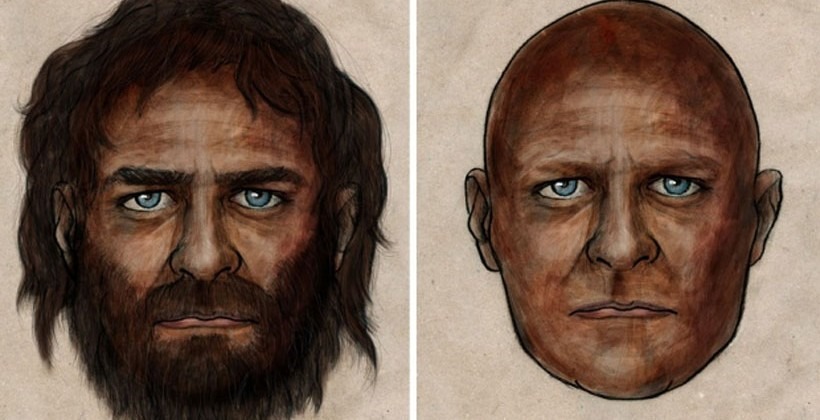
The skin color is about right. Not so sure about the eyes (source: Spanish National Research Council (CSIC)). There seems to have been a succession of changes to hair, eye, and skin color within a relatively restricted area of Europe. These changes then spread outward, the changes to eye color being apparently the earliest.


Ancient DNA has been retrieved from another Mesolithic hunter-gatherer, who is dated to 7,000 years ago and comes from La Braña-Arintero, Spain. We again see a strange combination of dark skin and light eyes. If we look at the three genes that produce white skin, only one of them, TYRP1, had the derived ‘European’ allele. The other two had the ancestral allele. So this Mesolithic individual was a bit lighter-skinned than the one from Luxembourg, dated to 8,000 BP, who had ancestral alleles at all three loci:
 

Of the ten variants, the Mesolithic genome carried the ancestral and non-selected allele as a homozygote in three regions: C12orf29 (a gene with unknown function), SLC45A2 (rs16891982) and SLC24A5 (rs1426654). The latter two variants are the two strongest known loci affecting light skin pigmentation in Europeans and their ancestral alleles and associated haplotypes are either absent or segregate at very low frequencies in extant Europeans (3% and 0% for SLC45A2 and SLC24A5, respectively). We subsequently examined all genes known to be associated with pigmentation in Europeans, and found ancestral alleles in MC1R, TYR and KITLG, and derived alleles in TYRP1, ASIP and IRF4. (Olalde et al., 2014)


Media reports describe the two Mesolithic individuals from Spain and Luxembourg as blue-eyed, although this is not what either study actually found. All we know is that their eyes were not brown. They had blue, gray, hazel, or green eyes:
 

[The individual had] the associated homozygous haplotype spanning the HERC2–OCA2 locus that is strongly associated with blue eye colour. Moreover, a prediction of eye colour based on genotypes at additional loci using HIrisPlex24 produced a 0.823 maximal and 0.672 minimal probability for being non-brown-eyed (Supplementary Information). The genotypic combination leading to a predicted phenotype of dark skin and non-brown eyes is unique and no longer present in contemporary European populations. Our results indicate that the adaptive spread of light skin pigmentation alleles was not complete in some European populations by the Mesolithic, and that the spread of alleles associated with light/blue eye colour may have preceded changes in skin pigmentation. (Olalde et al., 2014)


These findings seem to conflict with previous estimates of the time frame when European skin became white: 11,000 to 19,000 years ago according to Beleza et al. (2013) and 7,600 to 19,200 years ago according to Canfield et al. (2014). I would argue that this was indeed the time frame when European skin became white; however, white skin was initially confined to a geographic area that covered only part of Europe, essentially the plains of the north and east.

It also appears that the changes to hair, eye, and skin color did not happen simultaneously. First came the diversification of eye color and then the diversification of hair color. Parallel to these changes, and extending over a longer time, was the whitening of skin color. 

The most surprising—though least commented on—finding is that this Mesolithic hunter-gatherer had the ancestral allele for KITLG. According to Beleza et al. (2013), this gene was involved in the first stage of skin lightening that affected the common ancestors of Europeans and East Asians some 30,000 years ago. It looks like this first stage, like the second stage over 10,000 years later, affected Europeans only within part of Europe. The Mesolithic hunter-gatherers from Spain and Luxembourg thus seem to have belonged to a population that was peripheral to the evolution of white skin and multi-hued hair and eyes.


References
 
Beleza, S., Murias dos Santos, A., McEvoy, B., Alves, I., Martinho, C., Cameron, E., Shriver, M.D., Parra E.J., and Rocha, J. (2013). The timing of pigmentation lightening in Europeans. Molecular Biology and Evolution, 30, 24-35.
http://mbe.oxfordjournals.org/content/30/1/24.short 

Canfield, V.A., A. Berg, S. Peckins, S.M. Wentzel, K.C. Ang, S. Oppenheimer, and K.C. Cheng. (2014). Molecular phylogeography of a human autosomal skin color locus under natural selection, G3, 3, 2059-2067.
http://www.g3journal.org/content/3/11/2059.full 

Lazaridis, I., Patterson, N., Mittnik, A., Renaud, G., Mallick, S., et al. (2013). Ancient human genomes suggest three ancestral populations for present-day Europeans, BioRxiv, December 23.
http://biorxiv.org/content/early/2013/12/23/001552.full-text.pdf+html

Olalde, I., M.E. Allentoft, F. Sanchez-Quinto, G. Saintpere, C.W.K. Chiang, et al. (2014).  Derived immune and ancestral pigmentation alleles in a 7,000-year-old Mesolithic European, Nature, early view

Saturday, January 11, 2014

The brown man with blue eyes


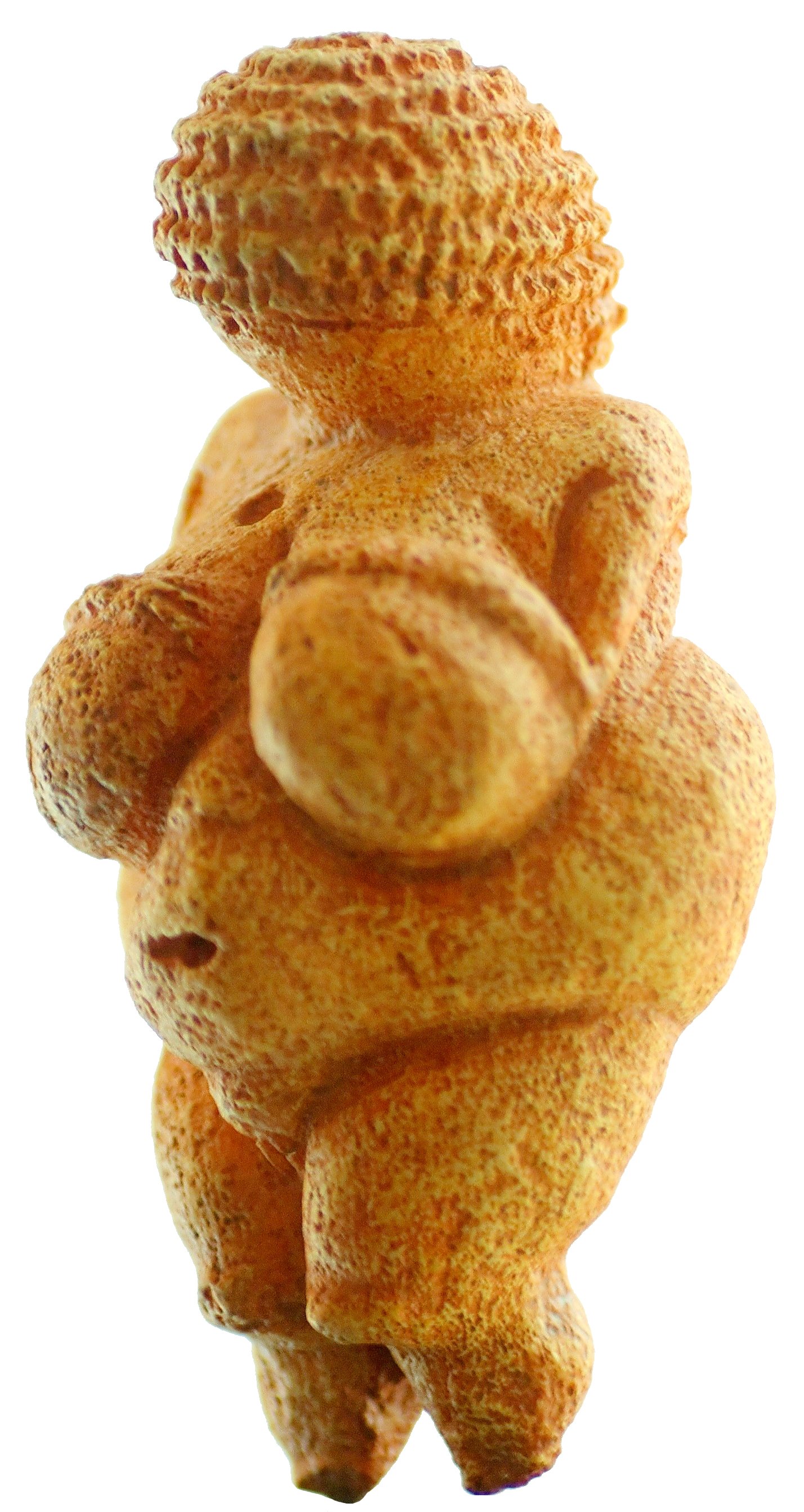
Venus of Willendorf (30,000 – 27,000 BP). Is that a special headdress … or peppercorn hair? (source: Matthias Kabel)


Europeans already had blue eyes while still hunter-gatherers. This is what we’ve learned after retrieving ancient DNA from two Mesolithic individuals, one from Luxembourg, dated to 8,000 years ago, and another from Spain, dated to 7,000 years ago (Dienekes, 2013; Lazaridis et al.,2013). These are late hunter-gatherers, so there is always the possibility of gene flow from early European farmers. Nonetheless, the time of origin now seems earlier for the palette of European eye colors and probably for the palette of European hair colors. How much earlier? Probably within the same time frame when European skin turned white: somewhere between 11,000 and 19,000 years ago according to Beleza et al. (2013) or between 7,600 and 19,200 years according to Canfield et al. (2014). Although different genes are responsible for eye, hair, and skin color, there was probably a single selection pressure that seems to have acted primarily on early European women (Frost, 2006; Frost, 2008).

Interestingly, although the Luxembourg man was blue-eyed, he also had brown skin. He lacked the ‘European’ alleles at all three genes involved in the whitening of European skin. Such a genotype is extremely rare today in unadmixed Europeans (Khan, 2014). Equally odd is the fact that this brown-skinned European lived long after (Beleza et al., 2013) or probably after (Canfield et al., 2014) the time period when European skin turned white. How could that be? Well, these estimates apply only to the ancestors of living Europeans. This individual may not have been so lucky.

When the last ice age ended some 10,000 years ago, it may be that only some European populations had acquired a fully ‘European’ phenotype, i.e., white skin, multi-hued eyes and hair, a more childlike face, and longer, straighter hair. This phenotype would have been most predominant on the former steppe-tundra of northern and eastern Europe. Moving outward from this region, one would have seen humans with more and more of the evolutionarily older traits, i.e., brown skin, uniformly brown eyes and black hair, a more robust face, and short, frizzy hair.

This older phenotype might have persisted well into the Holocene in peripheral and isolated parts of Europe.  As Fleure (1945) notes:

In a few places in Sweden, Britain, and France, people have been noticed who show characteristics of the skull and face that remind one of late-Paleolithic man: these people are usually darker, in hair and eyes, than their neighbors; sometimes they even have swarthy skins.

Even in Scandinavia, we find references in folklore and mythology to an ancient dark-skinned population. A Norse poem, the Rigsthula, describes how the god Rig created a class of thralls who were black-haired, swarthy, and flat-nosed (Jonassen, 1951). This theme comes up elsewhere in Old Norse literature (Karras, 1988).

This leads us to the debate over the discovery of so-called ‘Negroid’ skeletal remains in Europe. Clearly, these individuals were not African, but nor were they like present-day Europeans. They seem to represent an older phenotype that had already lost predominance by Holocene times. The skeletal evidence is reviewed by Boule and Vallois (1957, pp. pp. 291-292):

‘In Brittany, as well as in Switzerland and in the north of Italy, there lived in the Polished Stone period, in the Bronze Age and during the early Iron Age, a certain number of individuals who differed in certain characters from their contemporaries’, in particular in the dolichocephalic character of their skull, in possessing a prognathism that was sometimes extreme, and a large grooved nose. This is a matter of partial atavism which in certain cases, as in the Neolithic Breton skull from Conguel, may attain to complete atavism. Two Neolithic individuals from Chamblandes in Switzerland are Negroid not only as regards their skulls but also in the proportions of their limbs. Several Ligurian and Lombard tombs of the Metal Ages have also yielded evidences of a Negroid element.

Since the publication of Verneau’s memoir, discoveries of other Negroid skeletons in Neolithic levels in Illyria and the Balkans have been announced. The prehistoric statues, dating from the Copper Age, from Sultan Selo in Bulgaria are also thought to portray Negroids. In 1928 René Bailly found in one of the caverns of Moniat, near Dinant in Belgium, a human skeleton of whose age it is difficult to be certain, but which seems definitely prehistoric. It is remarkable for its Negroid characters, which give it a resemblance to the skeletons from both Grimaldi and Asselar.

It is not only in prehistoric times that the Grimaldi race seems to have made its influence felt. Verneau has been able to see, now in modern skulls and now in living subjects, in the Italian areas of Piedmont, Lombardy, Emilia, Tuscany, and the Rhone Valley, numerous characters of the old fossil race.

This older phenotype must have gradually disappeared as the newer phenotype spread outwards from the plains of northern and eastern Europe. Why did one replace the other? What sort of selective advantage did the newer phenotype confer? The reason probably had less to do with physical appearance and more to do with the mental toolkit that humans had developed on the steppe-tundra of the last ice age. These northern hunting peoples were pre-adapted to technological complexity and thus better able to exploit the opportunities of later cultural environments (Frost, 2010). Some of them, specifically the semi-sedentary hunter-fisher-gatherers around the North Sea and the Baltic, would become pre-adapted not only to technological complexity but also to social and economic complexity (Frost, 2013).

References 

Beleza, S., Murias dos Santos, A., McEvoy, B., Alves, I., Martinho, C., Cameron, E., Shriver, M.D., Parra E.J., and Rocha, J. (2013). The timing of pigmentation lightening in Europeans. Molecular Biology and Evolution, 30, 24-35.
http://mbe.oxfordjournals.org/content/30/1/24.short

Boule, M. and H.V. Vallois. (1957). Fossil Men. New York: Dryden Press. 

Canfield, V.A., A. Berg, S. Peckins, S.M. Wentzel, K.C. Ang, S. Oppenheimer, and K.C. Cheng. (2014). Molecular phylogeography of a human autosomal skin color locus under natural selection, G3, 3, 2059-2067.
http://www.g3journal.org/content/3/11/2059.full 

Dienekes (2013).  Mesolithic Iberians (La Braña-Arintero) not ancestors of modern ones,
Dienekes’ Anthropology Blog
http://dienekes.blogspot.ca/2013/12/europeans-neolithic-farmers-mesolithic.html

Fleure, H.J. (1945). The distribution of types of skin color, Geographical Review, 35, 580-595. 

Frost, P. (2013). Origins of Northwest European guilt culture. Part II, Evo and Proud, December 14
http://evoandproud.blogspot.ca/2013/12/origins-of-northwest-european-guilt.html

Frost, P. (2010). Out of North Eurasia, Evo and Proud, May 27
http://evoandproud.blogspot.ca/2010/05/out-of-north-eurasia.html 

Frost, P. (2008). Sexual selection and human geographic variation, Special Issue: Proceedings of the 2nd Annual Meeting of the NorthEastern Evolutionary Psychology Society. Journal of Social, Evolutionary, and Cultural Psychology, 2(4), pp. 169-191.
http://www.jsecjournal.com/articles/volume2/issue4/NEEPSfrost.pdf

Frost, P. (2006). European hair and eye color - A case of frequency-dependent sexual selection? Evolution and Human Behavior, 27, 85-103.

Jonassen, C.T. (1951). Some historical and theoretical bases of racism in northwestern Europe, Social Forces, 30, 155-161.

Karras, R.M. (1988). Slavery and Society in Medieval Scandinavia. New Haven. 

Khan, R. (2014). Phenotypic Whiteness as an Outcome of Neolithic Admixture, The Unz Review: An Alternative Media Selection, January 3.
http://www.unz.com/gnxp/phenotypic-whiteness-as-an-outcome-of-neolithic-admixture/ 

Lazaridis, I., Patterson, N., Mittnik, A., Renaud, G., Mallick, S., et al. (2013). Ancient human genomes suggest three ancestral populations for present-day Europeans, BioRxiv, December 23.
http://biorxiv.org/content/early/2013/12/23/001552.full-text.pdf+html 

Saturday, January 4, 2014

Looking ahead to 2014


When did early Europeans acquire their palette of eye colors? And their palette of hair colors? That question may soon be answered with retrieval of ancient DNA. (source: Dipoar)
 

As the new year begins, I’m particularly interested in the following topics.

 
When did Europeans begin to look European?

It seems that this evolution took place between 20,000 and 10,000 years ago—long after modern humans had arrived in Europe some 40,000 years ago. This is when Europeans acquired their most visible features: white skin, multi-hued eyes and hair, and a more childlike face shape. In my opinion, such features were an adaptation not to weak sunlight but to a competitive mate market where men were scarce because they were less polygynous and more at risk of early death. This situation prevailed on the European steppe-tundra of the last ice age, whose high bio-productivity made possible a relatively large human population at the cost of a chronic oversupply of mateable women. The result was an unusually intense degree of sexual selection.

If we look at European hair color, eye color, skin color, and face shape, all of these visible features seem to have assumed their current appearance through a selection pressure that acted primarily on women. It is European women who have pushed these evolutionary changes to their farthest extent:

- Hair color varies more in women than in men. Redheads are especially more frequent among women (Shekar et al., 2008).

- Eye color varies more in women than in men when both copies of the so-called blue-eye allele are present. There is thus a greater diversity of female eye colors in regions where blue eyes are the single most common phenotype, i.e., northern and eastern Europe (Martinez-Cadenas, et al., 2013).

- Blue eyes are associated in men with a more feminine face shape (Kleisner et al., 2010; Kleisner et al., 2013).

- In all human populations, women are paler than men after puberty. This post-pubescent lightening is due to sexual maturation and not to differences in sun exposure (Edwards and Duntley, 1939; Edwards and Duntley, 1949; Edwards et al., 1941; van den Berghe and Frost, 1986). In women, lightness of skin correlates with thickness of subcutaneous fat and with 2nd to 4th digit ratio—a marker of prenatal estrogenization (Manning et al., 2004; Mazess, 1967). Admittedly, this sex difference is not greater in Europeans than in other populations, although it could not easily be otherwise, since Europeans of both sexes are so close to the physiological limit of depigmentation.

- European facial features seem to have assumed their present form through a selective force that acted primarily on women (Liberton et al., 2009). 

While women are more diverse than men in both hair color and eye color, this greater diversity came about differently in each case. With hair color, women have more of the intermediate hues because the darkest hue (black) is less easily expressed (Shekar et al., 2008). With eye color, women have more of the intermediate hues because the lightest hue (blue) is less easily expressed (Martinez-Cadenas et al., 2013).

Some of these sex linkages may nonetheless share a common developmental cause, such as the prenatal surge of estrogen that feminizes the developing female fetus. Thus, eye color is linked to face shape only in males, perhaps because female face shape is hormonally overdetermined, i.e., all girls are exposed to enough estrogen in the womb to feminize their faces, but only blue-eyed boys reach this level of exposure.

We see a similar pattern with eye color and shyness. In preschool boys, shyness is more strongly associated with blue eyes than with brown eyes, but this association is absent in preschool girls (Coplan et al., 1997). 

An 8,000 year-old hunter-gatherer from Luxembourg

The latest estimates place the whitening of European skin between 19,000 and 11,000 years ago (Beleza et al., 2013). We have no estimates at all for the diversification of European hair color. For diversification of European eye color, we used to have only an educated guess of 6,000 to 10,000 years ago (Eiberg et al., 2008).

A recent study has pushed the origin of blue eyes farther back in time. When ancient DNA was retrieved from the remains of a hunter-gatherer who lived 8,000 years ago in present-day Luxembourg, the reconstituted genome revealed that this individual probably had blue eyes (Lazaridis et al., 2013).

This finding shows that blue eyes already existed when early Europeans were still hunter-gatherers. It thus undermines a rival theory that Gregory Cochran put forward to explain the diverse palette of European hair and eye colors.

Greg’s theory is a mirror image of my own. I argue that shyness in blue-eyed boys is a side effect of sexual selection for women with novel hair and eye colors (Frost, 2006; Frost, 2008). He argues that these new colors are a side effect of natural selection for male submissiveness. This alternate theory is presented in The 10,000 Year Explosion:

[...] selection on genes affecting skin color, eye color, and hair color somehow created lots of variety in Europeans: redheads and blondes, blue eyes and green eyes. Nowhere else in the world is that sort of variety common. In most parts of the world, even in temperate regions, everyone has dark eyes and dark hair. (Cochran and Harpending, 2009, p. 94)

With the introduction of farming to Europe, and a resulting rise in population density and sedentary living, people had to become more socially wary. This self-domestication thus favored blue eyes (and presumably other eye and hair colors) as an evolutionary side effect:

Selection for submission to authority sounds unnervingly like domestication. In fact, there are parallels between the domestication in animals and the changes that have occurred in humans during the Holocene period. In both humans and domesticated animals, we see a reduction in brain size, broader skulls, changes in hair color or coat color, and smaller teeth. (Cochran and Harpending, 2009, p. 112)

Can this theory accommodate the recent discovery of a blue-eyed hunter-gatherer? One might argue that this individual was a fluke, perhaps a result of gene flow from farming communities. To settle this debate, we really need ancient DNA from pre-Holocene Europe, particularly from the critical period of 10,000 to 20,000 BP.
 

My ebook collection

I've decided to begin writing a collection of ebooks on subjects that have come up several times on this blog. This is partly in response to requests from different people and partly because I feel I should be exploiting this niche. 

For now, I am trying to educate myself about the mechanics of it all. PDF seems to be the best format but consumes a lot of space. There is also the question of whether I should self-publish or go through a publishing house. Getting published, especially in the English-language market, inevitably means finding a literary agent and tolerating a lot of questionable schmoozing, not to mention delays.
 

Why the minimum wage matters (even on an anthropology blog)

I've never understood why conservatives are so hostile to a higher minimum wage. At present, minimum wage earners take more from the public purse than they put back in. They are tax consumers, not tax payers. As a result, the taxpayer is subsidizing employers who cannot or will not pay a wage that is at least fiscally neutral.

This situation is especially toxic at a time when the business community is seeking to cut labor costs through globalization. If a job cannot be outsourced, as is often the case with employment in services, construction, and food processing, the answer is to “insource” labor at a lower rate of pay ... with the costs of public services being passed on to a shrinking base of taxpayers.

The irony of it all is pointed out by Ron Unz:

The most doctrinaire libertarians, notably Prof. Bryan Caplan of George Mason University, have held fast to their principles and denounced the very notion of a minimum wage as a violation of basic human liberty. If a desperately impoverished Congolese is willing to come to America and work for a dollar a day, then that is his fundamental moral right, at least if he is willing to forego any access to medical care or other normal social benefits as part of the deal. (Unz, 2013)

That part of the deal won't be happening any time soon. Perhaps libertarians know this but think they can bankrupt the welfare state through mass immigration. Or perhaps they haven’t thought this idea all the way through. Or perhaps they're just shills.

Hostility to the minimum wage isn’t just a libertarian thing. Mainstream conservatives feel the same way:

Harvard economist and former Reagan Advisor Martin Feldstein recently took to the editorial pages of The Wall Street Journal to explicitly call for the creation of a new economic system that would fully integrate welfare payments and work into a seamless system of government support aimed at ensuring a basic standard of living for everyone in the country.

[...] Indeed, Feldstein argued that once the eligibility of various welfare programs were widened, the minimum wage could reasonably be cut, allowing American workers to take jobs paying just four, five or six dollars per hour, with the ordinary taxpayer making up the difference. The logical endpoint to such proposals would be for businesses to pay their workers absolutely nothing at all, with all employee living expenses and spending money coming from governmental anti-poverty programs. (Unz, 2013)

This kind of income support (earned income tax credit) already exists and cost the American taxpayer $56 billion in 2012. Feldstein’s proposal would not only expand it but also extend it to a range of wages that is currently illegal and found only outside the Western world. It would thus greatly facilitate the ongoing influx of low-wage labor.

Not such a great idea

When the concept of "globalization" first became popular, we were told it would create so much more wealth that we would all be better off. The reality has been less wonderful. Median wages have stagnated throughout the Western world since the mid-1970s, despite a doubling of worker productivity. And the trend is now downwards. In a globalized world where businesses can move about capital and labor as they please, there is nothing to stop our wages from being leveled down to the current global mean. 

And that's the best scenario. By dissolving those cultures that have historically produced the most wealth—because of their peaceful social relations, future time orientation, and high level of trust—globalization may cause an overall contraction of economic activity. History will go into reverse. We will lose the market economy and return to the old marketplace economy, where most monetary transactions take place in gated high-security enclosures.
 

References

Beleza, S., Murias dos Santos, A., McEvoy, B., Alves, I., Martinho, C., Cameron, E., Shriver, M.D., Parra E.J., and Rocha, J. (2013). The timing of pigmentation lightening in Europeans. Molecular Biology and Evolution, 30, 24-35.
http://mbe.oxfordjournals.org/content/30/1/24.short

Cochran, G.M. and H. Harpending. (2009). The 10,000 Year Explosion, Basic Books.

Coplan, R., B. Coleman, and K. Rubin. (1998). Shyness and little boy blue: Iris pigmentation, gender, and social wariness in preschoolers. Developmental Psychobiology, 32, 37-44.

Edwards, E.A., and Duntley, S.Q. (1939). The pigments and color of living human skin. American Journal of Anatomy, 65, 1-33. 

Edwards, E.A., and Duntley, S.Q. (1949). Cutaneous vascular changes in women in reference to the menstrual cycle and ovariectomy. American Journal of Obstetrics & Gynecology, 57, 501-509.

Edwards, E.A., Hamilton, J.B., Duntley, S.Q., and Hubert, G. (1941). Cutaneous vascular and pigmentary changes in castrate and eunuchoid men. Endocrinology, 28, 119-128.

Eiberg, H., Troelsen, J., Nielsen, M., Mikkelsen, A., Mengel-From, J., Kjaer, K.W., and Hansen, L. (2008). Blue eye color in humans may be caused by a perfectly associated founder mutation in a regulatory element located within the HERC2 gene inhibiting OCA2 expression. Human Genetics, 123, 177-187.

Frost, P. (2006). European hair and eye color - A case of frequency-dependent sexual selection? Evolution and Human Behavior, 27, 85-103. 

Frost, P. (2008). Sexual selection and human geographic variation, Special Issue: Proceedings of the 2nd Annual Meeting of the NorthEastern Evolutionary Psychology Society. Journal of Social, Evolutionary, and Cultural Psychology, 2(4),169-191.
http://137.140.1.71/jsec/articles/volume2/issue4/NEEPSfrost.pdf 

Lazaridis, I., Patterson, N., Mittnik, A., Renaud, G., Mallick, S., et al. (2013). Ancient human genomes suggest three ancestral populations for present-day Europeans, BioRxiv, December 23.
http://biorxiv.org/content/early/2013/12/23/001552.full-text.pdf+html

Kleisner, K., Kocnar, T., Rubešova, A., and Flegr, J. (2010). Eye color predicts but does not directly influence perceived dominance in men. Personality and Individual Differences, 49, 59-64.

Kleisner, K., Priplatova, L., Frost, P., and Flegr, J. (2013). Trustworthy-looking face meets brown eyes. PLoS One, 8(1): e53285.

Liberton, D.K., Matthes, K.A., Pereira, R., Frudakis, T., Puts, D.A., & Shriver, M.D. (2009). Patterns of correlation between genetic ancestry and facial features suggest selection on females is driving differentiation, Poster #326. American Society of Human Genetics, 59th annual meeting, October 20-24, 2009. Honolulu, Hawaii.

Manning, J.T., Bundred, P.E., and Mather, F.M. (2004). Second to fourth digit ratio, sexual selection, and skin colour. Evolution and Human Behavior, 25, 38-50.

Martinez-Cadenas, C., Pena-Chilet, M., Ibarrola-Villava, M., & Ribas, G. (2013). Gender is a major factor explaining discrepancies in eye colour prediction based on HERC2/OCA2 genotype and the IrisPlex model. Forensic Science International: Genetics, 7, 453-460.

Mazess, R.B. (1967). Skin color in Bahamian Negroes. Human Biology, 39, 145-154.

Shekar, S.N., Duffy, D.L., Frudakis, T., Montgomery, G.W., James, M.R., Sturm, R.A., and Martin, N.G. (2008). Spectrophotometric methods for quantifying pigmentation in human hair-Influence of MC1R genotype and environment. Photochemistry and Photobiology, 84, 719-726. 

Unz, R. (2013). Conservatives for more welfare, The Unz Review, December 30.
http://www.unz.com/runz/conservatives-for-more-welfare/

van den Berghe, P.L., and Frost, P. (1986). Skin color preference, sexual dimorphism and sexual selection: A case of gene-culture co-evolution? Ethnic and Racial Studies, 9, 87-113.

Saturday, August 24, 2013

Women and eye color


Inheritance of eye color doesn’t follow a simple Mendelian model. Although the blue-eye allele (C) is less dominant than the brown-eye allele (T), CT heterozygotes aren’t necessarily brown-eyed and CC homozygotes aren’t necessarily blue-eyed. Even TT homozygotes are sometimes blue-eyed. There is also a sex difference, with women having a more diverse palette of eye colors. (source)


Most humans have black hair and brown eyes. Europeans display a much more diverse range of hues, their hair being also brown, flaxen, golden, or red and their eyes being also blue, gray, hazel, or green.

This diversification has gone farther in European women than in European men. According to a twin study, women have a more diverse palette of hair colors, with a greater prevalence of lighter shades, particularly red hair (Shekar et al., 2008).

Women also have a more diverse palette of eye colors, according to a recent study of six SNPs associated with eye color. When both copies of the so-called blue-eye allele are present, the resulting phenotype is more variable in women than in men (Martinez-Cadenas et al., 2013). This translates into a greater range of female eye colors in regions, like northern and eastern Europe, where blue eyes are the single most common phenotype (Walsh et al.,2012). As the study’s authors observe, “in populations with very high blue-eye frequency, such as Iceland or Holland, females show greater proportion of green eyes at the expense of blue eyes” (Martinez-Cadenas et al., 2013). The authors also confirmed earlier findings that eye color doesn’t follow a simple Mendelian model. Although the blue-eye allele (C) is less dominant than the brown-eye allele (T), CT heterozygotes aren’t necessarily brown-eyed and CC homozygotes aren’t necessarily blue-eyed. Even TT homozygotes are sometimes blue-eyed. 

Thus, both hair color and eye color tend to be more diverse in women. There is, however, one difference. With hair color, the “derived” alleles are more fully expressed in women than in men. With eye color, they are less fully expressed. This seems to argue against the theory that hair and eye color diversified through a process of sexual selection that acted more strongly on women than on men. Since blue eyes are the derived phenotype, they should be more fully expressed in women because the female sex is the main target of this selection pressure. Yet the reverse is actually true.

The reason may be physiological. It seems easier to produce new eye colors by modifying the way the blue-eye allele is expressed than by simply creating new alleles. Thus, to produce a range of hues that extends beyond brown and blue, the so-called blue-eye genotype must be more common than the actual incidence of blue eyes. As a result, “more females bearing the ‘blue eye genotype’ (HERC2/OCA2 CC homozygous genotype) end up having green or intermediate eyes” (Martinez-Cadenas et al., 2013).

Other recent studies

A recent paper has confirmed that European eye color diversified through some kind of selection pressure, and not random factors like genetic drift or founder effects. Blue-eye alleles show a very strong signal of selection (Donnelly et al., 2012). Another study, however, has failed to find any preference for blue eyes over other colors, an indication that all eye colors are at selective equilibrium, at least for the German population under study. This finding may be related to the already high frequency of blue eyes in that population:

Perhaps the frequency of eye colors plays a role. In most countries, blue eyes are less prevalent than other eye colors and may have the image of something special and more valuable. If this assumption is true, brown eyes should be preferred in countries where the majority of the population has blue eyes. (Gründl et al, 2012).

In this case, sexual selection is frequency-dependent, shifting to whichever eye color is least frequent. Eventually, an equilibrium is reached where color novelty is in balance with other characteristics, such as color brightness, that may increase sexual attractiveness.

This last finding shows the opportunistic nature of sexual selection. When too many of one sex have to compete for mating opportunities with too few of the other sex, there will be selection for any traits that increase mating success. In many cases, these traits will hyperstimulate a mental algorithm that is used for sex recognition. In other cases, hyperstimulation will simply involve use of bright or novel colors that can better engage visual attention and remain longer in memory.  

References

Donnelly, M.P., P. Paschou,  E. Grigorenko, D. Gurwitz, C. Barta, R-B. Lu, O.V. Zhukova, J.-J. Kim, M. Siniscalco, M. New, H. Li, S.L.B. Kajuna, V.G. Manolopoulos, W.C. Speed, A.J. Pakstis, J.R. Kidd, and K.K. Kidd. (2012). A global view of the OCA2-HERC2 region and pigmentation, Human Genetics, 131, 683–696.
http://europepmc.org/articles/PMC3325407

Gründl, M., S. Knoll, M. Eisenmann-Klein, and L. Prantl. (2012). The blue-eyes stereotype: Do eye color, pupil diameter, and scleral color affect attractiveness? Aesthetic Plastic Surgery, 36, 234–240.

Martinez-Cadenas, C., M. Pena-Chilet, M. Ibarrola-Villava, and G. Ribas. (2013). Gender is a major factor explaining discrepancies in eye colour prediction based on HERC2/OCA2 genotype and the IrisPlex model, Forensic Science International: Genetics, 7, 453–460.

Shekar, S.N., D.L. Duffy, T. Frudakis, G.W. Montgomery, M.R. James, R.A. Sturm, & N.G. Martin. (2008). Spectrophotometric methods for quantifying pigmentation in human hair—Influence of MC1R genotype and environment, Photochemistry and Photobiology, 84, 719–726.

Walsh, S., A. Wollstein, F. Liu, U. Chakravarthy, M. Rahu, J.H. Seland, G. Soubrane, L. Tomazzoli, F. Topouzis, J.R. Vingerling, J. Vioque, A.E. Fletcher, K.N. Ballantyne, and M. Kayser. (2012). DNA-based eye colour prediction across Europe with the IrisPlex system, Forensic Science International: Genetics, 6, 330–340.
http://www.fsigenetics.com/article/S1872-4973(11)00144-X/abstract