Showing posts with label monogamy. Show all posts

Monday, May 30, 2022

Recent cognitive evolution: The case of Ashkenazi Jews


Old Jewish cemetery in Prague (Wikicommons - Uoaei)


The 11th century seems to be the time when cognitive evolution began to accelerate among Ashkenazi Jews. In terms of mean cognitive ability, they would end up surpassing not only Christian Europeans but also other Jewish populations. 


In a previous post, I described how Christianity restarted cognitive evolution after a decline during Classical Antiquity, specifically by supporting the formation of monogamous families, by discouraging slavery, at least during the long period from 500 to 1500 AD, and eventually by creating the peace, order, and stability that allowed the middle class to expand and become dominant (Frost 2022).


I will now describe a parallel evolution that occurred under Judaism, particularly within its Ashkenazi branch, i.e., the Jewish communities of Central and Eastern Europe. This cognitive evolution is indicated by four lines of evidence:


·         A high polygenic score for alleles associated with educational attainment (Dunkel et al. 2019; Piffer 2019).

·         High incidences of nine neurological disorders of genetic origin: Tay-Sachs (two unrelated alleles), Gaucher's (five unrelated alleles), Niemann-Pick, and Mucolipidosis Type IV. These mutations affect the capacity of neural tissue to store sphingolipids, which are vital to the growth of neurons in the brain. All nine of them have arisen independently in the same metabolic pathway and have become unusually common in the same population over a relatively short time, perhaps a thousand years (Cochran et al. 2006; Diamond 1994).

·         A mean IQ that exceeds not only that of non-Jewish Europeans but also that of other Jewish groups. This cognitive advantage seems to be relatively recent, originating probably in the Middle Ages (Cochran et al. 2006).

·         A high proportion of Nobel Prize winners: 14% in the first half of the 20th century, 29% in the second half of the 20th century and, so far, 32% in the 21st century (Murray 2007, p. 30).


Within the Ashkenazi community, cognitive evolution was driven largely by specialization in trade, particularly in family-run businesses that operated in the increasingly dynamic economic environment of post-medieval Europe. This class of people, though proportionately smaller, would also contribute to the cognitive evolution of Christian Europeans. "They were not specialized craftsmen in life-trades with skills developed through long years of apprenticeship; they were semi-skilled family labour teams which set up in a line of business very quickly, adapting to shifts in market demand" (Seccombe, 1992, p. 182). The workforce was the household. In more successful households, the parents would have as many children as possible, and the children would marry earlier and start their own households earlier. In less successful ones, the children would postpone marriage or never marry.


This demographic model explains not only the cognitive evolution of Ashkenazi Jews but also their impressive population growth between the 16th and 19th centuries (Frost 2007). It is also the same model that Gregory Clark (2007) used to describe the mental and behavioral shift of the English population during medieval and post-medieval times: demographic success was closely linked to economic success, which in turn was linked to possession of cognitive ability and “middle-class” traits (low time preference, high impulse control, thrift, etc.).


For Ashkenazi Jews during the same time period, cognitive evolution was also assisted by a ban on polygyny. Around 1000 AD, a Jewish synod at Mainz, Germany forbade men to take more than one wife. The ruling was made for several reasons: (1) to reduce “quarreling” within the family; (2) to deter men from abusing their wives; (3) to prevent de facto divorce (i.e., abandonment of the first wife in her own household); and (4) to prevent the husband’s financial resources from being spread too thinly over several wives (Dinonline 2015). The ban on polygyny strengthened the reproductive importance of upper-class women by reducing female hypergamy. In particular, it prevented the classic case of a wealthy man taking a second wife who would be younger than the first but lower in social status … and thus less likely to have the mental and behavioral characteristics that had made him economically successful and able to afford polygyny.


The polygyny ban was accepted by Ashkenazi Jews but not by Sephardic Jews (Dinonlne 2015). This may explain why cognitive evolution was weaker among the latter than among the former. In addition, the Sephardim were operating within a much less dynamic economic environment, particularly during the period from the 16th to 19th centuries that saw so much population growth among the Ashkenazim. 


Reconstructing cognitive evolution


Until recently, it was possible to reconstruct cognitive evolution only by looking at present-day genomes and making inferences about the past. We can now look directly at past cognitive evolution by examining DNA from human remains. For example, when Woodley et al. (2017) compared DNA from sites across Europe and central Asia, they found a net increase between 4,560 and 1,210 years ago in the frequency of alleles associated with high educational attainment.


Unfortunately, that kind of longitudinal data is not yet available for Ashkenazi Jews. But we have a proxy: alleles that affect sphingolipid storage, specifically those for Tay-Sachs, Gaucher’s, Niemann-Pick and Mucolipidosis Type IV. An allele for Gaucher’s disease, and specific to Ashkenazi Jews, has been retrieved from the remains of 33 Jewish individuals who had lived in Erfurt, Germany during the 14th century (Waldman et al. 2022, p. 16).  Those individuals were not directly ancestral to modern Ashkenazi Jews; instead, both groups seem to descend from a common ancestral population that probably existed in the 11th century, when Jewish merchants first became established in Erfurt (Waldman et al. 2022; Wikipedia 2022a). That date is consistent with the estimated time of origin of the allele for Gaucher’s disease, which has been dated to a period between the 11th and 13th centuries (Colombo 2000).


A time of origin in the 11th century is also consistent with the founding of Jewish communities in what is now the Czech Republic and Poland:


We have already mentioned the existence of Jewish traders in Prague in the late tenth century. The biographies of St. Adalbert tell us that they trafficked in slaves. There was also in the early eleventh century, we will discuss further, a Jewish establishment at Przemysl, a town at the crossroads of two trading routes: Prague-Krakow-Kiev and Hungary-Kiev. The importance of this center is confirmed by the discovery, in the mid nineteenth century, of a great treasure of dirhams [Arab silver money] from the Iranian dynasty of the Samanids, dating from the first half of the tenth century. We will see that certain Hebrew documents from the 11th and 12th centuries also report the trade of Rhineland Jewish merchants with Poland. Gallus Anonymus, the famous Polish chronicler of the 11th century, relates that Queen Judith repurchased slaves in Poland from Jewish traders—which also proves the existence of this trade. A final confirmation of this phenomenon: the discoveries of Polish “treasures of silver” [hoards] from the 10th and 11th centuries, which have very many coins from the Rhineland towns of Western Europe. (Lewicki 1960, p. 232)


The importance of that trade is also indicated by the large number of Slavic words that appear in the works of contemporary Jewish authors from the Rhineland and even northern France (Lewicki 1960, pp. 236-237).


It looks like Ashkenazi communities entered an upward economic trend not long before the 11th century. This was a time when both the State and the Church began pacifying the social environment of Western Europe (Frost and Harpending 2015; Head 1992; Wikipedia 2022b). Trade thus became safer. In particular, slave merchants were able to establish long trade routes that ran from the lands of the pagan Slavs, across Western Europe, and into the Islamic world via Muslim Spain (Blumenkranz 1960; Korn 1971; Skirda 2010, pp. 83-120). Erfurt itself was one of several stops on a route from Bohemia to Spain (Skirda 2010, p. 115). It is likely, then, that the 11th century coincides with the time when cognitive evolution began to accelerate among Ashkenazi Jews.


After the 11th century, the slave trade began to lose importance, and other activities gradually took their place. There were a number of reasons. Trade with the Muslim world was disrupted by the Reconquista of Spain and by the Crusades in general. Throughout Western Europe, Jewish communities were accused of having Muslim sympathies and suffered persecution (Skirda 2010, pp. 104-105). Above all else, the Slavs were converting to Christianity, and their enslavement was becoming harder to justify.


Ashkenazi Jews thus shifted toward other activities. At first, they turned to trade with Central Asia via Kiev and the Black Sea (Skirda 2010, p. 105). In time, their interest focused on Europe, which was developing economically and offering many more opportunities. The result was a demographic expansion. From an estimated 25,000 in 1300, the Jewish population of Eastern Europe would grow to 50,000 by 1490, 250,000 after the mid-1600s, 910,000 by 1765, two and a quarter million by 1825, over five and a half million by 1880, and over eight and a half million by 1900 (DellaPergola 2001, p. 12).


References


Blumenkranz, B. (1960). Juifs et Chrétiens dans le monde occidental. Paris: Imprimerie nationale


Clark, G. (2007). A Farewell to Alms. A Brief Economic History of the World. Princeton University Press: Princeton.


Cochran, G., J. Hardy, and H. Harpending. (2006). Natural history of Ashkenazi intelligence. Journal of Biosocial Science 38(5): 659-693. https://doi.org/10.1017/S0021932005027069


Colombo, R. (2000). Age estimate of the N370S mutation causing Gaucher disease in Ashkenazi Jews and European populations: A reappraisal of haplotype data. American Journal of Human Genetics 66(2):692-697. https://doi.org/10.1086/302757


DellaPergola, S. (2001). Some fundamentals of Jewish Demographic History. In: S.DellaPergola, and J.Even (eds.) Papers in Jewish Demography 1997, (pp. 11-33), Jerusalem: The Hebrew University.


Diamond, J.M. (1994). Jewish Lysosomes. Nature 368: 291-292. https://doi.org/10.1038/368291a0


Dinonline. (2015). Marrying more than one wife: The decree of Rabbeinu Gershom — Then and today. November 18. https://dinonline.org/2015/11/18/marrying-more-than-one-wife-the-decree-of-rabbeinu-gershom-then-and-today/


Dunkel, C.S, M.A. Woodley of Menie, J. Pallesen, and E.O.W. Kirkegaard. (2019). Polygenic scores mediate the Jewish phenotypic advantage in educational attainment and cognitive ability compared with Catholics and Lutherans. Evolutionary Behavioral Sciences 13(4): 366-375.

https://psycnet.apa.org/doi/10.1037/ebs0000158


Frost, P. (2007). Natural selection in proto-industrial Europe. Evo and Proud, November 16

http://evoandproud.blogspot.com/2007/11/natural-selection-in-proto-industrial.html


Frost, P. (2022). When did Europe pull ahead? Evo and Proud, May 16

http://evoandproud.blogspot.com/2022/05/when-did-europe-pull-ahead.html


Frost, P. and H. Harpending. (2015). Western Europe, state formation, and genetic pacification. Evolutionary Psychology 13(1): 230-243. https://doi.org/10.1177%2F147470491501300114


Head, T.F. (1992). The Peace of God: Social Violence and Religious Response in France around the Year 1000. Cornell University Press.


Korn, B.W. (1971). Slave Trade. Encyclopaedia Judaica 14: 1660-64. Jerusalem: MacMillan.


Lewicki, T. (1961). Les sources hébraïques consacrées a l'histoire de l'Europe centrale et Orientale et particulièrement a celle des pays slaves de la fin du IXe au milieu du XIIIe siècle. Cahiers du Monde russe et soviétique 2(2): 228-41. https://doi.org/10.3406/cmr.1961.1466


Murray, C. (2007). Jewish Genius. Commentary. April: 29-35


Piffer, D. (2019). Evidence for recent polygenic selection on educational attainment and intelligence inferred from Gwas hits: A replication of previous findings using recent data. Psych 1: 55–75. https://doi.org/10.3390/psych1010005


Seccombe, W. (1992). A Millennium of Family Change. Feudalism to Capitalism in Northwestern Europe. London: Verso.


Skirda, A. (2010). La traite des Slaves. L’esclavage des Blancs du VIIIe au XVIIIe siècle. Paris: Les Éditions de Paris Max Chaleil.


Waldman, S., D. Backenroth, É. Harney, S. Flohr, N.C. Neff, G.M. Buckley, et al. (2022). Genome-wide data from medieval German Jews show that the Ashkenazi founder event pre-dated the 14th century. bioRxiv 2022.05.13.491805. https://doi.org/10.1101/2022.05.13.491805


Wikipedia. (2022a). Erfurt. https://en.wikipedia.org/wiki/Erfurt#Middle_Age


Wikipedia. (2022b). Peace and Truce of God. https://en.wikipedia.org/wiki/Peace_and_Truce_of_God


Woodley, M.A., S. Younuskunju, B. Balan, and D. Piffer. (2017). Holocene selection for variants associated with general cognitive ability: comparing ancient and modern genomes. Twin Research and Human Genetics 20: 271-280. https://doi.org/10.1017/thg.2017.37   


Thursday, October 19, 2017

Virtual polygyny?


Polygyny is accepted to varying degrees around the world. In some countries it is permitted by law (dark blue) or by customary law (medium blue). Or the law may permit polygyny if the marriage has been performed in another country (light blue). (Wikicommons)


In my last two posts I presented evidence that repeated exposure to porn desensitizes the male brain, eventually causing atrophy in those areas that process erotic stimuli. In addition, porn seems to influence psychosexual development differently in young European American males and young African American males.

If porn is virtual polygyny, the male brain should tolerate porn overload to the extent it has coevolved with polygyny. The threshold for desensitization would therefore be higher in cultures with generalized polygyny (20-50% of all marriages) and lower in cultures with limited polygyny (less than 10%).

The ‘virtual polygyny’ hypothesis was first put forward by Shepher and Reisman (1985):

Pornography creates a world of polygynous fantasy, in which there are always sufficient consenting females who unhesitatingly display their naked bodies, or body parts, thus signaling their preparedness for immediate sexual intercourse.

This fantasy world is very different from real life, especially where monogamy is the norm:

Of course, this fantasy world of unlimited numbers of young, beautiful, seductive females, eagerly and enthusiastically engaging in every sort of sexual and violent activity, contrasts sharply with everyday reality. (Shepher and Reisman 1985, p. 107)

It is even different from real life in polygynous cultures:

No power struggle, no competition between males for sexual access to a specific female is involved, because mass production makes the pornographic dream easily available to everyone. (Shepher and Reisman 1985, p. 108).

As a result, porn leads to desensitization and a desire for more and harder porn:

The result of fantasy-directed expectations may be a deterioration of male-female relationships, perhaps a deterioration of heterosexual comradeship and even love. Surely many males become disillusioned with their female partners' ability to arouse them. Any consistent use of pornographic magazines could also find readers thus disillusioned with their partners and their own sexual performance. The consequence for males may be, among other dysfunctions, conditional impotence. (Shepher and Reisman 1985, p. 110)

[...] habitual viewing often seems to result in a loss of arousal. We have found then, not illogically, that pornography is pushed to seek novelty: oral sex, anal penetration, sex with children, bestiality, pseudolesbianism, and sadistic sexuality. What this extension of repertoire tends to do to the male-female relationship is not difficult to imagine. (Shepher and Reisman 1985, p. 110)

[...] Arguably, as pornography use grows, male-female relationships deteriorate, aggression against women increases, sexuality is pushed towards more and more extravagant forms, more and more detached from sexuality's basic function in human life. (Shepher and Reisman 1985, p. 112)

Given that the incidence of polygyny varies considerably among human cultures, could some human populations be less vulnerable than others to porn desensitization? The two authors seem to raise this question:

Among 847 human cultures, 708 (83.4%) were found to condone polygyny, 137 (16%) monogamy, and 4 (0.47%) polyandry' (Murdock 1967). About half of the polygynous cultures permit polygyny, but actually not many males are married polygynously. The other half practices systematic polygyny.

This is a classic sample of coevolution: natural selection working on the individual favors polygyny; cultural selection working on the group favors monogamy. The most "successful" cultures, in the sense of their having the largest populations (Europe, the Americas, Japan, China, India), are monogamous, and most individuals in polygynous cultures are monogamous as well. (Shepher and Reisman 1985, p. 112)

Shepher and Reisman (1985) don't pursue this line of reasoning. One reason may have been the view, common in evolutionary psychology, that human nature has evolved very little since the Pleistocene. Because the high incidence of polygyny in sub-Saharan Africa is associated with agriculture (African hunter-gatherers have a very low incidence), and because agriculture began to develop there only some six thousand years ago (Vansina 1994), Shepher and Reisman might have concluded that the male brain never coevolved with generalized polygyny in sub-Saharan Africa. But why, then, the reference to coevolution? I suspect they simply floated this idea in the hope that someone else would pick it up. Or perhaps they had discussed this idea at greater length in their original manuscript ...

Shepherd and Reisman were writing in the 1980s, at a time when porn desensitization was probably much less common than it is today. Malamuth and Billings (1986, p. 93) reviewed the literature at that time:

Varied studies conclude that repeated exposure to erotica will, under many circumstances, result in less sexual arousal to and reduced interest in such materials. These studies include both experimental and survey research.

The first clear experimental study demonstrating habituation was conducted as part of the research of the commission [on Obscenity and Pornography] (Howard, Reifler, & Liptzin, 1971). This study found that repeated exposure of male college students to erotica for 90 min a day, 5 days a week for 5 weeks, resulted in a reduction in sexual arousal to erotic stimuli as well as reduced interest in such pornography. Following 2 months of nonexposure, however, there was a recovery in sexual arousal to levels that were not significantly different from those prior to the repeated exposure procedure [...]

Malamuth and Billings (1986) noted that this study had been criticized on the grounds that the levels of exposure were not "realistic." Today, such levels are common. According to a study of 16-year-old boys in two Swedish towns, 10% of them viewed porn every day, and about a third of these frequent users viewed porn for more than ten straight hours several times a week (Mattebo et al. 2013). In addition, young men are viewing porn for much longer than five weeks.

With the current high levels of porn consumption, more research is needed on the ‘virtual polygyny’ hypothesis, especially on its prediction that some human populations are more vulnerable than others to erotic desensitization and atrophy.


References

Malamuth, N.M. and V. Billings. (1986). The functions and effects of pornography: Sexual communications versus the feminist models in light of research findings, in J. Bryant and D. Zillmann (eds) Perspectives on Media Effects, Hillsdale, New Jersey: Erlbaum.
http://www.sscnet.ucla.edu/comm/malamuth/pdf/86PME_C5.pdf

Mattebo, M., T. Tyden, E. Häggström-Nordin, K.W. Nilsson, and M. Larsson. (2013). Pornography consumption, sexual experiences, lifestyles, and self-rated health among male adolescents in Sweden, Journal of Developmental and Behavioral Pediatrics, 34, 460-468.
https://s3.amazonaws.com/academia.edu.documents/40260257/Pornography_Consumption_Sexual_Experienc20151122-22933-105aqic.pdf?AWSAccessKeyId=AKIAIWOWYYGZ2Y53UL3A&Expires=1508277205&Signature=diuNG%2BPn%2FznAqGmAlmlPKmFZ8mU%3D&response-content-disposition=inline%3B%20filename%3DPornography_Consumption_Sexual_Experienc.pdf

Shepher, J. and J. Reisman. (1985). Pornography: A sociobiological attempt at understanding, Ethology and Sociobiology, 6, 103-114.
https://www.reuniting.info/download/pdf/Ethology_.pdf  

Vansina, J. (1994). A slow revolution: Farming in Subequatorial Africa, Azania: Archaeological Research in Africa, 29-30(1), 15-26.
http://www.tandfonline.com/doi/abs/10.1080/00672709409511658?journalCode=raza20

Saturday, October 31, 2015

The contradictions of polygyny


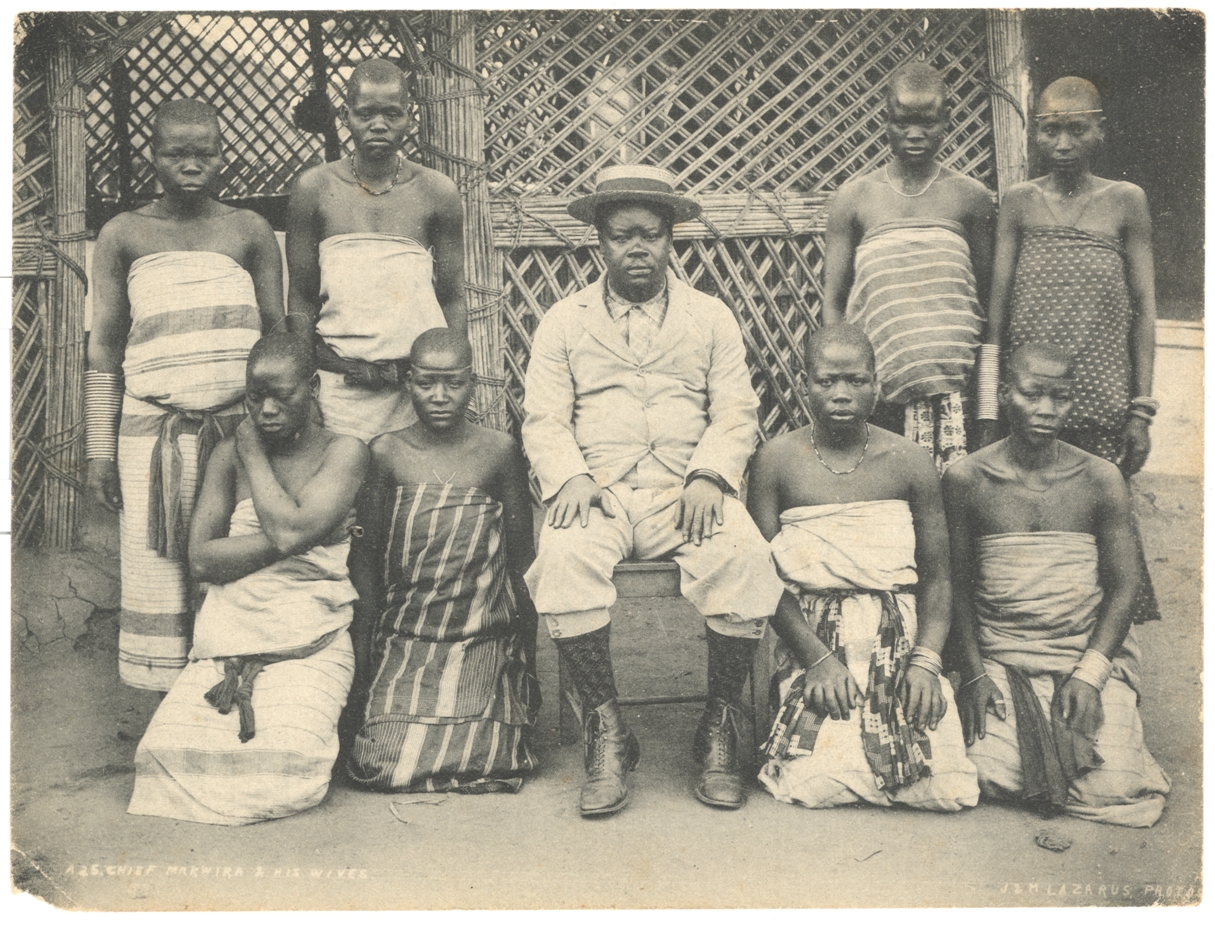
Chief Makwira and his wives, Malawi, 1903 (Wikicommons). Older men had first priority. Younger men could gain access to women only through war or adultery.


In my last column, I reviewed the findings of Butovskaya et al. (2015) on testosterone and polygyny in two East African peoples:

- Testosterone levels were higher in the polygynous Datoga than in the monogamous Hadza. This difference is innate.

- Datoga men were more aggressive than Hadza men on all measures used (physical aggression, verbal aggression, anger, and hostility)

- Datoga men were larger and more robust than Hadza men

- All of these characteristics seem to be adaptive under conditions when men have to compete against other men for access to women

Testosterone levels were not only higher in the Datoga but also more variable. Alvergne et al. (2009) studied this variability in Senegalese men, finding that the monogamous ones differed from the polygynous ones in the way testosterone levels changed with age. The levels were higher in the polygynous men than in the monogamous men between the ages of 15 and 30. After 45, this pattern reversed: the monogamous men had the higher levels. At all ages, the polygynous men were more extraverted than the monogamous ones, this quality being defined as "pro-social behavior which reflects sociability, assertiveness, activity, dominance and positive emotions." Extraversion may assist a reproductive strategy of seducing women, rather than providing for them.

Thus, when Africans gave up hunting and gathering for farming, there was selection for a new package of male traits. Some of these traits are physiological (higher testosterone levels), some anatomical (denser bones, greater arm and leg girth; changes to muscle fiber properties, etc.), and some behavioral (polygyny, aggressiveness, extraversion, etc.). But this selection didn't eliminate older genotypes, at least not wholly. There seems to be a balanced polymorphism that allows a minority of quieter, monogamous men to thrive in a high-polygyny society like Senegal. When polygynous men become too numerous, they may spend too much time looking for mating opportunities and not enough checking up on their current wives to avoid being cuckolded. It might be better for some to live continuously with one wife.

African Americans versus Euro Americans

The above differences within sub-Saharan Africa (Datoga vs. Hadza, polygynous Senegalese vs. monogamous Senegalese) are also seen between African Americans and Euro Americans. In all these cases, the differences are of degree and proportion, rather than absolute and non-overlapping.

Testosterone reaches high levels in young African American adults (Pettaway, 1999; Ross et al., 1986; Ross et al., 1992; Winters et al., 2001). African Americans are also likelier to have alleles for high androgen-receptor activity (Kittles et al.,2001). Lifetime exposure to testosterone is reflected in development of prostate cancer, with African American men having the world's highest incidences (Brawley and Kramer, 1996). It was once thought that lower incidences prevail among black West Indians and sub-Saharan Africans, but underreporting is now thought to be responsible (Glover et al., 1998; Ogunbiyi and Shittu, 1999; Osegbe, 1997).

In African Americans, blood testosterone levels peak during adolescence and early adulthood, being higher than those of Euro Americans of the same age. Levels decline after 24 years of age, and by the early 30s are similar to those of European Americans (Gapstur et al., 2002; Nyborg, 1994, pp. 111-113; Ross et al., 1986; Ross et al., 1992; Tsai et al., 2006; Winters et al., 2001). This is the same pattern we saw in polygynous Senegalese men versus monogamous Senegalese men. In short, polygyny seems associated with a more exaggerated pattern of variation with age.

The demographic contradictions of a high-polygyny society

Testosterone levels are normally higher in all young men, but why are they higher still when polygyny is common? The reason seems to be the scarcity of available women. High-polygyny societies generate a shortage of mateable women, and this shortage is managed by giving priority to men who are at least ten years past puberty. For instance, among the Nyakyusa: "[...] there is a difference of ten years or more in the average marriage-age of girls and men, and it is this differential marriage-age which makes polygyny possible" (Wilson, 1950, p. 112).

By concentrating celibacy among young men, this age rule compels them to seek sex through warfare or illicit means. According to Pierre van den Berghe (1979, pp. 50-51):

Typically, the more men are polygynous in a given society, the greater the age difference between husbands and wives. [...] The temporary celibacy of young men in polygynous societies is rarely absolute, however. While it often postpones the establishment of a stable pair-bond and the procreation of children, it often does not preclude dalliance with unmarried girls, adultery with younger wives of older men, or the rape or seduction of women conquered in warfare. Thus, what sometimes looks like temporary celibacy is, in fact, temporary promiscuity. These young men often devote themselves to warfare during their unmarried years and sometimes homosexuality is tolerated during that period.

For young men in a high-polygyny society, warfare—typically raids against neighboring communities—is the main way to gain access to women. In a sense, war becomes a means of resolving the demographic contradictions of a high-polygyny society. Polygyny creates a wife shortage among young men, and this contradiction is resolved by turning it outward. As warriors, young men are encouraged to satisfy their sexual urges through raids against neighboring peoples. Warfare thus becomes endemic.

This relationship between polygyny and war has often been noted in studies of African societies:

Dorjahn (1959) says African warfare emphasized taking captives, rather than killing the enemy. Kelly's discussion of Nuer warfare provides an interesting perspective on this phenomenon. In Nuer warfare the main casualties were younger men and older women, with male and female mortality being almost equal. Younger women and children were captured. Female captives were valued because they could be used to generate bridewealth when they were married to other Nuer, whereas captive boys were adopted into the lineage of their captor and would require bridewealth payment when they married. Consequently, few males were taken captive (Kelly 1985:56-57). (White and Burton, 1988)

In their cross-cultural study of the causes of polygyny, White and Burton (1988) conclude that "polygyny is associated with warfare for plunder and/or female captives":

[...] polygyny is seen as associated with the expansion of male-oriented kin groups through favorable environments, facilitated by capture of women or bridewealth via warfare. Following this analysis, it is difficult to see polygyny as having benign effects upon the lives of all women. Rather, polygyny produces benefits for senior wives, who have sons and can mobilize the labor of junior wives and children (Hartung 1982); it has negative effects on women who become slaves, captives, or junior wives, or who do not have sons.

We now come to a leading cause of the African slave trade. Polygyny led to warfare, which led to a surplus of unwanted male captives. These captives could be sold as slaves, but local markets would soon be saturated. The excess supply had to be sold farther away, with the result that slave trading networks began to reach the Middle East as early as the time of Christ (Frost, 2008).

While outsiders from the Middle East and Europe would later get more and more involved, becoming not only traders but also captors, it was Africans themselves who initially controlled the supply chain. In its early stages, and even later, this trade was driven by factors internal to Africa.

Contrary evidence

Whenever I discuss this subject, some people will counter that certain studies have shown an absence of racial/ethnic differences in testosterone levels. Let me discuss these studies at some length.


This meta-analysis concluded: "After adjustment for age, black men have a modestly but significantly 2.5 to 4.9% higher free testosterone level than white men." Here, “adjustment for age” means comparing black and white men of the same age. The conclusion isn't surprising, since African American men have a testosterone advantage only from puberty to their early 30s. At other ages, their testosterone levels are either equal to or less than those of Euro American men. 

This meta-analysis has two other flaws. First, it included only studies on "men," thus excluding studies on teenagers, among whom the race difference is greatest.

Second, it included Rohrmann et al. (2007). This study suffers from serious methodological problems, as I will now explain. 


This study concluded that "contrary to the postulated racial difference, testosterone concentrations did not differ notably between black and white men."

This study also found that 45-69 year old black men have higher testosterone levels (5.62 ng/ml) than do 20-44 year old black men (5.35 ng/ml). Such a finding is paradoxical and indicates a faulty dataset. The authors used serum samples from the National Center for Health Statistics that had been earlier collected for its Third National Health and Nutrition Examination Survey (NHANES III). The authors state they used 1,479 samples that remained out of an initial total of 1,998. Over 25% of the original samples were missing. The authors state that some samples were missing because they were being used for another study.

The same serum bank had in fact been used for research on a sexually transmitted disease. This was the study by Fleming et al. (1997), who reported that more than 25% of adults between 30 and 39 years of age were positive for HSV-2 (Herpes Simplex virus type 2). Those samples may have been set aside either for further testing or for legal reasons. The serum bank would have thus lost some of its most polygynous donors.


This study measured salivary testosterone in young men (15-30 years) from the United States, Congo, Nepal, and Paraguay. Americans had the highest levels (335 pmol/l), followed by Congolese (286 pmol/l), Nepalese (251 pmol/l), and Paraguayans (197 pmol/l).

Who were these Americans? They are simply identified as ... young Americans—a demographic that is now less than 60% of European descent. In Boston, where the study was conducted, public schools in 2005 were 46% black and 31% Latino (mainly Puerto Ricans and Dominicans). The authors also state that "the USA participants were recruited by public advertisement." The pool of participants may have therefore resembled that of people who give blood in exchange for payment, i.e., it may have been disproportionately poor and non-white. In any event, the results are unusable without any information on racial background.

The Congolese participants were likewise unrepresentative of Congolese in general. They were Lese who inhabit the Ituri forest in proximity to the Efe pygmies. Many Lese are, in fact, partly of pygmy ancestry. As such, their testosterone levels would be closer to that of hunter-gatherers with lowers levels of polygyny and less male-male competition for mates.


This study concluded that testosterone levels did not differ between African American and Euro American boys between the ages of 6 and 18. Such a finding is to be expected for the first few years of this age range, when no difference should exist between the two groups. The main flaw, however, is that the participants were compared not by age but by Tanner stage. Since African Americans enter puberty earlier, this study compared younger African American boys with older Euro American boys.

Testosterone levels may differ between the two groups because of earlier maturation by African American boys. But why would this difference persist beyond adolescence and into the mid-twenties? This question remains unresolved because none of the participants were older than 18.

Various African studies

Several studies have found lower testosterone levels in African populations than in North Americans. This difference might be partly due to the effects of malnutrition or infectious diseases, notably among the Zimbabwean subjects studied by Lukas et al. (2004). The main reason, however, is that these studies mostly had middle-aged or even elderly participants. Lukas et al. (2004) report a mean age of 42.18. The scatter plot (Fig. 2) suggests a logarithmic decline in testosterone with age, but there were too few participants below 25 for analysis of that age group. The same criticism applies to Campbell et al. (2003), a study of testosterone levels in Ariaal pastoralists from northern Kenya. The mean age was 46.8.

In addition, some of these studies concern hunter-gatherers, like the !Kung of Namibia and the Ituri Forest pygmies of the Congo, who have low polygyny rates and weak male-male competition for mates (e.g., Winkler and Christiansen, 1993). Their low testosterone levels are thus to be expected.

References

Alvergne, A., M. Jokela, C. Faurie, and V. Lummaa. (2010). Personality and testosterone in men from a high-fertility population, Personality and Individual Differences, 49, 840-844.
http://ww.evolutionhumaine.fr/pdf_articles/alvergne_2010_perso_indiv_dif.pdf

Alvergne, A., M. Jokela, and V. Lummaa. (2010). Personality and reproductive success in a high-fertility human population, Proceedings of the National Academy of Sciences, 107, 11745-11750.
http://www.ncbi.nlm.nih.gov/pmc/articles/PMC2900694/

Alvergne, A., C. Faurie, and M. Raymond. (2009). Variation in testosterone levels and male reproductive effort: Insight from a polygynous human population, Hormones and Behavior, 56, 491-497.
http://ww.evolutionhumaine.fr/pdf_articles/alvergne_2009_hormones_behavior.pdf

Brawley, O.W. and B.S. Kramer. (1996). Epidemiology of prostate cancer. In N.J. Volgelsang, P.T. Scardino, W.U. Shipley, and D.S. Coffey. (eds). Comprehensive textbook of genitourinary oncology. Baltimore: Williams and Wilkins.

Butovskaya M.L., O.E. Lazebny, V.A. Vasilyev, D.A. Dronova, D.V. Karelin, A.Z.P. Mabulla, et al. (2015). Androgen receptor gene polymorphism, aggression, and reproduction in Tanzanian foragers and pastoralists. PLoS ONE 10(8): e0136208.
https://www.researchgate.net/publication/281170838_Androgen_Receptor_Gene_Polymorphism_Aggression_and_Reproduction_in_Tanzanian_Foragers_and_Pastoralists

Campbell, B., O'Rourke, M.T., and Lipson, S.F. (2003). Salivary testosterone and body composition among Ariaal males, American Journal of Human Biology, 15, 697-708.
http://onlinelibrary.wiley.com/doi/10.1002/ajhb.10203/abstract;jsessionid=850A746CC305355216352318B03D5A19.f01t03

Ellison, P.T., Bribiescas, R.G., Bentley, G.R., Campbell, B.C., Lipson, S.F., Panter-Brick, C., and Hill, K. (2002). Population variation in age-related decline in male salivary testosterone. Human Reproduction, 17, 3251-3253.
https://www.researchgate.net/profile/Richard_Bribiescas/publication/11012787_Population_variation_in_age-related_decline_in_male_salivary_testosterone/links/0f317535c372e10c2b000000.pdf

Fleming D.T., G.M. McQuillan, R.E. Johnson, A.J. Nahmias, S.O. Aral, F.K. Lee, and M.E. St Louis. (1997). Herpes simplex virus type 2 in the United States, 1976 to 1994, New England Journal of Medicine, 337, 1105-11.
https://www.researchgate.net/profile/Michael_St_Louis/publication/13896911_Herpes_simplex_virus_type_2_in_the_United_States_1976_to_1994/links/0c96053a2e8032f86f000000.pdf

Frost, P. (2008). The beginnings of black slavery, Evo and Proud, January 25
http://evoandproud.blogspot.ca/2008/01/beginnings-of-black-slavery.html

Gapstur, S.M., P.H. Gann, P. Kopp, L. Colangelo, C. Longcope, and K. Liu. (2002). Serum androgen concentrations in young men: A longitudinal analysis of associations with age, obesity, and race. The CARDIA male hormone study, Cancer Epidemiology, Biomarkers & Prevention, 11, 1041-1047.
http://cebp.aacrjournals.org/content/11/10/1041.short

Glover, F.E. Jr., D.S. Coffey, L.L. Douglas, M. Cadogan, H. Russell, T. Tulloch, T.D. Baker, R.L. Wan, and P.C. Walsh. (1998).The epidemiology of prostate cancer in Jamaica, Journal of Urology, 159, 1984-1986.
http://www.sciencedirect.com/science/article/pii/S0022534701632208

Kittles, R.A., Young, D., Weinrich, S., Hudson, J., Argyropoulos, G., Ukoli, F., Adams-Campbell, L. and Dunston, G.M. (2001). Extent of linkage disequilibrium between the androgen receptor gene CAG and GGC repeats in human populations: implications for prostate cancer risk, Human Genetics, 109, 253-261.
http://link.springer.com/article/10.1007/s004390100576#page-1

Lukas, W.D., B.C. Campbell, and P.T. Ellison. (2004). Testosterone, aging, and body composition in men from Harare, Zimbabwe, American Journal of Human Biology, 16, 704-712.
https://www.researchgate.net/profile/Benjamin_Campbell3/publication/8222308_Testosterone_aging_and_body_composition_in_men_from_Harare_Zimbabwe/links/0c960519b870dd54b7000000.pdf
 
Nyborg, H. (1994). Hormones, Sex, and Society. The Science of Physiology. Westport (Conn.): Praeger.
https://books.google.ca/books?hl=fr&lr=&id=Et_nvmyZwXYC&oi=fnd&pg=PR11&ots=_qTx4DKr13&sig=833sbDE7rEdZ7jliL7cXNI-B9hg#v=onepage&q&f=false

Ogunbiyi, J. and O. Shittu. (1999). Increased incidence of prostate cancer in Nigerians. Journal of the National Medical Association, 3, 159-164.
https://www.researchgate.net/profile/Olufemi_Ogunbiyi/publication/13094150_Increased_incidence_of_prostate_cancer_in_Nigerians/links/541178900cf2b4da1bec4d5e.pdf

Osegbe, D.N. (1997). Prostate cancer in Nigerians: facts and non-facts, Journal of Urology, 157, 1340-1343.
http://www.sciencedirect.com/science/article/pii/S0022534701649668

Pettaway, C.A. 1999. Racial differences in the androgen/androgen receptor pathway in prostate cancer, Journal of the National Medical Association, 91, 653-660.
http://www.ncbi.nlm.nih.gov/pmc/articles/PMC2608588/

Richard, A., S. Rohrmann, L. Zhang, M. Eichholzer, S. Basaria, E. Selvin, A.S. Dobs, N. Kanarek, A. Menke, W.G. Nelson, and E.A. Platz. (2014). Racial variation in sex steroid hormone concentration in black and white men: a meta-analysis, Andrology, 2(3), 428-35
http://onlinelibrary.wiley.com/doi/10.1111/j.2047-2927.2014.00206.x/full

Richards, R.J., F. Svec, W. Bao, S.R. Srinivasan, and G.S. Berenson. (1992). Steroid hormones during puberty: racial (black-white) differences in androstrenedione and estradiol. The Bogalusa heart study, The Journal of Clinical Endocrinology & Metabolism, 75, 624-631.
http://press.endocrine.org/doi/abs/10.1210/jcem.75.2.1639961

Rohrmann, S., Nelson, W.G., Rifai, N., Brown, T.R., Dobs, A., Kanarek, N., Yager, J.D., Platz, E.A. (2007). Serum estrogen, but not testosterone levels differ between Black and White men in a nationally representative sample of Americans, The Journal of Clinical Endocrinology & Metabolism, 92, 2519-2525
https://www.researchgate.net/profile/Sabine_Rohrmann/publication/6371739_Serum_estrogen_but_not_testosterone_levels_differ_between_black_and_white_men_in_a_nationally_representative_sample_of_Americans/links/00b7d525d6d56201a3000000.pdf

Ross, R.K., Bernstein, L., Lobo, R.A., Shimizu, H., Stanczyk, F.Z., Pike, M.C. and Henderson, B.E. (1992). 5-apha-reductase activity and risk of prostate cancer among Japanese and US white and black males, Lancet, 339, 887-889.
http://www.sciencedirect.com/science/article/pii/014067369290927U 

Ross, R., Bernstein, L., Judd, H., Hanisch, R., Pike, M., & Henderson, B. (1986). Serum testosterone levels in healthy young black and white men, Journal of the National Cancer Institute, 76, 45-48.
http://jnci.oxfordjournals.org/content/76/1/45.short

Tsai, C.J., B.A. Cohn, P.M. Cirillo, D. Feldman, F.Z. Stanczyk, A.S. Whittemore. (2006). Sex steroid hormones in young manhood and the risk of subsequent prostate cancer: a longitudinal study in African-Americans and Caucasians (United States), Cancer Causes Control, 17, 1237-1244.
http://link.springer.com/article/10.1007/s10552-006-0052-4#/page-1

van den Berghe, P.L. (1979). Human Family Systems. An Evolutionary View. New York: Elsevier.

White, D.R., and M.L. Burton. (1988). Causes of polygyny: ecology, economy, kinship, and warfare, American Anthropologist, 90, 871-887.
http://eclectic.ss.uci.edu/~drwhite/pw/AA88num4.pdf

Wilson, M. (1950). Nyakyusa kinship. In Radcliffe-Brown, A.R., & Forde, D. (eds). African Systems of Kinship and Marriage, pp. 111-139, London: Oxford University Press.

Winkler, E-M., and Christiansen, K. (1993). Sex hormone levels and body hair growth in !Kung San and Kavango men from Namibia. American Journal of Physical Anthropology, 92, 155-164.
http://onlinelibrary.wiley.com/doi/10.1002/ajpa.1330920205/abstract

Winters, S.J., Brufsky, A., Weissfeld, J., Trump, D.L., Dyky, M.A. & Hadeed, V. (2001). Testosterone, sex hormone-binding globulin, and body composition in young adult African American and Caucasian men, Metabolism, 50, 1242-1247.
http://www.sciencedirect.com/science/article/pii/S0026049501738905

Saturday, October 24, 2015

Polygyny makes men bigger, tougher ... and meaner


Hadza men are smaller, less robust, and less aggressive than the more polygynous Datoga (Wikicommons - Idobi).


Humans differ in paternal investment—the degree to which fathers help mothers care for their offspring. They differ in this way between individuals, between populations, and between stages of cultural evolution.

During the earliest stage, when all humans were hunter-gatherers, men invested more in their offspring with increasing distance from the equator. Longer, colder winters made it harder for women to gather food for themselves and their children. They had to rely on meat from their hunting spouses. Conversely, paternal investment was lower in the tropics, where women could gather food year-round and provide for themselves and their children with little male assistance.

This sexual division of labor influenced the transition to farming. In the tropics, women were the main providers for their families as gatherers of fruits, berries, roots, and other wild plant foods. They were the ones who developed farming, thereby biasing it toward domestication of wild plants.

This may be seen in sub-Saharan Africa, where farming arose near the Niger's headwaters and gave rise to the Sudanic food complex—a wide range of native crops now found throughout the continent (sorghum, pearl millet, cow pea, etc.) and only one form of livestock, the guinea fowl (Murdock, 1959, pp. 44, 64-68). Many wild animal species could have been domesticated for meat production, but women were much less familiar with them. Men knew these species as hunters but had little motivation to domesticate them. Why should they? Women were the main providers. 

And so women shouldered even more the burden of providing for themselves and their offspring. Men in turn found it easier to go back on the mate market and get second or third wives. Finally, men had to compete against each other much more for fewer unmated women.
 
There was thus a causal chain: female dominance of farming => female reproductive autonomy => male polygyny => male-male rivalry for access to women. Jack Goody (1973) in his review of the literature says: "The desire of men to attract wives is seen as correlated with the degree of women's participation in the basic productive process." The more women produce, the lower the cost of polygyny.

In sub-Saharan Africa, the cost was often negative. Goody quotes a 17th century traveler on the Gold Coast: the women till the ground "whilst the man only idly spends his time in impertinent tattling (the woman's business in our country) and drinking of palm-wine, which the poor wives are frequently obliged to raise money to pay for, and by their hard labour maintain and satisfie these lazy wretches their greedy thirst after wines."

Goody cites data from southern Africa showing that the polygyny rate fell when the cost of polygyny rose:

In Basutoland one in nine husbands had more than one wife in 1936; in 1912, it was one in 5.5 (Mair 1953: 10). Hunter calculates that in 1911 12 per cent of Pondo men were plurally married and the figure was slightly lower in 1921. In 1946, the Tswana rate was 11 per cent; according to a small sample collected by Livingstone in 1850 it was 43 per cent. The figures appear to have changed drastically over time and the reasons are interesting. 'The large household is now not a source of wealth, but a burden which only the rich can bear' (Mair 1953: 19). Not only is there a specific tax for each additional wife, but a man's wives now no longer give the same help in agriculture that they did before. One reason for this is that the fields are ploughed rather than hoed. Among the Pondo, 'the use of the plough means that the amount of grain cultivated no longer depends on women's labour' (Goody, 1973)

Although polygynous marriage has become less common in southern Africa, polygynous behavior seems as frequent as ever. To a large degree, polygynous marriage has given way to more transient forms of polygyny: prostitution and other informal arrangements.

Goody also notes that women are much less self-reliant in the northern savannah of West Africa:

In savannah regions where water is scarce and trees scattered, their collection may make great demands on a woman’s time. So too does the grinding of hard grain, in the absence of mills. In all these domestic pursuits the savannah is more demanding on a woman’s time than the forest and consequently she can often make less contribution to agriculture. (Goody, 1973)

Yet polygyny rates have remained high. Goody gives the example of Ghana. Polygyny rates are about the same in the north and the south, yet in the north men participate much more in farming.


So what is going on? Goody concludes that "female farming and polygyny are clearly associated in a general way" but ultimately the "reasons behind polygyny are sexual and reproductive rather than economic and productive." It would be more parsimonious to say that the polygyny rate increases when the cost of providing for a woman and her children decreases for men. Over time, low-cost polygyny selects for men who are more motivated to exploit sexual opportunities. This new mindset influences the subsequent course of gene-culture coevolution.

Such gene-culture coevolution has gone through four stages in the evolutionary history of sub-Saharan Africans:

First stage

Tropical hunter-gatherers were already oriented toward low paternal investment. Men had a lesser role in child rearing because year-round food gathering provided women with a high degree of food autonomy. Women were thus selected for self-reliance and men for polygyny. Pair bonding was correspondingly weak in both sexes.

Second stage

This mindset guided tropical hunter-gatherers in their transition to farming. In short, female-dominated food gathering gave way to female-dominated horticulture—hoe farming of various crops with almost no livestock raising. Women became even more autonomous, and men even more polygynous. There was thus further selection for a mindset of female self-reliance, male polygyny, and weak pair bonding.

Third stage

A similar process occurred with the development of trade. Female-dominated horticulture tended to orient women, much more than men, toward the market economy. This has particularly been so in West Africa, where markets are overwhelmingly run by women. Trade has thus become another means by which African women provide for themselves and their children.

Fourth stage

Female-dominated horticulture has given way to male-dominated farming (pastoralism, cereal crops) in some regions, such as the northern savannah regions of West Africa. Despite higher male participation in farming, the pre-existing mindset has tended to maintain high polygyny rates. We see a similar tendency in southern Africa, where polygyny rates have fallen over the past century, and yet polygynous behavior persists in the form of prostitution and less formal sexual arrangements.

The Hadza and the Datoga

Mode of subsistence, mating system, and mindset are thus interrelated. These interrelationships are discussed by Butovskaya et al. (2015) in their study of two peoples in Tanzania: the largely monogamous Hadza (hunter-gatherers) and the highly polygynous Datoga (pastoralists). In their review of previous studies, the authors note:

In hunter-gatherer societies, such as the monogamous Hadza of Tanzania (Africa), men invest more in offspring than in small-scale pastoralist societies, such as the polygynous Datoga of Tanzania [12-14]. Polygyny and between-group aggression redirect men's efforts from childcare toward investment in male-male relationships and the pursuit of additional mates [15]. When men participate in childcare, their testosterone (T) level decreases [15-18]. Muller et al. [19] found that, among the monogamous, high paternally investing Hadza, T levels were lower for fathers than for non-fathers. This effect was not observed among the polygynous, low paternally investing Datoga. (Butovskaya et al., 2015).

Butovskaya et al. (2015) confirmed these previous findings in their own study:

Datoga males reported greater aggression than Hadza men—a finding in line with previous reports [29,30]. It is important to mention several striking differences between these two cultures. There is a negative attitude toward aggression among the Hadza but not among the Datoga. In situations of potential aggression, the Hadza prefer to leave [30]. In contrast, aggression is an instrument of social control—both within the family and in outgroup relations in Datoga society. Datoga men are trained to compete with each other and to act aggressively in particular circumstances [30]

The authors also confirmed differences in reproductive behavior between the two groups: 

Our research indicates a difference in the number of children in Hadza and Datoga men achieved after the age of 50. This may be interpreted as differences attributable to different life trajectories and marriage patterns. Beginning in early childhood, boys in the two societies are subjected to different social and environmental pressures (e.g., it is typical for Datoga parents to punish children for misbehavior, while parental violence is much less typical for Hadza parents). Hadza men start reproducing in the early 20s, but their reproductive success later in life is associated with their hunting skills [15]. In the Datoga, men marry later, typically in their 30s. Male status and, consequently, social and reproductive success in the Datoga are positively correlated with fighting abilities and risk-taking in raiding expeditions among younger men, and with wealth, dominance, and social skills among older men. In the Datoga, as in other patrilineal societies, fathers do not invest directly in child care, but children do benefit from their father's investment in the form of wealth and social protection, as well as various services provided by father's patrilineal male relatives [56]. In polygynous societies, spending resources on attracting additional wives may be more beneficial [40,57,58]. It would be difficult for some men to invest directly in providing for all their children, given that men with multiple wives can father a considerable number of children, and that households with wives may be located at substantial distance from one another.

This behavioral difference seems to be mediated by differing levels of androgens, such as testosterone:

The effect of androgens, such as T, operates through stimulation of androgen receptors [21-23]. The androgen receptor (AR) gene contains a polymorphic and functional locus in exon 1, comprising two triplets (CAG and GGN). This locus supports a regulatory function that responds to T, with fewer CAG repeat clusters being more effective in transmitting the T signal [22]. Moreover, the length of the GGN repeat predicts circulating and free T in men.

At the androgen receptor gene, the authors found fewer CAG repeats in the Datoga than in the Hadza. The number of repeats was also more variable in the Datoga. The Datoga's higher and more variable polygyny rates thus seem to correlate with higher and more variable levels of testosterone.

The authors also wished to see whether these differing levels of testosterone correlate with differing levels of aggressiveness. To this end, they interviewed the Hadza and Datoga participants:

They were asked to provide information including their age, sex, marital status, number of children, ethnicity and aggression history (especially fights with other tribal members). All questions were read aloud in one-to-one dialogues and further explanations were provided, if necessary. Self-reported aggression was assessed with the Buss-Perry Aggression Questionnaire (BPAQ; [48]). The BPAQ includes 29 statements, grouped into four subscales—physical aggression (9 items), verbal aggression (5 items), anger (7 items), and hostility (8 items)—answered on aLikert scale anchored by 1 (extremely uncharacteristic of me) and 5 (extremely characteristic of me).

Total aggression was found to correlate negatively with CAG repeat number. Age group did not predict aggression.

More polygyny = stronger sexual selection of men

Finally, the authors suggest that Datoga men, with their higher polygyny rate and fiercer competition for access to women, have undergone greater sexual selection. They have thus become bigger and more masculine than Hadza men. Although this selection pressure also exists among the Hadza, the driving force of sexual selection has been weaker because Hadza men are more monogamous and less sexually competitive:

Our findings are in concordance with other research, demonstrating that even among the relatively egalitarian Hadza there is selection pressure in favor of more masculine men [59-62]. At the same time, preference for more masculine partners, with greater height and body size, is culturally variable and influenced by the degree of polygyny, local ecology, and other economic and social factors [59-62]. Many Datoga women commented that they would like to avoid taller and larger men as marriage partners, as they may be dangerously violent [44,62]. Only 2% of Hadza women listed large body size as an attractive mate characteristic [63]. Hadza marriages in which the wife is taller than the husband are common, and as frequent as would be expected by chance [64]. (Butovskaya et al., 2015)

This is consistent with what we see in nonhuman polygynous species. Successful males tend to be the ones that are better not only at attracting the opposite sex but also at fighting off rivals. They thus become bigger, tougher, and meaner.

This is also consistent with what we see generally in the highly polygynous farming peoples of sub-Saharan Africa. They and their African-American descendants exceed European-descended subjects in weight, chest size, arm girth, leg girth, muscle fiber properties, and bone density (Ama et al., 1986; Ettinger et al.,1997; Himes, 1988; Hui et al., 2003; Pollitzer and Anderson, 1989; Todd and Lindala, 1928; Wagner and Heyward, 2000; Wolff and Steggerda, 1943; Wright et al., 1995).

References 

Ama, P.F.M., J.A. Simoneau, M.R. Boulay, O. Serresse, G. Thériault, and C. Bouchard. (1986). Skeletal muscle characteristics in sedentary Black and Caucasian males, Journal of Applied Physiology, 61, 1758-1761.
http://www.educadorfisicoadinis.com.br/download/artigos/Skeletal%20muscle%20characteristics%20in%20sedentary%20black%20and%20Caucasian%20males.pdf  

Butovskaya M.L., O.E. Lazebny, V.A. Vasilyev, D.A. Dronova, D.V. Karelin, A.Z.P. Mabulla, et al. (2015). Androgen receptor gene polymorphism, aggression, and reproduction in Tanzanian foragers and pastoralists. PLoS ONE 10(8): e0136208. 
https://www.researchgate.net/publication/281170838_Androgen_Receptor_Gene_Polymorphism_Aggression_and_Reproduction_in_Tanzanian_Foragers_and_Pastoralists  

Ettinger, B., S. Sidney, S.R. Cummings, C. Libanati, D.D. Bikle, I.S. Tekawa, K. Tolan, and P. Steiger. (1997). Racial differences in bone density between young adult black and white subjects persist after adjustment for anthropometric, lifestyle, and biochemical differences, Journal of Clinical Endocrinology & Metabolism, 82, 429-434.
http://press.endocrine.org/doi/abs/10.1210/jcem.82.2.3732  

Goody, J. (1973). Polygyny, economy and the role of women, in J. Goody (ed.) The Character of Kinship, Cambridge: Cambridge University Press.
https://books.google.ca/books?hl=fr&lr=&id=TFjf4mUHqv4C&oi=fnd&pg=PA175&dq=Polygyny,+economy+and+the+role+of+women&ots=Lf9w6wxY9D&sig=3d0RBnoMbGUd2OYqghzhwdsO3BA#v=onepage&q&f=false

Himes, J. H. (1988). Racial variation in physique and body composition, Canadian Journal of Sport Sciences, 13, 117-126.
http://europepmc.org/abstract/med/3293730  

Hui, S.L., L.A. DiMeglio, C. Longcope, M. Peacock, R. McClintock, A.J. Perkins, and C.C. Johnston Jr. (2003). Difference in bone mass between Black and White American children: Attributable to body build, sex hormone levels, or bone turnover? Journal of Clinical Endocrinology & Metabolism, 88, 642-649. 
https://www.researchgate.net/profile/Conrad_Johnston/publication/10911942_Difference_in_bone_mass_between_black_and_white_American_children_attributable_to_body_build_sex_hormone_levels_or_bone_turnover/links/548f36af0cf225bf66a7fdc1.pdf

Murdock, G.P. (1959). Africa. Its Peoples and Their Culture History, New York: McGraw-Hill. 

Pollitzer, W.S. and J.J. Anderson. (1989). Ethnic and genetic differences in bone mass: a review with a hereditary vs environmental perspective, American Journal of Clinical Nutrition, 50, 1244-1259
http://ajcn.nutrition.org/content/50/6/1244.short 

Todd, T.W., and A. Lindala. (1928). Dimensions of the body: Whites and American Negroes of both sexes, American Journal of Physical Anthropology, 12, 35-101.
http://onlinelibrary.wiley.com/doi/10.1002/ajpa.1330120104/abstract  

Wagner, D.R. and V.H. Heyward. (2000). Measures of body composition in blacks and whites: a comparative review, American Journal of Clinical Nutrition, 71, 1392-1402.
http://ajcn.nutrition.org/content/71/6/1392.short

Wolff, G. and M. Steggerda. (1943). Female-male index of body build in Negroes and Whites: An interpretation of anatomical sex differences, Human Biology, 15, 127-152.

Wright, N.M., J. Renault, S. Willi, J.D. Veldhuis, J.P. Pandey, L. Gordon, L.L. Key, and N.H. Bell. (1995). Greater secretion of growth hormone in black than in white men: possible factor in greater bone mineral density-a clinical research center study, Journal of Clinical Endocrinology & Metabolism, 80, 2291-2297.
http://press.endocrine.org/doi/abs/10.1210/jcem.80.8.7543111