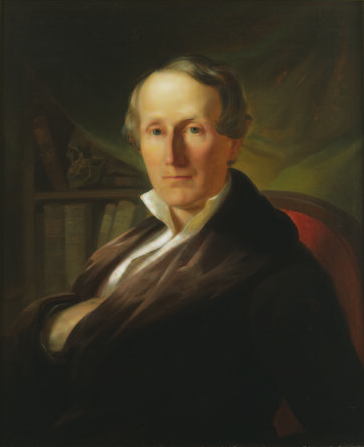
Showing posts with label Stephen. J. Gould. Show all posts

Saturday, December 12, 2015

A modern myth


Your blood group cannot reliably identify your ethnicity, your race ... or even your species (Wikicommons, Etan Tal).


What sort of ideas will guide our elites twenty years from now? You can find out by observing university students, especially those in the humanities and social sciences. One popular idea is that race doesn't exist, except as a social construct. Its proponents include Eula Biss, a contributor to the New York Times Magazine:

Whiteness is not a kinship or a culture. White people are no more closely related to one another, genetically, than we are to black people. [...] Which is why it is entirely possible to despise whiteness without disliking yourself. (Biss, 2015, h/t to Steve Sailer)

The last sentence needs little explanation. It's possible to like yourself a lot while despising your own people. Such individuals have existed since time immemorial. But what about the second sentence? One often hears it among the educated, even those who dislike genetics and biology. Where does it come from?

From a study by geneticist Richard Lewontin, in 1972. He looked at human genes with more than one variant, mostly blood groups but also serum proteins and red blood cell enzymes. His conclusion:

The results are quite remarkable. The mean proportion of the total species diversity that is contained within populations is 85.4%, with a maximum of 99.7% for the Xm gene, and a minimum of 63.6% for Duffy. Less than 15% of all human genetic diversity is accounted for by differences between human groups! Moreover, the difference between populations within a race accounts for an additional 8.3%, so that only 6.3% is accounted for by racial classification.

[...] It is clear that our perception of relatively large differences between human races and subgroups, as compared to the variation within these groups, is indeed a biased perception and that, based on randomly chosen genetic differences, human races and populations are remarkably similar to each other, with the largest part by far of human variation being accounted for by the differences between individuals. (Lewontin, 1972)

The problem here is the assumption that genetic variation within a human group is comparable to genetic variation between human groups. In fact, the two are qualitatively different. When a gene varies between two groups the cause is more likely a difference in natural selection, since the group boundary also tends to separate different natural environments (vegetation, climate, topography) or, more often, different cultural environments (diet, means of subsistence, sedentism vs. nomadism, gender roles, state monopoly of violence, etc.). Conversely, when a gene varies within a population, the cause is more likely a random factor without adaptive significance. That kind of variation is less easily flattened out by the steamroller of similar selection pressures.

This point isn't merely theoretical. In other animals, as Lewontin himself noted, we often see the same genetic overlap between races of one species. But we also see it between many species that are nonetheless anatomically and behaviorally distinct. Some two decades after Lewontin’s study, this apparent paradox became known when geneticists looked at how genes vary within and between dog breeds:

[...] genetic and biochemical methods ... have shown domestic dogs to be virtually identical in many respects to other members of the genus. [...] Greater mtDNA differences appeared within the single breeds of Doberman pinscher or poodle than between dogs and wolves. Eighteen breeds, which included dachshunds, dingoes, and Great Danes, shared a common haplotype and were no closer to wolves than poodles and bulldogs.

[...] there is less mtDNA difference between dogs, wolves, and coyotes than there is between the various ethnic groups of human beings, which are recognized as a single species. (Coppinger and Schneider, 1995)

Initially, this paradox was put down to the effects of artificial selection. Kennel clubs insist that each breed should conform to a limited set of criteria. All other criteria, particularly those not readily visible, end up being ignored. So artificial selection targets a relatively small number of genes and leaves the rest of the genome alone.

But is natural selection any different? When a group buds off from a population and moves into a new environment, its members too have to conform to a new set of selection pressures that act on a relatively small number of genes. So the new group will diverge anatomically and behaviorally from its parent population, and yet remain similar to it over most of the genome. This is either because most of the genes respond similarly to the new environment—as with those that do the same housekeeping tasks in a wide range of species—or because they respond weakly to natural selection in general. Many genes are little more than "junk DNA"—they change slowly over time, not through the effects of natural selection but through gradual accumulation of random mutations.

With the extension of population studies to nonhuman species, geneticists have often encountered this paradox: a gene will vary much less between two species than within each of them. This is notably the case with sibling species that have emerged since the last ice age, when many new and different environments came into being.

Thus, the genetic overlap between dog breeds also appears between many natural species. In the deer family, genetic variability is greater within some species than between some genera (Cronin, 1991). Some masked shrew populations are genetically closer to prairie shrews than they are to other masked shrews (Stewart et al., 1993). Only a minority of mallards cluster together on an mtDNA tree, the rest being scattered among black ducks (Avise et al., 1990). All six species of Darwin's ground finches form a genetically homogeneous genus with very little concordance between mtDNA, nuclear DNA, and morphology (Freeland and Boag, 1999). In terms of genetic distance, redpoll finches from the same species are not significantly closer to each other than they are to redpolls from different species (Seutin et al., 1995). The haplochromine cichlids of Lake Victoria are extremely difficult to identify as species when one looks at their nuclear or mitochondrial genes, despite being well differentiated anatomically and behaviorally (Klein et al., 1998). Neither mtDNA nor allozyme alleles can distinguish the various species of Lycaedis butterflies, despite clear differences in morphology (Nice and Shapiro, 1999). An extreme example is a dog tumor that has developed the ability to spread to other dogs through sexual contact. It looks and acts like an infectious microbe, yet its genes would show it to be a canid and, conceivably, some beagles may be genetically more similar to it than they are to Great Danes (Cochran, 2001; Yang, 1996).

We see this genetic overlap not only between sibling species, but even between some species that have long been separated, like humans and other primates. This is the case with ABO blood groups:

Remarkably, the A, B, and H antigens exist not only in humans but in many other primates [...], and the same two amino acids are responsible for A and B enzymatic specificity in all sequenced species. Thus, primates not only share their ABO blood group, but also the same genetic basis for the A/B polymorphism. O alleles, in contrast, result from loss-of-function alleles such as frame-shift mutations and appear to be species specific. (Segurel et al., 2012)

Just think. Lewontin used the same blood group polymorphisms for his study. While the O alleles are specific to each primate species, the A and B alleles show considerable overlap between primates that have been separated for millions of years. So it's not surprising that this polymorphism should vary much more within human races than between them, as Lewontin found. Little did he know that the same pattern can continue above the species level.

Some have argued that this genetic overlap between humans and apes is only apparent. In other words, the same antigens have evolved independently in each species. Well, no. It seems that this polymorphism has survived one speciation event after another for millions of years:

That different species share the same two A/B alleles could be the result of convergent evolution in many lineages or of an ancestral polymorphism stably maintained for millions of years and inherited across (at least a subset of) species. The two possibilities have been debated for decades, with a consensus emerging that A is ancestral and the B allele has evolved independently at least six times in primates (in human, gorilla, orangutan, gibbon/siamang, macaque, and baboon), in particular, that the human A/B polymorphism arose more recently than the split with chimpanzee. We show instead that the remarkable distribution of ABO alleles across species reflects the persistence of an old ancestral polymorphism that originated at least 20 million years (My) ago and is shared identical by descent by humans and gibbons as well as among distantly related Old World monkeys. (Segurel et al., 2012)

Are blood groups a special case? Perhaps. But there seem to be quite a few trans-species polymorphisms, at least between humans and chimpanzees:

Instances in which natural selection maintains genetic variation in a population over millions of years are thought to be extremely rare. We conducted a genome-wide scan for long-lived balancing selection by looking for combinations of SNPs shared between humans and chimpanzees. In addition to the major histocompatibility complex, we identified 125 regions in which the same haplotypes are segregating in the two species, all but two of which are noncoding. In six cases, there is evidence for an ancestral polymorphism that persisted to the present in humans and chimpanzees. (Leffler et al., 2013)

Many of these appear to be "disease polymorphisms." If an epidemic sweeps through a community, it pays to have surface antigens that differ somewhat from your neighbor’s. The result is selection that inflates within-group variability, especially for the sort of structural proteins that are easy to collect and examine for studies on population genetics.

If such polymorphisms can remain intact despite millions of years of separation, how many more persist among human populations that have been separated for only tens of thousands of years?

In sum, if we are to believe blood groups and other genetic markers, it seems that Eula Biss may have more in common with certain apes than with the white folks she despises. Let’s hope she feels gratified.

When I discuss Richard Lewontin's study with antiracists, preferably those with some background in biology, they often agree that he misunderstood his findings. They nonetheless go on to say that their position has many other justifications, particularly moral ones. Fine. But it is above all Lewontin who gave antiracism a veneer of scientific objectivity. He still impresses people who are less impressed by academics who attack racism by attacking objectivity, like Stephen Jay Gould. "I criticize the myth that science itself is an objective enterprise, done properly only when scientists can shuck the constraints of their culture and view the world as it really is" (Gould, 1996, p. 53). It was in this spirit that he impugned the integrity of long-dead scholars who could not defend themselves—or point out that Gould himself was manipulating the data to suit his preconceived views (Frost, 2013).

When one takes Lewontin and Gould out of the picture, who is left? A lot of people, to be sure. Followers for the most part—those like Eula Biss who believe because everyone else in their milieu seems to believe, at least anyone with moral authority.

References 

Avise, J.C., C.D. Ankney, and W.S. Nelson. (1990). Mitochondrial gene trees and the evolutionary relationship of mallard and black ducks, Evolution, 44, 1109-1119.
http://www.jstor.org/stable/2409570?seq=1#page_scan_tab_contents 

Biss, E. (2015). White Debt, The New York Times Magazine, December 2
http://www.nytimes.com/2015/12/06/magazine/white-debt.html?_r=1

Cochran, G. (2001). Personal communication. 

Coppinger, R. and R. Schneider (1995). Evolution of working dogs. In J. Serpell (ed.), The Domestic Dog: Its Evolution, Behaviour and Interactions with People. Cambridge: Cambridge University Press, pp. 21-47.
https://books.google.ca/books?hl=fr&lr=&id=I8HU_3ycrrEC&oi=fnd&pg=PA21&dq=evolution+of+working+dogs&ots=BccrPzh5v3&sig=Cy-uz8gKk_epZRPTP58-k-1D9wg#v=onepage&q=evolution%20of%20working%20dogs&f=false 

Cronin, M. (1991). Mitochondrial-DNA phylogeny of deer (Cervidae), Journal of Mammalogy, 72, 533-566.
http://jmammal.oxfordjournals.org/content/72/3/553.abstract 

Freeland, J.R. and P.T. Boag. (1999).The mitochondrial and nuclear genetic homogeneity of the phenotypically diverse Darwin's ground finches, Evolution, 53, 1553-1563.
https://www.researchgate.net/profile/Peter_Boag/publication/233529125_The_mitochondrial_and_nuclear_genetic_homogeneity_of_the_phenotypically_diverse_Darwins_Ground_finches/links/0deec514a004f3a887000000.pdf 

Frost, P. (2013). Not getting the point, Evo and Proud, June 22
http://evoandproud.blogspot.ca/2013/06/not-getting-point.html  

Gould, S.J. (1996). The Mismeasure of Man, New York: W.W. Norton & Co.
http://www.amazon.com/The-Mismeasure-Man-Revised-Expanded/dp/0393314251 

Klein, J., A. Sato, S. Nagl, and C. O’hUigin. (1998). Molecular trans-species polymorphism, Annual Review of Ecology and Systematics, 29, 1-21.
http://www.jstor.org/stable/221700?seq=1#page_scan_tab_contents

Leffler, E.M., Z. Gao, S. Pfeifer, L. Ségurel, A. Auton, O. Venn, R. Bowden, R. Bontrop, J.D. Wall, G. Sella, P. Donnelly, G. McVean, and M. Przeworski. (2013). Multiple instances of ancient balancing selection shared between humans and chimpanzees, Science, 339 (6127), 1578-1582.
http://www.sciencemag.org/content/339/6127/1578.short  

Lewontin, R. (1972). The apportionment of human diversity, Evolutionary Biology, 6, 381-398.
http://www.philbio.org/wp-content/uploads/2010/11/Lewontin-The-Apportionment-of-Human-Diversity.pdf  

Nice, C.C. and A.M. Shapiro. (1999). Molecular and morphological divergence in the butterfly genus Lycaeides (Lepidoptera: Lycaenidae) in North America: evidence of recent speciation, Journal of Evolutionary Biology, 12, 936-950.
http://onlinelibrary.wiley.com/doi/10.1046/j.1420-9101.1999.00111.x/full 

Sailer, S. (2015). White Debt, The Unz Review, December 5
http://www.unz.com/isteve/white-debt/  

Ségurel, L.,  E.E. Thompson, T. Flutre, J. Lovstad, A. Venkat, S.W. Margulis, J. Moyse, S. Ross, K. Gamble, G. Sella, C. Ober, and M. Przeworski. (2012). The ABO blood group is a trans-species polymorphism in primates, Proceedings of the National Academy of Sciences U.S.A., 109, 18493-18498
http://www.pnas.org/content/109/45/18493.abstract  

Seutin, G., L.M. Ratcliffe, and P.T. Boag. (1995). Mitochondrial DNA homogeneity in the phenotypically diverse redpoll finch complex (Aves: Carduelinae: Carduelis flammea-hornemanni), Evolution, 49, 962-973.
http://www.jstor.org/stable/2410418?seq=1#page_scan_tab_contents 

Stewart, D.T., A.J. Baker, and S.P. Hindocha. (1993). Genetic differentiation and population structure in Sorex Haydeni and S. Cinereus, Journal of Mammalogy, 74, 21-32.
http://jmammal.oxfordjournals.org/content/74/1/21.abstract 

Yang, T.J. (1996). Parasitic protist of metazoan origin, Evolutionary Theory, 11, 99-103.

Saturday, June 29, 2013

Still missing the point


Occurrences of ‘Blumenbach’ in published writings. After a peak in the early 19th century, Johann Friedrich Blumenbach faded into the background. He had little influence on the thinking of later anthropologists. (source) 
 

Stephen Jay Gould believed that the Western world view had been perverted by the racial theorizing of anthropologists in the 18th and 19th centuries, one of them being the American anthropologist Samuel George Morton (1799-1851). Another was his German contemporary Johann Friedrich Blumenbach (1752-1840):

In the eighteenth century a disastrous shift occurred in the way Westerners perceived races. The man responsible was Johann Friedrich Blumenbach, one of the least racist thinkers of his day.

[…] Blumenbach chose to regard his own European variety as closest to the created ideal and then searched for the subset of Europeans with greatest perfection--the highest of the high, so to speak. As we have seen, he identified the people around Mount Caucasus as the closest embodiments of the original ideal and proceeded to name the entire European race for its finest representatives.

[…] however subjective (and even risible) we view the criterion today, Blumenbach chose physical beauty as his guide to ranking. He simply affirmed that Europeans were most beautiful, with Caucasians as the most comely of all.

[…] Where would Hitler have been without racism, Jefferson without liberty? Blumenbach lived as a cloistered professor all his life, but his ideas have reverberated in ways that he never could have anticipated, through our wars, our social upheavals, our sufferings, and our hopes. (Gould, 1994)

As Gould himself noted, Blumenbach denied that human populations differ in mental capacity. In this, he was less racist than many other people of his day. But he did posit differences in sexual beauty, thus ultimately leading humanity to … Hitler.

Is this true? Yes, Blumenbach considered Europeans the most attractive of all humans, as we may see in his work De Generis Humani Varietate Nativa:

Caucasian variety. Colour white, cheeks rosy, hair brown or chestnut-coloured [...] In general, that kind of appearance which, according to our opinion of symmetry, we consider most handsome and becoming. (Blumenbach, 1795, p. 265)

Meiners refers all nations to two stocks: (1) handsome, (2) ugly; the first white, the latter dark. He includes in the handsome stock the Celts, Sarmatians, and oriental nations. The ugly stock embraces all the rest of mankind. (Blumenbach, 1795, p. 268)

Caucasian variety. I have taken the name of this variety from Mount Caucasus, both because its neighbourhood, and especially its southern slope, produces the most beautiful race of men, I mean the Georgian; and because all physiological reasons converge to this, that in that region, if anywhere, it seems we ought with the greatest probability to place the autochthones of mankind. For in the first place, that stock displays, as we have seen, the most beautiful form of the skull, from which, as from a mean and primeval type, the others diverge by most easy gradations on both sides to the two ultimate extremes (that is on the one side, the Ethiopian, on the other, the Mongolian) […] (Blumenbach, 1795, p. 269)

These passages, however, covered less than a page out of a tome that ran to 276 pages. Nor did they recount anything new in the academic or popular literature. Blumenbach simply stated what most people of his time believed, as is implied by the above quotes. One likeminded person was the French naturalist Georges Cuvier (1769-1832):

The white race, with its oval face, long hair, protruding nose, to which the civilized peoples of Europe belong, and which appears to us to be the most beautiful of all races, is also much superior to the others by strength of genius, courage and activity. (Cuvier, 1798, p. 71)

Another was the American President Thomas Jefferson (1743-1826):

And is this difference [of color] of no importance? Is it not the foundation of a greater or less share of beauty in the two races? Are not the fine mixtures of red and white, the expressions of every passion by greater or less suffusions of colour in the one, preferable to that eternal monotony, which reigns in the countenances, that immoveable veil of black which covers all the emotions of the other race? Add to these, flowing hair, a more elegant symmetry of form, their own judgment in favour of the whites, declared by their preference of them […] (Jefferson, 1785, p. 265)

Blumenbach did not create a perception that Europeans were more beautiful than other humans. That perception already existed.

Influences on later anthropologists?

But was Blumenbach instrumental in transmitting this perception to later anthropologists? Did he play a pivotal role in creating the racialized mind-set of later times? That, too, is doubtful. There is a chasm between him and his successors. Unlike the latter, he saw human diversity through the lens of the Bible, in particular the story of the Flood. Since Noah’s Ark came to rest on Mount Ararat, he reasoned that the inhabitants of that region must closely resemble the humans that God chose to repeople the Earth. From this epicenter of physical perfection, Noah’s descendants spread to other lands and gradually became less perfect in appearance.

This view is quite unlike later ones, which were framed in secular and evolutionary terms. For Blumenbach, change was degenerative, moving from the perfect to the less perfect. Later anthropologists, while accepting the possibility of degenerative change, saw a general trend towards advancement and increasing complexity.

Like others of his time, Blumenbach also believed in the inheritance of acquired characteristics. If people of any origin share the same climate, diet, and means of existence, they will converge to the same physical type—not through natural selection, but through the direct action of the environment. In this, he was poles apart from later writers, particularly those influenced by Charles Darwin and Gregor Mendel.

The chasm between him and later writers can be seen in the occurrence of the term ‘Blumenbach’ in books over the years. After a peak in the early 19th century, references to his name fell into steep decline, long before the publication of Darwin’s Descent of Man in 1871 (Hawks, 2013). That book had only four such references, all of them minor.

Finally, European writers do not assign this German naturalist a key role in the development of racial thinking. In a recent French dictionary on the history of racism, there are entries for such individuals as Bolk, Buffon, Darwin, Gobineau, Haeckel, Nietzsche, and Linnaeus, but none at all for Blumenbach (Taguieff, 2013).

Famous but no real legacy

Blumenbach, though widely respected in his time, made few intellectual contributions that would be both lasting and original, other than his coining of the term ‘Caucasian’ for white folks. What about the notion that the Caucasus is the epicenter of human beauty? It was already in circulation, as seen in this passage by the French traveler Jean Chardin (1643-1713):

[…] the Persian blood is now highly refined by frequent intermixtures with the Georgians and the Circassians, two nations which surpass all the world in personal beauty. There is hardly a man of rank in Persia who is not born of a Georgian or Circassian mother; and even the king himself is commonly sprung, on the female side, from one or other of these countries. As it is long since this mixture commenced, the Persian women have become very handsome and beautiful, though they do not rival the ladies of Georgia (Lawrence, 1848, p. 310)

The Caucasus was the last area where one could freely buy fair-skinned women for marriage or concubinage, typically for clients in the Middle East, North Africa, and South Asia. Previously, the zone of recruitment had been larger, extending into what is now Ukraine and southern Russia. Further back in time, it had covered almost all of Europe. But this earlier page of European history was largely forgotten by Blumenbach’s time.

Blumenbach really had only one original idea. He saw a causal link between the biblical account of the Flood and the beauty of European women, particularly those from the Caucasus. But that single flash of insight would leave no lasting impression on future generations.

More shenanigans …

None of this was pointed out in 1994, when Stephen Jay Gould published his essay on Blumenbach. Or perhaps it was. If a man shouts in a forest and no one listens, did he ever really say anything?

Two years later, Gould incorporated this essay into a new edition of The Mismeasure of Man. Once again, he couldn’t resist the urge to “fudge”:

In 1996, when Gould updated The Mismeasure of Man, he added an article about Blumenbach. It included a drawing of skulls which Gould claimed to be an illustration from one of Blumenbach’s books. In this graphic, a Caucasian skull is situated higher than those of other races. When a paper by University of Tubingen historian Thomas Junker demonstrated that the original drawing placed all the skulls at the same level, Gould blamed the mistake on his editor saying, “I don’t think that I even knew about the figure when I wrote the article, for I worked from a photocopy of Blumenbach’s text alone.” Gould dismissed this error as “inconsequential” and faulted Junker for misstating “the central thesis of my article—a misinterpretation that cannot, I think, be attributed to any lack of clarity on my part.” (Michael, 2013)

One might wonder why Gould missed this error when he got the galley proofs for the new edition. Furthermore, since his errors point in the same direction, one might wonder whether there had been a systematic tendency to distort the facts, either consciously or unconsciously. Wasn’t this the same argument he had made when condemning Samuel George Morton?

References

Blumenbach, J.F. (1795). De Generis Humani Varietate Nativa, trans. On the Natural Variety of Mankind, 1865, London.

Cuvier, G. (1798). Tableau elementaire de l'histoire naturelle des animaux, Paris.

Gould, S.J. (1994). The Geometer of Race, Discover Magazine, (November 1994), online edition http://discovermagazine.com/1994/nov/thegeometerofrac441#.UOGEqXcdOZQ

Jefferson, T. (1785). Notes on the State of Virginia,
http://etext.virginia.edu/etcbin/toccer-new2?id=JefVirg.sgm&images=images/modeng&data=/texts/english/modeng/parsed&tag=public&part=14&division=div1

Hawks, J. (2013). Blumenbach, Haeckel, Dobzhansky, January 2, John Hawks Weblog,
http://johnhawks.net/weblog/topics/history/biology/blumenbach-haeckel-dobzhansky-2013.html

Lawrence, W. (1848). Lectures on Comparative Anatomy, Physiology, Zoology, and the Natural History of Man, London: Henry G. Bohn.

Michael, J.S. (2013). Stephen Jay Gould and Samuel George Morton: A Personal Commentary, Part 4, June. 14, Michael1988.com
http://michael1988.com/?p=203

Taguieff, P.-A. (ed.) (2013). Dictionnaire historique et critique du racisme, Paris: Presses Universitaires de France.

Saturday, June 22, 2013

Not getting the point


Samuel George Morton, an early American anthropologist. He fudged his data to suit his preconceived ideas on race, according to Stephen Jay Gould. It later turned out that Gould was the fudger.


Stephen Jay Gould (1941-2002) is still seen as a great evolutionary biologist, if not one of the greatest. Yet the years since his death have steadily tarnished his memory. This is especially so for his best known book, The Mismeasure of Man, which focused on an early American anthropologist, Samuel George Morton (1799-1851). In this book and in an earlier Science article, Gould showed how Morton had fudged his measurements of a collection of skulls to make Europeans seem bigger-brained than Africans.

Gould didn’t re-measure any of the skulls. He reanalyzed Morton’s data … and in the process did far more fudging than Morton had ever done. When a team of physical anthropologists, headed by Jason E. Lewis, located and re-measured half of the skulls, they found only a few randomly distributed errors in the original measurements. Morton had in fact tended to overestimate African skull size (Lewis et al., 2011).

Interestingly, the same conclusion had been reached almost a quarter-century earlier by John S. Michael, a senior at Macalester College in Minnesota. This discovery has been recounted on John’s blog:

I re-measured the Morton skulls in 1986 as part of my undergraduate thesis, which was limited in scope and conducted without the rigor of graduate research. Nonetheless, I determined that my measurements more or less matched Morton’s, and so I described his overall results to be “reasonably accurate.” (Michael, 2013a)

Troubled by his finding, he got in touch with Gould:

In 1986, I mailed my results to Gould, who requested we meet after he gave a lecture in May at the University of Minnesota. Our meeting lasted perhaps five minutes. He told me that I “missed the point,” and abruptly ended the conversation, ignoring me and instead speaking to the man next to him. My recollection is that he did not say goodbye, so I simply walked away. […] After I published my paper in 1988, I sent Gould a copy but got no response. When I wrote him again, he replied that he had lost it and requested another copy, which I sent. I never heard back from him.

Sometime later, Gould gave a lecture at the University of Pennsylvania, after which he was asked a question about my paper. His response was simply that he would not discuss it, and he did not. Gould never mentioned my paper in any of his prolific writings. In 2011, Lewis wrote that, “were Gould still alive, we expect he would have mounted a defense of his analysis of Morton.” Soon after that, Prothero noted, “I’m sure if Steve were alive, he would be able to counter these accusations in his own inimitable way.” And yet these two statements conflict with the fact that Gould actually had two opportunities to counter such accusations, and instead chose to silently disengage. (Michael, 2013b)

Although John Michael’s paper appeared in Current Anthropology, a leading journal in its field, the response was largely silence (Michael, 1988). As recently as five years ago, a science historian had only this to say:

Gould’s interpretation of Samuel George Morton’s cranial data have been questioned by John S. Michael, who, as an undergraduate student at Macalester College, re-measured the skulls as part of an honors project (Michael, 1988). It is not entirely evident that one should prefer the measurements of an undergraduate to those of a professional paleontologist whose own specialist work included some very meticulous measurements of fossil snails. (Kitcher, 2004)

Some people were more supportive, but they were the wrong kind:

Because my findings refuted the writings of Gould, a left-leaning anti-racist Jew, I was celebrated in hate-filled white supremacist web pages, such as davidduke.com and stormfront.org. My work was grossly misquoted in a series of papers by J. Philippe Rushton, a proponent of eugenics from University of Western Ontario. In 2002, he served as the president of the Pioneer Fund, which the Southern Law Poverty Center designated as a “White Nationalist” group because it continues to fund the study of “breeding superior human beings that was discredited by various Nazi atrocities.” I have written this paper in part to document my strong displeasure that my work was used to promote eugenics or racist ideology, which I in no way support. (Michael, 2013a)

Yes, supporters can be as problematic as detractors. But a scientific finding is not invalidated because its supporters are the wrong kind of people. It stands or falls on its own merits. Also, the Southern Law Poverty Center is hardly an impartial source.

John Michael was ultimately vindicated when the Lewis et al. paper came out two years ago. Yet, even then, he never got the credit he deserved, as may be seen in a Nature editorial that raised the possibility of an improper relationship between Lewis’ research team and the University of Pennsylvania:

Of course, Lewis and his colleagues have their own motivations. Several in the group have an association with the University of Pennsylvania, and have an interest in seeing the valuable but understudied skull collection freed from the stigma of bias (Anon, 2011)

No evidence is provided for this curious accusation. In any case, Gould’s fudging had originally been revealed by someone from another university and from another state.  But who remembers?

Conclusion

John Michael found himself in an unequal battle. As a graduate student he was challenging not only an Ivy League professor but also a leading antiracist crusader. It didn’t really matter whether Gould was telling the truth or not. There was something bigger at stake—the war on racism. And that war had to be won.

John indeed “missed the point.” By insisting too much on truth, he was being at best naïve and at worst a willing accomplice of racism—by far a greater evil than falsehood. This was how many well-meaning people saw things in the late 20th century.

References

Anon. (2011). Mismeasure for mismeasure, Nature, 474, 419.
http://www.nature.com/nature/journal/v474/n7352/full/474419a.html

Gould S.J. (1981). The Mismeasure of Man. New York: W. W. Norton and Company.

Gould, S.J. (1978). Morton’s ranking of races by cranial capacity: unconscious manipulation of data may be a scientific norm, Science, 200, 503–509.

Kitcher, P. (2004). Evolutionary Theory and the Social Uses of Biology, Biology and Philosophy, 19, 13-14.

Lewis, J.E., D. DeGusta, M.R. Meyer, J.M. Monge, A.E. Mann, and R.L. Holloway. (2011). The Mismeasure of Science: Stephen Jay Gould versus Samuel George Morton on Skulls and Bias, PLoS Biology, 9(6) e1001071

Michael, J.S. (2013a). Stephen Jay Gould and Samuel George Morton: A Personal Commentary, June 7, Michael1988.com
http://michael1988.com/?p=114

Michael, J.S. (2013b). Stephen Jay Gould and Samuel George Morton: A Personal Commentary, Part 4, June. 14, Michael1988.com
http://michael1988.com/?p=203

Michael, J.S. (1988). A new look at Morton’s craniological research, Current Anthropology, 29, 349–354.

Saturday, August 4, 2012

Too darn hot?


Does higher IQ correlate with colder temperatures? Not among people belonging to the same cultural system, such as the Chinese. (source)

Big brains are costly, not only because of their high energy consumption but also because many genes have to interact to create neural tissue. The bigger and more complex the brain, the more it is vulnerable to accidents at the gene level, like random mutations.

Mutations happen more often at warmer temperatures. In Drosophila, an increase of 10ºC will double or triple the mutation rate. Tight underwear has probably done more to harm the human genome than fallout from nuclear testing (Sutton, 1975, p. 318).

Drawing on these two points, Greg Cochran is now suggesting that large human brains are a precarious outcome of evolution (here and here). However strong the natural selection may be for a bigger brain, the mutation rate is pushing back in the opposite direction. Beyond a certain size, big brains are possible only where the mutation rate is relatively low—in cooler regions at higher latitudes.

This is a seductive way of explaining why brain size correlates with latitude. And, yes, such a correlation does exist. So thought most 19th-century physical anthropologists, notably Samuel George Morton, but Stephen J. Gould (1978) concluded otherwise after a reanalysis of Morton’s data that became the centerpiece of his book The Mismeasure of Man. A team of physical anthropologists has since located and remeasured Morton’s skulls. Their conclusion? The original measurements had few errors, and the errors were distributed randomly. There was, in fact, a non-significant tendency by Morton to overestimate African skull size (Lewis et al., 2011).

Brain size and latitude also seem to correlate among ancestral hominids from A. Afarensis to H. sapiens (Henneberg & Miguel, 2004). The correlation remains even if time period is controlled. It thus cannot be due to the overall rise in cranial capacity over time and the parallel expansion of ancestral hominids into higher latitudes.

Is this correlation adequately explained by the ‘Too Darn Hot’ theory? The main supporting evidence is the finding that ‘loss of function’ mutations are much more common in sub-Saharan Africans than in other humans (MacArthur & Tyler-Smith, 2010; Tennessen et al., 2012). Natural selection seems to have more trouble weeding them out in the tropics than elsewhere.

But do these mutations need to be weeded out? Are they in fact deleterious? Some authors think so. Most don’t, including the ones of a study that Greg cites:

[…] the implicit assumption that LOF variants (and indeed other changes predicted to be damaging to the protein) are necessarily deleterious to human health is a dangerous one, especially when such an assumption is used to infer disease causality for a novel variant. In fact, the studies reviewed above demonstrate that healthy humans carry many dozens of LOF variants, most of which have little or no effect on health (at least in the heterozygous state). (MacArthur & Tyler-Smith, 2010)

In general, these mutations seem to involve genes of very low selective value, so they could very well hang around indefinitely if natural selection against them is weak enough and if the population is large enough.

Here we come to the usual explanation for Africa’s large number of ‘loss of function’ mutations. There are so many of them because Africans have largely stayed put in the same place with the same population base. In contrast, non-Africans are descended from small founder groups that took only a small portion of this junk variability on their way out of Africa:

The gene-diversity results presented here are consistent with one another and with those of many previous studies in showing higher levels of diversity in African populations than in non-African populations […] A higher level of African diversity supports the hypothesis that modern humans first arose in Africa and then colonized other parts of the world (Stoneking 1993), but genetic diversity is related not just to a population’s “age” but also to demographic events in a population’s history, such as bottlenecks and effective population size. (Jorde et al., 2000)


Alternate theories


Do we have other theories for latitudinal variation in brain size? To date, there seem to be three:

Need to reduce heat loss at higher latitudes


According to Beals, Smith & Dodd (1984), heads have grown larger at higher latitudes as a way to reduce heat loss. An object will lose less heat if it has a high ratio of volume to surface area. Natural selection has thus favored more globular heads at higher latitudes. The increase in brain size is thus incidental.

This explanation was challenged in the comments section of the above paper. Iwatoro Morimoto pointed out that "in recent centuries, brachycranic skulls show a considerable increase in frequency in Eurasian populations, including the Japanese." Since mean temperatures have changed little in recent centuries, there must have been another factor at work.

Another commenter, Erik Trinkaus, similarly pointed out that Neanderthal cranial capacity was no bigger during glacial periods than during interglacials. The same was true for early modern humans. For populations already established at northern latitudes, cranial capacity shows no evidence of rising and falling with mean temperature.

Finally, if the increase in brain size was driven by the need for a more globular head, that goal can be met by filling the extra head space with non-neural tissue, like bone or cartilage. Neural tissue has a high maintenance cost. Why maintain something at great expense if you don’t really need it?

Increase in visual cortex at higher latitudes


Pearce and Dunbar (2011) argue that bigger brains are an adaptation to lower levels of ambient light. Specifically, dimmer light requires larger eyes, which in turn require larger visual cortices in the brain. Using 73 adult crania from populations located at different latitudes, the two authors found that both eyeball size and brain size correlate positively with latitude. The correlation was stronger with eyeball size, an indication that this factor was driving the increase in brain size.

How credible is this explanation? First, visual cortex size was not directly measured. The authors inferred that this brain area was responsible for the increase in total cranial capacity. Of course they couldn’t have done otherwise. They were measuring skulls, not intact brains.

To date, the best map of human variation in brain size is by Beals et al. (1984). If dimness of light is the main determinant, brain size should be highest in northwestern Europe, northern British Columbia, the Alaskan panhandle, and western Greenland. These regions combine high latitudes with generally overcast skies. Yet they are not the regions where humans have the biggest brains. Instead, brains are biggest among humans from the northern fringe of Arctic Asia and from northeastern Arctic Canada. These regions are, if anything, less overcast than average. They often have high levels of ambient light because of reflection from snow and ice.

Increase in cognitive demands at higher latitudes


Finally, brain size may have increased at higher latitudes because of an increase in cognitive tasks, specifically foresight. As ancestral humans spread out of the tropics and into latitudes with a predictable summer/winter cycle, it became much more advantageous to simulate the future consequences of present actions.

This point is discussed by Hoffecker (2002, p. 135). Among early modern humans, tools and weapons were more complex at arctic latitudes than at tropical latitudes. “Technological complexity in colder environments seems to reflect the need for greater foraging efficiency in settings where many resources are available only for limited periods of time.” Arctic humans planned ahead to cope with resource fluctuations and high mobility requirements, such as by developing untended devices (e.g., traps and snares) and means of food storage.

Colder environments imposed even higher cognitive demands when hunting and gathering gave way to agriculture. Food had to be grown not only for present needs but also for the next cold season. As late as the 18th century, farm families often faced starvation in early spring—when their winter provisions had run out and their spring crop had not yet come in.

The yearly cycle and the need to plan ahead thus preadapted early non-tropical humans for later cultural developments, such as invention of writing and bookkeeping, complexification of social relations, creation of towns and cities, systems of military defense, roads and highways, etc. At that point, cognitive demands were no longer driven by the yearly cycle, at least not primarily. They were now being driven by an increasingly complex cultural environment—what we call ‘civilization.’

Conclusion


How does the ‘Too Darn Hot’ theory stack up against these alternate theories? The main contender seems to be the last one, i.e., the increase in cognitive demands at higher latitudes. According to that theory, the yearly cycle has given way to gene-culture co-evolution as the main driving force behind increases in intellectual capacity.

Thus, if people live within the same cultural system and are exposed to similar cognitive demands, they should on average have the same intellectual capacity … regardless of the mean temperature of their particular locality.

Conversely, the ‘Too Darn Hot’ theory would predict the existence of a north-south cline in IQ even among people of a similar cultural background, since people at more tropical latitudes should have a higher incidence of deleterious mutations.

China, for example, covers a wide range of latitudes from the sub-Arctic to the tropics. Although the Chinese have occupied this latitudinal range for some 2,500 years, i.e., about 100 generations, their mean IQ doesn’t seem to vary along a north-south cline (see above map).

Perhaps 100 generations isn’t long enough. But what about the Amerindians? They’ve inhabited a full range of latitudes from the Arctic to the equator for some 12 to 15 thousand years. That’s 480 to 600 generations. Is there a difference in mean IQ between the Naskapi of northern Labrador and the Yanomamo of Amazonia? I’d be surprised.

References


Anon. (2011). IQ geography in China, November 19, The Slitty Eye,
http://theslittyeye.wordpress.com/2011/11/19/iq-geography-in-china/

Beals, K.L., C.L. Smith, and S.M. Dodd (1984). Brain size, cranial morphology, climate, and time machines, Current Anthropology, 25, 301–330.

Cochran, G. (2012). Changes in attitudes, West Hunter, July 18
http://westhunt.wordpress.com/2012/07/18/changes-in-attitudes/

Cochran, G. (2012). Too darn hot? West Hunter, July 14
http://westhunt.wordpress.com/2012/07/14/too-darn-hot/

Gould S.J. (1981). The Mismeasure of Man. New York: W. W. Norton and Company.

Gould , S.J. (1978). Morton’s ranking of races by cranial capacity: unconscious manipulation of data may be a scientific norm, Science, 200, 503–509.

Henneberg, M. and C. de Miguel. (2004). Hominins are a single lineage: brain and body size variability does not reflect postulated taxonomic diversity of hominins, Journal of Comparative Human Biology, 55, 21–37

Hoffecker, J.F. (2002). Desolate Landscapes. Ice-Age Settlement in Eastern Europe. New Brunswick: Rutgers University Press.

Jorde, L.B., W.S. Watkins, M.J. Bamshad, M.E. Dixon, C.E. Ricker, M.T. Seielstad, & M.A. Batzer. (2000). The distribution of human genetic diversity: a comparison of mitochondrial, autosomal, and Y-chromosome data, American Journal of Human Genetics, 66, 979–988.

Lewis, J.E., D. DeGusta, M.R. Meyer, J.M. Monge, A.E. Mann, R.L. Holloway. (2011). The Mismeasure of Science: Stephen Jay Gould versus Samuel George Morton on Skulls and Bias, PLoS Biology, 9(6) e1001071

MacArthur, D.G., & C. Tyler-Smith. (2010). Loss-of-function variants in the genomes of healthy humans, Human Molecular Genetics, 19, R125-R130.

Pearce, E. and R. Dunbar. (2011). Latitudinal variation in light levels drives human visual system size, Biology Letters, doi: 10.1098/rsbl.2011.0570

Sutton, H.E. (1975). An Introduction to Human Genetics, New York: Holt, Rinehart and Winston.

Tennessen, J.A., A.W. Bigham, T.D. O’Connor, W. Fu, E.E Kenny, et al. (2012). Evolution and functional impact of rare coding variation from deep sequencing of human exomes, Science, 337, 64-69.