Showing posts with label haplogroup U. Show all posts

Tuesday, March 24, 2020

The myth of selective neutrality


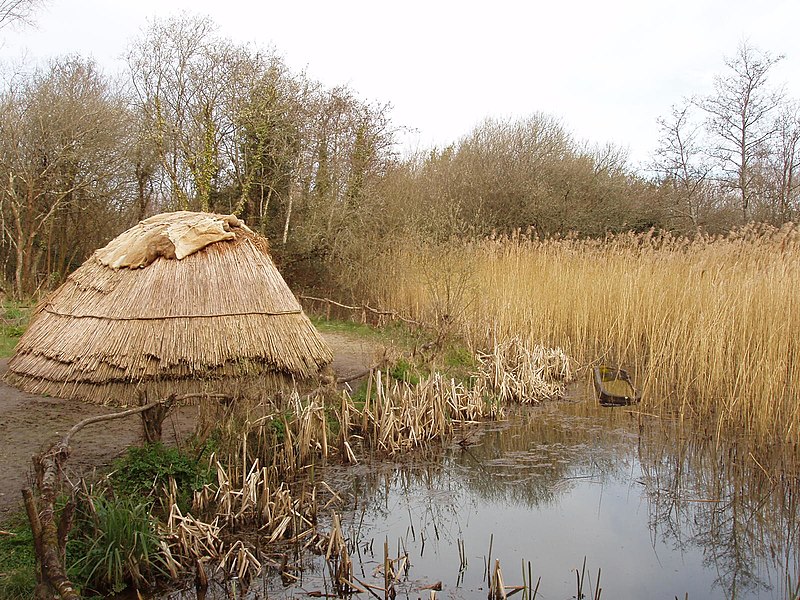
Paleolithic tent (Wikicommons - Michal Mañas). Did Europeans lose haplogroup U because they were replaced by farmers from the south? Or because they needed less energy for body heat?


Blood group systems have long been used to reconstruct prehistory. A good example is the Diego antigen. One of its alleles, DI*A, has helped us chart the prehistory of indigenous peoples in the Americas. Among other things, we have learned that most of them originated in Siberia some 12,000 years ago. This is not the case with the Eskimo-Aleut and Na-Dene peoples, who seem to have entered North America later. 

It’s assumed here that the Diego antigen has mutated at a steady rate and that the mutations have displaced earlier ones at a steady rate. So this antigen can act as a clock. If two populations have separated from each other, we can estimate their time of separation by measuring the mean genetic difference between them at the Diego antigen.

The "clock" assumption has its limitations. Diego mutations are neither kept nor lost at a constant rate. Both processes can be slowed down or speeded up by natural selection: 

Our study also revealed a significant correlation between DI*A allele frequency and warm tropical conditions, domesticated crop type, and presence of disease-carrying vector species. The circumscribed areas defined by these factors compose a mosaic of specific biocenoses and pathocenoses. It is thus reasonable to consider natural selection in the distribution of human genetic polymorphisms. (Bégat et al. 2015)

It's widely believed that all blood groups have the same survival value, so differences between them should be "selectively neutral." That belief is mistaken. In fact, nothing in the genome is truly of neutral value, not even noncoding genes that supposedly do nothing. Even if a gene doesn't code for anything, it still affects the spatial configuration of genes on the chromosome, thus altering how one gene may regulate another. 

According to a recent study, 80% of our genome has some kind of function, even noncoding genes (The ENCODE Project Consortium 2012). Indeed, such genes may have disproportionately contributed to human evolution. Comparison of our genome with other primate genomes has shown that almost all human-specific deletions are in noncoding regions (Bae et al. 2015). Furthermore, DNA is mostly noncoding in human accelerated regions (HARs)—genomic regions that have been well conserved throughout vertebrate evolution but are strikingly different in humans, perhaps in ways that alter how coding genes regulate each other (Bae et al. 2015). This would be consistent with the belief that our ancestors evolved largely through new ways of regulating existing systems, particularly the pace and timing of development (King and Wilson 1975).


Loss of haplogroup U: population replacement or change in natural selection?

Let's now look at haplogroup U. This, too, is assumed to be "selectively neutral" and is used to reconstruct prehistory, specifically the replacement of hunter-gatherers by farmers in Europe. Haplogroup U is a group of mitochondrial genes that was widespread among Mesolithic hunter-gatherers throughout Europe and is now common only among the Sami of Finland and the Mansi of northwestern Siberia, both of whom were hunter-gatherers until recently (Derbeneva et al. 2002). Indeed, according to ancient mtDNA from central and western Europe, the population frequency of haplogroup U shows a sharp break at the time boundary between late hunter-gatherers and early farmers (Bramanti et al. 2009). That break strongly suggests that European hunter-gatherers were largely replaced by farmers spreading into Europe from the Middle East.

Yet things are not always as they seem. In Denmark, haplogroup U persisted at high frequencies long after the transition to farming, in fact as late as the Early Iron Age (Melchior et al. 2010). In Latvia and Ukraine it persisted into Neolithic times (Jones et al. 2017).

Perhaps haplogroup U disappeared because it ceased to be adaptive and was removed by natural selection. This haplogroup shifts the energy balance away from ATP synthesis and toward production of body heat—a useful cold adaptation for hunter-gatherers, who had to sleep in makeshift shelters and pursue game animals in all kinds of weather (Balloux et al. 2009; Montiel-Sosa et al. 2006). Farmers slept in a warmer environment and could more easily plan their outdoor activities.

This being said, the loss of haplogroup U was not the only genetic change across the Mesolithic-Neolithic divide. Were those other changes due to natives being replaced by farmers from the Middle East? Or was natural selection again responsible? Researchers have tried to exclude the second cause by examining how noncoding genes changed across the divide, on the assumption that such genes are generally non-functional and make no difference to one’s chances of survival and reproduction. As we've seen, that assumption is unfounded.

Clearly, some of this genetic change was due to natural selection. I mentioned the shift in energy balance, but there were others. Farmers had less need for odor recognition, monotony avoidance, and sensation seeking (Majid and Kruspe 2018; Zuckerman 2008). They also had to process reciprocal obligations with a larger number of people while interacting less, on average, with each person. All in all, farming did not impose the same demands on mind and body. Going from one way of life to the other required many physiological adjustments.

To explain the genetic divide between hunter-gatherers and farmers, we should also allow for founder effects. When bands of hunter-gatherers are given the opportunity, only a few will choose to become farmers. Because this minority is a small sample of the hunter-gatherer gene pool, the new farming population will differ genetically from the previous one in many random ways.


Conclusion

When reconstructing the past, particularly the transition from hunting and gathering to farming, we shouldn't interpret genetic change solely in terms of one population replacing another. Some of the change may also be due to a new regime of natural selection, as well as founder effects.

I once made this point to Greg Cochran, and his reply was that changes in natural selection couldn't possibly account for all of the genetic change we see in ancient DNA between late hunter-gatherers and early farmers. True, but that's not my point. Some population replacement did happen, but its magnitude is exaggerated by a methodology that attributes all genetic change to that one factor alone. 


Interview with Grégoire Canlorbe

I was recently interviewed by Grégoire Canlorbe, a young French author and scholar. The interview covers a variety of topics and can be read in its entirety (in two parts) at American Renaissance:

https://www.amren.com/features/2020/03/how-did-whites-get-their-appearance/ 
https://www.amren.com/features/2020/03/why-are-human-groups-so-different/

Une traduction française est disponible sur le site Evopsy de Philippe Gouillou :

http://www.evopsy.com/concepts/coevolution-frost.html
http://www.evopsy.com/concepts/hbd-frost.html


References

Bae, B-I., D. Jayaraman, and C.A. Walsh. (2015). Genetic changes shaping the human brain. Developmental Cell 32: 423-434. 
https://www.sciencedirect.com/science/article/pii/S1534580715000787

Balloux F., L.J. Handley, T. Jombart, H. Liu, and A. Manica. (2009). Climate shaped the worldwide distribution of human mitochondrial DNA sequence variation. Proceedings of the Royal Society B. Biological Sciences 276: 3447-3455. 
https://www.ncbi.nlm.nih.gov/pmc/articles/PMC2817182/

Bégat, C., Bailly, P., Chiaroni, J., & Mazières, S. (2015). Revisiting the Diego Blood Group System in Amerindians: Evidence for Gene-Culture Comigration. PloS one 10(7), e0132211.
https://www.ncbi.nlm.nih.gov/pmc/articles/PMC4493026/

Bramanti, B., M.G. Thomas, W. Haak, M. Unterlaender, P. Jores, K. Tambets, I. Antanaitis-Jacobs, M.N. Haidle, R. Jankauskas, C.J. Kind, et al. (2009). Genetic discontinuity between local hunter-gatherers and Central Europe's first farmers. Science 326: 137-140.
http://roceeh.mediatis.de/fileadmin/download/Publications/Bramanti_Sci09_Meso_Neo.pdf

Derbeneva, O.A., E.B. Starikovskaya, D.C. Wallace, and R.I. Sukernik, (2002). Traces of early Eurasians in the Mansi of Northwest Siberia revealed by mitochondrial DNA analysis. American Journal of Human Genetics 70: 1009-1014. 
https://www.sciencedirect.com/science/article/pii/S0002929707603085

Jones, E.R., G. Zarina, V. Moiseyev, E. Lightfoot, P.R. Nigst, A. Manica, et al. (2017). The Neolithic transition in the Baltic was not driven by admixture with early European farmers. Current Biology 27(4): 576-582.
https://www.sciencedirect.com/science/article/pii/S0960982216315421

King, M-C, and A.C. Wilson. (1975). Evolution at two levels in humans and chimpanzees. Science 188: 107-116.
http://hydrodictyon.eeb.uconn.edu/people/schwenk/KingWilsonHumansChimps75.pdf

Majid, A., and N. Kruspe. (2018). Hunter-gatherer olfaction is special. Current Biology 28: R108-R110. 
https://www.sciencedirect.com/science/article/pii/S0960982217316160

Melchior, L., N. Lynnerup, H.R. Siegismund, T. Kivisild, and J. Dissing. (2010). Genetic diversity among ancient Nordic populations. PLoS One 5(7): e11898
https://www.ncbi.nlm.nih.gov/pmc/articles/PMC2912848/

Montiel-Sosa, F., E. Ruiz-Pesini, J.A. Enriquez, A. Marcuello, C. Diez-Sanchez, J. Montoya, D.J. Wallace, and M.J. López-Pérez, (2006). Differences of sperm motility in mitochondrial DNA haplogroup U sublineages. Gene 368: 21-27.
http://cnc.cj.uc.pt/BEB/private/pdfs/2007-2008/RepBiology/ExtraBibliog/MontielSosa2006.pdf

The ENCODE Project Consortium. (2012). An integrated encyclopedia of DNA elements in the human genome. Nature 489: 57-74 
https://www.nature.com/articles/nature11247

Zuckerman, M. (2008). Genetics of Sensation Seeking. In J. Benjamin, R.P. Ebstein, and R.H. Belmaker (Eds) Molecular Genetics and the Human Personality, (pp. 193-210). Washington D.C.: American Psychiatric Publishing Inc.
https://books.google.ca/books?id=mfANqS-SnwgC&printsec=frontcover&hl=fr&source=gbs_ge_summary_r&cad=0#v=onepage&q&f=false


Monday, April 16, 2018

Replies


Reconstruction of a Mesolithic camp (Wikicommons, David Hawgood). Hunter-gatherers often slept in temporary shelters and were generally more exposed to the cold.


My last post generated many intelligent comments on Twitter. Here are my replies to each of them:


Alissa Mittnik - Department of Archaeogenetics, Max Planck Institute for the Science of Human History

That's why most of the aDNA studies you cite do not rely on those but use several 100Ks of polymorphic loci on the autosomes that are not functionally relevant, but whose variable frequencies across populations reflect their different histories of isolation and admixture.

Haplogroup U was once considered to be functionally irrelevant. Even if a gene seems to be noncoding "junk," it can still regulate what other genes do. The Drosophila genome has shown the functional value of noncoding genes:

There is now a wealth of evidence that some of the most important regions of the genome are found outside those that encode proteins, and noncoding regions of the genome have been shown to be subject to substantial levels of selective constraint, particularly in Drosophila. Recent work has suggested that these regions may also have been subject to the action of positive selection, with large fractions of noncoding divergence having been driven to fixation by adaptive evolution. [...] Here, we examine patterns of evolution at several classes of noncoding DNA in D. simulans and find that all noncoding DNA is subject to the action of negative selection, indicated by reduced levels of polymorphism and divergence and a skew in the frequency spectrum toward rare variants. (Haddrill et al. 2008)

According to a recent study, most of the human genome has some kind of function, even the noncoding regions. "These data enabled us to assign biochemical functions for 80% of the genome, in particular outside of the well-studied protein-coding regions" (The ENCODE Project Consortium 2012).

It is a myth to believe that noncoding DNA is mostly “junk.” In fact, human evolutionary change has largely occurred in that kind of DNA, apparently as a means to alter the development of complex structures like the brain:

[...] a systematic search for human-specific deletions compared with other primate genomes identified 510 such deletions in humans that fall almost exclusively in noncoding regions.

[…] Another evolutionary approach has been to focus on genomic loci that are well conserved throughout vertebrate evolution but are strikingly different in humans; these regions have been named "human accelerated regions (HARs)" [...]. So far, ~2,700 HARs have been identified, again most of them in noncoding regions: at least ~250 of these HARs seem to function as developmental enhancers in the brain. (Bae et al. 2015)

The same authors note that it is easier to determine the function of coding DNA; hence, the widespread perception that noncoding DNA serves no purpose:

It is relatively easy to detect and understand the functional consequences of changes in protein-coding sequences, compared to noncoding mutations. Mutations in a coding sequence often cause more severe phenotypes than mutations in a regulatory element associated with the same coding sequence. (Bae et al. 2015)


Alissa Mittnik

Turning around the hg U argument, one could make the case that the environmental conditions that farmers of Anatolian ancestry faced in northern Europe led to selective pressures which increased "hunter-gathererlike" functional variants (maybe introgressed) in their population. Which might lead us to underestimate the proportion of Anatolian farmer admixture.

By "environmental conditions" you seem to be referring only to the natural environment. There is also the cultural environment.

Recent human evolution has been primarily in response to the cultural environment. This may be seen in the hundred-fold acceleration of genetic change 10,000 years ago, when our ancestors began to shift from hunting and gathering to farming (Cochran and Harpending 2010; Hawks et al. 2007). By that time, humans had already spread from the tropics to the arctic. They were now adapting to new cultural environments of their own making, and not simply to existing natural environments.

Adaptation to farming was physiological, behavioral, and mental. I mentioned energy balance. Less energy was needed for body heat because sleeping environments were warmer, as were daytime environments in general. A farmer could choose the best time of day to go out into the fields. A hunter had much less choice. He could give up chasing his prey, and go home empty-handed, or he could continue chasing it hither and thither until he finally got it.

There were also mental adaptations, with some capacities being reduced. A hunter had to memorize huge quantities of spatiotemporal data for several purposes: tracking prey over time and space; predicting where they might go; charting the best path to get there; and remembering how to go home. Getting lost could be fatal, since a hunter could not always live off the land, especially in winter. This is why meat was stored in caches, whose locations likewise had to be remembered. All of that memory storage became obsolete when early Europeans became farmers. As the need for spatiotemporal memory decreased between the Mesolithic and the Neolithic, there was a corresponding reduction in cranial size (Henneberg 1988).

The Mesolithic-Neolithic transition led to reduction in other mental demands. There was less need to recognize odors (Majid and Kruspe 2018) and less need for monotony avoidance and sensation seeking (Zuckerman 2008). Meanwhile, there was a greater need to process reciprocal obligations with a larger number of people while interacting less, on average, with each person.

In sum, it is no trivial matter to go from hunting and gathering to farming. These are two very different ways of life with different demands on the mind and body. Much readjustment is needed to make the transition from one to the other.

All right. For the sake of argument, let’s assume that genetic change has been primarily in response to the natural environment. As Anatolian farmers advanced farther into northern Europe, they adapted to a colder climate by allocating more energy to body heat. To this end, they acquired functional variants like haplogroup U, perhaps through introgression. Natural selection then raised their incidence of haplogroup U to higher and higher levels.

But … that's … not … what … happened. Haplogroup U went into decline after farming came and is now rare in northern Europeans. So this is not even a "just so" story. This is an "ain't so" story. In reality, farmers could control their living conditions by building warmer homes, by spending more time indoors, and by planning when they went outdoors. Hunter-gatherers had less control, often having to stay out in the worst weather.


Alissa Mittnik

You also say WHG is a genetic dead end, which is definitely not true, WHG is one of the distinct ancestral source populations for modern Europeans. In fact, East Baltic HGs are genetically WHGs.

Brace et al. (2018) argue that early British farmers had about a 10% residue from native hunter-gatherers. Of course, those farmers also had admixture from WHGs on the continent. So the total residue is higher, all the more so without the genetic change that is wrongly attributed to admixture. So I stand corrected: WHGs did make a contribution to the present-day gene pool.

My basic point is that farmers replaced hunter-gatherers much more in western Europe than in northern Europe. In western Europe, hunter-gatherers had very low population densities, being small bands of nomads. In northern Europe, especially around the North Sea and the Baltic, they were able to achieve much higher population densities by exploiting marine resources. Consequently, those hunter-fisher-gatherers suffered less population replacement because they were too numerous to replace.

I disagree with your second point. East Baltic HGs seem to be closest to Scandinavian HGs. They show the same phenotype of fair skin and a variety of hair and eye colors. WHGs had a different phenotype: dark skin, dark hair, and blue eyes.


Iosif Lazaridis - Department of Genetics, Harvard Medical School

"Lazaridis et al. (2014) estimated Anatolian farmer admixture in East Baltic peoples at 30%."

There were no Anatolian farmers known at the time, so I doubt we estimated Anatolian farmer admixture; also model did not account for Yamnaya ancestry (also unsampled at the time). In Haak, Lazaridis et al. (2015) we estimate 17.4% LBK_EN ancestry in Lithuanians. Given that LBK_EN is ~10% WHG, this translates to ~15% Anatolian ancestry which seems about right.

So East Baltic peoples have ~15% Anatolian ancestry. That figure is considerably lower than the estimate of 52% for northwest Europeans (Skoglund et al. 2012). Such a difference in ancestry would surely produce a visible difference in the way people look.

Does it? Can you identify a Latvian in a room full of Dutch people? Let’s put aside the mathematical models, and their unstated assumptions. Does such a difference in ancestry seem plausible?


Razib Khan - www.razib.com (geneticist and science writer)

didn't read your whole piece in detail. 2 comments 1) u overread from SNP data on pig[mentation]. gen background matters for blondism in KITLG. my 2 sons r heterozygote (like 25% of Scandinavians) have brown hair. 2) ppl in the reich lab don't think SHG contributed ancestors to later ppl

Variation in hair color is determined mainly by alleles at MC1R, and these were the alleles that Günter et al. (2018) measured in their study of ancient DNA from Scandinavian hunter-gatherers. An SNP close to KITLG (rs12821256) plays a measurable but secondary role in hair color variation (Sulem et al. 2007). Using this and other loci would provide a finer-grained simulation of hair color in early Scandinavians, but the overall picture is already clear.

I'm sure the folks at David Reich's lab exclude natural selection from their mathematical models. When I was a university student I learned the normative view that culture has greatly reduced the importance of natural selection in our species. Instead of adapting genetically to our environment, we adapt culturally. In reality, culture has accelerated human evolution by creating human-made environments, each of which requires its own set of adaptations (Cochran and Harpending 2010; Hawks et al. 2007). Instead of adapting only to climate, wildlife, and vegetation, we have had to adapt to diet, clothing, shelter, way of life, social organization, sedentary versus nomadic living, religious strictures, and so on.

That is a very different view of things, and my impression is that most academics are still working with the old view.


Allium

Narva was a technically in the SHG group and it contributed ~10% to Corded Ware. About decreasing U, it can be both to the introduction of new mtDNA from both Anatolia and the Steppe, but also normal selection against it due to its heat/atp balance.

If the incidence of haplogroup U decreased partly because of Anatolian admixture, we should see a steeper decline when farming was first introduced and a gentler decline thereafter (as a result of natural selection). Instead, we see a steady decline throughout the Neolithic and post-Neolithic.


Hernan Cortes

did the corresponding hunter gatherer Y chromosome decrease at same rate?

As far as I know (and I'm willing to stand corrected), the decrease in the incidence of haplogroup U was the single largest genetic change associated with the transition from hunting and gathering to farming. I'm using the word "associated" liberally because this change continued long past the actual transition.


References

Bae, B-I., D. Jayaraman, and C.A. Walsh. (2015). Genetic changes shaping the human brain, Developmental Cell 32(4): 423-434.
https://www.sciencedirect.com/science/article/pii/S1534580715000787

Brace, S., Y. Diekmann, T.J. Booth, Z. Faltyskova, N. Rohland, S. Mallick, et al. (2018). Population replacement in early Neolithic Britain, BioRxiv, February 18. http://dx.doi.org/10.1101/267443  

Cochran, G. and H. Harpending. (2010). The 10,000 Year Explosion: How Civilization Accelerated Human Evolution, New York: Basic Books.

Günther, T., H. Malmström, E.M. Svensson, A. Omrak, F. Sánchez-Quinto, G.M. Kilinç, et al. (2018). Population genomics of Mesolithic Scandinavia: Investigating early postglacial migration routes and high-latitude adaptation. PLoS Biol 16(1): e2003703. https://doi.org/10.1371/journal.pbio.2003703     

Haddrill, P.R., D. Bachtrog, and P. Andolfatto. (2008). Positive and Negative Selection on Noncoding DNA in Drosophila simulans, Molecular Biology and Evolution 25(9): 1825-1834
https://academic.oup.com/mbe/article/25/9/1825/1296531  

Hawks, J., E.T. Wang, G.M. Cochran, H.C. Harpending, and R.K. Moyzis. (2007). Recent acceleration of human adaptive evolution, Proceedings of the National Academy of Science USA 104:20753-20758.
https://www.researchgate.net/profile/Henry_Harpending/publication/5761823_Recent_Acceleration_of_Human_Adaptive_Evolution/links/0c9605240c4bb57b55000000.pdf   
Henneberg, M. (1988). Decrease of human skull size in the Holocene, Human Biology 60(3): 395-405.
http://www.jstor.org/stable/41464021  

Lazaridis, I., N. Patterson, A. Mittnik, G. Renaud, S. Mallick, K. Kirsanow, et al. (2014). Ancient human genomes suggest three ancestral populations for present-day Europeans, Nature 513(7518): 409-413
https://www.ncbi.nlm.nih.gov/pmc/articles/PMC4170574/    

Majid, A., and N. Kruspe. (2018). Hunter-gatherer olfaction is special, Current Biology 28(3): R108-R110.
https://www.sciencedirect.com/science/article/pii/S0960982217316160   

Skoglund, P., H. Malmström, M. Raghavan, J. Storå, P. Hall,  E. Willerslev, M.T. Gilbert, A. Götherström, and M. Jakobsson. (2012). Origins and genetic legacy of Neolithic farmers and hunter-gatherers in Europe, Science 336:466-469.
http://citeseerx.ist.psu.edu/viewdoc/download?doi=10.1.1.469.9827&rep=rep1&type=pdf  

Sulem, P., D.F. Gudbjartsson, S.N. Stacey, A. Helgason, T. Rafnar, K.P. Magnusson, et al. (2007). Genetic determinants of hair, eye and skin pigmentation in Europeans, Nature Genetics 39(12): 1443-1452.
https://s3.amazonaws.com/academia.edu.documents/44886961/ng.2007.13.pdf?AWSAccessKeyId=AKIAIWOWYYGZ2Y53UL3A&Expires=1523646396&Signature=kZsjpuNLQW7xj4mL5RltXbQ5TV0%3D&response-content-disposition=inline%3B%20filename%3DGenetic_determinants_of_hair_eye_and_ski.pdf  

The ENCODE Project Consortium (2012). An integrated encyclopedia of DNA elements in the human genome, Nature 489: 57-74
https://www.nature.com/articles/nature11247   

Zuckerman, M. (2008). "Genetics of Sensation Seeking," (pp. 193- 210) in J. Benjamin, R.P. Ebstein, and R.H. Belmaker (eds) Molecular Genetics and the Human Personality, Washington D.D.: American Psychiatric Publishing Inc.
https://books.google.ca/books?id=mfANqS-SnwgC&printsec=frontcover&hl=fr#v=onepage&q&f=false  


Monday, April 9, 2018

Not so fast


Theresa May (Wikicommons) – “Citizens of nowhere”


The overriding lesson ancient DNA teaches is that the population in any one place has changed dramatically many times since the great human post-ice age expansion, and that recognition of the essentially mongrel nature of humanity should override any notion of some mystical, longstanding connection between people and place. We are all, to use Theresa May's derisive label, "citizens of nowhere". (Forbes 2018)

It seems that some pundits are getting tingles from ancient DNA. Still, there is more to this than political spin. Greg Cochran is no fan of Theresa May, and yet he too agrees with the above narrative— as late as 10,000 years ago nobody in Europe looked like the modern Dutch (Cochran 2018). As he sees it, Europeans were transformed beyond recognition during the last ten millennia, specifically by two demographic events:

1. The native hunter-gatherers of Europe were largely replaced by farmers from Anatolia, i.e., from the Middle East.

2. There then came another wave of demographic replacement. Warriors from the Pontic steppe spread out over Europe, killing the men and taking their women.

What do I think? In my opinion, there were indeed migrations in European prehistory, and these migrations led to some populations replacing others to varying degrees. But the magnitude of replacement has been exaggerated. This is partly due to misreading of ancient DNA data and partly due to contrary data being ignored. Let me explain myself.


What did Europeans look like before farming?

First, the modern European phenotype—pale skin with various hair colors (red, blond, black) and eye colors (blue, green, brown)—was already in place 10,000 years ago, and probably several thousand years earlier.

It didn't exist throughout Europe. Western Europeans had a combination of dark skin, dark hair, and blue eyes until very late in time. This we know from DNA retrieved at hunter-gatherer sites in Western Europe: Cheddar Gorge in England (11,000 BP), Loschbour in Luxembourg (8000 BP), and La Braña in Spain (7000 BP) (Brace et al. 2018; Lazaridis et al. 2014; Olalde et al. 2014). Dark skin persisted even after hunting and gathering gave way to farming, as attested by a Neolithic individual from England, nicknamed 'Sven,' who lived 4,000 to 5,000 years ago: "Sven most likely had intermediate to dark skin pigmentation, brown eyes and black possibly dark brown hair" (Brace et al. 2018). Sven lived just before the dawn of European history, being almost a contemporary of Hammurabi.

We get a different picture, however, from the ancient DNA of hunter-gatherers in northern and eastern Europe. There, long before farming, the phenotype was already fully modern. This has been shown by ancient DNA from Scandinavian and Eastern hunter gatherers:

Norway/Sweden, 9500-6000 BP, 7 individuals: light skin, blue eyes, light brown eyes (Günther et al. 2018)

Sweden (Motala), 8000 BP, 7 individuals: light skin ("predominantly" derived alleles), red hair, blond hair, blue eyes (Anthrogenica 2015; Mathieson et al. 2015)

East Baltic, 7460-5360 BP, 12 individuals: light skin, blue eyes (Mittnik et al. 2018)

Russia (Karelia), 7500-7000 BP, 1 individual: light skin, dark hair, brown eyes (Eupedia 2015)

Russia (Samara), 7500-7000 BP, 1 individual: light skin, blond hair, blue eyes (Eupedia 2015).

The latest study from Scandinavia notes the contrast between Scandinavian hunter-gatherers (SHGs) and Western hunter-gatherers (WHGs):

The genomic data further allowed us to study the physical appearance of SHGs; for instance, they show a combination of eye color varying from blue to light brown and light skin pigmentation. This is strikingly different from the WHGs—who have been suggested to have the specific combination of blue eyes and dark skin and EHGs—who have been suggested to be brown-eyed and light-skinned. (Günther et al. 2018)

We have less data on physical appearance from earlier times. Ancient DNA from Afontova Gora has shown that people had blond hair in mid-Siberia as early as 18,000 years ago. Using inferential methods, one research team has estimated that light skin first appeared 19,000 to 11,000 years ago (Beleza et al., 2013) and another has estimated 19,200 to 7,600 years ago (Canfield et al., 2014). The modern European phenotype seems to have taken shape during the last ice age, probably 20,000 to 15,000 years ago within an area stretching from northeast Europe to mid-Siberia. This new phenotype died out in northern Asia, probably at the height of the last ice age, and became confined to northeast Europe. It later spread to the rest of the continent not long before historic times.


Did farmers replace native Europeans?

Doesn't ancient DNA show that European hunter-gatherers were largely replaced by Middle-Eastern farmers from Anatolia? That seems to be the accepted wisdom. Ancient DNA shows a lack of genetic continuity between late hunter-gatherers and early farmers in central and western Europe. Using mtDNA, Skoglund et al. (2012) estimated Anatolian admixture at 95% in Sardinians, 52% in northwest Europeans, 31-41% in Swedes, and 11% in Russians. Not surprisingly, this finding has been cited to show that Europeans are not even native to their own continent. "We're all citizens of nowhere."

More surprisingly, this finding also suggests a strange path of phenotypic evolution: northern Europeans evolved their current phenotype before the farmers came, then lost it to some extent, and then regained what they had lost in a short span of time. When Anatolian farmers moved into that region some 6,000 years ago, the resulting admixture (30 to 50%) would have greatly reduced the population frequencies of blue eyes, blond hair, and red hair in the native population. Only 3,000 years remained between that time and the earliest historical records to allow these population frequencies to bounce back to their former values. Possible? Only if you assume very strong selection for all of these traits.

Let’s take a closer look.


The case of haplogroup U

If we compare late hunter-gatherers with present-day Europeans, we see that the main change to mtDNA has been the loss of haplogroup U. Today, this haplogroup reaches high levels only among the Saami of Finland and the Mansi of northwestern Siberia, both of whom were hunter-gatherers until recently (Derbeneva et al 2002).

Most studies show a sharp break in the frequency of haplogroup U at the time boundary between late hunter-gatherers and early farmers. Yet, in a study of 92 Danish human remains from the Mesolithic to the Middle Ages, Melchior et al (2010) found high levels of haplogroup U as late as the Early Iron Age—long after the advent of farming. Instead of a sharp break, there was a gradual decline. When Jones et al. (2017) examined ancient DNA from Latvia and Ukraine, they found a similar persistence of haplogroup U across the time boundary between hunting-gathering and farming.

The sharp genetic break of previous studies seems to apply only to central and western Europe, where incoming farmers advanced rapidly through territory sparsely inhabited by hunter-gatherers. This wave of advance then stalled, however, from 7500 to 6000 BP, along a line running from the Low Countries in the West to the Black Sea in the East. North of that line, hunter-gatherers were harder to displace because they had achieved high population densities through an economy based on exploitation of marine resources (Price 1991).

In that part of Europe the loss of haplogroup U is more consistent with slow genetic change through natural selection.  In short, this haplogroup had given hunter-gatherers some kind of benefit, and they lost that benefit when they became farmers. Selection then gradually removed the obsolete haplogroup from the gene pool.

What was the benefit? Different haplogroups provide different trade-offs between thermogenesis and ATP synthesis (Balloux et al. 2009). Haplogroup U is associated with reduced sperm motility, an indication of a shift in energy balance from ATP production to heat production (Montiel-Sosa et al. 2006). Being nomadic, hunter-gatherers spend more time in the cold, especially when sleeping in temporary shelters. In contrast, farmers are more sedentary, sleep in a warmer environment, and have less need to raise body temperature at the expense of ATP production.

Although the decline in haplogroup U explains most of the mtDNA gap between hunter-gatherers and farmers, the two groups still differ genetically in other ways. Are these other differences a sign of Anatolian admixture? Perhaps. Or perhaps these differences, too, are caused by adaptation to a new regime of natural selection. No one really knows, and we should not assume that natural selection cannot be a causal factor when it clearly can.

Founder effects may be another causal factor. When bands of hunter-gatherers are given the opportunity to adopt farming, most of them turn up their noses and only a few will make the change.  Because those few bands are not perfectly representative of the hunter-gatherer gene pool, and because their numbers may increase many times over (thanks to the increase in food supply) the resulting founder effects will be substantial.

For all these reasons, population replacement is inevitably overestimated if it becomes the only explanation for genetic differences in early Europe between hunter-gatherers and farmers.


Transition from hunting and gathering to farming in the East Baltic

Lazaridis et al. (2014) estimated Anatolian farmer admixture in East Baltic peoples at 30%. This is less than the figure of 52% claimed for northwest Europeans, but it is still substantial. So a measurable signal of admixture should appear when late hunter-gatherers are compared with early farmers in the East Baltic. This comparison has been done by two research teams, and both failed to find any signal of Anatolian admixture. Jones et al. (2017) noted this absence in their study of ancient DNA from Latvia:

It is striking that we did not find evidence for early European or Anatolian farmer admixture in any of our Latvian Neolithic samples [...]. This lack of admixture is also supported by the mitochondrial haplogroup of the Latvian Neolithic samples (all belong to U; Figure 1), which is prevalent in European hunter-gatherers, including our Latvian Mesolithic samples, but not in early farmers.

[...] The emergence of Neolithic features in the absence of immigration by Anatolian farmers highlights the roles of horizontal cultural transmission and potentially independent innovation during the Neolithic transition. (Jones et al. 2017)

The first evidence of Anatolian admixture in the East Baltic appears much later, in the Bronze Age (Jones et al. 2017).

Mittnik et al. (2018) similarly found no evidence of such admixture during the transition to farming in the East Baltic. They ascribed the Anatolian admixture in present-day DNA to limited gene flow after the Bronze Age. They also found, however, that some of this “admixture” was already present in the earlier hunter-gatherers:

One Narva individual, Spiginas1, dated to ca. 4440-4240 calBCE, belongs to a mitochondrial haplogroup of the H branch, normally associated with the Neolithic expansion into Europe, but shows no evidence of Neolithic farmer ancestry on the nuclear level suggesting that this haplogroup might have been present already in foraging groups. (Mittnik et al. 2018)

It seems that some aspects of the Anatolian genetic profile were already shared with Scandinavian/Baltic hunter-gatherers. How did this come about? Perhaps there was trade between farmers and SHGs, including human merchandise—much like the later trade in Slavic women with the Middle East. Or perhaps the Anatolian farmers shared common ancestry with some hunter-gatherer groups (SHGs and EHGs) but not with others (WHGs). Perhaps these farmers had originated in an earlier southward expansion of the same hunter-gatherer groups toward the Black Sea and into Anatolia.


What about the Indo-European expansion?

In northern Europe, ancient DNA does show a demographic expansion by a Pontic steppe people called the Yamna culture (commonly identified with proto-Indo-Europeans). This expansion should have strongly impacted the people of Latvia and Ukraine, who indeed show signs of Yamna admixture. Even there, however, there is more continuity than rupture between hunter-gatherer and farmer samples (Jones et al. 2017).

Again, the same objection applies here as it does to Anatolian farmer admixture. Any estimate of Yamna admixture will tend to be an over-estimate because it is difficult if not impossible to exclude genetic differences due to other causes, notably adaptation to a new regime of natural selection, as well as founder effects. 

Whenever I raise this objection, the usual reply is that the length of time between late hunter-gatherers and early farmers is too short for significant change by any causal factor except admixture from an outside source. This is untrue in the case of founder effects. It is also untrue in the case of a change in natural selection, which can produce significant effects over any time interval longer than ten generations.

One might object that founder effects can be ignored because they are random, i.e., they cannot produce the sort of directional genetic change that is caused by admixture from an outside source. Unfortunately, some of this random change will point in the "right" direction and be thus misattributed to admixture. The likelihood of this error increases if one is looking for admixture from two possible sources, i.e., Anatolian farmers and Yamna pastoralists.


Conclusion

Farming began some 10,000 years ago in the Middle East and entered Europe from the southeast. As farming advanced farther and farther into Europe, the farmers at the "front" became less and less Anatolian through intermixture with native hunter-gatherers. This was especially so during the long period (7500-6000 BP) when the wave of advance stalled along a line running from the Low Countries to the Black Sea. The last push, particularly into the East Baltic and Ukraine, was much more a cultural change than a genetic one.

Indeed, estimates of Anatolian admixture seem to be inflated across all of northern Europe. It is often stated that population replacement must have happened because we see a sharp genetic break at the time boundary between late hunter-gatherers and early farmers. Yet the break seems to apply only to central and western Europe, where there was indeed a fairly rapid replacement of hunter-gatherers by incoming farmers. Ancient DNA from Denmark and the East Baltic shows no sharp break (Jones et al. 2017; Melchior et al. 2010; Mittnik et al. 2018).

Some of the confusion in this debate may arise from the assumption that "late hunter-gatherers" formed a single group in Europe. In fact, there were at least three such groups (WHGs, SHGs, EHGs), whose genetic profiles significantly differed from each other and whose fates were likewise different. WHGs were an evolutionary dead end. They were replaced. The same cannot be said for the hunter-fisher-gatherers of Scandinavia and the Baltic, who were able to achieve high population densities by exploiting marine resources (Price 1991). With them we see more genetic continuity than rupture, and it is possible that some genetic characteristics formerly ascribed solely to "Anatolian" farmers were in fact of SHG origin.

As for the Yamna expansion, it does seem to be a real genetic event, although even here we find more continuity than rupture. Again, estimates of admixture will tend to be overestimates because of concurrent genetic change due to natural selection and founder effects.


References

Anthrogenica. 2015. Surprising pale pigmentation in Mesolithic Motala HGs. March 7 http://www.anthrogenica.com/showthread.php?3975-Surprising-Pale-pigmentation-in-Mesolithic-Motala-HGs

Balloux F., L.J. Handley, T. Jombart, H. Liu, and A. Manica (2009). Climate shaped the worldwide distribution of human mitochondrial DNA sequence variation. Proceedings of the Royal Society B. Biological Sciences 276 (1672): 3447-55.
http://rspb.royalsocietypublishing.org/content/276/1672/3447.short  

Beleza, S., Murias dos Santos, A., McEvoy, B., Alves, I., Martinho, C., Cameron, E., Shriver, M.D., Parra E.J., & Rocha, J. (2013). The timing of pigmentation lightening in Europeans. Molecular Biology and Evolution 30: 24-35.
https://pdfs.semanticscholar.org/72f9/1aab88ba39bc1098f7e4d0ca40806a67d665.pdf

Brace, S., Y. Diekmann, T.J. Booth, Z. Faltyskova, N. Rohland, S. Mallick, et al. (2018). Population replacement in early Neolithic Britain, BioRxiv, February 18. http://dx.doi.org/10.1101/267443

Canfield, V.A., Berg, A., Peckins, S., Wentzel, S.M., Ang, K.C., Oppenheimer, S., & Cheng, K.C. (2014). Molecular phylogeography of a human autosomal skin color locus under natural selection, G3 3: 2059-2067.
https://www.researchgate.net/profile/Khai_Ang/publication/256764518_Molecular_Phylogeography_of_a_Human_Autosomal_Skin_Color_Locus_Under_Natural_Selection/links/00b495359252cec717000000.pdf

Cochran, G. (2018). Who We Are: #2 Purity of Essence, West Hunter, March 29
https://westhunt.wordpress.com/2018/03/29/who-we-are-2-purity-of-essence/

Derbeneva, O.A., E.B. Starikovskaya, D.C. Wallace, & R.I. Sukernik. (2002). Traces of early Eurasians in the Mansi of Northwest Siberia revealed by mitochondrial DNA analysis, American Journal of Human Genetics 70:1009-1014.
https://www.sciencedirect.com/science/article/pii/S0002929707603085

Eupedia. 2015. Mesolithic source of pale pigmentation in modern Europe. March 3. https://www.eupedia.com/forum/threads/30957-Mesolithic-source-of-Pale-pigmentation-in-modern-Europe

Forbes, P. (2018). Who We Are and How We Got Here by David Reich review - new findings from ancient DNA, The Guardian, March 29
https://www.theguardian.com/books/2018/mar/29/who-we-are-how-got-here-david-reich-ancient-dna-review

Günther, T., H. Malmström, E.M. Svensson, A. Omrak, F. Sánchez-Quinto, G.M. Kilinç, et al. (2018). Population genomics of Mesolithic Scandinavia: Investigating early postglacial migration routes and high-latitude adaptation. PLoS Biol 16(1): e2003703. https://doi.org/10.1371/journal.pbio.2003703   

Jones, E.R., G. Zarina, V. Moiseyev, E. Lightfoot, P.R. Nigst, A. Manica, et al. (2017). The Neolithic Transition in the Baltic Was Not Driven by Admixture with Early European Farmers, Current Biology 27(4): 576-582.
https://www.sciencedirect.com/science/article/pii/S0960982216315421

Lazaridis, I., N. Patterson, A. Mittnik, G. Renaud, S. Mallick, K. Kirsanow, et al. (2014). Ancient human genomes suggest three ancestral populations for present-day Europeans, Nature 513(7518): 409-413
https://www.ncbi.nlm.nih.gov/pmc/articles/PMC4170574/

Mathieson, I, I. Lazaradis, N. Rohland, S. Mallick, N. Patterson, S. Alpaslan, et al. (2015). Genome-wide patterns of selection in 230 ancient Eurasians, Nature 528(7583): 499-503
https://www.ncbi.nlm.nih.gov/pmc/articles/PMC4918750/  

Mathieson, I., S.A. Roodenberg, C. Posth, A. Szécsényi-Nagy, N. Rohland, S. Mallick, et al. 2018. The Genomic History of Southeastern Europe, Supplementary Information, p. 52, Nature, February 21 online, http://dx.doi.org/10.1038/nature25778

Melchior, L., N. Lynnerup, H.R. Siegismund, T. Kivisild, J. Dissing. (2010). Genetic diversity among ancient Nordic populations, PLoS ONE 5(7): e11898
http://journals.plos.org/plosone/article?id=10.1371/journal.pone.0011898

Mittnik, A., C-C. Wang, S. Pfrengle, M. Daubaras, G. Zarina, F. Hallgren, et al. (2018). The genetic prehistory of the Baltic Sea region, Nature Communications 9(442)
https://www.nature.com/articles/s41467-018-02825-9

Montiel-Sosa, F., Ruiz-Pesini, E., Enriquez, J. A., Marcuello, A., Diez-Sanchez, C., Montoya, J., Wallace, D. J. & López-Pérez, M. J. (2006). Differences of sperm motility in mitochondrial DNA haplogroup U sublineages. Gene 368: 21-27. (doi:10.1016/j.gene.2005.09.015)

Olalde, I., M.E. Allentoft, F. Sanchez-Quinto, G. Santpere, C.W.K. Chiang, M. DeGiorgio, et al. (2014). Derived immune and ancestral pigmentation alleles in a 7,000-year-old Mesolithic European. Nature 507 (7491):225-228. http://dx.doi.org/10.1038/nature12960

Price, T.D. (1991). The Mesolithic of Northern Europe, Annual Review of Anthropology 20:211-233.
http://www.cas.umt.edu/departments/anthropology/courses/anth254/documents/annurev.an.TDouglasPrice1991MseolithicNEurope.pdf

Reich, D. (2018). Who We Are and How We Got There. Ancient DNA and the New Science of the Human Past. Pantheon Books
https://books.google.ca/books?id=a4gqDwAAQBAJ&printsec=frontcover&hl=fr&source=gbs_ge_summary_r&cad=0#v=onepage&q&f=false

Skoglund, P., H. Malmström, M. Raghavan, J. Storå, P. Hall,  E. Willerslev, M.T. Gilbert, A. Götherström, and M. Jakobsson. (2012). Origins and genetic legacy of Neolithic farmers and hunter-gatherers in Europe, Science 336:466-469.
http://citeseerx.ist.psu.edu/viewdoc/download?doi=10.1.1.469.9827&rep=rep1&type=pdf