
Showing posts with label Iosif Lazaridis. Show all posts

Monday, April 16, 2018

Replies


Reconstruction of a Mesolithic camp (Wikicommons, David Hawgood). Hunter-gatherers often slept in temporary shelters and were generally more exposed to the cold.


My last post generated many intelligent comments on Twitter. Here are my replies to each of them:


Alissa Mittnik - Department of Archaeogenetics, Max Planck Institute for the Science of Human History

That's why most of the aDNA studies you cite do not rely on those but use several 100Ks of polymorphic loci on the autosomes that are not functionally relevant, but whose variable frequencies across populations reflect their different histories of isolation and admixture.

Haplogroup U was once considered to be functionally irrelevant. Even if a gene seems to be noncoding "junk," it can still regulate what other genes do. The Drosophila genome has shown the functional value of noncoding genes:

There is now a wealth of evidence that some of the most important regions of the genome are found outside those that encode proteins, and noncoding regions of the genome have been shown to be subject to substantial levels of selective constraint, particularly in Drosophila. Recent work has suggested that these regions may also have been subject to the action of positive selection, with large fractions of noncoding divergence having been driven to fixation by adaptive evolution. [...] Here, we examine patterns of evolution at several classes of noncoding DNA in D. simulans and find that all noncoding DNA is subject to the action of negative selection, indicated by reduced levels of polymorphism and divergence and a skew in the frequency spectrum toward rare variants. (Haddrill et al. 2008)

According to a recent study, most of the human genome has some kind of function, even the noncoding regions. "These data enabled us to assign biochemical functions for 80% of the genome, in particular outside of the well-studied protein-coding regions" (The ENCODE Project Consortium 2012).

It is a myth to believe that noncoding DNA is mostly “junk.” In fact, human evolutionary change has largely occurred in that kind of DNA, apparently as a means to alter the development of complex structures like the brain:

[...] a systematic search for human-specific deletions compared with other primate genomes identified 510 such deletions in humans that fall almost exclusively in noncoding regions.

[…] Another evolutionary approach has been to focus on genomic loci that are well conserved throughout vertebrate evolution but are strikingly different in humans; these regions have been named "human accelerated regions (HARs)" [...]. So far, ~2,700 HARs have been identified, again most of them in noncoding regions: at least ~250 of these HARs seem to function as developmental enhancers in the brain. (Bae et al. 2015)

The same authors note that it is easier to determine the function of coding DNA; hence, the widespread perception that noncoding DNA serves no purpose:

It is relatively easy to detect and understand the functional consequences of changes in protein-coding sequences, compared to noncoding mutations. Mutations in a coding sequence often cause more severe phenotypes than mutations in a regulatory element associated with the same coding sequence. (Bae et al. 2015)


Alissa Mittnik

Turning around the hg U argument, one could make the case that the environmental conditions that farmers of Anatolian ancestry faced in northern Europe led to selective pressures which increased "hunter-gathererlike" functional variants (maybe introgressed) in their population. Which might lead us to underestimate the proportion of Anatolian farmer admixture.

By "environmental conditions" you seem to be referring only to the natural environment. There is also the cultural environment.

Recent human evolution has been primarily in response to the cultural environment. This may be seen in the hundred-fold acceleration of genetic change 10,000 years ago, when our ancestors began to shift from hunting and gathering to farming (Cochran and Harpending 2010; Hawks et al. 2007). By that time, humans had already spread from the tropics to the arctic. They were now adapting to new cultural environments of their own making, and not simply to existing natural environments.

Adaptation to farming was physiological, behavioral, and mental. I mentioned energy balance. Less energy was needed for body heat because sleeping environments were warmer, as were daytime environments in general. A farmer could choose the best time of day to go out into the fields. A hunter had much less choice. He could give up chasing his prey, and go home empty-handed, or he could continue chasing it hither and thither until he finally got it.

There were also mental adaptations, with some capacities being reduced. A hunter had to memorize huge quantities of spatiotemporal data for several purposes: tracking prey over time and space; predicting where they might go; charting the best path to get there; and remembering how to go home. Getting lost could be fatal, since a hunter could not always live off the land, especially in winter. This is why meat was stored in caches, whose locations likewise had to be remembered. All of that memory storage became obsolete when early Europeans became farmers. As the need for spatiotemporal memory decreased between the Mesolithic and the Neolithic, there was a corresponding reduction in cranial size (Henneberg 1988).

The Mesolithic-Neolithic transition led to reduction in other mental demands. There was less need to recognize odors (Majid and Kruspe 2018) and less need for monotony avoidance and sensation seeking (Zuckerman 2008). Meanwhile, there was a greater need to process reciprocal obligations with a larger number of people while interacting less, on average, with each person.

In sum, it is no trivial matter to go from hunting and gathering to farming. These are two very different ways of life with different demands on the mind and body. Much readjustment is needed to make the transition from one to the other.

All right. For the sake of argument, let’s assume that genetic change has been primarily in response to the natural environment. As Anatolian farmers advanced farther into northern Europe, they adapted to a colder climate by allocating more energy to body heat. To this end, they acquired functional variants like haplogroup U, perhaps through introgression. Natural selection then raised their incidence of haplogroup U to higher and higher levels.

But … that's … not … what … happened. Haplogroup U went into decline after farming came and is now rare in northern Europeans. So this is not even a "just so" story. This is an "ain't so" story. In reality, farmers could control their living conditions by building warmer homes, by spending more time indoors, and by planning when they went outdoors. Hunter-gatherers had less control, often having to stay out in the worst weather.


Alissa Mittnik

You also say WHG is a genetic dead end, which is definitely not true, WHG is one of the distinct ancestral source populations for modern Europeans. In fact, East Baltic HGs are genetically WHGs.

Brace et al. (2018) argue that early British farmers had about a 10% residue from native hunter-gatherers. Of course, those farmers also had admixture from WHGs on the continent. So the total residue is higher, all the more so without the genetic change that is wrongly attributed to admixture. So I stand corrected: WHGs did make a contribution to the present-day gene pool.

My basic point is that farmers replaced hunter-gatherers much more in western Europe than in northern Europe. In western Europe, hunter-gatherers had very low population densities, being small bands of nomads. In northern Europe, especially around the North Sea and the Baltic, they were able to achieve much higher population densities by exploiting marine resources. Consequently, those hunter-fisher-gatherers suffered less population replacement because they were too numerous to replace.

I disagree with your second point. East Baltic HGs seem to be closest to Scandinavian HGs. They show the same phenotype of fair skin and a variety of hair and eye colors. WHGs had a different phenotype: dark skin, dark hair, and blue eyes.


Iosif Lazaridis - Department of Genetics, Harvard Medical School

"Lazaridis et al. (2014) estimated Anatolian farmer admixture in East Baltic peoples at 30%."

There were no Anatolian farmers known at the time, so I doubt we estimated Anatolian farmer admixture; also model did not account for Yamnaya ancestry (also unsampled at the time). In Haak, Lazaridis et al. (2015) we estimate 17.4% LBK_EN ancestry in Lithuanians. Given that LBK_EN is ~10% WHG, this translates to ~15% Anatolian ancestry which seems about right.

So East Baltic peoples have ~15% Anatolian ancestry. That figure is considerably lower than the estimate of 52% for northwest Europeans (Skoglund et al. 2012). Such a difference in ancestry would surely produce a visible difference in the way people look.

Does it? Can you identify a Latvian in a room full of Dutch people? Let’s put aside the mathematical models, and their unstated assumptions. Does such a difference in ancestry seem plausible?


Razib Khan - www.razib.com (geneticist and science writer)

didn't read your whole piece in detail. 2 comments 1) u overread from SNP data on pig[mentation]. gen background matters for blondism in KITLG. my 2 sons r heterozygote (like 25% of Scandinavians) have brown hair. 2) ppl in the reich lab don't think SHG contributed ancestors to later ppl

Variation in hair color is determined mainly by alleles at MC1R, and these were the alleles that Günter et al. (2018) measured in their study of ancient DNA from Scandinavian hunter-gatherers. An SNP close to KITLG (rs12821256) plays a measurable but secondary role in hair color variation (Sulem et al. 2007). Using this and other loci would provide a finer-grained simulation of hair color in early Scandinavians, but the overall picture is already clear.

I'm sure the folks at David Reich's lab exclude natural selection from their mathematical models. When I was a university student I learned the normative view that culture has greatly reduced the importance of natural selection in our species. Instead of adapting genetically to our environment, we adapt culturally. In reality, culture has accelerated human evolution by creating human-made environments, each of which requires its own set of adaptations (Cochran and Harpending 2010; Hawks et al. 2007). Instead of adapting only to climate, wildlife, and vegetation, we have had to adapt to diet, clothing, shelter, way of life, social organization, sedentary versus nomadic living, religious strictures, and so on.

That is a very different view of things, and my impression is that most academics are still working with the old view.


Allium

Narva was a technically in the SHG group and it contributed ~10% to Corded Ware. About decreasing U, it can be both to the introduction of new mtDNA from both Anatolia and the Steppe, but also normal selection against it due to its heat/atp balance.

If the incidence of haplogroup U decreased partly because of Anatolian admixture, we should see a steeper decline when farming was first introduced and a gentler decline thereafter (as a result of natural selection). Instead, we see a steady decline throughout the Neolithic and post-Neolithic.


Hernan Cortes

did the corresponding hunter gatherer Y chromosome decrease at same rate?

As far as I know (and I'm willing to stand corrected), the decrease in the incidence of haplogroup U was the single largest genetic change associated with the transition from hunting and gathering to farming. I'm using the word "associated" liberally because this change continued long past the actual transition.


References

Bae, B-I., D. Jayaraman, and C.A. Walsh. (2015). Genetic changes shaping the human brain, Developmental Cell 32(4): 423-434.
https://www.sciencedirect.com/science/article/pii/S1534580715000787

Brace, S., Y. Diekmann, T.J. Booth, Z. Faltyskova, N. Rohland, S. Mallick, et al. (2018). Population replacement in early Neolithic Britain, BioRxiv, February 18. http://dx.doi.org/10.1101/267443  

Cochran, G. and H. Harpending. (2010). The 10,000 Year Explosion: How Civilization Accelerated Human Evolution, New York: Basic Books.

Günther, T., H. Malmström, E.M. Svensson, A. Omrak, F. Sánchez-Quinto, G.M. Kilinç, et al. (2018). Population genomics of Mesolithic Scandinavia: Investigating early postglacial migration routes and high-latitude adaptation. PLoS Biol 16(1): e2003703. https://doi.org/10.1371/journal.pbio.2003703     

Haddrill, P.R., D. Bachtrog, and P. Andolfatto. (2008). Positive and Negative Selection on Noncoding DNA in Drosophila simulans, Molecular Biology and Evolution 25(9): 1825-1834
https://academic.oup.com/mbe/article/25/9/1825/1296531  

Hawks, J., E.T. Wang, G.M. Cochran, H.C. Harpending, and R.K. Moyzis. (2007). Recent acceleration of human adaptive evolution, Proceedings of the National Academy of Science USA 104:20753-20758.
https://www.researchgate.net/profile/Henry_Harpending/publication/5761823_Recent_Acceleration_of_Human_Adaptive_Evolution/links/0c9605240c4bb57b55000000.pdf   
Henneberg, M. (1988). Decrease of human skull size in the Holocene, Human Biology 60(3): 395-405.
http://www.jstor.org/stable/41464021  

Lazaridis, I., N. Patterson, A. Mittnik, G. Renaud, S. Mallick, K. Kirsanow, et al. (2014). Ancient human genomes suggest three ancestral populations for present-day Europeans, Nature 513(7518): 409-413
https://www.ncbi.nlm.nih.gov/pmc/articles/PMC4170574/    

Majid, A., and N. Kruspe. (2018). Hunter-gatherer olfaction is special, Current Biology 28(3): R108-R110.
https://www.sciencedirect.com/science/article/pii/S0960982217316160   

Skoglund, P., H. Malmström, M. Raghavan, J. Storå, P. Hall,  E. Willerslev, M.T. Gilbert, A. Götherström, and M. Jakobsson. (2012). Origins and genetic legacy of Neolithic farmers and hunter-gatherers in Europe, Science 336:466-469.
http://citeseerx.ist.psu.edu/viewdoc/download?doi=10.1.1.469.9827&rep=rep1&type=pdf  

Sulem, P., D.F. Gudbjartsson, S.N. Stacey, A. Helgason, T. Rafnar, K.P. Magnusson, et al. (2007). Genetic determinants of hair, eye and skin pigmentation in Europeans, Nature Genetics 39(12): 1443-1452.
https://s3.amazonaws.com/academia.edu.documents/44886961/ng.2007.13.pdf?AWSAccessKeyId=AKIAIWOWYYGZ2Y53UL3A&Expires=1523646396&Signature=kZsjpuNLQW7xj4mL5RltXbQ5TV0%3D&response-content-disposition=inline%3B%20filename%3DGenetic_determinants_of_hair_eye_and_ski.pdf  

The ENCODE Project Consortium (2012). An integrated encyclopedia of DNA elements in the human genome, Nature 489: 57-74
https://www.nature.com/articles/nature11247   

Zuckerman, M. (2008). "Genetics of Sensation Seeking," (pp. 193- 210) in J. Benjamin, R.P. Ebstein, and R.H. Belmaker (eds) Molecular Genetics and the Human Personality, Washington D.D.: American Psychiatric Publishing Inc.
https://books.google.ca/books?id=mfANqS-SnwgC&printsec=frontcover&hl=fr#v=onepage&q&f=false  

Saturday, January 11, 2014

The brown man with blue eyes


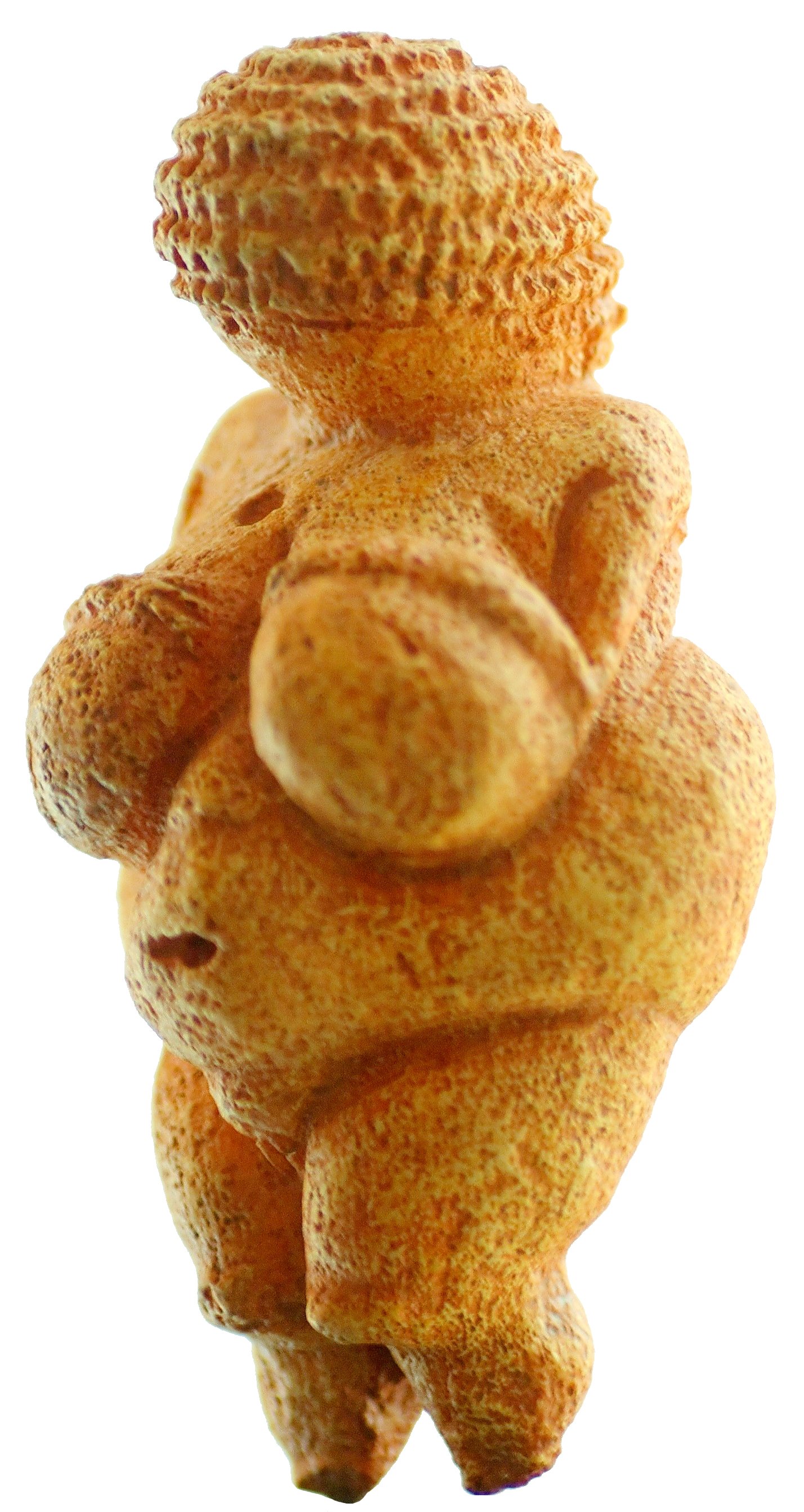
Venus of Willendorf (30,000 – 27,000 BP). Is that a special headdress … or peppercorn hair? (source: Matthias Kabel)


Europeans already had blue eyes while still hunter-gatherers. This is what we’ve learned after retrieving ancient DNA from two Mesolithic individuals, one from Luxembourg, dated to 8,000 years ago, and another from Spain, dated to 7,000 years ago (Dienekes, 2013; Lazaridis et al.,2013). These are late hunter-gatherers, so there is always the possibility of gene flow from early European farmers. Nonetheless, the time of origin now seems earlier for the palette of European eye colors and probably for the palette of European hair colors. How much earlier? Probably within the same time frame when European skin turned white: somewhere between 11,000 and 19,000 years ago according to Beleza et al. (2013) or between 7,600 and 19,200 years according to Canfield et al. (2014). Although different genes are responsible for eye, hair, and skin color, there was probably a single selection pressure that seems to have acted primarily on early European women (Frost, 2006; Frost, 2008).

Interestingly, although the Luxembourg man was blue-eyed, he also had brown skin. He lacked the ‘European’ alleles at all three genes involved in the whitening of European skin. Such a genotype is extremely rare today in unadmixed Europeans (Khan, 2014). Equally odd is the fact that this brown-skinned European lived long after (Beleza et al., 2013) or probably after (Canfield et al., 2014) the time period when European skin turned white. How could that be? Well, these estimates apply only to the ancestors of living Europeans. This individual may not have been so lucky.

When the last ice age ended some 10,000 years ago, it may be that only some European populations had acquired a fully ‘European’ phenotype, i.e., white skin, multi-hued eyes and hair, a more childlike face, and longer, straighter hair. This phenotype would have been most predominant on the former steppe-tundra of northern and eastern Europe. Moving outward from this region, one would have seen humans with more and more of the evolutionarily older traits, i.e., brown skin, uniformly brown eyes and black hair, a more robust face, and short, frizzy hair.

This older phenotype might have persisted well into the Holocene in peripheral and isolated parts of Europe.  As Fleure (1945) notes:

In a few places in Sweden, Britain, and France, people have been noticed who show characteristics of the skull and face that remind one of late-Paleolithic man: these people are usually darker, in hair and eyes, than their neighbors; sometimes they even have swarthy skins.

Even in Scandinavia, we find references in folklore and mythology to an ancient dark-skinned population. A Norse poem, the Rigsthula, describes how the god Rig created a class of thralls who were black-haired, swarthy, and flat-nosed (Jonassen, 1951). This theme comes up elsewhere in Old Norse literature (Karras, 1988).

This leads us to the debate over the discovery of so-called ‘Negroid’ skeletal remains in Europe. Clearly, these individuals were not African, but nor were they like present-day Europeans. They seem to represent an older phenotype that had already lost predominance by Holocene times. The skeletal evidence is reviewed by Boule and Vallois (1957, pp. pp. 291-292):

‘In Brittany, as well as in Switzerland and in the north of Italy, there lived in the Polished Stone period, in the Bronze Age and during the early Iron Age, a certain number of individuals who differed in certain characters from their contemporaries’, in particular in the dolichocephalic character of their skull, in possessing a prognathism that was sometimes extreme, and a large grooved nose. This is a matter of partial atavism which in certain cases, as in the Neolithic Breton skull from Conguel, may attain to complete atavism. Two Neolithic individuals from Chamblandes in Switzerland are Negroid not only as regards their skulls but also in the proportions of their limbs. Several Ligurian and Lombard tombs of the Metal Ages have also yielded evidences of a Negroid element.

Since the publication of Verneau’s memoir, discoveries of other Negroid skeletons in Neolithic levels in Illyria and the Balkans have been announced. The prehistoric statues, dating from the Copper Age, from Sultan Selo in Bulgaria are also thought to portray Negroids. In 1928 René Bailly found in one of the caverns of Moniat, near Dinant in Belgium, a human skeleton of whose age it is difficult to be certain, but which seems definitely prehistoric. It is remarkable for its Negroid characters, which give it a resemblance to the skeletons from both Grimaldi and Asselar.

It is not only in prehistoric times that the Grimaldi race seems to have made its influence felt. Verneau has been able to see, now in modern skulls and now in living subjects, in the Italian areas of Piedmont, Lombardy, Emilia, Tuscany, and the Rhone Valley, numerous characters of the old fossil race.

This older phenotype must have gradually disappeared as the newer phenotype spread outwards from the plains of northern and eastern Europe. Why did one replace the other? What sort of selective advantage did the newer phenotype confer? The reason probably had less to do with physical appearance and more to do with the mental toolkit that humans had developed on the steppe-tundra of the last ice age. These northern hunting peoples were pre-adapted to technological complexity and thus better able to exploit the opportunities of later cultural environments (Frost, 2010). Some of them, specifically the semi-sedentary hunter-fisher-gatherers around the North Sea and the Baltic, would become pre-adapted not only to technological complexity but also to social and economic complexity (Frost, 2013).

References 

Beleza, S., Murias dos Santos, A., McEvoy, B., Alves, I., Martinho, C., Cameron, E., Shriver, M.D., Parra E.J., and Rocha, J. (2013). The timing of pigmentation lightening in Europeans. Molecular Biology and Evolution, 30, 24-35.
http://mbe.oxfordjournals.org/content/30/1/24.short

Boule, M. and H.V. Vallois. (1957). Fossil Men. New York: Dryden Press. 

Canfield, V.A., A. Berg, S. Peckins, S.M. Wentzel, K.C. Ang, S. Oppenheimer, and K.C. Cheng. (2014). Molecular phylogeography of a human autosomal skin color locus under natural selection, G3, 3, 2059-2067.
http://www.g3journal.org/content/3/11/2059.full 

Dienekes (2013).  Mesolithic Iberians (La Braña-Arintero) not ancestors of modern ones,
Dienekes’ Anthropology Blog
http://dienekes.blogspot.ca/2013/12/europeans-neolithic-farmers-mesolithic.html

Fleure, H.J. (1945). The distribution of types of skin color, Geographical Review, 35, 580-595. 

Frost, P. (2013). Origins of Northwest European guilt culture. Part II, Evo and Proud, December 14
http://evoandproud.blogspot.ca/2013/12/origins-of-northwest-european-guilt.html

Frost, P. (2010). Out of North Eurasia, Evo and Proud, May 27
http://evoandproud.blogspot.ca/2010/05/out-of-north-eurasia.html 

Frost, P. (2008). Sexual selection and human geographic variation, Special Issue: Proceedings of the 2nd Annual Meeting of the NorthEastern Evolutionary Psychology Society. Journal of Social, Evolutionary, and Cultural Psychology, 2(4), pp. 169-191.
http://www.jsecjournal.com/articles/volume2/issue4/NEEPSfrost.pdf

Frost, P. (2006). European hair and eye color - A case of frequency-dependent sexual selection? Evolution and Human Behavior, 27, 85-103.

Jonassen, C.T. (1951). Some historical and theoretical bases of racism in northwestern Europe, Social Forces, 30, 155-161.

Karras, R.M. (1988). Slavery and Society in Medieval Scandinavia. New Haven. 

Khan, R. (2014). Phenotypic Whiteness as an Outcome of Neolithic Admixture, The Unz Review: An Alternative Media Selection, January 3.
http://www.unz.com/gnxp/phenotypic-whiteness-as-an-outcome-of-neolithic-admixture/ 

Lazaridis, I., Patterson, N., Mittnik, A., Renaud, G., Mallick, S., et al. (2013). Ancient human genomes suggest three ancestral populations for present-day Europeans, BioRxiv, December 23.
http://biorxiv.org/content/early/2013/12/23/001552.full-text.pdf+html 

Saturday, January 4, 2014

Looking ahead to 2014


When did early Europeans acquire their palette of eye colors? And their palette of hair colors? That question may soon be answered with retrieval of ancient DNA. (source: Dipoar)
 

As the new year begins, I’m particularly interested in the following topics.

 
When did Europeans begin to look European?

It seems that this evolution took place between 20,000 and 10,000 years ago—long after modern humans had arrived in Europe some 40,000 years ago. This is when Europeans acquired their most visible features: white skin, multi-hued eyes and hair, and a more childlike face shape. In my opinion, such features were an adaptation not to weak sunlight but to a competitive mate market where men were scarce because they were less polygynous and more at risk of early death. This situation prevailed on the European steppe-tundra of the last ice age, whose high bio-productivity made possible a relatively large human population at the cost of a chronic oversupply of mateable women. The result was an unusually intense degree of sexual selection.

If we look at European hair color, eye color, skin color, and face shape, all of these visible features seem to have assumed their current appearance through a selection pressure that acted primarily on women. It is European women who have pushed these evolutionary changes to their farthest extent:

- Hair color varies more in women than in men. Redheads are especially more frequent among women (Shekar et al., 2008).

- Eye color varies more in women than in men when both copies of the so-called blue-eye allele are present. There is thus a greater diversity of female eye colors in regions where blue eyes are the single most common phenotype, i.e., northern and eastern Europe (Martinez-Cadenas, et al., 2013).

- Blue eyes are associated in men with a more feminine face shape (Kleisner et al., 2010; Kleisner et al., 2013).

- In all human populations, women are paler than men after puberty. This post-pubescent lightening is due to sexual maturation and not to differences in sun exposure (Edwards and Duntley, 1939; Edwards and Duntley, 1949; Edwards et al., 1941; van den Berghe and Frost, 1986). In women, lightness of skin correlates with thickness of subcutaneous fat and with 2nd to 4th digit ratio—a marker of prenatal estrogenization (Manning et al., 2004; Mazess, 1967). Admittedly, this sex difference is not greater in Europeans than in other populations, although it could not easily be otherwise, since Europeans of both sexes are so close to the physiological limit of depigmentation.

- European facial features seem to have assumed their present form through a selective force that acted primarily on women (Liberton et al., 2009). 

While women are more diverse than men in both hair color and eye color, this greater diversity came about differently in each case. With hair color, women have more of the intermediate hues because the darkest hue (black) is less easily expressed (Shekar et al., 2008). With eye color, women have more of the intermediate hues because the lightest hue (blue) is less easily expressed (Martinez-Cadenas et al., 2013).

Some of these sex linkages may nonetheless share a common developmental cause, such as the prenatal surge of estrogen that feminizes the developing female fetus. Thus, eye color is linked to face shape only in males, perhaps because female face shape is hormonally overdetermined, i.e., all girls are exposed to enough estrogen in the womb to feminize their faces, but only blue-eyed boys reach this level of exposure.

We see a similar pattern with eye color and shyness. In preschool boys, shyness is more strongly associated with blue eyes than with brown eyes, but this association is absent in preschool girls (Coplan et al., 1997). 

An 8,000 year-old hunter-gatherer from Luxembourg

The latest estimates place the whitening of European skin between 19,000 and 11,000 years ago (Beleza et al., 2013). We have no estimates at all for the diversification of European hair color. For diversification of European eye color, we used to have only an educated guess of 6,000 to 10,000 years ago (Eiberg et al., 2008).

A recent study has pushed the origin of blue eyes farther back in time. When ancient DNA was retrieved from the remains of a hunter-gatherer who lived 8,000 years ago in present-day Luxembourg, the reconstituted genome revealed that this individual probably had blue eyes (Lazaridis et al., 2013).

This finding shows that blue eyes already existed when early Europeans were still hunter-gatherers. It thus undermines a rival theory that Gregory Cochran put forward to explain the diverse palette of European hair and eye colors.

Greg’s theory is a mirror image of my own. I argue that shyness in blue-eyed boys is a side effect of sexual selection for women with novel hair and eye colors (Frost, 2006; Frost, 2008). He argues that these new colors are a side effect of natural selection for male submissiveness. This alternate theory is presented in The 10,000 Year Explosion:

[...] selection on genes affecting skin color, eye color, and hair color somehow created lots of variety in Europeans: redheads and blondes, blue eyes and green eyes. Nowhere else in the world is that sort of variety common. In most parts of the world, even in temperate regions, everyone has dark eyes and dark hair. (Cochran and Harpending, 2009, p. 94)

With the introduction of farming to Europe, and a resulting rise in population density and sedentary living, people had to become more socially wary. This self-domestication thus favored blue eyes (and presumably other eye and hair colors) as an evolutionary side effect:

Selection for submission to authority sounds unnervingly like domestication. In fact, there are parallels between the domestication in animals and the changes that have occurred in humans during the Holocene period. In both humans and domesticated animals, we see a reduction in brain size, broader skulls, changes in hair color or coat color, and smaller teeth. (Cochran and Harpending, 2009, p. 112)

Can this theory accommodate the recent discovery of a blue-eyed hunter-gatherer? One might argue that this individual was a fluke, perhaps a result of gene flow from farming communities. To settle this debate, we really need ancient DNA from pre-Holocene Europe, particularly from the critical period of 10,000 to 20,000 BP.
 

My ebook collection

I've decided to begin writing a collection of ebooks on subjects that have come up several times on this blog. This is partly in response to requests from different people and partly because I feel I should be exploiting this niche. 

For now, I am trying to educate myself about the mechanics of it all. PDF seems to be the best format but consumes a lot of space. There is also the question of whether I should self-publish or go through a publishing house. Getting published, especially in the English-language market, inevitably means finding a literary agent and tolerating a lot of questionable schmoozing, not to mention delays.
 

Why the minimum wage matters (even on an anthropology blog)

I've never understood why conservatives are so hostile to a higher minimum wage. At present, minimum wage earners take more from the public purse than they put back in. They are tax consumers, not tax payers. As a result, the taxpayer is subsidizing employers who cannot or will not pay a wage that is at least fiscally neutral.

This situation is especially toxic at a time when the business community is seeking to cut labor costs through globalization. If a job cannot be outsourced, as is often the case with employment in services, construction, and food processing, the answer is to “insource” labor at a lower rate of pay ... with the costs of public services being passed on to a shrinking base of taxpayers.

The irony of it all is pointed out by Ron Unz:

The most doctrinaire libertarians, notably Prof. Bryan Caplan of George Mason University, have held fast to their principles and denounced the very notion of a minimum wage as a violation of basic human liberty. If a desperately impoverished Congolese is willing to come to America and work for a dollar a day, then that is his fundamental moral right, at least if he is willing to forego any access to medical care or other normal social benefits as part of the deal. (Unz, 2013)

That part of the deal won't be happening any time soon. Perhaps libertarians know this but think they can bankrupt the welfare state through mass immigration. Or perhaps they haven’t thought this idea all the way through. Or perhaps they're just shills.

Hostility to the minimum wage isn’t just a libertarian thing. Mainstream conservatives feel the same way:

Harvard economist and former Reagan Advisor Martin Feldstein recently took to the editorial pages of The Wall Street Journal to explicitly call for the creation of a new economic system that would fully integrate welfare payments and work into a seamless system of government support aimed at ensuring a basic standard of living for everyone in the country.

[...] Indeed, Feldstein argued that once the eligibility of various welfare programs were widened, the minimum wage could reasonably be cut, allowing American workers to take jobs paying just four, five or six dollars per hour, with the ordinary taxpayer making up the difference. The logical endpoint to such proposals would be for businesses to pay their workers absolutely nothing at all, with all employee living expenses and spending money coming from governmental anti-poverty programs. (Unz, 2013)

This kind of income support (earned income tax credit) already exists and cost the American taxpayer $56 billion in 2012. Feldstein’s proposal would not only expand it but also extend it to a range of wages that is currently illegal and found only outside the Western world. It would thus greatly facilitate the ongoing influx of low-wage labor.

Not such a great idea

When the concept of "globalization" first became popular, we were told it would create so much more wealth that we would all be better off. The reality has been less wonderful. Median wages have stagnated throughout the Western world since the mid-1970s, despite a doubling of worker productivity. And the trend is now downwards. In a globalized world where businesses can move about capital and labor as they please, there is nothing to stop our wages from being leveled down to the current global mean. 

And that's the best scenario. By dissolving those cultures that have historically produced the most wealth—because of their peaceful social relations, future time orientation, and high level of trust—globalization may cause an overall contraction of economic activity. History will go into reverse. We will lose the market economy and return to the old marketplace economy, where most monetary transactions take place in gated high-security enclosures.
 

References

Beleza, S., Murias dos Santos, A., McEvoy, B., Alves, I., Martinho, C., Cameron, E., Shriver, M.D., Parra E.J., and Rocha, J. (2013). The timing of pigmentation lightening in Europeans. Molecular Biology and Evolution, 30, 24-35.
http://mbe.oxfordjournals.org/content/30/1/24.short

Cochran, G.M. and H. Harpending. (2009). The 10,000 Year Explosion, Basic Books.

Coplan, R., B. Coleman, and K. Rubin. (1998). Shyness and little boy blue: Iris pigmentation, gender, and social wariness in preschoolers. Developmental Psychobiology, 32, 37-44.

Edwards, E.A., and Duntley, S.Q. (1939). The pigments and color of living human skin. American Journal of Anatomy, 65, 1-33. 

Edwards, E.A., and Duntley, S.Q. (1949). Cutaneous vascular changes in women in reference to the menstrual cycle and ovariectomy. American Journal of Obstetrics & Gynecology, 57, 501-509.

Edwards, E.A., Hamilton, J.B., Duntley, S.Q., and Hubert, G. (1941). Cutaneous vascular and pigmentary changes in castrate and eunuchoid men. Endocrinology, 28, 119-128.

Eiberg, H., Troelsen, J., Nielsen, M., Mikkelsen, A., Mengel-From, J., Kjaer, K.W., and Hansen, L. (2008). Blue eye color in humans may be caused by a perfectly associated founder mutation in a regulatory element located within the HERC2 gene inhibiting OCA2 expression. Human Genetics, 123, 177-187.

Frost, P. (2006). European hair and eye color - A case of frequency-dependent sexual selection? Evolution and Human Behavior, 27, 85-103. 

Frost, P. (2008). Sexual selection and human geographic variation, Special Issue: Proceedings of the 2nd Annual Meeting of the NorthEastern Evolutionary Psychology Society. Journal of Social, Evolutionary, and Cultural Psychology, 2(4),169-191.
http://137.140.1.71/jsec/articles/volume2/issue4/NEEPSfrost.pdf 

Lazaridis, I., Patterson, N., Mittnik, A., Renaud, G., Mallick, S., et al. (2013). Ancient human genomes suggest three ancestral populations for present-day Europeans, BioRxiv, December 23.
http://biorxiv.org/content/early/2013/12/23/001552.full-text.pdf+html

Kleisner, K., Kocnar, T., Rubešova, A., and Flegr, J. (2010). Eye color predicts but does not directly influence perceived dominance in men. Personality and Individual Differences, 49, 59-64.

Kleisner, K., Priplatova, L., Frost, P., and Flegr, J. (2013). Trustworthy-looking face meets brown eyes. PLoS One, 8(1): e53285.

Liberton, D.K., Matthes, K.A., Pereira, R., Frudakis, T., Puts, D.A., & Shriver, M.D. (2009). Patterns of correlation between genetic ancestry and facial features suggest selection on females is driving differentiation, Poster #326. American Society of Human Genetics, 59th annual meeting, October 20-24, 2009. Honolulu, Hawaii.

Manning, J.T., Bundred, P.E., and Mather, F.M. (2004). Second to fourth digit ratio, sexual selection, and skin colour. Evolution and Human Behavior, 25, 38-50.

Martinez-Cadenas, C., Pena-Chilet, M., Ibarrola-Villava, M., & Ribas, G. (2013). Gender is a major factor explaining discrepancies in eye colour prediction based on HERC2/OCA2 genotype and the IrisPlex model. Forensic Science International: Genetics, 7, 453-460.

Mazess, R.B. (1967). Skin color in Bahamian Negroes. Human Biology, 39, 145-154.

Shekar, S.N., Duffy, D.L., Frudakis, T., Montgomery, G.W., James, M.R., Sturm, R.A., and Martin, N.G. (2008). Spectrophotometric methods for quantifying pigmentation in human hair-Influence of MC1R genotype and environment. Photochemistry and Photobiology, 84, 719-726. 

Unz, R. (2013). Conservatives for more welfare, The Unz Review, December 30.
http://www.unz.com/runz/conservatives-for-more-welfare/

van den Berghe, P.L., and Frost, P. (1986). Skin color preference, sexual dimorphism and sexual selection: A case of gene-culture co-evolution? Ethnic and Racial Studies, 9, 87-113.