Showing posts with label hair color. Show all posts

Tuesday, January 9, 2024

My wish list for research in 2024: Why does estrogen make my brown eyes blue? Sex linkage of hair and eye colors


Eye colors (R.A. Sturm, University of Queensland)


Estrogen seems to favor the expression of non-black hair and non-brown eyes during fetal development. The “new” hair and eye colors are not only more frequent among women but also associated, in the case of blue eyes, with feminization of male face shape, female shoulder width, and female waist-to-hip ratio ... and with shyness in young boys.


Europeans have a surprising variety of hair and eye colors. Their hair is not only black but also brown, flaxen, golden, or red. Their eyes are not only brown but also blue, gray, hazel, or green (Frost, 2006; Frost, 2022). This differentiation from the original black hair and brown eyes seems to have begun among women and gone farther among them.


Hair color - Women more often have the new hair colors, particularly red and blond. Conversely, their hair is less often black—three to five times less often. This sex difference is natural (Hysi et al., 2018; Shekar et al., 2008). Among Czechs, 19% of women and 11% of men have the highest gradation of hair redness (Frost et al., 2017).


Eye color - Women more often have the new eye colors, particularly green and hazel (Frost et al., 2017). Conversely, their eyes are less often brown. The first new eye color seems to have been blue, which then differentiated to create gray, green, and hazel. Thus, “blue” in its narrow sense has lost ground among women to the derived variants of green and hazel.


Population frequencies of eye colors, for men and women (Frost et al., 2017)


The new hair and eye colors are unusual in two ways. First, they are brighter than the original black and brown. They thus reflect more light and have a higher chance of standing out against the visual landscape. Second, they are “purer”—they occupy thinner slices of the visible spectrum than the original black and brown. In nature, pure colors are typically found in situations where an animal or a plant has to catch attention, such as to get pollinated, to warn predators, or to attract a mate.


This need for attention may explain how a single hair or eye color evolved into a diverse palette of hues. A color gets noticed not only for its brightness and purity but also for its novelty. The last quality is frequency-dependent. If a noticeable color becomes too frequent in a population, it thereby becomes less noticeable and, hence, less novel. The desire for novelty is now reoriented toward less frequent colors, including those that have recently appeared through mutation. Thus, over successive generations, the population will accumulate more and more color variants. This is likely how hair and eye color became polymorphic (see Note #1).


Again, the evidence seems to point to women being the main target of this selection for brighter, purer, and more novel colors. One piece of evidence is the higher frequency of the new hair and eye colors in the female population. Another is the role of estrogen in this sex-linkage. The female hormone seems to favor the expression of non-black hair and non-brown eyes during fetal development.


Red is the hair color that differs the most in frequency between women and men. Red hair should therefore be most clearly associated with increased exposure to estrogen during fetal development. This hypothesis is supported by the higher incidence of estrogen-dependent diseases in redhaired women. According to a health survey of over seven thousand people, male redheads are as healthy as other men, doing better on average in three categories and worse in three. Female redheads, however, do worse on average than other women in ten categories and better in only three. They are especially prone to four types of cancer: colorectal, cervical, uterine, and ovarian—three of which are estrogen-dependent (Frost et al., 2017). Being both female and red-haired therefore generates the highest level of risk for estrogen-dependent diseases, probably because of the combined effect of these two risk factors.


In sum, the new hair and eye colors were favored by a selection pressure that acted primarily on European women, with European men acquiring them as a side-effect (since the new alleles are only partly sex-linked). The selection was specifically for eye-catching qualities—brightness, spectral purity, and relative novelty.


This looks like sexual selection, but why would women have a greater need to get noticed on the mate market? Usually, it is the other way around, both for humans and for mammals in general. Females are less available for mating because of the limitations of pregnancy, lactation, and early infant care. Conversely, males are more available, and thus often have more than one mate at any one time. That was, in fact, the situation of most humans in prehistory. But that situation changed as they expanded their range out of the tropics and into more seasonal environments. At higher latitudes, proportionately fewer men were available for mating at any one time. There were two reasons:


·         Polygyny was more costly for men. With men specializing in hunting and women in gathering, women became dependent on men during winter—since there was little food to be gathered. Men thus had to bear a greater share of food provisioning, with the result that polygyny became impossible for all but the ablest hunters.


·         Death rates were higher for men than for women. Because men had to hunt for more food and over longer distances, they suffered a higher death rate at younger ages. They were thus fewer in number overall.


Male scarcity was most acute in an environment that no longer exists: the steppe-tundra of the last ice age, essentially the vast plains stretching from the Baltic to western Siberia. That environment supported large herds of reindeer and other herbivores, which could in turn support a large human population. But at a cost: women depended almost entirely on their hunting husbands for food, and those hunters had to cover long distances without alternative food sources, thus risking death from starvation or exposure. The result was an imbalance in the operational sex ratio: too many women for too few men, and strong selection for women with eye-catching features (Frost, 2006; Frost, 2022; Frost, 2023).


Proposed study


The aim here is to determine whether the ratio of estrogens to androgens in fetal tissues influences the development of hair and eye color. One way would be to measure the “digit ratio”—the length of the index finger divided by the length of the ring finger. This measure of fetal exposure to the sex hormones is relatively inexpensive, though disputed by some researchers. The lower your digit ratio, the more you have been masculinized by androgens during fetal development; the higher your digit ratio, the more you have been feminized by estrogens during fetal development. The left-hand digit ratio is associated with prenatal and postnatal exposure to the sex hormones. The right-hand ratio is associated much more with prenatal exposure (see Note #2).


An unpublished study, using a sample of 644 British participants, found that the left-hand digit ratio was significantly higher on average among individuals with blond hair than among those with brown, red, or other hair colors. For eye color, there was a similar but weaker relationship: the left-hand digit ratio was higher on average among individuals with blue eyes than among those with other eye colors.


That study was not published because of two objections from the referees: hair dyeing could not be excluded as a possible factor; and identification of hair and eye color was too subjective. Yet it is difficult to see how hair dyeing or misidentification can explain the digit ratio differences. Such methodological problems would introduce more noise into the data and make any differences less significant.


I wish to see that study replicated with a more rigorous experimental design, specifically a larger sample and narrower age range. Age interacts with the effects of the sex hormones, i.e., prenatal effects on hair color are the opposite of pubertal effects. Whereas women are lighter-haired than men from 17 onward, they are actually darker-haired up to the age of 14 (Steggerda, 1941). The right-hand digit ratio should thus be better at predicting the darkening of hair color before puberty, and the left-hand digit ratio better at predicting the lightening of hair color after puberty.


In addition, I wish to see whether the relationship between fetal estrogenization and eye color explains three other relationships between non-brown eyes and certain behavioral/physical traits:


·         Blue-eyed boys tend to be shy. This is the “little boy blue” effect. A study of preschoolers found more social wariness in blue-eyed boys than in brown-eyed boys. The difference was greatest at the extremes of wariness. Among the very inhibited boys, 13 out of 14 were blue-eyed. Among the very uninhibited, only 4 out of 10 were. There was no such relationship among the girls, whose eyes were blue in 5 out of 9 among the very inhibited and in 6 out of 11 among the very uninhibited (Coplan et al., 1988).


·         Blue-eyed women tend to have narrower shoulders and lower waist-to-hip ratios. A Latvian study found small but significant correlations between female eye color and certain sexually dimorphic features. Shoulders were narrower and waist-to-hip ratios lower in blue-eyed women than in brown-eyed women (Kažoka and Vetra, 2011).


·         Blue-eyed men tend to have more feminine faces. This was an unintended finding of two Czech studies whose participants were asked to rate male and female facial photos. Initially, the brown-eyed male faces were rated as more dominant than the blue-eyed male faces. When, as a control, the brown-eyed faces were photoshopped to make them blue-eyed, they were still rated as more dominant. On careful examination, the originally brown-eyed faces were found to be more masculine with broader and more massive chins, broader mouths, larger noses, larger eyebrows, and closer-set eyes. The originally blue-eyed faces had smaller and sharper chins, narrower mouths, smaller noses, and greater distance between the eyes. Blue eyes were associated with a more feminine face shape only in male participants. This is perhaps because a male fetus normally does not have enough estrogen to feminize the face. If enough estrogen is present to feminize the face, there is probably enough to influence the development of eye color (Kleisner et al., 2010; Kleisner et al., 2013).


      Were brown eyes associated with a different face shape because some of the brown-eyed men were partly Jewish or Roma and had a more Mediterranean appearance? In that case, face shape would have been more variable in the brown-eyed men. It was not. This explanation also fails to explain the effect of gender: why were blue eyes associated with facial feminization in men but not in women?


Averaged faces: blue-eyed men (left), brown-eyed men (right), Czech population (Kleisner et al., 2010). 


The above studies suggest that the association between the "new" colors and physical/behavioral feminization is largely confined to men. (There is only a weak association between them and shoulder breadth or waist-to-hip ratio). This is probably because the feminization effects are triggered when the estrogen level has risen above a certain threshold. That threshold would already be surpassed by almost all female fetuses.


Notes


1. Preference for rare hair colors was demonstrated by Thelen (1983), who showed pictures of attractive women to male participants and then asked them to choose the one they most wanted to marry. There were three series of pictures: the first had equal numbers of brunettes and blondes; the second had one brunette for every five blondes; and the third had one brunette for every eleven blondes. The scarcer the brunettes were in a series, the more attractive they seemed, i.e., each brunette had a better chance of being chosen.


Thelen’s findings were not replicated by Janif et al. (2015), whose male participants made their choices online, i.e., in private and on their home computers. There was thus no control over the female images they may have previously viewed on the same computer screen or might still be viewing on an alternate screen or split screen. This source of unwanted female imagery introduces noise into the data, thus increasing the minimum number of online raters to produce replicable ratings of female facial attractiveness. Devcic et al. (2010) report that their mean ratings of facial attractiveness did not become stable until they had recruited 857 online raters. Popenko et al. (2012) state that they needed a minimum of 992 online raters to achieve stable ratings. By comparison, Janif et al. (2015) used 658 male raters, while making their data even noisier by recruiting an ethnically diverse pool of raters, i.e., over a third were of non-European descent. Those raters would have tended to perceive female faces with black hair as ethnic insiders and female faces with non-black hair as ethnic outsiders.


2. Using a meta-study, Sorokowski and Kowal, 2023) concluded that the digit ratio indicates only an individual’s prenatal exposure to testosterone (and only in amniotic fluid, not in core blood). The authors, however, did not look at the ratio of estrogens to androgens. Their exclusion of data on estrogen levels is puzzling, since fetal exposure to estrogens is no less important than fetal exposure to androgens.


References


Coplan, R., B. Coleman, and K. Rubin. (1998). Shyness and little boy blue: Iris pigmentation, gender, and social wariness in preschoolers. Developmental Psychobiology 32(1): 37-44. https://doi.org/10.1002/(SICI)1098-2302(199801)32:1<37::AID-DEV4>3.0.CO;2-U


Devcic, Z., Karimi, K., Popenko, N., and Wong, B.J.F. (2010). A web-based method for rating facial attractiveness. Laryngoscope 120(5), 902-906. https://doi.org/10.1002/lary.20857


Frost, P. (2006). European hair and eye color - A case of frequency-dependent sexual selection? Evolution and Human Behavior 27(2): 85-103. https://doi.org/10.1016/j.evolhumbehav.2005.07.002


Frost, P. (2022). European Hair, Eye, and Skin Color: Solving the Puzzle. Washington: Academica Press, 169 pp., ISBN 9781680538724 https://www.academicapress.com/node/549


Frost, P. (2023). A people of many colors. Peter Frost’s Newsletter. January 24. https://peterfrost.substack.com/p/a-people-of-many-colors


Frost, P., K. Kleisner, and J. Flegr. (2017). Health status by gender, hair color, and eye color: Red-haired women are the most divergent. PLoS One 12(12): e0190238. https://doi.org/10.1371/journal.pone.0190238   


Hysi, P.G., A.M. Valdes, F. Liu, N.A. Furlotte, D.M. Evans, V. Bataille, et al. (2018). Genome-wide association meta-analysis of individuals of European ancestry identifies new loci explaining a substantial fraction of hair color variation and heritability. Nature Genetics 50(5): 652-656. https://doi.org/10.1038/s41588-018-0100-5


Janif, Z.J., R.C. Brooks, and B.J. Dixson. (2015). Are preferences for women's hair color frequency-dependent? Adaptive Human Behavior and Physiology 1(1): 54-71. https://doi.org/10.1007/s40750-014-0008-y


Kažoka, D. and J. Vetra. (2011). Variations in some anthropometrical parameters of the women with the different iris color in Latvia. Papers on Anthropology XX: 160-170. https://doi.org/10.12697/poa.2011.20.17


Kleisner, K., T. Kocnar, A. Rubešová, and J. Flegr. (2010). Eye color predicts but does not directly influence perceived dominance in men. Personality and Individual Differences 49(1): 59-64. https://doi.org/10.1016/j.paid.2010.03.011


Kleisner, K., L. Priplatova, P. Frost, and J. Flegr. (2013). Trustworthy-looking face meets brown eyes. PLoS One 8(1): e53285. https://doi.org/10.1371/journal.pone.0053285

Popenko, N.A., Devcic, Z., Karimi, K., and Wong, B.J.F. (2012). The virtual focus group. A modern methodology for facial attractiveness rating. Plastic and Reconstructive Surgery 130(3), 455e-461e. https://doi.org/10.1097/PRS.0b013e31825dcb48


Shekar, S.N., D.L. Duffy, T. Frudakis, G.W. Montgomery, M.R. James, R.A. Sturm, and N.G. Martin. (2008). Spectrophotometric methods for quantifying pigmentation in human hair-Influence of MC1R genotype and environment. Photochemistry and Photobiology 84(3): 719-726. https://doi.org/10.1111/j.1751-1097.2007.00237.x   


Sorokowski, P., and M. Kowal. (2023). Relationship between the 2D:4D and prenatal testosterone, adult level testosterone, and testosterone change: Meta-analysis of 54 studies. American Journal of Biological Anthropology. 183(1): 20-38. https://doi.org/10.1002/ajpa.24852


Steggerda, M. (1941). Change in hair color with age. Journal of Heredity 32(11): 402-403. https://doi.org/10.1093/oxfordjournals.jhered.a104977


Thelen, T.H. (1983). Minority type human mate preference. Social Biology 30(2): 162-180. https://doi.org/10.1080/19485565.1983.9988531


Monday, October 3, 2022

European Hair, Eye, and Skin Color: Solving the Puzzle


The distinguishing physical features of Europeans began as female features.


I’ve published a book through Academica Press. It’s titled: European Hair, Eye, and Skin Color: Solving the Puzzle. It can be ordered at: https://www.academicapress.com/node/549  


Here is a summary:


Europeans are strangely colored, particularly in the north and east. Hair is not only black but also brown, flaxen, golden, or red. Eyes are not only brown but also blue, gray, hazel, or green. Finally, skin is white, almost like that of an albino.


That color scheme is strange for several reasons:


·        It arose through new alleles at unrelated genes: hair color diversified through a proliferation of new alleles at MC1R, and eye color through a proliferation of new alleles in the HERC2-OCA2 region. Skin color became fair through new alleles at SLC45A2, SLC24A5, and TYRP1. All three changes occurred in parallel at different loci on the genome.


·        The new hair and eye color alleles are too numerous and too recent to be due to anything but strong selection. Among Europeans, the various hair colors are produced by new alleles at over 200 loci (SNPs), and the various eye colors by new alleles at over 124. Those alleles arose over a relatively short span of time, certainly less than the 50,000 years that modern humans have been in Europe. Only some kind of selection, and very strong selection at that, could have caused such a proliferation of new alleles over such a short time.


·        The selection was aimed primarily at women. Even today, women naturally have a higher incidence of red hair, blonde hair, and green eyes. Hair and eye colors are more evenly distributed among women: the less frequent colors are more common, and the more frequent ones less common. Skin is also fairer in women.


·        The new colors are mostly on or near the face, the focus of visual attention. When compared with the original black and brown, they are brighter and “purer” (they occupy thinner slices of the visible spectrum). Brightness and purity are characteristic of colors favored by sexual selection. A third characteristic is novelty: the relative rarity of a color. Novelty improves mating success by attracting attention and interest, but that success is eventually its undoing. As each generation passes, it becomes more common and less novel. Other colors attract more interest, particularly new ones that arise through mutation, with the result that a growing number of color variants accumulate in the gene pool. Such color polymorphisms are a frequent outcome of sexual selection.


·        Unlike the hair and the eyes, the skin did not develop a color polymorphism among Europeans, instead becoming unusually pale. The reason may be that sexual selection was guided by a pre-existing dimorphism. In all populations, men are browner and ruddier than women, who by comparison are fairer. Fairer-skinned women were seen as more feminine in traditional cultures and preferred as mates. Sexual selection, if sufficiently strong, would have drained the European gene pool of alleles for dark skin.


Sexual selection is not the preferred explanation among writers on this subject. Most lean toward one of two scenarios that involve natural selection:


·        Relaxation of selection for dark skin: when modern humans entered Europe, natural selection stopped favoring dark skin because UV protection was less necessary at northern latitudes. Defective alleles for skin pigmentation began to accumulate in the gene pool, and some of them had effects on hair and eye color.


That scenario has two weak points:


o   Relaxation of selection would take more than a million years to produce the current diversity of hair and eye colors. Yet modern humans have been in Europe for only 50,000 years. In fact, it was only around 20,000 years ago that some Europeans began to acquire pale skin and diverse hair and eye colors, and that phenotype would not become fully established throughout Europe until 10,000 to 5,000 years ago.


o   Skin color is weakly linked to hair color and eye color. Light skin often coexists with dark hair and dark eyes.


·        Selection for light skin: natural selection reduced skin pigmentation in order to maintain sufficient production of vitamin D. The hair and the eyes underwent a similar reduction in pigmentation because a change to one pigmentary trait presumably affects the others.


That scenario has two weak points:


o   Again, skin color is weakly linked to hair color and eye color. Yet the changes to the latter have been as profound as those to skin color. Moreover, the changes to hair and eye color have not been so much a reduction in pigmentation as a non-random creation of new hues that emit more light within narrower slices of the spectrum.


o   Analysis of ancient DNA and present-day DNA indicates that modern humans were dark-skinned for tens of thousands of years after their entry into Europe. Why wasn’t vitamin D a problem then? If we consider the indigenous inhabitants of North and South America, we see that natural selection has created very little latitudinal variation in their skin color, even though they have lived in the Americas for some 12,000 years. Natural selection, by itself, appears to change skin color rather slowly.


The current physical features of Europeans seem to have arisen on the steppe-tundra of eastern Europe and western Siberia during the last ice age, between 10,000 and 20,000 years ago, when nomadic humans subsisted almost entirely on meat from reindeer and other migratory game. Long-distance hunting increased the death rate among men and decreased the polygyny rate—only the ablest hunters could provide for more than one woman and her children because women had almost no food autonomy. 


The result: a surplus of women on the mate market; intense rivalry among them for male attention; and strong selection for eye-catching female features. Such features became more frequent with succeeding generations, eventually forming what is now seen as the “European” phenotype.


Frost, P. (2022). European Hair, Eye, and Skin Color: Solving the Puzzle. Washington: Academica Press, 169 pp., hardcover, ISBN 9781680538724


If you wish to buy a less expensive paperback edition, please make your preference known to Academica Press by emailing to:

academicapress.editorial@gmail.com


Monday, February 1, 2021

White Skin Privilege: Modern Myth, Forgotten Past


Cairo Slave Market, Maurycy Gottlieb, 1877 (Wikicommons)


I've published a paper "White Skin Privilege: Modern Myth, Forgotten Past" in the journal Evolutionary Studies in Imaginative Culture. Here is the abstract:


European women dominate images of beauty, presumably because Europe has dominated the world for the past few centuries. Yet this presumed cause poorly explains "white slavery"—the commodification of European women for export at a time when their continent was much less dominant. Actually, there has long been a cross-cultural preference for lighter-skinned women, with the notable exception of modern Western culture. This cultural norm mirrors a physical norm: skin sexually differentiates at puberty, becoming fairer in girls, and browner and ruddier in boys. Europeans are also distinguished by a palette of hair and eye colors that likewise differs between the sexes, with women more often having the brighter hues. In general, the European phenotype, especially its brightly colored features, seems to be due to a selection pressure that targeted women, apparently sexual selection. Female beauty is thus a product of social relations, but not solely those of recent times.


Please feel free to comment.


Reference


Frost, P. (2020). White Skin Privilege: Modern Myth, Forgotten Past. Evolutionary Studies in Imaginative Culture 4(2): 63-82.

https://doi.org/10.26613/esic/4.2.190

https://www.jstor.org/stable/10.26613/esic.4.2.190

Monday, January 14, 2019

Unusually diverse


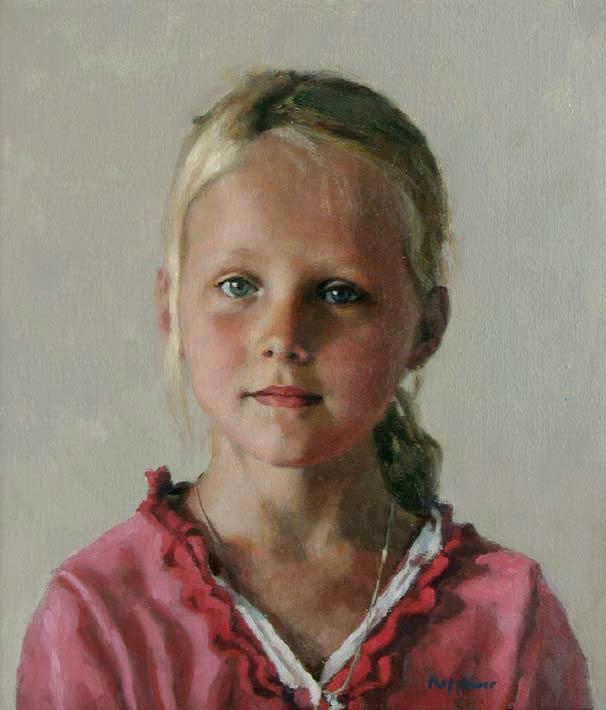
Portrait “Mijke” – Frans Koppelaar (1943 - ). Europeans are unusually diverse for hair color. Over 200 alleles have been identified in British subjects.


Europeans are unusually diverse for hair color. When this diversity was being studied two decades ago, 11 nonsynonymous alleles for hair color had been identified in Europeans, versus 5 in Asians and 1 in Africans (Harding et al. 2000; Rana et al. 1999). The disparity is even greater because the Asian alleles produce pretty much the same hair color.

European hair color is unusual in another way. “Nonsynonymous alleles” make a visible difference and are usually outnumbered by those that don’t. The reverse is true, however, at the main gene for hair color, MC1R, where nonsynonymous alleles outnumber synonymous alleles by a ratio of two to one. 

Rana et al. (1999) concluded that some kind of selection had caused hair color to diversify outside Africa. Harding et al. (2000) disagreed, attributing this diversification to relaxation of selection: as humans spread out of Africa, selection for black hair grew weaker and new hair colors gradually accumulated. Of course, this scenario would require a long span of time: close to a million years to produce the current variability of hair color, including approximately 80,000 years for today's prevalence of red hair alone (Harding et al. 2000; Templeton 2002). 

That is a long time. Given that modern humans left Africa some 60,000 years ago and arrived in Europe only 45,000 years ago, some academics began to argue that Europeans must have inherited their diverse hair colors from the Neanderthals. 

A Neanderthal origin is nonetheless problematic, if only because ancestral Neanderthals and Denisovans separated from ancestral modern humans an estimated three quarters of a million years ago (Rogers et al. 2017). Well, perhaps that's close enough to the above estimate of one million years ago. Another problem: when Ding et al. (2017) examined alleles for red hair, they identified only one as being of Neanderthal origin; the others apparently arose among modern humans. Finally, even if the different alleles for hair color had been introduced through Neanderthal admixture, some kind of selection would have still been needed to increase their frequency in the European gene pool, which is only 1 to 4% of Neanderthal origin.

With enough hand-waving, one can explain the many hair colors of Europeans in terms of relaxation of selection and Neanderthal admixture... as long as there are only a dozen alleles to explain away. A recent study, however, has found a lot more:

We report here the analysis of the majority of UK Biobank, a total of almost 350,000 subjects. By performing genome-wide analyses across hair colours, we have discovered novel variation in and around MC1R that contributes to red hair. [...] Furthermore, we identify more than 200 genetic variants independently associated with multiple hair colours on the spectrum of blond to black. (Morgan et al. 2018)

More than two hundred! If these alleles were due to relaxation of selection we would have to assume they had slowly accumulated over tens of millions of years—a time span longer than the existence of all hominids. Clearly, the facts call for another explanation: some kind of selection created these numerous hair colors, and very strong selection at that. 

This selection operated relatively fast and over a relatively small geographic area, while also causing eye color to diversify at the same time. Ancient DNA shows that most Europeans had only black hair and brown eyes until seven thousand years ago, and perhaps later still. Previously, the other hair and eye colors existed only in humans from Scandinavia, the East Baltic and, apparently, areas farther east (Günther et al. 2018; Mittnik et al. 2018). 

In fact, the oldest genetic evidence of blond hair, dated to 18,000 years ago, comes from the site of Afontova Gora in central Siberia (Mathieson et al. 2018, p. 52). At sites in south-central Siberia dating from the third millennium B.C. to the fourth century A.D. we find that most individuals had blue or green eyes and blond, red, or brown hair (Bouakaze et al. 2009). This finding is consistent with old Chinese records, which mention south Siberian peoples with "green eyes" and "red hair" (Keane 1886, p. 703).

The evidence thus suggests that the current European phenotype came into being during the last ice age 10,000 to 20,000 years ago on the plains stretching from the Baltic to central Siberia. But why would a cold, open environment select for a diverse palette of hair and eye colors? Apparently, this was not natural selection by the steppe-tundra environment; it was sexual selection by the accompanying social environment, specifically a mate market where too many women had to compete for too few men. Polygyny was not an option for most men. Almost all of the food was obtained through hunting of big game (reindeer, bison, etc.), and this high meat diet made it too costly for all but the ablest hunters to support a second wife and her offspring. High male mortality further reduced the number of men available for mating. Game animals had to be pursued over long distances and unstable terrain with no alternative food sources (Frost 2006; Frost 2014; Frost, Kleisner, and Flegr 2017).

This new phenotype eventually died out in its eastern range and became confined to the northeast of Europe. From there it spread to the rest of the continent on the eve of recorded history. Only then, not long before the beginnings of ancient Greece, did most Europeans come to look European ... as if they were a cast of actors who had been made up and rushed onto the stage just moments before curtain time.


References

Bouakaze, C., C. Keyser, E. Crubézy, and D. Montagnon, and B. Ludes. (2009). Pigment phenotype and biogeographical ancestry from ancient skeletal remains: inferences from multiplexed autosomal SNP analysis. International Journal of Legal Medicine 123(4): 315-325.

Ding, Q., Y. Hu, S. Xu, C.C. Wang, H. Li, R. Zhang, et al. (2014). Neanderthal origin of the haplotypes carrying the functional variant Val92Met in the MC1R in modern humans. Molecular Biology and Evolution 31(8): 1994-2003

Frost, P. (2006). European hair and eye color - A case of frequency-dependent sexual selection? Evolution and Human Behavior 27(2): 85-103.

Frost, P. (2014). The puzzle of European hair, eye, and skin color. Advances in Anthropology 4(2): 78-88. 

Frost, P., K. Kleisner, and J. Flegr. (2017). Health status by gender, hair color, and eye color: Red-haired women are the most divergent. PLoS One 12(12): e0190238. 

Günther, T., H. Malmström, E.M. Svensson, A. Omrak, F. Sánchez-Quinto, G.M. Kilinç, et al. (2018). Population genomics of Mesolithic Scandinavia: Investigating early postglacial migration routes and high-latitude adaptation. PLoS Biol 16(1): e2003703. https://doi.org/10.1371/journal.pbio.2003703 

Harding, R.M., E. Healy, A.J. Ray, N.S. Ellis, N. Flanagan, C. Todd, et al. (2000). Evidence for variable selective pressures at MC1R. American Journal of Human Genetics 66(4): 1351-1361.

Keane, A.H. (1886). Asia with Ethnological Appendix. London: Edward Stanford.

Mathieson, I., S.A. Roodenberg, C. Posth, A. Szécsényi-Nagy, N. Rohland, S. Mallick, et al. (2018). The Genomic History of Southeastern Europe, Supplementary Information, p. 52. Nature 555: 197-203

Mittnik, A., C-C. Wang, S. Pfrengle, M. Daubaras, G. Zarina, F. Hallgren, et al. (2018). The genetic prehistory of the Baltic Sea region. Nature Communications 9(442)

Morgan, M.D., E. Pairo-Castineira, K. Rawlik, O. Canela-Xandri, J. Rees, D. Sims, A. Tenesa, and I.J. Jackson. (2018). Genome-wide study of hair colour in UK Biobank explains most of the SNP heritability. Nature Communications 9: 5271

Rana, B.K., D. Hewett-Emmett, L. Jin, B.H.J. Chang, N. Sambuughin, M. Lin, et al. (1999). High polymorphism at the human melanocortin 1 receptor locus. Genetics 151(4): 1547-1557.

Rogers, A.R., R.J. Bohlender, C.D. Huff. (2017). Early history of Neanderthals and Denisovans. Proceedings of the National Academy of Sciences 114 (37): 9859-9863, 

Templeton, A.R. (2002). Out of Africa again and again. Nature 416(6876): 45-51.

Monday, February 26, 2018

Cheddar Man


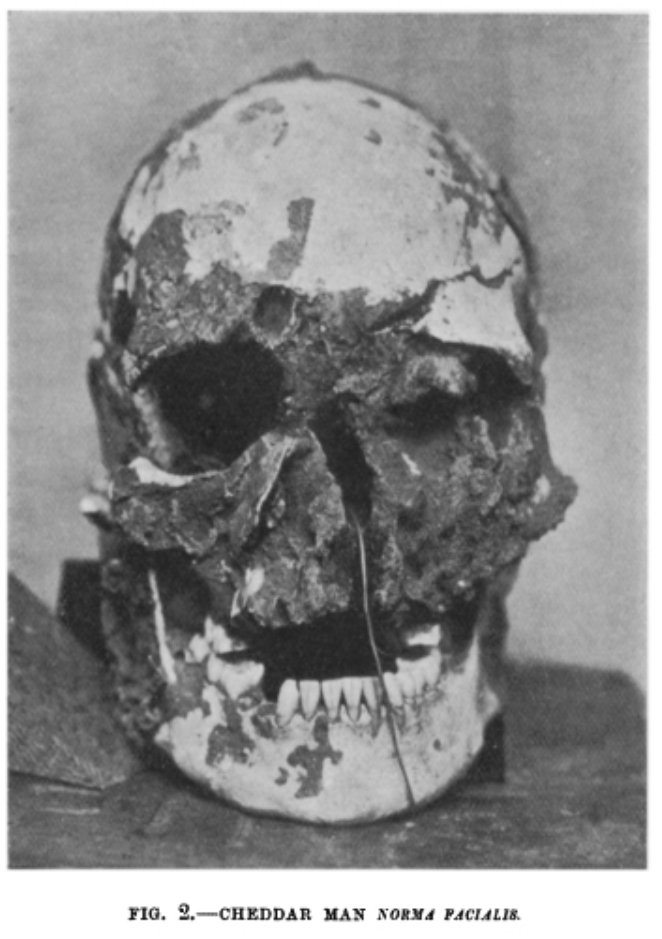
Skull of Cheddar Man (Wikicommons)


The first modern Britons, who lived about 10,000 years ago, had "dark to black" skin, a groundbreaking DNA analysis of Britain's oldest complete skeleton has revealed.

The fossil, known as Cheddar Man, was unearthed more than a century ago in Gough's Cave in Somerset. [...] It was initially assumed that Cheddar Man had pale skin and fair hair, but his DNA paints a different picture, strongly suggesting he had blue eyes, a very dark brown to black complexion and dark curly hair.

The discovery shows that the genes for lighter skin became widespread in European populations far later than originally thought. (Devlin 2018)

An ancient DNA study has made a big splash in the news. Its authors took the unusual step of releasing their findings to the media before presenting them at a scientific conference or in an academic journal. Not until more than a week later did they provide a paper describing their methods and their results. This paper was made available on BioRxiv, a preprint online repository, and it has yet to be accepted by a peer-reviewed journal.

Not surprisingly, these findings have been discussed in an atmosphere of Gotcha! journalism and trite moralizing. One of the authors, Yoan Diekmann, opined in an interview that the connection between Britishness and whiteness is "not an immutable truth. It has always changed and will change" (Devlin 2018). 

Well, obviously. If I could travel back in time, I would encounter people who look less and less like me the farther back I go, and this would be true for any people anywhere in the world. We think of the Amerindians as being native to the Americas, yet their ancestors had earlier replaced a people with very dark skin and frizzy hair, similar in appearance to the natives of Papua New Guinea (Frost 2018). In Europe, the first modern humans to arrive some 45,000 years ago would have looked very African—not only in their skin color but also in their hair form, face shape, and body proportions. 

This is what evolution is about, perhaps more so with our species. Human evolution is like a logarithmic curve. More genetic change has happened over the past 10,000 years than over the previous 100,000. And more has happened during those 100,000 years than over the previous one million. Our species is unique in having to adapt not only to a slowly changing natural environment but also to a faster-changing and increasingly diverse range of cultural and social environments (Hawks et al. 2007).

Another point: the Cheddar Man finding wasn't unexpected. We've already examined the DNA of two other Mesolithic humans, one from Loschbour in Luxembourg, dated to 8,000 years ago, and the other from La Braña in Spain, dated to 7,000 years ago. Both show the same combination of dark skin and blue/green eyes (Lazaridis et al. 2013; Olalde et al. 2014). How dark is 'dark'? They would have been much darker than a normal native European. The alleles in question are now so rare in native Europeans that anyone with them today most likely has a recent African ancestor. 

Yes, this study has been criticized for inferring skin color from alleles at 16 genes. Although this number is adequate for European and Asian individuals, it isn't for Africans—among whom skin color is determined by alleles at many more genes (Barras 2018). This is the case with most genetically influenced traits: Europeans and Asians have much less genomic variability than do Africans because their ancestors left Africa as small 'founder' groups that took with them only a fraction of the original variability. But Cheddar Man, despite his skin color, was European; he was descended from humans who went through the Out-of-Africa bottleneck. Therefore, the study's methodology should work.

So Western Europe was once home to hunter-gatherers who, other than their blue eyes, were still largely African in appearance. Again, this is to be expected. If we go far enough back in time, we come to ancestors who didn't look like us. Perhaps less expectedly, we don't have to go very far back. The dark-skinned Mesolithic individual from Spain lived some 7,000 years ago, and there is no reason to believe he was the last of his kind. Indeed, dark skin seems to have persisted into the early Neolithic in some parts of Western Europe, like a Neolithic individual from England nicknamed 'Sven' and dated to 4,000-5,000 BP: "Sven most likely had intermediate to dark skin pigmentation, brown eyes and black possibly dark brown hair" (Brace et al. 2018). That last date puts us within the realm of recorded history—almost the time of Hammurabi.

All of this is consistent with earlier findings. Palaeontologists Marcellin Boule and Henri V. Vallois noted the African-like appearance of many Neolithic remains from Western Europe:

'In Brittany, as well as in Switzerland and in the north of Italy, there lived in the Polished Stone period, in the Bronze Age and during the early Iron Age, a certain number of individuals who differed in certain characters from their contemporaries', in particular in the dolichocephalic character of their skull, in possessing a prognathism that was sometimes extreme, and a large grooved nose. This is a matter of partial atavism which in certain cases, as in the Neolithic Breton skull from Conguel, may attain to complete atavism. Two Neolithic individuals from Chamblandes in Switzerland are Negroid not only as regards their skulls but also in the proportions of their limbs. Several Ligurian and Lombard tombs of the Metal Ages have also yielded evidences of a Negroid element.

Since the publication of Verneau's memoir, discoveries of other Negroid skeletons in Neolithic levels in Illyria and the Balkans have been announced. The prehistoric statues, dating from the Copper Age, from Sultan Selo in Bulgaria are also thought to portray Negroids. In 1928 René Bailly found in one of the caverns of Moniat, near Dinant in Belgium, a human skeleton of whose age it is difficult to be certain, but which seems definitely prehistoric. It is remarkable for its Negroid characters, which give it a resemblance to the skeletons from both Grimaldi and Asselar.

It is not only in prehistoric times that the Grimaldi race seems to have made its influence felt. Verneau has been able to see, now in modern skulls and now in living subjects, in the Italian areas of Piedmont, Lombardy, Emilia, Tuscany, and the Rhone Valley, numerous characters of the old fossil race (Boule & Vallois 1957: 291-292).

So the Western European hunter-gatherers didn't die out completely. They represent about 25% of the ancestry of Neolithic British individuals and about 10% of the ancestry of present-day white British (Brace et al. 2018). Nonetheless, they were largely replaced by people from elsewhere, perhaps beginning in the late Mesolithic—as suggested by the more intermediate skin color of the Loschbour individual (Brace et al. 2018).

How, then, did Western Europeans become white? When ancient DNA was first being retrieved, the answer seemed simple: the last hunter-gatherers in Western Europe were dark-skinned and the first farmers in Central Europe were light-skinned. Therefore, the modern European phenotype must have been brought to Europe by those farmers, who had apparently come from Anatolia (present-day Turkey). 

This picture changed with retrieval of ancient DNA from hunter-gatherer sites in northeastern Europe, specifically Motala in Sweden (8,000 BP), Karelia in Russia (7500-7000 BP), and Samara in Russia (7,500-7000 BP). Those individuals had a fully modern European phenotype: pale skin with diverse hair colors (red, blond, black) and diverse eye colors (blue, brown) (Anthrogenica 2015; Eupedia 2015; Frost 2014; Frost et al. 2017; Mathieson et al. 2018). The modern European phenotype must have emerged even earlier, most likely during the last ice age of the Upper Paleolithic within an area stretching from the Baltic to mid-Siberia. To date, the earliest known individual with the derived allele for blond hair is from Afontova Gora (c. 18,000 BP) (Mathieson et al. 2018).

But what about the Neolithic farmers? How did they get to be white-skinned? Most likely through introgression. As they advanced into Europe, they intermixed with the native population.

Agriculture in a region may have been introduced by immigrants, but that does not mean that the immigrants carried mainly Near Eastern genes (Richards 2003; Rowley-Conwy 2004b; Zvelebil 2005). The LBK, for example, originated in the Carpathian Basin; the population that moved westward emerged there carrying a complex mix of European and Near Eastern mtDNA and no doubt picking up more as it moved. (Rowley-Conwy 2011: S434)

In some cases, farming communities took in hunter-gatherer individuals, especially women. In other cases, replacement was followed by reverse replacement, as with Neolithic culture in northwestern France: "After a couple of centuries it disappeared, replaced by a more widespread local Neolithic. Agriculturalized foragers appear to have absorbed the immigrants" (Rowley-Conwy 2011: S439).

In Western Europe, hunter-gatherers made a smaller contribution to the Neolithic gene pool (~25%) because of their low population density. The situation was like that of European settlers and native Amerindians in North America. Introgression was greater during the long time (7500-6000 BP) when the advance of Neolithic farmers stalled along a line stretching from the Low Countries in the West to the Black Sea in the East. To the north, along the shores of the Baltic and the North Sea, were hunter-fisher-gatherers with a relatively high population density (Frost 2017; Price 1991).

So to what degree are Europeans today descended from native Mesolithic hunter-gatherers and to what degree are they descended from Neolithic farmers of Anatolian origin? This question still has no reliable answer. On the basis of mtDNA, Skoglund et al. (2012) estimated Anatolian admixture at 95% in Sardinians, 52% in northwest Europeans, 31-41% in Swedes, and 11% in Russians. This methodology has a major flaw, however: if a group is a mixture of two other groups, its allele frequencies are assumed to be determined solely by the degree of intermixture. No allowance is made for differences in natural selection.

If we compare late hunter-gatherers with present-day Europeans, we see that the main change to mtDNA has been the loss of haplogroup U. Today, this haplogroup reaches high levels only among the Saami of Finland and the Mansi of northwestern Siberia, both of whom were hunter-gatherers until recently (Derbeneva et al 2002). Does the hunting-gathering lifestyle somehow favor this haplogroup? Balloux et al. (2009) argued that trade-offs between thermogenesis and ATP synthesis favor some haplogroups over others. In particular, haplogroup U is associated with reduced sperm motility—an indication that the energy balance is shifted from producing ATP to producing heat. Being nomadic, hunter-gatherers spend more time in the cold, especially when sleeping in temporary shelters. In contrast, farming makes possible a more sedentary lifestyle, including a warmer sleeping environment, and would therefore select against genetic variants, like haplogroup U, that increase body temperature at the expense of ATP production.

This hypothesis is testable. If haplogroup U disappeared because Anatolian farmers partially replaced native hunter-gatherers, this genetic change should coincide with the time boundary between late hunter-gatherers and early farmers. If this haplogroup disappeared through natural selection, the change should have occurred gradually over a longer period. The second scenario seems closer to the truth. In a study of 92 Danish human remains from the Mesolithic to the Middle Ages, Melchior et al. (2010) found that high incidences of haplogroup U persisted long after the advent of farming and apparently as late as the Early Iron Age.

Haplogroup U was likewise found to persist across the Mesolithic/Neolithic boundary when Jones et al. (2011) compared ancient DNA from Latvia and Ukraine. They also used nuclear DNA to compare the Mesolithic and Neolithic samples, as opposed to the mtDNA methodology of Skoglund et al. (2012). This time there was no evidence of Anatolian admixture in any of the Neolithic samples.

This is not to say that Anatolian farmers didn’t contribute to the European gene pool. They did, but researchers have overestimated this contribution by attributing all of the genetic differences between farmers and hunter-gatherers to population replacement. This is particularly the case with haplogroup U—the mtDNA marker that most sharply distinguishes farmers from hunter-gatherers. If mtDNA shows that Russians are 11% Anatolian, while nuclear DNA shows that Ukrainians are 0% Anatolian, the discrepancy is probably due to differences in methodology rather than a real difference between Russians and Ukrainians.

Conclusion

With the end of the last ice age, Europe had three major populations: 

Western Hunter-Gatherers - attested from sites in Spain, Luxembourg, and England
- African appearance except for blue eyes (dark skin, dark curly hair)

Anatolian Farmers - attested from sites in central and southern Europe
- Spread into Europe from the southeast and intermixed with native hunter-gatherers as they advanced northward
- White skin, dark hair, dark eyes

Eastern Hunter-Gatherers - attested from sites in Sweden and Russia
- Fully modern European phenotype: white skin with a diverse palette of hair and eye colors
- By the late Mesolithic, high population densities along the Baltic and the North Sea

The Western Hunter-Gatherers went extinct after 7,000 BP, being replaced by Anatolian Farmers who by then had become heavily intermixed with native hunter-gatherers. After a relatively rapid expansion into southern, central, and western Europe, their wave of advance came to a halt around 7500 BP along a line stretching from the Low Countries to the Black Sea. 

Meanwhile, Eastern Hunter-Gatherers along the Baltic and the North Sea had increased their numbers by exploiting marine resources (fish, shellfish, seals). As fisher-hunters they were able to create semi-sedentary societies with relatively large populations and high social complexity, thus forming a demographic barrier to the advance of farming until around 6,000 BP. They then adopted farming through cultural diffusion rather than population replacement. As farmer-fishers, they now expanded westward and southward, an expansion that continued into the historical period.

In this prehistoric drama, we like to see Mesolithic hunter-gatherers as beautiful losers who were steamrolled out of existence by savvier and more numerous farming peoples. This was true for the Western Hunter-Gatherers. There was another Mesolithic population, however: the hunter-fisher-gatherers along the shores of the Baltic and the North Sea. They achieved levels of population density and social complexity not only on a par with Neolithic societies but also rich in possibilities for future advancement. Of the three major populations in prehistoric Europe, they were the ones who would ultimately have the greatest demographic impact and lead the way to behavioral modernity, i.e., individualism, reduced emphasis on kinship, and the market as the main organizing principle of social and economic life. They not only survived but also went on to create what we call the Western World. Not bad for a bunch of losers.

References

Anthrogenica. (2015). Surprising pale pigmentation in Mesolithic Motala HGs. March 7 http://www.anthrogenica.com/showthread.php?3975-Surprising-Pale-pigmentation-in-Mesolithic-Motala-HGs

Balloux F., L.J. Handley, T. Jombart, H. Liu, and A. Manica (2009). Climate shaped the worldwide distribution of human mitochondrial DNA sequence variation. Proceedings of the Royal Society B. Biological Sciences 276 (1672): 3447-55. 

Barras, C. (2018). Ancient 'dark-skinned' Briton Cheddar Man find may not be true, New Scientist, February 21

Beleza, S., Murias dos Santos, A., McEvoy, B., Alves, I., Martinho, C., Cameron, E., Shriver, M.D., Parra E.J., and Rocha, J. (2013). The timing of pigmentation lightening in Europeans. Molecular Biology and Evolution 30: 24-35.

Boule, M. and H.V. Vallois. (1957). Fossil Men. New York: Dryden Press.

Brace, S., Y. Diekmann, T.J. Booth, Z. Faltyskova, N. Rohland, S. Mallick, et al. (2018). Population replacement in early Neolithic Britain, BioRxiv, February 18. http://dx.doi.org/10.1101/267443 

Canfield, V.A., A. Berg, S. Peckins, S.M. Wentzel, K.C. Ang, S. Oppenheimer, and K.C. Cheng. (2014). Molecular phylogeography of a human autosomal skin color locus under natural selection, G3, 3:2059-2067.

Derbeneva, O.A., E.B. Starikovskaya, D.C. Wallace, & R.I. Sukernik. (2002). Traces of early Eurasians in the Mansi of Northwest Siberia revealed by mitochondrial DNA analysis, American Journal of Human Genetics 70:1009-1014.

Devlin, H. (2018). First modern Britons had 'dark to black' skin, Cheddar Man DNA analysis reveals, The Guardian, February 7

Eupedia. (2015). Mesolithic source of pale pigmentation in modern Europe. March 3. https://www.eupedia.com/forum/threads/30957-Mesolithic-source-of-Pale-pigmentation-in-modern-Europe

Frost, P. (2014). The puzzle of European hair, eye, and skin color. Advances in Anthropology 4 (2):78-88. http://dx.doi.org/10.4236/aa.2014.42011  .

Frost, P. (2017). The Hajnal line and gene-culture coevolution in northwest Europe, Advances in Anthropology 7:154-174.

Frost, P. (2018). The people before the First Nations, Evo and Proud, January 11

Frost, P., K. Kleisner, and J. Flegr. (2017). Health status by gender, hair color, and eye color: Red-haired women are the most divergent. PLoS ONE 12 (12). http://dx.doi.org/10.1371/journal.pone.0190238 .

Hawks, J., E.T. Wang, G.M. Cochran, H.C. Harpending, and R.K. Moyzis. (2007). Recent acceleration of human adaptive evolution, Proceedings of the National Academy of Science USA. 104:20753-20758.

Jones, E.R., G. Zarina, V. Moiseyev, E. Lightfoot, P.R. Nigst, A. Manica, et al. 2017. The Neolithic Transition in the Baltic Was Not Driven by Admixture with Early European Farmers, Current Biology 27(4): 576-582.

Lazaridis, I., N. Patterson, A. Mittnik, G. Renaud, S. Mallick, S. Mallick, et al. (2013). Ancient human genomes suggest three ancestral populations for present-day Europeans. Nature 513(7518): 409-413. http://dx.doi.org/10.1038/nature13673 

Mathieson, I., S.A. Roodenberg, C. Posth, A. Szécsényi-Nagy, N. Rohland, S. Mallick, et al. (2018). The Genomic History of Southeastern Europe, Supplementary Information, p. 52, Nature, February 21 online, http://dx.doi.org/10.1038/nature25778  

Melchior, L., N. Lynnerup, H.R. Siegismund, T. Kivisild, J. Dissing. (2010). Genetic diversity among ancient Nordic populations, PLoS ONE, 5(7): e11898

Olalde, I., M.E. Allentoft, F. Sanchez-Quinto, G. Santpere, C.W.K. Chiang, M. DeGiorgio, et al. (2014). Derived immune and ancestral pigmentation alleles in a 7,000-year-old Mesolithic European. Nature 507 (7491):225-228. http://dx.doi.org/10.1038/nature12960 .

Price, T.D. (1991). The Mesolithic of Northern Europe, Annual Review of Anthropology 20:211-233.

Rowley-Conwy, P. (2011). Westward Ho! The Spread of Agriculturalism from Central Europe to the Atlantic, Current Anthropology 52 (S4):S431-S451
http://arkeobotanika.pbworks.com/w/file/fetch/48307263/Rowley-Conwy%2011%20CA%20Farming%20westward.pdf  

Skoglund, P., H. Malmström, M. Raghavan, J. Storå, P. Hall,  E. Willerslev, M.T. Gilbert, A. Götherström, and M. Jakobsson. (2012). Origins and genetic legacy of Neolithic farmers and hunter-gatherers in Europe, Science 336:466-469.