Showing posts with label mental traits. Show all posts

Tuesday, October 3, 2017

The canary in the coal mine?


Magazine rack in a Japanese store (Wikicommons - Corpse Reviver)


Hugh Hefner's death has ended an era that actually ended around the turn of the millennium. Gone are the days of porn in limited supply. During my teen years Playboy wasn’t sold in my town. You had to go to a drugstore 15 kilometers away and buy it in person, while hoping the cashier wouldn't blab to others. Then you had to find a place to hide it. Videocassettes were starting to come on market, but they had to be bought even farther away, and there was still the problem of finding a hiding place.

Fast-forward to the year 2017. From my computer I can access porn of almost any description in almost any quantity. And the access is fast, free, and anonymous. There is no comparison to the world of my youth, and even less to the world of 1953, when Playboy made its debut. That same year King Farouk of Egypt was described as a "self-indulgent playboy" with "carloads of erotica" (Gunther, 1953, p. 205). Carloads? That's nothing. Today, anyone with an Internet connection can stash away thousands upon thousands of erotic images.

This is a new sensory environment for humans. An analogy would be the increasing availability of food to native peoples in the far north. In the past their environment offered meat in limited amounts, and sometimes none was available. Hunters were thus highly motivated to seek out food and not let any go uneaten. Now fast-forward to the present. High-calorie snacks are available in any store, and they’re tasty with lots of salt, sugar, and fat—the very nutrients that were once in short supply. As a result, obesity is reaching epidemic proportions in the North.

No surprise really. And should we be surprised to learn that the increasing availability of porn today may have similarly adverse effects?

This question was addressed by a recent study on how porn consumption affects the male brain. Sixty-four men had their brains scanned, and the results were compared with the number of hours they spent viewing pornography per week. The results? Prolonged exposure to porn seemed to atrophy those portions of the brain that process erotic stimuli. The volume of gray matter was smaller in those subjects who viewed the most porn, and functional connectivity was likewise reduced. They seemed to require more porn (or harder porn) to achieve the same stimulation.

Taken together, one may be tempted to assume that the frequent brain activation caused by pornography exposure might lead to wearing and downregulation of the underlying brain structure, as well as function, and a higher need for external stimulation of the reward system and a tendency to search for novel and more extreme sexual material. This hypothesized self-perpetuating process could be interpreted in light of proposed mechanisms in drug addiction where individuals with lower striatal dopamine receptor availability are assumed to medicate themselves with drugs (Kühn and Gallinat 2014)

This interpretation is supported by a recent review of the literature:

Some internet activities, because of their power to deliver unending stimulation (and activation of the reward system), are thought to constitute supernormal stimuli, which helps to explain why users whose brains manifest addiction-related changes get caught in their pathological pursuit. [...] In short, generalized internet chronic overuse is highly stimulating. It recruits our natural reward system, but potentially activates it at higher levels than the levels of activation our ancestors typically encountered as our brains evolved, making it liable to switch into an addictive mode.

[...] previously established brain maps for "natural" sexuality cannot compare to the newly developed and continuously reinforced maps generated by continued compulsive watching of Internet pornography, and thus the addicted individual progresses to more explicit and graphic Internet pornography in order to maintain the higher level of excitement. (Love et al. 2015)

Of course, the arrow of causality might point the other way. Perhaps a man will seek out and view more porn if he already has less of the gray matter for sexual arousal. Only a longitudinal study can tell us which is causing what.

Let's suppose the first explanation is the right one. What can we do? Frankly, I'm pessimistic about legislative solutions. Give politicians the power to ban Internet porn (or Islamist extremism), and they'll use it to ban … the Alt-Right. Our political class lives in another age and sees reality through the lens of yesterday's issues and yesterday's priorities.

A second problem is that politicians try to ban child porn much more than the adult stuff. This is a classic case of going after a soft target that is secondarily important and perhaps not important at all. If porn has a desensitizing effect, it should cause pedophiles to lose interest in real children and focus on electronic images, since only the latter can be viewed in sufficient quantity to cause sexual arousal. So what’s the problem?

We should worry more about porn desensitization that disrupts relationships between adult men and women. A similar phenomenon has been noted with TV viewing: the more people watch TV, especially programming with romantic content, the more dissatisfied they feel with their marriages (Reizer and Hetsroni 2014). We may be becoming too good at creating virtual alternatives to reality.

The Japanese case

This desensitization may be most acute in Japan. In comparison to the United States, porn is more freely available there and less "compartmentalized":

Nudity is evident in both sexually identified and general circulation magazines. For instance, the weekly general-interest magazines will often include several photographs of nude women (plus ratings of local massage parlors). Although such magazines are oriented predominantly for businessmen, the inclusion of sexual photographs is also assumed to interest the business audience. In this regard, it is apparent that rigid boundaries do not exist for the publication of sexual material. In fact, nudity or sexual themes appear in Japanese teen magazines, sports magazines, fashion magazines, and so on. 

[...] Japanese public television is also different from its American counterpart. Overtly sexual material and nudity are permissible. For example, a Japanese television program known as the 11 P.M. Show can feature a strip tease, bare breasts and buttocks, reportage on massage parlors, expert authorities on sex, and so on. Similarly, the Japanese public-access movie channels can feature R-rated movies such as Emmanuelle (with some air-brushing). Finally, even Japanese commercials and advertisements have more flexibility in sexual content. (Abramson and Hayashi 2014, p. 179)


This ubiquitous porn is viewed by Japanese men, who are less polygynous than most human males and have lower blood levels of 5a-reductase—the enzyme that converts testosterone into the more physiologically active DHT (Ross et al. 1992). Lower testosterone activity seems to be an adaptation to monogamy and high paternal investment:

Numerous studies reveal a negative correlation between testosterone concentration and paternal care in diverse mammals including nonhuman primates and humans. Several researchers suggest that spousal investment accounts for the lower testosterone of married men compared to unmarried men, but findings that the lowest testosterone levels are observed in married men with children implicate paternal care as particularly relevant. Thus testosterone reduction may reflect a facultative shift in male reproductive strategy from intrasexual competition and copulation to care of young. (Shur et al. 2008)

Some Japanese authors have reached this sort of conclusion, seemingly echoing J. Philippe Rushton (although the book in question predates his publications by several years):

Finally, a number of Japanese authors (e.g., Komatsu, 1974) have also suggested that Asian populations are less sexualized than Caucasian or black populations. They cite secondary sex characteristics (less public hair, smaller breasts, etc.) as evidence. Unfortunately, the data on sexual frequencies (intercourse, etc.) are not particularly reliable, and it is not clear whether competing responses (such as nurturance) are mediating sexual expression. (Abramson and Hayashi 2014, p. 182)

Japanese men and women may thus be especially vulnerable to porn consumption. More and more couples no longer have sex, the percentage rising from 31.9% in 2004 to 36.5% in 2008 and to 47.2% in 2016 (McCurry 2017; Moriki 2012). The major reasons given are "tired from work," abstention from sex after a birth, and "sex is too troublesome" (Moriki 2012). These reasons are probably proximal, and in any case it is far from clear why they would be growing in importance.

There is some indication that the Japanese realize that porn is becoming a problem. But it’s not clear where this realization will lead. In this, as in many other things, they follow the lead of other Western countries, especially the United States. Concern about porn is thus limited to child porn.

References

Abramson, P.R. and H. Hayashi. (1984). Pornography in Japan: Cross-cultural and theoretical considerations, in N.M. Malamuth and E. Donnerstein (eds) Pornography and Sexual Aggression, pp. 173-184, Orlando: Academic Press.
https://books.google.ca/books?id=p1KLBQAAQBAJ&printsec=frontcover&hl=fr&source=gbs_ge_summary_r&cad=0#v=onepage&q&f=false

Gunther, J. (1953). Inside Africa, New York: Harper & Brothers.

Kühn, S. and J. Gallinat. (2014). Brain structure and functional connectivity associated with pornography consumption. The brain on porn, JAMA Psychiatry, 71(7), 827-834. http://jamanetwork.com/journals/jamapsychiatry/fullarticle/1874574?=

Love, T., C. Laier, M. Brand, L. Hatch, and R. Hajela. (2015). Neuroscience of Internet pornography addiction: a review and update, Behavioral Sciences, 5(3), 388-433.
http://www.mdpi.com/2076-328X/5/3/388/htm

McCurry, J. (2017). Record numbers of couples living in sexless marriages in Japan, says report, The Guardian, February 14
https://www.theguardian.com/world/2017/feb/14/record-numbers-of-couples-living-in-sexless-marriages-in-japan-says-report

Moriki, Y. (2012). Mothering, co-sleeping, and sexless marriages: implications for the Japanese population structure, The Journal of Social Science, 74, 27-45.
https://icu.repo.nii.ac.jp/?action=repository_action_common_download&item_id=1542&item_no=1&attribute_id=18&file_no=1  
Reizer, A. and A. Hetsroni (2014). Media exposure and romantic relationship quality: A slippery slope? Psychological Reports, 114(1), 231-249.
http://journals.sagepub.com/doi/abs/10.2466/21.07.PR0.114k11w6

Ross, R.K., Bernstein, L., Lobo, R.A., Shimizu, H., Stanczyk, F.Z., Pike, M.C., and Henderson, B.E. (1992). 5-apha-reductase activity and risk of prostate cancer among Japanese and US white and black males. Lancet, 339, 887-889.
http://www.sciencedirect.com/science/article/pii/014067369290927U

Shur, M.D., Palombit, R.A., and Whitten, P.L. (2008). Association between male testosterone and friendship formation with lactating females in wild olive baboons (Papio hamadryas anubis). Program of the 77th Annual Meeting of the American Association of Physical Anthropologists, p. 193.
http://onlinelibrary.wiley.com/doi/10.1002/ajpa.20806/epdf

Monday, September 4, 2017

Gene-culture coevolution in northwest Europe


Notre-Dame-de-Compassion, Paris. Women have more affective empathy than do men, an indication that it originated served to bind a mother to her young children. To different degrees, and in different societies, it has become extended to other human relations. 


I've published a new paper: The Hajnal line and gene-culture coevolution in northwest Europe. This is the abstract:


North and west of a line running from Trieste to St. Petersburg, social relations have long conformed to the Western European Marriage Pattern, i.e., men and women marry relatively late; many people never marry; children usually leave the nuclear family to form new households, and households often have non-kin members. This pattern goes back at least to the thirteenth century and perhaps to prehistoric times. I argue that this environment of weaker kinship caused northwest Europeans to create communities based on shared moral rules, rather than shared kinship. Community members enforced these rules by monitoring not only the behavior of other members but also their own behavior and even their own thoughts. Initially, this new mindset did not have a genetic basis. Individuals acquired it within the bounds of phenotypic plasticity. Over time, however, a genetic basis would have developed through the survival and reproduction of individuals who were better at being socially independent, at obeying universal rules, at monitoring other community members, and at self-monitoring, self-judging, and self-punishing. These psychological adaptations-independent social orientation, universal rule adherence, affective empathy, guilt proneness-are moderately to highly heritable. Although they are complex, they required only minor evolutionary changes to evolve out of mechanisms that were already present but limited to specific behavioral contexts. Affective empathy, for instance, is a species-wide trait but usually confined to relations with close kin, particularly between a mother and her young children. An evolutionary scenario is proposed, and two questions discussed. Are these mental traits too complex to have evolved over a span of 30 to 300 generations? Are they too altruistic to be sustainable?


*****************************************************


In a series of tweets, hbd* chick has accused me of plagiarizing her work without acknowledgment. This is a serious accusation, so please let me address it at length. 


I first became interested in the Western European Marriage Pattern (WEMP) in the early 1990s. I wanted to know why marriage systems are so different in Europe from elsewhere in the world. The high incidence of polygyny in sub-Saharan Africa can be explained by the mode of subsistence (year-round horticulture with high female participation and low male participation). But why is polygyny stigmatized so much more in European societies than elsewhere in Eurasia? Why the emphasis on monogamy and on postponement of marriage? Most scholars seemed to blame Christianity, but I knew, from my own readings, that polygyny had been stigmatized in Europe before Christianization. I made this point in an exchange with Kevin MacDonald in the pages of Ethology and Sociobiology in 1991 and 1992. I later discovered Wally Seccombe’s book A Millennium of Family Change. Feudalism to Capitalism in Northwestern Europe (1992). It was this book that introduced me to the WEMP, and it was at that point in time that I began to wonder whether the WEMP might explain the development of "guilt culture" (as opposed to "shame culture") in northwest Europe.

I first put forward some of these ideas in a post on my blog, "The Western European Marriage Pattern" (November 12, 2011). At that time, I knew hbd* chick had also written about the WEMP, but her posts hadn't contributed to the development of my thinking. I recognize that she has come up with original ideas on this topic, particularly her belief in the key role of manorialism, but I don't share that belief. Like Seccombe, I believe that the WEMP goes farther back in time. At one point, I tried to incorporate her ideas into my thinking, but I eventually gave up. I may be wrong, and I would like to be proven wrong, but the northwest European mindset seems to be much older than the Middle Ages.

So what did I plagiarize without acknowledgment? Whatever I know about this subject comes from authors who predate hbd chick, especially Wally Seccombe, but also Alan MacFarlane and Ruth Benedict. And I discovered those authors independently of hbd* chick. I'm especially flabbergasted by her claim that she originated the notion of Western European "guilt culture." Is she older than Ruth Benedict? Nor did she (or I) originate the notion that independent social orientation is stronger in northwest Europe. Alan MacFarlane and, more recently, Joan Chiao and Katherine Blizinsky have been the trailblazers in that area. Yes, credit should be given where credit is due, and I have given credit to those people who have the strongest moral claim to those ideas.

I wanted to insert a reference in my article to hbd* chick, but that insertion would have simply described her belief that the spread of manorialism was key to the WEMP (whereas I feel otherwise). Unfortunately it's difficult to cite an anonymous blogger in an academic publication because reviewers and editors have a strong prejudice against such citations. I tried doing that once for a previous article, and I was persuaded to find another source. Citing Wikipedia is usually possible, but citing an anonymous blogger is a bridge too far. The reasons are understandable. When people write under a pseudonym and without peer review, there is no way to prevent publication of poorly formulated views that are written impulsively and in the heat of the moment. I'm not supporting political correctness here. I'm supporting responsible scholarship.

I can understand why many people choose to publish under a pseudonym, especially on topics like this one. I've had to endure personal attacks for publishing under my own name, and my name can be linked to a lot of things: home address, personal photos, place of work, and so on. That's the price I've chosen to pay. In exchange, my publications can be cited in the academic literature. 

Aside from that one point (the spread of manorialism), I feel no moral obligation to cite hbd* chick for a topic that has long been discussed by many other people. My interest in the WEMP is quite different from hers. I wanted to explain why guilt plays such a strong role in the cultures of northwest Europe. The usual explanation is that northwest Europeans feel guilty because they have a lot to feel guilty about: slavery, colonialism, the Holocaust, etc. But how would that explain a guilt-ridden country like Sweden? The Swedes played little or no role in those historical events. In any case, the roots of northwest European guilt culture go much farther back in time.

I hope everyone will think over what I have written here. I don't like to treat people wrongly, and it pains me to be accused of wrongdoing.


 ******************************************************


I'm back to blogging, perhaps a new column every two weeks. To be honest, I have mixed feelings. On the one hand, blogging forces me to come up with new ideas, which can later be written up as academic articles, like the above. On the other hand, a single column can easily consume five to seven hours of my time. There are also legal ramifications: I can be held responsible not only for what I write but also for what anonymous commenters write.


References

Benedict, R. (1946 [2005]). The Chrysanthemum and the Sword. Patterns of Japanese Culture. First Mariner Books.

Chiao, J.Y. & Blizinsky, K.D. (2010). Culture-gene coevolution of individualism-collectivism and the serotonin transporter gene. Proceedings of the Royal Society B, 277, 529-537.

Frost, P. (2017). The Hajnal line and gene-culture coevolution in northwest Europe, Advances in Anthropology, 7, 154-174.

Frost, P. (2011). The Western European Marriage Pattern, November 12, 2011 http://evoandproud.blogspot.ca/2011/11/western-european-marriage-pattern.html

Frost, P. (1991). Letter to the Editors, Ethology and Sociobiology, 12(5), 335-336.

Macfarlane, A. (2012). The invention of the modern world. Chapter 8: Family, friendship and population. The Fortnightly Review, Spring-Summer serial

Macfarlane, A. (1992). On individualism. Proceedings of the British Academy, 82, 171-199. 

Macfarlane, A. (1978). The origins of English individualism: Some surprises. Theory and Society, 6, 255-277. 

Seccombe, W. (1992). A Millennium of Family Change. Feudalism to Capitalism in Northwestern Europe, London: Verso.

Saturday, December 6, 2014

Are Chinese babies more docile?


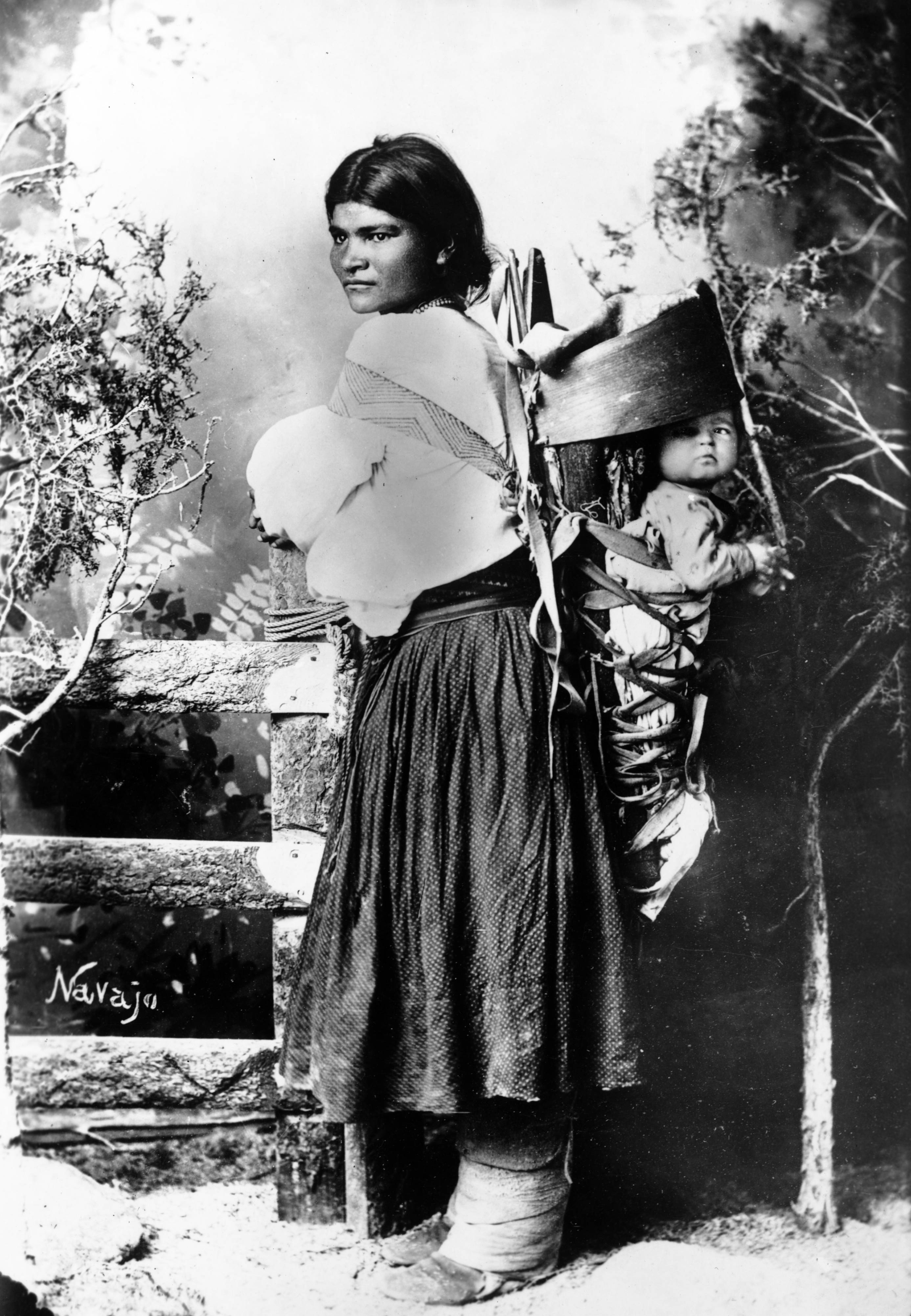
Navaho woman with a child on cradleboard.
see video on cross-cultural differences in newborn behavior, Daniel Freedman, 1974 (posted by hbd chick)


In my last post I discussed recent research on mental differences between Europeans and Chinese people. The latter are less prone to boredom. They think less abstractly and more relationally. They're less individualistic, and less likely to punish friends for dishonesty. Mental differences also seem to exist within China, depending on whether one comes from a region that historically grew rice or one that historically grew wheat. Chinese from wheat-growing regions are closer to Europeans in mentality.

Are these differences inborn? Or are they due to upbringing? The second explanation is hard to reconcile with the fact that the regional differences within China involved urban residents who had never lived on a farm of any sort.

Almost a half-century ago, these questions interested the American psychologist Daniel Freedman and his wife Nina Chinn Freedman. They examined 24 Chinese-American and 24 Euro-American newborns whose parents were otherwise similar in age, economic class, and number of previous children. The two groups nonetheless behaved differently. The Euro-American babies cried more easily, were harder to console, and would immediately turn their faces aside if placed face down on a sheet. In contrast, the Chinese-American babies accepted almost any position without crying or resisting. When a light was shone in their eyes, the Euro-American babies would continue to blink long after the Chinese-American babies had stopped blinking (Freedman and Freedman, 1969; Freedman, 2004).

These findings were partially replicated by another American psychologist, Jerome Kagan, who found that Chinese 4-month-olds cried, fretted, and vocalized less than Euro-American infants. At older ages, however, the pattern reversed with Chinese Americans fretting and crying more when separated from their mothers (Kagan et al., 1978; Kagan et al., 1994).

Is this response specific to Chinese? Or does it apply to East Asians in general? In a study of Euro-American, Japanese, and Chinese 11-month olds, the last group was the least expressive one, being least likely to smile or cry. The Japanese babies either fell between the two other groups or were like the Euro-American babies (Camras et al., 1998). When another study looked at Japanese and British newborns, the latter actually showed more self-quieting activity (Eishima, 1992).

On the other hand, Navaho babies are even calmer and more adaptable than Chinese babies (Freedman, 2004). Some anthropologists have attributed this finding to a traditional practice of tying the baby to a cradleboard. As Freedman pointed out, however, this practice is now only sporadic among the Navaho.

Freedman attributed his Chinese and Navaho findings to a general Mongoloid temperament. If that were the case, infants should behave similarly in other North American native peoples. A study of Alaskan Inupiaq found young children to be shy but otherwise no different from Euro-American children. These subjects were, however, older than Freedman’s, being 3 to 6 years of age (Sprott, 2002).

It may be that the Navaho differ from other North American native peoples in this respect. Perhaps, in the past, mortality was higher among those babies who resisted the cradleboard; over time, they and their temperament would have been steadily removed from the gene pool. As Freedman noted, "most Navaho infants calmly accept the board; in fact, many begin to demand it by showing signs of unrest when off." When Euro-American mothers tried using the cradleboard, "their babies complained so persistently that they were off the board in a matter of weeks" (Freedman, 2004).

Infant calmness can thus arise in relatively simple societies, and not just in advanced ones as I had argued in my last post. In the Navaho case, there may have been some kind of parental selection, i.e., through their child-rearing practices, parents influence what sort of children survive and what sort don't. In other simple societies, such as among the Australian Aborigines, infant behavior is much less calm and compliant (Freedman, 2004).

Behavior can likewise differ between infants from different complex societies. We've seen this with Chinese-American and Euro-American babies, the latter having a less easy temperament. A difficult temperament (colic, excessive crying) is also much more common in babies of Greek or Middle Eastern origin than in babies of Northwest European or Asian Indian origin (Prior et al., 1987).

In the future, it would be interesting to find out whether infants differ in temperament within China, such as between rice-growing and wheat-growing regions.
 

But will there be more research?

There seems to be less and less interest in this area of research, particularly within the United States. I can point to several reasons:

- The behavioral differences between Chinese and Japanese babies must have arisen over a relatively short span of evolutionary time. Many researchers, even those who are receptive to HBD thinking, have trouble accepting fast behavioral evolution, especially below the level of large continental races.

- American researchers are increasingly interested in the possibility that early parental interaction, such as reading to children, can stimulate brain development. Although it is doubtful that parental interaction can explain differences in newborn behavior, this assumption seems to make people dismissive of Freedman's work. 

- Since the 1970s, and throughout the Western world, academia has become more hostile to the possibility of genetic influences on human behavior. This trend is self-reinforcing, since hiring decisions are biased toward candidates who believe in environmental determinism.

The last two points apply much less to East Asian scholars ... or American ones who are willing to do some of their work offshore. 

Right now, we need to identify the genetic causation for these differences in infant behavior. One cause may be the 7R allele of the D4 dopamine receptor gene, which is associated with Attention-Deficit/Hyperactivity Disorder (ADHD) and is very rare in East Asians (Leung et al., 2005). Nonetheless, as with differences in intellectual capacity, we're probably looking at an accumulation of small effects at many different genes. Natural selection acts on what genes produce, and not directly on genes, so there is no reason to believe that a single behavioral outcome has a single genetic cause. That would be too convenient.


References
 

Camras, L.A., H. Oster, J. Campos, R. Campos, T. Ujiie, K. Miyake, L. Wang, and Z. Meng. (1998). Production of emotional facial expressions in European American, Japanese, and Chinese infants, Developmental Psychology, 34, 616-628.
http://www-psych.stanford.edu/~carl/isl/PDFPublications/Production%20of%20emotional%20facial%20expressions%20in%20European%20American,%20Japanese,%20and%20Chinese%20infants..pdf  

Eishima, K. (1992). A study on neonatal behaviour comparing between two groups from different cultural backgrounds, Early Human Development, 28, 265-277.
http://www.sciencedirect.com/science/article/pii/037837829290172D  

Freedman, D.G. (2004). Ethnic differences in babies, in L. Dundes (ed.). The Manner Born: Birth Rites in Cross-Cultural Perspective, pp. 221-232, AltaMira Press.
http://books.google.ca/books?hl=fr&lr=&id=ZSizAQAAQBAJ&oi=fnd&pg=PA221&dq=freedman+chinese+american+newborns&ots=qmXzqhaNE3&sig=eIEw-KCGcciDEDpIiqgdxX9PxJk#v=onepage&q&f=false

Freedman, D.G., and N.C. Freedman. (1969). Behavioural differences between Chinese-American and European-American newborns, Nature, 224, 1227. 

Kagan, J., D. Arcus, N. Snidman, W. Feng, J. Hendler, and S. Greene. (1994). Reactivity in infants: A cross-national comparison, Developmental Psychology, 30, 342-345.
http://pzacad.pitzer.edu/~dmoore/1994_Kagan%20et%20al_Reactivity%20in%20infants_DP.pdf

Kagan, J., R. Kearsley, and P. Zelazo. (1978). Infancy: Its place in human development, Cambridge, MA: Harvard University Press. 

Leung, P.W.L., C.C. Lee, S.F. Hung, T.P. Ho, C.P. Tang, et al. (2005). Dopamine receptor D4 (DRD4) gene in Han Chinese children with attention-deficit/hyperactivity disorder (ADHD): Increased prevalence of the 2-repeat allele, American Journal of Medical Genetics, Part B: Neuropsychiatric Genetics, 133B, 54-56.
http://webcontent.hkcss.org.hk/rh/rpp/HKPaediatricSociety20050630DRD4ADHDChinese.pdf

Prior, M., E. Garino, A. Sanson, and F. Oberklaid. (1987). Ethnic influences on "difficult" temperament and behavioural problems in infants, Australian Journal of Psychology, 39, 163-171.
http://www.tandfonline.com/doi/abs/10.1080/00049538708259045#.VIMoKuktDcs

Sprott, J.E. (2002). Raising Young Children in an Alaskan Iñupiaq Village: The Family, Cultural, and Village Environment of Rearing, Greenwood Publishing Group.
http://books.google.ca/books?hl=fr&lr=&id=FjBxXAFqD3QC&oi=fnd&pg=PR13&dq=%22alaskan+inupiaq+newborns+temperament&ots=JfwfOrluQq&sig=B3RSdAUzYqcBPIJyJMS65LGy-Zo#v=onepage&q=temperament&f=false

Thursday, January 8, 2009

Mental traits and human variation

An interesting article has come out in Edge by Jonathan Haidt, a University of Virginia psychologist and author of The Happiness Hypothesis. Essentially, he argues that science will soon embrace the idea that human nature evolved not only in the hunter-gatherer environments of the Pleistocene but also in the diverse social environments of the past 10,000 years.

Russian scientists showed in the 1990s that a strong selection pressure (picking out and breeding only the tamest fox pups in each generation) created what was — in behavior as well as body — essentially a new species in just 30 generations. That would correspond to about 750 years for humans. Humans may never have experienced such a strong selection pressure for such a long period, but they surely experienced many weaker selection pressures that lasted far longer, and for which some heritable personality traits were more adaptive than others. It stands to reason that local populations (not continent-wide "races") adapted to local circumstances by a process known as "co-evolution" in which genes and cultural elements change over time and mutually influence each other.

… No new mental modules can be created from scratch in a few millennia, but slight tweaks to existing mechanisms can happen quickly, and small genetic changes can have big behavioral effects, as with those Russian foxes. We must therefore begin looking beyond the Pleistocene and turn our attention to the Holocene era as well - the last 10,000 years. This was the period after the spread of agriculture during which the pace of genetic change sped up in response to the enormous increase in the variety of ways that humans earned their living, formed larger coalitions, fought wars, and competed for resources and mates.

… traits that led to Darwinian success in one of the many new niches and occupations of Holocene life — traits such as collectivism, clannishness, aggressiveness, docility, or the ability to delay gratification — are often seen as virtues or vices. Virtues are acquired slowly, by practice within a cultural context, but the discovery that there might be ethnically-linked genetic variations in the ease with which people can acquire specific virtues is — and this is my prediction — going to be a "game changing" scientific event.

Haidt predicts that the paradigm shift will occur as genome research uncovers evidence that many mental traits differ among human populations. These findings will be unexpected and disturbing to some. “Expectations, after all, are not based purely on current evidence; they are biased, even if only slightly, by the gut feelings of the researchers, and those gut feelings include disgust toward racism.” In making this prediction, Haidt feels some foreboding:

I believe that the "Bell Curve" wars of the 1990s, over race differences in intelligence, will seem genteel and short-lived compared to the coming arguments over ethnic differences in moralized traits. I predict that this "war" will break out between 2012 and 2017.