Showing posts with label affective empathy. Show all posts

Wednesday, August 12, 2020

The large society problem in Northwest Europe and East Asia


Allegory of Justice punishing Injustice – Jean-Marc Nattier (Wikicommons). Initially, economic and social activity was organized among closely related individuals, a limitation that kept societies from realizing their full potential as they grew larger. Northwest Europeans and East Asians overcame this limitation through behavioral and mental changes.


I have published an article on "the large society problem in Northwest Europe and East Asia." Comments are welcome.


Abstract


Kinship was the organizing principle of early societies, defining how people should behave toward each other. Social and economic activity was thus organized mostly among closely related individuals, a limitation that would keep societies from realizing their full potential as they grew larger. The "large society problem" has not been fully solved anywhere, but Northwest Europeans and East Asians have gone the farthest toward a solution. In general, the solution has been to weaken the relative importance of kinship and strengthen forms of sociality that can include everyone, and not just close kin. In particular, one must think and feel in certain ways, i.e., be susceptible to social norms that are absolute, universal, and independent of kinship; feel guilty after breaking social norms; feel empathy for non-kin; and orient oneself toward society. This mindset shows similarities and differences between Northwest Europeans and East Asians. Both groups adapted to a larger social environment by becoming more empathetic toward non-kin and more susceptible to universal social norms. Northwest Europeans became more individualistic while acquiring stronger internal controls of behavior (affective empathy, guilt proneness). East Asians became more collectivistic while acquiring stronger internal controls (cognitive empathy) and stronger external controls (shaming, family-community surveillance, inculcation of normative behavior).


Reference


Frost, P. (2020). The large society problem in Northwest Europe and East Asia. Advances in Anthropology 10(3): 214-134.

https://doi.org/10.4236/aa.2020.103012

Tuesday, March 31, 2020

Affective empathy: a double-edged sword


March in Brooklyn (?) (Wikicommons - Amanda Hirsch). Can we learn to feel another person's pain or joy? Twin studies indicate that affective empathy is 52-57% heritable. The rest includes prenatal and postnatal influences that happen long before social learning begins.


In our species, a major problem has been to create high-trust societies that encompass large numbers of people who are not closely related and yet have to deal with each other regularly. This problem hasn’t been resolved in most human populations—for the most part, people trust only family and close kin. Consequently, a market economy cannot realize its full potential: a lot of economic activity never happens because the low level of trust makes it too costly. This point is repeatedly made in the book India Unbound by Gurcharan Das:

[…] the social life of Indians revolves around the family or caste. It does not encompass the whole community. Perhaps this is why our streets are dirty when our homes are spotlessly clean. (Das 2002, p. 81)

A striking characteristic of Indian business is that it is family-owned and family-managed. […] (Das 2002, p. 265)

Whether businesses here can create managerial capitalism depends partly on Indian society’s ability to build “social capital.” Where strangers spontaneously trust each other and cooperate with each other, there is high social capital. Indeed, Tocqueville regarded this “art of association” as an essential virtue of American society because it moderated the American tendency toward individualism. Trust and cooperation are necessary in all market activity. Social capital can help companies make the transition from small family units to large, professionally run enterprises. High trust can dramatically lower transaction costs, corruption, and bureaucracy. (Das 2002, pp. 267-268)

The "large society problem" has been fully resolved only in two culture areas: Northwest Europe and East Asia. In general, the solution has been to weaken the importance of kinship in social relations and to strengthen impersonal forms of sociality that can bring everyone together, and not just closely related people. To be specific, the focus of empathy has been extended beyond the circle of close kin, and people become more attuned to universal social rules that exist independently of kinship obligations.

Northwest Europeans have transcended the ties of kinship to an unusual extent. North and west of a line running from Trieste to St. Petersburg, kinship ties have been relatively weak for at least a millennium. Almost everyone is single for at least part of adulthood, and many stay single their entire lives. In addition, households often have non-kin members, and children normally leave the nuclear family to form new households. This weak-kinship environment is associated with an equally unusual pattern of behavior: greater individualism, less loyalty to kin, and more willingness to trust strangers.

This is not so with East Asians, who still have strong kinship ties and are actually less individualistic than humans in general. Whereas a greater sense of self has helped Northwest Europeans transcend the limitations of kinship to build larger societies, East Asians have relied on a lesser sense of self to strengthen impersonal sociality within and beyond their circle of close kin. There is more emphasis on holistic attention, on social happiness rather than personal happiness, and on suspension of self-interest. Conversely, there is less emphasis on self-expression, self-esteem, and self-efficacy (Kitayama et al. 2014).


Empathy: cognitive versus affective

Empathy seems especially key to strengthening social relations beyond one's circle of close kin. It has two components. Cognitive empathy is the ability to understand the feelings of another person, and affective (or emotional) empathy is the ability to internalize those feelings and actually feel that person's pain or joy. Affective empathy is 52-57% heritable, and cognitive empathy 27% heritable (Melchers et al. 2016). This is in line with longitudinal studies on children: affective empathy remains stable as a child develops, while cognitive empathy progressively increases, perhaps through learning (Decety et al. 2017). 

Affective empathy, but not cognitive empathy, is sexually dimorphic: 

[...] females do indeed appear to be more empathic than males [but] [t]hey do not appear to be more adept at assessing another person's affective, cognitive, or spatial perspective" (Hoffman 1977).

Women are faster in recognizing facial expression, emotional body language, more sensitive to baby voice, more experientially reactive to negative, but not positive, emotional pictures compared to men. Men, on the other hand, seem to show better skills in cognitive empathy while women performed better in emotional empathy (Uysal et al. 2020).

This difference between men and women has been confirmed by a British study (Baron-Cohen and Wheelwright 2004), a largely Argentinean study (Baez et al. 2017), an Italian twin study (Toccaceli et al. 2018), and a Chinese study (Liu et al. 2018). The size of the difference varies, however, being slight in the British and Argentinean studies, large but not significant in the Italian study, and significant in the Chinese study. The sex difference in affective empathy largely accounts for the sex difference in aggression (Dryburgh and Vachon 2019). Women are also more likely to forgive, and this sex difference seems mediated by the sex difference in empathy (Witvliet et al. 2020).

Thus, affective empathy may have initially served to facilitate the relationship between a mother and her young children. This female adaptation may have a long evolutionary history among mammals: it has been shown that sensitivity to the pain of others is stronger in female mice than in male mice (Uysal et al. 2018).

As some human populations formed larger and more complex societies, natural selection may have gradually extended affective empathy to both sexes and to all social relationships. An analogy would be the gene-culture coevolution between lactose metabolism and dairy farming. The ability to digest lactose is lost after infancy by most humans but is lifelong in cultures where adults consume milk and other dairy products.


Northwest Europeans versus East Asians

Northwest Europeans and East Asians are similar in having high levels of empathy but differ in the relative importance of cognitive empathy versus affective empathy. Affective empathy is much more key to prosocial behavior among Northwest Europeans than among East Asians. This was the conclusion of Li et al. (2019):

Previous research has shown that affective empathy, rather than cognitive empathy, significantly predicts people's altruistic sharing behavior in economic games. However, most of these studies were conducted in Western populations. There might be cultural differences in the relations between empathy and altruism due to different levels of empathy between Western and Asian individuals. In this study, we measured different aspects of empathy in Chinese adults as well as their allocation offers in the dictator and ultimatum games. We found that cognitive empathy, but not affective empathy, was a significant predictor of adults' altruistic sharing behavior in the two economic games.

Similarly, Siu and Shek (2005) found that Chinese subjects had trouble distinguishing between cognitive empathy and affective empathy. They concluded that "Chinese people might not perceive the items from the two dimensions as too different in nature."

One might think that cognitive empathy would be worse than affective empathy as a basis for prosocial behavior. For instance, sociopaths are usually high in cognitive empathy: they know how another person feels in a given situation, but they use this knowledge to exploit and control that person. Wouldn't their resulting success eventually destroy social order? East Asian societies may have avoided this outcome through their low level of individualism and their correspondingly high level of social conformity. Kitayama et al. (2014) makes this point when discussing certain alleles of a gene, DRD4, that are associated with risk seeking and heavy drinking in the United States but not in East Asia. These alleles seem to increase the desire to emulate one's peers, and such emulation is more likely to favor dysfunctional behavior in the United States than in East Asia:

It might be the case that the 7R and 2R alleles are associated with greater acquisition of culturally sanctioned social orientations under generally favorable conditions of socialization, such as careful guidance and scaffolding of norm-congruous behaviors by socialization agents (e.g., parents, relatives, neighbors), but with markedly different, deviant behaviors (e.g., delinquency and risk proneness) under unfavorable social conditions or adversity, which might "reward" externalization or risk taking. (Kitayama et al. 2014)

These alleles seem to explain the weaker individualism and stronger social conformity of East Asians. When Kitayama et al. (2014) compared a sample of Euro-Americans with a sample of East Asians born in China, Korea, or Japan, they found that the East Asians were less individualistic than the Euro-Americans on a social orientation test, but this difference was limited to carriers of DRD4 alleles that increase dopamine signalling, i.e., 7- or 2-repeat alleles. Non-carrier East Asians were just as individualistic as non-carrier Euro-Americans (Kitayama et al. 2014)

Finally, we should keep in mind a serious shortcoming of affective empathy: you may become so overcome by your emotion that you can no longer accurately assess the target of your empathy. This point is made by Atkins (2014) in a review of several experimental studies of empathy in British and East Asian subjects:

Thus, it is possible that being in a highly emotionally empathic state may cloud the ability to accurately infer the emotions of a target due to the heightened emotions experienced in response to the suffering of another. In line with this reasoning, East Asians' lower level of emotional involvement might have freed cognitive resources to allow them to more accurately infer the emotions of targets.


A review of the subject

Atkins (2014) comes to several conclusions in his comparative review:

- When viewing a person suffering physical pain, British subjects report greater negative affect than do East Asian subjects.

-  When viewing a person suffering social pain, British subjects show greater empathic concern but lower empathic accuracy than do East Asian subjects.

- British subjects report greater empathic concern, but lower empathic accuracy than do Chinese subjects. Emotional expressivity predicts British but not Chinese empathic concern.

- Empathic concern explains differences between the two groups in donating, a measure of prosocial behavior.

- American subjects, more so than Japanese subjects, feel more affective empathy for one friend over another when the two friends are engaged in an intense disagreement.

In sum, East Asians have resolved the "large society problem" through a different psychological and behavioral package that places less emphasis on emotional involvement and more on restoration of social harmony.


References

Atkins, D. (2014). The Role of Culture in Empathy: The Consequences and Explanations of Cultural Differences in Empathy at the Affective and Cognitive Levels. Doctor of Philosophy (PhD) thesis, University of Kent.
https://kar.kent.ac.uk/47970/  

Baez, S., Flichtentrei, D., Prats, M., Mastandueno, R., García, A.M., Cetkovich, M., et al. (2017). Men, women...who cares? A population-based study on sex differences and gender roles in empathy and moral cognition. PLoS ONE 12(6): e0179336.
https://journals.plos.org/plosone/article/file?type=printable&id=10.1371/journal.pone.0179336  

Baron-Cohen, S. (2011). The Empathy Bell Curve. Phi Kappa Phi Forum; Baton Rouge 91(1): 10-12.
http://go.galegroup.com/ps/anonymous?id=GALE%7CA267422895&sid=googleScholar&v=2.1&it=r&linkaccess=abs&issn=15385914&p=AONE&sw=w  

Das, G. (2002). India Unbound. The Social and Economic Revolution from Independence to the Global Information Age. New York: Anchor Books.

Decety, J., K.L. Meidenbauer, and J.M. Cowell. (2017). The development of cognitive empathy and concern in preschool children: A behavioral neuroscience investigation. Developmental Science 2018;21:e12570. 
https://doi.org/10.1111/desc.12570  

Dryburgh, N.S.J., and D.D. Vachon. (2019). Relating sex differences in aggression to three forms of empathy. Personality and Individual Differences 151(1): 109526.
https://e-tarjome.com/storage/panel/fileuploads/2019-08-25/1566713640_E12864-e-tarjome.pdf 

Frost, P. (2017). The Hajnal line and gene-culture coevolution in northwest Europe. Advances in Anthropology 7: 154-174.
https://www.scirp.org/html/3-1590616_78813.htm  

Frost, P. (2015). Two paths. The Unz Review, January 24
https://www.unz.com/pfrost/two-paths/  

Hajnal, J. (1965). European marriage patterns in perspective: essays in historical demography. In D.V. Glass and D.E. Eversley (eds). Population in History. Chicago: Aldine Publishing, pp. 101-143.
https://www.taylorfrancis.com/books/e/9781315127019/chapters/10.4324/9781315127019-7  

Hallam, H.E. (1985). Age at first marriage and age at death in the Lincolnshire Fenland, 1252-1478. Population Studies 39(1): 55-69.
https://www.tandfonline.com/doi/abs/10.1080/0032472031000141276  

hbd chick (2014). Big summary post on the Hajnal Line. October 3
https://hbdchick.wordpress.com/2014/03/10/big-summary-post-on-the-hajnal-line/

ICA (2013). Research Themes - Marriage Patterns, Institutions for Collective Action
http://www.collective-action.info/_THE_MarriagePatterns_EMP  

Hoffman, M. L. (1977). Sex differences in empathy and related behaviors. Psychological Bulletin 84(4): 712-722. 
http://dx.doi.org/10.1037/0033-2909.84.4.712   

Kitayama, S., A. King, C. Yoon, S. Tompson, S. Huff, and I. Liberzon. (2014). The Dopamine D4 Receptor Gene (DRD4) Moderates Cultural Difference in Independent Versus Interdependent Social Orientation. Psychological Science 25: 1169-1177. http://pss.sagepub.com/content/25/6/1169.short 

Li, Z., J. Yu, and L. Zhu. (2019). Associations between empathy and altruistic sharing behavior in Chinese adults. The Journal of General Psychology 146(1): 1-16
https://www.tandfonline.com/doi/abs/10.1080/00221309.2018.1510826  

Liu, J., X. Qiao, F. Dong, and A. Raine. (2018). The Chinese version of the cognitive, affective, and somatic empathy scale for children: Validation, gender invariance and associated factors. PLoS ONE 13(5): e0195268. 
https://doi.org/10.1371/journal.pone.0195268 

Melchers, M., C. Montag, M. Reuter, F.M. Spinath, and E. Hahn. (2016). How heritable is empathy? Differential effects of measurement and subcomponents. Motivation and Emotion 40(5): 720-730. 
https://doi.org/10.1007/s11031-016-9573-7

Schulz, J.F., D. Bahrami-Rad, J.P. Beauchamp, and J. Henrich. (2019). The Church, intensive kinship, and global psychological variation. Science 366(707): 1-12. 
https://coevolution.fas.harvard.edu/files/culture_cognition_coevol_lab/files/sciencefull.pdf

Seccombe, W. (1992). A Millennium of Family Change. Feudalism to Capitalism in Northwestern Europe. London: Verso.
https://books.google.ca/books?id=MiTxtZI-pzUC&printsec=frontcover&hl=fr&source=gbs_ge_summary_r&cad=0#v=onepage&q&f=false

Siu, A.M.H. and D.T. L. Shek. (2005). Validation of the Interpersonal Reactivity Index in a Chinese Context. Research on Social Work Practice 15: 118-126.
http://rsw.sagepub.com/content/15/2/118.short  

Toccaceli, V., C. Fagnani, N. Eisenberg, G. Alessandri, A. Vitale and M.A. Stazi. (2018). Adult Empathy: Possible Gender Differences in Gene-Environment Architecture for Cognitive and Emotional Components in a Large Italian Twin Sample. Twin Research and Human Genetics 21(3): 214-226
https://doi.org/10.1017/thg.2018.19   

Uysal, N., U.M. Çamsari, M. ATEs, S. KandIs, A. Karakiliç, and G.B. Çamsari (2019). Empathy as a Concept from Bench to Bedside: A Translational Challenge. Noro psikiyatri arsivi, 57(1): 71-77. https://doi.org/10.29399/npa.23457 

Witvliet, C.V., L. M.R. Luna, J.L. VanderStoep, T. Gonzalez, and G.D. Griffin (2020). Granting forgiveness: State and trait evidence for genetic and gender indirect effects through empathy. The Journal of Positive Psychology 15(3): 390-399 
https://www.tandfonline.com/doi/full/10.1080/17439760.2019.1615108 

Monday, January 28, 2019

Evolution of empathy, part II


Medical students, Monterrey (credit: Daniel Adelrio, Wikicommons). Mexicans feel more empathy if they have a university degree. Does university make people more empathic?


We differ from individual to individual in our capacity not only to understand how others feel but also to experience their pain or joy. This “affective empathy” also differs between the sexes, being stronger in women than in men. Does it also differ between human populations? It should, for several reasons: 

- Affective empathy is highly heritable. A recent study put its heritability at 52-57% (Melchers et al. 2016).

- It differs in adaptiveness from one cultural environment to another, being adaptive in high-trust cultures and maladaptive in low-trust ones. There has thus been a potential for gene-culture coevolution.

- Such an evolutionary scenario would require relatively few genetic changes. Affective empathy exists in all human populations, and most likely already existed in ancestral hominids. Differences within our species are thus differences in fine-tuning of an existing mechanism. 

One can imagine the following scenario:

1. Initially, affective empathy existed primarily in women and served to facilitate the mother-child relationship.

2. Later, when human societies grew beyond the size of small kin groups, this mental trait took on a new task: regular interaction with people who were not necessarily close kin.

3. Selection thus increased the capacity for affective empathy in both sexes but more so in men.

4. This gene-culture evolution went the farthest in high-trust cultures.


Affective empathy and educational level in Mexico

To measure differences in affective empathy between human populations we can administer tests like "Pictures of Facial Affect" and the "Cambridge Behavior Scale." The first test is a measure of the ability to recognize emotion in human faces. The second test is a questionnaire with responses on a 4-point scale ranging from "strongly agree" to "strongly disagree."

In a recent study from Mexico these tests confirmed that affective empathy is stronger in women than in men. There were also differences by occupational status:

[...] we sought to explore facial emotion recognition abilities and empathy in administrative officers and security guards at a center for institutionalized juvenile offenders. One hundred twenty-two Mexican subjects, including both men and women, were recruited for the study. Sixty-three subjects were administrative officers, and 59 subjects were security guards at a juvenile detention center. Tasks included "Pictures of Facial Affect" and the "Cambridge Behavior Scale." The results showed that group and gender had an independent effect on emotion recognition abilities, with no significant interaction between the two variables. Specifically, administrative officers showed higher empathy than security guards. Moreover, women in general exhibited more empathy than men. (Quintero et al. 2018)

Why were the guards less able to recognize signs of distress or happiness on human faces? The authors offer no explanation but do note that the two groups differed in educational level: most of the administrative officers were university graduates, whereas the guards had gone no farther than middle school. 

In Mexico, educational level correlates with European admixture (Martinez-Marignac et al. 2007). Is this group difference in empathy really an ethnic difference?


The amygdala and political orientation in the U.S. and the U.K.

Tests are subjective and thus suffer from biases that may produce different results in different populations. To avoid this problem, a promising method is to measure the size or activity of brain structures that are associated with affective empathy. In the latest review of the literature, Tal Saban and Kirby (2019) assign the amygdala a key role:

Neuroscientists have identified the brain regions for the "empathy circuit": 1) the amygdala, responsible for regulating emotional learning and reading emotional expressions; 2) the anterior cingulate cortex (ACC), activated during observed or experienced pain in the self or others; and 3) the anterior insula (AI), which responds to one's pain and the pain of a loved one (Carr, Iacoboni, Dubeau, Mazziotta, & Lenzi, 2003). In recent years the mirror neuron system (MNS), comprised of the inferior frontal gyrus and inferior parietal cortex, has been suggested to also be involved in empathy (Gazzola et al., 2006, Kaplan and Iacoboni, 2006, Pfeifer et al., 2008, Baird et al., 2011). The broad notion that empathy involves "putting oneself in another's shoes" by simulating what others do, think, or feel, has been linked to the properties of mirror neurons.

The amygdala has been linked to affective empathy by MRI studies on healthy individuals and on individuals with amygdala lesions (Bzdok et al. 2012; Brunnlieb et al. 2013; Gu et al. 2010; Hurlemann et al. 2010; Leigh et al. 2013).

Two studies have found group differences in amygdala size or activity. When brain MRIs were done on 82 adults from the University of California at San Diego, the right amygdala showed more activity in Republicans than in Democrats (Schreiber et al., 2013). Similarly, a study of 90 adults from University College London found that the right amygdala was larger in self-described conservatives than in self-described liberals (Kanai et al., 2011).

Is affective empathy stronger in conservatives than in liberals? Or are these labels a proxy for something else? In both the United States and England, party politics is increasingly identity politics. While it is true that non-European minorities tend to be socially conservative, they nonetheless tend to be politically liberal, often overwhelmingly so. In the American study, party affiliation was undoubtedly the dimension being measured: participants were asked whether they were Democrat or Republican. This is less evident in the English study, where participants were asked about their "political orientation."

Both universities are ethnically diverse. University of California at San Diego is 36% Asian, 20% White, 19% non-resident alien, and 17% Latino (Anon 2019). There is no ethnic breakdown of University College students, but we know that a third of them come from outside the United Kingdom (Wikipedia 2019).


Conclusion

Brain MRIs provide a means to measure affective empathy objectively. We can thus evaluate differences between human populations, just as we have evaluated differences between men and women, and from individual to individual. This kind of comparative research will likely be done by accident rather than by design, as with the above three studies.

Another approach would be to identify alleles that correlate with a high level of affective empathy. A polygenic score could then be created, thus providing an objective yardstick for measuring this mental trait in any human population. Particularly promising are two polymorphisms. Alleles at the OXTR gene correlate with inter-individual differences in empathy, especially with affective empathy in women (Huetter et al. 2016). Alleles at the GNAS gene correlate with inter-individual differences in cognitive empathy, but only in women (Huetter et al. 2018).


References

Anon. (2019). University of California - San Diego, Ethnic Diversity.

Bzdok, D., L. Schilbach, K. Vogeley, et al. (2012). Parsing the neural correlates of moral cognition: ALE meta-analysis on morality, theory of mind, and empathy. Brain Structure and Function 217(4):783-796. 

Brunnlieb, C., T.F. Munte, C. Tempelmann, and M. Heldmann. (2013). Vasopressin modulates neural responses related to emotional stimuli in the right amygdala. Brain Research 1499:29-42. 

Gu, X., X. Liu, K.G. Guise, et al. (2010). Functional dissociation of the frontoinsular and anterior cingulate cortices in empathy for pain. Journal of Neuroscience 30:3739-3744. 

Huetter, F.K., H.S. Bachmann, A. Reinders, D. Siffert, P. Stelmach, D. Knop, et al. (2016). Association of a Common Oxytocin Receptor Gene Polymorphism with Self-Reported 'Empathic Concern' in a Large Population of Healthy Volunteers. PLoS ONE 11[7]:e0160059

Huetter, F.K, P.A. Horn, and W. Siffert. (2018). Sex-specific association of a common GNAS polymorphism with self-reported cognitive empathy in healthy volunteers. PLoS ONE 13(10): e0206114. 

Hurlemann, R., A. Patin, O.A. Onur, et al. (2010). Oxytocin enhances amygdala-dependent, socially reinforced learning and emotional empathy in humans. Journal of Neuroscience 30(14):4999-5007. 

Kanai, R., T. Feilden, C. Firth, and G. Rees. (2011). Political orientations are correlated with brain structure in young adults. Current Biology 21: 677 - 680.

Leigh, R., K. Oishi, J. Hsu, et al. (2013). Acute lesions that impair affective empathy. Brain 136(8):2539-2549.

Martinez-Marignac, V.L., A. Valladares, E. Cameron, A. Chan, A. Perera, R. Globus-Goldberg, N. Wacher, J. Kumate, P. McKeigue, D. O'Donnell, M.D. Shriver, M. Cruz, and E.J. Parra. (2007). Admixture in Mexico City: implications for admixture mapping of Type 2 diabetes genetic risk factors. Human Genetics 120(6): 807-819.

Melchers, M., C. Montag, M. Reuter, F.M. Spinath, and E. Hahn. (2016). How heritable is empathy? Differential effects of measurement and subcomponents. Motivation and Emotion 40(5): 720-730. 

Quintero, L.A.M., J. Muñoz-Delgado, J.C. Sánchez-Ferrer, A. Fresán, M. Brüne, and I. Arango de Montis.  (2018). Facial Emotion Recognition and Empathy in Employees at a Juvenile Detention Center. International Journal of Offender Therapy and Comparative Criminology 62(8) 2430-2446.

Schreiber, D., Fonzo, G., Simmons, A.N., Dawes, C.T., Flagan, T., et al. (2013). Red Brain, Blue Brain: Evaluative Processes Differ in Democrats and Republicans. PLoS ONE 8(2): e52970.

Tal Saban, M. and A. Kirby. (2019). Empathy, social relationship and co-occurrence in young adults with DCD. Human Movement Science 63: 62-72

Wikipedia (2019). University College London.

Monday, January 21, 2019

The evolution of empathy


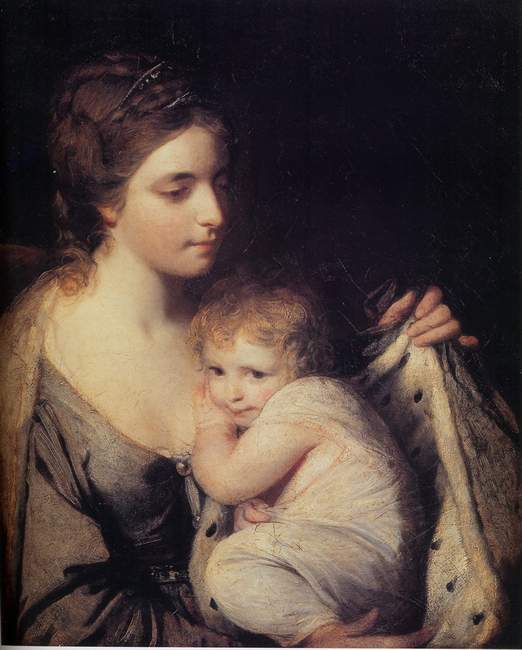
Maria Walpole and her daughter Elisabeth Laura (1762), by Joshua Reynolds. Affective empathy may have initially evolved to facilitate the mother-child relationship. 


Empathy is key to the functioning of high-trust cultures. If everyone is empathic toward each other, there is no need to waste energy on self-protection or on double-checking every single transaction. Just as importantly, you can make transactions that would otherwise be uneconomical.

Empathy, however, has to be reciprocated. Otherwise, it will divert your limited resources to people who will never reciprocate and who will, in fact, bleed you dry.  

The adaptiveness of empathy therefore depends on the cultural environment. Some cultures will favor it but not others. Does it follow, then, that some human populations have become more empathic than others? Can this mental trait undergo gene-culture coevolution?

It can, if three pre-conditions are met:

1. The trait varies in adaptiveness from one culture to another.

2. The trait is genetically heritable.

3. The trait can easily evolve out of pre-existing traits, i.e., only a few genetic changes are needed.

Evolutionary psychologists will argue that modern humans have not existed long enough to evolve new mental adaptations, particularly since their expansion out of Africa and into new natural and cultural environments. There has only been fine-tuning of existing adaptations (Tooby, Cosmides, and Barkow 1992). This argument is debatable:

Even if 40 or 50 thousand years were too short a time for the evolutionary development of a truly new and highly complex mental adaptation, which is by no means certain, it is certainly long enough for some groups to lose such an adaptation, for some groups to develop a highly exaggerated version of an adaptation, or for changes in the triggers or timing of that adaptation to evolve. That is what we see in domesticated dogs, for example, who have entirely lost certain key behavioral adaptations of wolves such as paternal investment. Other wolf behaviors have been exaggerated or distorted. (Harpending and Cochran 2002)

Empathy can thus differ between human populations if the differences arise from simple changes to an existing mechanism.

So does empathy meet the above preconditions?


Differences in adaptiveness

All cultures have rules of one sort or another. These rules are enforced by external sanctions (shaming by the community, especially by family members) and internal sanctions (feelings of guilt). Most cultures rely primarily on shaming. Some cultures, particularly in Europe, rely much more on feelings of guilt. Guilt is a subset of empathy. As the wrongdoer, you transfer to yourself the feelings of the person you have wronged. You feel the pain you have inflicted, and you will now mentally punish yourself.

The anthropologist Ruth Benedict described the differences between shame and guilt:

True shame cultures rely on external sanctions for good behavior, not, as true guilt cultures do, on an internalized conviction of sin. Shame is a reaction to other people's criticism. A man is shamed either by being openly ridiculed and rejected or by fantasying to himself that he has been made ridiculous. In either case, it is a potent sanction. But it requires an audience or at least a man's fantasy of an audience. Guilt does not. In a nation where honor means living up to one's own picture of oneself, a man may suffer from guilt though no man knows of his misdeed and a man's feeling of guilt may actually be relieved by confessing his sin. (Benedict 1946, p. 223)

Shame seems to be evolutionarily older than guilt. Sigmund Freud speculated that feelings of guilt arose as a mechanism to punish misbehavior in larger communities where paternal authority is insufficient: 

When an attempt is made to widen the community, the same conflict is continued in forms which are dependent on the past; and it is strengthened and results in a further intensification of the sense of guilt. [...]. What began in relation to the father is completed in relation to the group. If civilization is a necessary course of development from the family to humanity as a whole, then [...] there is inextricably bound up with it an increase of the sense of guilt, which will perhaps reach heights that the individual finds hard to tolerate. (Freud 1962, pp. 79-80)

East Asians might seem to be an exception to this evolutionary trend. They generally live in large communities where paternal authority is insufficient to enforce social rules. This problem seems to have been resolved through a stronger sense of social duty, rather than a greater propensity for empathy and guilt.

We see this in a study of young Chinese adults. The participants could see things from another person's perspective and understand how that person felt, but they did not seem to internalize those feelings and experience them vicariously. They were motivated to obey social rules by a sense of duty, rather than by empathy and feelings of guilt: "taking the views of others is an essential duty, and the lack of consideration to others' perspectives is generally regarded as a lack of virtue in the Chinese culture" (Siu and Shek 2005).


Heritability

First, we should keep in mind that empathy is not a unitary construct. It has different components:

Pro-social behavior: willingness to help others

Cognitive empathy:  capacity to understand how others feel

Affective or emotional empathy: involuntary transference of another person's feelings to yourself, i.e., feeling that person's pain or joy.

The last component is usually what we mean by empathy. Nonetheless, a person can be low in affective empathy while being high in cognitive empathy; this is in fact the hallmark of the sociopath, i.e., a person who understands how others feel and knows how to exploit those feelings for personal gain. Of the three kinds of empathy, pro-social behavior seems the most divergent and shares the least mental circuitry with the other two. Cognitive and affective empathy share circuits that specialize in representing another person's thoughts and intensions; affective empathy seems to be an additional step where these representations are relayed to brain regions that produce the corresponding emotional responses (Carr et al. 2003; Krishnan et al. 2016).

The latest review of the literature concluded that all three components of empathy have moderate to high heritability (Chakrabarti and Baron-Cohen 2013). Since then, an adult twin study has estimated the heritability of affective empathy at 52-57% and that of cognitive empathy at 27%. The rest of the variance was largely due to non-shared environment (Melchers et al. 2016). 

These findings are in line with those of a longitudinal twin study of children from 7 to 12 years of age. Genetic influences accounted for most of the variance in callousness/unemotionality, and environmental influences were entirely non-shared (Henry et al. 2018). Other studies have shown that the capacity for affective empathy remains stable as a child develops, while cognitive empathy progressively increases (Decety et al. 2017):

Finally, men and women seem to differ in affective empathy but not in cognitive empathy: “females do indeed appear to be more empathic than males [but] [t]hey do not appear to be more adept at assessing another person's affective, cognitive, or spatial perspective” (Hoffman 1977). This sex difference has been confirmed by recent studies, notably a British study (Baron-Cohen and Wheelwright 2004), a largely Argentinean study (Baez et al. 2017), an Italian twin study (Toccaceli et al. 2018), and a Chinese study (Liu et al. 2018). The size of the sex difference varied, however, being slight in the British and Argentinean studies, large but not significant in the Italian study, and significant in the Chinese study. 


Evolution in Homo sapiens

Affective empathy seems to be universal in our species. Differences do exist, however, between individuals, and these differences are distributed along a Bell curve in a human population (Baron-Cohen 2011; McGregor 2018). Any distinction between “normal people” and “sociopaths” is therefore arbitrary. There is simply a continuum of decreasing capacity for affective empathy.

Affective empathy also differs between men and women, and this sex difference seems, in turn, to differ from one population to another. This last point suggests an evolutionary pathway. Affective empathy may have initially evolved in ancestral humans as a means to facilitate the mother-child relationship. "Guilt cultures" then favored extension of affective empathy to a wider range of social interactions, as well as increased expression in men. One consequence would be a smaller sex difference in this mental trait.

How do guilt cultures ensure that affective empathy is reciprocated? They seem to resolve this problem by defining themselves much more as moral communities than as communities of related individuals. Adherence to social rules defines community membership, and these rules are perceived as being universal and absolute, as opposed to the situational morality of communities defined solely by kinship. Guilt cultures are also highly ideological. Community members monitor not only outward behavior for compliance but also inward thoughts—and this monitoring can target not just the thoughts of other members but also one’s own. Non-compliance can lead to a member being branded as morally worthless and expelled from the community (Frost 2017).

The current evidence is suggestive but not conclusive. As Baez et al. (2017) point out, most of our evidence on sex differences in empathy comes from self-report, i.e., questionnaires that men and women fill out. Many studies also fail to distinguish between cognitive empathy (understanding what others feel) and affective empathy (feeling what others feel). To measure affective empathy objectively, especially when comparing people from different cultural backgrounds, it would be best to use brain fMRIs (Krishnan et al. 2016).


To be cont'd


References

Baez, S., Flichtentrei, D., Prats, M., Mastandueno, R., García, A.M., Cetkovich, M., et al. (2017). Men, women...who cares? A population-based study on sex differences and gender roles in empathy and moral cognition. PLoS ONE 12(6): e0179336. https://doi.org/10.1371/journal.pone.0179336

Baron-Cohen, S. (2011). The Empathy Bell Curve. Phi Kappa Phi Forum; Baton Rouge 91(1): 10-12.

Baron-Cohen, S. and S. Wheelwright. (2004).The Empathy Quotient: An investigation of adults with Asperger Syndrome or high functioning autism, and normal sex differences. Journal of Autism and Developmental Disorders 34: 163-175.

Benedict, R. (1946 [2005]). The Chrysanthemum and the Sword. Patterns of Japanese Culture, First Mariner Books.

Carr, L., M. Iacoboni, M-C. Dubeau, J.C. Mazziotta, and G.L. Lenzi. (2003). Neural mechanisms of empathy in humans: A relay from neural systems for imitation to limbic areas. Proceedings of the National Academy of Sciences (USA) 100: 5497-5502.

Chakrabarti, B. and S. Baron-Cohen. (2013). Understanding the genetics of empathy and the autistic spectrum, in S. Baron-Cohen, H. Tager-Flusberg, M. Lombardo. (eds). Understanding Other Minds: Perspectives from Developmental Social Neuroscience. Oxford: Oxford University Press.

Davis, M.H., C. Luce, and S.J. Kraus. (1994). The heritability of characteristics associated with dispositional empathy. Journal of Personality 62: 369-391.

Decety, J., K.L. Meidenbauer, and J.M. Cowell. (2017). The development of cognitive empathy and concern in preschool children: A behavioral neuroscience investigation. Developmental Science 2018;21:e12570. 

Freud, S. (1962[1930]). Civilization and Its Discontents. New York: W.W. Norton

Frost, P. (2017). The Hajnal line and gene-culture coevolution in northwest Europe. Advances in Anthropology 7: 154-174.

Harpending, H., and G. Cochran. (2002). In our genes. Proceedings of the National Academy of Sciences (USA) 99(1): 10-12.

Henry, J., G. Dionne, E. Viding, A. Petitclerc, B. Feng, F. Vitaro, M. Brendgen, R.E. Tremblay, and M. Boivin. (2018). A longitudinal twin study of callous-unemotional traits during childhood. Journal of Abnormal Psychology 127(4): 374-384. 

Hoffman, M. L. (1977). Sex differences in empathy and related behaviors. Psychological Bulletin 84(4): 712-722. 

Krishnan, A., C.W. Woo, L.J. Chang, L. Ruzic, X. Gu, M. López-Solà, P.L Jackson, J. Pujol, J. Fan, and T.D. Wager. (2016). Somatic and vicarious pain are represented by dissociable multivariate brain patterns. eLife 2016;5:e15166 

Liu, J., X. Qiao, F. Dong, and A. Raine. (2018). The Chinese version of the cognitive, affective, and somatic empathy scale for children: Validation, gender invariance and associated factors. PLoS ONE 13(5): e0195268. 

McGregor, J. (2018). The highly empathic. SoRECS – The Society for Research into Empathy, Cruelty & Sociopathy. May

Melchers, M., C. Montag, M. Reuter, F.M. Spinath, and E. Hahn. (2016). How heritable is empathy? Differential effects of measurement and subcomponents. Motivation and Emotion 40(5): 720-730. 

Siu, A.M.H. and D.T. L. Shek. (2005). Validation of the Interpersonal Reactivity Index in a Chinese Context. Research on Social Work Practice 15: 118-126.

Toccaceli, V., C. Fagnani, N. Eisenberg, G. Alessandri, A. Vitale and M.A. Stazi. (2018). Adult Empathy: Possible Gender Differences in Gene-Environment Architecture for Cognitive and Emotional Components in a Large Italian Twin Sample. Twin Research and Human Genetics 21(3): 214-226

Tooby J, L. Cosmides, and J. Barkow. (1992). Introduction: Evolutionary Psychology and Conceptual Integration. In J. Barkow, L. Cosmides, and L. Tooby (eds.) The Adapted Mind: Evolutionary Psychology and the Generation of Culture, pp. 3-16, New York: Oxford Univ. Press; 1992.

Tuesday, March 6, 2018

Why universal human rights aren't universal


Jean Piaget (1896-1980). A renowned Swiss psychologist, he argued that moral development is linked to cognitive development.


Are intelligence and morality interlinked? This was what Swiss psychologist Jean Piaget concluded from his studies of child development. With increasing age, children develop not only intellectually but also morally, growing out of infantile self-centredness and into adult decentered-ness:

According to Piaget, moral development — the ability to judge ethical problems in an impartial and unbiased way — relies on prior cognitive development. Indeed, cognitive and moral development are structurally similar. In both is acquired a well-founded, reasonable structure. As Jean Piaget (1948/1932, p. 404) stated: "Parallelism exists between moral and intellectual development: ... Logic is the morality of thought just as morality is the logic of action." And this parallelism is based on the cognitive nature of morality, e.g. to behave ethically one has to take the perspective of third parties. (Rindermann and Carl 2018, p. 32)

This view has become popular and is even central to much of present-day thinking. If people are better educated, they will presumably become not only smarter but also more empathic and, thus, more considerate of their fellow humans. This view, as popular as it is, doesn't seem quite true. Many of us have known people who are intelligent and yet lacking in empathy. We call them psychopaths. Usually, they're explained away as aberrations. They're sick, aren't they? In reality, the line between 'normal' and 'psychopath' is arbitrary—like most mental traits, the capacity for empathy is distributed continuously along a bell curve. Lots of seemingly normal people have little empathy.

Nor does Piaget's view seem true if we look farther afield. Many moral systems attach little importance to empathy. Indeed, of all the world religions, Christianity seems unique in advocating the moral duty not only to help others but also to feel their pain, even when they aren't fellow Christians. Yes, most Christians fail to meet this standard of universal selflessness, but other religions don't set the bar so high. 

Indeed, the ideal of universal selflessness isn’t at all universal. It developed essentially within a single cultural context, the Christian world:

In Judaism and Christianity, "God created man in his own image" (Gen1:27 ESV). Humans being the image of God, "God-likeness", implies treating humans in a respectful way. Of course, at first blush, history reveals large discrepancies between the message of Christianity and the actual behavior of Christians. However, this does not mean that such behavior was consistent with the Christian message, and in many cases it was criticized by prominent Christians at the time. The Christian message had a corrective function. For instance, the inhumane treatment of American Indians by Spanish colonists was criticized by the Dominican priest Bartholomé de Las Casas (as mentioned above). The abolitionist movement was organized by Protestants and led by the Evangelical Christian William Wilberforce. The horrors of war were mitigated by charities such as the Red Cross, which was founded by the evangelical Christian, Henry Dunant. (Rindermann and Carl 2018, p. 34)

The Muslim world imported as many slaves as did the Christian world, yet a Muslim abolitionist movement never arose, and the trade was ultimately abolished worldwide through the intervention of Christian nations, particularly Great Britain. Today, the slave trade has left no legacy of guilt among Muslims, while it definitely has in those nations that strove to bring it to an end.

This apparent paradox has led Heiner Rindermann—a well-known psychologist in HBD circles—to challenge the Piagetian idea that moral development is linked to intellectual development. These two mental traits are distinct and have followed their own trajectories in different moral traditions.

To prove his point, he teamed up with sociologist Noah Carl to study how respect for human rights is related, cross-culturally, to cognitive ability and religion. They found a stronger relationship with religion than with cognitive ability. Specifically, the percentage of Christians in a society had a stronger positive impact (r = .62) on respect for human rights (Rindermann and Carl 2018) than did educational level (r = .54) or cognitive ability (r = .50 to .51).

One can quibble about the methodology. The study defines human rights largely as the right to make choices on one's own, regardless of existing social norms. Freedom of religion, for instance, is defined as the freedom not only to practice one's religion but also to convert to another. As the authors themselves note, this is not a legitimate freedom in much of the world, unless one is converting to the majority religion. Freedom doesn’t mean that a minority is free to become the majority.

Nonetheless, there does seem to be a correlation between Christianity and respect for human rights as long as we define the latter, at least in part, as maximization of personal choice and autonomy. 


Is Christianity confounded with European ancestry?

Correlation isn't causation. Couldn't Christianity be a proxy for "European-ness"? Indeed, most Christians are at least partly of European ancestry, and even more live in societies founded and still largely run by people of European origin.

To control for this confounding factor, one could compare Christian and non-Christian societies within a region where European ancestry is minimal. Sub-Saharan Africa comes to mind. Even in South Africa, the European minority is down to the single digits.

Rindermann and Carl (2018, p. 60) did make that comparison:


Within sub-Saharan Africa [...] the percentage of Christians is still positively (but weakly) related to human rights (r = .10; N = 48), and the percentage of Muslims is still negatively (but weakly) related to human rights (r = -.12).


Those correlations are indeed weak. Moreover, the one between Christianity and respect for human rights is largely due to the relatively stable societies of southern Africa, i.e., South Africa itself, Namibia, Botswana, Lesotho, and Swaziland. Those societies enjoy a judicial and administrative legacy that may not last much longer, given recent events and the example of Zimbabwe.

To be honest, I feel little in common with fellow Christians like Jacob Zuma and Robert Mugabe. Ironically, both of them have a better claim to being Christian than I do, since I refused to be confirmed after attending my confirmation classes.


Is European ancestry confounded with a genetically influenced trait?

If European ancestry is a confounding factor, could it be a proxy for some unknown genetically influenced trait? Rindermann and Carl tried to answer this question by estimating the average "skin brightness" of each country.

Skin brightness is more highly correlated with human rights than is cranial capacity (r = .25 vs. .18). Of course, skin color itself is unlikely to exert any effect; it constitutes a marker for evolutionary pressures that may be associated with culture. (Rindermann and Carl 2018, p. 53)

This is, I suspect, a reference to Arthur Schopenhauer (1788-1860) and his belief that humans had to become more intelligent as they spread into harsher northern climates: "those tribes that emigrated early to the north, and there gradually became white, had to develop all their intellectual powers, and invent and perfect all the arts in their struggle with need, want, and misery, which, in their many forms, were brought about by the climate. This they had to do in order to make up for the parsimony of nature, and out of it all came their high civilization" Parerga and Paralipomena, Volume II, Section 92.

Rindermann and Carl seem to be assuming that European skin became white solely as an adaptation to the northern natural environment. They also seem to be assuming that moral development is linked to cognitive development—the very hypothesis they want to test.

A better genetic marker would be the long allele for the 5-HTTLPR serotonin transporter gene. It's less frequent in collectivistic cultures than in individualistic cultures, the latter being the cultures of western and northern Europe—the same cultures that value so much the rights of the individual (Chiao and Blizinsky 2010). In a study of American toddlers, carriers of the short allele were more likely to imitate the way other people behaved (Schroeder et al. 2016).

The study provides additional evidence for the view that Christianity, in itself, doesn't explain why Europeans, and especially northwest Europeans, see all individuals as being endowed with the same rights. Of the three branches of Christianity, Protestantism has the strongest correlation with respect for human rights (r = .48), followed by Catholicism (r = .42), and finally Orthodoxy (r = -.07) (Rindermann and Carl 2018, p. 52). This suggests that Christianity changed as its geocenter progressively moved from the Middle East to southern Europe and then to northwest Europe, along the way becoming more focused on the individual and on individual responsibility. 

Within Christianity, Protestantism stresses conscience, individual guilt, internal control, autonomy and self-responsibility (Weber, 2008/1904). All these traits are conducive for liberty, the rule of law, democracy and human rights (Rindermann and Carl 2018, p. 34)

[...] in Protestant countries, trust is higher, corruption is lower and levels of social and economic freedom are higher (Delhey & Newton, 2005; Harrison, 2013). People tend to be more self-controlled, having internalized social rules, meaning that harsh and violent control by the state is not needed. (Rindermann and Carl 2018, p. 37)

The two authors are aware of the Hajnal Line and its relationship to a suite of psychological and behavioral traits. In societies north and west of a line running approximately from Trieste to St. Petersburg, social relations have long shown a certain pattern:

- men and women marry relatively late

- many people never marry

- children usually leave the nuclear family to form new households

- households often have non-kin members

This is the Western European Marriage Pattern (WEMP). Everyone is single for at least part of adulthood, many stay single their entire lives, and a significant proportion of households have members not belonging to the immediate family or even to kin. In short, an individual is less fettered by the bonds of kinship even within his or her household (Frost 2017).

This led to late marriage, high rates of childlessness (of about half of the cohort), more rights for women, and large investments in education. Going further than Hajnal himself did, it arguably also enhanced delay of gratification, self-control (especially of sexuality), conscientiousness, frugality, industry and cognitive ability. The causes of this marriage pattern can be traced to Roman, Germanic and Christian traditions, to the interests of the church, and to the interests of landlords and guilds. (Rindermann and Carl 2018, p. 39)

The above view is also the one held by *hbd chick, i.e., the WEMP developed after the introduction of Christianity and was, at least in part, a consequence of medieval Christian practices and institutions. Yet there is good evidence for the existence of the WEMP as early as ninth-century France and fragmentary evidence even earlier (Frost 2017). I have argued that the arrow of causality points in the other direction: a pre-existing mindset in northwest Europe was carried over into Christianity, much like the Christmas tree and other pagan traditions. Later, as the center of Christendom moved west and north, this mindset gained importance within Western Christianity and pushed it more and more toward the idea of individual salvation and an individual relationship with God. 

The northwest European mindset is characterized essentially by four interrelated mental traits:

Independent social orientation - independence of the self from others, including stronger motivation toward self-expression, self-esteem, and self-efficacy and emphasis on personal happiness rather than social happiness. 

Universal rule adherence - capacity to obey universal and absolute moral rules, i.e., moral universalism and moral absolutism, as opposed to situational morality based on kinship. These rules are enforced by monitoring not only others but also oneself. Rule-breakers may be branded as morally worthless and expelled.

Affective empathy - capacity to experience the emotional states of other people in order to prevent harm and to provide help if needed. Help is conditional on the other person being judged morally worthy.

Guilt proneness - capacity to self-monitor thoughts and behavior for rule adherence in order to self-judge and, if necessary, to self-punish.


Conclusion

Are universal human rights truly universal? If we look at cultures across space and time, we find that the notion of human rights was nonexistent in most cultures and historical periods. Not until the 18th and 19th centuries did some countries codify this notion in law, although it clearly has antecedents that go farther back, at least to the formulation of canon law by the Catholic Church and perhaps farther. Northwest Europeans seem to have long been predisposed to think in terms of individual rights and universal moral rules.

Since the early 19th century, we in the West have tried to impose these rights on the entire world, initially through the suppression of the slave trade and then through the efforts of missionaries and colonial authorities to ban certain practices, like the custom of sati in India. Such efforts became an integral part of Western imperialism and "the white man's burden."

Although this burden has since been taken up by truly international bodies, like the U.N., the notion of universal human rights still reflects a Western view of people as atomized individuals who mainly seek to maximize their wealth, happiness, and personal autonomy. This is not how most humans view the purpose of existence. For that matter, this view was not originally held by northwest Europeans, whose understanding of moral universalism has steadily radicalized and expanded in scope over time.


References

Chiao, J.Y. and Blizinsky, K.D. (2010). Culture-gene coevolution of individualism-collectivism and the serotonin transporter gene. Proceedings of the Royal Society B 277: 529-537.
http://rspb.royalsocietypublishing.org/content/277/1681/529.short

Frost, P. (2017). The Hajnal line and gene-culture coevolution in northwest Europe, Advances in Anthropology 7: 154-174.
http://file.scirp.org/pdf/AA_2017082915090955.pdf

Rindermann, H. and N. Carl. (2018). Human rights: Why countries differ, Comparative Sociology 17: 29-69.

Schopenhauer, A. (1974)[1851]. Parerga and Paralipomena, English translation by E. F. J. Payne, Clarendon Press, Oxford, 2 volumes.

Schroeder, K.B., Asherson, P., Blake, P.R., Fenstermacher, S.K., and Saudino, K.J. (2016). Variant at serotonin transporter gene predicts increased imitation in toddlers: relevance to the human capacity for cumulative culture. Biology Letters 12(4).
http://europepmc.org/articles/pmc4881356