Showing posts with label Henry Harpending. Show all posts

Monday, May 16, 2022

When did Europe pull ahead?


Medieval market – Nicole Oresme (15th century) (Wikicommons)


In terms of GDP per capita growth, northwest Europe began to surpass the rest of the world during the 14th century: before the conquest of the Americas, the invention of printing, the Atlantic slave trade, and the Protestant Reformation.


In a recent post, Steve Sailer asks why the European world pulled ahead of the non-European world between 1000 and 1500 AD:


[…] much of the non-European world entered a sort of cultural recession well before Europeans directly interfered with them. If you look at, say, Charles Murray’s 2003 book Human Achievement, several major non-European civilizations appear to have lost momentum in making progress in the arts and sciences over roughly the time period of 1000 or maybe 1250 to 1500. (Sailer 2022)


For Steve, the reason was the collapse of the Mongol Empire during the 14th century. That century was indeed a turning point for Europe, particularly for England and Holland:


These North Sea economies experienced sustained GDP per capita growth for six straight centuries. The North Sea begins to diverge from the rest of Europe long before the 'West' begins its more famous split from 'the rest.'


[...] we can pin point the beginning of this 'little divergence' with greater detail. In 1348 Holland's GDP per capita was $876. England's was $777. In less than 60 years time Holland's jumps to $1,245 and England's to 1090. The North Sea's revolutionary divergence started at this time. (Greer 2013b)


This process began before the European conquest of the Americas, the invention of printing, the creation of modern finance institutions, the Atlantic slave trade, or the Protestant Reformation. None of these can be proper explanations for this "little divergence." (Greer 2013a; see also Thompson 2012 and Hbd *chick 2013).


The divergence began within a part of Europe that was much less affected by the rise and fall of the Mongol Empire. Moreover, if we compare southern Europe with North Africa during the same period, we see the same divergence that we see more generally between Christian Europe and the rest of the world. Yet North Africa was never conquered by the Mongols.


It looks like internal causes were responsible for the divergence between Christian Europe and the rest of the world. Those causes seem to have their point of origin in northwest Europe during the long period from 500 to 1500 AD. In that region, the Western Church consolidated a pre-existing pattern of small, nuclear households, weak family ties, and residential mobility, thus strengthening a mindset of individualism and impersonal sociality (Frost 2020; Schulz et al. 2019). Then, from 1000 AD onward, the Western Church strove to pacify social relations (Frost and Harpending 2015). Those two factors—an individualistic mindset operating in a pacified social environment—allowed the market economy to expand into all areas of life and eventually replace kinship as the main organizing principle of society (Frost 2020; Macfarlane 1978; Weber 1930).


The expansion of the market economy went hand in hand with the expansion of the middle class. In England, this class began to expand in the twelfth century and would gradually replace the lower classes through downward mobility. By the 1800s, its lineages accounted for most of the English population. English society thus became more middle class in its values: "Thrift, prudence, negotiation, and hard work were becoming values for communities that previously had been spendthrift, impulsive, violent, and leisure loving" (Clark 2007, p. 166). The same process took place elsewhere in Western Europe and more generally throughout Europe to varying degrees and over different timescales (Frost 2019, p. 176).


In sum, between 500 and 1500 AD the Western Church created a system of social reproduction that would have far-reaching demographic, behavioral, and economic consequences. To understand that system, one must understand not only the Bible but also the writings of early and medieval Christianity, as well as the pagan Germanic elements it incorporated (Russell 1994). Finally, one must understand the preceding system, and its failings.


The pre-Christian world: demographic and cognitive decline


Ancient DNA from Greece suggests that mean cognitive ability began to decline at some point during Classical Antiquity (Woodley of Menie et al. 2019). A similar decline probably happened throughout the Mediterranean basin and the Middle East of that time.

There were three main causes:


·         A decline in fertility and family formation, particularly among the upper classes (Caldwell 2004; Hopkins 1965; Roetzel 2000, p. 234);

·         A corresponding increase in female hypergamy, often by freed slaves, which reduced the reproductive importance of upper-class women (Perry 2013);

·         An increase in the slave population, particularly foreign slaves (Harris 1999). This ongoing influx disrupted the process of local cognitive evolution. Even if there had been demographic overflow from the upper classes, that overflow could not have replaced the lower classes, since those classes were being replaced from external sources.


Christianity and Islam both tried to correct the ruinous demographic state of the ancient world. Islam succeeded in reversing negative population growth but failed to restart cognitive evolution. In some ways, it made such evolution more difficult. Islam increased female hypergamy by permitting male polygamy, thus further reducing the reproductive importance of upper-class women (van den Berghe 1960). Foreign slaves were also imported on a larger-scale than in antiquity, thus further disrupting local cognitive evolution (Lewis 1990). Finally, the upper classes tended to congregate in urban areas, where the death rate was higher.


Before the 20th century, population growth had been sluggish in the Muslim world. Wherever Muslims coexisted with Christians, the latter community was often the one that grew at a faster pace. This was the case in the Balkans:


By the end of the eighteenth century the Muslim population had entered a period of comparative economic and moral decline. Several explanations have been offered for this development. Certainly the fact that the Muslim population provided the soldiers contributed to its ultimate weakening. Their concentration in towns also made them more susceptible to the ravages of plague and other diseases. Turkish customs, particularly the practice of polygamy, played a part. This process of decay was clearly illustrated in the eighteenth century in the changing demography of the Balkan towns where Christian and national elements formed an increasingly larger proportion of the population (Jelavich and Jelavich, 1977, pp. 6-7)


Christianity, especially Western Christianity, succeeded not only in promoting population growth but also in restarting cognitive evolution, specifically by supporting the formation of monogamous families, by discouraging slavery, at least during the long period from 500 to 1500 AD, and eventually by creating the peace, order, and stability that allowed the middle class to expand and become dominant. The rise of Christian Europe actually began before its expansion into the Americas and Asia. The latter was, in fact, a consequence of the former.


References


Caldwell, J.C. (2004). Fertility control in the classical world: Was there an ancient fertility transition?  Journal of Population Research 21:1. https://doi.org/10.1007/BF03032208  


Clark, G. (2007). A Farewell to Alms. A Brief Economic History of the World. Princeton University Press: Princeton.


Frost, P. (2019). The Original Industrial Revolution. Did Cold Winters Select for Cognitive Ability? Psych 1(1): 166-181. https://doi.org/10.3390/psych1010012


Frost, P. (2020). The large society problem in Northwest Europe and East Asia. Advances in Anthropology 10(3): 214-134. https://doi.org/10.4236/aa.2020.103012   


Frost, P. and H. Harpending. (2015). Western Europe, state formation, and genetic pacification. Evolutionary Psychology 13(1): 230-243. https://doi.org/10.1177%2F147470491501300114


Greer, T. (2013a). The Rise of the West: Asking the Right Questions. July 7, The Scholar's Stage. https://scholars-stage.org/the-rise-of-the-west-asking-the-right-questions/


Greer, T. (2013b). Another look at the 'Rise of the West' - but with better numbers. November 20, The Scholar's Stage. https://scholars-stage.org/another-look-at-the-rise-of-the-west-but-with-better-numbers/


Harris, W. (1999). Demography, Geography and the Sources of Roman Slaves. Journal of Roman Studies 89, 62-75. https://doi.org/10.2307/300734  


Hbd *chick (2013). Going Dutch, November 29. https://hbdchick.wordpress.com/2013/11/29/going-dutch/


Hopkins, K. (1965). Contraception in the Roman Empire. Comparative Studies in Society and History 8(1): 124-151. https://doi.org/10.1017/S0010417500003935  


Jelavich, C. and B. Jelavich. (1977). The Establishment of the Balkan National States, 1804-1920. Seattle: University of Washington Press.


Lewis, B. (1990). Race and Slavery in the Middle East. New York: Oxford University Press.


Macfarlane, A. (1978). The Origins of English Individualism: The Family, Property and Social Transition. Oxford: Blackwell.


Perry, M.J. (2013). Gender, Manumission, and the Roman Freedwoman. Cambridge University Press.


Roetzel, C.J. (2000). Sex and the single god: celibacy as social deviancy in the Roman period. In: S.G. Wilson and M. Desjardins (eds). Text and Artefact in the Religions of Mediterranean Antiquity. Essays in Honour of Peter Richardson. Wilfrid Laurier University Press (pp. 231-248).


Russell, J.C. (1994). The Germanization of Early Medieval Christianity: A Sociohistorical Approach to Religious Transformation. New York; Oxford: Oxford University Press.


Sailer, S. (2022). Why was much of the non-European world stagnating well before 1492? The Unz Review, May 10 https://www.unz.com/isteve/why-was-much-of-the-non-european-world-stagnating-well-before-1492/#new_comments  


Schulz, J.F., D. Bahrami-Rad, J.P. Beauchamp, and J. Henrich. (2019). The Church, intensive kinship, and global psychological variation. Science 366(707), 1-12. https://doi.org/10.1126/science.aau5141  


Thompson, D. (2012). The Economic History of the Last 2000 Years: Part II, The Atlantic, June 20, http://www.theatlantic.com/business/archive/2012/06/the-economic-history-of-the-world-after-jesus-in-4-slides/258762/  


Van den Berghe, P.L. (1960). Hypergamy, Hypergenation, and Miscegenation. Human Relations 13(1):83-91. https://doi.org/10.1177%2F001872676001300106   


Weber, M. (1930). The Protestant Ethic and the Spirit of Capitalism. New York: Charles Scribner’s Sons.


Woodley of Menie, M.A., J. Delhez, M. Peñaherrera-Aguirre, and E.O.W. Kirkegaard. (2019). Cognitive archeogenetics of ancient and modern Greeks. London Conference on Intelligence. https://www.altcensored.com/watch?v=UES_tpDxz9A  

Saturday, July 25, 2020

Selection for slow life history?


One of several posters to promote family formation in the dwindling Parsi community (Jiyo Parsi)


In India, and overseas, the Parsis are renowned for their achievements, particularly in business but also in science, culture, and philanthropy. 

They are also known for something else: they’re dying out. From 114,000 in 1941, they were down to half that number by 2011. Today, more than 30% of Parsis don't marry, and an equal proportion are over 60 years old. Their fertility rate is 0.8—in other words, the average Parsi woman gives birth to less than one child during her lifetime. This existential crisis is worrying not only the Parsis but also the Indian government. In 2013, a program was set up to subsidize fertility treatments and promote family formation in the community (Dore 2017).

Extinction is irreversible. If the Parsis die out, the loss will be greatest in those things we don’t fully understand: the workings of the human mind. That is precisely where the Parsis have succeeded the most. How much of that success has been due to learning and how much to innate factors?

A few steps toward an answer were taken by Greg Cochran and Henry Harpending in their paper on Ashkenazi intelligence:

Since strong selection for IQ seems to be unusual in humans (few populations have had most members performing high-complexity jobs) and since near-total reproductive isolation is also unusual, the Ashkenazim may be the only extant human population with polymorphic frequencies of IQ-boosting disease mutations, although another place to look for a similar phenomenon is in India. In particular, the Parsi are an endogamous group with high levels of economic achievement, a history of long-distance trading, business and management, and who suffer high prevalences of Parkinson disease, breast cancer and tremor disorders, diseases not present in their neighbours. (Cochran et al. 2006)

Such disorders may be a side-effect of strong selection for intelligence over a short time in a small population. This was historically the case with Ashkenazi Jews. They are unusually prone to four neurological disorders: Tay-Sachs, Gaucher, Niemann-Pick, and mucolipidosis type IV. All four affect the brain by increasing the capacity of lysosomes to store sphingolipid compounds for axonal growth and branching. Furthermore, Tay-Sachs is caused in Ashkenazi Jews by two unrelated mutations and Gaucher disease by five. Random chance simply cannot explain why so many mutations exist in the same metabolic pathway and have reached such high frequencies.

Those mutations apparently spread through heterozygote advantage. Though harmful when two copies are inherited from both parents, they are beneficial when only one copy is inherited, as is more often the case. With a better supply of sphingolipids and no adverse effects, the brain can process information more efficiently.

Jared Diamond (1994) was the first to argue that chance cannot explain the high prevalence of so many lysosome storage disorders in a single population. He suggested the cause was selection for intelligence. His theory was then developed by Cochran et al. (2006). Other researchers have further confirmed Diamond’s theory by showing that Ashkenazim have high frequencies of alleles associated with educational attainment (Dunkel et al. 2019; Piffer 2019).


Frequent neurological/cerebral diseases among the Parsis

We see a similarly high prevalence of neurological or cerebral diseases among the Parsis. Parkinson’s disease is considerably more prevalent among them than among other Indians or even people of developed countries. Strokes are at least twice as common. Essential tremors are exceptionally frequent (Gourie-Devi 2014).

These diseases seem to have a genetic basis among the Parsis. A mitochondrial genome study found 420 unique genetic variants within that community, 178 of which are associated with Parkinson's disease. Others are linked to other neurodegenerative disorders, as well as colon, breast, and prostate cancer. A surprising number of these unique variants, 217, are linked to increased longevity. Finally, and perhaps curiously, some variants are linked to asthenozoospermia, i.e., reduced sperm motility (Patell 2020)

The above results are consistent with the findings of an earlier genetic study of the Parsis, specifically their autosomal, Y chromosome, and mitochondrial DNA. Signals of selection were strongest in SNPs associated with humoral immunity, cerebellar physiology, and neurological disorders like early epilepsy (Lopez et al. 2017).


Conclusion

The evidence is only suggestive, but it looks like the Parsis have undergone strong selection for intelligence over a relatively short time; hence, the high prevalence of neurological disorders.

In addition, this community seems to have adapted to its economic and social niche through a "slow life history" strategy. The Parsis are predisposed to live longer and thus learn more over a longer time. They may also be predisposed to longer birth intervals and higher parental investment in each child (K selection). Such a reproductive strategy is consistent with lower male fertility.

A slower life history, combined with higher intelligence, may have assisted the trading lifestyle of the Parsi community. Trade requires a high level of cognitive ability, particularly for literacy and numeracy, as well as lower time preference and a longer learning period. 

Ironically, low time preference may explain the demographic decline of the Parsis, and other people like them. If you’re future-oriented, you’re also keenly aware of future costs, particularly those of getting married and having a family. So you’ll postpone marriage and family formation until you’re financially ready. Unfortunately, that day may never come. Or it may come too late.

This problem was known to traditional societies, and there used to be social incentives to ensure that young people would marry before they got too old. Unfortunately, those incentives have disappeared in modern societies.

If you wait to check all the boxes, you may check into an old-age home … alone.


References

Cochran, G., J. Hardy, and H. Harpending. (2006). Natural history of Ashkenazi intelligence. Journal of Biosocial Science 38: 659-693

Diamond, J.M. (1994). Jewish Lysosomes. Nature 368: 291-292.

Dore, B. (2017). Glimmer of hope at last for India's vanishing Parsis. BBC News

Dunkel, C.S., Woodley of Menie, M.A., Pallesen, J., and Kirkegaard, E.O.W. (2019). Polygenic scores mediate the Jewish phenotypic advantage in educational attainment and cognitive ability compared with Catholics and Lutherans. Evolutionary Behavioral Sciences 13(4): 366-375.

Gourie-Devi M. (2014). Epidemiology of neurological disorders in India: review of background, prevalence and incidence of epilepsy, stroke, Parkinson's disease and tremors. Neurology India 62(6): 588-598. https://doi.org/10.4103/0028-3886.149365  

López, S., Thomas, M. G., van Dorp, L., Ansari-Pour, N., Stewart, S., Jones, A. L., Jelinek, E., Chikhi, L., Parfitt, T., Bradman, N., Weale, M. E., and Hellenthal, G. (2017). The genetic legacy of Zoroastrianism in Iran and India: insights into population structure, gene flow, and selection. American Journal of Human Genetics 101(3): 353-368.

Patell, V.M., N. Pasha, K. Krishnasamy, B. Mittal, C. Gopalakrishnan, R. Mugasimangalam, N. Sharma, A-K. Gupta, P. Bhote-Patell, S. Rao, R. Jain, and The Avestagenome Project. (2020). The First complete Zoroastrian-Parsi Mitochondria Reference Genome: Implications of 2 mitochondrial signatures in an endogamous, non-smoking population. bioRxiv preprint doi: https://doi.org/10.1101/2020.06.05.124891

Piffer, D. (2019). Evidence for Recent Polygenic Selection on Educational Attainment and Intelligence Inferred from Gwas Hits: A Replication of Previous Findings Using Recent Data. Psych 1(1): 55-75.

Saturday, July 6, 2019

Why did brain size decrease after the Ice Age?


Nubians (Wikipedia). After the last ice age, brain size decreased in Europeans and East Asians. In western Europeans, this trend continued until some time before 1800. No decrease is observable in a large series of crania from Nubia.


In my latest paper I argue that northern hunting peoples were the first to break free from the cognitive straitjacket of hunting and gathering. Because women at northern latitudes had few opportunities for food gathering, they took on new, more cognitively demanding tasks, like garment making, needlework, weaving, leatherworking, pottery, and kiln operation. This increase in task complexity, led by women, provided these peoples and their descendants with the mental toolkit for later developments: farming, more complex technology and social organization, and an increasingly future-oriented culture (Frost 2019).

That paper left out a key piece of evidence. As these northern hunting peoples expanded southward into the temperate zone, they must have had excess mental capacity, especially the women, who were now redirected toward the cognitive demands of food gathering and, later, farming. Cognitive demand also decreased for men, who no longer had to store huge quantities of spatiotemporal information for tracking game and finding their way home. On the other hand, men put some of this excess mental capacity to new uses, by exploiting many of the technologies that women had pioneered.

So is there evidence of decreased cognitive demand after the last ice age? According to a study by Maciej Henneberg (1988), brain size steadily shrank from the Mesolithic to modern times, on the order of 9.9% for men and 17.4% for women. This is consistent with the reduction in cognitive demand being greater for women than for men.

Henneberg ignored the sex difference, preferring to attribute the decrease in brain size to a corresponding decrease in body size for both men and women. This explanation has been challenged by John Hawks, who reanalyzed Henneberg's data and showed that the decrease in body size explains only one-fifth to one-seventh of the one in brain size. He also showed that the declining ratio of brain size to body size did not affect all human populations. In fact, it can be securely demonstrated only for Europeans and Chinese. Indigenous southern Africans and Australians may have had similar declines, but the sample sizes are too small to conclude with certainty. No overall change is seen in the one case where we have a large cranial sample from a non-Eurasian population (Nubians):


A large series of crania from ancient Nubia covers the period from roughly 3400 years ago to 600 years ago [20, 21]. Samples show a slight trend toward decrease in the major length, breadth and height measurements from Iron Age (Meroitic, external cranial module 145.2) to Medieval (Christian, external cranial module 143.9) times, but the intermediate series of crania (X-Group, external cranial module 147.1) is somewhat larger in these dimensions than either of the other groups. In this context it would be misleading to speak of a reduction in cranial vault size in this region. (Hawks 2011)


A recent reversal

This trend reversed itself at some point in time, apparently before the 1800s. Jantz and Jantz (2016) and Jellinghaus et al. (2018) found an increase in brain size from at least 1800 in Germans and 1820 in white Americans. When I asked John Hawks, he attributed this reversal to improvements in nutrition and a reduction of childhood disease. That, too, was what I thought, initially.

But, then, the reversal would surely have been stronger in women than in men. If brain size had decreased twice as much in women, shouldn't the rebound have been twice as strong in women? Yet this is not what we see in the brain size of Americans born from 1820 to 1990: "Both sexes changed, but female change was less pronounced than male change" (Jantz and Jantz 2016).  In Germans born between 1800 and 1950, no clear sex difference was observable in the magnitude of this change over time (Jellinghaus et al. 2018).

Both Jantz and Jantz (2016) and Jellinghaus et al. (2018) are skeptical that these changes could be explained by improvement in nutrition or reduction of childhood disease. Infant mortality is a good proxy for both, and it did not begin to decline until circa 1900. At the very least, the increase in brain size should have accelerated during the twentieth century, yet it didn't (Jellinghaus et al. 2018).


Conclusion

Our knowledge on this subject comes largely from Maciej Henneberg, who concluded that brain size had decreased in all human populations and that this decrease continued into modern times. Both conclusions have been disproven. The decrease did not affect all human populations, and it had already reversed by 1800 in northern Europeans, as shown by two recent studies on white American and German samples. 

Perhaps the reason lies in changing patterns of natural selection. After the last ice age, northern hunting peoples had excess mental capacity, particularly the women. This excess capacity enabled them to create and exploit new and more complex social environments—farming, towns and cities, civilizations … It was still more than what was needed, however, and a long-term decline set in. Then, in early modern times, this decline reversed in western Europeans, and brain size once more began to increase. Why? Perhaps this is related to evidence, summarized in my last paper, that mean intelligence steadily rose in western European societies during late medieval and early modern times.

Hawks' study is the only comprehensive critique of Henneberg's work. Unfortunately, it has never appeared in a peer-reviewed journal. When asked why, he replied: "I did not feel it was necessary to pursue formal journal publication for this, because I did not think it fit well into the journals at the time." When asked why he had removed a post on that study from his weblog (it was put up in 2012 and taken down in 2017), he answered: "I used to have a section on my blog for research manuscripts that were in prep, but I decided to discontinue this as I became involved in more collaborative work."

Is there another reason? I can understand not publishing a post because other work is more pressing, but why delete an existing post? What made it less blogworthy by 2017?

The study in itself seems uncontroversial. Indeed, it leads to the amusing conclusion that European brains got smaller while Nubian brains remained unchanged. But talk about "smaller brains" can trigger some people, and John Hawks is already viewed with suspicion because of his work with Henry Harpending and Greg Cochran. Henry once told me—not long before his untimely death in 2016—about the mounting pressures he was facing to discontinue his research. Have similar pressures been brought to bear on John Hawks? One may wonder. The last three years have seen a remarkable escalation of deplatforming and outright violence in the name of "antiracism." When Steve Sailer (2019) charted the number of New York Times articles that mention the word "racism," he found that this number took off during the mid-decade, rising from 291 in 2011 to 2,353 in 2018. The mentions also changed qualitatively, becoming much more vociferous.

Today, John is a tenured professor, yet he is now much more reticent to say what he thinks than when he was a graduate student. His example should be sobering. The pressure to be "correct" doesn't end when you get tenure.


References

Frost, P. (2019). The Original Industrial Revolution. Did Cold Winters Select for Cognitive Ability? Psych 2019, 1(1), 166-181
https://doi.org/10.3390/psych1010012

Hawks, J. (2011). Selection for smaller brains in Holocene human evolution. arXiv:1102.5604 [q-bio.PE]
https://arxiv.org/abs/1102.5604 

Henneberg, M. (1988). Decrease of human skull size in the Holocene. Human Biology 60: 395-405.
https://www.jstor.org/stable/41464021

Jantz, R.L., and L.M. Jantz. (2016). The Remarkable Change in Euro-American Cranial Shape and Size, Human Biology 88(1), 56-64 
https://doi.org/10.13110/humanbiology.88.1.0056

Jellinghaus, K., H. Katharina, C. Hachmann, A. Prescher, M. Bohnert, and R. Jantz. (2018). Cranial secular change from the nineteenth to the twentieth century in modern German individuals compared to modern Euro-American individuals. International Journal of Legal Medicine 132: 1477-1484.
https://www.researchgate.net/profile/Michael_Bohnert/publication/323952852_Cranial_secular_change_from_the_nineteenth_to_the_twentieth_century_in_modern_German_individuals_compared_to_modern_Euro-American_individuals/links/5ab8dcdcaca2722b97cfe45f/Cranial-secular-change-from-the-nineteenth-to-the-twentieth-century-in-modern-German-individuals-compared-to-modern-Euro-American-individuals.pdf 

Sailer, S. (2019). Graphing the Great Awokening. May 28, The Unz Review
http://www.unz.com/isteve/graphing-the-great-awokening/  

Monday, January 21, 2019

The evolution of empathy


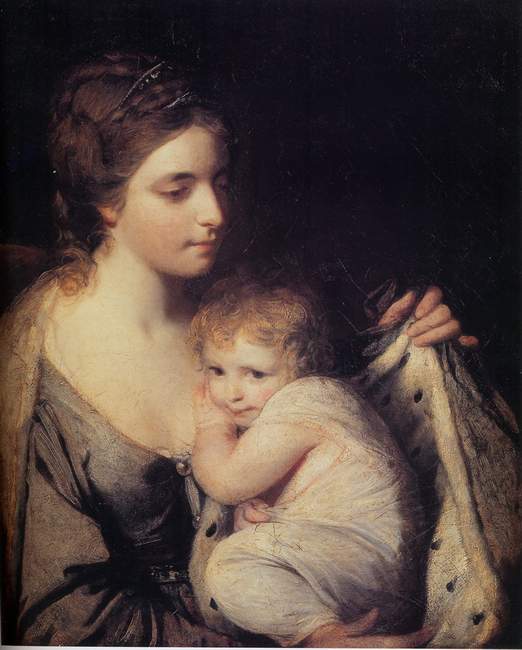
Maria Walpole and her daughter Elisabeth Laura (1762), by Joshua Reynolds. Affective empathy may have initially evolved to facilitate the mother-child relationship. 


Empathy is key to the functioning of high-trust cultures. If everyone is empathic toward each other, there is no need to waste energy on self-protection or on double-checking every single transaction. Just as importantly, you can make transactions that would otherwise be uneconomical.

Empathy, however, has to be reciprocated. Otherwise, it will divert your limited resources to people who will never reciprocate and who will, in fact, bleed you dry.  

The adaptiveness of empathy therefore depends on the cultural environment. Some cultures will favor it but not others. Does it follow, then, that some human populations have become more empathic than others? Can this mental trait undergo gene-culture coevolution?

It can, if three pre-conditions are met:

1. The trait varies in adaptiveness from one culture to another.

2. The trait is genetically heritable.

3. The trait can easily evolve out of pre-existing traits, i.e., only a few genetic changes are needed.

Evolutionary psychologists will argue that modern humans have not existed long enough to evolve new mental adaptations, particularly since their expansion out of Africa and into new natural and cultural environments. There has only been fine-tuning of existing adaptations (Tooby, Cosmides, and Barkow 1992). This argument is debatable:

Even if 40 or 50 thousand years were too short a time for the evolutionary development of a truly new and highly complex mental adaptation, which is by no means certain, it is certainly long enough for some groups to lose such an adaptation, for some groups to develop a highly exaggerated version of an adaptation, or for changes in the triggers or timing of that adaptation to evolve. That is what we see in domesticated dogs, for example, who have entirely lost certain key behavioral adaptations of wolves such as paternal investment. Other wolf behaviors have been exaggerated or distorted. (Harpending and Cochran 2002)

Empathy can thus differ between human populations if the differences arise from simple changes to an existing mechanism.

So does empathy meet the above preconditions?


Differences in adaptiveness

All cultures have rules of one sort or another. These rules are enforced by external sanctions (shaming by the community, especially by family members) and internal sanctions (feelings of guilt). Most cultures rely primarily on shaming. Some cultures, particularly in Europe, rely much more on feelings of guilt. Guilt is a subset of empathy. As the wrongdoer, you transfer to yourself the feelings of the person you have wronged. You feel the pain you have inflicted, and you will now mentally punish yourself.

The anthropologist Ruth Benedict described the differences between shame and guilt:

True shame cultures rely on external sanctions for good behavior, not, as true guilt cultures do, on an internalized conviction of sin. Shame is a reaction to other people's criticism. A man is shamed either by being openly ridiculed and rejected or by fantasying to himself that he has been made ridiculous. In either case, it is a potent sanction. But it requires an audience or at least a man's fantasy of an audience. Guilt does not. In a nation where honor means living up to one's own picture of oneself, a man may suffer from guilt though no man knows of his misdeed and a man's feeling of guilt may actually be relieved by confessing his sin. (Benedict 1946, p. 223)

Shame seems to be evolutionarily older than guilt. Sigmund Freud speculated that feelings of guilt arose as a mechanism to punish misbehavior in larger communities where paternal authority is insufficient: 

When an attempt is made to widen the community, the same conflict is continued in forms which are dependent on the past; and it is strengthened and results in a further intensification of the sense of guilt. [...]. What began in relation to the father is completed in relation to the group. If civilization is a necessary course of development from the family to humanity as a whole, then [...] there is inextricably bound up with it an increase of the sense of guilt, which will perhaps reach heights that the individual finds hard to tolerate. (Freud 1962, pp. 79-80)

East Asians might seem to be an exception to this evolutionary trend. They generally live in large communities where paternal authority is insufficient to enforce social rules. This problem seems to have been resolved through a stronger sense of social duty, rather than a greater propensity for empathy and guilt.

We see this in a study of young Chinese adults. The participants could see things from another person's perspective and understand how that person felt, but they did not seem to internalize those feelings and experience them vicariously. They were motivated to obey social rules by a sense of duty, rather than by empathy and feelings of guilt: "taking the views of others is an essential duty, and the lack of consideration to others' perspectives is generally regarded as a lack of virtue in the Chinese culture" (Siu and Shek 2005).


Heritability

First, we should keep in mind that empathy is not a unitary construct. It has different components:

Pro-social behavior: willingness to help others

Cognitive empathy:  capacity to understand how others feel

Affective or emotional empathy: involuntary transference of another person's feelings to yourself, i.e., feeling that person's pain or joy.

The last component is usually what we mean by empathy. Nonetheless, a person can be low in affective empathy while being high in cognitive empathy; this is in fact the hallmark of the sociopath, i.e., a person who understands how others feel and knows how to exploit those feelings for personal gain. Of the three kinds of empathy, pro-social behavior seems the most divergent and shares the least mental circuitry with the other two. Cognitive and affective empathy share circuits that specialize in representing another person's thoughts and intensions; affective empathy seems to be an additional step where these representations are relayed to brain regions that produce the corresponding emotional responses (Carr et al. 2003; Krishnan et al. 2016).

The latest review of the literature concluded that all three components of empathy have moderate to high heritability (Chakrabarti and Baron-Cohen 2013). Since then, an adult twin study has estimated the heritability of affective empathy at 52-57% and that of cognitive empathy at 27%. The rest of the variance was largely due to non-shared environment (Melchers et al. 2016). 

These findings are in line with those of a longitudinal twin study of children from 7 to 12 years of age. Genetic influences accounted for most of the variance in callousness/unemotionality, and environmental influences were entirely non-shared (Henry et al. 2018). Other studies have shown that the capacity for affective empathy remains stable as a child develops, while cognitive empathy progressively increases (Decety et al. 2017):

Finally, men and women seem to differ in affective empathy but not in cognitive empathy: “females do indeed appear to be more empathic than males [but] [t]hey do not appear to be more adept at assessing another person's affective, cognitive, or spatial perspective” (Hoffman 1977). This sex difference has been confirmed by recent studies, notably a British study (Baron-Cohen and Wheelwright 2004), a largely Argentinean study (Baez et al. 2017), an Italian twin study (Toccaceli et al. 2018), and a Chinese study (Liu et al. 2018). The size of the sex difference varied, however, being slight in the British and Argentinean studies, large but not significant in the Italian study, and significant in the Chinese study. 


Evolution in Homo sapiens

Affective empathy seems to be universal in our species. Differences do exist, however, between individuals, and these differences are distributed along a Bell curve in a human population (Baron-Cohen 2011; McGregor 2018). Any distinction between “normal people” and “sociopaths” is therefore arbitrary. There is simply a continuum of decreasing capacity for affective empathy.

Affective empathy also differs between men and women, and this sex difference seems, in turn, to differ from one population to another. This last point suggests an evolutionary pathway. Affective empathy may have initially evolved in ancestral humans as a means to facilitate the mother-child relationship. "Guilt cultures" then favored extension of affective empathy to a wider range of social interactions, as well as increased expression in men. One consequence would be a smaller sex difference in this mental trait.

How do guilt cultures ensure that affective empathy is reciprocated? They seem to resolve this problem by defining themselves much more as moral communities than as communities of related individuals. Adherence to social rules defines community membership, and these rules are perceived as being universal and absolute, as opposed to the situational morality of communities defined solely by kinship. Guilt cultures are also highly ideological. Community members monitor not only outward behavior for compliance but also inward thoughts—and this monitoring can target not just the thoughts of other members but also one’s own. Non-compliance can lead to a member being branded as morally worthless and expelled from the community (Frost 2017).

The current evidence is suggestive but not conclusive. As Baez et al. (2017) point out, most of our evidence on sex differences in empathy comes from self-report, i.e., questionnaires that men and women fill out. Many studies also fail to distinguish between cognitive empathy (understanding what others feel) and affective empathy (feeling what others feel). To measure affective empathy objectively, especially when comparing people from different cultural backgrounds, it would be best to use brain fMRIs (Krishnan et al. 2016).


To be cont'd


References

Baez, S., Flichtentrei, D., Prats, M., Mastandueno, R., García, A.M., Cetkovich, M., et al. (2017). Men, women...who cares? A population-based study on sex differences and gender roles in empathy and moral cognition. PLoS ONE 12(6): e0179336. https://doi.org/10.1371/journal.pone.0179336

Baron-Cohen, S. (2011). The Empathy Bell Curve. Phi Kappa Phi Forum; Baton Rouge 91(1): 10-12.

Baron-Cohen, S. and S. Wheelwright. (2004).The Empathy Quotient: An investigation of adults with Asperger Syndrome or high functioning autism, and normal sex differences. Journal of Autism and Developmental Disorders 34: 163-175.

Benedict, R. (1946 [2005]). The Chrysanthemum and the Sword. Patterns of Japanese Culture, First Mariner Books.

Carr, L., M. Iacoboni, M-C. Dubeau, J.C. Mazziotta, and G.L. Lenzi. (2003). Neural mechanisms of empathy in humans: A relay from neural systems for imitation to limbic areas. Proceedings of the National Academy of Sciences (USA) 100: 5497-5502.

Chakrabarti, B. and S. Baron-Cohen. (2013). Understanding the genetics of empathy and the autistic spectrum, in S. Baron-Cohen, H. Tager-Flusberg, M. Lombardo. (eds). Understanding Other Minds: Perspectives from Developmental Social Neuroscience. Oxford: Oxford University Press.

Davis, M.H., C. Luce, and S.J. Kraus. (1994). The heritability of characteristics associated with dispositional empathy. Journal of Personality 62: 369-391.

Decety, J., K.L. Meidenbauer, and J.M. Cowell. (2017). The development of cognitive empathy and concern in preschool children: A behavioral neuroscience investigation. Developmental Science 2018;21:e12570. 

Freud, S. (1962[1930]). Civilization and Its Discontents. New York: W.W. Norton

Frost, P. (2017). The Hajnal line and gene-culture coevolution in northwest Europe. Advances in Anthropology 7: 154-174.

Harpending, H., and G. Cochran. (2002). In our genes. Proceedings of the National Academy of Sciences (USA) 99(1): 10-12.

Henry, J., G. Dionne, E. Viding, A. Petitclerc, B. Feng, F. Vitaro, M. Brendgen, R.E. Tremblay, and M. Boivin. (2018). A longitudinal twin study of callous-unemotional traits during childhood. Journal of Abnormal Psychology 127(4): 374-384. 

Hoffman, M. L. (1977). Sex differences in empathy and related behaviors. Psychological Bulletin 84(4): 712-722. 

Krishnan, A., C.W. Woo, L.J. Chang, L. Ruzic, X. Gu, M. López-Solà, P.L Jackson, J. Pujol, J. Fan, and T.D. Wager. (2016). Somatic and vicarious pain are represented by dissociable multivariate brain patterns. eLife 2016;5:e15166 

Liu, J., X. Qiao, F. Dong, and A. Raine. (2018). The Chinese version of the cognitive, affective, and somatic empathy scale for children: Validation, gender invariance and associated factors. PLoS ONE 13(5): e0195268. 

McGregor, J. (2018). The highly empathic. SoRECS – The Society for Research into Empathy, Cruelty & Sociopathy. May

Melchers, M., C. Montag, M. Reuter, F.M. Spinath, and E. Hahn. (2016). How heritable is empathy? Differential effects of measurement and subcomponents. Motivation and Emotion 40(5): 720-730. 

Siu, A.M.H. and D.T. L. Shek. (2005). Validation of the Interpersonal Reactivity Index in a Chinese Context. Research on Social Work Practice 15: 118-126.

Toccaceli, V., C. Fagnani, N. Eisenberg, G. Alessandri, A. Vitale and M.A. Stazi. (2018). Adult Empathy: Possible Gender Differences in Gene-Environment Architecture for Cognitive and Emotional Components in a Large Italian Twin Sample. Twin Research and Human Genetics 21(3): 214-226

Tooby J, L. Cosmides, and J. Barkow. (1992). Introduction: Evolutionary Psychology and Conceptual Integration. In J. Barkow, L. Cosmides, and L. Tooby (eds.) The Adapted Mind: Evolutionary Psychology and the Generation of Culture, pp. 3-16, New York: Oxford Univ. Press; 1992.

Thursday, December 27, 2018

Rise of the West, part II


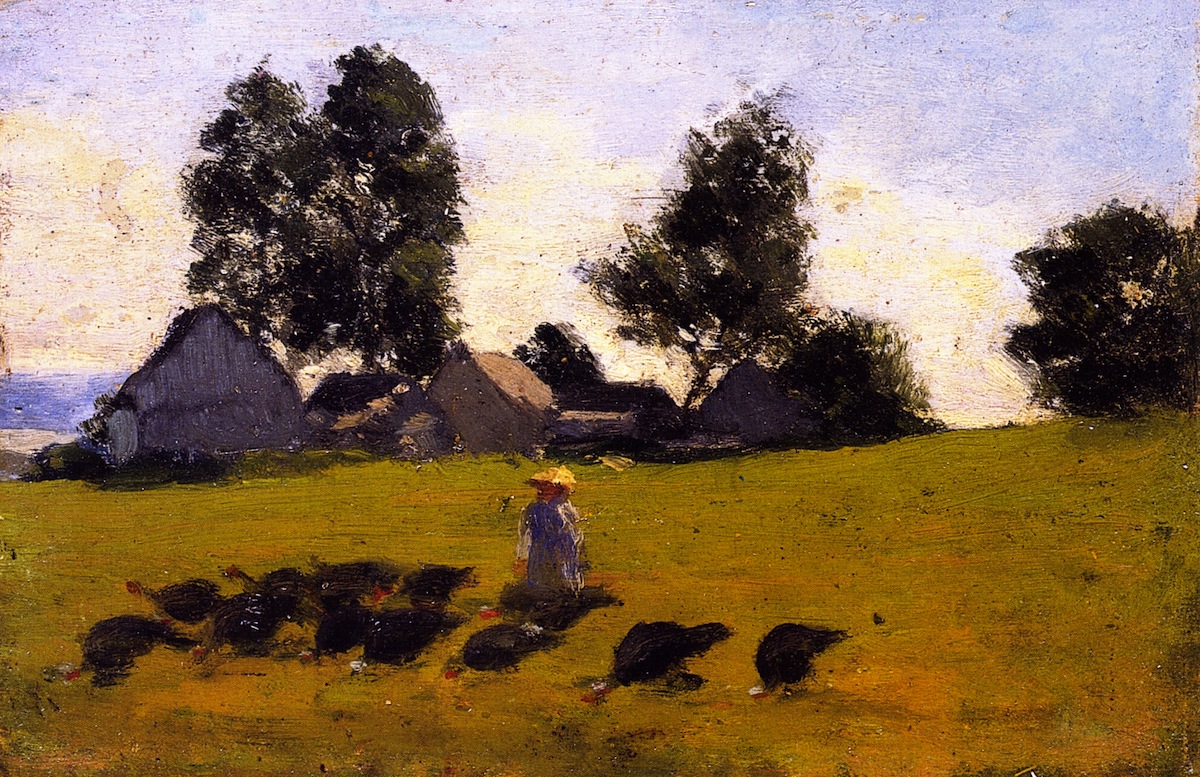
Paysage à Saint-Joachim (1903), Clarence Gagnon. A hundred years ago genetic evolution came to a halt throughout the West, yet cultural evolution continued to forge ahead ... at an accelerating speed.


My last post covered the reasons why liberal regimes have historically prevailed over conservative ones. In short, liberalism delivers the goods. By reducing the importance of kinship, it has given the market a freer rein to mobilize labor and capital for production of goods and services. More wealth is created—not only in peacetime but also, and just as critically, in wartime. Because liberal regimes are not tied to a single ethnocultural community, they can recruit from a broader pool of people and, if need be, relocate production of arms and ammunition to territories far from enemy attack.

In this post I wish to discuss the contradictions of liberalism. By "contradiction" I mean an inherent problem that will worsen even in the absence of organized opposition. Here, I will focus on one problem: liberal regimes tend to erode their own cultural and genetic foundations, thus undermining the cause of their success.


End and reversal of gene-culture coevolution

Liberalism emerged in northwest Europe. This was where conditions were most conducive to dissolving the bonds of kinship and creating communities of atomized individuals who produce and consume for a market. Northwest Europeans were most likely to embark on this evolutionary trajectory because of their tendency toward late marriage, their high proportion of adults who live alone, their weaker kinship ties and, conversely, their greater individualism. This is the Western European Marriage Pattern, and it seems to go far back in time. The market economy began to take shape at a later date, possibly with the expansion of North Sea trade during early medieval times and certainly with the take-off of the North Sea trading area in the mid-1300s (Note 1).

Thus began a process of gene-culture coevolution:  people pushed the limits of their phenotype to exploit the possibilities of the market economy; selection then brought the mean genotype into line with the new phenotype. The cycle then continued anew, with the mean phenotype always one step ahead of the mean genotype.

This gene-culture coevolution has interested several researchers. Gregory Clark has linked the demographic expansion of the English middle class to specific behavioral changes in the English population: increasing future time orientation; greater acceptance of the State monopoly on violence and consequently less willingness to use violence to settle personal disputes; and, more generally, a shift toward bourgeois values of thrift, reserve, self-control, and foresight. Heiner Rindermann has presented the evidence for a steady rise in mean IQ in Western Europe during the late medieval and early modern era. Henry Harpending and myself have investigated genetic pacification during the same timeframe in English society. Finally, hbd*chick has written about individualism in relation to the Western European Marriage Pattern (Note 2).

This process of gene-culture coevolution came to a halt in the late 19th century. Cottage industries gave way to large firms that invested in housing and other services for their workers, and this corporate paternalism eventually became the model for the welfare state, first in Germany and then elsewhere in the West. Working people could now settle down and have families, whereas previously they had largely been a lumpenproletariat of single men and women. Meanwhile, middle-class fertility began to decline, partly because of the rising cost of maintaining a middle-class lifestyle and partly because of sociocultural changes (increasing acceptance and availability of contraception, feminism, etc.).

This reversal of class differences in fertility seems to have reversed the gene-culture coevolution of the late medieval and early modern era. The evidence is still incomplete, but a consistent pattern is emerging:

1. Mean reaction time has risen in Great Britain by 13 points since Victorian times (Woodley et al. 2013). This finding may be an artefact of better sampling of the general population over time (hbd*chick 2013a). A Swedish study, however, has confirmed this lengthening of reaction time, particularly in cohorts born since the 1970s (Madison 2014; Madison et al. 2016).

2. The genetic basis of intelligence has fallen in Iceland since the cohort born in 1910. This is shown by a progressive decrease in the "polygenic score" of alleles associated with high educational attainment (Kong et al. 2017).

3. The Flynn effect is slowing throughout the West (Flynn 2007, p. 143). In Scandinavia, mean IQ peaked during the late 1990s and has since declined (Teasdale and Owen 2005). A review of this literature has shown recent declines in mean IQ in England, Denmark, Finland, and Austria and a leveling off in Norway and Australia (Rindermann 2018). The Flynn effect does not, in itself, seem to be a real increase in intelligence. Rather, it is simply a greater familiarity by people with the process of doing tests and, as such, has masked an underlying decline in real intelligence. Now that the Flynn effect has exhausted itself, we are seeing this underlying decline.


Causes?

Some of this decline may be due to class differences in fertility, especially during the early to mid-20th century. Today, with widespread use of contraception and abortion by all social classes, this factor is much less operational (Jayman 2012). Recently, two economists, Bernt Bratsberg and Ole Rogeberg, have found that the reversal of the Flynn effect in Norway is largely explained by "within-family variation." So this decline is not due to the poor outbreeding the rich or to immigrants outbreeding natives. 

It doesn't follow, however, as Bratsberg and Rogeberg argue, that a genetic cause is excluded. In Norway, as elsewhere, siblings are increasingly half-siblings. This is not a minor factor. Bratsberg and Rogeberg charted their country's IQ decline by looking at pairs of brothers; their data came from the military conscript register, and only men are subject to conscription. To produce a pair of brothers, a woman has to have three children on average. Among Norwegian women with three children, 36.2% have had them by two or more men (Thomson et al. 2014). Furthermore, because half-siblings tend to be born farther apart than full-siblings, they have contributed more to changes in mean IQ over time. 

If the genetic basis of intelligence has been declining between older and younger half-siblings, two things must be happening:

- Divorced mothers are, on average, having their second children by lower-IQ men;

- Such men have been contributing more than other men to succeeding generations of Norwegians, at least during the last forty years.

Lappegård et al. (2011) found that multi-partner fatherhood is most common among Norwegian men with the lowest level of education. Furthermore, multi-partner fertility has increased over time among such men. Thomson et al. (2014) have similarly observed that education is negatively associated with childbearing across partnerships in Australia, United States, Norway, and Sweden. These differentials increased from the 1970s to the 2000s.

Unfortunately, we cannot easily measure the impact of multi-partner fatherhood on the IQ of the next generation. How can we compare the first father’s children with the second father’s children when Norwegian statistics do not identify a child's biological father? Only the "registered father" is identified. Once a man has adopted the earlier children of his spouse, he becomes their father for all statistical purposes.


Uncoupling of gene-culture coevolution

There has thus been an uncoupling of gene-culture co-evolution. Genetic evolution is leveling off throughout the West and even reversing in some countries. Meanwhile, cultural evolution has been forging ahead. The mean phenotype is no longer one step ahead of the mean genotype. It's several steps ahead.

A century ago the market economy was important, but a lot of economic activity still took place within the family, especially in rural areas. In the late 1980s I interviewed elderly French Canadians in a small rural community, and I was struck by how little the market economy mattered in their youth. At that time none of them had bank accounts. Few even had wallets. Coins and bills were kept at home in a small wooden box for special occasions, like the yearly trip to Quebec City. The rest of the time these people grew their own food and made their own clothes and furniture. Farms did produce food for local markets, but this surplus was of secondary importance and could just as often be bartered with neighbors or donated to the priest. Farm families were also large and typically brought together many people from three or four generations. 

By the 1980s things had changed considerably. Many of my interviewees were living in circumstances of extreme social isolation, with only occasional visits from family or friends. Even among middle-aged members of the community there were many who lived alone, either because of divorce or because of relationships that had never gone anywhere. This is a major cultural change, and it has occurred in the absence of any underlying changes to the way people think and feel.

Whenever I raise this point I'm usually told we're nonetheless better off today, not only materially but also in terms of enjoying varied and more interesting lives. That argument made sense back in the 1980s—in the wake of a long economic boom that had doubled incomes, increased life expectancy, and improved our lives through labor-saving devices, new forms of home entertainment, and stimulating interactions with a broader range of people.

Today, that argument seems less convincing. Median income has stagnated since the 1970s and may even be decreasing if we adjust for monetization of activities, like child care, that were previously nonmonetized. Life expectancy too has leveled off and is now declining in the U.S. because of rising suicide rates among people who live alone. Finally, cultural diversity is having the perverse effect of reducing intellectual diversity. More and more topics are considered off-limits in public discourse and, increasingly, in private conversation. 

Liberalism is no longer delivering the goods—not only material goods but also the goods of long-term relationships and rewarding social interaction.

To be cont'd


Notes

1. Markets, of course, go much farther back in time, farther than the earliest historical records. For most of that time, however, they were secondary to kinship. People organized their lives primarily in terms of blood ties or the ties of procreation between husband and wife. The main unit of economic activity was the family. Markets were not only of secondary importance but also highly localized in space and time. In short, there were markets but no market economy.

2. Hbd*chick has accused me of plagiarizing her work on the Hajnal Line and the Western European Marriage Pattern. The truth is that I became interested in that subject much earlier— during the early 1990s in an exchange of letters with Kevin MacDonald in the pages of Ethology and Sociobiology. Afterwards, I intended to write a follow-up that would prove two points: 1) the Western European Marriage Pattern predates Christianity; and 2) this cultural environment has selected for certain psychological traits. Over the years I gathered material, but I didn't feel I had enough for a publishable article. I finally wrote up several blog posts on the subject in 2011 and eventually a full article in 2017. Meanwhile, hbd*chick had published her first post on the Hajnal Line in 2011. I did read that post but she seemed to be taking the same position that Kevin MacDonald had taken, i.e., that the WEMP was created by the Catholic Church and that outbreeding was key to emergence of the Western mindset. Later, in a 2012 post, she began to see the WEMP as a template for gene-culture coevolution. At that point I had the impression she was drawing on my material, either directly from my articles and blog posts or indirectly through various bloggers.

So did I "discover" this idea? No, of course not. Neither I nor hbd*chick was the first to write about the Hajnal Line or the WEMP. More importantly, neither of us was the first to link the WEMP to Western European individualism and mercantilism. I would award that title to Wally Seccombe in his 1992 book A Millennium of Family Change. Feudalism to Capitalism in Northwestern Europe. In the end, few ideas are truly original. It's no coincidence that both of us began writing about that subject around the same time. Other people were writing on related topics, and those people were influencing both me and her. I'm thinking here about authors like Gregory Clark and blogs like Jayman and Those Who Can See. I didn't read it at the time, but in January 2011 Kevin MacDonald wrote a book review that discussed the Hajnal Line and European individualism:

The nuclear family, freed from extended kinship obligations, is the basis of Western social organization. It is unique relative to other culture areas. This pattern is particularly noticeable in the Northwest of Europe rather than the Pontic steppe region. As one goes from the Northwest of Europe to the Southeast, there is an increase in joint family structure, with brothers living together with parents, grandparents and children. Family historian John Hajnal discovered the "Hajnal line" that separates Western Europe from Eastern Europe, the former characterized by nuclear family structure, relatively late marriage and large numbers of unmarried in economically difficult times, the latter by joint family structure and relatively early and universal marriage.

Finally, while preparing my 2017 article, I wanted to cite hbd*chick as someone with an alternate point of view, but I couldn't find anything published under her real name. There were only pseudonymous posts from her blog. To cite her in my manuscript would require inserting citations like (hbd*chick 2014). The reviewers would immediately notice, and the chances of rejection would increase accordingly. This point should be obvious.


References

Bratsberg, B., and O. Rogeberg. (2018). Flynn effect and its reversal are both environmentally caused. Proceedings of the National Academy of Sciences June 2018, DOI: 10.1073/pnas.1718793115

Clark, G. (2007). A Farewell to Alms. A Brief Economic History of the World. Princeton University Press: Princeton and Oxford.

Clark, G. (2009a). The indicted and the wealthy: surnames, reproductive success, genetic selection and social class in pre-industrial England.

Clark, G. (2009b). The domestication of man: The social implications of Darwin. ArtefaCTos 2: 64-80. 

Flynn, J.R. (2007). What is Intelligence? Beyond the Flynn Effect. Cambridge University Press.

Frost, P. (2017). The Hajnal line and gene-culture coevolution in northwest Europe. Advances in Anthropology 7: 154-174.

Frost, P. (2011a). From markets to market economy. Evo and Proud. March 4

Frost, P. (2011b). Bringing reproductive maturity into line with the age of marriage. Evo and Proud. October 29

Frost, P. (2011c). The Western European Marriage Pattern. Evo and Proud. November 12 http://evoandproud.blogspot.ca/2011/11/western-european-marriage-pattern.html

Frost, P. (1991). "Mechanisms of sexual egalitarianism in Western Europe": Comment. Ethology & Sociobiology 12(5), 335-336. 

Frost, P. and H. Harpending. (2015b). Western Europe, state formation, and genetic pacification. Evolutionary Psychology 13: 230-243.

Greer, T. (2013a). The Rise of the West: Asking the Right Questions. July 7. The Scholar's Stage

Greer, T. (2013b). Another look at the 'Rise of the West' - but with better numbers. November 20. The Scholar's Stage

Hbd*chick (2013a). A response to a response to two critical commentaries on woodley, te nijenhuis & murphy. May 27

Hbd*chick (2014b). Big summary post on the Hajnal Line. October 3

Hbd*chick (2013c). Going Dutch. November 29

Hbd*chick (2012). Behind the Hajnal Line. January 16

Hbd*chick (2011a). The Hajnal Line. June 30

JayMan (2012). It's not the cads, it's the tramps. JayMan's Blog. December 28

Kong, A., M.L. Frigge, G. Thorleifsson, H. Stefansson, A.I. Young, F. Zink, G.A. Jonsdottir, A. Okbay, P. Sulem, G. Masson, D.F. Gudbjartsson, A. Helgason, G. Bjornsdottir, U. Thorsteinsdottir, and K. Stefansson. (2017). Selection against variants in the genome associated with educational attainment. Proceedings of the National Academy of Sciences 114(5): E727-E732.

Lappegård, T., Rønsen, M., & Skrede, K. (2011). Fatherhood and fertility. Fathering 9: 103-120.

MacDonald, K. (2011). Going against the Tide: Ricardo Duchesne's Intellectual Defence of the West. The Occidental Quarterly 11(3): 1-22.

Madison, G. (2014). Increasing simple reaction times demonstrate decreasing genetic intelligence in Scotland and Sweden, London Conference on Intelligence, Psychological comments, April 25
#LCI14 Conference proceedings

Madison, G., M.A. Woodley of Menie, and J. Sänger. (2016). Secular Slowing of Auditory Simple Reaction Time in Sweden (1959-1985). Frontiers in Human Neuroscience, August 18

Rindermann, H. (2018). Cognitive Capitalism. Human Capital and the Wellbeing of Nations. Cambridge University Press.

Seccombe, W. (1992). A Millennium of Family Change. Feudalism to Capitalism in Northwestern Europe. London: Verso.

Teasdale, T.W., and D.R. Owen. (2005). A long-term rise and recent decline in intelligence test performance: The Flynn Effect in reverse. Personality and Individual Differences 39(4): 837-843.

Thomson, E., T. Lappegård, M. Carlson, A. Evans, and E. Gray (2014). Childbearing across partnerships in Australia, the United States, Norway, and Sweden. Demography 51(2): 485-508

Woodley, M.A., J. Nijenhuis, and R. Murphy. (2013). Were the Victorians cleverer than us? The decline in general intelligence estimated from a meta-analysis of the slowing of simple reaction time. Intelligence 41: 843-850.