Showing posts with label John Hawks. Show all posts

Saturday, November 19, 2022

Recent evolution in human brain size


Human brain size remained stable from 300,000 to 60,000 years ago. It then diversified, becoming larger in some populations and smaller in others. This was when modern humans were spreading out of Africa and into new environments in Eurasia.


With the end of the last ice age, some 10,000 years ago, northern hunting peoples found themselves in a new environment. Men could no longer pursue herds of wandering reindeer over the vast steppe-tundra. They now had to hunt over shorter distances, and the game would be smaller and more varied. Meanwhile, women now had opportunities for gathering fruits, berries, roots, and other small food items. They thus turned toward food gathering, while men moved into the formerly female domain of crafts, kiln operation, and shelter construction. Cognitive demands were thus changing. Men no longer had to store huge amounts of spatiotemporal data when tracking prey, and women were losing their dominance of artisanal work (Frost 2019).


The post-glacial period also brought an apparent decrease in brain size. Henneberg (1988) found that male brains shrank by 9.9% and female brains by 17.4% between the ice age and modern times. He attributed the decrease to a reduction in body size. In a reanalysis of Henneberg's data, Hawks (2011) showed that the reduction in body size explains only one-fifth to one-seventh of the decrease in brain size. He also showed that the declining ratio of brain size to body size did not affect all populations equally. In fact, it can be securely demonstrated only for Europeans and Chinese. No decline is discernable for Nubians, the only non-Eurasian population for which we have a large cranial sample.


In a recent analysis of cranial data, DeSilva et al. (2021) argue that brain size began to decrease with farming and the rise of larger, more complex societies. They argue more specifically that the decrease was due to an increasing ability to store knowledge externally either in written form (on tablets, paper, or parchment) or in the brains of scribes, skilled tradesmen, and other knowledge workers. People no longer had to rely solely on their own brains to store the knowledge they needed:


 […] the recent decrease in brain size may instead result from the externalization of knowledge and advantages of group-level decision-making due in part to the advent of social systems of distributed cognition and the storage and sharing of information. (DeSilva et al. 2021, p. 1)


That hypothesis has been challenged by Villmoare and Grabowski (2022). Because farming was adopted at different times in different populations, they argue that DeSilva et al. (2021) should have analyzed the cranial data on a regional basis. But this was not done:


Since this transition [to farming] occurred at different times across the globe, rather than over a single 3–5 ka year period, under the hypothesis of DeSilva et al. (2021) we should detect the change in different modern human populations at different times. However, the dataset of DeSilva et al. (2021) is not organized to test the hypothesis in this fashion. Populations from around the globe are lumped together, with only 23 crania sampled over what we would argue to be a critical window with regards to their hypothesis, 5–1 ka, and coming from Algeria, England, Mali, China, and Kenya, among other locations. Later modern human samples are focused on Zimbabwe (at 1.06 ka), the Pecos Pueblo sample from the United States (1 ka), and finally, 165 crania (28% of the total sample) are from Australian pre-Neolithic hunter-gatherer populations and dated in DeSilva et al. (2021) to 100 years ago. (Villmoare and Grabowski 2022, p. 2)


The cranial dataset suffers from other problems:


In that same dating category [100 years ago], 307 (53% of the total sample) are from unspecified Morton Collection crania, where we have no way of knowing how many may be from pre-Neolithic and post-Neolithic populations. We also observe that the sample of DeSilva et al. (2021) generates a modern human mean of 1,297 cc in the final 100-year category, which is well below other published estimates of contemporary world-wide modern mean human cranial capacity that range from ?1,340 cc up to ?1,460 cc. (Villmoare and Grabowski 2022, p. 2)


When Villmoare and Grabowski (2022) reanalyzed the cranial data for the last 300,000 years, they found a very different picture:


[…] our analyses showed no changes in brain size associated with the transition to agriculture during the Holocene. Overall, our conclusion is that, given a dataset more appropriate to the research question, human brain size has been remarkably stable over the last 300 ka. (Villmoare and Grabowski 2022, p. 4).


Actually, their reanalysis shows that brain size remained stable from 300,000 to 60,000 years ago. It then diversified, becoming larger in some populations and smaller in others. This was when modern humans were spreading out of Africa and into new environments in Eurasia (see chart at top of post).


When the authors looked more narrowly at the last 30,000 years, they found no discernable change in mean brain size or in variation around the mean. They did not attempt a regional analysis. That’s a pity because DeSilva et al. (2021) may have been right within a more limited context, specifically that of complex Eurasian societies. We still have John Hawks’ finding that brain size decreased in Eurasians after the last ice age. But when exactly? Immediately after the ice age? Or during the much later increase in social complexity?


Today, more than a decade later, John Hawks has still not published that paper in a journal. When I asked him why, he replied: "I did not feel it was necessary to pursue formal journal publication for this, because I did not think it fit well into the journals at the time." Yet, at that time, the paper was exciting a lot of interest. This is what he wrote on his blog:


I've had a dozen requests from colleagues to cite the paper (which anyone is welcome to do by using the arXiv number). I also had two great interactions with colleagues who had comments and suggestions on the preprint, which I am now incorporating into a revision. (Hawks 2012)


He might have had trouble publishing the paper in a top-tier journal. But the main problem lay elsewhere. Once it got published, some academics might have viewed him the wrong way. Perhaps not, but why take the risk? Why risk opportunities for getting funding and invitations to work on big projects with big names?


Those are questions that many anthropologists end up asking themselves. I have no easy answer, other than to say that you can never control what other people think of you. You only get to own your own thoughts, not those of others.


References


DeSilva, J. M., Traniello, J. F. A., Claxton, A. G., and Fannin, L. D. (2021). When and why did human brains decrease in size? A new change-point analysis and insights from brain evolution in ants. Frontiers in Ecology and Evolution 9: 742639. https://doi.org/10.3389/fevo.2021.742639


Frost, P. (2019). The Original Industrial Revolution. Did Cold Winters Select for Cognitive Ability? Psych 1(1): 166-181. https://doi.org/10.3390/psych1010012


Hawks, J. (2011). Selection for smaller brains in Holocene human evolution. arXiv:1102.5604 [q-bio.PE] https://arxiv.org/abs/1102.5604  


Hawks, J. (2012). Spreading preprints in population biology. John Hawks Weblog, August 1. https://johnhawks.net/weblog/topics/meta/population-biology-arxiv-callaway-2012.html


Henneberg, M. (1988). Decrease of human skull size in the Holocene. Human Biology 60: 395-405. https://www.jstor.org/stable/41464021


Villmoare, B. and M. Grabowski. (2022). Did the transition to complex societies in the Holocene drive a reduction in brain size? A reassessment of the DeSilva et al. (2021) hypothesis. Frontiers in Ecology and Evolution 10: 963568. https://doi.org/10.3389/fevo.2022.963568

Saturday, July 6, 2019

Why did brain size decrease after the Ice Age?


Nubians (Wikipedia). After the last ice age, brain size decreased in Europeans and East Asians. In western Europeans, this trend continued until some time before 1800. No decrease is observable in a large series of crania from Nubia.


In my latest paper I argue that northern hunting peoples were the first to break free from the cognitive straitjacket of hunting and gathering. Because women at northern latitudes had few opportunities for food gathering, they took on new, more cognitively demanding tasks, like garment making, needlework, weaving, leatherworking, pottery, and kiln operation. This increase in task complexity, led by women, provided these peoples and their descendants with the mental toolkit for later developments: farming, more complex technology and social organization, and an increasingly future-oriented culture (Frost 2019).

That paper left out a key piece of evidence. As these northern hunting peoples expanded southward into the temperate zone, they must have had excess mental capacity, especially the women, who were now redirected toward the cognitive demands of food gathering and, later, farming. Cognitive demand also decreased for men, who no longer had to store huge quantities of spatiotemporal information for tracking game and finding their way home. On the other hand, men put some of this excess mental capacity to new uses, by exploiting many of the technologies that women had pioneered.

So is there evidence of decreased cognitive demand after the last ice age? According to a study by Maciej Henneberg (1988), brain size steadily shrank from the Mesolithic to modern times, on the order of 9.9% for men and 17.4% for women. This is consistent with the reduction in cognitive demand being greater for women than for men.

Henneberg ignored the sex difference, preferring to attribute the decrease in brain size to a corresponding decrease in body size for both men and women. This explanation has been challenged by John Hawks, who reanalyzed Henneberg's data and showed that the decrease in body size explains only one-fifth to one-seventh of the one in brain size. He also showed that the declining ratio of brain size to body size did not affect all human populations. In fact, it can be securely demonstrated only for Europeans and Chinese. Indigenous southern Africans and Australians may have had similar declines, but the sample sizes are too small to conclude with certainty. No overall change is seen in the one case where we have a large cranial sample from a non-Eurasian population (Nubians):


A large series of crania from ancient Nubia covers the period from roughly 3400 years ago to 600 years ago [20, 21]. Samples show a slight trend toward decrease in the major length, breadth and height measurements from Iron Age (Meroitic, external cranial module 145.2) to Medieval (Christian, external cranial module 143.9) times, but the intermediate series of crania (X-Group, external cranial module 147.1) is somewhat larger in these dimensions than either of the other groups. In this context it would be misleading to speak of a reduction in cranial vault size in this region. (Hawks 2011)


A recent reversal

This trend reversed itself at some point in time, apparently before the 1800s. Jantz and Jantz (2016) and Jellinghaus et al. (2018) found an increase in brain size from at least 1800 in Germans and 1820 in white Americans. When I asked John Hawks, he attributed this reversal to improvements in nutrition and a reduction of childhood disease. That, too, was what I thought, initially.

But, then, the reversal would surely have been stronger in women than in men. If brain size had decreased twice as much in women, shouldn't the rebound have been twice as strong in women? Yet this is not what we see in the brain size of Americans born from 1820 to 1990: "Both sexes changed, but female change was less pronounced than male change" (Jantz and Jantz 2016).  In Germans born between 1800 and 1950, no clear sex difference was observable in the magnitude of this change over time (Jellinghaus et al. 2018).

Both Jantz and Jantz (2016) and Jellinghaus et al. (2018) are skeptical that these changes could be explained by improvement in nutrition or reduction of childhood disease. Infant mortality is a good proxy for both, and it did not begin to decline until circa 1900. At the very least, the increase in brain size should have accelerated during the twentieth century, yet it didn't (Jellinghaus et al. 2018).


Conclusion

Our knowledge on this subject comes largely from Maciej Henneberg, who concluded that brain size had decreased in all human populations and that this decrease continued into modern times. Both conclusions have been disproven. The decrease did not affect all human populations, and it had already reversed by 1800 in northern Europeans, as shown by two recent studies on white American and German samples. 

Perhaps the reason lies in changing patterns of natural selection. After the last ice age, northern hunting peoples had excess mental capacity, particularly the women. This excess capacity enabled them to create and exploit new and more complex social environments—farming, towns and cities, civilizations … It was still more than what was needed, however, and a long-term decline set in. Then, in early modern times, this decline reversed in western Europeans, and brain size once more began to increase. Why? Perhaps this is related to evidence, summarized in my last paper, that mean intelligence steadily rose in western European societies during late medieval and early modern times.

Hawks' study is the only comprehensive critique of Henneberg's work. Unfortunately, it has never appeared in a peer-reviewed journal. When asked why, he replied: "I did not feel it was necessary to pursue formal journal publication for this, because I did not think it fit well into the journals at the time." When asked why he had removed a post on that study from his weblog (it was put up in 2012 and taken down in 2017), he answered: "I used to have a section on my blog for research manuscripts that were in prep, but I decided to discontinue this as I became involved in more collaborative work."

Is there another reason? I can understand not publishing a post because other work is more pressing, but why delete an existing post? What made it less blogworthy by 2017?

The study in itself seems uncontroversial. Indeed, it leads to the amusing conclusion that European brains got smaller while Nubian brains remained unchanged. But talk about "smaller brains" can trigger some people, and John Hawks is already viewed with suspicion because of his work with Henry Harpending and Greg Cochran. Henry once told me—not long before his untimely death in 2016—about the mounting pressures he was facing to discontinue his research. Have similar pressures been brought to bear on John Hawks? One may wonder. The last three years have seen a remarkable escalation of deplatforming and outright violence in the name of "antiracism." When Steve Sailer (2019) charted the number of New York Times articles that mention the word "racism," he found that this number took off during the mid-decade, rising from 291 in 2011 to 2,353 in 2018. The mentions also changed qualitatively, becoming much more vociferous.

Today, John is a tenured professor, yet he is now much more reticent to say what he thinks than when he was a graduate student. His example should be sobering. The pressure to be "correct" doesn't end when you get tenure.


References

Frost, P. (2019). The Original Industrial Revolution. Did Cold Winters Select for Cognitive Ability? Psych 2019, 1(1), 166-181
https://doi.org/10.3390/psych1010012

Hawks, J. (2011). Selection for smaller brains in Holocene human evolution. arXiv:1102.5604 [q-bio.PE]
https://arxiv.org/abs/1102.5604 

Henneberg, M. (1988). Decrease of human skull size in the Holocene. Human Biology 60: 395-405.
https://www.jstor.org/stable/41464021

Jantz, R.L., and L.M. Jantz. (2016). The Remarkable Change in Euro-American Cranial Shape and Size, Human Biology 88(1), 56-64 
https://doi.org/10.13110/humanbiology.88.1.0056

Jellinghaus, K., H. Katharina, C. Hachmann, A. Prescher, M. Bohnert, and R. Jantz. (2018). Cranial secular change from the nineteenth to the twentieth century in modern German individuals compared to modern Euro-American individuals. International Journal of Legal Medicine 132: 1477-1484.
https://www.researchgate.net/profile/Michael_Bohnert/publication/323952852_Cranial_secular_change_from_the_nineteenth_to_the_twentieth_century_in_modern_German_individuals_compared_to_modern_Euro-American_individuals/links/5ab8dcdcaca2722b97cfe45f/Cranial-secular-change-from-the-nineteenth-to-the-twentieth-century-in-modern-German-individuals-compared-to-modern-Euro-American-individuals.pdf 

Sailer, S. (2019). Graphing the Great Awokening. May 28, The Unz Review
http://www.unz.com/isteve/graphing-the-great-awokening/  

Thursday, February 14, 2019

The Nurture of Nature


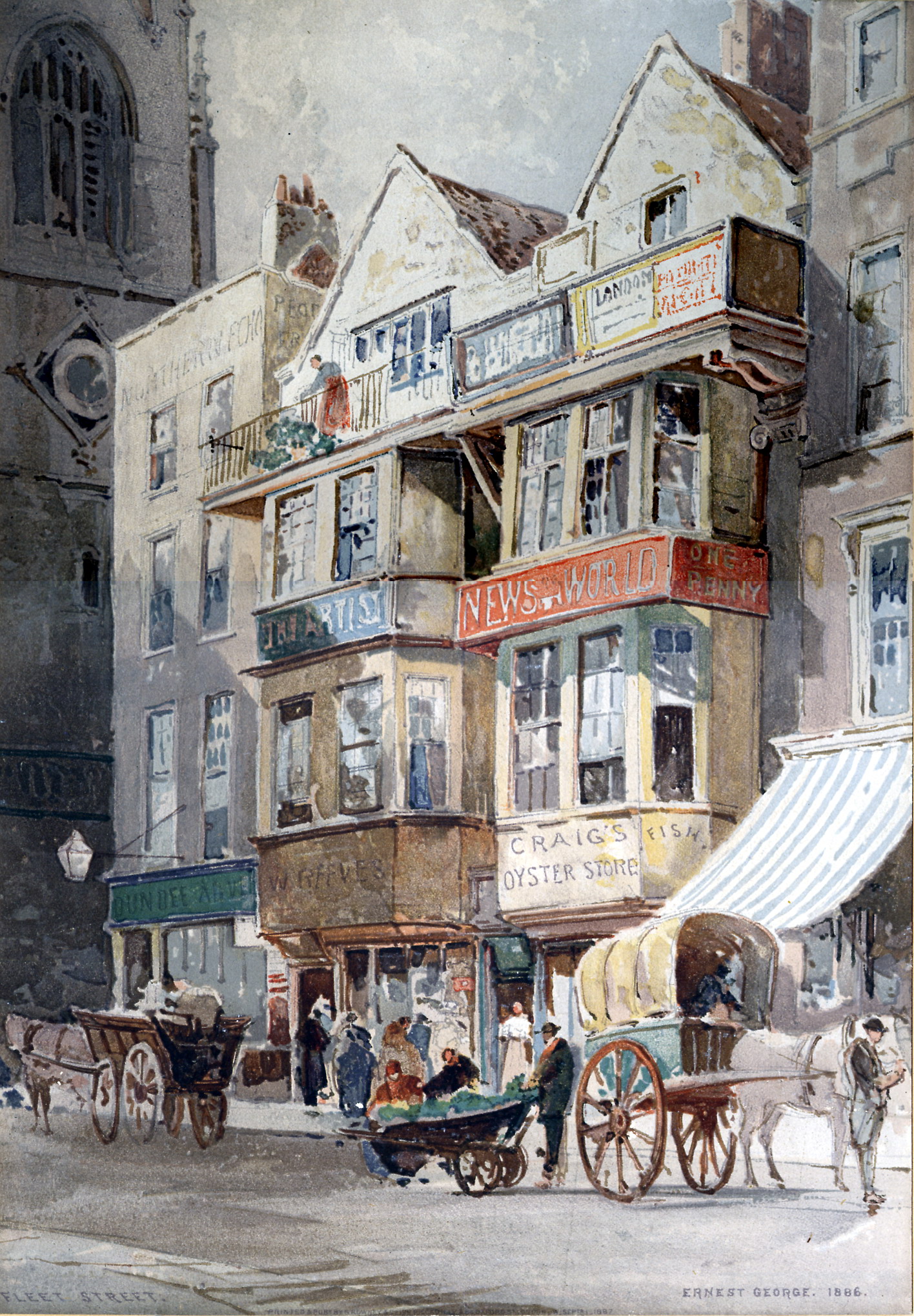
Fleet Street, watercolor by Ernest George (1839-1922). In England, middle-class families used to be so large that they overshot their niche and flooded the ranks of the lower class.


Until the last ten years it was widely believed that cultural evolution had taken over from genetic evolution in our species. When farming replaced hunting and gathering, something fundamentally changed in the relationship between us and our surroundings. We no longer had to change genetically to fit our environment. Instead, we could change our environment to make it fit us.

That view has been challenged by a research team led by anthropologist John Hawks. They found that genetic evolution actually speeded up 10,000 years ago, when hunting and gathering gave way to farming. In fact, it speeded up over a hundred-fold. Why? Humans were now adapting not only to slow-changing natural environments but also to faster-changing cultural environments, things like urban living, belief systems, and the State monopoly on violence. Far from slowing down, the pace of genetic change actually had to accelerate (Hawks et al. 2007).

These findings received a broader public hearing with the publication of The 10,000 Year Explosion: How Civilization Accelerated Human Evolution. More recently, they have been discussed in a review article by historian John Brooke and anthropologist Clark Spencer Larsen:


Are we essentially the same physical and biological beings as Ice Age hunter-gatherers or the early farming peoples of the warming early Holocene? How has the human body changed in response to nine or ten millennia of dramatic dietary change, a few centuries of public health interventions, and a few decades of toxic environmental exposures? In short, how has history shaped biology? 

[...] But very clearly human evolution did not stop with the rise of modern humanity in the Middle to Late Paleolithic. Climatic forces, dietary shifts, disease exposures, and perhaps the wider stresses and challenges of hierarchical, literate state societies appear to have been exerting selective pressure on human genetics.

In short, we have become participants in our evolution: we create more and more of our surroundings, and these surroundings influence the way we evolve. Culture is not simply a tool we use to control and direct our environment. It is a part of our environment, the most important part, and as such it now controls and directs us.

Brooke and Larsen nonetheless feel attached to older ways of evolutionary thinking, particularly the "essentialism" of pre-Darwinian biology. We see this when they assert that “the essential modeling of the genetic code ended sometime in the Paleolithic." Actually, there was no point in time when our ancestors became essentially "human"—whatever that means. A Paleolithic human 100,000 years ago would have had less in common with you or me than with someone living 100,000 years earlier or even a million years earlier. Human evolution has been logarithmic—the changes over the past 10,000 years exceed those over the previous 100,000 years, which in turn exceed those over the previous million.


Clark’s model

Brooke and Larsen discuss Gregory Clark's work on English demography. Clark found that the English middle class expanded steadily from the twelfth century onward, its descendants not only growing in number but also replacing the lower classes through downward mobility. By the 1800s, its lineages accounted for most of the English population. Parallel to this demographic expansion, English society shifted toward "middle class" culture and behavior: thrift, pleasure deferment, increased future orientation, and unwillingness to use violence to settle personal disputes (Clark, 2007). 

Clark’s work is criticized by Brooke and Larsen on two grounds:

[... ] there is no biological evidence to support an argument for English industrial transformation via natural selection. More importantly, this was a process that—hypothetically—had been at work around the world since the launch of social stratification in the Late Neolithic and the subsequent rise of state societies.

How valid are these criticisms? Let me deal with each of them.


Is social stratification the only precondition of Clark’s model?

First, it is true that many societies around the world are socially stratified, but social stratification is only one of the preconditions of Clark’s model. There are two others:

1. Differences in natural increase between social classes, with higher natural increase being associated with higher social status.

2. Porous class boundaries. The demographic surplus of the middle and upper classes must be free to move down into and replace the lower classes.

These preconditions are not met in most socially stratified societies. Brooke and Larsen are simply wrong when they say: "The poor died with few or no children everywhere in the world, and across vast stretches of human history." In reality, there have been many societies where fewer children were born on average to upper-class families than to lower-class families. A notable example is that of the Roman Empire, particularly during its last few centuries: upper-class Romans widely practiced abortion and contraception (Hopkins 1965). A similar situation seems to have prevailed in the Ottoman Empire. By the end of the eighteenth century, Turks were declining demographically in relation to their subject peoples, perhaps because they tended to congregate in towns and were more vulnerable to the ravages of plague and other diseases (Jelavich and Jelavich, 1977, pp. 6-7)

Nor are class boundaries always porous. Social classes often become endogamous castes. This can happen when a social class specializes in "unclean" work, like butchery, preparation of corpses for burial, etc. This was the case with the Burakumin of Japan, the Paekchong of Korea, and the Cagots of France (Frost 2014). Because of their monopoly over a despised occupation, they were free from outside competition and thus had the resources to get married and have enough children to replace themselves. This was not the case with the English lower classes, who faced competition from “surplus” middle-class individuals between the twelfth and nineteenth centuries. Such downward mobility is impossible in caste societies, where “surplus” higher-caste individuals are expected to remain unmarried until they can find an appropriate social situation. 

A caste society thus tends to be evolutionarily stagnant. Lower castes in particular tend to preserve mental and behavioral predispositions that would otherwise be removed from the gene pool in a more fluid social environment.

Why did class boundaries remain porous in England? The reason was probably the greater individualism of English society, particularly its expanding middle class. Sons were helped by their parents, but beyond a certain point they were expected to shift for themselves. My mother’s lineage used to be merchants on Fleet Street in London. They were successful and had such large families that they overshot their niche. By the nineteenth century, some of them had fallen to the level of shipbuilding laborers, and it was as such that they came to Canada.


Is biological evidence lacking for Clark's model?

Brooke and Larsen are on firmer ground when they say that Clark's model is unsupported by biological evidence. There is certainly a lack of hard evidence, but the only possible hard evidence would be ancient DNA. If we could retrieve DNA from the English population between the 12th and 19th centuries, would we see a shift toward alleles that support different mental and behavioral traits? That work has yet to be done. 

Nonetheless, a research team led by Michael Woodley has examined ancient DNA from sites in Europe and parts of southwest and central Asia over a time frame extending from 4,560 and 1,210 years ago. During that time frame, alleles associated with high educational attainment gradually became more and more frequent. The authors concluded: "This process likely continued until the Late Modern Era, where it has been noted that among Western populations living between the 15th and early 19th centuries, those with higher social status […] typically produced the most surviving offspring. These in turn tended toward downward social mobility due to intense competition, replacing the reproductively unsuccessful low-status stratum […] eventually leading to the Industrial Revolution in Europe" (Woodley et al. 2017).

Again, work remains to be done, particularly on the genetic profile of the English population between the twelfth and nineteenth centuries, but the existing data do seem to validate Clark's model for European societies in general. Indeed, psychologist Heiner Rindermann presents evidence that mean cognitive ability steadily rose throughout Western Europe during late medieval and post-medieval times. Previously, most people failed to develop mentally beyond the stage of preoperational thinking. They could learn language and social norms but their ability to reason was hindered by various impediments like cognitive egocentrism, anthropomorphism, finalism, and animism (Rindermann 2018, p. 49). From the sixteenth century onward, more and more people reached the stage of operational thinking. They could better understand probability and cause and effect and could see things from the perspective of another person, whether real or hypothetical (Rindermann 2018, pp. 86-87).

As the “smart fraction” became more numerous, it may have reached a threshold where intellectuals were no longer isolated individuals but rather communities of people who could interact and exchange ideas. This was one of the hallmarks of the Enlightenment: intellectuals were sufficiently large in number to meet in clubs, “salons,” coffeehouses, and debating societies.


References

Brooke, J.L. and C.S. Larsen. (2014).The Nurture of Nature: Genetics, Epigenetics, and Environment in Human Biohistory. The American Historical Review 119(5): 1500-1513

Clark, G. (2007). A Farewell to Alms. A Brief Economic History of the World. Princeton University Press: Princeton and Oxford.

Clark, G. (2009a). The indicted and the wealthy: surnames, reproductive success, genetic selection and social class in pre-industrial England.

Clark, G. (2009b). The domestication of man: The social implications of Darwin. ArtefaCTos 2: 64-80. 

Cochran, G. and H. Harpending. (2009). The 10,000 Year Explosion: How Civilization Accelerated Human Evolution. New York: Basic Books. 

Frost, P. (2014). Burakumin, Paekchong, and Cagots. ResearchGate

Hawks, J., E.T. Wang, G.M. Cochran, H.C. Harpending, and R.K. Moyzis. (2007). Recent acceleration of human adaptive evolution. Proceedings of the National Academy of Sciences (USA) 104: 20753-20758.

Hopkins, K. (1965). Contraception in the Roman Empire. Comparative Studies in Society and History 8(1): 124-151.

Jelavich, C. and B. Jelavich. (1977). The Establishment of the Balkan National States, 1804-1920. Seattle: University of Washington Press.

Rindermann, H. (2018). Cognitive Capitalism. Human Capital and the Wellbeing of Nations. Cambridge University Press.

Woodley, M.A., S. Younuskunju, B. Balan, and D. Piffer. (2017). Holocene selection for variants associated with general cognitive ability: comparing ancient and modern genomes. Twin Research and Human Genetics 20(4): 271-280.

Monday, April 23, 2018

Debate over recent human evolution: pros and cons


Acceleration of recent human evolution. Age distribution of alleles under selection (Hawks et al. 2007)


A decade has passed since a research team led by John Hawks published a strange finding: human genetic evolution accelerated more than a hundred-fold some 10,000 years ago. This was when hunting and gathering began to give way to farming, which in turn brought other changes, all of which required adjustments to mind and body. All in all, new cultural and natural environments have reshaped 7% of the human genome over the last 40,000 years:

Some of the most radical new selective pressures have been associated with the transition to agriculture. For example, genes related to disease resistance are among the inferred functional classes most likely to show evidence of recent positive selection. Virulent epidemic diseases, including smallpox, malaria, yellow fever, typhus, and cholera, became important causes of mortality after the origin and spread of agriculture. Likewise, subsistence and dietary changes have led to selection on genes such as lactase. (Hawks et al. 2007)

Instead of adapting only to the natural environment, humans have adapted to cultural creations of their own making, things like prepared food, clothing, shelter, way of life, social organization, sedentary versus nomadic living, religious strictures, and so on.

This finding may come as a surprise. As a university student I learned that culture has greatly reduced the importance of natural selection in our species. Instead of adapting genetically to our environment, we adapt culturally. That was, and still is, the normative view.


Debates in the scientific literature: 2008 to 2010

So what are we to believe? Perhaps there have been other findings over the last decade, either pro or con.

In 2008, a research team led by Matthieu Foll and Oscar Gaggiotti calculated a higher estimate of recent human evolution: over 23% of the human genome. By using an FST test and data from 53 human populations, they found evidence for selection at 131 out of 560 random loci. When this methodology was repeated with other random loci, the same estimate of 23% came up.

A review paper by Joshua Akey notes, however, that these genome-wide scans are problematic in two ways. On the one hand, they miss genes that are known to have contributed to recent human evolution. On the other, these different scans disagree on the regions of the human genome that have been evolving rapidly:

Strikingly, only 722 regions (14.1%) were identified in two or more studies, 271 regions (5.3%) were identified in three or more studies, and 129 regions (2.5%) were identified in four or more studies (Fig. 1). Furthermore, the integrated map of positive selection does not include several of the most compelling genes with well-substantiated claims of positive selection, such as G6PD and DARC. (Akey 2009)

A closer look at the data suggests that recent evolution is highly localized on the human genome. If the size of the region is decreased, the probability increases of that region containing either no genes at all under selection or several under selection. Making the regions smaller makes it easier, strangely enough, to find regions with multiple genes under selection. "This paradoxical observation [...] is due to the marked difference in the average size of regions identified in single versus multiple studies (~80 kb and 300 kb, respectively)" (Akey 2009).

So estimates of recent human evolution seem to range from a low of 7% of the genome (Hawks et al. 2007) to a high of 23% (Foll and Gaggiotti 2008). Even the 7% estimate, however, has been criticized in the literature, specifically by two papers. The first one was Pickrell et al. (2009):

We find that putatively selected haplotypes tend to be shared among geographically close populations. [...]. This suggests that distinguishing true cases of selection from the tails of the neutral distribution may be more difficult than sometimes assumed, and raises the possibility that many loci identified as being under selection in genome scans of this kind may be false positives. Reports of ubiquitous strong (s = 1 - 5%) positive selection in the human genome (Hawks et al. 2007) may be considerably overstated. (Pickrell et al. 2009)

The argument here is that a genetic variant with high selective value should spread beyond its area of origin, instead of remaining bottled up there. Yet this is unlikely for two reasons. First, recent variants, by definition, have little time to spread very far. Second, and more importantly, the selective value of a genetic variant is a function of its natural and cultural environment. A variant that succeeds in one environment will be less successful in another.

The criticism made by Pickrell et al. (2009) was repeated by Hermisson (2009). If the data are controlled for geographic region, the evidence for recent human evolution virtually disappears:

[...] introduction of hierarchical structure based on five previously established geographic regions reduces the frequency of selection candidates from 23% (Foll and Gaggiotti, 2008) to no more than expected by chance (that is, comparable with the 1% significance level applied). (Hermisson 2009)

The implication is that recent human evolution is largely due to founder effects and other forms of genetic drift. Genetic drift, however, would not produce the observed signatures of natural selection, as Nicholas Wade noted in a review of this research the following year:

One of the signatures of natural selection is that it disturbs the undergrowth of mutations that are always accumulating along the genome. As a favored version of a gene becomes more common in a population, genomes will look increasingly alike in and around the gene. Because variation is brushed away, the favored gene's rise in popularity is called a sweep. Geneticists have developed several statistical methods for detecting sweeps, and hence of natural selection in action. (Wade 2010).

Moreover, this signature is much stronger in some geographic regions than in others:

A new approach to identifying selected genes has been developed by Anna Di Rienzo at the University of Chicago. Instead of looking at the genome and seeing what turns up, Dr. Di Rienzo and colleagues have started with genes that would be likely to change as people adopted different environments, modes of subsistence and diets, and then checked to see if different populations have responded accordingly.

She found particularly strong signals of selection in populations that live in polar regions, in people who live by foraging, and in people whose diets are rich in roots and tubers. [..] The fewest signals of selection were seen among people who live in the humid tropics, the ecoregion where the ancestral human population evolved. [...] there seem to be more genes under recent selection in East Asians and Europeans than in Africans, possibly because the people who left Africa were then forced to adapt to different environments. "It's a reasonable inference that non-Africans were becoming exposed to a wide variety of novel climates," says Dr. Stoneking of the Max Planck Institute. (Wade 2010)

Joshua Akey remains cautious on this point:

A specific example of the difficulties in interpreting signatures of spatially varying selection is the observation that non-African populations tend to show more evidence for recent positive selection relative to African populations (Akey et al. 2004; Storz et al. 2004; Williamson et al. 2007; but see Voight et al. 2006). While this may be due to increased selection as humans migrated out of Africa and were confronted with new environmental pressures (such as novel climates, diets, and pathogens), differences in demographic history or rates of recombination and mutation between African and non-African populations may obscure the relationship between signatures of selection across populations. (Akey 2009)


Since 2010: consensus among some, skepticism and hostility among others

After 2010, Google Scholar turns up only brief references to the original paper by John Hawks et al., most of them favorable or neutral in tone. If one judges by the scientific literature alone, there seems to be broad support for the notion that recent evolution has accelerated in our species. And the original estimate of 7% recent evolutionary change may err on the low side

Yet many people remain unconvinced. Last week Razib Khan reproached me: "you take the accelerationist hypothesis as a given. it's not. at least at that magnitude (i think most ppl agree holocene resulted in faster rate of change)." Indeed, most people seem to view these findings with incredulity, to put it mildly, as a journalist from Discover magazine found:

Not surprisingly, the new findings have raised hackles. Some scientists are alarmed by claims of ethnic differences in temperament and intelligence, fearing that they will inflame racial sensitivities. Other researchers point to limitations in the data. Yet even skeptics now admit that some human traits, at least, are evolving rapidly, challenging yesterday's hallowed beliefs. (McAuliffe 2009)

A decade later, the barriers to acceptance are still considerable. Chen et al. (2016) identifies four sources of opposition:

- Evolutionary psychologists, who believe that human nature took shape in the Pleistocene. According to this view, genetic influences on behavior are too complex to have changed much since then.

- Cultural determinists, who believe that "once humans invented culture, natural selection was halted because humans could overcome nature through culture."

- People who point out that we are all 99.9% genetically alike. So there is little room for genetic differences within our species.

- People who believe that genetic differences are inconsequential to human behavior.

There are counter-arguments to the above. Genetic influences on existing behaviors can evolve very fast (Harpending and Cochran 2002). And that figure of 99.9% genetic identity is an over-estimate, the best estimate being 99%. Even if we assume that this 1% difference is spread evenly across the genome, that tiny difference could significantly alter the way each and every gene works.

Nonetheless, such counter-arguments would still leave many unconvinced. And others wouldn't even listen. Some beliefs are foundational, being difficult to challenge without seeming to attack an entire worldview. In such cases, reactions can be nasty.

That's normal. Strong disagreement is the stuff of scientific debate. What's less normal is that some people will seek not to debate but to judge and punish. That fate befell a coauthor of the 2007 paper on recent human evolution. In 2015, the Southern Poverty Law Center (SPLC) prepared and published a file on Henry Harpending ... under the heading "Extremist Info." The opening words sounded no less ominous:

Henry Harpending is a controversial anthropologist at the University of Utah who studies human evolution and, in his words, "genetic diversity within and between human populations."

The file went on to state:

Harpending is most famous for his book, co-authored with frequent collaborator Gregory Cochran, The 10,000 Year Explosion: How Civilization Accelerated Human Evolution, which argues that humans are evolving at an accelerating rate, and that this began when the ancestors of modern Europeans and Asians left Africa. (SPLC 2015)

One wonders what exactly is intended by this public naming and shaming. After all, the SPLC has no legal mandate to judge and punish, although it seems to think so. Indeed, it acts like a law-enforcement agency without being constrained by the law and without being answerable to an elected body.

Henry Harpending died scarcely a year later, yet his file is still there on the SPLC website. Even in death he's still a grave threat … as is apparently anyone else who believes in the evidence for recent human evolution.


References

Akey, J.M. (2009). Constructing genomic maps of positive selection in humans: Where do we go from here? Genome Research 19: 711-722.
https://pdfs.semanticscholar.org/9199/dab2542982e282eaf28fc303008c20583db7.pdf

Chen, C., R.K. Moyzis, X. Lei, C. Chen, and Q. Dong. (2016). "The enculturated genome: Molecular evidence for recent divergent evolution in human neurotransmitter genes." In Joan Y. Chiao, Shu-Chen Li, Rebecca Seligman, Robert Turner (eds). The Oxford Handbook of Cultural Neuroscience. Oxford.
https://books.google.ca/books?id=rtbiCgAAQBAJ&printsec=frontcover&hl=fr&source=gbs_ge_summary_r&cad=0#v=onepage&q&f=false

Cochran, G. and H. Harpending. (2010). The 10,000 Year Explosion: How Civilization Accelerated Human Evolution, New York: Basic Books.

Foll, M., and O. Gaggiotti. (2008). A Genome-Scan Method to Identify Selected Loci Appropriate for Both Dominant and Codominant Markers: A Bayesian Perspective. Genetics 180(2):977-993.
https://www.ncbi.nlm.nih.gov/pmc/articles/PMC2567396/

Harpending, H., and G. Cochran, (2002). In our genes, Proceedings of the National Academy of Science. USA. 99(1):10-12.
https://s3.amazonaws.com/academia.edu.documents/43528175/In_our_genes20160308-5744-8wzdxj.pdf?AWSAccessKeyId=AKIAIWOWYYGZ2Y53UL3A&Expires=1524495810&Signature=XEX4Jqbe%2FAD3Faud9Re0M1ECEys%3D&response-content-disposition=inline%3B%20filename%3DIn_our_genes.pdf

Hawks, J., E.T. Wang, G.M. Cochran, H.C. Harpending, and R.K. Moyzis. (2007). Recent acceleration of human adaptive evolution, Proceedings of the National Academy of Science USA 104:20753-20758.
https://www.ncbi.nlm.nih.gov/pmc/articles/PMC2410101/

Hermisson, J. (2009). Who believes in whole-genome scans for selection? Heredity 103, 283-284
https://www.nature.com/articles/hdy2009101  

McAuliffe K. (2009). They don't make Homo sapiens like they used to. Our species-and individual races-have recently made big evolutionary changes to adjust to new pressures. Discover February 9
http://discovermagazine.com/2009/mar/09-they-dont-make-homo-sapiens-like-they-used-to

Pickrell, J.K., G. Coop, J. Novembre, S. Kudaravalli, J.Z. Li, D. Absher, B.S. Srinivasan, G.S. Barsh, R.M. Myers, M.W. Feldman, and J.K. Pritchard. (2009). Signals of recent positive selection in a worldwide sample of human populations. Genome Research 19(5): 826-837
http://europepmc.org/articles/pmc2675971  

SPLC. (2015). Henry Harpending. Extremist Info
https://www.splcenter.org/fighting-hate/extremist-files/individual/henry-harpending

Wade, N. (2010). Adventures in very recent evolution. The New York Times, July 19
https://www.nytimes.com/2010/07/20/science/20adapt.html

Monday, April 2, 2018

Africa's Neanderthals


Skull from Zambia, dated to 110,000 years ago. Modern humans co-existed with archaic groups in Africa, particularly in the south and west.


When and where did modern humans emerge? Anatomical evidence points to somewhere in eastern Africa some 300,000 years ago. The time of origin is different if we look at behavioral and genetic evidence. Sophisticated tool-making, detailed artwork, and other signs of “behavioral modernity” appeared only 70,000 years ago (Brown et al., 2012). Genetic evidence points to a series of demographic expansions between 80,000 and 60,000 years ago in eastern Africa, with the last one spreading throughout Africa and into Eurasia (Watson et al. 1997). At that moment, an innovation in thinking seems to have given these truly modern humans an edge over everyone else.

As these humans spread throughout the world, to what extent did they intermix with the more archaic groups they replaced? We can answer this question for Eurasia by comparing the modern human genome with reconstructed genomes of the now-extinct Neanderthals (Europe, Middle East, and Central Asia) and Denisovans (East Asia, Southeast Asia). Present-day Eurasians have relatively low levels of archaic admixture: about 2% from Neanderthals and up to 5% from Denisovans (Sankararaman et al. 2016).

What about Africa? Unfortunately, we have not yet reconstructed the genome of any archaic population from that continent. We probably never will, given that DNA tends to degrade quickly in tropical climates. In theory, there should be more admixture in Africa than in Eurasia, since many archaic Africans would have been "near-modern," i.e., much more similar in appearance, behavior, and genetic makeup to modern humans than either Neanderthals or Denisovans. Greater genetic similarity would have also made hybrid infertility less likely. Indeed, it looks like male fertility suffered from hybridization with Neanderthals or Denisovans, given that present-day humans have a lower proportion of archaic ancestry on the X chromosome and in genes disproportionately expressed in the testes (Sankararaman et al. 2016). In these parts of the genome, natural selection has stepped in to remove archaic admixture.

The above speculations seem borne out by a recent and still unpublished paper. Its authors, Sriram Sankararaman and Arun Durvasula, came up with a novel way to measure admixture from an unknown archaic group, essentially by using a machine learning algorithm (which they validated with data on Neanderthal introgression in present-day Europeans). When they applied this method to Yoruba from Nigeria, they found a level of archaic admixture higher than in any other human population known to date:

Our results suggest that Yoruban individuals trace about 7.9% of their genomes to an as yet unidentified archaic population. This is in agreement with some results from previous papers in other African populations such as the Biaka and the Baka, suggesting that there was a rich diversity of hominin species within Africa and that introgression was commonplace. (Sankararaman and Durvasula 2018)

This finding is consistent with previous archaeological and genetic evidence, particularly from western and southern Africa. Both regions seem to have had archaic populations until recent times:

- A skull from a Nigerian site (Iwo Eleru) is only about 16,300 years old and yet looks intermediate in shape between modern humans on the one hand and Neanderthals and Homo erectus on the other. It resembles the skull of a near-modern human, like the Skhul-Qafzeh hominins who lived in the Middle East some 80,000 to 100,000 years ago (Harvati et al., 2011; Stojanowski, 2014).

- Genomic analysis of 16 prehistoric Africans suggests that modern humans spread out of eastern Africa and into western Africa, where they mixed with an archaic population as divergent from modern humans as Neanderthals were, the time of separation from modern humans being 200,000 to 300,000 years ago. This archaic admixture is estimated at 9% in Yoruba and 13% in Mende (Skoglund et al. 2017)

- Genomic analysis shows an apparently higher level of Neanderthal ancestry in the Yoruba of Nigeria than in the Luhya of Kenya. This admixture seems to come from a Neanderthal-like population that formerly lived in West Africa (Hawks 2012)

- A skull from Zambia has been dated to 110,000 years ago and yet looks very much like a Homo erectus (Bada et al., 1974; Stringer, 2011). 

-  About 2% of the current African gene pool comes from a population that split from ancestral modern humans some 700,000 years ago. This archaic DNA was then picked up by modern African humans about 35,000 years ago, probably in central Africa because this admixture is highest in pygmy groups from that region (Hammer et al. 2011).

- Genomic analysis of western African pygmies (Biaka and Baka) indicates frequent, low-level interbreeding between archaic and modern humans, including an admixture event within the last 30,000 years (Hsieh et al. 2016). 

- Jawbone fragments from South Africa exhibits significant size and morphological variability, indicating admixture with an archaic population. The fragments fall within the range of 110,000 to 60,000 years ago (Malekfar, 2012)

- Sub-Saharan Africans exhibit dental traits that distinguish them from other modern humans (Sub-Saharan African Dental Complex). These traits are shared with extinct hominids and many extinct and extant nonhuman primates (Irish 1998). When dentitions are compared from western, central, eastern, and southern Africans, these ancestral traits appear to be least present in Kenyans and Tanzanians (Irish 1998). The SSADC thus seems least present in the "homeland" of modern humans (eastern Africa) and more present farther west and south.

Is the estimate of 7.9% archaic admixture a lower bound?

While the new finding of 7.9% archaic admixture is higher than what we see in other modern humans, the actual figure may be higher still. Sankararaman and Durvasula attribute this 7.9% admixture to "a deeply-diverged archaic population," while nonetheless acknowledging the "rich diversity of hominin species within Africa." Dienekes (2018) likewise notes that multiple admixture events had occurred between modern African humans and a range of "Palaeoafrican" groups.

Thus, Sankararaman and Durvasula are measuring admixture only from a highly divergent archaic group, apparently the same one that Skoglund et al. (2017) found in their study of the Yoruba. Indeed, the two studies found almost the same level of archaic admixture in the Yoruba: 7.9% versus 9%. Although Sankararaman and Durvasula validated their methodology with data on Neanderthal admixture in Europe, the two situations are not really comparable. In Europe, modern humans encountered only one archaic group over a relatively short time span, intermixture taking place essentially between 60,000 and 50,000 years ago with a second event more than 37,000 years ago (Yang and Fu 2018).  In Africa, modern humans likely encountered a range of archaic groups over a longer time, including "near-moderns" whose ancestors diverged from those of modern humans less than 200,000 years ago.

If we include introgression from these “near-moderns,” the total for archaic admixture in present-day sub-Saharan Africans should be much higher.  Indeed, 13% of the sub-Saharan gene pool seems to come from a demographic expansion that took place some 111,000 years ago and which probably brought the Skhul-Qafzeh hominins to the Middle East (Watson et al. 1997). Those hominins were anatomically modern, or almost so, but culturally Neanderthal.

Did archaic admixture help or hinder?

Mainstream evolutionary theorists have argued that admixture does more harm than good. As Ernst Mayr (1970, p. 80) wrote:

The claim has been made that species owe much of their genetic variability to introgressive hybridization. However, all the evidence contradicts this conclusion so far as animals is concerned. Not only are F1 hybrids between good species very rare, but where they occur the hybrids (even when not sterile) are demonstrably of inferior viability. The few genes that occasionally introgress into the parental species are not coadapted [...] and are selected against. Introgressive hybridization seems to be a negligible source of genetic variation in animals.

This view has been challenged by Hawks et al. (2007), who argue that gene introgression helped modern humans adapt to new environments. Instead of starting from scratch, they could cherry-pick genes that had already been tried and proven by the populations they were replacing: 

Compared with novel mutations, archaic genetic variants would have had several qualities that, in some cases, may have enhanced their selective value. Because they had long existed within human populations, these alleles had a much lower chance of being strongly deleterious. [...] Alleles with local advantages might never have been selected within the expanding modern population until it reached new climatic regimens. The spread of modern humans may have attained a burst of evolutionary change by drawing on the fruits of the existing adaptations of archaic humans. (Hawks et al. 2007)

The latest findings seem to lie between the above two views. Introgression can in some cases provide useful genes. Usually, however, it’s maladaptive.

We observe a decrease in the frequency of archaic ancestry in the Yoruban populations in more constrained regions of the genome, suggesting that these archaic alleles have been subject to the effects of purifying selection similar to the deleterious consequences of Neanderthal and Denisovan alleles in the modern human genetic background. On the other hand, we find several loci that harbor archaic haplotypes at elevated frequencies (>60%). (Sankararaman and Durvasula 2018)

Similarly, Yang and Fu (2018) note that a "gradual decline in archaic ancestry in Europeans dating from ~37 to 14 ka suggests that purifying selection lowered the amount of Neanderthal ancestry first introduced into ancient modern humans."

This pattern is consistent with findings from nonhuman species. A study of admixture in trout found sharp declines in fitness even with 20% admixture. The decline has two causes:

Hybridization can reduce fitness by either introducing alleles to a population that are not suited to the local environment (extrinsic outbreeding depression) or disrupting co-adapted gene complexes (intrinsic outbreeding depression) (Templeton 1986). These mechanisms are not mutually exclusive, and identifying the contribution of each effect is difficult. However, the high reproductive success of F1 hybrids relative to post-F1 hybrids with similar amounts of admixture suggests that some of the outbreeding depression is intrinsic. (Muhlfeld et al. 2009)

By disrupting co-adapted gene complexes, introgression causes individual genes to lose their adaptive value. Selection will thus eliminate either the introgressed alleles or the previously existing ones. In the second scenario, the complex of co-adapted genes is replaced with a simpler version.

Conclusion

Something “clicked” in eastern Africa 80,000 to 60,000 years ago. A relatively small group of humans acquired a new way of imagining themselves, each other, and the world around them, and this innovation gave them an edge over everyone else. The result: a “big bang” of population growth. They began to spread outward, first within Africa and then into Eurasia.

Their expansion within Africa seems to have proceeded more slowly than in Eurasia. Initially, these modern humans were replacing “near-moderns”—people fairly similar in appearance and genetic makeup. As they pushed farther east and south, however, they encountered populations that were much less similar. West Africa seems to have been home to a people who were as different from modern humans as Neanderthals were, perhaps being related to them. In southern Africa, modern humans encountered people even more divergent: a relic Homo erectus population. Even these highly divergent archaic groups were not rapidly replaced; they may have persisted as late as 15,000 years ago in West Africa and 30,000 years ago in central Africa. Thus, modern and archaic groups seem to have long coexisted in parts of Africa.

In general, archaic admixture reduced fitness: “archaic alleles that introgressed into the Yoruban population were deleterious on average”; neutral alleles were more likely to be retained than those that had functional impacts (Sankararaman and Durvasula 2018). A few, however, seem to have been favored by selection. This is the case with alleles located at a tumor suppressor gene, a gene involved with hormone regulation, and a gene involved with potassium channels. These are individual genes, however, and it is hard to know the impact on co-adapted gene complexes. In theory, archaic admixture should have had a disruptive effect.

Present-day Africans thus have admixture from a range of archaic groups, some being similar to modern humans and others more like Neanderthals or even Homo erectus. This admixture is highest in western and southern Africa and lowest in eastern Africa. In West Africa, admixture from a Neanderthal-like group is estimated at 7.9% by Sankararaman and Durvasula (2018) and at 9 to 13% by Skoglund et al. (2017). Admixture from “near-moderns” is harder to measure. There seems to be a 13% pan-African admixture from a population that had expanded across much of the continent some 111,000 years ago and which perhaps spilled into the Middle East, giving rise to the Skhul-Qafzeh hominins, i.e., early modern humans with Neanderthal culture (Watson et al. 1997, see L1i in Table 2).


References

Bada, J.L., R.A. Schroeder, R. Protsch, & R. Berger. (1974). Concordance of Collagen-Based Radiocarbon and Aspartic-Acid Racemization Ages, Proceedings of the National Academy of Sciences (USA) 71: 914-917.
http://www.pnas.org/content/71/3/914.short

Brown, Kyle S.; Marean, Curtis W.; Jacobs, Zenobia; Schoville, Benjamin J.; Oestmo, Simen; Fisher, Erich C.; Bernatchez, Jocelyn; Karkanas, Panagiotis; Matthews, Thalassa (2012). An early and enduring advanced technology originating 71,000 years ago in South Africa. Nature 491 (7425): 590.
https://www.researchgate.net/publication/233331522_An_early_and_enduring_advanced_technology_originating_71000_years_ago_in_South_Africa

Dienekes (2018). Statistical Palaeoafricans, Dienekes' Anthropology Blog, March 25
http://dienekes.blogspot.ca/2018/03/statistical-palaeoafricans.html

Durvasula, A., and S. Sankararaman. (2018). Recovering signals of ghost archaic admixture in the genomes of present-day Africans, BioRxiv, March 21
https://www.biorxiv.org/content/early/2018/03/21/285734  

Hammer, M.F., A.E. Woerner, F.L. Mendez, J.C. Watkins, and J.D. Wall. (2011). Genetic evidence for archaic admixture in Africa, Proceedings of the National Academy of Sciences (USA) 108: 15123-15128.
http://www.u.arizona.edu/~flmendez/papers/Hammer_2011.pdf

Harvati, K., C. Stringer, R. Grün, M. Aubert, P. Allsworth-Jones, C.A. Folorunso. (2011). The Later Stone Age Calvaria from Iwo Eleru, Nigeria: Morphology and Chronology. PLoS ONE 6(9): e24024. doi:10.1371/journal.pone.0024024
http://www.plosone.org/article/info%3Adoi%2F10.1371%2Fjournal.pone.0024024

Hawks, J. (2012). Which population in the 1000 Genomes Project samples has the most Neandertal similarity? John Hawks Weblog, February 8
http://johnhawks.net/weblog/reviews/neandertals/neandertal_dna/1000-genomes-introgression-among-populations-2012.html

Hawks, J., G. Cochran, H.C. Harpending, and B.T. Lahn. (2007). A genetic legacy from archaic Homo, Trends in Genetics 24(1): 19-23
https://s3.amazonaws.com/academia.edu.documents/46568403/A_genetic_legacy_from_archaic_Homo20160617-13508-1nt7amy.pdf?AWSAccessKeyId=AKIAIWOWYYGZ2Y53UL3A&Expires=1522259324&Signature=Ng%2FyAWbzdtcjUJ%2BDAJTY7yE8FuA%3D&response-content-disposition=inline%3B%20filename%3DA_genetic_legacy_from_archaic_Homo.pdf

Hsieh, P., A.W. Woerner, J.D. Wall, J. Lachance, S.A. Tishkoff, R.N. Gutenkunst, and M.F. Hammer. (2016). Model-based analyses of whole-genome data reveal a complex evolutionary history involving archaic introgression in Central African Pygmies. Genome Research 26(3): 291-300
https://www.ncbi.nlm.nih.gov/pmc/articles/PMC4772012/

Irish, J.D. (1998). Ancestral dental traits in recent Sub-Saharan Africans and the origins of modern humans, Journal of Human Evolution 34: 81-98.
https://www.sciencedirect.com/science/article/pii/S0047248497901913

Malekfar, L. (2012). An analysis of the Klasies River hominins using a hybrid model, American Journal of Physical Anthropology, Program of the 81st Annual Meeting of the American Association of Physical Anthropologists, p. 201.
https://s3.amazonaws.com/academia.edu.documents/33649075/anthro_poster_lily_%281%29.pdf?AWSAccessKeyId=AKIAIWOWYYGZ2Y53UL3A&Expires=1522334949&Signature=h10VLn2RDPu8HtH4X55L64S2ODU%3D&response-content-disposition=inline%3B%20filename%3DPoster_An_Analysis_of_the_Klasies_River.pdf

Mayr, E. (1970). Populations, Species, and Evolution, Belknap Press: Cambridge (Mass.)

Muhlfeld, C.C.,  S.T Kalinowski, T.E. McMahon, M.L. Taper, S. Painter, R.F. Leary, F.W. Allendorf. (2009). Hybridization rapidly reduces fitness of a native trout in the wild, Biology Letters, March 18
http://rsbl.royalsocietypublishing.org/content/early/2009/03/13/rsbl.2009.0033.short

Sankararaman, S., S. Mallick, N. Patterson, and D. Reich. (2016). The combined landscape of Denisovan and Neanderthal ancestry in present-day humans, Current Biology 26(9): 1241-1247.
https://www.sciencedirect.com/science/article/pii/S0960982216302470#bib1

Skoglund, P., J.C. Thompson, M.E. Prendergast, A. Mittnik, K. Sirak, et al. (2017). Reconstructing Prehistoric African Population Structure, Cell 171(1): 59-71
http://www.cell.com/cell/fulltext/S0092-8674(17)31008-5

Stojanowski, C.M. (2014). Iwo Eleru's place among Late Pleistocene and Early Holocene populations of North and East Africa, Journal of Human Evolution 75: 80-89.
http://www.sciencedirect.com/science/article/pii/S0047248414000876

Stringer, C. (2011). The chronological and evolutionary position of the Broken Hill cranium. American Journal of Physical Anthropology 144(supp. 52): 287

Watson, E., P. Forster, M. Richards, and H-J. Bandelt. (1997). Mitochondrial footprints of human expansions in Africa, American Journal of Human Genetics 61: 691-704. 0024024
https://www.sciencedirect.com/science/article/pii/S000292970764333X

Yang, M.A., and Q. Fu. (2018). Insights into Modern Human Prehistory Using Ancient Genomes, Trends in Genetics 34(3): 184-196
https://www.sciencedirect.com/science/article/pii/S016895251730210X