Showing posts with label archaic humans. Show all posts

Monday, March 9, 2020

The ghosts of West Africa


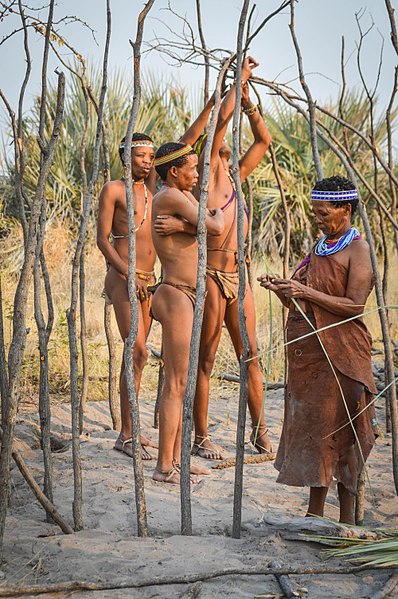
Bushmen in the Kalahari (Wikicommons, Andy Maano). When recorded history began, in Sumer and Egypt, black Africans were absent from most of Africa, even from most of West Africa. The lands south of the Sahara were largely home to various hunter-gatherers who were small, almost childlike in build, and light reddish-brown in color. 


Most Americans think of native Africans as black and of white Africans as recent intruders; and when they think of Africa's racial history they think of European colonialism and slave trading. But very different types of peoples occupied much of Africa until as recently as a few thousand years ago.

When Jared Diamond penned those words, analysis of ancient DNA was years away. Even when it began, there was a feeling that such analysis would always be impractical in Africa or anywhere else in the tropics. The climate is too warm for that stuff to last thousands upon thousands of years.

Apparently not. DNA has been retrieved from the remains of four individuals at a site in Cameroon, two of them going back 8,000 years and the other two 3,000 years. The main finding? The individuals were most similar to Pygmies, who still exist as isolated groups of hunter-gatherers in the Congo basin. There was no genetic similarity to the Bantu peoples who now predominate throughout central, eastern, and southern Africa (Lipson et al. 2020).

This finding is no surprise. Linguistic evidence has shown that the Bantu are all descended from a group of farming peoples who, some two to three thousand years ago, began to expand eastward and southward from what is now the Cameroon-Nigeria border. 

More intriguing is the discovery of admixture from an extinct West African people. These were hunter-gatherers who shared common ancestry with the Pygmies of central Africa and the Khoisans of southern Africa; however, they had intermixed much more with an archaic hominin that had diverged from ancestral modern humans at about the same time as the Neanderthals:

The West African clade is distinguished by admixture from a deep source that can be modelled as a combination of modern human and archaic ancestry. The modern human component diverges at almost the same point as Central and southern African hunter-gatherers and is tentatively related to the deep source that contributes ancestry to the Mota individual, and the archaic component diverges close to the split between Neanderthals and modern humans (Lipson et al. 2020)

This suggests that the Bantu expansion was the second leg of an earlier expansion of farming peoples who had first replaced the hunter-gatherers of West Africa. This is in line with the thinking of George Murdock, an American anthropologist who argued that black Africans originated with the spread of agriculture from the Niger's headwaters, near the Mali-Guinea border. This region was the cradle of the Sudanic food complex: sorghum, pearl millet, cow pea, and other crops.

Murdock’s scenario is supported by linguistic evidence. Speakers of proto-Niger-Congo broke up around 10,000 years ago, and the oldest group appears to be proto-Mande speakers, whose descendants inhabit the Niger's headwaters (Blench 1984, pp. 128-129; Ehret 1984; Murdock 1959, pp. 44, 64-68). Farming itself seems to have begun later. According to Harris (1976, p. 352), “the problem of dating must be left in abeyance, but it is clear that some form of seed-crop cultivation was underway in the interior at least by the second millennium B.C.”

It looks like a stable population of hunter-gatherers took shape on the Niger’s headwaters around 10,000 years ago. They gradually became proto-agricultural, i.e., more sedentary and better able to manage their food sources. By 4,000 years ago, they had become true farmers and were entering a phase of sustained demographic expansion that would see them colonize the banks of the Niger farther and farther downstream until they reached the rain forest in southern Nigeria. As they adapted to this new environment, they reached a modus vivendi with the Pygmy inhabitants, at first as tenants and then as de facto landowners who took over more and more of the land. Meanwhile, the Pygmies were pushed back farther and farther into the forest until they were no more.

In sum, farming can support a much larger population, and it was this demographic advantage that enabled farming peoples to replace hunter-gatherers, first in West Africa and eventually throughout almost all of sub-Saharan Africa.


Memories of the first West Africans

Those hunter-gatherers are remembered in the traditions of West Africa: 

Pygmies may have been the first inhabitants of Côte d'Ivoire. In their oral tradition, most of the present-day peoples, in particular the Dan-Yacouba, recount that their ancestors, on arriving in the country, found "little red men" whom they pushed back into the forest. Others speak of "little brown men", who had supernatural powers and to whom presents were given to win them over. (Mantongouine 2012)

According to some authors like Allou and Gonnin, the presence of these mysterious beings appears in the oral traditions. They are presented as short beings about 1m 44 to 1m 55 according to J.N. Loucou, with reddish skin, abundant hair, and feet pointing backward. They appear in almost all of the regions of prehistoric Côte d’Ivoire in the sense that almost all of the oral traditions of Côte d’Ivoire’s ethnic groups affirm that they found pygmies in the area before they became established. (Afri 2013; see also Gonnin and Allou 2006; Loucou 1984, p. 18)

Everywhere, but mainly in the countries from which the Pygmies have long disappeared, the Blacks who are considered to be the oldest occupants of the land say that it does not really belong to them and that, when their distant ancestors, coming from the East, established themselves, they found it in the possession of little men with reddish complexions and large heads who were the real natives and who, in exchange for fulfilment of certain agreements, permitted the Negroes who first arrived on a piece of land to enjoy its use and cultivate it. Eventually, those little men disappeared, but the memory of them has persisted. (Delafosse 1922, p. 14)

The Mano of Liberia say that the forested area used to contain only “talking chimpanzees.” These small creatures, called Lam, inhabited the area when the Mano first came. A Lam and his family would live in a hole in the ground (Riddell 1970, p. 27).


Year-round farming, polygyny. and increased stature and robustness

In addition to their means of subsistence, this expanding population of farmers differed from the hunter-gatherers in another way: a much higher rate of polygyny. Farming, especially year-round farming, makes women more self-reliant in feeding themselves and their children, thus cutting the costs, for a man, of having a second wife (van den Berghe 1979, p. 65). The result is a high polygyny rate: 20-50% of all marriages in sub-Saharan farming societies (Bourguignon and Greenbaum 1973, p. 51; Goody 1973; Pebley and Mbugua 1989; Welch and Glick 1981; White 1988).

If some men have more wives, others have to do without. In general, men must compete more keenly with each other for access to women. When such rivalry intensifies in nonhuman species, there is selection for larger, stronger, and more muscular males. This may explain the physical robustness of polygynous farming peoples in sub-Saharan Africa.

This point was studied by Butovskaya et al. (2015) in their study of two East African peoples: the polygynous Datoga and the monogamous Hadza. Datoga men were larger and more robust than Hadza men. They also scored higher on measures of physical aggression, verbal aggression, anger, and hostility. In fact, the two groups differed fundamentally in their attitudes toward aggression:

There is a negative attitude toward aggression among the Hadza but not among the Datoga. In situations of potential aggression, the Hadza prefer to leave. In contrast, aggression is an instrument of social control — both within the family and in outgroup relations — in Datoga society. Datoga men are trained to compete with each other and to act aggressively in particular circumstances.  (Butovskaya et al. 2015).

The two groups also differed at the androgen receptor gene, with the polygynous Datoga more often having an allele that correlated in men with aggressiveness and number of children fathered. Thus, through a process of gene-culture coevolution, a highly polygynous culture has produced a different sort of man, both mentally and physically.

There are other explanations for the diminutive and less robust appearance of African hunter-gatherers. O'Dea (1994) has argued that Pygmies are smaller and less robust because they are less exposed to sunlight in the rain forest and thus less able to synthesize vitamin D and maintain a large and strong skeleton. But how would this theory explain the small, gracile appearance of the Khoisan hunter-gatherers of the Kalahari, who live in an open environment with high solar radiation?


Darker skin

The polygyny rate correlates with darkness of skin, even after you control for latitude (Manning et al. 2004). This is particularly so in sub-Saharan Africa, where highly polygynous farming peoples are noticeable darker than the largely monogamous Pygmy and Khoisan hunter-gatherers. The reason may be a widespread mental association between gender and skin color. Because women are naturally lighter-skinned than men, traditional cultures tend to associate light skin with femininity and dark skin with masculinity (van den Berghe and Frost 1986). There is thus a selective compromise between natural selection for darker skin as a protection against solar radiation and sexual selection for lighter skin as a criterion of femininity (or darker skin as a criterion of masculinity). 

Because unmated women of any kind are scarce in a polygynous society, there is weaker sexual selection for women with lighter skin. This may be why farming peoples are noticeably darker-skinned in sub-Saharan Africa (Frost 2008).


Archaic admixture in West Africa

The ancient DNA study is also consistent with evidence that a partially archaic population used to live in West Africa. One piece of evidence is a skull from a Nigerian site (Iwo Eleru), which is only about 16,300 years old and yet is intermediate in shape between the skulls of modern humans on the one hand and the skulls of Neanderthals and Homo erectus on the other (Harvati et al. 2011; Stojanowski 2014). Furthermore, genomic analysis shows an apparently higher level of Neanderthal ancestry in the Yoruba of Nigeria than in the Luhya of Kenya. This admixture seems to come from a Neanderthal-like population that once lived in West Africa (Hawks 2012).


Conclusion

In the fifteenth century, Europeans discovered a continent whose inhabitants would have looked quite different a millennium earlier. Two tenth-century Arab geographers reported that "in the outer reaches of the land of the Zanj there are cool highlands in which live white Zanj" (Lewis 1990, p. 121, n. 3). The Zanj are the dark-skinned peoples of east Africa and the “white Zanj” were probably the Khoisan hunter-gatherers who once inhabited the inland plateau of southern Africa.

If we could rewind history, we would see true black Africans retreating progressively to West Africa and then to the area of the Niger’s headwaters. This leads us to a strange conclusion. When recorded history began, in Sumer and Egypt, black Africans were absent from most of Africa, even from most of West Africa. Perhaps they didn’t yet exist anywhere. The lands south of the Sahara were largely home to various hunter-gatherers who were small, almost childlike in build, and light reddish-brown in color. 


References

Afri, A. (2013). Existait-il des peuples en Côte d’Ivoire avant le XVIIIème siècle ?
http://anicetafri.over-blog.com/existait-il-des-peuples-en-cote-d’ivoire-avant-le-xviiième-siÈcle

Blench, R. (1995). Recent developments in African language classification and their implications for prehistory. In T. Shaw, P. Sinclair, B. Andah, and A. Okpoko (Eds.) The Archaeology of Africa (pp. 126-138). London: Routledge.

Butovskaya M.L., O.E. Lazebny, V.A. Vasilyev, D.A. Dronova, D.V. Karelin, A.Z.P. Mabulla, et al. (2015). Androgen receptor gene polymorphism, aggression, and reproduction in Tanzanian foragers and pastoralists. PLoS ONE 10(8): e0136208.
https://www.ncbi.nlm.nih.gov/pmc/articles/PMC4546275/ 

Delafosse, M. (1922). Les Noirs de l’Afrique. Paris: Collection Payot. 
https://www.herodote.net/Textes/delafosse_noirs_afrique.pdf

Diamond, J. (1994). How Africa Became Black. Discover, February 1
https://www.discovermagazine.com/planet-earth/how-africa-became-black

Ehret, C. (1984). Historical/linguistic evidence for early African food production. In J.D. Clark and S.A. Brandt (Eds.) From Hunters to Farmers: The Causes and Consequences of Food Production in Africa (pp. 26-35). Berkeley: University of California Press.

Frost, P. (2008). Origins of black Africans, Evo and Proud, February 10
http://evoandproud.blogspot.com/2008/02/origins-of-black-africans.html

Gonnin, G. and R.K. Allou. (2006). Côte-d’Ivoire : les premiers habitants. Abidjan: Les éditions du CERAP.

Goody, J. (1973). Polygyny, Economy and the Role of Women, in J. Goody (Ed.) The Character of Kinship, Cambridge: Cambridge University Press, pp. 175-190.

Harris, D.R. (1976). Traditional systems of plant food production and the origins of agriculture in West Africa. In J.R. Harlan, J.M.J. De Wet, and A.B.L. Stemler. (ed.) Origins of African Plant Domestication, (pp. 311-356), The Hague: Moulton.
https://books.google.ca/books?id=tGOtFegfro4C&lr=&hl=fr&source=gbs_navlinks_s

Harvati, K., C. Stringer, R. Grün, M. Aubert, P. Allsworth-Jones, C.A. Folorunso. (2011). The Later Stone Age Calvaria from Iwo Eleru, Nigeria: Morphology and Chronology. PLoS ONE 6(9): e24024. doi:10.1371/journal.pone.0024024
http://www.plosone.org/article/info%3Adoi%2F10.1371%2Fjournal.pone.0024024  

Hawks, J. (2012). Which population in the 1000 Genomes Project samples has the most Neandertal similarity? John Hawks Weblog, February 8
http://johnhawks.net/weblog/reviews/neandertals/neandertal_dna/1000-genomes-introgression-among-populations-2012.html  

Lewis, B. (1990). Race and Slavery in the Middle East. An Historical Enquiry. New York: Oxford University Press.

Lipson, M., I. Ribot, S. Mallick, et al. (2020). Ancient West African foragers in the context of African population history. Nature 577: 665-670.
https://reich.hms.harvard.edu/sites/reich.hms.harvard.edu/files/inline-files/Shum_Laka_published_online_0.pdf

Loucou, J-N. (1984). Histoire de la Côte-d’Ivoire. Tome 1 : La formation des peuples. Abidjan: Centre d’édition et de diffusion africaine (CEDA).

Manning, J.T., P.E. Bundred, and F.M. Mather. (2004). Second to fourth digit ratio, sexual selection, and skin colour. Evolution and Human Behavior 25(1): 38-50.
https://www.sciencedirect.com/science/article/abs/pii/S1090513803000825

Mantongouine. (2012). L'histoire de la Côte d'ivoire 
http://mantongouine.free.fr/index.php?option=com_content&view=article&id=66:lhistoire-de-la-cote-divoire&catid=34:description

Murdock, G.P. (1959). Africa. Its Peoples and Their Culture History. New York: McGraw-Hill.

O'Dea, J.D. (1994). Possible contribution of low ultraviolet light under the rain-forest canopy to the small stature of Pygmies and Negritos. Homo 44(3): 284-7.

Pebley, A. R., and Mbugua, W. (1989). Polygyny and Fertility in Sub-Saharan Africa. In R. J. Lesthaeghe (Ed.), Reproduction and Social Organization in Sub-Saharan Africa, Berkeley: University of California Press, pp. 338-364.

Riddell, J.C. (1970). Labor Migration and Rural Agriculture among the Gbannah Mano of Liberia. Dissertation, Department of Anthropology, University of Oregon.
https://scholarsbank.uoregon.edu/xmlui/bitstream/handle/1794/22554/Riddell_Labor%20Migration%20and%20Rural%20Agriculture.pdf?sequence=1&isAllowed=y

Stojanowski, C.M. (2014). Iwo Eleru's place among Late Pleistocene and Early Holocene populations of North and East Africa. Journal of Human Evolution 75: 80-89.
http://www.sciencedirect.com/science/article/pii/S0047248414000876

van den Berghe, P.L. (1979). Human Family Systems. An Evolutionary View. New York: Elsevier.

van den Berghe, P.L., and P. Frost. (1986). Skin color preference, sexual dimorphism and sexual selection: A case of gene-culture co-evolution? Ethnic and Racial Studies 9(1): 87-113.
https://www.tandfonline.com/doi/abs/10.1080/01419870.1986.9993516

Welch, C.E., and Glick, P.C. (1981). The incidence of polygamy in contemporary Africa: A research note. Journal of Marriage and the Family 43:191-193.

White, D. R. (1988). Rethinking polygyny. Co-wives, codes, and cultural systems. Current Anthropology 29: 529-572.

Monday, April 2, 2018

Africa's Neanderthals


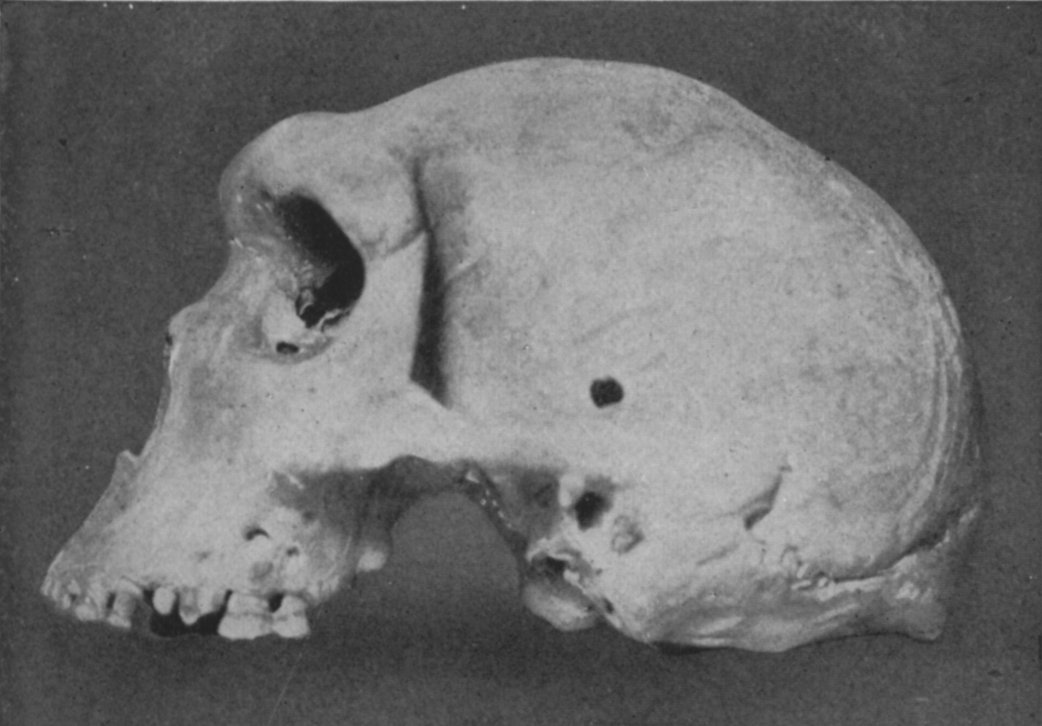
Skull from Zambia, dated to 110,000 years ago. Modern humans co-existed with archaic groups in Africa, particularly in the south and west.


When and where did modern humans emerge? Anatomical evidence points to somewhere in eastern Africa some 300,000 years ago. The time of origin is different if we look at behavioral and genetic evidence. Sophisticated tool-making, detailed artwork, and other signs of “behavioral modernity” appeared only 70,000 years ago (Brown et al., 2012). Genetic evidence points to a series of demographic expansions between 80,000 and 60,000 years ago in eastern Africa, with the last one spreading throughout Africa and into Eurasia (Watson et al. 1997). At that moment, an innovation in thinking seems to have given these truly modern humans an edge over everyone else.

As these humans spread throughout the world, to what extent did they intermix with the more archaic groups they replaced? We can answer this question for Eurasia by comparing the modern human genome with reconstructed genomes of the now-extinct Neanderthals (Europe, Middle East, and Central Asia) and Denisovans (East Asia, Southeast Asia). Present-day Eurasians have relatively low levels of archaic admixture: about 2% from Neanderthals and up to 5% from Denisovans (Sankararaman et al. 2016).

What about Africa? Unfortunately, we have not yet reconstructed the genome of any archaic population from that continent. We probably never will, given that DNA tends to degrade quickly in tropical climates. In theory, there should be more admixture in Africa than in Eurasia, since many archaic Africans would have been "near-modern," i.e., much more similar in appearance, behavior, and genetic makeup to modern humans than either Neanderthals or Denisovans. Greater genetic similarity would have also made hybrid infertility less likely. Indeed, it looks like male fertility suffered from hybridization with Neanderthals or Denisovans, given that present-day humans have a lower proportion of archaic ancestry on the X chromosome and in genes disproportionately expressed in the testes (Sankararaman et al. 2016). In these parts of the genome, natural selection has stepped in to remove archaic admixture.

The above speculations seem borne out by a recent and still unpublished paper. Its authors, Sriram Sankararaman and Arun Durvasula, came up with a novel way to measure admixture from an unknown archaic group, essentially by using a machine learning algorithm (which they validated with data on Neanderthal introgression in present-day Europeans). When they applied this method to Yoruba from Nigeria, they found a level of archaic admixture higher than in any other human population known to date:

Our results suggest that Yoruban individuals trace about 7.9% of their genomes to an as yet unidentified archaic population. This is in agreement with some results from previous papers in other African populations such as the Biaka and the Baka, suggesting that there was a rich diversity of hominin species within Africa and that introgression was commonplace. (Sankararaman and Durvasula 2018)

This finding is consistent with previous archaeological and genetic evidence, particularly from western and southern Africa. Both regions seem to have had archaic populations until recent times:

- A skull from a Nigerian site (Iwo Eleru) is only about 16,300 years old and yet looks intermediate in shape between modern humans on the one hand and Neanderthals and Homo erectus on the other. It resembles the skull of a near-modern human, like the Skhul-Qafzeh hominins who lived in the Middle East some 80,000 to 100,000 years ago (Harvati et al., 2011; Stojanowski, 2014).

- Genomic analysis of 16 prehistoric Africans suggests that modern humans spread out of eastern Africa and into western Africa, where they mixed with an archaic population as divergent from modern humans as Neanderthals were, the time of separation from modern humans being 200,000 to 300,000 years ago. This archaic admixture is estimated at 9% in Yoruba and 13% in Mende (Skoglund et al. 2017)

- Genomic analysis shows an apparently higher level of Neanderthal ancestry in the Yoruba of Nigeria than in the Luhya of Kenya. This admixture seems to come from a Neanderthal-like population that formerly lived in West Africa (Hawks 2012)

- A skull from Zambia has been dated to 110,000 years ago and yet looks very much like a Homo erectus (Bada et al., 1974; Stringer, 2011). 

-  About 2% of the current African gene pool comes from a population that split from ancestral modern humans some 700,000 years ago. This archaic DNA was then picked up by modern African humans about 35,000 years ago, probably in central Africa because this admixture is highest in pygmy groups from that region (Hammer et al. 2011).

- Genomic analysis of western African pygmies (Biaka and Baka) indicates frequent, low-level interbreeding between archaic and modern humans, including an admixture event within the last 30,000 years (Hsieh et al. 2016). 

- Jawbone fragments from South Africa exhibits significant size and morphological variability, indicating admixture with an archaic population. The fragments fall within the range of 110,000 to 60,000 years ago (Malekfar, 2012)

- Sub-Saharan Africans exhibit dental traits that distinguish them from other modern humans (Sub-Saharan African Dental Complex). These traits are shared with extinct hominids and many extinct and extant nonhuman primates (Irish 1998). When dentitions are compared from western, central, eastern, and southern Africans, these ancestral traits appear to be least present in Kenyans and Tanzanians (Irish 1998). The SSADC thus seems least present in the "homeland" of modern humans (eastern Africa) and more present farther west and south.

Is the estimate of 7.9% archaic admixture a lower bound?

While the new finding of 7.9% archaic admixture is higher than what we see in other modern humans, the actual figure may be higher still. Sankararaman and Durvasula attribute this 7.9% admixture to "a deeply-diverged archaic population," while nonetheless acknowledging the "rich diversity of hominin species within Africa." Dienekes (2018) likewise notes that multiple admixture events had occurred between modern African humans and a range of "Palaeoafrican" groups.

Thus, Sankararaman and Durvasula are measuring admixture only from a highly divergent archaic group, apparently the same one that Skoglund et al. (2017) found in their study of the Yoruba. Indeed, the two studies found almost the same level of archaic admixture in the Yoruba: 7.9% versus 9%. Although Sankararaman and Durvasula validated their methodology with data on Neanderthal admixture in Europe, the two situations are not really comparable. In Europe, modern humans encountered only one archaic group over a relatively short time span, intermixture taking place essentially between 60,000 and 50,000 years ago with a second event more than 37,000 years ago (Yang and Fu 2018).  In Africa, modern humans likely encountered a range of archaic groups over a longer time, including "near-moderns" whose ancestors diverged from those of modern humans less than 200,000 years ago.

If we include introgression from these “near-moderns,” the total for archaic admixture in present-day sub-Saharan Africans should be much higher.  Indeed, 13% of the sub-Saharan gene pool seems to come from a demographic expansion that took place some 111,000 years ago and which probably brought the Skhul-Qafzeh hominins to the Middle East (Watson et al. 1997). Those hominins were anatomically modern, or almost so, but culturally Neanderthal.

Did archaic admixture help or hinder?

Mainstream evolutionary theorists have argued that admixture does more harm than good. As Ernst Mayr (1970, p. 80) wrote:

The claim has been made that species owe much of their genetic variability to introgressive hybridization. However, all the evidence contradicts this conclusion so far as animals is concerned. Not only are F1 hybrids between good species very rare, but where they occur the hybrids (even when not sterile) are demonstrably of inferior viability. The few genes that occasionally introgress into the parental species are not coadapted [...] and are selected against. Introgressive hybridization seems to be a negligible source of genetic variation in animals.

This view has been challenged by Hawks et al. (2007), who argue that gene introgression helped modern humans adapt to new environments. Instead of starting from scratch, they could cherry-pick genes that had already been tried and proven by the populations they were replacing: 

Compared with novel mutations, archaic genetic variants would have had several qualities that, in some cases, may have enhanced their selective value. Because they had long existed within human populations, these alleles had a much lower chance of being strongly deleterious. [...] Alleles with local advantages might never have been selected within the expanding modern population until it reached new climatic regimens. The spread of modern humans may have attained a burst of evolutionary change by drawing on the fruits of the existing adaptations of archaic humans. (Hawks et al. 2007)

The latest findings seem to lie between the above two views. Introgression can in some cases provide useful genes. Usually, however, it’s maladaptive.

We observe a decrease in the frequency of archaic ancestry in the Yoruban populations in more constrained regions of the genome, suggesting that these archaic alleles have been subject to the effects of purifying selection similar to the deleterious consequences of Neanderthal and Denisovan alleles in the modern human genetic background. On the other hand, we find several loci that harbor archaic haplotypes at elevated frequencies (>60%). (Sankararaman and Durvasula 2018)

Similarly, Yang and Fu (2018) note that a "gradual decline in archaic ancestry in Europeans dating from ~37 to 14 ka suggests that purifying selection lowered the amount of Neanderthal ancestry first introduced into ancient modern humans."

This pattern is consistent with findings from nonhuman species. A study of admixture in trout found sharp declines in fitness even with 20% admixture. The decline has two causes:

Hybridization can reduce fitness by either introducing alleles to a population that are not suited to the local environment (extrinsic outbreeding depression) or disrupting co-adapted gene complexes (intrinsic outbreeding depression) (Templeton 1986). These mechanisms are not mutually exclusive, and identifying the contribution of each effect is difficult. However, the high reproductive success of F1 hybrids relative to post-F1 hybrids with similar amounts of admixture suggests that some of the outbreeding depression is intrinsic. (Muhlfeld et al. 2009)

By disrupting co-adapted gene complexes, introgression causes individual genes to lose their adaptive value. Selection will thus eliminate either the introgressed alleles or the previously existing ones. In the second scenario, the complex of co-adapted genes is replaced with a simpler version.

Conclusion

Something “clicked” in eastern Africa 80,000 to 60,000 years ago. A relatively small group of humans acquired a new way of imagining themselves, each other, and the world around them, and this innovation gave them an edge over everyone else. The result: a “big bang” of population growth. They began to spread outward, first within Africa and then into Eurasia.

Their expansion within Africa seems to have proceeded more slowly than in Eurasia. Initially, these modern humans were replacing “near-moderns”—people fairly similar in appearance and genetic makeup. As they pushed farther east and south, however, they encountered populations that were much less similar. West Africa seems to have been home to a people who were as different from modern humans as Neanderthals were, perhaps being related to them. In southern Africa, modern humans encountered people even more divergent: a relic Homo erectus population. Even these highly divergent archaic groups were not rapidly replaced; they may have persisted as late as 15,000 years ago in West Africa and 30,000 years ago in central Africa. Thus, modern and archaic groups seem to have long coexisted in parts of Africa.

In general, archaic admixture reduced fitness: “archaic alleles that introgressed into the Yoruban population were deleterious on average”; neutral alleles were more likely to be retained than those that had functional impacts (Sankararaman and Durvasula 2018). A few, however, seem to have been favored by selection. This is the case with alleles located at a tumor suppressor gene, a gene involved with hormone regulation, and a gene involved with potassium channels. These are individual genes, however, and it is hard to know the impact on co-adapted gene complexes. In theory, archaic admixture should have had a disruptive effect.

Present-day Africans thus have admixture from a range of archaic groups, some being similar to modern humans and others more like Neanderthals or even Homo erectus. This admixture is highest in western and southern Africa and lowest in eastern Africa. In West Africa, admixture from a Neanderthal-like group is estimated at 7.9% by Sankararaman and Durvasula (2018) and at 9 to 13% by Skoglund et al. (2017). Admixture from “near-moderns” is harder to measure. There seems to be a 13% pan-African admixture from a population that had expanded across much of the continent some 111,000 years ago and which perhaps spilled into the Middle East, giving rise to the Skhul-Qafzeh hominins, i.e., early modern humans with Neanderthal culture (Watson et al. 1997, see L1i in Table 2).


References

Bada, J.L., R.A. Schroeder, R. Protsch, & R. Berger. (1974). Concordance of Collagen-Based Radiocarbon and Aspartic-Acid Racemization Ages, Proceedings of the National Academy of Sciences (USA) 71: 914-917.
http://www.pnas.org/content/71/3/914.short

Brown, Kyle S.; Marean, Curtis W.; Jacobs, Zenobia; Schoville, Benjamin J.; Oestmo, Simen; Fisher, Erich C.; Bernatchez, Jocelyn; Karkanas, Panagiotis; Matthews, Thalassa (2012). An early and enduring advanced technology originating 71,000 years ago in South Africa. Nature 491 (7425): 590.
https://www.researchgate.net/publication/233331522_An_early_and_enduring_advanced_technology_originating_71000_years_ago_in_South_Africa

Dienekes (2018). Statistical Palaeoafricans, Dienekes' Anthropology Blog, March 25
http://dienekes.blogspot.ca/2018/03/statistical-palaeoafricans.html

Durvasula, A., and S. Sankararaman. (2018). Recovering signals of ghost archaic admixture in the genomes of present-day Africans, BioRxiv, March 21
https://www.biorxiv.org/content/early/2018/03/21/285734  

Hammer, M.F., A.E. Woerner, F.L. Mendez, J.C. Watkins, and J.D. Wall. (2011). Genetic evidence for archaic admixture in Africa, Proceedings of the National Academy of Sciences (USA) 108: 15123-15128.
http://www.u.arizona.edu/~flmendez/papers/Hammer_2011.pdf

Harvati, K., C. Stringer, R. Grün, M. Aubert, P. Allsworth-Jones, C.A. Folorunso. (2011). The Later Stone Age Calvaria from Iwo Eleru, Nigeria: Morphology and Chronology. PLoS ONE 6(9): e24024. doi:10.1371/journal.pone.0024024
http://www.plosone.org/article/info%3Adoi%2F10.1371%2Fjournal.pone.0024024

Hawks, J. (2012). Which population in the 1000 Genomes Project samples has the most Neandertal similarity? John Hawks Weblog, February 8
http://johnhawks.net/weblog/reviews/neandertals/neandertal_dna/1000-genomes-introgression-among-populations-2012.html

Hawks, J., G. Cochran, H.C. Harpending, and B.T. Lahn. (2007). A genetic legacy from archaic Homo, Trends in Genetics 24(1): 19-23
https://s3.amazonaws.com/academia.edu.documents/46568403/A_genetic_legacy_from_archaic_Homo20160617-13508-1nt7amy.pdf?AWSAccessKeyId=AKIAIWOWYYGZ2Y53UL3A&Expires=1522259324&Signature=Ng%2FyAWbzdtcjUJ%2BDAJTY7yE8FuA%3D&response-content-disposition=inline%3B%20filename%3DA_genetic_legacy_from_archaic_Homo.pdf

Hsieh, P., A.W. Woerner, J.D. Wall, J. Lachance, S.A. Tishkoff, R.N. Gutenkunst, and M.F. Hammer. (2016). Model-based analyses of whole-genome data reveal a complex evolutionary history involving archaic introgression in Central African Pygmies. Genome Research 26(3): 291-300
https://www.ncbi.nlm.nih.gov/pmc/articles/PMC4772012/

Irish, J.D. (1998). Ancestral dental traits in recent Sub-Saharan Africans and the origins of modern humans, Journal of Human Evolution 34: 81-98.
https://www.sciencedirect.com/science/article/pii/S0047248497901913

Malekfar, L. (2012). An analysis of the Klasies River hominins using a hybrid model, American Journal of Physical Anthropology, Program of the 81st Annual Meeting of the American Association of Physical Anthropologists, p. 201.
https://s3.amazonaws.com/academia.edu.documents/33649075/anthro_poster_lily_%281%29.pdf?AWSAccessKeyId=AKIAIWOWYYGZ2Y53UL3A&Expires=1522334949&Signature=h10VLn2RDPu8HtH4X55L64S2ODU%3D&response-content-disposition=inline%3B%20filename%3DPoster_An_Analysis_of_the_Klasies_River.pdf

Mayr, E. (1970). Populations, Species, and Evolution, Belknap Press: Cambridge (Mass.)

Muhlfeld, C.C.,  S.T Kalinowski, T.E. McMahon, M.L. Taper, S. Painter, R.F. Leary, F.W. Allendorf. (2009). Hybridization rapidly reduces fitness of a native trout in the wild, Biology Letters, March 18
http://rsbl.royalsocietypublishing.org/content/early/2009/03/13/rsbl.2009.0033.short

Sankararaman, S., S. Mallick, N. Patterson, and D. Reich. (2016). The combined landscape of Denisovan and Neanderthal ancestry in present-day humans, Current Biology 26(9): 1241-1247.
https://www.sciencedirect.com/science/article/pii/S0960982216302470#bib1

Skoglund, P., J.C. Thompson, M.E. Prendergast, A. Mittnik, K. Sirak, et al. (2017). Reconstructing Prehistoric African Population Structure, Cell 171(1): 59-71
http://www.cell.com/cell/fulltext/S0092-8674(17)31008-5

Stojanowski, C.M. (2014). Iwo Eleru's place among Late Pleistocene and Early Holocene populations of North and East Africa, Journal of Human Evolution 75: 80-89.
http://www.sciencedirect.com/science/article/pii/S0047248414000876

Stringer, C. (2011). The chronological and evolutionary position of the Broken Hill cranium. American Journal of Physical Anthropology 144(supp. 52): 287

Watson, E., P. Forster, M. Richards, and H-J. Bandelt. (1997). Mitochondrial footprints of human expansions in Africa, American Journal of Human Genetics 61: 691-704. 0024024
https://www.sciencedirect.com/science/article/pii/S000292970764333X

Yang, M.A., and Q. Fu. (2018). Insights into Modern Human Prehistory Using Ancient Genomes, Trends in Genetics 34(3): 184-196
https://www.sciencedirect.com/science/article/pii/S016895251730210X

Tuesday, September 26, 2017

Tales from old bones


Around three thousand years ago Bantu began to spread east and south from the Nigeria/Cameroun border, eventually replacing the original inhabitants of eastern and southern Africa. Those people no longer exist. Only the DNA in their skeletal remains are left to speak for them.


When scientists began to retrieve ancient DNA from human remains, they succeeded only at sites in the temperate and arctic zones. It seemed impossible to retrieve any at tropical sites, apparently because warm year-round temperatures soon reduce DNA to a meaningless molecular jumble.

This problem seems to be solved. Two years ago, DNA was successfully retrieved from 4,500 year old remains in Ethiopia. Now, we have ancient DNA from several sites across eastern and southern Africa over a range of dates from 10,000 to 400 years ago (Skoglund et al. 2017).

Vanished peoples

This new study shows that eastern and southern Africans have changed a lot since the time of the ancient Greeks. As far north as Tanzania, the continent was once home to peoples related to the Hottentots (now called Khoisans, Khoe-Sans, or simply San)—short in stature, gracile in body build, and light yellowish brown in color. From Zanzibar north, people were of mixed Middle Eastern and Cushitic origin—sort of like present-day Ethiopians but with more Arab ancestry.

What happened to these peoples? They were either replaced or absorbed by Bantus moving in from the west, although it now looks like they were replaced a lot more than they were absorbed. No trace of them remains in Malawi's gene pool:


Population replacement by incoming food producers appears to have been nearly complete in Malawi, where we detect little if any ancestry from the ancient individuals who lived ~8,100-2,500 BP. Instead, present-day Malawian individuals are consistent with deriving all their ancestry from the Bantu expansion of ultimate western African origin. (Skoglund et al. 2017)

The original inhabitants were related to present-day Khoisans but had significantly diverged from them:

Notably, the Khoe-San-related ancestry in ancient individuals from Malawi and Tanzania is symmetrically related to the two previously identified lineages present in the San [...], estimated to have diverged at least 20,000 years ago [...], implying that this was an ancient divergent branch of this group that lived in eastern Africa at least until 1,400 BP. (Skoglund et al. 2017)

This is in line with previous DNA findings from the Fwe (a Bantu group of southwestern Zambia), particularly the presence of Khoisan admixture that resembles nothing in present-day Khoisans:

[It is possible] that the Fwe intermarried with a Khoisan group whose genetic composition differed from that of the populations included in molecular anthropological investigations to date. [...] it is plausible that the Fwe ancestors interacted with a Khoisan community that differed genetically from those still settled in southern Africa today, which was ultimately replaced by the newcomers. (Barbieri et al. 2013)

Aside from these scattered fragments of DNA, we also have the testimony of ancient observers. Two tenth-century Arab geographers state that "in the outer reaches of the land of the Zanj there are cool highlands in which live white Zanj" (Lewis 1990, p. 121, n. 3). The Zanj are the dark-skinned peoples of east Africa and the term 'white' is better translated by 'lighter-skinned.' (The words 'black' and 'white' are often used in a relative sense in Arabic). The highlands might be the Drakensberg Escarpment of South Africa. 

Encounters with the archaic Other

Modern humans arose some 80,000 years ago in eastern Africa through a series of population expansions that culminated twenty thousand years later in a big bang that spread outward in Africa and then into the Middle East, Europe, and Asia (Watson et al. 1997). There, they encountered more archaic hominins: Neanderthals and, farther east, Denisovans. There was some intermixture. How much? Some have argued that modern Europeans and Asians are 3.4 to 7.9 percent admixed (Lohse and Frantz 2013). Most still opt for a lower figure of 1.5 to 2.1 percent (Prüfer et al. 2014).

But it wasn't only in Eurasia that modern humans encountered Neanderthal-like groups. Archaic hominins were present in Africa itself, some being relatively close to modern humans, and some more distantly related.

The latest DNA study has confirmed that modern humans intermixed with at least one archaic group as they expanded into western Africa:

The possible basal western African population lineage would represent the earliest known divergence of a modern human lineage that contributed a major proportion of ancestry to present-day humans. Such a lineage must have separated before the divergence of San ancestors, which is estimated to have begun on the order of 200-300 thousand years ago. (Skoglund et al. 2017)

This archaic ancestry is visible in human remains found at the Iwo Eleru rock shelter, in southwestern Nigeria, and dated to approximately 16,300 BP:

Our analysis indicates that Iwo Eleru possesses neurocranial morphology intermediate in shape between archaic hominins (Neanderthals and Homo erectus) and modern humans. This morphology is outside the range of modern human variability in the PCA and CVA analyses, and is most similar to that shown by LPA individuals from Africa and the early anatomically modern specimens from Skhul and Qafzeh. (Harvati et al., 2011)

Archaic ancestry is also visible in present-day West Africans, particularly in their teeth: 

[...] compared to other world populations, Africans south of the Sahara Desert are distinct dentally — especially in their expression of nine high- and two low-frequency morphological features. [...] the same nine high-frequency traits are also ubiquitous in the dentitions of extinct hominids and many extinct and extant non-human primates.  
[...] The presence and, indeed, prevalence (see next section), of high-frequency Sub-Saharan dental traits in fossil and recent hominoids—some of which are probably direct ancestors of modern humans, suggests they have been around for a long time.  
[...] A final ancestral feature found with some regularity in Sub-Saharan Africans, relative to other modern groups, is polydontia. Numerous cases of extra incisors, third premolars, and fourth molars have been noted [...] In one study (Watters, 1962) the incidence reached 2.5-3% in several hundred west Africans; many of the extra teeth were fully formed and erupted. "Typical" mammals exhibit three incisors and four premolars (Jordan et al., 1992). Polydontia is also found in living non-human primates. (Irish, 1998)

How much archaic ancestry do sub-Saharan Africans have today? The latest DNA study is silent on this point. Any answer can only be approximate, there being no reconstructed genome of this Neanderthal-like population. Moreover, there was probably more than one such population within Africa. Watson et al. (1997) attribute 13% of the sub-Saharan gene pool to a population that expanded some 111,000 years ago—when Skhul-Qafzeh hominins entered the Middle East from Africa. Those hominins were anatomically modern, or almost so, but culturally Neanderthal. Hammer et al. (2011) estimate that about 2% of the sub-Saharan African genome comes from a much more divergent population that split off from the ancestors of modern humans some 700,000 years ago. That admixture entered the sub-Saharan gene pool about 35,000 years ago, perhaps in Central Africa, since pygmy groups from that region have the most.

It looks like the proportion of archaic ancestry is higher in sub-Saharan Africans than in other modern humans. This is to be expected because of the broader range of archaic populations in Africa, including some that were almost modern anatomically and behaviorally. Admixture with them would have been likelier.

Admixture: good, bad, or neither?

Some alleles have successfully introgressed from archaic hominins, thus helping our ancestors adapt to new climates and new diets (Racimo et al. 2015). In general, however, we should not expect such alleles to perform as well in the body of a modern human as they did in the body of an archaic hominin. It's like taking a part from a Chevy and installing it on a Subaru. It might work, but I wouldn't count on it. 

If we look at Neanderthal admixture in the Eurasian genome, we see that natural selection has tended to remove functional genes, while leaving the non-functioning ones alone. 

Neanderthal ancestry decreases in proximity to functional elements in all populations [...] as does Denisovan ancestry in Oceanians [...] most likely reflecting greater selection against Neanderthal ancestry in low B statistic regions. Power to detect archaic ancestry is elevated close to regions of linked selection due to a reduction in the rates of incomplete lineage sorting caused by the lower effective population size in these regions, so these results are not artifacts of reduced power. Thus, similar processes appear to have worked to remove Neanderthal and Denisovan ancestry near genes. (Sankararaman et al. 2016)

Archaic admixture is also associated with reduced male fertility:

Our study provides new evidence in support of the hypothesis that reduced male fertility may be a common feature of admixture between human populations diverged by at least a half million years, a hypothesis that was previously suggested based on genetic patterns associated with the hybridization between Neanderthals and modern humans.

[...] One line of evidence for reduced fertility in male hybrids is that the proportion of archaic ancestry in modern humans is significantly reduced on chromosome X compared to the autosomes. This is suggestive of reduced male fertility as loci contributing to this phenotype are concentrated on chromosome X in hybrids of other species. We confirm an extreme reduction of Neanderthal ancestry on chromosome X (16%-34% of the autosomes depending on the population) and find a quantitatively similar reduction of Denisovan ancestry (21% of the autosomes in Oceanians).

The second line of evidence in support of the hypothesis of reduced fertility in hybrids is that there is a reduction of archaic ancestry in genes that are disproportionately expressed in testes, a known characteristic of male hybrid fertility (Sankararaman et al. 2016)

In sum, archaic admixture did provide modern humans with some ready-made alleles that have helped them adapt to new climates and new diets, but this advantage hardly applies to Africa. There, modern humans were already adapted to the local climate and diet. Archaic admixture couldn't have done much to help them adapt, since the new environments they faced were cultural ones of their own making.

References

Barbieri, C., A. Butthof, K. Bostoen, and B. Pakendorf. (2013). Genetic perspectives on the origin of clicks in Bantu languages from southwestern Zambia, European Journal of Human Genetics, 21(4), 430-436.
https://www.ncbi.nlm.nih.gov/pmc/articles/PMC3598317/  

Hammer, M.F., A.E. Woerner, F.L. Mendez, J.C. Watkins, and J.D. Wall. (2011). Genetic evidence for archaic admixture in Africa, Proceedings of the National Academy of Science (USA), 108(37), 15123-15128, www.pnas.org/cgi/doi/10.1073/pnas.1109300108

Harvati, K., C. Stringer, R. Grün, M. Aubert, P. Allsworth-Jones, C.A. Folorunso. (2011). The Later Stone Age Calvaria from Iwo Eleru, Nigeria: Morphology and Chronology. PLoS ONE 6(9): e24024. doi:10.1371/journal.pone.0024024
http://www.plosone.org/article/info%3Adoi%2F10.1371%2Fjournal.pone.0024024  

Irish, J.D. (1998). Ancestral dental traits in recent Sub-Saharan Africans and the origins of modern humans, Journal of Human Evolution, 34, 81-98.
http://www.sciencedirect.com/science/article/pii/S0047248497901913  

Lohse, K., and L.A.F. Frantz. (2013). Maximum likelihood evidence for Neandertal admixture in Eurasian populations from three genomes, Populations and Evolution, 1307, 8263
http://www.integratedbiology.com/uploads/2/5/6/9/25695765/_1307.8263.pdf  

Prüfer, K., F. Racimo, N. Patterson, F. Jay; et.al. (2014). The complete genome sequence of a Neandertal from the Altai Mountains, Nature, 505(7481), 43-49.
https://www.ncbi.nlm.nih.gov/pmc/articles/PMC4031459/

Racimo, F., S. Sankararaman, R. Nielsen, and E. Huerta-Sanchez. (2015). Evidence for archaic adaptive introgression in humans, Nature Reviews Genetics, 16(6), 359-371.
https://www.ncbi.nlm.nih.gov/pmc/articles/PMC4478293/  

Sankararaman, S., S. Mallick, N. Patterson, D, Reich; et al. (2016). The combined landscape of Denisovan and Neanderthal ancestry in present-day humans, Current Biology, 26(9), 1241-1247.
http://www.sciencedirect.com/science/article/pii/S0960982216302470  

Skoglund, P., J.C. Thompson, M.E. Prendergast, A. Mittnik; et al. (2017). Reconstructing prehistoric African population structure, Cell, 171(1), 59-71
http://www.cell.com/cell/fulltext/S0092-8674(17)31008-5  

Watson, E., P. Forster, M. Richards, and H-J. Bandelt. (1997). Mitochondrial footprints of human expansions in Africa, American Journal of Human Genetics, 61, 691-704.
https://ac.els-cdn.com/S000292970764333X/1-s2.0-S000292970764333X-main.pdf?_tid=9bebd320-a127-11e7-9e7c-00000aacb360&acdnat=1506257895_6658dfe089335953bd04987696fa7444  

Saturday, October 4, 2014

Making the big time ... elsewhere


Skull from Broken Hill (Kabwe), Zambia. This kind of human was still around when the Neanderthals were going extinct in Europe. (Wikicommons)


East Africa, 60,000 to 80,000 years ago. The relative stasis of early humans was being shaken by a series of population expansions. The last one went global, spreading out of Africa, into Eurasia and, eventually, throughout the whole world (Watson et al., 1997). Those humans became us.

This expansion took place at the expense of more archaic humans: Neanderthals in Europe, the Middle East, and Central Asia; Denisovans in East Asia; and mysterious hobbit-like creatures in parts of Southeast Asia.

And in Africa itself? We know less about those archaic humans, partly because the archeological record is so patchy and partly because ancient DNA does not survive as long in the tropics. Over time, the double helix breaks down, and this decomposition occurs faster at higher ambient temperatures. We'll probably never be able to reconstruct the genome of archaic Africans.

Yet they did exist. Surprisingly, they held out longer in parts of Africa than their counterparts did much farther away. A Nigerian site has yielded a skull that is only about 16,300 years old and yet looks intermediate in shape between modern humans on the one hand and Neanderthals and Homo erectus on the other. It resembles the skull of a very early modern human, like the ones who once lived at Skhul and Qafzeh in Israel some 80,000 to 100,000 years ago (Harvati et al., 2011; Stojanowski, 2014).

Archaic humans also held out in southern Africa. The Broken Hill or Kabwe skull, from Zambia has been dated to 110,000 years ago and looks very much like a Homo erectus (Bada et al., 1974; Stringer, 2011). This pre-sapiens human seems to have lasted into much later times. Hammer et al. (2011) found that about 2% of the current African gene pool comes from a population that split from ancestral modern humans some 700,000 years ago. They dated the absorption of this archaic DNA to about 35,000 years ago and placed it in Central Africa, since the level of intermixture is highest in pygmy groups from that region.
 

Cognitive modernity: less awesome on its home turf

Why did archaic humans survive longer in Africa than elsewhere? Some of them were more advanced than the Neanderthals or Denisovans, and perhaps better able to fend off invasive groups. This was the case with archaic West Africans, who seem to have been transitional between pre-sapiens and sapiens. They may have met modern humans on a more level playing field while enjoying the home team advantage.

On the other hand, archaic southern Africans look clearly pre-sapiens. What was levelling their playing field? Perhaps modern humans had advantages that were more useful outside Africa. Klein (1995) has argued that this advantage was cognitive, specifically a superior ability not only to create ideas but also to share them with other individuals via language—in a word, culture. This cognitive edge may have been more useful outside the tropics, where the yearly cycle forced humans to plan ahead collectively and keep warm collectively by building shelters and making garments. The result was a much wider range of human technology: deep storage pits for meat refrigeration; hand-powered rotary tools; kilns for ceramic manufacture; woven textiles; eyed sewing needles; traps and snares; and so on (Frost, 2014).

Modern humans were thus pre-adapted in Africa for later success elsewhere. We see this in their rapid penetration of cold environments unlike anything in their place of origin. By 43,500 years ago, they were already present in Central Europe at a time when it was barren steppe with some boreal forest in sheltered valleys (Nigst et al., 2014).

Pre-adaptation is a recurring oddity of evolution. A new ability may initially be a bit helpful and only later truly awesome. Does this mean that evolution anticipates future success? Well, no. It's just that the difference between failure and success—or between so-so success and the howling kind—often hinges on a few things that may or may not exist in your current environment. By moving to other environments, you increase your chances of finding one that will put your talents to better use. Success is fragile, but so is failure.
 

References 

Bada, J.L., R.A. Schroeder, R. Protsch, & R. Berger. (1974). Concordance of Collagen-Based Radiocarbon and Aspartic-Acid Racemization Ages, Proceedings of the National Academy of Sciences (USA), 71, 914-917.
http://www.pnas.org/content/71/3/914.short 

Frost, P. (2014). The first industrial revolution, Evo and Proud, January 18
http://evoandproud.blogspot.ca/2014/01/the-first-industrial-revolution.html

Hammer, M.F., A.E. Woerner, F.L. Mendez, J.C. Watkins, and J.D. Wall. (2011). Genetic evidence for archaic admixture in Africa, Proceedings of the National Academy of Sciences (USA), 108, 15123-15128.

Harvati, K., C. Stringer, R. Grün, M. Aubert, P. Allsworth-Jones, C.A. Folorunso. (2011). The Later Stone Age Calvaria from Iwo Eleru, Nigeria: Morphology and Chronology. PLoS ONE 6(9): e24024. doi:10.1371/journal.pone.0024024
http://www.plosone.org/article/info%3Adoi%2F10.1371%2Fjournal.pone.0024024 

Klein, R.G. (1995). Anatomy, behavior, and modern human origins, Journal of World Prehistory, 9, 167-198.
http://link.springer.com/article/10.1007/BF02221838 

Nigst, P.R., P. Haesaerts, F. Damblon, C. Frank-Fellner, C. Mallol, B. Viola, M. Gotzinger, L. Niven, G. Trnka, and J-J. Hublin. (2014). Early modern human settlement of Europe north of the Alps occurred 43,500 years ago in a cold steppe-type environment, Proceedings of the National Academy of Sciences (USA), published online before print
http://www.pnas.org/content/early/2014/09/16/1412201111.short 

Stojanowski, C.M. (2014). Iwo Eleru's place among Late Pleistocene and Early Holocene populations of North and East Africa, Journal of Human Evolution, epub ahead of print
http://www.sciencedirect.com/science/article/pii/S0047248414000876 

Stringer, C. (2011). The chronological and evolutionary position of the Broken Hill cranium. American Journal of Physical Anthropology, 144(supp. 52), 287

Watson, E., P. Forster, M. Richards, and H-J. Bandelt. (1997). Mitochondrial footprints of human expansions in Africa, American Journal of Human Genetics, 61, 691-704. 0024024
http://www.plosone.org/article/info%3Adoi%2F10.1371%2Fjournal.pone.0024024