Showing posts with label Ashkenazi Jews. Show all posts

Monday, May 30, 2022

Recent cognitive evolution: The case of Ashkenazi Jews


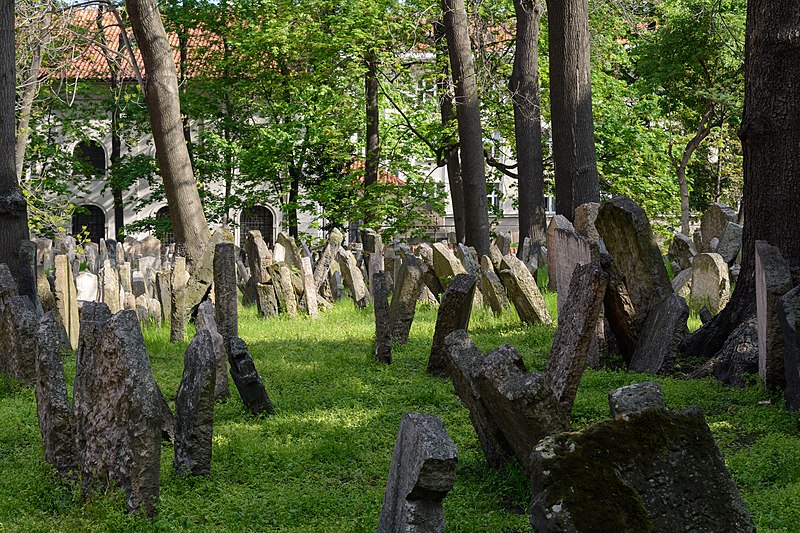
Old Jewish cemetery in Prague (Wikicommons - Uoaei)


The 11th century seems to be the time when cognitive evolution began to accelerate among Ashkenazi Jews. In terms of mean cognitive ability, they would end up surpassing not only Christian Europeans but also other Jewish populations. 


In a previous post, I described how Christianity restarted cognitive evolution after a decline during Classical Antiquity, specifically by supporting the formation of monogamous families, by discouraging slavery, at least during the long period from 500 to 1500 AD, and eventually by creating the peace, order, and stability that allowed the middle class to expand and become dominant (Frost 2022).


I will now describe a parallel evolution that occurred under Judaism, particularly within its Ashkenazi branch, i.e., the Jewish communities of Central and Eastern Europe. This cognitive evolution is indicated by four lines of evidence:


·         A high polygenic score for alleles associated with educational attainment (Dunkel et al. 2019; Piffer 2019).

·         High incidences of nine neurological disorders of genetic origin: Tay-Sachs (two unrelated alleles), Gaucher's (five unrelated alleles), Niemann-Pick, and Mucolipidosis Type IV. These mutations affect the capacity of neural tissue to store sphingolipids, which are vital to the growth of neurons in the brain. All nine of them have arisen independently in the same metabolic pathway and have become unusually common in the same population over a relatively short time, perhaps a thousand years (Cochran et al. 2006; Diamond 1994).

·         A mean IQ that exceeds not only that of non-Jewish Europeans but also that of other Jewish groups. This cognitive advantage seems to be relatively recent, originating probably in the Middle Ages (Cochran et al. 2006).

·         A high proportion of Nobel Prize winners: 14% in the first half of the 20th century, 29% in the second half of the 20th century and, so far, 32% in the 21st century (Murray 2007, p. 30).


Within the Ashkenazi community, cognitive evolution was driven largely by specialization in trade, particularly in family-run businesses that operated in the increasingly dynamic economic environment of post-medieval Europe. This class of people, though proportionately smaller, would also contribute to the cognitive evolution of Christian Europeans. "They were not specialized craftsmen in life-trades with skills developed through long years of apprenticeship; they were semi-skilled family labour teams which set up in a line of business very quickly, adapting to shifts in market demand" (Seccombe, 1992, p. 182). The workforce was the household. In more successful households, the parents would have as many children as possible, and the children would marry earlier and start their own households earlier. In less successful ones, the children would postpone marriage or never marry.


This demographic model explains not only the cognitive evolution of Ashkenazi Jews but also their impressive population growth between the 16th and 19th centuries (Frost 2007). It is also the same model that Gregory Clark (2007) used to describe the mental and behavioral shift of the English population during medieval and post-medieval times: demographic success was closely linked to economic success, which in turn was linked to possession of cognitive ability and “middle-class” traits (low time preference, high impulse control, thrift, etc.).


For Ashkenazi Jews during the same time period, cognitive evolution was also assisted by a ban on polygyny. Around 1000 AD, a Jewish synod at Mainz, Germany forbade men to take more than one wife. The ruling was made for several reasons: (1) to reduce “quarreling” within the family; (2) to deter men from abusing their wives; (3) to prevent de facto divorce (i.e., abandonment of the first wife in her own household); and (4) to prevent the husband’s financial resources from being spread too thinly over several wives (Dinonline 2015). The ban on polygyny strengthened the reproductive importance of upper-class women by reducing female hypergamy. In particular, it prevented the classic case of a wealthy man taking a second wife who would be younger than the first but lower in social status … and thus less likely to have the mental and behavioral characteristics that had made him economically successful and able to afford polygyny.


The polygyny ban was accepted by Ashkenazi Jews but not by Sephardic Jews (Dinonlne 2015). This may explain why cognitive evolution was weaker among the latter than among the former. In addition, the Sephardim were operating within a much less dynamic economic environment, particularly during the period from the 16th to 19th centuries that saw so much population growth among the Ashkenazim. 


Reconstructing cognitive evolution


Until recently, it was possible to reconstruct cognitive evolution only by looking at present-day genomes and making inferences about the past. We can now look directly at past cognitive evolution by examining DNA from human remains. For example, when Woodley et al. (2017) compared DNA from sites across Europe and central Asia, they found a net increase between 4,560 and 1,210 years ago in the frequency of alleles associated with high educational attainment.


Unfortunately, that kind of longitudinal data is not yet available for Ashkenazi Jews. But we have a proxy: alleles that affect sphingolipid storage, specifically those for Tay-Sachs, Gaucher’s, Niemann-Pick and Mucolipidosis Type IV. An allele for Gaucher’s disease, and specific to Ashkenazi Jews, has been retrieved from the remains of 33 Jewish individuals who had lived in Erfurt, Germany during the 14th century (Waldman et al. 2022, p. 16).  Those individuals were not directly ancestral to modern Ashkenazi Jews; instead, both groups seem to descend from a common ancestral population that probably existed in the 11th century, when Jewish merchants first became established in Erfurt (Waldman et al. 2022; Wikipedia 2022a). That date is consistent with the estimated time of origin of the allele for Gaucher’s disease, which has been dated to a period between the 11th and 13th centuries (Colombo 2000).


A time of origin in the 11th century is also consistent with the founding of Jewish communities in what is now the Czech Republic and Poland:


We have already mentioned the existence of Jewish traders in Prague in the late tenth century. The biographies of St. Adalbert tell us that they trafficked in slaves. There was also in the early eleventh century, we will discuss further, a Jewish establishment at Przemysl, a town at the crossroads of two trading routes: Prague-Krakow-Kiev and Hungary-Kiev. The importance of this center is confirmed by the discovery, in the mid nineteenth century, of a great treasure of dirhams [Arab silver money] from the Iranian dynasty of the Samanids, dating from the first half of the tenth century. We will see that certain Hebrew documents from the 11th and 12th centuries also report the trade of Rhineland Jewish merchants with Poland. Gallus Anonymus, the famous Polish chronicler of the 11th century, relates that Queen Judith repurchased slaves in Poland from Jewish traders—which also proves the existence of this trade. A final confirmation of this phenomenon: the discoveries of Polish “treasures of silver” [hoards] from the 10th and 11th centuries, which have very many coins from the Rhineland towns of Western Europe. (Lewicki 1960, p. 232)


The importance of that trade is also indicated by the large number of Slavic words that appear in the works of contemporary Jewish authors from the Rhineland and even northern France (Lewicki 1960, pp. 236-237).


It looks like Ashkenazi communities entered an upward economic trend not long before the 11th century. This was a time when both the State and the Church began pacifying the social environment of Western Europe (Frost and Harpending 2015; Head 1992; Wikipedia 2022b). Trade thus became safer. In particular, slave merchants were able to establish long trade routes that ran from the lands of the pagan Slavs, across Western Europe, and into the Islamic world via Muslim Spain (Blumenkranz 1960; Korn 1971; Skirda 2010, pp. 83-120). Erfurt itself was one of several stops on a route from Bohemia to Spain (Skirda 2010, p. 115). It is likely, then, that the 11th century coincides with the time when cognitive evolution began to accelerate among Ashkenazi Jews.


After the 11th century, the slave trade began to lose importance, and other activities gradually took their place. There were a number of reasons. Trade with the Muslim world was disrupted by the Reconquista of Spain and by the Crusades in general. Throughout Western Europe, Jewish communities were accused of having Muslim sympathies and suffered persecution (Skirda 2010, pp. 104-105). Above all else, the Slavs were converting to Christianity, and their enslavement was becoming harder to justify.


Ashkenazi Jews thus shifted toward other activities. At first, they turned to trade with Central Asia via Kiev and the Black Sea (Skirda 2010, p. 105). In time, their interest focused on Europe, which was developing economically and offering many more opportunities. The result was a demographic expansion. From an estimated 25,000 in 1300, the Jewish population of Eastern Europe would grow to 50,000 by 1490, 250,000 after the mid-1600s, 910,000 by 1765, two and a quarter million by 1825, over five and a half million by 1880, and over eight and a half million by 1900 (DellaPergola 2001, p. 12).


References


Blumenkranz, B. (1960). Juifs et Chrétiens dans le monde occidental. Paris: Imprimerie nationale


Clark, G. (2007). A Farewell to Alms. A Brief Economic History of the World. Princeton University Press: Princeton.


Cochran, G., J. Hardy, and H. Harpending. (2006). Natural history of Ashkenazi intelligence. Journal of Biosocial Science 38(5): 659-693. https://doi.org/10.1017/S0021932005027069


Colombo, R. (2000). Age estimate of the N370S mutation causing Gaucher disease in Ashkenazi Jews and European populations: A reappraisal of haplotype data. American Journal of Human Genetics 66(2):692-697. https://doi.org/10.1086/302757


DellaPergola, S. (2001). Some fundamentals of Jewish Demographic History. In: S.DellaPergola, and J.Even (eds.) Papers in Jewish Demography 1997, (pp. 11-33), Jerusalem: The Hebrew University.


Diamond, J.M. (1994). Jewish Lysosomes. Nature 368: 291-292. https://doi.org/10.1038/368291a0


Dinonline. (2015). Marrying more than one wife: The decree of Rabbeinu Gershom — Then and today. November 18. https://dinonline.org/2015/11/18/marrying-more-than-one-wife-the-decree-of-rabbeinu-gershom-then-and-today/


Dunkel, C.S, M.A. Woodley of Menie, J. Pallesen, and E.O.W. Kirkegaard. (2019). Polygenic scores mediate the Jewish phenotypic advantage in educational attainment and cognitive ability compared with Catholics and Lutherans. Evolutionary Behavioral Sciences 13(4): 366-375.

https://psycnet.apa.org/doi/10.1037/ebs0000158


Frost, P. (2007). Natural selection in proto-industrial Europe. Evo and Proud, November 16

http://evoandproud.blogspot.com/2007/11/natural-selection-in-proto-industrial.html


Frost, P. (2022). When did Europe pull ahead? Evo and Proud, May 16

http://evoandproud.blogspot.com/2022/05/when-did-europe-pull-ahead.html


Frost, P. and H. Harpending. (2015). Western Europe, state formation, and genetic pacification. Evolutionary Psychology 13(1): 230-243. https://doi.org/10.1177%2F147470491501300114


Head, T.F. (1992). The Peace of God: Social Violence and Religious Response in France around the Year 1000. Cornell University Press.


Korn, B.W. (1971). Slave Trade. Encyclopaedia Judaica 14: 1660-64. Jerusalem: MacMillan.


Lewicki, T. (1961). Les sources hébraïques consacrées a l'histoire de l'Europe centrale et Orientale et particulièrement a celle des pays slaves de la fin du IXe au milieu du XIIIe siècle. Cahiers du Monde russe et soviétique 2(2): 228-41. https://doi.org/10.3406/cmr.1961.1466


Murray, C. (2007). Jewish Genius. Commentary. April: 29-35


Piffer, D. (2019). Evidence for recent polygenic selection on educational attainment and intelligence inferred from Gwas hits: A replication of previous findings using recent data. Psych 1: 55–75. https://doi.org/10.3390/psych1010005


Seccombe, W. (1992). A Millennium of Family Change. Feudalism to Capitalism in Northwestern Europe. London: Verso.


Skirda, A. (2010). La traite des Slaves. L’esclavage des Blancs du VIIIe au XVIIIe siècle. Paris: Les Éditions de Paris Max Chaleil.


Waldman, S., D. Backenroth, É. Harney, S. Flohr, N.C. Neff, G.M. Buckley, et al. (2022). Genome-wide data from medieval German Jews show that the Ashkenazi founder event pre-dated the 14th century. bioRxiv 2022.05.13.491805. https://doi.org/10.1101/2022.05.13.491805


Wikipedia. (2022a). Erfurt. https://en.wikipedia.org/wiki/Erfurt#Middle_Age


Wikipedia. (2022b). Peace and Truce of God. https://en.wikipedia.org/wiki/Peace_and_Truce_of_God


Woodley, M.A., S. Younuskunju, B. Balan, and D. Piffer. (2017). Holocene selection for variants associated with general cognitive ability: comparing ancient and modern genomes. Twin Research and Human Genetics 20: 271-280. https://doi.org/10.1017/thg.2017.37   

 

Saturday, July 25, 2020

Selection for slow life history?


One of several posters to promote family formation in the dwindling Parsi community (Jiyo Parsi)


In India, and overseas, the Parsis are renowned for their achievements, particularly in business but also in science, culture, and philanthropy. 

They are also known for something else: they’re dying out. From 114,000 in 1941, they were down to half that number by 2011. Today, more than 30% of Parsis don't marry, and an equal proportion are over 60 years old. Their fertility rate is 0.8—in other words, the average Parsi woman gives birth to less than one child during her lifetime. This existential crisis is worrying not only the Parsis but also the Indian government. In 2013, a program was set up to subsidize fertility treatments and promote family formation in the community (Dore 2017).

Extinction is irreversible. If the Parsis die out, the loss will be greatest in those things we don’t fully understand: the workings of the human mind. That is precisely where the Parsis have succeeded the most. How much of that success has been due to learning and how much to innate factors?

A few steps toward an answer were taken by Greg Cochran and Henry Harpending in their paper on Ashkenazi intelligence:

Since strong selection for IQ seems to be unusual in humans (few populations have had most members performing high-complexity jobs) and since near-total reproductive isolation is also unusual, the Ashkenazim may be the only extant human population with polymorphic frequencies of IQ-boosting disease mutations, although another place to look for a similar phenomenon is in India. In particular, the Parsi are an endogamous group with high levels of economic achievement, a history of long-distance trading, business and management, and who suffer high prevalences of Parkinson disease, breast cancer and tremor disorders, diseases not present in their neighbours. (Cochran et al. 2006)

Such disorders may be a side-effect of strong selection for intelligence over a short time in a small population. This was historically the case with Ashkenazi Jews. They are unusually prone to four neurological disorders: Tay-Sachs, Gaucher, Niemann-Pick, and mucolipidosis type IV. All four affect the brain by increasing the capacity of lysosomes to store sphingolipid compounds for axonal growth and branching. Furthermore, Tay-Sachs is caused in Ashkenazi Jews by two unrelated mutations and Gaucher disease by five. Random chance simply cannot explain why so many mutations exist in the same metabolic pathway and have reached such high frequencies.

Those mutations apparently spread through heterozygote advantage. Though harmful when two copies are inherited from both parents, they are beneficial when only one copy is inherited, as is more often the case. With a better supply of sphingolipids and no adverse effects, the brain can process information more efficiently.

Jared Diamond (1994) was the first to argue that chance cannot explain the high prevalence of so many lysosome storage disorders in a single population. He suggested the cause was selection for intelligence. His theory was then developed by Cochran et al. (2006). Other researchers have further confirmed Diamond’s theory by showing that Ashkenazim have high frequencies of alleles associated with educational attainment (Dunkel et al. 2019; Piffer 2019).


Frequent neurological/cerebral diseases among the Parsis

We see a similarly high prevalence of neurological or cerebral diseases among the Parsis. Parkinson’s disease is considerably more prevalent among them than among other Indians or even people of developed countries. Strokes are at least twice as common. Essential tremors are exceptionally frequent (Gourie-Devi 2014).

These diseases seem to have a genetic basis among the Parsis. A mitochondrial genome study found 420 unique genetic variants within that community, 178 of which are associated with Parkinson's disease. Others are linked to other neurodegenerative disorders, as well as colon, breast, and prostate cancer. A surprising number of these unique variants, 217, are linked to increased longevity. Finally, and perhaps curiously, some variants are linked to asthenozoospermia, i.e., reduced sperm motility (Patell 2020)

The above results are consistent with the findings of an earlier genetic study of the Parsis, specifically their autosomal, Y chromosome, and mitochondrial DNA. Signals of selection were strongest in SNPs associated with humoral immunity, cerebellar physiology, and neurological disorders like early epilepsy (Lopez et al. 2017).


Conclusion

The evidence is only suggestive, but it looks like the Parsis have undergone strong selection for intelligence over a relatively short time; hence, the high prevalence of neurological disorders.

In addition, this community seems to have adapted to its economic and social niche through a "slow life history" strategy. The Parsis are predisposed to live longer and thus learn more over a longer time. They may also be predisposed to longer birth intervals and higher parental investment in each child (K selection). Such a reproductive strategy is consistent with lower male fertility.

A slower life history, combined with higher intelligence, may have assisted the trading lifestyle of the Parsi community. Trade requires a high level of cognitive ability, particularly for literacy and numeracy, as well as lower time preference and a longer learning period. 

Ironically, low time preference may explain the demographic decline of the Parsis, and other people like them. If you’re future-oriented, you’re also keenly aware of future costs, particularly those of getting married and having a family. So you’ll postpone marriage and family formation until you’re financially ready. Unfortunately, that day may never come. Or it may come too late.

This problem was known to traditional societies, and there used to be social incentives to ensure that young people would marry before they got too old. Unfortunately, those incentives have disappeared in modern societies.

If you wait to check all the boxes, you may check into an old-age home … alone.


References

Cochran, G., J. Hardy, and H. Harpending. (2006). Natural history of Ashkenazi intelligence. Journal of Biosocial Science 38: 659-693

Diamond, J.M. (1994). Jewish Lysosomes. Nature 368: 291-292.

Dore, B. (2017). Glimmer of hope at last for India's vanishing Parsis. BBC News

Dunkel, C.S., Woodley of Menie, M.A., Pallesen, J., and Kirkegaard, E.O.W. (2019). Polygenic scores mediate the Jewish phenotypic advantage in educational attainment and cognitive ability compared with Catholics and Lutherans. Evolutionary Behavioral Sciences 13(4): 366-375.

Gourie-Devi M. (2014). Epidemiology of neurological disorders in India: review of background, prevalence and incidence of epilepsy, stroke, Parkinson's disease and tremors. Neurology India 62(6): 588-598. https://doi.org/10.4103/0028-3886.149365  

López, S., Thomas, M. G., van Dorp, L., Ansari-Pour, N., Stewart, S., Jones, A. L., Jelinek, E., Chikhi, L., Parfitt, T., Bradman, N., Weale, M. E., and Hellenthal, G. (2017). The genetic legacy of Zoroastrianism in Iran and India: insights into population structure, gene flow, and selection. American Journal of Human Genetics 101(3): 353-368.

Patell, V.M., N. Pasha, K. Krishnasamy, B. Mittal, C. Gopalakrishnan, R. Mugasimangalam, N. Sharma, A-K. Gupta, P. Bhote-Patell, S. Rao, R. Jain, and The Avestagenome Project. (2020). The First complete Zoroastrian-Parsi Mitochondria Reference Genome: Implications of 2 mitochondrial signatures in an endogamous, non-smoking population. bioRxiv preprint doi: https://doi.org/10.1101/2020.06.05.124891

Piffer, D. (2019). Evidence for Recent Polygenic Selection on Educational Attainment and Intelligence Inferred from Gwas Hits: A Replication of Previous Findings Using Recent Data. Psych 1(1): 55-75.

Monday, June 11, 2018

Doing better in the promised land


View of Tel Aviv. Israel shows good intellectual achievement, but not the top intellectual achievement of Jews in the U.S. How come?


Why do Ashkenazi Jews do worse in Israel than in the United States? This question is raised by Heiner Rindermann in his new book Cognitive Capitalism. Israel is an advanced country and shows promise in certain areas, like nuclear power and certain high-tech goods. Yet it underperforms when compared with Jewish communities in the West. "There is clear evidence for good intellectual achievement; however, not for top intellectual achievement as from Western Ashkenazi Jews" (Rindermann 2018, p. 149).

Israel is 42% Ashkenazi, a proportion that works out to more than three and a half million. By comparison, American Jews number between 5.5 and 8 million, and their intellectual creativity—in whatever field you choose—has been many times greater. So what gives?

One reason is that the above figure of 42% includes the recent wave of Russian immigrants to Israel, and they are on average only half-Jewish (Wikipedia 2018). It is also possible that offspring of Ashkenazi-Sephardic or Ashkenazi-Mizrahi marriages tend to self-identify as Ashkenazi. 

A second reason is ideological. The Zionist movement sought to create a "new Jew," who would be less intellectual and more interested in other pursuits. Furthermore, Israel is home to over a million Haridim (strictly Orthodox Jews), who confine their intellectual pursuits to Torah study.

A third reason is that Israel is not a high-trust culture, at least not to the same extent as Western countries:

Statistics from Transparency International on corruption corroborate these political observations: while Scandinavian nations are leading in non-corruption, closely followed by (present and past) British and European countries, Israel comes at rank 37, after Botswana, [United Arab] Emirates and Chile. (Rindermann 2018, p. 150).

This is consistent with mainstream thinking. When Jews immigrated to the United States, they found a land of opportunity where they could use their abilities to the fullest. This narrative, however, is usually framed in terms of freedom from discrimination: America offered a haven from antisemitism. Just as importantly, however, it also offered a high-trust culture. Americans could generally be counted on to do what they said they would do and charge only what they said they would charge. When two Soviet journalists, Ilya Ilf and Evgeny Petrov, visited the U.S. in 1935, they were struck by the integrity of the average American:

The American sits in his office with his coat off and works. He works quietly, unobtrusively, without making any fuss. He is never late anywhere. He never hurries anywhere. He has only one telephone. No one waits for him in his reception room, because an appointment is usually made with absolute accuracy, and not a single extra minute is wasted during the interview.

[...] Should an American say in the course of a conversation, even incidentally, "I'll do that," it is not necessary to remind him of anything at all in the future. Everything will be done. The ability to keep his word, to keep it firmly, accurately, to burst, but keep his word—this is the most important thing which our Soviet business people must learn from American business people. (Ilf and Petrov 1937)


Migration and productivity

The same could be said for other immigrant groups. People do better when they move from a low-trust culture to a high-trust one. They can fully realize their potential. We see this with PISA math scores. Asian American students do better than students in Asia, White American students do better than students in Europe, Hispanic American students do better than students in Latin America, and African American students do better than students in sub-Saharan Africa (Sailer 2013).

This benefit of migration is affirmed by mainstream economists, although they usually attribute migrant success to abstractions like "good government" and "good institutions"—as if these entities are not composed of flesh-and-blood people who think and act like other people of the same culture:

There are many reasons why this is so. Among them are that the lower earners usually live in societies with predatory governments that arbitrarily confiscate wealth, are rent asunder by civil war and other armed conflicts, and lack the social, political, and economic institutions that are the foundations for economic growth, as well as numerous other factors. By contrast, residents of developed countries face fewer political and social barriers to economic growth, thus incentivizing the long-term accumulation of the machines, knowledge, and human capital that propel the economy. (Nowrasteh 2016)

As a result, migrants are more productive in First World societies like the United States than they were in their home societies:

[...] the median worker from the developing world can expect a fourfold increase in wages by coming to the United States. Across the board, wage growth can range from a twofold increase for Dominicans to a 15-fold increase for Yemenis. Thus, just by moving to the United States, these workers will experience increases in income that few in the developed world can imagine. These gains do not come at the cost of Americans' losses, but from the increased productivity of the immigrant workers themselves. (Nowrasteh 2016)

Their productivity will increase because they are now interacting with a high-trust culture. They receive their supplies on time, and these supplies don't have to be checked and double-checked. The product of their labor is then distributed or further processed by people who do what they say they will do. More work gets done, and less time gets wasted.

This is the main argument for labor mobility. Workers from a Third World country can do better if moved to a First World country. This is not because they have become better workers. It's because they are now immersed in a culture that functions better.

So why not let people migrate from the Third World to the First World? Their productivity will rise, employers will get cheaper labor, and the global economy as a whole will benefit. It's a win-win, isn't it?

Well, no. If you fill a high-trust culture with people from low-trust societies, you'll eventually get .... another low-trust culture. You'll kill the goose that laid the golden egg.


Parting thoughts

When I raise these points with other people, I soon run into disagreement, even when among people with open minds.

Disagreement often comes from a belief that immigrants will "assimilate." The habits of a low-trust culture will be shed and replaced with those of a high-trust one. To some extent, this does happen when immigrants are relatively few in number. As they become more numerous, however, the pressure to assimilate slackens and may even go into reverse. The pressure to assimilate is also weakened by new technologies, particularly the Internet, which are making it easier for migrants to live in their native culture anywhere on the planet.

There is also disagreement over what creates a high-trust culture. At one time this question used to interest social scientists, but now that interest has refocused on "whiteness studies." It seems that societies like Iceland function admirably because of their "white privilege."

Sarcasm aside, trust does matter. It has been key to the rise of Western societies to global dominance. But how is it created? I've argued that Western societies have extended the high-trust environment of the family to a much larger social context, specifically through a more individualistic mindset that is governed by universal moral rules, rather than by a dual morality that favors close kin over everyone else.

This high-trust mindset has four main components:

Independent social orientation - independence of the self from others, including stronger motivation toward self-expression, self-esteem, and self-efficacy and emphasis on personal happiness rather than social happiness. 

Universal rule adherence - capacity to obey universal and absolute moral rules, i.e., moral universalism and moral absolutism, as opposed to situational morality based on kinship. These rules are enforced by monitoring not only others but also oneself. Rule-breakers may be branded as morally worthless and expelled from the entire moral community, as opposed to being ostracized by close kin.

Guilt proneness - capacity to self-monitor thoughts and behavior for rule adherence in order to self-judge and, if necessary, to self-punish.

Affective empathy - capacity to experience the emotional states of other people in order to prevent harm and to provide help if needed. This help is conditional on the other person being judged morally worthy, i.e., a rule follower. In most human populations, affective empathy is largely confined to relations between a mother and her offspring. In northwest Europeans, it has become generalized to all community members (Frost 2017).

In addition, there is a fifth and historically more recent component: pacification of social relations. This is an outcome of the first component. Once violent individuals had become branded as immoral, they were removed from society with fanatical zealousness (Frost and Harpending 2015). Finally, there is increased cognitive ability, which I mention last partly because it receives too much attention in this sort of discussion and partly because it too may be relatively recent. Rindermann (2018, pp. 86-87) has argued that mean IQ rose in Western Europe during late medieval and post-medieval times as a result of the greater reproductive success of the nascent middle class.

All of the above components have medium to high heritability. If we wish to impose this mindset, we will be constrained by the underlying genotype. Guilt and empathy cannot be elicited from people who are not guilt-prone and empathic. Nor can such people be made to feel calm if they have exceeded their anger threshold. There remain only "carrot and stick" methods to make them act in ways they normally would not. As for cognitive ability, the room for improvement is slim. Any gains made during adolescence will largely "wash out" during adulthood.

That may not be the message you want to hear. And perhaps it is too pessimistic. Again, it depends on the numbers. It would also help if Christians were still interested in enforcing proper behavior. Nowadays, most aren't.

Finally, I should point out that there may be more than one way to build a high-trust culture. East Asian societies, for instance, rely more on rule adherence and less on affective empathy and guilt proneness (Frost 2015).


References

Frost, P. (2017). The Hajnal line and gene-culture coevolution in northwest Europe, Advances in Anthropology 7: 154-174.
http://file.scirp.org/pdf/AA_2017082915090955.pdf

Frost, P. (2015). Two Paths. The Unz Review, January 24
http://www.unz.com/pfrost/two-paths/

Frost, P. and H. Harpending. (2015). Western Europe, state formation, and genetic pacification, Evolutionary Psychology 13: 230-243.
http://evp.sagepub.com/content/13/1/147470491501300114.abstract

Ilf, I. and E. Petrov. (1937). Little Golden America
https://scholar.google.ca/scholar?hl=fr&as_sdt=0%2C5&q=little+golden+america&btnG= 

Nowrasteh, A. (2016). The Case for More Immigration. Democracy. A Journal of Ideas. Fall. No. 42
https://democracyjournal.org/magazine/42/the-case-for-more-immigration/

Rindermann, H. (2018). Cognitive Capitalism. Human Capital and the Wellbeing of Nations. Cambridge University Press.

Sailer, S. (2013). PISA racial results for Americans on Math. December 3, Steve Sailer. iSteve.
https://isteve.blogspot.com/2013/12/pisa-racial-results-for-americans-on.html

Wikipedia (2018). 1990s Post-Soviet aliyah
https://en.wikipedia.org/wiki/1990s_Post-Soviet_aliyah  

Monday, May 21, 2018

The end of Jewish achievement?


Neurons show more axonal growth when exposed to higher levels of sphingolipids (last figure) (Cochran et al. 2006)


Jewish achievement is a difficult topic. Recently, it has been addressed by Jordan Peterson, as in this interview with the Forward:

"You can assume that they [Jews] are intelligent and have a culture of learning, or you can think that there's some kind of cabal," Peterson told the Forward. "So if I'm gonna hit the hornets nest, I might as well hit it on the side that takes the wind out of the sails of far-righters and their idiot anti-Semitism." (Feldman 2018)

That quote appeared under the headline "Is Jordan Peterson Enabling Jew Hatred?" There was also a photo montage (since removed) juxtaposing his image with that of Hitler. It's hard to believe that this topic was freely discussed in the mainstream a mere decade ago. At that time Commentary ran an article by Charles Murray on "Jewish Genius":

From 1870 to 1950, Jewish representation in literature was four times the number one would expect. In music, five times. In the visual arts, five times. In biology, eight times. In chemistry, six times. In physics, nine times. In mathematics, twelve times. In philosophy, fourteen times.


[...] What accounts for this remarkable record? A full answer must call on many characteristics of Jewish culture, but intelligence has to be at the center of the answer. Jews have been found to have an unusually high mean intelligence as measured by IQ tests since the first Jewish samples were tested. (The widely repeated story that Jewish immigrants to this country in the early 20th century tested low on IQ is a canard.) Exactly how high has been difficult to pin down, because Jewish sub-samples in the available surveys are seldom perfectly representative. But it is currently accepted that the mean is somewhere in the range of 107 to 115, with 110 being a plausible compromise. (Murray 2007)

Murray then discussed a paper by Gregory Cochran, Jason Hardy, and Henry Harpending, likewise published in a mainstream journal. The authors argued that Ashkenazi Jews had historically worked in occupations that select for cognitive ability, i.e., sales, finance, and trade. Non-Jews usually worked in intellectually less demanding occupations, most often farming. Sephardic Jews were similarly selected, but not to the same extent. They tended to work in a wider range of occupations, with more emphasis on crafts than on finance. Furthermore, beginning in the 17th century, Ashkenazi craftsmen were more entrepreneurial than their Sephardic counterparts; they produced for a larger market, geographically and demographically, where the rewards for success were greater and where successful craftsmen had only one way of increasing their workforce to meet demand: marrying younger and having more children (Frost 2007).

This theory is supported by a striking piece of evidence: the high incidence among Ashkenazim of certain genetic disorders: Tay-Sachs, Gaucher, Niemann-Pick, and mucolipidosis type IV (MLIV). All four of these disorders affect the same metabolic pathway: the capacity to store sphingolipid compounds that promote the growth and branching of axons in the brain. Although these disorders are deleterious in the homozygote state, they're a net benefit in the much more frequent heterozygote state. They provide the brain with higher levels of sphingolipids without the adverse health effects (Cochran et al. 2006).

This is not to say that only these four disorders explain the higher mean IQ of Ashkenazim.  They're simply witnesses to a selection pressure that has probably acted on the many thousands of genes that in one way another influence cognitive ability.


A strange collapse

If Jewish achievement is genetically based, it should be relatively stable, shouldn't it? Yet it has been far from stable over the past forty years. Ron Unz (2012) has ably documented what he calls "the strange collapse of Jewish achievement":

- In the U.S. Math Olympiad, over 40% of the top students were Jewish during the 1970s. During the 1980s and 1990s, the percentage averaged about one-third. During the thirteen years since 2000, two names out of 78 or 2.5% appear to be Jewish. 

- On the Putnam Exam (a mathematics competition for American college students) over 40% of the winners were Jewish before 1950. Between that year and the 1990s, the percentage was 22-31%. Since 2000, it has been under 10%, without a single likely Jewish name between 2005 and 2012.

- Of the national finalists for the Science Talent Search, 22-23% were Jewish from the 1950s to the 1980s. The percentage was 17% in the 1990s, 15% in the 2000s, and 7% from 2010 to 2012. Of the thirty top students over the last period, only one seems to have been Jewish. 

- Jews were over one-quarter of the top students in the Physics Olympiad from 1986 to 1997. During the 2000s the percentage was 5%.

- From 2000 to 2012, only 8% of the top students in the Biology Olympiad were Jewish, with none from 2010 to 2012. 

- Between 1992 and 2012, only 11% of the winners of the Computing Olympiad had Jewish names, as did 8% of the Siemens AP Award winners. 

- From 2010 to 2012, none of the Chemistry Olympiad winners had a probable Jewish name.

A similar decline seems to be under way in Israel. Rindermann (2018, p. 148) cites student assessment studies that indicate a decrease in that country's IQ from 101 in the 1960s to 95 today. Yet the intervening years saw a large influx of Jewish immigrants from the former Soviet Union—about 979,000 between 1989 and 2006 (Wikipedia 2018b). The Ashkenazi proportion of Israel's population is consequently higher today than it was in the 1960s.

So what is driving this decline in academic performance? Ron Unz opts for a social/cultural cause: "today's overwhelmingly affluent Jewish students may be far less diligent in their work habits or driven in their studies than were their parents or grandparents, who lived much closer to the bracing challenges of the immigrant experience."

Hmm ...It's a bit of a stretch to say that most Jewish American kids were still the children or grandchildren of immigrants as late as the 1970s. In this, Ron is echoing the frequent claim that the immigrant experience has a transformative effect, turning slackers into strivers or at least encouraging the slackers to stay home. 

Let's take off the rose-tinted glasses and look reality in the face: most immigrants are not high achievers. Either today or back in the challenging 1970s. As for the minority who are, they typically come from groups that were already that way in their countries of origin. So the immigrant experience, in itself, has little explanatory value. The explanation is that certain cultures have selected for mental and behavioral traits that make high achievement possible.

Unz is on firmer ground when he says that over the last two decades up to half of the Jewish winners of the Math Olympiad were recent immigrants from the former Soviet Union. But why, then, did the mean IQ of Israel decline when that country took in a similar influx of Soviet Jews? That influx was much larger proportionately—almost a million in a country of eight and a half million. Today, Russian Jews number 1.2 million in Israel, if one includes non-Jewish household members (Wikipedia 2018a; Wikipedia 2018b). 

Perhaps Soviet Jews who went to the United States were somehow different from those who went to Israel.  In the U.S., about half of them arrived under the Lautenberg amendment (1990) which authorizes the entry of religious minorities "with a credible, but not necessarily individual, fear of persecution." In Israel, they arrived under the Law of Return, which lets in anyone with at least one Jewish grandparent or a Jewish spouse. 

Israel is thus more open to immigrants from the former Soviet Union ... as long as they have some sort of Jewish affiliation. The affiliation is often weak:

In 1988, a year before the immigration wave began, 58% of married Jewish men and 47% of married Jewish women in the Soviet Union had a non-Jewish spouse. Some 26%, or 240,000, of the immigrants had no Jewish mother, and were thus not considered Jewish under Halakha, or Jewish religious law, which stipulates one must have a Jewish mother to be considered Jewish. (Wikipedia 2018b)

Out-marriage has increased considerably in those countries that provide Israel with immigrants, not only the former Soviet Union but also the United States, Canada, and France. If Jews are becoming less and less Jewish by ancestry, it should be no surprise that anything specific to them genetically is likewise becoming less and less, whether they live in Israel or in the United States. This genetic change should be most noticeable on the right tail of the bell curve ... among the most gifted.


Conclusion

So the decline in Jewish achievement may be both an argument for and an argument against a genetic cause. Ron Unz sees an argument against: "the innate potential of a group is unlikely to drop so suddenly." Well, only if the group has a closed membership. According to a 2013 American survey, the intermarriage rate is now 58% among all Jews and 71% among non-Orthodox Jews. Yet 81% of all Jews still raise their children as Jewish (Goodstein 2013). It seems that "Jewishness" is increasingly self-defined and self-ascribed.

Besides out-marriage, something else may be going on. There are signs that fertility is sharply declining among the most intelligent women (Kanazawa 2014). Jewish Americans would be harder hit in this respect, but the problem may be a much larger one, as indicated by the recent slowing down and reversal of the Flynn Effect and by the steady increase in reaction time from about the year 1980 onward (Flynn 2007, pp. 143; Frost 2014; Madison 2014; Teasdale and Owen 2005).

In conclusion, the decline in Jewish achievement may have a genetic cause, a social/cultural one, or both. It nonetheless looks real. Much has been written about the bleak outlook for Jewish Americans due to their high out-marriage rate and their low fertility rate. But what if, on top of this numerical decline, there has also been a cognitive and intellectual one?

What will happen when Jewish millennials and post-millennials pick up the torch, move up in the world, and begin to make their mark? We may see another collapse: that of the remarkable Jewish presence in American life and culture.


References

Cochran, G., J. Hardy, and H. Harpending. (2006). Natural history of Ashkenazi intelligence, Journal of Biosocial Science 38: 659-693.
https://antville.org/static/sites/kratzbuerste/files/AshkenaziIQ.pdf   

Feldman, A. (2018). Is Jordan Peterson enabling Jew hatred? Forward. May 11
https://forward.com/news/national/400597/is-jordan-peterson-enabling-jew-hatred/

Flynn, J.R. (2007). What is Intelligence? Beyond the Flynn Effect. Cambridge University Press.
https://books.google.ca/books?id=qvBipuypYUkC&printsec=frontcover&hl=fr&source=gbs_ge_summary_r&cad=0#v=onepage&q&f=false

Frost, P. (2007). Natural selection in proto-industrial Europe. Evo and Proud, November 16.
http://evoandproud.blogspot.com/2007/11/natural-selection-in-proto-industrial.html

Frost, P. (2014). What happened in the 1980s to reaction time? Evo and Proud, May 3.
http://evoandproud.blogspot.ca/2014/05/what-happened-in-1980s-to-reaction-time.html

Goodstein, L. (2013). Poll shows major shift in identity of U.S. Jews. The New York Times, October 1.
https://www.nytimes.com/2013/10/01/us/poll-shows-major-shift-in-identity-of-us-jews.html  

Kanazawa, S. (2014). Intelligence and childlessness. Social Science Research 48: 157-170.
https://www.researchgate.net/profile/Satoshi_Kanazawa/publication/263666009_Intelligence_and_childlessness/links/59dc1174458515e9ab45299c/Intelligence-and-childlessness.pdf

Madison, G. (2014). Increasing simple reaction times demonstrate decreasing genetic intelligence in Scotland and Sweden, London Conference on Intelligence, Psychological comments, April 25,  #LCI14 Conference proceedings
http://www.unz.com/jthompson/lci14-questions-on-intelligence/

Murray, C. (2007). Jewish Genius. Commentary, April 1
https://www.commentarymagazine.com/articles/jewish-genius/  

Rindermann, H. (2018). Cognitive Capitalism. Human Capital and the Wellbeing of Nations. Cambridge University Press.

Teasdale, T.W., and D.R. Owen. (2005). A long-term rise and recent decline in intelligence test performance: The Flynn Effect in reverse. Personality and Individual Differences 39(4): 837-843.
https://doi.org/10.1016/j.paid.2005.01.029

Unz, R. (2012). The myth of American meritocracy. The American Conservative, November 28
http://www.theamericanconservative.com/articles/the-myth-of-american-meritocracy/  

Wikipedia (2018a). Russian Jews in Israel
https://en.wikipedia.org/wiki/Russian_Jews_in_Israel

Wikipedia (2018b). 1990s Post-Soviet Aliyah
https://en.wikipedia.org/wiki/1990s_Post-Soviet_aliyah