Saturday, March 23, 2013

Does the Clark-Unz model apply to Japan and Korea?


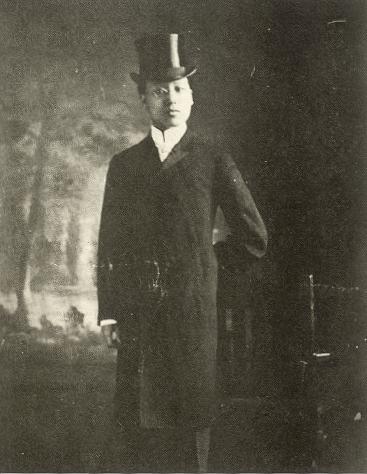
Syngman Rhee in 1905 and later South Korea’s first president (1948-1960). Though born into a rural family of modest means, he was of yangban and even royal lineage (source).


Why is mean IQ higher in East Asia than elsewhere? Ron Unz (2013) sees the key cause in a scarcity of land and women that continually condemned the lower classes to reproductive extinction, particularly among the farmers who made up most of China’s population. If a lineage remained poor for two generations in a row, it would die out and be replaced by downwardly mobile individuals from higher up on the social ladder. There was thus strong selection for men with enough business smarts to avoid poverty and amass enough assets to get married and have a family.

This model of selection seems valid for the Chinese but less so for the Koreans and the Japanese, whose strong class divisions should have impeded upward and downward mobility. Why, then, do these two other populations display similarly high mean IQ? As Unz (2013) notes:

Both the Japanese and the Koreans have done remarkably well in their economic and technological advancement, and also as small immigrant racial minorities in America and elsewhere. However, there is no evidence that rural life in either country had any of the major features possibly so significant for Chinese history, such as a total lack of feudal caste structure, an exceptionally commercialized system of agricultural production and land tenure, and the massive universal downward mobility due to equal division of property among male heirs.

Stripped down to its basics, the Clark-Unz model of selection has three key elements:

1. Class differences that reflect differences in intellectual performance.

2. A higher level of reproductive success in higher social classes than in lower ones.

3. No barriers to downward social mobility. The lower classes are thus gradually replaced by people of higher social origin.   

But surely these three factors prevail everywhere? No, not at all. Hunter-gatherers and simple agricultural societies have little or no social stratification. Other societies are stratified but have no State that can monopolize the use of violence. Upward mobility is thus an ongoing free-for-all that selects for other psychological characteristics, i.e., ruthlessness, charisma, and ability to mobilize gangs of young men. Finally, still other societies are so stratified that downward mobility is impossible. This is the case with the caste system in India, where the shame of “losing caste” deters downward mobility. In addition, the lowest castes can afford to reproduce because certain stigmatized kinds of work are reserved for them, so there is no need to replenish their ranks with people of higher social origin.

How do Japan and Korea fit into this picture? Before the 19th century, both were feudal aristocracies where the elites monopolized the use of violence. For the bulk of the population, there was thus little selection for “Big Men”, as is the case in societies where State formation is weaker. The question then remains whether Japan and Korea were caste societies. Did the lowest classes reproduce essentially on their own? Or were they replaced by a steady infusion of downwardly mobile individuals?

Among the Japanese lower classes, the Burakumin were the only real caste, in the sense of a group that lost few members through upward mobility and gained few through downward mobility. It is probably for this reason that the Burakumin differ so much from other Japanese in terms of behavior, personality traits, and intellectual performance. They seem to have preserved the mental and behavioral predispositions that were dominant in the Japanese population five hundred to a thousand years ago (see previous post).

Japan's class structure seems to have resembled Britain's. In both cases, there were attempts to codify class differences, and in both cases these attempts largely failed. The Britannica's description of Japanese society in the 18th and 19th centuries sounds very much like premodern Chinese society:
 
Inevitably it [commercial development] meant the rise of some wealthy members of the rural populace, who used their wealth to invest in land and commercial ventures and to "ape their betters" in the cities in both custom and culture. Few farmers, however, prospered through producing commercial goods, and the majority of peasants remained impoverished. Rural villages were characterized by a few wealthy farmers, a majority of small-scale independent landholders, and a growing number of impoverished tenants. Many small-scale farmers, squeezed by the demands of commercial development, were forced to part with their lands and fell into tenancy. (Britannica, 1998)

A similar situation seems to have prevailed in Korea, even though the yangban were theoretically guaranteed a privileged status by virtue of their high birth or success on civil service exams. Moon (1992, p. 204) describes impoverished yangban living alongside peasants and commoners as fellow tenants. Breen (2004) likewise describes numbers of yangban sinking into poverty without hope of gaining a government office.

The way a society works in theory often differs from the way it actually works. English society has long been described as having rigid class distinctions. Yet when Clark (2009) analyzed the transmission of surnames by social class, he found evidence of considerable social mobility going back to the Middle Ages:

Clark, for example, denoted in the middle ages anyone performing clerical work, including the minor orders of the clergy who were allowed to marry. Since literacy was extremely limited in medieval England clark was thus originally an upper class name. But by 1600 0.7 percent of the indicted bear this surname, as many as among rich testators (0.63 percent). Of the 11 indicted Clarks in my sample, 7 had their occupation listed as laborer, thus illustrating the downward mobility of the medieval educated elite. There was also sign of upward mobility. Cook in the middle ages would likely not denote someone of particular wealth or status. By 1600, however it was the surname of 1.3 percent of the richest testators. Among the seven rich Cooks, five were described as Yeomen and one as a Gentleman. Even medieval and early modern England was thus a very fluid society, with families moving up and down the social scale across each generation. (Clark, 2009)

References

Breen, M. (2004). The Koreans. Who They Are, What They Want, Where Their Future Lies, St. Martin’s Press.

Britannica. (1998). ‘Japan’, vol. 22, p. 293

Clark, G. (2009). The indicted and the wealthy: surnames, reproductive success, genetic selection and social class in pre-industrial England. http://www.econ.ucdavis.edu/faculty/gclark/Farewell%20to%20Alms/Clark%20-Surnames.pdf

Clark, G. (2007). A Farewell to Alms. A Brief Economic History of the World, Princeton University Press, Princeton and Oxford

Moon, O. (1992) Confucianism and gender segregation in Japan and Korea, in R. Goodman & K. Refsing. (eds) Ideology and Practice in Modern Japan, Routledge.

Unz, R. (2013). How Social Darwinism made modern China, The American Conservative, March 11
http://www.theamericanconservative.com/articles/how-social-darwinism-made-modern-china-248/

Saturday, March 16, 2013

East Asia's Farewell to Alms


“‘How could any man in our village claim that his family had been poor for three generations? If a man is poor, then his son can’t afford to marry; and if his son can’t marry, there can’t be a third generation” China’s poor were continually removed from the gene pool, their places taken by downwardly mobile individuals (Woodblock of farmer, Wang Liangjian, 1939, source)


Mean IQ is unusually high in East Asia, averaging around 106 among Han Chinese, Koreans, and Japanese (Rushton & Jensen, 2005). It falls off as one moves outward from the core area of East Asia, being lower even among the nearby and closely related natives of Mongolia (Lynn, 2007). This ‘IQ plateau’ must therefore have a relatively recent origin, certainly after the advent of agriculture and probably after the rise of State-pacified societies—where most people expected to succeed through work and trade, and not loot and plunder.

Is this ‘IQ plateau’ due to cultural and family values that are specific to East Asian societies? Not likely. Higher mean IQ is observed in East Asian individuals who were adopted at an early age into white American or European families (Clark & Hanisee, 1982; Frydman & Lynn, 1989; Winick, Meyer, & Harris, 1975). It also correlates with better performance at more fundamental mental tasks, like reaction times (Rushton & Jensen, 2005). It seems to be genetically determined.

What caused this genetic evolution? In a recent article, Ron Unz attributes it to the social dynamics of an agrarian society where both land and women were scarce. With limited prospects for starting a family, the lowest strata of society were continually dying out and being replaced by downwardly mobile individuals from the highest strata: 

 […] only the wealthier families of a Chinese village could afford the costs associated with obtaining wives for their sons, with female infanticide and other factors regularly ensuring up to a 15 percent shortfall in the number of available women. Thus, the poorest village strata usually failed to reproduce at all, while poverty and malnourishment also tended to lower fertility and raise infant mortality as one moved downward along the economic gradient. At the same time, the wealthiest villagers sometimes could afford multiple wives or concubines and regularly produced much larger numbers of surviving offspring. Each generation, the poorest disappeared, the less affluent failed to replenish their numbers, and all those lower rungs on the economic ladder were filled by the downwardly mobile children of the fecund wealthy. (Unz, 2013)

In this Hobbesian world, reproductive success went to those with the most business acumen:

The members of a successful family could maintain their economic position over time only if in each generation large amounts of additional wealth were extracted from their land and their neighbors through high intelligence, sharp business sense, hard work, and great diligence. The penalty for major business miscalculations or lack of sufficient effort was either personal or reproductive extinction. (Unz, 2013)

Another factor may have been the imperial examination: “in China the proud family traditions would boast generations of top-scoring test-takers, along with the important government positions that they had received as a result.” But Unz later backs off from this possible cause, noting that only one percent of the population attained the top rank of chin-shih or the lesser rank of chu-jen—too small a percentage to have much evolutionary impact. True, but those two ranks were only the top of a much larger population pyramid. Success at a lower level, such as at the district or provincial levels, still brought some benefits and prestige, and the beneficiaries were a much larger pool of people (Frost, 2011).

Parallels to Clark’s model

All of this sounds much like the model that Gregory Clark put forward to describe the demographic, behavioral and, perhaps, genetic evolution of the English people. According to this model, the English middle class expanded slowly but steadily from the 12th century onward, thereby gradually raising the population mean for predispositions to non-violence, pleasure deferment, and other future-oriented behavior. Although this social class was initially very small in medieval England, its descendants grew in number and gradually replaced the lower classes through downward mobility. By the 1800s, its lineages accounted for most of the English population (Clark, 2007).

Did Ron Unz steal his idea from Gregory Clark? A casual reader might think so. Buried in the footnotes, however, is a mention of a similar paper that a younger Ron Unz had written back in 1983 while a student at Harvard. But at that time few people were thinking along the same lines. In the history of ideas, Ron’s experience is depressingly similar to that of Patrick Matthew, the Scottish scholar who developed a theory of evolution by natural selection a quarter century before the publication of Darwin’s On the Origin of Species.

Let’s hope this article will give Ron a second hearing in the court of academic opinion. Let’s also hope his article will inspire further research, particularly by Chinese geneticists, historians, and social scientists.
 
References

Clark, E.A., and J. Hanisee. (1982). Intellectual and adaptive performance of Asian children in adoptive American settings. Developmental Psychology, 18, 595–599.

Clark, G. (2007). A Farewell to Alms. A Brief Economic History of the World, Princeton University Press, Princeton and Oxford

Frost, P. (2011). East Asian intelligence, Evo and Proud, February 18
http://evoandproud.blogspot.ca/2011/02/east-asian-intelligence.html

Frydman, M., and R. Lynn. (1989). The intelligence of Korean children adopted in Belgium. Personality and Individual Differences, 10, 1323–1326.

Lynn, R. (2007). IQ of Mongolians, Mankind Quarterly, 47, 91-97.

Rushton, J.P. and A.R. Jensen. (2005). Thirty years of research on race differences in cognitive ability, Psychology, Public Policy, and Law, 11, 235-294.

Unz, R. (2013). How Social Darwinism made modern China, The American Conservative, March 11
http://www.theamericanconservative.com/articles/how-social-darwinism-made-modern-china-248/

Unz, R. (1983). Preliminary notes on the possible sociobiological implications of the rural Chinese political economy, unpublished paper.
http://www.ronunz.org/wp-content/uploads/2012/05/ChineseIntelligence.pdf

Winick, M., K.K. Meyer, and R.C. Harris. (1975, December 19). Malnutrition and environmental enrichment by early adoption. Science, 190, 1173–1175.

Saturday, March 9, 2013

Low-hanging fruit?


Labrador retriever running an obstacle course. Can dog intelligence shed light on human intelligence? (source)


My last post described a Chinese project to identify the many genes that contribute to normal variation in human intelligence. If successful, it will simply demonstrate what we already know, i.e., genes are largely responsible for the differences in intelligence we see among normal individuals. 

We know this from intelligence testing, particularly from studies on IQ differences between twins. This evidence, however, has been largely discredited in the eyes of many people, particularly those who act as gatekeepers in the halls of academia. As one scholar told me:

A key problem is funding. Intellectuals on today’s review panels 'came to consciousness' in a climate when intelligence testing was thought to be wrong and invalid. Very few scientists are open to new ideas […] So it often takes a generational turn-over before there is a swing back to a fresh look at intelligence.

I doubt things will change much when the old guard dies off. In some ways, the academic environment was more open-minded two decades ago, when there were still people, often in key positions, who had entered academia before the 1960s. Change will probably come when new evidence manages to bypass the gatekeepers, and this will most likely happen where the marketplace of ideas is less controlled, like in China. Yes, the same country we like to scold for not being sufficiently free and democratic.

What other new evidence could bring change? This question led me to ask the h-bd discussion list: “If you had access to sufficient funding, equipment, and trained personnel, what kind of research project would you like to do or see done?”

A behavioral geneticist suggested the following projects:

1) Investigate individual differences in cognitive abilities in other animal models. a) create a reliable scale. b) establish whether a g factor emerges in other mammals. c) find out the correlates of such a g factor (phenotypic and genetic)- which would be uncontaminated by SES and therefore lay to rest many controversies that arise in humans studies. [Disclaimer, I have started on this with dogs (60 dogs, all one breed, all farm living and am actively seeking funding to continue the project].

2) Investigate the correlates (particularly fitness-relevant correlates of intelligence in populations of hunter-gatherers. Not to examine mean differences between populations - but to test evolutionary hypotheses. Is intelligence associated with offspring number? Social status? Health? Life expectancy? We do not know the fitness optima for intelligence in any human population.

As for myself, I would want to determine whether the Visual Word Form Area is a product of nature or nurture. This could be done by following the same methodology that Zhu et al. (2009) used to prove that our ability to recognize faces is largely hardwired.  If the same is true, or even partly true, for our ability to recognize strings of letters, i.e., words, we would have a compelling argument for gene-culture co-evolution.

I would also want to see whether Tay-Sachs carriers, i.e., heterozygotes, really do have a higher mean intelligence than people without this allele (Frost, 2011). Such a study would be a cinch to do, yet no one has bothered. How come?

Finally, as with hbd* chick, my eyes glaze over when discussion focuses too long on IQ or SAT scores. We need to go beyond intelligence and look at genetic differences that may underlie variation in personality traits, regulation of emotions, time orientation, and so forth. There is more to being human than just intelligence.

References

Frost, P. (2011) Five years later … still no study, February 4, Evo and Proud.
http://evoandproud.blogspot.ca/2011/02/five-years-later-still-no-study.html

Zhu, Q., Y. Song, S. Hu, X. Li, M. Tian, Z. Zhen, Q. Dong, N. Kanwisher, and J. Liu. (2009). Heritability of the specific cognitive ability of face perception, Current Biology, 20, 137-142.

Saturday, March 2, 2013

It's not because research is cheaper there


Robert Plomin on the genetics of various mental traits (source)


A Chinese research team is looking for genes that explain why IQ is higher in some people and lower in others:

Studies show that at least half of the variation in intelligence quotient, or IQ, is inherited. But while scientists have identified some genes that can significantly lower IQ—in people afflicted with mental retardation, for example—truly important genes that affect normal IQ variation have yet to be pinned down.

The Hong Kong researchers hope to crack the problem by comparing the genomes of super-high-IQ individuals with the genomes of people drawn from the general population. By studying the variation in the two groups, they hope to isolate some of the hereditary factors behind IQ. (Naik, 2013)

The head of the team, Zhao Bowen, believes this question has not been resolved because it is too controversial. “People have chosen to ignore the genetics of intelligence for a long time," said Mr. Zhao, who hopes to publish his team's initial findings this summer. "People believe it's a controversial topic, especially in the West. That's not the case in China" (Naik, 2013).

Perhaps. But there is another reason: the apparently large number of genes involved and the relatively small effects of each one. This was the conclusion of Robert Plomin, a behavioral geneticist at the Institute of Psychiatry in London:

Failing to find genes for intelligence has, in itself, been very instructive for Plomin. Twin studies continue to persuade him that the genes exist. “There is ultimately DNA variation responsible for it,” he says. But each of the variations detected so far only makes a tiny contribution to differences in intelligence. “I think nobody thought that the biggest effects would account for less than 1 percent,” Plomin points out. 

That means that there must be hundreds—perhaps thousands—of genes that together produce the full range of gene-based variation in intelligence. (Zimmer, 2008)

This should be no surprise. Natural selection doesn’t act on genes, at least not directly. It acts on phenotypes—the flesh-and-blood outcomes of genes. Selection for intelligence will thus affect any gene that has some kind of intelligence-boosting effect.  This point has been made by Linda Gottfredson, a psychology professor at the University of Delaware:

[...] within-group ('individual") differences in intelligence will involve 1000s of genes of small effect, so we can expect that for between-group differences too. Many of the genes will not be specific to intelligence per se but influence broad physiological processes that affect brain structure and function. This would include cardiovascular fitness and much more. (Go exercise, guys!)

I read that perhaps half our genes are expressed in the brain. If half of our segregating genes are too (the 0.1% on which humans are estimated to differ), that's still 1.5 million base pairs or "SNPs" (of 3 billion total).

This indicates the challenge, even if we ignore other important genomic differences (e.g., number of times a given segment of the chromosome is repeated, like a stutter).

[...] This is not to say, of course, that we can't pin down heritabilities for various mean group differences (we could right now if researchers were willing) or that we won't be able to identify numbers or classes of genes on which groups differ most. But it's looking unlikely that we'll be able to pinpoint a list of specific genes that explain much of the normal variation in g, either within or between groups. (Gottfredson, 2013)

Interestingly, Robert Plomin is mentioned as one of the people involved in the Chinese project. Has this research been offshored to a country where the intellectual climate is less restrictive? In addition, since Plomin is aware of the limitations of this kind of study, he might know something that the rest of us don’t. Perhaps among the many genes with small effects there are a few with big effects …

References

Gottfredon, L. (2013). H-bd discussion list, February 22, 2013

Naik, G. (2013). A genetic code for genius, The Wall Street Journal, February 15
http://online.wsj.com/article/SB10001424127887324162304578303992108696034.html?mod=WSJ_hp_mostpop_read

Zimmer, C. (2008). The search for intelligence. Scientific American, October, pp. 68-75.


Saturday, February 23, 2013

Regulation of emotions and gene-culture co-evolution


Facial expressions in Manga (Japanese) comics. East Asian culture strongly regulates the expression of emotions, particularly in their impact on other people. (source)


Humans have had to adapt not only to physical environments (climate, vegetation, wildlife) but also to cultural environments (diet, language, codes of behavior, class and family structure, etc.). A culture will thus select for those mental predispositions and personality types that are most compatible with it.

This point is made by a recent paper on emotion regulation in East Asian and Western cultures:

Culture influences the development of psychological tendencies by presenting specific norms, practices, and institutions for how to act properly and be a good person […] culture is not only constrained by genetics but also influences the behavioral expression of genes and can thus moderate the psychological and behavioral expressions of genotypes. We propose that genes may affect phenotypic expression in the form of underlying psychological tendencies, but how and whether these tendencies are manifested in actual behavioral patterns may be shaped by sociocultural factors. (Kim et al, 2011)

The authors studied a gene that influences the way we regulate emotions. This is the oxytocin receptor gene OXTR rs53576, which has two alleles ‘A’ and ‘G’. The GG genotype is associated with more sensitive parenting, greater sensitivity to infant crying, greater empathy, less loneliness, and a more prosocial temperament. These tendencies are less characteristic of the AA genotype, and the AG genotype produces outcomes that fall between the two.

The ‘A’ allele is more common among Koreans than among white Americans, perhaps because its negative effects are buffered by a culture that fosters empathy, specifically a keen interest in the possible adverse effects of one’s behavior on others:

[…] in more collectivistic cultures, the expression of emotions is practiced with concern for negatively affecting social relations, whereas in more individualistic cultures, the expression of thoughts and feelings is valued as a sign of an independent self (Kim et al., 2011)

A more individualistic culture, like the one that prevails in the U.S., would thus have a weaker capacity to offset the negative effects of the AA genotype.

Interestingly, culture also influences expression of the GG genotype, but in a different way. Because people with this genotype tend to be more attuned to rules of correct behavior, they’re more likely, in an American context, to express their emotions than are people with the AA genotype, apparently because white American culture today values the expression of emotions. Koreans, however, show the opposite pattern:

Emotional suppression was most clearly observable among Koreans with the OXTR GG genotype, those characterized as more socioemotionally sensitive, compared to those with AA genotype. Among Americans, the pattern was reversed, such that those with the GG genotype engaged in less emotional suppression, compared to those with the AA genotype. (Kim et al., 2011)

This is actually the reverse of the Baldwin effect. If white American culture exercises less control over emotions, particularly in their possible adverse effects on others, there should correspondingly be weaker genetic control. The same selection pressure should have produced similar cultural and genetic outcomes. Yet, paradoxically, the actual outcomes are almost poles apart. Although white Americans are less softwired for empathy and control of emotions, they seem to be more hardwired in this respect.

Of course, if we were to go back a hundred years, we would see that white Americans differed less, in this same respect, from East Asians. When I look at old family photos, I notice that the subjects never smiled for the camera. It was considered rude to smile at strangers, who might have taken such behavior the wrong way. Now smiling is normal, even mandatory. A century ago, white Americans controlled their emotions much more than they do now, especially with a view to minimizing their impact on other people.

There is another possible answer to the above paradox. Maybe weaker cultural control led to stronger genetic control, partly as a kind of compensatory action and partly because a less kin-based society requires more hardwiring of empathy. As Alan Macfarlane has argued in The Origins of English Individualism (and also hbd* chick), the English began to enter a freer and more individualistic cultural environment as far back as the 13th century (see earlier post). Because most social and economic relationships were no longer with close kin, it became necessary to extend the feelings of empathy one felt for immediate blood relations to a much larger circle of people. This psychological substrate would later make possible the rise of a market economy, i.e., the replacement of kinship by the market as the main organizing principle of society. 

References

Kim, H.S., D.K. Sherman, T. Mojaverian, J.Y. Sasaki, J. Park, E.M. Suh, & S.E. Taylor. (2011). Gene–Culture Interaction: Oxytocin Receptor Polymorphism (OXTR) and Emotion Regulation, Social Psychological and Personality Science, 2, 665-672
http://taylorlab.psych.ucla.edu/2011_Gene-Culture%20Interaction_OXTR%20and%20Emotion%20Regulation.pdf

Macfarlane, A. (1978a). The origins of English individualism: Some surprises, Theory and society: renewal and critique in social theory, 6, 255-277.
http://www.alanmacfarlane.com/TEXTS/Origins_HI.pdf

Macfarlane, A. (1978b). The Origins of English Individualism: The Family, Property and Social Transition, Oxford: Blackwell.
 

Saturday, February 16, 2013

The Visual Word Form Area - part II


Dr. Kimberly G. Noble has studied the Visual Word Form Area of children in New York City schools (source). The VWFA seems more hardwired in higher SES children.


The Visual Word Form Area (VWFA) is a brain region that specifically recognizes written words. It seems to be composed of neurons that were originally used to recognize human faces. Though not essential for reading, it greatly speeds up this mental task (Gaillard et al, 2006; see earlier post).

Is the VWFA a product of gene-culture co-evolution? Did natural selection favor the reproductive success of individuals who were better able to recognize words? Or does this brain area develop independently in each individual through experience with reading?

The second explanation is the one now favored. Dehaene and Cohen (2011) argue that the VWFA is where the brain can most easily recruit neurons for the task of recognizing words. One problem with this developmental explanation is that the VWFA responds preferentially to images of letter strings even in kindergarten children who haven’t learned to read yet (Brem et al., 2010).

We could answer this question one way or the other by comparing populations that have a long history of reading with those that were illiterate until relatively recent times. Does the second type of population exhibit a less developed and less specialized VWFA even in individuals who learned to read at an early age?

Only two VWFA studies have dealt with the second type of population. In these two cases, some of the subjects were of sub-Saharan African descent. We should nonetheless remember that some sub-Saharan African societies, notably those of the Sahel, have a history of reading and writing that goes back over seven hundred years.

In the first of the two studies, Noble et al. (2006) examined brain responses to reading tasks that were performed by native English-speakers in New York City elementary schools. The students differed by socioeconomic status (SES) and by ethnicity. Eleven were African-American, five Latino, one Asian, fourteen White, and seven mixed or other. Brain activation varied as a function of SES. Among lower SES children, VWFA activation was much stronger in those who were “phonologically aware”, i.e., who explicitly knew how to represent and manipulate the sounds of language. But this pattern was absent in higher SES children:

In contrast, as the SES of the population increases, children demonstrating a similar range of phonological skill show an attenuated brain–behavior relationship in this region. This suggests that, among children who are likely to have adequate access to literacy resources, the relationship between reading precursor skills and left fusiform activity to reading may, to an extent, be reduced, marking an atypical relationship between cognitive skill and brain activity. A marginally significant PA × SES interaction was also observed in the left superior temporal region, demonstrating a similar trend. (Noble et al., 2006)

The authors attributed this non-correlation to “adequate access to literacy resources.” An alternate explanation would be that VWFA activation was more hardwired in the higher SES children. Strangely enough, the authors did not break down their data by race, so it is impossible to say whether SES was simply a proxy for ethnic background.

The second study was by Dehaene et al. (2010) on literate, illiterate, and ex-illiterate adults from Brazil and Portugal. No information is given on ethnicity, although many of the illiterate or ex-illiterate Brazilians were probably of African or part-African ancestry. The authors found that VWFA activation was much less apparent in adult illiterates than in adult literates, even when the data were controlled for SES and schooling.

Again, there is no breakdown of the data by ethnicity, although one might assume that SES and schooling were proxies for ethnicity. This is a flawed assumption, however, at least in Brazil:

Still, the patterns of racial in Brazilian education have remained and have transcended social class barriers. Nelson do Valle Silva and Carlos Hasenbalg have demonstrated that patterns of educated attainment remain unequal even when social class is eliminated as a factor: whites of the same social class have higher literacy rates and remain more likely to attend school, to stay in school longer, to be advanced through school more rapidly, and to secure better-paying jobs given the same educational qualifications. Silva and Hasenbalg conclude that “white children’s rates of school advancement are significantly more rapid than those of pardo [mixed] and preto [black] children. These differences result in profound educational inequalities that separate whites and nonwhites in Brazilian society.” (Davila, 2003, p. 8)

Conclusion

On the basis of these two studies, it is impossible to say whether the VWFA is hardwired or softwired. This brain area may result solely from developmental processes within the lifetime of each individual. Or it may be due to longer-term evolutionary processes.

A common problem is that both studies use SES to the exclusion of ethnicity. Yes, ethnic differences may simply reflect SES differences, but that arrow of causality should be proven and not assumed. In any case, SES varies imperfectly with ethnicity. With respect to the Dehaene etal. (2010) study, black Brazilians tend to be more illiterate than white Brazilians even among people of similar SES. With respect to the Noble et al. (2006) study, differences in phonological skill might likewise reflect ethnic differences, even if we consider only the lower SES children.

Why did both research teams ignore ethnicity? One reason, at least in the case of Dehaene’s team, is a belief that mental traits take eons to evolve. This might be true if the trait is radically new and different, but here the transition from face recognition to letter recognition is relatively simple. This is the kind of evolution that could happen over a few centuries, if the selection pressure were strong enough.

The other reason is a belief that ethnicity is genetically irrelevant, since genes vary much more within than between human populations. This fact is well known and beyond dispute. What is less well known is that the same pattern often appears when we examine the way genes vary within and between sibling species—even when such species are morphologically and behaviorally distinct. We should understand that we’re comparing apples with oranges when genetic variation within populations is compared with genetic variation between populations. Different populations typically occupy different environments with different selection pressures. Variation across a population boundary is thus more likely to involve genes that have real adaptive value. In contrast, variation within a population tends to involve genes of low adaptive value that are insensitive to the homogenizing action of similar selection pressures (Frost, 2011).

References

Brem, S., S. Bach, K. Kucian, T.K. Guttorm, E. Martin, H. Lyytinen, D. Brandeis, & U. Richardson. (2010). Brain sensitivity to print emerges when children learn letter-speech sound correspondences, Proceedings of the National Academy of Sciences U.S.A., 107, 7939–7944.

Davila, J. (2003). Diploma of Whiteness. Race and Social Policy in Brazil, 1917-1945, Duke University Press.

Dehaene, S. & L. Cohen. (2011). The unique role of the visual word form area in reading, Trends in Cognitive Sciences, 15, 254-262.

Dehaene, S., F. Pegado, L.W. Braga, P. Ventura, G.N. Filho, A. Jobert, G. Dehaene-Lambertz, R. Kolinsky, J. Morais, & L. Cohen. (2010). How Learning to Read Changes the Cortical Networks for Vision and Language, Science, 330, 1359-1364
https://hpc.hamilton.edu/~lablab/Dehaene_2010.pdf

Frost, P. (2011). Human nature or human natures? Futures, 43, 740–748.

Gaillard, R., Naccache, L., P. Pinel, S. Clémenceau, E. Volle, D. Hasboun, S. Dupont, M. Baulac, S. Dehaene, C. Adam, & L. Cohen. (2006). Direct intracranial, fMRI, and lesion evidence for the causal role of left inferotemporal cortex in reading, Neuron, 50, 191-204.

Hasenbalg, C.A., & N.V. Silva. (1990). Raça e oportunidades educacionais no Brasil, Cadernos de Pesquisa (Sao Paulo), 73, 5-12

Noble, K.G., M.E. Wolmetz, L.G. Ochs, M.J. Farah, & B.D. McCandliss. (2006). Brain–behavior relationships in reading acquisition are modulated by socioeconomic factors, Developmental Science, 9, 642–654.
http://www.cumc.columbia.edu/dept/sergievsky/fs/publications/Noble-et-al-2006-2.pdf


Saturday, February 9, 2013

Why are girls and boys maturing earlier?


For girls, the age of puberty has been falling since the 19th century. The same period has seen a similar decline for boys (source)


In the United States and other Western countries, girls have been reaching puberty at earlier and earlier ages. A recent longitudinal study has examined this trend in white Americans born between 1928 and 1992. Its conclusion? Girls are reaching puberty earlier because of an interaction between a lifestyle factor and a pre-existing genetic predisposition:

Our data also show, for the first time, that the effect of menarche SNPs on prepubertal BMI was stronger in children born more recently compared to those born earlier in the century, thereby suggesting that the developmental genetic susceptibility to elevated BMI may have only been ''uncovered'' in the more obesogenic environments of the recent past. (Johnson et al., 2013)

For the study's authors, the lifestyle factor is that girls are eating more, exercising less, and accumulating more body fat. Because fatty tissue is a significant source of estrogen, an increasing percentage of body fat tends to hasten puberty in young girls (Frisch & Revelle, 1970; Frisch & McArthur, 1974; Kaplowitz et al., 2001; Siiteri & MacDonald, 1973). This effect is stronger in girls with a certain genetic background:

It is possible that over the examined time period, individuals with higher genetic burden for accelerated sexual development are for the first time ''allowed'' by liberalization of the environment to alter dietary intake and energy expenditure to support their genetic potential for rapid weight gain and earlier sexual development. (Johnson et al., 2013)

But why are boys too maturing earlier?

In boys, body fat is not linked to early puberty. In fact, there seems to be a negative correlation, perhaps because fatty tissue is a significant source of estrogen (Wang, 2002). Overweight boys often present signs of disrupted male sexual development, e.g., breast budding, higher voice pitch, etc.

Yet boys likewise are reaching puberty at an earlier age. This is the conclusion of a recent American study:

We observed that onset of secondary sexual characteristics in US boys as seen in office practice appears to occur earlier than in previous US studies and the 1969 British study commonly used for pubertal norms. […] White boys in our study entered stage 2 genital growth 1.5 years earlier than the British boys (10.14 vs 11.60 years of age).

[…] These data are consistent with recent trends from other countries, such as Denmark, Sweden, Great Britain, Italy, and China. For example, urban Han Chinese boys achieve a testicular volume of ≥4 mL (13% by age 9) and spermarche earlier than studies conducted several decades ago; Danish boys achieve a testicular volume >3 mL more than 3 months earlier now than 15 years ago. (Herman-Giddens, 2012)

This trend has also been observed in the age when a boy's voice begins to change:

According to records kept by the Leipzig choir, the most common period of voice breaking for male singers in the mid-18th century was between 17.5 and 18.5 years of age (Daw, 1970); in contrast, children enrolled in the Copenhagen Municipal Choir School from 1994-2003 had a median age of voice breaking of 10.4 years (Juul, Magnusdottir, Scheike, Prytz, & Skakkebæk, 2007), which is consistent with the choir's subjective reports of difficulty retaining children as singers past the age of 12 or 13 years. (Mendle & Ferrero, 2012).

This is a challenge for Occam's Razor, and the task is no easier if we look at other possible causes. If the cause isn’t a higher proportion of body fat, could it be a higher level of estrogens and estrogen-like substances in the environment? (see earlier post). Yes, that might hasten puberty in girls and increase accumulation of body fat. But in boys it would delay puberty by offsetting the rising level of male hormones.

In trying to figure out the causal chain of events, we should keep in mind that the relationship between body fat and age of puberty runs in both directions. On the one hand, estrogen from body fat lowers the age of puberty in girls. On the other hand, earlier puberty increases ovarian production of estrogen, which in turn stimulates deposition of body fat, particularly on the hips, buttocks, and breasts (Van Lenthe et al., 1996). So perhaps some unknown factor is causing earlier sexual development in both sexes and thus greater deposition of body fat in girls.

A response to social cues?

This unknown factor might be something in the social environment. As Hawley (2011) argues, humans unconsciously monitor their social environment for reproductive opportunities and accordingly speed up or slow down their pace of sexual development:

[...] human children, especially girls, may be sensitive to their early socioecological conditions in ways that entrain development toward either a faster (earlier pubertal maturation, more sexual partners, less stable relationships) or slower (later pubertal maturation, fewer sexual partners, more stable relationships) life history strategy.

With the transition to post-traditional societies, there has been an increase in the erotic stimuli that preteens encounter in their surroundings:

Common in traditional societies are adult-supervised adolescent initiation ceremonies (Schlegel & Barry, 1980) that are designed to commemorate the transition from childhood to adulthood and inculcate the adolescent with adult values, duties, behaviors, and sex roles associated with the culture (Schlegel, 1973). That is, these adolescents are taught adult sex roles by adults. We now appear to have a complete turnaround. In modern, Western cultures, adolescents derive sexual relationship expectations from television, cable, music, purveyors of racy lingerie (who target teenage girls), and pornography that they can now access on the Internet and thereby carry around on their cell phones. (Hawley, 2011)

Erotic imagery in particular is today available to a degree that was impossible not so long ago. Young boys and girls have virtual access to an endless supply of picture-perfect sexual partners. Whatever the media—films, TV, magazines, the Internet—we're exposed to images that can stimulate sexual desire as efficiently as what normally exists in the real world. More so, in fact. These images are ‘supernormal’ stimuli.

To date, only one study has looked into possible relationships between erotic imagery and pubertal timing:

The aim of this study was to investigate associations between pubertal timing and boys' Internet use, particularly their viewing of pornography. We used a sample comprising of 97 boys in grade 8 (M age, 14.22 years) from two schools in a medium-sized Swedish town. This age should be optimal for differentiating early, on-time, and later-maturing boys. Boys responded to self-report questionnaires on their Internet use and pubertal timing. Early, on-time, and late-maturing boys did not differ in terms of most Internet activities. However, early maturers reported downloading and viewing pornography more often than the other boys did (p<.001). (Skoog et al.,2009)

Admittedly, the arrow of causality might point in the other direction, i.e., early maturing boys have a stronger sex drive and thus a greater interest in porn. This was, in fact, the authors' explanation. We should also remember the well established correlation between early puberty in girls and the absence of a father in the home. It was long thought that father absence triggers early puberty in girls. In fact, a twin study has shown a genetic cause: absent fathers tend to have genes that favor earlier sexual development in their progeny (Mendle et al., 2006).

One might also object that the decline in the age of puberty began long before the Internet. Before the Internet, however, there were porn magazines. And before them, there were pictures garnered from art books, fashion magazines, or the lingerie sections of mail-order catalogues. One could also bring erotic images to mind by reading certain novels. Thus, modern pornography is merely the latest stage of a lengthy co-evolution between, on the one hand, improvements in photography and other imaging technologies and, on the other hand, a weakening of taboos against masturbation. At the beginning of this co-evolution, in the 19th century, masturbation was much less developed among young boys and girls as a sexual lifestyle. Visual aids were scarce and of poor quality, religious injunctions were strong, and adult supervision inside and outside the home was omnipresent.

Conclusion

The age of puberty might be declining because boys and girls are being exposed to ever more and ever better erotic imagery, but this hypothesis needs confirmation by longitudinal studies to determine which is the cause and which is the effect. Another drawback with current research is its focus on the most extreme forms of pornography, such as child porn. Yet the usual stuff is the kind that most people consume ... and in unparalleled quantities. As the authors of a recent Dutch study remarked:

[...] we can only emphasize that Dutch youth are confronted with and expose themselves to an unprecedented amount of R-rated and Xrated material in the media. Research on its consequences for adolescents' sexual socialization is largely missing but, as this study has shown, is urgently needed. (Peter & Valkenberg, 2006)

And erotic imagery isn't confined to X-rated websites or magazines. It is in fact ubiquitous in modern social environments. Girls might accelerate their sexual development by leafing through fashion magazines just as boys might accelerate theirs by viewing porn.

The erotic imagery hypothesis will have to fit the data better than rival hypotheses. Two of these, the body fat and environmental estrogen hypotheses, can explain the decline in the age of puberty for girls but not for boys. Another possible cause is better nutrition. Yet, among white Americans at least, much of this decline has happened since the 1950s—when nutrient levels were already adequate for this population. Finally, there is the possibility that puberty is happening earlier because genes that favor that developmental trajectory are spreading within the population. Modern social environments favor a reproductive strategy of early puberty, low parental investment and, especially, low paternal investment—in short, the ‘cads’ are outbreeding the ‘dads’ (see earlier post).

References

Frisch, R.E., R. Revelle. (1970). Height and weight at menarche and a hypothesis of critical body weights and adolescent events, Science, 169, 397-399.

Frisch, R.E. & J.W. McArthur. (1974). Menstrual cycles: fatness as a determinant of minimum weight necessary for maintenance or onset, Science, 185, 949-951.

Hawley, P.H. (2011). The evolution of adolescence and the adolescence of evolution: The coming of age of humans and the theory about the forces that made them, Journal of Research on Adolescence, 21, 307-316.
http://www.people.ku.edu/~phawley/Publications/Hawley%202011%20JRA%20Evo%20of%20Adol.pdf

Herman-Giddens, M.E., J. Steffes, D. Harris, E. Slora, M. Hussey, S.A. Dowshen, R. Wasserman, J.R. Serwint, L. Smitherman, & E.O. Reiter. (2012). Secondary sexual characteristics in boys: Data from the Pediatric Research in Office Settings Network, Pediatrics, 130, e1058-e1068.
http://pediatrics.aappublications.org/content/130/5/e1058.full.pdf+html

Johnson, W., A.C. Choh, J.E. Curran, S.A. Czerwinski, C. Bellis, T.D. Dyer, J. Blangero, B. Towne, & E.W. Demerath. (2013). Genetic risk for earlier menarche also influences peripubertal body mass index, American Journal of Physical Anthropology, 150, 10-20

Kaplowitz, P.B., E.J. Slora, R.C. Wasserman, S.E. Pedlow & M.E. Herman-Giddens. (2001). Earlier onset of puberty in girls: relation to increased body mass index and race, Pediatrics, 108, 347-353.

Mendle, J. & J. Ferrero. (2012). Detrimental psychological outcomes associated with pubertal timing in adolescent boys, Developmental Review, 32, 49-66.

Mendle, J., E. Turkheimer, B.M. D'Onofrio, S.K. Lynch, R.E. Emery, W.S. Slutske, N.G. Martin. (2006). Family structure and age at menarche: a children-of-twins approach, Developmental Psycholpgy, 42, 533-542.

Peter, J. & P.M. Valkenberg. (2006). Adolescents' exposure to sexually explicit material on the Internet, Communication Research, 33, 178-204.

Siiteri, P.K. & P.C. MacDonald. (1973). Role of extraglandular estrogen in human endocrinology. In S.R. Geiger (ed.), Handbook of Physiology, Washington D.C. American Physiology Society, sect. 7, vol. 2, part 1, pp. 615-629.

Skoog, T., H. Stattin, & M. Kerr. (2009). The role of pubertal timing in what adolescent boys do online, Journal of Research on Adolescence, 19, 1-7.

Van Lenthe, F.J., C.G. Kemper & W. van Mechelen. (1996). Rapid maturation in adolescence results in greater obesity in adulthood: the Amsterdam Growth and Health Study, American Journal of Clinical Nutrition, 64, 18-24.

Wang, Y. (2002).Is obesity associated with early sexual maturation? A comparison of the association in American boys versus girls, Pediatrics, 110, 903-910.