Showing posts with label Burakumin. Show all posts

Saturday, February 15, 2014

Burakumin, Paekchong, and Cagots

This is the first of a series of ebooks. You can access an Epub version here or a PDF here. Below is the foreword.

----------------------------------------------------------------------------------------

Foreword

 
The Burakumin of Japan, the Paekchong of Korea, and the Cagots of France … What do they have in common? All three were despised castes—closed groups of people who married among themselves. A despised caste is not just a low class. Otherwise, it would always be gaining and losing members, with some moving up and out and others down and in. As Gregory Clark has shown, the English lower class is descended largely from people who were middle or even upper class a few centuries before. This may seem strange if you equate the middle class with voluntary childlessness, but until the late 19th century they were the ones who had the most children—even more so if we look only at children who lived to adulthood. The resulting demographic overflow continually spilled over into the lower class.

In contrast, not much new blood flows into a despised caste, at least not on an ongoing basis. Social stigma discourages people from marrying out or marrying in. Nor does one enter simply by virtue of being poor, since the fear of losing caste keeps out most of the downwardly mobile. Despite this lack of new blood, a despised caste can perpetuate itself indefinitely because its members usually have enough resources—through their monopoly over equally despised occupations—to get married, form families, and have enough children to replace themselves. This was not the case with urban lower classes of pre-industrial times, which typically had large numbers of childless single men.

Because a caste is closed and self-perpetuating, it may preserve genetic traits that disappear everywhere else. It thus becomes more and more different not because it is changing but because its host population is changing.

But how can a population change over a few centuries? Didn’t human nature assume its present form back in the Pleistocene when cultural evolution took over from genetic evolution? In reality, these two evolutionary processes have reinforced each other. Human genetic evolution actually accelerated 40,000 years ago and even more so 10,000 years ago, apparently in response to a growing diversity of cultural environments.

What about Richard Lewontin’s finding that human genes vary much more within populations than between populations? Isn’t that proof that genetic evolution stagnated while humans were spreading over the earth and forming the many populations we see today? Lewontin’s finding is correct but does not mean what it seems to mean. Indeed, the same genetic overlap has been found between many species that are nonetheless distinct anatomically, morphologically, and behaviorally. Genetic variation between populations differs qualitatively from genetic variation within populations. In the first case, genes vary across a boundary that separates different environments and, thus, different selection pressures. This kind of genetic variation is shaped by selection and gives rise to real phenotypic differences. The situation is something else entirely when genes vary among individuals who belong to the same population and face similar selection pressures. That kind of variation matters much less, the actual phenotypic differences often being trivial or nonexistent.

Human evolution is a logarithmic curve where most of the interesting changes have happened since the advent of farming and complex societies. Homo sapiens was not a culmination but rather a beginning … of gene-culture co-evolution. There are many ways to study this co-evolution, but one way is to look at the different evolutionary trajectories followed by castes and their host populations.

Saturday, December 21, 2013

Looking back over 2013


She looks nice in a long skirt. Source: Ted Talks


The year is ending, and it’s time to take stock. Which posts interested you the most? Here are the five most popular ones, with the number of visits to each post:

The other slave trade –  5948
Eye color, face shape, and perceived personality traits –  5708
Cleansing the scientific literature –  4989
First, sexual transmissibility and then …?  –  3578

The first two belonged to a five-part series on the white slave trade (see also Trading in fair-skinned women. Did it happen elsewhere? From Slavs to slaves, From Slavs to slaves. Part II). The existence of this trade is little known even among the well-educated, who typically react with disbelief. Surely those white slaves were fewer in number than the black slaves taken across the Atlantic.  And surely all of that happened long before the Atlantic slave trade. 

Wrong on both counts. Europe exported about as many slaves to the non-European world as were exported from Africa to the Americas. Eastern Europeans continued to be “harvested” until the mid-1700s and the population of the Caucasus until the mid-1800s. By comparison, the black slave trade was banned within the British Empire in 1807 and throughout the Western Hemisphere by the 1860s. The difference was qualitative and not quantitative. Black slaves were mostly male; white slaves mostly female.

In writing those posts, I wasn’t driven by a desire to slander Muslims. Many white slave girls went on to become the wives of leading men, including sultans (like Roxelana). Their slave status was a passing thing, as explained by a notable of Tunis, Mohamed Rechid, when the authorities questioned him in 1891 on his role in slave trafficking:

Q. Do you have any white slave women of Circassian or other origins?
A. No, I don’t have any.
Q. When you went to Constantinople, you didn’t bring any white slave women back with you?
A. I brought two women back with me, this is true, but they aren’t slaves. They are two sisters, one of whom is my wife. One is called Zohra and the other Daïde.
Q. If they aren’t slaves, how did you get them?
A. I bought them in Constantinople, I freed them, and I married one of them. The other one is my sister-in-law. (Dali, 2012)

In Tunis, the noblest families are partly descended from such women (Dali, 2012). The same seems true for most of North Africa and the Middle East, according to this historian of Muslim Spain:

The same convoys of booty also included women, these Frankish women who were all the more sought after in Cordova because they were blond and fair-skinned. It was among them, as among the captive women from Gascony, that the Umayyad princes chose their most pampered concubines and who, once they became mothers, were themselves raised to the rank of veritable princesses, of proven sultanesses (umm walad) who were influential and quick to enter, with the assistance of Slav eunuchs, into secret and complicated palace intrigues. But the Frankish women did not populate only the caliph's harems; the dignitaries of the khassa and the rich burghers of the cities also procured them at lavish prices, like, in the modern period, the Circassian women who have so curiously tinted the upper classes of oriental Muslim society. (Lévi-Provençal, 1953, p. 179)

Of course, many white slave women had less fortunate outcomes, never rising above the level of concubine, singing girl, or prostitute. But this is not something to feel bitter or guilty about. The past is another country. We study it so that we may better understand the present.

In this five-part series, I was responding to Cameron Russell’s argument that she and other top models are cashing in on a legacy of white privilege. In other words, if Europeans had not become so dominant socially, economically, and geopolitically, her white skin and facial features would today seem much less attractive. Well, that alternate reality did exist. Until five centuries ago, white folks were weaklings on the world scene, with large areas of their continent under the rule of outsiders. And yet, European women were greatly admired in Muslim Spain, North Africa, the Middle East, and South Asia, this being why so many of them were enslaved and exported to those regions … just because of their looks.


This post was about Karel Kleisner’s study on eye color and face shape. In sum, blue eyes are associated with less robust and more feminine faces, but only if the faces are male. It may be that female face shape is overdetermined, i.e., all girls are exposed to enough estrogen in the womb to feminize their faces, but only blue-eyed boys reach this level of estrogenization. Thus, to some degree, blue eyes are a female trait. This finding is consistent with the view, supported by other findings, that the most visible features of Europeans are actually female features, i.e., they are a product of a selection pressure that acted primarily on women.

I was initially taken aback on seeing the averaged blue-eyed and brown-eyed male faces that appear in Dr. Kleisner’s first paper on this subject. Surely some of those photographed subjects were partly Jewish or Roma. But, then, the brown-eyed men would have been more variable in face shape, yet they were not. And how would that reason explain why blue eyes correlated with facial feminization in men but not in women?


Two years ago, the Danish psychologist Helmuth Nyborg published a paper on his country’s demographic future. He made the following points:

- Contrary to official statistics, immigrant birth rates are not falling. In fact, they have been rising since 1980 and were over twice the ethnic Danish birth rate in 2009. Since 1995, the ethnic Danish birth rate has been falling.

- After rising for half a century, average national IQ began to fall in 1997. This decline has also been observed in Norway, even though average IQ has continued to rise elsewhere in line with the Flynn effect.

- By 2050, less than one fifth of the population will have IQs in the 90 to 104 range, and over half in the 70 to 85 range. Primary schools will mainly have low IQ children of sub-Saharan, Middle Eastern, North African, Latin American, and Caribbean backgrounds.

- By 2072, ethnic Danes will have fallen to 60% of the population and 33% of all births. They will become a minority around 2085.

These predictions may or may not be correct (see Does Nyborg’s study make sense?). Is the rapidity of demographic change overstated? Are the differences in IQ due to poor upbringing and hence amenable to improvement? Criticism can and should be made, but that option was passed over by three of Nyborg’s colleagues. They complained to the Danish Committee for Scientific Dishonesty, which ruled that he must withdraw his study from the scientific literature. I denounced this decision in an e-mail to Morten Østergaard, the Danish Minister for Research, Innovation, and Higher Education, as did many other academics.

I got the following reply (words bolded as in the original):


Dear Dr. Frost,

The Minister for Science, Innovation and Higher Education Morten Østergaard acknowledges receipt of your e-mail dated 14 November 2013.

Further to your concern as to the decision (ruling) dated 28 October 2013 of the Danish Committees on Scientific Dishonesty on Helmuth Nyborg’s contribution to the article “The Decay of Western Civilization: Double Relaxed Darwinian Selection” published in the scientific journal “Personality and Individual Differences”, we are now pleased to invite you to study the translation into English of the decision. You will find the translation following this link:
 
http://fivu.dk/en/research-and-innovation/councils-and-commissions/the-danish-committees-on-scientific-dishonesty/decisions/2013/decisions-of-28-october-2013-on-authorship-and-misleading-reference.pdf

Based on the conclusions of the Committees they recommend that the article be withdrawn. But, as you will see, the Danish Committees on Scientific Dishonesty have not in any way considered the conclusions drawn by Dr. Nyborg, nor have they ordered him to withdraw the article.

The Committees have been established as stipulated in an act of Parliament to “investigate allegations on research misconduct only, i.e. falsification, fabrication, plagiarism and other serious violation of good scientific practice committed wilfully or grossly negligent on planning, performance or reporting of research results”. The Committees are not entitled to consider cases involving the validity or truth of scientific theories or cases involving the research quality of a scientific product.

If you are interested in more information on the mandate of the Committees, you may find all the relevant regulations translated into English here:


Yours sincerely,
 

Charlotte Elverdam
General Counsel and
Head of Secretariat for Danish Committees on Scientific Dishonesty
 

Yes, it was just a recommendation, but recommendations are made to be acted upon by someone in authority. Or maybe the Committee expected that Dr. Nyborg would just voluntarily purge his study from the scientific literature? Anyhow, it’s clear that no one in authority wishes to proceed further.


The scientific community is slowly realizing that microscopic parasites can manipulate human behavior. Attention is now focused on the protozoan Toxoplasma gondii, but only because we already know what it does to cats and mice. There is no reason to think that human-specific microbes have not also evolved in this direction. As the Czech biologist Jaroslav Flegr points out: “A large number of parasitic organisms […] may influence the phenotype of their human host even more than the Toxoplasma. These organisms are, however, still waiting for research teams to engage in a systematic study of their influence on the human host.”

Some of them may be surprisingly commonplace, organisms like vaginal yeast and bacterial vaginosis. See also Brainwashed by a microbe?
 

And now for the duds …

My year-end review would be incomplete unless I mentioned my least popular posts:

The cagots – 649
The Visual Word Form Area. Part II  –  667
Thoughts on the Paris Spring – 755
More thoughts. The evolution of a word – 771
Can antiracism reform itself? – 860

I thought my worst post would be Is something afoot with Bigfoot? Yet that one had a respectable 1199 visits (the alleged yeti DNA turned out to be from a bear). Instead, the booby prize goes to ...

 
The cagots

In this post, together with previous ones on the Paekchong of Korea and the Burakumin of Japan, I argued that outcaste groups are evolutionarily conservative and thus tend to preserve predispositions that once were prevalent in the general population, e.g., with respect to time orientation, impulse control, anger threshold, etc.

Such groups exist in many societies, such as those of East Asia. The existence of stigmatized occupations, notably trades that involve contact with dead flesh (butchering, leather making, undertaking), provide lower-class individuals with a protected means of livelihood, but at the cost of becoming themselves stigmatized. The occupational class becomes a caste and, hence, no longer participates in the evolutionary changes that affect the general population. Over time, this caste tends to perpetuate the same behavioral profile and thus increasingly diverges from the evolving behavioral profile of the larger society, with the result that social stigmatization and genetic isolation further increase.

The situation is unlike that of England where, over the past millennium, the reproductive success of the upper and middle classes caused a demographic overflow that continually replenished the ranks of the lower classes, who had negative natural increase. Today, the population of English background, even in the lower classes, is composed of lineages that half a millennium ago were predominantly upper or middle class (Clark, 2007; Clark, 2009).
 

The Paris Spring, racism, and antiracism

Time will tell whether anything will come of the Paris Spring (better known as the French Spring). By “time” I mean the next year or so. Can antiracism reform itself? I doubt it. Yes, there is a growing willingness to extend the concept of “hate crime” to cases of interracial violence where the victim is white, e.g., the knockout game. But such willingness can never be more than tokenism. First, whites are the victims in most cases of interracial violence, and overwhelmingly so. Any acknowledgement of that reality would completely transform antiracism. Second, as antiracists are right to point out, non-white on white violence is less ideologically motivated than the reverse. The motive is typically a perception that whites are soft targets. “Whites don’t fight back.” In particular, they don’t fight back collectively. The White man has no friends.

In the real world, motives are less important than consequences. Humans have been ganging up on soft targets for millennia, but for most of that time they had no conscious ideological motive. Were the Thule Inuit aware that they were driving the Dorset people to extinction? Not really. They would first move into Dorset territory and work out a modus vivendi. When they became more numerous, they would drive those people out. Then they moved into the next patch of Dorset territory. And the cycle repeated again and again until the Dorset were no more.


References 

Clark, G. (2007). A Farewell to Alms. A Brief Economic History of the World, Princeton University Press, Princeton and Oxford.

Clark, G. (2009) The indicted and the wealthy: surnames, reproductive success, genetic selection and social class in pre-industrial England,
http://www.econ.ucdavis.edu/faculty/gclark/Farewell%20to%20Alms/Clark%20-Surnames.pdf 

Dali, I.M. (2012). Problématique du phénotype. Approche comparative des esclavages dans la Tunisie du XIXe siècle, in R. Botte and A. Stella (eds.) Couleurs de l’esclavages sur les deux rives de la Méditerranée (Moyen Âge-XXe siècle), (pp. 337-369), Paris: Éditions Karthala.

Lévi-Provençal, E. (1953). Histoire de l’Espagne musulmane, tome III, Paris: G.P. Maisonneuve.

Saturday, March 23, 2013

Does the Clark-Unz model apply to Japan and Korea?


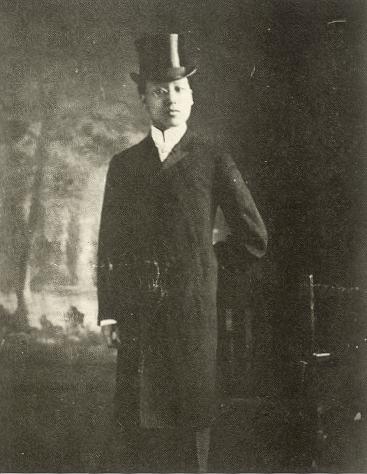
Syngman Rhee in 1905 and later South Korea’s first president (1948-1960). Though born into a rural family of modest means, he was of yangban and even royal lineage (source).


Why is mean IQ higher in East Asia than elsewhere? Ron Unz (2013) sees the key cause in a scarcity of land and women that continually condemned the lower classes to reproductive extinction, particularly among the farmers who made up most of China’s population. If a lineage remained poor for two generations in a row, it would die out and be replaced by downwardly mobile individuals from higher up on the social ladder. There was thus strong selection for men with enough business smarts to avoid poverty and amass enough assets to get married and have a family.

This model of selection seems valid for the Chinese but less so for the Koreans and the Japanese, whose strong class divisions should have impeded upward and downward mobility. Why, then, do these two other populations display similarly high mean IQ? As Unz (2013) notes:

Both the Japanese and the Koreans have done remarkably well in their economic and technological advancement, and also as small immigrant racial minorities in America and elsewhere. However, there is no evidence that rural life in either country had any of the major features possibly so significant for Chinese history, such as a total lack of feudal caste structure, an exceptionally commercialized system of agricultural production and land tenure, and the massive universal downward mobility due to equal division of property among male heirs.

Stripped down to its basics, the Clark-Unz model of selection has three key elements:

1. Class differences that reflect differences in intellectual performance.

2. A higher level of reproductive success in higher social classes than in lower ones.

3. No barriers to downward social mobility. The lower classes are thus gradually replaced by people of higher social origin.   

But surely these three factors prevail everywhere? No, not at all. Hunter-gatherers and simple agricultural societies have little or no social stratification. Other societies are stratified but have no State that can monopolize the use of violence. Upward mobility is thus an ongoing free-for-all that selects for other psychological characteristics, i.e., ruthlessness, charisma, and ability to mobilize gangs of young men. Finally, still other societies are so stratified that downward mobility is impossible. This is the case with the caste system in India, where the shame of “losing caste” deters downward mobility. In addition, the lowest castes can afford to reproduce because certain stigmatized kinds of work are reserved for them, so there is no need to replenish their ranks with people of higher social origin.

How do Japan and Korea fit into this picture? Before the 19th century, both were feudal aristocracies where the elites monopolized the use of violence. For the bulk of the population, there was thus little selection for “Big Men”, as is the case in societies where State formation is weaker. The question then remains whether Japan and Korea were caste societies. Did the lowest classes reproduce essentially on their own? Or were they replaced by a steady infusion of downwardly mobile individuals?

Among the Japanese lower classes, the Burakumin were the only real caste, in the sense of a group that lost few members through upward mobility and gained few through downward mobility. It is probably for this reason that the Burakumin differ so much from other Japanese in terms of behavior, personality traits, and intellectual performance. They seem to have preserved the mental and behavioral predispositions that were dominant in the Japanese population five hundred to a thousand years ago (see previous post).

Japan's class structure seems to have resembled Britain's. In both cases, there were attempts to codify class differences, and in both cases these attempts largely failed. The Britannica's description of Japanese society in the 18th and 19th centuries sounds very much like premodern Chinese society:
 
Inevitably it [commercial development] meant the rise of some wealthy members of the rural populace, who used their wealth to invest in land and commercial ventures and to "ape their betters" in the cities in both custom and culture. Few farmers, however, prospered through producing commercial goods, and the majority of peasants remained impoverished. Rural villages were characterized by a few wealthy farmers, a majority of small-scale independent landholders, and a growing number of impoverished tenants. Many small-scale farmers, squeezed by the demands of commercial development, were forced to part with their lands and fell into tenancy. (Britannica, 1998)

A similar situation seems to have prevailed in Korea, even though the yangban were theoretically guaranteed a privileged status by virtue of their high birth or success on civil service exams. Moon (1992, p. 204) describes impoverished yangban living alongside peasants and commoners as fellow tenants. Breen (2004) likewise describes numbers of yangban sinking into poverty without hope of gaining a government office.

The way a society works in theory often differs from the way it actually works. English society has long been described as having rigid class distinctions. Yet when Clark (2009) analyzed the transmission of surnames by social class, he found evidence of considerable social mobility going back to the Middle Ages:

Clark, for example, denoted in the middle ages anyone performing clerical work, including the minor orders of the clergy who were allowed to marry. Since literacy was extremely limited in medieval England clark was thus originally an upper class name. But by 1600 0.7 percent of the indicted bear this surname, as many as among rich testators (0.63 percent). Of the 11 indicted Clarks in my sample, 7 had their occupation listed as laborer, thus illustrating the downward mobility of the medieval educated elite. There was also sign of upward mobility. Cook in the middle ages would likely not denote someone of particular wealth or status. By 1600, however it was the surname of 1.3 percent of the richest testators. Among the seven rich Cooks, five were described as Yeomen and one as a Gentleman. Even medieval and early modern England was thus a very fluid society, with families moving up and down the social scale across each generation. (Clark, 2009)

References

Breen, M. (2004). The Koreans. Who They Are, What They Want, Where Their Future Lies, St. Martin’s Press.

Britannica. (1998). ‘Japan’, vol. 22, p. 293

Clark, G. (2009). The indicted and the wealthy: surnames, reproductive success, genetic selection and social class in pre-industrial England. http://www.econ.ucdavis.edu/faculty/gclark/Farewell%20to%20Alms/Clark%20-Surnames.pdf

Clark, G. (2007). A Farewell to Alms. A Brief Economic History of the World, Princeton University Press, Princeton and Oxford

Moon, O. (1992) Confucianism and gender segregation in Japan and Korea, in R. Goodman & K. Refsing. (eds) Ideology and Practice in Modern Japan, Routledge.

Unz, R. (2013). How Social Darwinism made modern China, The American Conservative, March 11
http://www.theamericanconservative.com/articles/how-social-darwinism-made-modern-china-248/

Friday, December 14, 2012

Year's end


Just horsing around? Or is there also a political message?

It’s year’s end, and to date I’ve written nothing on the three themes I promised to blog about back in January. One reason was the need to comment on certain unforeseen events, like Phil Rushton’s death and the confirmation that Europeans became white-skinned long after their ancestors had arrived in Europe. Another reason was the difficulty in finding relevant data, particularly with respect to the Burakumin of Japan.

So, before the clock runs out, I’ll post my thoughts on all three themes:

Archaic admixture

There is growing evidence that a Neanderthal-like archaic population once inhabited parts of Africa. Lachance et al. (2012) studied the genomes of three hunter-gatherer peoples from sub-Saharan Africa: Pygmy, Hadza, and Sandawe. All three of them showed introgression from an unknown archaic group whose ancestors had separated from ancestral modern humans at about the same time as ancestral Neanderthals had.

Africa is probably the continent where modern humans have the most archaic admixture, since it is where they were in contact with archaic hominins for the longest time. In addition, it’s also where modern humans were in contact with “almost-moderns” who offered weaker barriers to intermixture because they were so similar behaviorally and physically.

But what does all this mean? If a human population has a lot of archaic admixture, is it therefore more primitive anatomically and mentally? Not really. The “modern” gene variants are still present in the gene pool, and if they’re any better they will progressively displace their archaic counterparts through natural selection. Over time, archaic admixture will thus be confined to junk DNA of little or no selective value. Mallards, for instance, have outbred so much that only a minority of them cluster together on an mtDNA tree, the rest being scattered among black ducks (Avise et al., 1990). Yet each and every one of them looks, quacks, and waddles like a mallard.

Indeed, if we follow Greg Cochran’s reasoning, an admixed population provides natural selection with a wider range of interesting variants, some of which might even be better than the ones in the original genetic toolkit.

The Korean tinderbox

In late capitalism, the elites are no longer restrained by ties of national identity and are thus freer to enrich themselves at the expense of their host society. This clash of interests lies at the heart of the globalist project: on the one hand, jobs are outsourced to low-wage countries; on the other, low-wage labor is insourced for jobs that cannot be relocated, such as in the construction and service industries.

This two-way movement redistributes wealth from owners of labor to owners of capital. Business people benefit from access to lower-paid workers and weaker labor and environmental standards. Working people are meanwhile thrown into competition with these other workers. As a result, the top 10% of society is pulling farther and farther ahead of everyone else, and this trend is taking place throughout the developed world. The rich are getting richer … not by making a better product but by making the same product with cheaper and less troublesome inputs of labor.

In the United States, globalism is being pushed by a contrived bipartisan consensus. As Jeff Faux (2012) notes:

But the national discourse is silent on the tacit agreement both parties have already made on the future that lies ahead for the majority of working Americans: a dramatic drop in their living standards. […] Even before the financial crash, real wages for the typical American worker had been stagnant for 30 years as a result of: 1) trade and investment deregulation that shoved American workers into a brutally competitive global labor market for which they were unprepared; 2) the relentless war on unions that began with the election of Ronald Reagan in 1980; and 3) more recently, the erosion of the social safety net for low wage workers and the unemployed.

In East Asia, South Korea has gone the furthest in embracing the globalist project, as one observer recently summarized in comparing that country with Ireland and the U.S.:

[…] lesser skilled jobs are moving from advanced markets to developing nations. Companies recovering from the financial shocks of 2008 have discovered more cost-effective processes than older, more labor-intensive means through technology and outsourcing. Consequently, the recent economic rebounds have not been matched with expected re-employment.

Independent “knowledge professionals” represent more and more of the labor force. Decreasing numbers of “permanent” employees mean more reliance on multi-skilled, independent specialists on a plug-in and plug-out basis for short- and medium-term projects. This major development is becoming an increasingly common aspect of this new paradigm.

[…] I have seen an erosion of the middle classes, and a strengthening of the upper-middle classes and upper classes, while the lower classes are growing in size. At the same time, I have seen the middle class getting by on less, and becoming much less aggressive consumers. (Coyner, 2012)

South Korea has also gone global by opening its borders to immigration. Officially, there are about 1.4 million foreigners (2011), but this figure excludes illegal immigrants (estimated to be 30-50% of the legal total) and foreigners who have acquired South Korean citizenship. Also excluded are their Korean-born children (Anon, 2011).

This influx of foreign labor is framed as a positive development that will make South Korea a more open society:

In order to sustain its development, the country has increasingly turned to foreign labor and selective immigration as countermeasures for its economic and demographic problems. The state manages the influx of foreigners under a framework of “multiculturalism” that professes openness towards becoming a “multicultural society” despite resistance rooted in ethno-nationalism and a history of homogeneity. (Kim & Kwon, 2012).

The veneer of official discourse conceals the stresses and strains that are building among ordinary South Koreans. With conditions of life deteriorating for the majority, animosity is growing toward the top 10% whose lives are steadily improving. The latter are satirized in the hit video “Gangnam style” by Korean rapper Psy:

Gangnam is a wealthy neighborhood in the South Korean city of Seoul where young people go to party. In the song, Psy describes the kind of guy he is and the kind of girl he wants, painting caricatures of the ostentatious culture of people who hang out in Gangnam. 

As The Atlantic pointed out in an in-depth article last month, behind the flashy costumes and killer dance moves in Psy's video, there's a subtle commentary on class in South Korea. 

WHAT DOES THE CHORUS, 'OPPAN GANGNAM STYLE,' MEAN?

It roughly means something like 'Your man has Gangnam Style.' 'Oppa,' which literally means 'older brother,' is an affectionate term girls use to address older guy friends or a boyfriend. It can also be used as a first-person pronoun, as PSY does here — in this case, he's telling a woman that he has Gangnam style.

WHAT'S THE DEAL WITH HIS SIGNATURE DANCE?

"It's a horse-riding dance," PSY explained in an interview with NY1 anchor Michelle Park. "So there is an invisible horse, and you're on it. (Goyette, 2012)

No, that’s not the whole story. The dance is also a parody of an American cowboy. (Twirling a lasso is not a usual feature of horseback riding). There is in fact a streak of anti-Americanism in all of this, as recent revelations about Psy’s past have shown. Something is going on beneath the apparent calm of South Korean society, and it won’t be pretty when it finally comes to a head …

Places like South Korea and Greece, which lie on the periphery of the current world-system, will be the first to push back against globalism. In such countries, national identity is still strong and the elites use little imagination in adapting their approach to local circumstances, preferring to “copy and paste” from elsewhere. There too, the failure of globalism will be the most obvious.

The Burakumin

In pre-modern Japanese society, the Burakumin specialized in jobs that required contact with dead flesh, e.g., butchery, leather making, and preparation of corpses for burial. They were and still are socially stigmatized, and marriage with them was forbidden. Because of their endogamy and their reserved occupations, they may have thus escaped the process of demographic replacement that Gregory Clark (2007) described for English society, i.e., they were not gradually replaced by downwardly moving members of the middle class. As such, they might provide a glimpse into the genetic predispositions that characterized the Japanese several centuries ago—at a time when the State was largely absent and when social relations were quite different.

In this earlier social environment, adult males were expected to use force on a regular basis to defend themselves and their families. Law courts did exist, but their rulings were enforced by the aggrieved party, not by the State. Young men preferred to socialize with other young men in small loosely hierarchical groups that sought to control local territory while engaging in raids to plunder neighboring territories. Literacy was rare, with less importance being given to creation, processing, and storage of abstract information. Finally, time orientation was focused much more on the present. This reflected the uncertainty over one’s own future, including life expectancy, and also the difficulty in converting oral agreements into long-term enforceable contracts.

These behavior patterns seem to describe the Burakumin. Modern Japanese society is alienating to them, not because of discrimination but because of its high level of domesticity, social discipline, and nerdish devotion to intellectual pursuits. Male Burakumin, in particular, prefer alternate forms of social affiliation and expression, such as the Yakuza (Japanese mafia), the largest Yakuza syndicate being over 70% Burakumin.  At school, their achievement scores have remained nearly one standard deviation below those of other Japanese regardless of the time and place of the research (BLHRRI, 1997). The persistent gap may reflect a lack of either ability or interest, or a lack of both.

This topic unfortunately suffers from insufficient good data. The American literature often asserts that IQ scores have risen dramatically among Burakumin immigrants to the U.S., but Jason Malloy has shown that this claim is an academic legend:

I often see media assertions like Steve Olson in The Atlantic: “Yet when the Buraku emigrate to the United States, the IQ gap between them and other Japanese vanishes.” This claim is somewhat apocryphal. There is no data for Burakumin in the US. False claims about US IQ data have mutated second-hand from John Ogbu who claimed a study showed that the Buraku immigrants here “do slightly better in school than the other Japanese immigrants”. The book chapter Ogbu references for this claim (Ito 1966) however, is by a pseudonymous author who relied strictly on gossip from non-outcast Japanese communities in California to surmise how the outcasts here might be performing. The author’s informants believed the US outcasts were more attractive, more fair-skinned, and made more money. Though– as a testament to Ogbu’s immaculate scholarship– the author reported no gossip about how these Burakumin performed in school. (Cochran, 2011)

The Japanese literature doesn’t seem much better. It generally admits the existence of negative stereotypes about the Burakumin but provides little information on the content of these stereotypes. 

References

Anon. (2011). Foreigners make up 3% of Korea’s population, December 19, Gusts of Popular Feeling
http://populargusts.blogspot.ca/2011/12/foreigners-make-up-3-of-koreas.html

Avise, J.C., C.D. Ankney, W.S. Nelson. (1990). Mitochondrial gene trees and the evolutionary relationship of mallard and black ducks, Evolution, 44, 1109-1119.

BLHRRI (1997). Practice of Dowa Education Today, Buraku Liberation and Human Rights Institute.
http://blhrri.org/blhrri_e/dowaeducation/de_0006.htm

Clark, G. (2007). A Farewell to Alms. A Brief Economic History of the World, Princeton University Press, Princeton and Oxford.

Cochran, G. (2011). Risch’s conjecture, December 28, West Hunter
http://westhunt.wordpress.com/2011/12/28/rischs-conjecture/

Coyner, T. (2012). Learning to move with the tide, Korea Joongang Daily, September 12
http://koreajoongangdaily.joinsmsn.com/news/article/article.aspx?aid=2959517 

Faux, J. (2012). The elites are unanimous: Lower everyone’s wages and standard of living, Jeff Faux
http://jefffaux.com/?p=345

Goyette, B. (2012). Psy’s ‘Gangam Style,’ explained! NY Daily News, September 7,
http://articles.nydailynews.com/2012-09-07/news/33682557_1_gangnam-psy-dance

Ito, H. (1966). Japan’s outcastes in the United States. In G.A. deVos and H. Wagatsuma (eds.), Japan’s Invisible Race. Berkeley: University of California Press.

Kim, J. & Y-S. Kwon. (2012). Economic development, the evolution of foreign labor and immigration policy, and the shift to multiculturalism in South Korea, Philippine Political Science Journal, 33, 178-201.

Lachance, J., B. Vernot, C.C. Elbers, B. Ferwerda, A. Froment, J-M Bodo, G. Lema, W. Fu, T.B. Nyambo, T.R. Rebbeck, K. Zhang, J.M. Akey, S.A. Tishkoff. (2012). Evolutionary history and adaptation from high-coverage whole-genome sequences of diverse African hunter-gatherers, Cell, 150, 457-469.
http://211.144.68.84:9998/91keshi/Public/File/42/150-3/pdf/1-s2.0-S0092867412008318-main.pdf

Wikipedia. (2012). PSY (entertainer).
http://en.wikipedia.org/wiki/PSY_(entertainer)
Saturday, December 31, 2011

A few of my themes for 2012

Yakuzas (Japanese mafia). The largest Yakuza syndicate is over 70% Burakumin. Source

Here are a few themes I wish to write about during 2012:

Archaic admixture: A wild goose chase?

With the discovery that Europeans and Asians are 1 to 4% Neanderthal, there has been a rush to learn more. What genes are involved? Does this admixture explain why Eurasians are, well, hot stuff?

A few words of caution. The estimate of 1 to 4% is based on comparison of the Neanderthal genome with the modern Eurasian genome and the modern sub-Saharan African genome (Green et al., 2010). Neanderthals appear to be genetically closer to modern Eurasians than they are to modern sub-Saharan Africans. This increased closeness is therefore a measure of Neanderthal admixture in modern Eurasians. Right?

Well, not necessarily. It may also be a measure of non-Neanderthal admixture in modern sub-Saharan Africans. We now know that about 2% of the modern sub-Saharan African genome comes from a population that split from ancestral modern humans some 700,000 years ago (Hammer et al., 2011). Another 13% comes from archaics who were much closer to modern humans and probably related to the Skhul-Qafzeh hominins of the Middle East (Watson et al., 1997).

The figure of 1 to 4% Neanderthal admixture in modern Eurasians will thus have to be revised downward, just as our estimate of archaic admixture in modern sub-Saharans will have to be revised upward. This point has been made by Dienekes:

It is no longer tenable to propose that Eurasians are shifted towards Neandertals only because of Neandertal admixture: in fact some of the shift may be due to Africans being shifted away from Neandertals because of admixture with archaic African hominins.

However great or small Neanderthal admixture may be, can it explain why modern Eurasians are “hot stuff”? Doubtful. It’s true that both populations had to adapt to arctic environments, but they did so in very different ways. Neanderthals adapted to the cold through their morphology: thick body fat and dense fur. Modern Eurasians adapted by making tailored clothing and building insulated shelters.

Please don’t get me wrong. If you’re doing research on Neanderthal admixture, I wish you the best of luck. Perhaps you’ll find a thing or two. But don’t get your hopes up.


Whither North Korea?

Whenever an authoritarian leader dies, the door is opened to change, often radical change. The new leader is less able to command authority, and the chain of command itself is called into question at all levels. Pent-up pressure for change can finally be released. This was the case after the deaths of Franco in 1975, Mao Zedong in 1976, and Brezhnev in 1982. Here in my home province, it was the death of Duplessis in 1959 that ushered in the end of Quebec as a conservative Catholic society.

Will we see the same in North Korea? Will the death of Kim Jong Il lead to liberalization and, ultimately, reunification with South Korea?

Yes and no. North Korea will pursue its transition to a market economy. And this process is already making the population more independent-minded. As an observer in Pyongyang recently noted:


The women who daily set out their wares on the streets do so in defiance of police prohibitions. This is one of the clearest indications of the erosion of the regime’s control over its people. (The author observed many others, such as the men who openly smoked under “No Smoking” signs, the peasants who sim­ply ignored the traffic police and trundled their carts across intersections, and the people who—under the very eyes of the police—sat on the escalators in the Metro despite stern signs prohibiting this.) (Everard, 2011)


Private markets are also creating new spaces of social interaction that are independent of the State, and this trend will be assisted by the spread of cellphones and the strengthening of economic and social relations with China—itself a much more liberal society.

Finally, North Korea will drop all pretence of international socialism. This might seem to be just a matter of words—North Korea has long been a de facto nationalist regime—but semantics are important in the way people construct their perceived reality.

But, no, reunification is not in the cards, if only because the Chinese are adamantly opposed. There was a time in the 1990s when they were open to this idea. With reunification, U.S. troops would leave and Korea would become a more neutral country. It is now clear, however, that reunification has produced no such outcome in Germany. The Cold War may be over, but the U.S. still wants to have troops in mainland Eurasia, apparently as part of its geopolitical strategy.

So for now at least the Chinese will try to strengthen North Korea as a friendly buffer state. To this end, they will prod Pyongyang to pursue economic reforms and shed its pariah image, particularly by dismantling its nuclear program. In exchange, the Chinese may offer the protection of their own nuclear umbrella, as well as full membership in the Shanghai Cooperation Organisation (SCO).

It’s also unlikely that liberalization will lead to North Korea becoming more Westernized and Americanized. By “liberalization,” I mean the right of people to live their lives according to their own values—and not those imposed by the State or by a globalist elite. Hence, the Arab Spring has brought the triumph of Islamist political parties who promise to introduce stricter adherence to Shariah law. This has been a surprise to Western observers, but it should not have been.

The Burakumin

Although Japanese society is often seen as being very homogeneous, it does have a distinct class called the Burakumin who were officially outcastes until 1871 and are still widely looked down upon. They seem to descend from Japanese who held stigmatized occupations that involved the taking of life or contact with dead bodies, like butchery, leather making, and preparation of corpses for burial. Today, despite many remedial efforts, an academic gap persists between the Burakumin and other Japanese:


According to research on Buraku pupil/students' scholastic ability conducted in the post-war period, nearly 1 standard deviation difference in achievement scores was found between Burakumin and non-Burakumin pupil/students regardless of when and where the research was conducted. This meta-analysis on Buraku pupil/students' scholastic ability leads us to conclude that the relative difference in scholastic achievements between the Burakumin and non-Burakumin pupil/student has been maintained to a considerable degree through the post-war period. (BLHRRI, 1997)

In 2012, I will try to shed new light on this question by applying Greg Clark’s model. Clark (2007) argued that the English gene pool in 1800 was quite different from what it had been only a few centuries earlier. Over the years, the English middle class had expanded demographically and, through downward mobility, had largely replaced the English lower classes. I will suggest that Japan followed a similar evolution but with an interesting twist. As outcastes with a monopoly on certain occupations, the Burakumin were spared this demographic replacement. They may thus represent the Japanese population as it existed several centuries ago.

References

BLHRRI (1997). Practice of Dowa Education Today, Buraku Liberation and Human Rights Institute.
http://blhrri.org/blhrri_e/dowaeducation/de_0006.htm

Clark, G. (2007). A Farewell to Alms. A Brief Economic History of the World, Princeton University Press, Princeton and Oxford.

Dienekes. (2011). Neanderthal admixture. Why I remain skeptical, December 19, 2011.
http://dienekes.blogspot.com/2011/12/neandertal-admixture-why-i-remain.html

Everard, J. (2011). The markets of Pyongyang, Korea Economic Institute, Academic Paper Series, 6(1), 1-7.
http://www.keia.org/publication/markets-pyongyang

Green, R.E., J. Krause, A.W. Briggs, T. Maricic, U. Stenzel, M. Kircher, et al. (2010). A draft sequence of the Neandertal genome, Science, 328, 710-722.

http://www.sciencemag.org/cgi/reprint/328/5979/710.pdf

Hammer, M.F., A.E. Woerner, F.L. Mendez, J.C. Watkins, and J.D. Wall. (2011). Genetic evidence for archaic admixture in Africa, Proceedings of the National Academy of Science (USA), early edition,
www.pnas.org/cgi/doi/10.1073/pnas.1109300108

Watson, E., P. Forster, M. Richards, and H-J. Bandelt. (1997). Mitochondrial footprints of human expansions in Africa, American Journal of Human Genetics, 61, 691-704.