Showing posts with label Michael Woodley of Menie. Show all posts

Wednesday, April 22, 2020

British hipsters


Why have British women become broader-hipped over the past three thousand years? (Wikicommons: Niek Sprakel)


British women have become broader-hipped over the past three thousand years or so. That's the conclusion of a recent study of alleles that influence female hip circumference, using data from the UKBiobank. 

Audrey Arner and her colleagues at Penn State identified 148 SNPs associated with female hip circumference and 49 SNPs associated with first child birth weight. Nine of them influence both women's hip circumference and first child birth weight. The SNPs associated with female hip circumference seemed to influence first child birth weight but not vice versa. There also seems to have been selection over approximately the last three thousand years for women with broader hips.

The baby's head is the biggest challenge during childbirth:

Human birthing is difficult owing to a tradeoff between large neonatal brain size and maternal pelvic dimensions, which are constrained by aspects of bipedal biomechanics. The net effect is that human neonatal head size closely matches maternal pelvic dimensions, unlike in our closest living relatives, the great apes, whose pelvic dimensions are larger than neonatal head sizes. (Franciscus 2009)

Have female hips become broader over the past three thousand years because the birth canal has had to accommodate babies with larger brains? That hypothesis would be consistent with an analysis of ancient DNA by Michael Woodley of Menie and others, who showed that alleles for educational attainment gradually increased in frequency between 4,560 and 1,210 years ago in Europeans and Central Asians. That increase may have been due to gene-culture coevolution: as societies grew larger and more complex, the average person had to perform mental tasks that likewise became larger in number and more complex. Such an environment would have favored the survival and reproduction of individuals with higher cognitive ability. Mean IQ thus rose over time, as did cranial capacity.

On the other hand, Henneberg (1988) showed that cranial capacity steadily shrank from the Mesolithic to modern times, becoming 9.9% smaller in men and 17.4% smaller in women. His conclusion was based on a large sample: 9,500 male skulls and 3,300 female skulls.

So we have a contradiction. Perhaps cranial capacity didn't really shrink from the Mesolithic to modern times. Perhaps smaller skulls are more likely to decompose faster. The skulls we unearth would therefore be a biased sample, and this bias toward preservation of larger skulls would gradually increase for skulls that have been in the ground longer.

The problem of "preservation bias" has already been noted with respect to female and infant remains:

There are nearly always more males than females in skeletal collections from archeological sites [...]. This has been explained in part by the comparatively rapid disintegration of lightly built female skeletons.

[...] The burial records show that most of the people buried in the Purisima cemetery were either infants, children, or elderly adults. The skeletal remains excavated from the cemetery, in contrast, are predominately those of young adults. The underrepresentation of young children in the skeletal collection is most likely a result of the comparatively rapid disintegration of their incompletely calcified bones.

[...] If, on the other hand, infants or elderly people are more common in a skeletal collection from a recent cemetery than they are in an ancient one, much less can be inferred about differences in the original age structure of the two burial populations. Such a difference would be expected due to differential preservation, even if the age structures of the two burial populations were identical. (Walker et al. 1988)

The same preservation bias might cause an overrepresentation of larger skulls among older remains.


References

Arner, A., H. Reyes-Centeno, G. Perry, and M. Grabowski. (2020). Pleiotropic effects on the recent evolution of human hip circumference and infant body size. The 89th Annual Meeting of the American Association of Physical Anthropologists (2020), April 17
https://meeting.physanth.org/program/2020/session26/arner-2020-pleiotropic-effects-on-the-recent-evolution-of-human-hip-circumference-and-infant-body-size.html  

Franciscus, R.G. (2009). When did the modern human pattern of childbirth arise? New insights from an old Neandertal pelvis. Proceedings of the National Academy of Sciences 106(23): 9125-9126.
https://www.pnas.org/content/106/23/9125.short  

Henneberg, M. (1988). Decrease of human skull size in the Holocene. Human Biology 60: 395-405.
https://www.jstor.org/stable/41464021  

Walker, P.L., J.R. Johnson, and P.M. Lambert. (1988). Age and sex biases in the preservation of human skeletal remains. American Journal of Physical Anthropology 76: 183-188.
https://onlinelibrary.wiley.com/doi/abs/10.1002/ajpa.1330760206

Woodley of Menie, M.A., S. Younuskunju, B. Balan, and D. Piffer. (2017). Holocene selection for variants associated with general cognitive ability: Comparing ancient and modern genomes. Twin Research and Human Genetics 20: 271-280.
https://www.cambridge.org/core/journals/twin-research-and-human-genetics/article/holocene-selection-for-variants-associated-with-general-cognitive-ability-comparing-ancient-and-modern-genomes/BF2A35F0D4F565757875287E59A1F534 

Monday, March 16, 2020

From here it's all downhill


Polish IQ scores for three subtests: Similarities, Vocabulary, and Arithmetic (Wikicommons - Pedros)

Throughout the West the Flynn effect is coming to an end. More and more people are bumping up against a ceiling that is getting lower and lower.


The Flynn effect is ending throughout the West. After a century of steady increase, average IQ scores are levelling off and even starting to fall in Scandinavia, England, and Austria (Dutton 2016; Flynn 2007, p. 143; Rindermann 2018, pp. 85-88; Teasdale and Owen 2005). 

But how real was that increase anyway? Read the popular literature from a hundred years ago. Look at the size of the vocabulary and the complexity of the plots. Also look at what people had to know when graduating from elementary school. IQ scores increased during the 20th century largely because people became more familiar with taking standardized tests and thinking in terms of standardized answers to standardized questions. They had no choice. This was a time when people were staying increasingly longer in school. As higher education became the rule for everyone—first high school and then college and university—good grades became the goal for everyone, and not just for a small elite. 

So the average phenotype has been pushed to the limit by compulsory secondary education and by social pressure to pursue tertiary education. Meanwhile, the average genotype has been trending in another direction. 

- Reaction time has lengthened, i.e., people are taking longer on average to process the same information. In Great Britain, mean reaction time has risen by 13 points since the Victorian era (Woodley et al. 2013). This finding may be due to better sampling of the general population over time (hbd*chick 2013); however, a Swedish study found the same lengthening of reaction time, particularly in cohorts born since the 1970s (Madison 2014; Madison et al. 2016). 

- The genetic basis for intelligence has declined, as shown by a progressive decline in the "polygenic score" of alleles associated with educational attainment. In Iceland, this score has fallen since the cohort born in 1910 (Kong et al. 2017). Among Euro Americans, it fell between the 1931 and 1953 birth cohorts (Beauchamp 2016).

In sum, the average phenotype and the average genotype have been moving in opposite directions. This point is made by Hong (2020):

In general, more educated women delay the onset of childbearing and have fewer children overall compared to less educated women. This pattern is very robust in both developed and developing countries, and various theories have been proposed to explicate the intrinsic, potentially causal relationship between education level and fertility.

[...] The phenotype of EA [educational attainment], on the other hand, may experience a very different type of selective pressure. A large literature in sociology shows that educational attainment and socio-economic status are associated, and cultural evolutionary theory predicts that humans readily copy the behaviors of those who are perceived as more prestigious or successful. Although educational attainment cannot be "copied" in a literal sense, individuals who pick models with high EA are likely to be more motivated in learning and committed to their academic studies, and as a result become more likely to obtain higher EA themselves. Thus, genetic fitness and cultural fitness of the same trait (EA) invites selection in opposite directions [...].

As long as the genetic decline is offset by better and longer education, there is nothing to worry about. We may be learning more slowly, but we're spending more time learning. As Courtiol et al. (2016) argue: "the jockey has become more skilled as the power of the horse dwindles."


What if the horse collapses?

Unfortunately, this situation cannot go on forever. The phenotype (“jockey”) and the genotype (“horse”) are not independent entities; in fact, the former is developed within the limits of the latter. As the upper limit gets lower and lower, more and more of us will be bumping up against that ceiling. In other words, "at some point genetics will become the limiting factor in determining the phenotype of EA, which may eventually decline as a result of natural selection" (Hong 2020).

That point seems to be ... about now. In the West, the Flynn effect has exhausted itself, having used up the wiggle room of education. From here it's all downhill.  As Dutton et al. (2016) note in their review of the literature:

Eventually, the ceiling of this ability would be reached and the losses would start to reveal themselves on IQ tests. In addition, Woodley and Fernandes (2016) have shown that the Flynn Effect is not primarily occurring on general and heritable intelligence factor g, whereas the negative Flynn Effect does seem to occur on g. The negative Flynn Effect displays a Jensen Effect, and is mainly occurring on the more heritable abilities.


References

Beauchamp, J.P. (2016). Genetic evidence for natural selection in humans in the contemporary United States. Proceedings of the National Academy of Sciences. 113(28): 7774-7779.
https://www.ncbi.nlm.nih.gov/pmc/articles/PMC4948342/

Courtiol, A., F.C. Tropf, and M.C. Mills. (2016). When genes and environment disagree: Making sense of trends in recent human evolution. Proceedings of the National Academy of Sciences 113(28): 7693-7695.
https://www.ncbi.nlm.nih.gov/pmc/articles/PMC4948334/

Dutton, E., D. van der Linden, and R. Lynn. (2016). The negative Flynn Effect: A systematic literature review. Intelligence 59: 163-169.
https://www.gwern.net/docs/iq/2016-dutton.pdf

Flynn, J.R. (2007). What is Intelligence? Beyond the Flynn Effect. Cambridge University Press.
https://books.google.ca/books?id=qvBipuypYUkC&printsec=frontcover&hl=fr&source=gbs_ge_summary_r&cad=0#v=onepage&q&f=false

Hbd*chick (2013). A response to a response to two critical commentaries on woodley, te nijenhuis and murphy. May 27
http://hbdchick.wordpress.com/2013/05/27/a-response-to-a-response-to-two-critical-commentaries-on-woodley-te-nijenhuis-murphy-2013/

Hong, Z. (2020). Modelling the on-going natural selection of educational attainment in contemporary societies. Journal of Theoretical Biology 493: 110210
https://www.biorxiv.org/content/10.1101/605311v2.full

Kong, A., M.L. Frigge, G. Thorleifsson, H. Stefansson, A.I. Young, F. Zink, G.A. Jonsdottir, A. Okbay, P. Sulem, G. Masson, D.F. Gudbjartsson, A. Helgason, G. Bjornsdottir, U. Thorsteinsdottir, and K. Stefansson. (2017). Selection against variants in the genome associated with educational attainment. Proceedings of the National Academy of Sciences 114(5): E727-E732.

Madison, G. (2014). Increasing simple reaction times demonstrate decreasing genetic intelligence in Scotland and Sweden, London Conference on Intelligence. Psychological comments, April 25
#LCI14 Conference proceedings
http://www.unz.com/jthompson/lci14-questions-on-intelligence/   

Madison, G., M.A. Woodley of Menie, and J. Sänger. (2016). Secular Slowing of Auditory Simple Reaction Time in Sweden (1959-1985). Frontiers in Human Neuroscience, August 18
https://www.frontiersin.org/articles/10.3389/fnhum.2016.00407/full  

Rindermann, H. (2018). Cognitive Capitalism. Human Capital and the Wellbeing of Nations. Cambridge University Press.

Teasdale, T.W., and D.R. Owen. (2005). A long-term rise and recent decline in intelligence test performance: The Flynn Effect in reverse. Personality and Individual Differences 39(4): 837-843.
https://doi.org/10.1016/j.paid.2005.01.029   

Woodley of Menie, M.A., and H.B.F. Fernandes. (2016). Showing their true colours: Possible secular declines and a Jensen effect on colour acuity — More evidence for the weaker variant of Spearman's Other Hypothesis. Personality and Individual Differences 88: 280-284.
https://www.sciencedirect.com/science/article/abs/pii/S0191886915005826

Woodley, M.A., J. Nijenhuis, and R. Murphy. (2013). Were the Victorians cleverer than us? The decline in general intelligence estimated from a meta-analysis of the slowing of simple reaction time. Intelligence 41: 843-850. 
https://pdfs.semanticscholar.org/e8cc/634169c7c5d3e4738fe08091c86177be1380.pdf

Monday, August 5, 2019

Classical antiquity was a low point of human intelligence


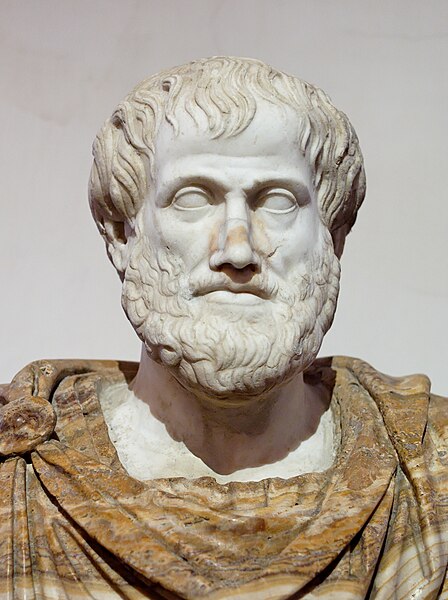
Aristotle discussed adaptation by natural selection long before Darwin, yet despite his fame this theory remained ignored throughout antiquity. (Wikicommons)


Gabriel Andrade and Maria Campo Redondo have come out with a paper on the ancient Greeks and how they saw differences between human groups:

Critics of Rushton and Jensen, and of the very category of race, claim that race is a social construct that only came up in the 16th century, as a result of overseas voyages and the Atlantic slave trade. The goal of this article is to refute that particular claim, by documenting how, long before the 16th century, in classical antiquity race was already a meaningful concept, and how some Greek authors even developed ideas that bear some resemblance to Rushton and Jensen's theory. The article documents how ancient Egyptians already had keen awareness of race differences amongst various populations. Likewise, the article documents passages from the Hippocratic and Aristotelian corpus, which attests that already in antiquity, there was a conception that climatic differences had an influence on intelligence, and that these differences eventually become enshrined in fixed biological traits. (Andrade and Redondo 2019)

The ancients knew about psychological differences between human groups but usually put them down to the direct action of the climate. This environmental explanation seemed disproved by black Africans, or "Ethiopians" as they were called, because they and their descendants remained just as dark-skinned at northern latitudes. But this example of heritability didn't lead to a theory of genetics. Instead, black skin was seen as an indelible stain, perhaps due to divine punishment of Ham (or Cham), the ancestor of the Egyptians and black Africans, for seeing the nakedness of his father Noah (Goldenberg 2003). This view appears in a homily by the third-century Christian writer Origen: 


But Pharao easily reduced the Egyptian people to bondage to himself, nor is it written that he did this by force. For the Egyptians are prone to a degenerate life and quickly sink to every slavery of the vices. Look at the origin of the race and you will discover that their father Cham, who had laughed at his father's nakedness, deserved a judgment of this kind, that his son Chanaan should be a servant to his brothers, in which case the condition of bondage would prove the wickedness of his conduct. Not without merit, therefore, does the discolored posterity imitate the ignobility of the race.   Homily on Genesis XVI (Origen 2010)

In general, human differences were attributed to direct action by the environment:

Greek authors to a large extent believed that acquired characteristics were inherited. For example, the text On Airs, Waters and Places considers the people of Trapezus, who had the custom of artificially elongating their children's heads. The author of this text believed that this particular practice would make elongated heads in the future generations, without parents having to artificially do the procedure: "Thus, at first, usage operated, so that this constitution was the result of force: but, in the course of time, it was formed naturally; so that usage had nothing to do with it... If, then, children with bald heads are born to parents with bald heads; and children with blue eyes to parents who have blue eyes; and if the children of parents having distorted eyes squint also for the most part; and if the same may be said of other forms of the body, what is to prevent it from happening that a child with a long head should be produced by a parent having a long head?". Aristotle had similar ideas: "Mutilated young are born of mutilated parents".


Why wasn’t natural selection understood?

Ironically, and long before Darwin, the Greek philosopher Empedocles (494-434 BC) came up with another explanation: adaptation through natural selection. Change initially occurs by accident. If the change is good, the changed life-form will survive and reproduce; if not, it will perish. Good changes are therefore kept and bad changes lost. Thus, all aspects of living matter look "as if they were made for the sake of something," but this is only illusion. There is no conscious "maker" of all things. 

This idea was summarized by Aristotle (384-322 BC):


So what hinders the different parts (of the body) from having this merely accidental relation in nature? as the teeth, for example, grow by necessity, the front ones sharp, adapted for dividing, and the grinders flat, and serviceable for masticating the food; since they were not made for the sake of this, but it was the result of accident. And in like manner as to other parts in which there appears to exist an adaptation to an end. Wheresoever, therefore, all things together (that is all the parts of one whole) happened like as if they were made for the sake of something, these were preserved, having been appropriately constituted by an internal spontaneity; and whatsoever things were not thus constituted, perished and still perish. Physicae Auscultationes 2:8, 2 (Darwin 1936 [1888], p. 3)

Aristotle's fame, as well as Empedocles', ensured that this idea would be read and passed on for generations, and yet it failed to take root in the minds of classical antiquity. It fell on barren ground. Aristotle himself rejected it, saying that all things must be for an end. Only much later, and independently, would natural selection be rediscovered.

The difficulty was not in understanding that humans, like other animals, are adapted to their environment. That part was obvious. The difficulty was in understanding adaptation as an indirect process. People more easily understood direct processes: something changed some people, and that change was passed on to their descendants. Aristotle himself fell for that idea when he mused that mutilated young are born to mutilated parents. 

This was the mentality of classical antiquity, and indeed of many people today. Change implies the existence of a changer, just as creation implies the existence of a creator. Few people rose above that level of thinking.


Did most people in classical antiquity think like children?

A Swiss psychologist, Jean Piaget (1896-1980), studied children in his country and concluded that all individuals go through stages of mental development. Children go through a "pre-operational stage" when causality is understood only in terms of conscious intent, specifically animism, artificialism, and transductive reasoning:

Animism is the belief that inanimate objects are capable of actions and have lifelike qualities. An example could be a child believing that the sidewalk was mad and made them fall down, or that the stars twinkle in the sky because they are happy. Artificialism refers to the belief that environmental characteristics can be attributed to human actions or interventions. For example, a child might say that it is windy outside because someone is blowing very hard, or the clouds are white because someone painted them that color. Finally, precausal thinking is categorized by transductive reasoning. Transductive reasoning is when a child fails to understand the true relationships between cause and effect. Unlike deductive or inductive reasoning (general to specific, or specific to general), transductive reasoning refers to when a child reasons from specific to specific, drawing a relationship between two separate events that are otherwise unrelated. For example, if a child hears the dog bark and then a balloon popped, the child would conclude that because the dog barked, the balloon popped. (Wikipedia 2019)

Piaget correctly observed Swiss children in the mid-20th century. He incorrectly concluded that the mind develops at the same pace in all humans (Oesterdiekhoff 2012). Indeed, you need not go far back to reach a time when most individuals never developed beyond the pre-operational stage. Just go back to classical antiquity.

At that time, the smart fraction was relatively small. Most intellectuals seemed to be loners. There were no academic societies, no academic journals, and no indications that large numbers of scholars did, or could, interact with each other. This point is made in an article on Roman science:

According to Sarton, who is the foremost living historian of science, "Roman science at its best was but a pale imitation of the Greek." "The Romans," he continues, "were so afraid of disinterested research that they discouraged any investigation the utilitarian value of which was not obvious."


Reymond remarked in his "History of Science" that the Romans were never distinguished for any love or even interest in pure science or abstract thinking. Virtually the same conclusion was reached by Heiberg, and Fowler made the interesting observation that even their literature and their philosophy had a practical object.


[...] historians of the economic life of ancient Rome have shown that there was a surprising paucity of inventions. They were not only few in number, but they lacked originality and were unimportant. (Salant 1938)

The Roman Empire was organizationally strong but intellectually weak. It depended on a store of knowledge that had been laid up in earlier times, notably by the ancient Greeks. This was the prevailing opinion among Roman writers, an opinion today dismissed as nostalgia for a mythical golden age.


The evidence of ancient DNA

"Cognitive archaeology" is a new field that has been made possible by retrieval of DNA from human remains and by calculation of polygenic cognitive scores from this DNA (based on alleles associated with educational attainment).

To date, two studies have used these research tools to chart changes in mean intelligence. The first study used ancient DNA from Europe and central Asia and found that the polygenic cognitive score gradually increased between 4,560 and 1,210 years ago (Woodley of Menie et al 2017).

This finding has been nuanced by a second study, using a sample of ancient DNA that was much larger and only from ancient Greece. It found that mean intelligence was initially high in ancient Greece and then began to decline after the end of the Mycenaean period in 1100 BC (Woodley of Menie et al. 2019). It looks like intelligence was at first strongly advantageous as humans adapted to increasing social complexity: farming, sedentism, literacy … Then something made it much less advantageous.

Mean intelligence was therefore lower during Roman times in comparison both to Greece in earlier periods and to Europe in later periods. 


Conclusion

So was Aristotle the Gregor Mendel of natural selection? Not really. Aristotle was much more famous than Mendel, and his works were read over a much longer span of time. Furthermore, Mendel's findings had to wait only 35 years before getting their due recognition. Aristotle's thoughts on natural selection lay dormant for more than two millennia before their significance was pointed out to Charles Darwin.

Aristotle didn't suffer from being insufficiently known. He had a worse handicap, especially in this case: not enough people could understand his line of reasoning. He was a lone voice in the wilderness over the many centuries separating him from Darwin. By Darwin’s time, many more people could understand natural selection, both in absolute numbers and as a proportion of the population. Even before The Origin of Species Darwin had a large audience of thinking people who could answer his questions and comment on his ideas. Earlier thinkers were not so lucky.

In the final analysis, the people of classical antiquity failed to understand natural selection for the same reason they failed to understand economics. They preferred to imagine cause and effect in simple terms: a person or personified thing producing a big change over a short time, and not impersonal forces producing an accumulation of small changes over a long time. They thought like children.


References

Andrade, G. and M.C. Redondo. 2019. Rushton and Jensen's Work Has Parallels with Some Concepts of Race Awareness in Ancient Greece. Psych 1 (1): 391-402.
https://www.mdpi.com/2624-8611/1/1/28/htm

Aristotle. Physics
http://classics.mit.edu/Aristotle/physics.2.ii.html

Darwin, C. (1936) [1888]. The Origin of Species and The Descent of Man. reprint of 2nd ed., The Modern Library, New York: Random House.

Goldenberg, D.M. (2003). The Curse of Ham. Race and Slavery in Early Judaism, Christianity, and Islam. Princeton: Princeton University Press.

Oesterdiekhoff, G.W. (2012). Was pre-modern man a child? The quintessence of the psychometric and developmental approaches. Intelligence 40: 470-478.
http://www.iapsych.com/iqmr/fe/LinkedDocuments/oesterdiekhoff2012.pdf

Origen (2010). Homilies on Genesis and Exodus, transl. by R.E. Heine., Washington D.C.: Catholic University of America Press
https://books.google.ca/books?id=X_mSBavPcq4C&pg=PA214&source=gbs_toc_r&cad=2#v=onepage&q&f=false 

Salant, W. (1938). Science and Society in Ancient Rome. The Scientific Monthly 47(6): 525-535.
https://www.jstor.org/stable/16625?seq=1#page_scan_tab_contents 

Woodley, M.A., S. Younuskunju, B. Balan, and D. Piffer. (2017). Holocene selection for variants associated with general cognitive ability: comparing ancient and modern genomes. Twin Res Hum Genet 20: 271-280.
https://www.cambridge.org/core/journals/twin-research-and-human-genetics/article/holocene-selection-for-variants-associated-with-general-cognitive-ability-comparing-ancient-and-modern-genomes/BF2A35F0D4F565757875287E59A1F534

Woodley of Menie, M.A., J. Delhez, M. Peñaherrera-Aguirre, and E.O.W. Kirkegaard. (2019). Cognitive archeogenetics of ancient and modern Greeks. London Conference on Intelligence 
https://www.youtube.com/watch?v=UES_tpDxz9A 

Wikipedia (2019). Piaget's theory of cognitive development. https://en.wikipedia.org/wiki/Piaget%27s_theory_of_cognitive_development#Concrete_operational_stage

Saturday, July 13, 2019

The Golden Age of Intelligence?


Busts of Greek philosophers (Wikicommons, Matt Neale). Did the Ancient Greeks have the highest mean IQ of any human population then and since?


Francis Galton argued that average intelligence had been much higher in ancient Greece than in modern England. He came to this conclusion after comparing the proportion of eminent men in Athens of the fifth century BC with the proportion of eminent men in the England of his day:

It follows from all this, that the average ability of the Athenian race is, on the lowest possible estimate, very nearly two grades higher than our own-that is, about as much as our race is above that of the African negro.(Galton 1869, p. 342)

This high ability was then presumably lost:

We know, and may guess something more, of the reason why this marvellously-gifted race declined. Social morality grew exceedingly lax; marriage became unfashionable, and was avoided; many of the more ambitious and accomplished women were avowed courtesans, and consequently infertile, and the mothers of the incoming population were of a heterogeneous class. (Galton 1869, pp. 342-343)

If we accept Galton's reasoning, Ancient Greeks had the highest mean IQ of any human population, something like 120 or 125. By comparison, Ashkenazi Jews have an estimated mean IQ of 110. But was Galton right? His calculations were criticized at the time, specifically for underestimating the number of Athenian citizens. He consequently revised his calculation downward to 1.5 grades higher, i.e., a mean IQ of 115 to 119 (Challis 2013, p. 56).

That's still impressive. But higher IQ doesn't necessarily imply higher innate intelligence. Conditions in ancient Greece may have simply been better for intellectual discussion, such activity being respected as an activity in its own right. By comparison, intellectual discussion was much more circumscribed in the ancient Middle East, where it was confined to specific people who performed specific duties, most often writing and copying texts at the request of others.

Admittedly, this explanation does not exclude a genetic one. If the cultural environment favors intellectual development, it will tend to reward the most promising people with reproductive success. A scribe is thus praised in a Jewish wisdom book from the second century BC: "Many will praise his understanding; it will never be blotted out. His memory will not disappear, and his name will live through all generations. Nations will speak of his wisdom, and the congregation will proclaim his praise. If he lives long, he will leave a name greater than a thousand." Book of Sirach [39.1-11].

In the ancient world, 'leaving a great name' did not mean being written about by historians but rather having many illustrious children to carry on the family name long after death. Intellectual ability thus co-evolved with a supportive cultural base. Indeed, we humans have co-evolved much more with our cultural environment than with our natural environment (Hawks et al. 2007).


A new yardstick

Galton's conjecture can now be tested with two new research tools:

1. Ancient DNA. Large quantities of genetic data have been collected from ancient human remains and are now being made available to researchers. This year, the Reich lab at the Harvard Medical School released over 2,000 ancient genomes, including 30 from ancient Greece.

2. Polygenic cognitive score. Some gene loci are associated with differences in educational attainment. By examining the variants at these loci and by adding up the ones associated with higher educational attainment, we can calculate a polygenic score that correlates with mean IQ (r = 0.98).

By examining 102 ancient genomes, a research team led by Michael Woodley of Menie was able to chart the evolution of cognitive ability in Europe and Central Asia. His team found that genetic variants for higher educational attainment gradually increased in frequency from 4,560 to 1,210 years ago (Woodley of Menie et al. 2017). Now, with newly released data from the Reich lab, he is leading a research effort to look specifically at ancient Greeks. The results are still preliminary, but they indicate a progressive increase in the polygenic score from Neolithic to Mycenaean times, followed by a decrease. When? We don't know because we lack post-Mycenaean data (Woodley of Menie et al. 2019).


More to come ...

This is a promising avenue for research. In particular, we need:

- A larger sample of modern Greek genomes. This should not be difficult.

- Samples from post-Mycenaean times to the end of Ottoman rule. Was Galton right in placing this cognitive decline during the ensuing Hellenistic and Roman periods? Or did it happen over a longer span of time?

The final published paper should explain at greater length the research team's use of a restricted polygenic score, i.e., a polygenic score based only on those genetic variants that seem causally related to high educational attainment, and not simply associated with high educational attainment. This approach is acceptable if a third party had identified these variants; otherwise, there is a risk of focusing on those variants that support Galton's hypothesis.

Another point: in the presentation of his new project, Woodley of Menie spoke repeatedly about population replacement at various times in the history of ancient Greece (Woodley of Menie et al. 2019). Yet the current thinking is that immigration was historically unimportant in Greece. Present-day Greeks are largely descended from the Mycenaeans, with some later introgression by Slavic tribes and other peoples (Gibbons 2017; Stamatoyannopoulos et al. 2017).

This research is especially exciting because the Reich lab released ancient DNA data not only from ancient Greece but also from elsewhere. History may end up being seen in a new light. For instance:

- Rome probably went through a similar increase in mean intelligence, followed by decline. When did the decline begin? During the collapse of the fifth century? I suspect earlier, perhaps in the third century. The barbarian invasions were both a cause and effect in the collapse of Roman civilization.

- The Enlightenment was due only in part to things like the invention of the printing press, the voyages of discovery, and the founding of universities. These were subsidiary causes that resulted from and supported a more fundamental change: a steady increase in the smart fraction of European societies—the proportion of people who enjoy reading, writing and, above all, thinking.


References

Angel, J.L. (1950). Population size and microevolution in Greece. Cold Spring Harbor Symposia on Quantitative Biology 15: 343-351. doi:10.1101/SQB.1950.015.01.031

Challis, D. (2013). The Archaeology of Race. The Eugenic Ideas of Francis Galton and Flinders Petrie. London: Bloomsbury.
https://www.academia.edu/1520119/Archaeology_of_Race._The_Eugenic_Ideas_of_Francis_Galton_and_Flinders_Petrie_Bloomsbury_2013_ 

Galton, F. (1869). Hereditary Genius: An Inquiry into Its Laws and Consequences. London: MacMillan.
http://galton.org/books/hereditary-genius/

Gibbons, A. (2017). The Greeks really do have near-mythical origins, ancient DNA reveals. Science August 2
https://www.sciencemag.org/news/2017/08/greeks-really-do-have-near-mythical-origins-ancient-dna-reveals 

Hawks, J., E.T. Wang, G.M. Cochran, H.C. Harpending, and R.K. Moyzis. (2007). Recent acceleration of human adaptive evolution. Proceedings of the National Academy of Sciences (USA) 104: 20753-20758.
https://www.researchgate.net/profile/Henry_Harpending/publication/5761823_Recent_Acceleration_of_Human_Adaptive_Evolution/links/0c9605240c4bb57b55000000.pdf  
Stamatoyannopoulos, G., A. Bose, A. Teodosiadis, F. Tsetsos, A. Plantinga, N. Psatha, N. Zogas, E. Yannaki, P. Zalloua, K.K. Kidd, B.L. Browning, J. Stamatoyannopoulos, P. Paschou, P. Drineas et al. (2017). Genetics of the peloponnesean populations and the theory of extinction of the medieval peloponnesean Greeks. European Journal of Human Genetics 25: 637-645.
https://www.nature.com/articles/ejhg201718 

Woodley of Menie, M.A., S. Younuskunju, B. Balan, and D. Piffer. (2017). Holocene selection for variants associated with general cognitive ability: Comparing ancient and modern genomes. Twin Research and Human Genetics 20: 271-280
https://www.cambridge.org/core/journals/twin-research-and-human-genetics/article/holocene-selection-for-variants-associated-with-general-cognitive-ability-comparing-ancient-and-modern-genomes/BF2A35F0D4F565757875287E59A1F534

Woodley of Menie, M.A., J. Delhez, M. Peñaherrera-Aguirre, and E.O.W. Kirkegaard. (2019). Cognitive archeogenetics of ancient and modern Greeks. London Conference on Intelligence 
https://www.youtube.com/watch?v=UES_tpDxz9A