Saturday, November 8, 2014

A look at an early European


Kostenki Man, reconstructed by Mikhail Gerasimov (1907-1970). An early European who was not yet phenotypically European.


Who were the first Europeans? We now have a better idea, thanks to a new paper about DNA from a man who lived some 38,700 to 36,200 years ago. His remains were found at Kostenki, a well-known Upper Paleolithic site in central European Russia (Seguin-Orlando et al., 2014).

Kostenki Man tells us several things about the first Europeans and, more broadly, the first non-African humans:

The Neanderthal encounter

Modern humans received their Neanderthal admixture when they were just spreading out of Africa some 54,000 years ago. At that time, they had not yet encountered the Neanderthals and were entering the territory of the Skhul/Qafzeh hominids, a semi-archaic people of the Middle East. So we may have got our Neanderthal admixture indirectly. The Skhul/Qafzeh hominids had probably interbred with their Neanderthal neighbors to the north, and our ancestors may have then picked up this admixture while in the Middle East. 

When our ancestors spread farther north into Europe, some 45,000 to 42,000 years ago, they could have interbred directly with Neanderthals, but they didn't. Perhaps the two groups were just too different. They seem to have intermixed only via a third party that was neither fully modern nor fully archaic.


A strange detour ... and then another!

There was initially a large continuous population across northern Eurasia, perhaps composed of nomads who pursued wandering herds of reindeer across the European Plain and its eastward extension into central and northern Asia.

Not long before the time of Kostenki Man, these Northern Eurasians began to split into three regional groups: Western Eurasians, Eastern Eurasians, and the ancestors of Middle Eastern farmers. The degree of reproductive isolation is unclear, however, and gene flow may have continued between all three groups until the onset of the last ice age some 25,000 years ago. This may be why Kostenki Man does not fit perfectly into any of the three groups, although he is genetically closest to Western Eurasians.

Yes, Northern Eurasians were ancestral to the early farming peoples of the Middle East. It seems that early modern humans had to head north, learn to hunt reindeer, and then head south again before they could start farming. Sounds like a strange detour. Wouldn't it have been easier to stay put and do it locally? You know, Middle-Eastern hunter-gatherers becoming Middle Eastern farmers? Apparently not.

It gets even more convoluted. After some of those Northern Eurasians had gone south to the Middle East, some of their farming descendants "returned" to Europe and partially replaced its hunter-gatherers, particularly in southern and central Europe. This second detour has been greeted with disbelief. Dienekes (2014), for instance, has written: "I don't think many archaeologists would derive European farmers from Russia (Russia is actually one of the last places in Europe that became agricultural)."

True, but farming requires a mindset that may have come from those northern hunters (Frost, 2014). When Piffer (2013) looked at human variation in alleles at COMT, a gene linked to executive function, working memory, and intelligence, he found that northern hunting peoples had more in common with farming peoples than with other hunter-gatherers, "possibly due to the higher pressure on technological skills and planning abilities posed by the adverse climatic conditions."

That mindset made farming possible, but the first steps toward farming could not be taken in a cold climate. They had to be taken in a place with a long growing season and a wide variety of domesticable plants and animals, such as in the Middle East. Once farming had developed there, it could move back north, while taking along its technologies, its food crops, and its livestock species. 

Farming can develop in the tropics with a "tropical" mindset, but it looks very different. The farming that arose in West Africa is overwhelmingly women's work and seems to have wholly developed out of female plant gathering. The guinea fowl is the only animal that has been domesticated for food consumption in sub-Saharan Africa.


The Ice Age was not so bad 

The Upper Paleolithic humans of northern and eastern Europe did not die out during the last ice age, as was commonly thought. They survived the glacial maximum intact.


The European phenotype came later

Kostenki Man was dark-skinned, dark-eyed, and rather short. These details, curiously enough, appear not in the paper but in a review of the paper, published by the same journal, as well as in an interview with one of the authors (Associated Press, 2014; Gibbons, 2014). 

So we now have an upper bound for the emergence of the European phenotype, i.e., light skin and a diverse palette of hair and eye colors. The lower bound has been set by the remains of a Swedish hunter-gatherer, dated to 8,000 years ago, who had the "European" allele for light skin at the gene SLC24A5 (Skoglund et al., 2014).


Conclusion

My main criticism centers on the dating to 38,700 - 36,200 years ago. At the Kostenki site, the radiocarbon dating used to be some 10,000 years younger. It was then recalibrated to an older range of dates when a layer of volcanic ash at the site was attributed to a volcano that had erupted in southern Italy some 39,000 years ago. This recalibration was initially controversial, but the controversy has since subsided (Sinitsyn and Hoffecker, 2006). I would not rule out a subsequent re-recalibration.

By retrieving ancient DNA from an early modern human, we have made a key advance in human paleogenetics, perhaps more so than by sequencing the Neanderthal genome. We again see that evolution did not slow down with the emergence of anatomically and behaviorally modern humans some 60,000 years ago. It actually began to speed up, as humans began to enter not only new natural environments but also new cultural environments of their own making.
 

References 

Associated Press (2014). DNA study dates Eurasian split from East Asians, The Columbus Dispatch, November 6
http://hosted2.ap.org/OHCOL/07e34bb59e064cedb7e2776e8db4b4f7/Article_2014-11-06-EU--Eurasian%20Split/id-ae36fa368c634c7383d807942bd5fe67 

Dienekes (2014). Genome of Kostenki-14, an Upper Paleolithic European (Seguin-Orlando, Korneliussen, Sikora, et al. 2014), Dienekes' Anthropology Blog, November 7
http://dienekes.blogspot.ca/2014/11/genome-of-kostenki-14-upper-paleolithic.html  

Frost, P. (2014). The first industrial revolution, Evo and Proud, January 18
http://evoandproud.blogspot.ca/2014/01/the-first-industrial-revolution.html 

Gibbons, A. (2014). European genetic identity may stretch back 36,000 years, Science, News, November 6
http://news.sciencemag.org/archaeology/2014/11/european-genetic-identity-may-stretch-back-36000-years 

Piffer, D. (2013). Correlation of the COMT Val158Met polymorphism with latitude and a hunter-gather lifestyle suggests culture-gene coevolution and selective pressure on cognition genes due to climate, Anthropological Science, 121, 161-171.
https://lesacreduprintemps19.files.wordpress.com/2014/01/correlation-of-the-comt-val158met-polymorphism-with-latitude-and-a-hunter-gather-lifestyle-suggests-culturee28093gene-coevolution-and-selective-pressure-on-cognition-genes-due-to-climate.pdf 

Seguin-Orlando, A., T.S. Korneliussen, M. Sikora, A.-S. Malaspinas, A. Manica, I. Moltke, A. Albrechtsen, A. Ko, A. Margaryan, V. Moiseyev, T. Goebel, M. Westaway, D. Lambert, V. Khartanovich, J.D. Wall, P.R. Nigst, R.A. Foley, M.M. Lahr, R. Nielsen, L. Orlando, and E. Willerslev. (2014). Genomic structure in Europeans dating back at least 36,200 years, Science, Published online 6 November 2014
http://www.sciencemag.org/content/early/2014/11/05/science.aaa0114
http://www2.zoo.cam.ac.uk/manica/ms/2014_Seguin_Orlando_et_al_Science.pdf  

Sinitsyn, A.A., and J.F. Hoffecker. (2006). Radiocarbon dating and chronology of the Early Upper Paleolithic at Kostenki, Quaternary International, 152-153, 164-174.
http://www.sciencedirect.com/science/article/pii/S1040618206000206 

Skoglund, P., H. Malmstrom, A. Omrak, M. Raghavan, C. Valdiosera, T. Gunther, P. Hall, K. Tambets, J. Parik, K-G. Sjogren, J. Apel, E. Willersley, J. Stora, A. Gotherstrom, and M. Jakobsson. (2014). Genomic diversity and admixture differs for stone-age Scandinavian foragers and farmers, Science, 344 (6185), 747-750.
http://www.sciencemag.org/content/344/6185/747.short
 

Saturday, November 1, 2014

The evolution of antiracism


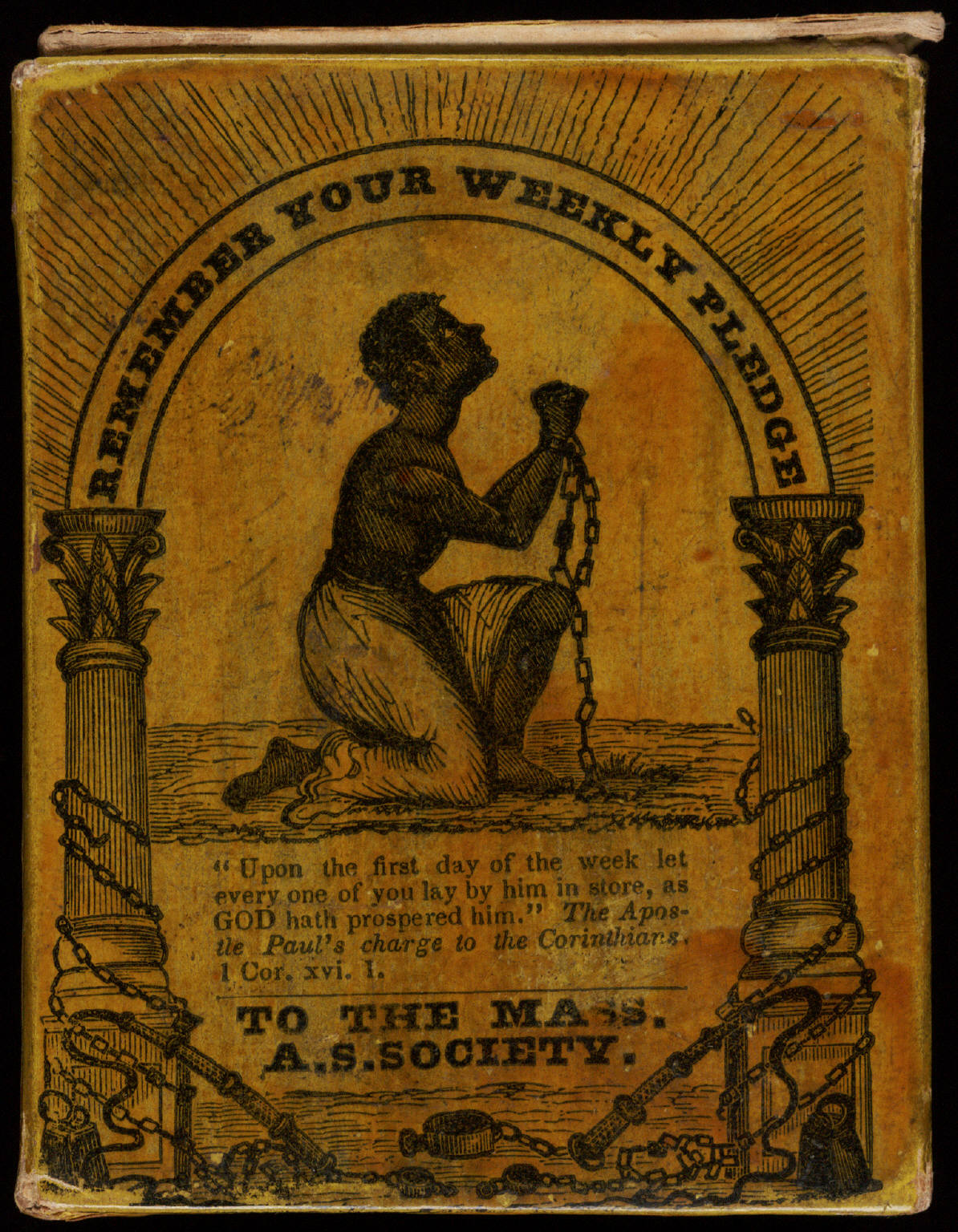
Collection box for the Massachusetts Anti-Slavery Society, circa 1850 (Wikicommons).


Throughout the world, kinship used to define the limits of morality. The less related you were to someone, the less moral you had to be with him or her. We see this in the Ten Commandments. The phrase "against thy neighbor" qualifies the commandment against bearing false witness and, implicitly, the preceding ones against killing, adultery, and stealing. For the modern reader, "thy neighbor" is helpfully explained as meaning "the children of thy people" (Leviticus 19:18).

In some cases, this kin-based morality gradually ceased to apply the farther away one went from home and from immediate kith and kin. Usually, however, the limits of one's moral community coincided with some kind of boundary: a geographic barrier, a political border, and/or an ethnic frontier. Beyond lay the world of "strangers."

Toward a universal morality

The first efforts to universalize morality—to create a single moral system that could apply to everyone—"arose simultaneously around 500 BCE in various parts of the world, from China in the Far East to Southern Italy in the West" (Assmann and Conrad, 2010, p. 121). These efforts were initially driven by the need to form alliances between different peoples:

Alliance - the formation of treaties - proved the most important instrument of internationalism. Forming an alliance required mutual recognition of the deities which served as patrons. The treaties which these empires formed with each other and with their vassals had to be sealed by solemn oaths invoking the gods of both parties. The list of these gods conventionally closes the treaty [...]. They had to be equal in their function and rank. Intercultural theology became a concern of international law. (Assmann and Conrad, 2010, p. 125) 

As ancient empires expanded and absorbed different peoples, this intercultural theology became useful for internal peace, notably with the Hellenistic empires that arose in the wake of Alexander the Great's conquests. By affirming that different religions are interchangeable, it became possible to create a common civic culture for diverse peoples:

Hellenization had two faces. On the one hand, it referred to the diffusion of Greek language, ideas and customs all over the Ancient World; on the other hand, it appeared to be more of a construction of a 'common culture', suggesting a similar change in Greece as in the other cultures. Flavius Josephus did not speak of 'Greek' but of 'common culture', ho koinos bios, as the goal of Jewish assimilation or reform in the Hellenistic age. (Assmann and Conrad, 2010, p.  127) 

One result would be the emergence of a universal religion. We like to associate this development with the teachings of Jesus, but a kind of proto-Christianity was already emerging near the end of the pre-Christian era.  At that time, many Jews were adapting their belief in one God to the universal worldview of Hellenistic culture:

Thus, while biblical universalism was founded on a notion of the mission of Israel to save all of humanity and bring them to the true worship of the only God, Hellenistic notions of universalism involved the assumption that all the gods were really different names for one God. (Boyarin, 1994, chap. 3). 

The two belief-systems merged among the increasingly Hellenized Jews of the eastern Mediterranean, thus setting the stage for Jesus and making it easier for his movement to succeed.


The Christian impulse

This new religion became a vehicle not only for moral universalism but also for belief in human equality. For if morality is universal, all humans must have the same capacity to follow its rules. In Christ, asserted Paul, there is neither Jew nor Greek, neither slave nor free, neither male nor female (Galatians 3:28).

While Christianity would steer people in the direction of universalism, there were limits to how far it could go. Theologians sometimes spoke of the need to set lower aims for average people and higher aims for saintly men and women. We see this realism in Augustine's position on prostitution: "If you do away with harlots, the world will be convulsed with lust" (De Ordine ii, 4). The same could be said for the Church's position on war, slavery, prejudice, and other manifestations of human inequality. These were the realities of an imperfect world. 

Such imperfections nonetheless became harder to accept over the following centuries. First, there was "mission creep." Once the Church had established certain ideals, there was continual pressure to bring human behavior into line with them. Second, the geocenter of the Church was shifting away from the eastern Mediterranean, where the absolute morality of Christianity had been constrained by the relative morality of kinship. Farther north and west, beyond the Hajnal Line, kinship ties were weaker and people more receptive to universal principles. There was thus a "fruitful encounter" between the Christian faith and these northwest Europeans who were more willing to internalize such principles and apply them more thoroughly (Frost, 2014a). 

Within this region, Catholicism would radicalize to the point of splitting away and becoming Protestantism. Here, too, Christian ideals would increasingly be taken to their logical conclusion.


The Abolitionist movement

Abolitionism began in the 17th century among English Quakers as a movement to abolish the slave trade. Over time, it grew more radical, seeking not only to free black slaves but also to extirpate racial and ethnic prejudice. Although "antiracism" did not yet exist as a word, its form and substance were already recognizable by the early 19th century. This was particularly so in the American northeast, where radical abolitionists denounced not only slavery but also fellow abolitionists who wanted to settle freed slaves in Africa. "In the 1830s, for the first time in American history an articulate and significant minority of Americans embraced racial equality as both a concept and a commitment" (Goodman, 1998, p. 1). This militant minority wanted more than simply an end to slavery: 

Believing that racial prejudice underpinned slavery, abolitionists committed themselves not just to emancipation [...] "Our prejudice against the blacks is founded in sheer pride; and it originates in the circumstance that people of their color, only, are universally allowed to be slaves," Child argued. "We made slavery, and slavery makes the prejudice." Color phobia, abolitionists contended, is irrational, wicked, preposterous, and unmanly. It is contrary to natural rights and Christian teaching, which recognizes no distinctions based on color. Race prejudice, Elizur Wright Jr. exploded, is "a narrow, bitter, selfish, swinish absurdity." (Goodman, 1998, p.58)


Decline ... and resurgence

That first wave of antiracism subsided in the late 19th century, partly because of the rise of Social Darwinism and partly because of disillusionment with the Civil War's aftermath. Radical abolitionists had long set their sights on ending slavery and crushing the American South, yet achievement of both goals failed to bring the final goal of human equality any closer. In the face of growing self-doubt, they lacked the ideological stamina to keep the faith and push forward, come what may. The movement thus fell into decline, remaining dominant only in the American northeast.

This first wave did not die, however. It was resuscitated in the early 1930s and would give rise to a much more dynamic second wave. The rise of Nazism convinced many Jewish intellectuals, notably the anthropologist Franz Boas, of the need to fight "racism" in all its forms, this word being initially a synonym for Nazism (Frost, 2014b). The war on racism would outlive the defeat of Nazi Germany, as a result of continuing fears of anti-Semitism in the postwar era. Moreover, it had now taken on a life of its own, much like its 19th-century predecessor. 

Today, some eighty years later, that war is still being fought. What began as a reaction to Nazism has become a permanent cultural revolution.


References 

Assmann, A., and S. Conrad. (2010). Memory in a Global Age. Discourses, Practices and Trajectories, Palgrave Macmillan Memory Studies, New York
http://archiv.ub.uni-heidelberg.de/propylaeumdok/1831/1/Assmann_Globalization_2010.pdf  

Boyarin, D. (1994). A Radical Jew. Paul and the Politics of Identity, Berkeley: University of California Press.
http://publishing.cdlib.org/ucpressebooks/view?docId=ft7w10086w;brand=ucpress  

Frost, P. (2014a). A fruitful encounter, Evo and Proud, September 26
http://evoandproud.blogspot.ca/2014/09/a-fruitful-encounter.html  

Frost, P. (2014b). From Nazi Germany to Middletown: ratcheting up the war on racism, Evo and Proud, July 19
http://evoandproud.blogspot.ca/2014/07/from-nazi-germany-to-middletown.html  

Goodman, P. (1998). Of One Blood. Abolitionism and the Origins of Racial Equality, Berkeley: University of California Press.
http://books.google.ca/books?hl=fr&lr=&id=Zy47hp0QjFQC&oi=fnd&pg=PR9&ots=f0ONCiUl-T&sig=TDfjRtlGuGRd-kxwZ8fXlL8OpCU#v=onepage&q&f=false

Saturday, October 25, 2014

The White Man's burden


From the Cape to Cairo, Puck, 1902. (Source: Library of Congress, public domain). The White Man's burden has been turned against itself. If the British adhere to a higher standard of civilization, their behavior must likewise be judged by a higher standard. They must play fair with former colonial peoples, but the latter are much less obliged to do the same.


Growing up in rural Ontario, I would talk with older folks about politics. A favorite topic was Quebec, and how those selfish French Canadians wouldn't fight in the Boer War, the First World War, and the Second World War. Later, as a student in Quebec City, I would hear the other side. French Canadians saw those wars as foreign entanglements of no concern to them. They were willing to fight and die, yes, but only for their own soil. That may seem selfish, but so were we with our slavish loyalty to the British Empire.

The folks back home would have disagreed. The Empire wasn't just for the British or even for Europeans in general. It was for people of all races and religions. It was an instrument for raising everyone up to British standards of fair play, morality, and civilization. In short, for making the world a better place. Take up the White Man's burden ...

Such talk puzzled me, even as a kid. The sun had long ago set on the British Empire. There was the Commonwealth, but why would its leaders defend our imperial heritage? Most of them had fought for independence from the Empire. They valued the British connection only to the extent that it was useful to themselves and their people.

Some Commonwealth leaders wouldn't even be that generous. When Robert Mugabe dispossessed the British farmers remaining in his country, we could only look on helplessly. A century ago, people called the Ottoman Empire the "sick man of Europe."  Today, that title surely applies to the remnants of the British Empire.

There is a difference, though. The Ottomans were militarily helpless. We are ideologically helpless. Our universal morality has been turned against us, and it is in the name of our notions of fair play that we're giving everything up, often to people, like Robert Mugabe, who make no pretence of believing in fair play. And we accept the logic of the situation. We think it normal to judge ourselves by a harsher standard and others by a more permissive one.

Double standards normally work the other way. Normally, one judges people of another kind by a harsher standard. They are less likely to share the same notions of right and wrong. They are also less likely to feel the sort of kinship affinity that makes people want to help each other and forgive minor wrongs, or even major ones. 

But we’re doing the reverse. That kind of situation is inherently unstable, even self-destructive. No other human society has ever attempted such a thing.
 

Rotherham

All of this seems obvious to me. Why is it less so to other people? The question crosses my mind when I see how thinking men and women respond—or rather fail to respond—to the Rotherham sex-abuse scandal. In an English town of some 250,000 people, at least 1,400 school-age girls were "groomed" for prostitution by gangs of Pakistani origin. Grooming begins with seduction and ends in abduction, trafficking, and confinement. This final stage apparently explains why some 500 girls were missing from the town's 15 to 19 age group at the last census.

This went on for years without anything being done and little being said. From time to time, the parents of the girls would complain, and the police would immediately investigate ... the parents. Finally, in August of this year, a long report broke the logjam of silence by officials and the media (Jay, 2014). There is still a pervasive bias against this news item, as seen in coverage by three online magazines. Slate ran one story about Rotherham and four about Jennifer Lawrence. Jezebel had one story about Rotherham and six about Jennifer Lawrence. Feministing made a passing reference to Rotherham and ran two stories about Jennifer Lawrence (Durant, 2014).

Who is Jennifer Lawrence? She's an American actress, and last August someone leaked nude photos of her online. That's why she matters so much more to thinking men and women.

It gets weirder. Social media have become overwhelmingly opposed to quarantining of the Ebola outbreak (Alexander, 2014). At one time, quarantines were considered a progressive measure, the sort of thing you would support as a thinking man or woman. If you didn't, people would assume you were a fool who knew nothing about modern science.

So what makes the Ebola outbreak different? The difference is simple. Quarantining means that light-skinned people will be detaining dark-skinned people. So we just can't do it. Because? Because.

The same applies to Rotherham, which was about dark-skinned men seducing, confining and, ultimately, enslaving light-skinned women. That, too, triggers the same mental lockdown—Don't go there! That's how thinking men and women unthinkingly respond—or almost anyone who has gone to college and watches TV. The response seems almost Cartesian: I try not to think, therefore I am a moral person.

Unfortunately, we cannot make unpleasant truths go away by ignoring them. Sooner or later, we will have to confront them. We will especially have to confront our universal morality, including the assumption that only light-skinned folks have moral agency and only they are to be held accountable for their actions.

Please don't get me wrong. I'm not arguing for a new improved universal morality. Morality can never be universal. It is a product of local conditions—to be specific, it arises from a co-evolving system of cultural, historical, and genetic factors. If forced to choose between saving one or the other, we should first save this foundational system. Anyhow, that's all we can really save. Morality has no existence above and beyond the humans who act it out in their daily lives.

That's a hard message to swallow, but we will have to. Eventually.
 

References

 
Alexander, S. (2014). Five case studies on politicization, Slate Star Codex, October 16
http://slatestarcodex.com/2014/10/16/five-case-studies-on-politicization/  

Durant, J. (2014). John Durant compares coverage of Rotherham abuse vs. Jennifer Lawrence nudes, Twitchy Media, September 3
http://twitchy.com/2014/09/03/john-durant-compares-coverage-of-rotherham-abuse-vs-jennifer-lawrence-nudes/

Jay, A. (2014). Independent Inquiry into Child Sexual Exploitation in Rotherham 1997-2013
http://www.rotherham.gov.uk/downloads/file/1407/independent_inquiry_cse_in_rotherham    

Saturday, October 18, 2014

Gender equality and gene-culture co-evolution


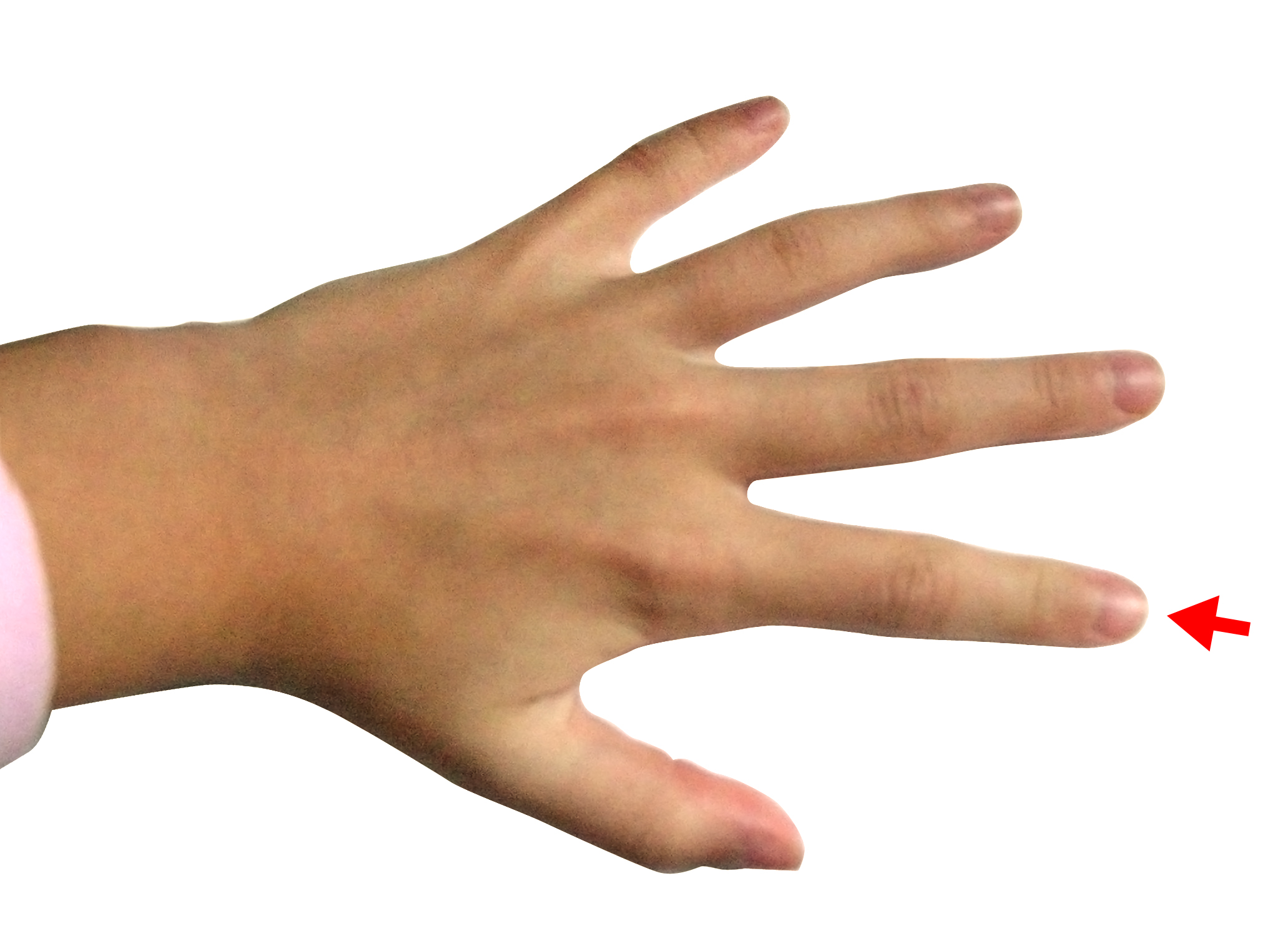
The ratio of index finger length to ring finger length provides an index of sexual differentiation (source: Wikicommons)


Are men and women more alike in some populations than in others? It's possible. First, boys and girls differentiate from each other to varying degrees during adolescence, and this process of sexual differentiation is genetically influenced. There are even conditions, like Swyer syndrome, where an individual is chromosomally male (46, XY) and yet develops externally into a woman.

Second, men and women don't have the same sex roles everywhere. According to a survey of 93 nonindustrial cultures, men were expected to dominate their wives in 67% of them, the sexes were expected to be about equal in 30%, and women were expected to dominate their husbands in 3% (Whyte, 1978). Sex roles differ to varying degrees even among hunter-gatherers, who correspond to the earliest stage of cultural evolution. In the tropics, women provide more food through gathering than men do through hunting. The reverse is true beyond the tropics, where women have few opportunities to gather food in winter (Kelly, 1995, pp. 128-132; Martin, 1974, pp. 16-18).

There has thus been a potential for gene-culture co-evolution. Wherever men and women behave more alike, natural selection will tend to level any innate behavioral differences between them. This can come about in several ways, but a particularly common one is to reduce the sex difference in prenatal hormonal exposure, i.e., the ratio of testosterone to estrogen in the uterine environment of the developing fetus.

We have a "handy" way to measure this prenatal influence. It's called the digit ratio: the length of your index finger divided by the length of your ring finger. The lower your 2nd digit to 4th digit ratio (2D:4D), the more you were exposed to testosterone in the womb and the less to estrogen.

English psychologist John T. Manning has pioneered the use of this digit ratio as a way to measure how prenatal male and female hormones influence various behavioral traits. In a recent study, he looked at how prenatal hormones might influence gender equality in different populations. After measuring the digit ratios of participants from 29 countries, his research team averaged the score for each country and compared it with indices of gender equality: women's share of parliamentary seats; women's participation in the labor force, women's education attainment level; maternal mortality rates; and juvenile pregnancy rates. To ensure comparability, all of the participants were of European descent.

The results?

In short, the more similar the two sexes were in 2D:4D, the more equal were the two sexes in parliamentary and labor force participation. The other variables were not as strongly correlated. (Manning et al., 2014)

In general, women from Northwest Europe have more masculine digit ratios, whereas women from farther east and south have more feminine digit ratios. This geographical trend is more pronounced for the right hand than for the left hand. Since the right-hand digit ratio is associated with social dominance, Northwest Europeans may be less sexually differentiated for that particular trait, as opposed to being less sexually differentiated in general.

Presumably, this isn't a new tendency. Women must have been more socially dominant among Northwest Europeans even before the late 19th century and the earliest movements for women's suffrage. So how far back does the tendency go? To medieval times? To pre-Christian times? It seems to go back at least to medieval times and, as such, forms part of the Western European Marriage Pattern:

The status of women differed immensely by region. In western Europe, later marriage and higher rates of definitive celibacy (the so-called "European marriage pattern") helped to constrain patriarchy at its most extreme level.

[...] In eastern Europe however, the tradition of early and universal marriage (usually of a bride aged 12-15 years, with menarche occurring on average at 14) as well as traditional Slavic patrilocal customs led to a greatly inferior status of women at all levels of society. (Women in the Middle Ages, 2014)

Does this geographic tendency go back to pre-Christian times? There is little consensus on this point, as noted in a study of women in Old Norse society:

The conversion of Iceland raises the problem of the impact of Christianity on the female half of the human race. This, in fact, is one of the most controversial issues in women's history. One point of view argues that Christianity was deeply imbued from the beginning with Jewish and Roman patriarchy, which became intensified by an all-male clergy and resulted in misogyny as the most lasting and profound legacy of Christianity for women. An opposite argument claims that the Christian message was fundamentally a liberating force that included women as well, and although the original radicalism of Jesus on this issue, as on so many others, became diluted with time, women were better off during the Christian period and in Christian countries than they had been before and elsewhere. (Jochen, 1995, p. 2)

Perhaps both arguments are true. As I have argued elsewhere, there may have been a "fruitful encounter" between Christianity and pre-existing behavioral tendencies in Northwest Europe, the result being a significantly different form of Christianity (Frost, 2014).
 

References 

Frost, P. (2014). A fruitful encounter, Evo and Proud, September 26
http://evoandproud.blogspot.ca/2014/09/a-fruitful-encounter.html

Jochens, J. (1995). Women in Old Norse Society, Cornell University Press.

Kelly, R.L. (1995). The Foraging Spectrum. Diversity in Hunter-Gatherer Lifeways, Washington: Smithsonian Institution Press. 

Manning, J.T., B. Fink, and R. Trivers. (2014). Digit ratio (2D:4D) and gender inequalities across nations, Evolutionary Psychology, 12, 757-768.
http://www.epjournal.net/wp-content/uploads/EP1207570768.pdf

Martin, M.K. (1974). The Foraging Adaptation - Uniformity or Diversity? Addison-Wesley Module in Anthropology 56. 

Women of the Middle Ages. (2014). Wikipedia
http://en.wikipedia.org/wiki/Women_in_the_Middle_Ages 

Whyte, M. K. (1978). The status of women in preindustrial societies, Princeton, NJ: Princeton University Press.

Saturday, October 11, 2014

Yes, demons do exist


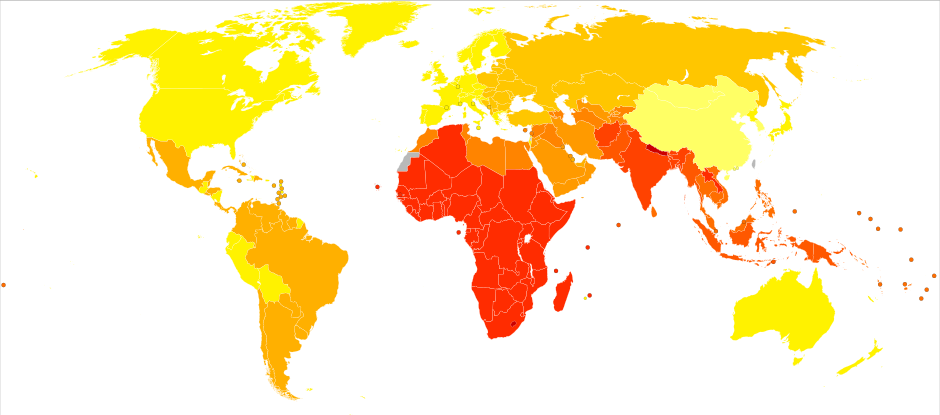
Chlamydia infection rate, by country (WHO 2004, Wikicommons). Sub-Saharan Africa has been a natural laboratory for the evolution of sexually transmitted pathogens, including strains that can manipulate their hosts.


Are we being manipulated by microbes? The idea is not so whacky. We know that a wide range of microscopic parasites have evolved the ability to manipulate their hosts, even to the point of making the host behave in strange ways. A well-known example is Toxoplasma gondii, a protozoan whose life cycle begins inside a cat. After being excreted in the cat's feces, it is picked up by a mouse and enters the new host's brain, where it neutralizes the fear response to the smell of cat urine. The mouse lets itself be eaten by a cat, and the protozoan returns to a cat's gut—the only place where it can reproduce (Flegr, 2013).

T. gondii can also infect us and alter our behavior. Infected individuals have longer reaction times, higher testosterone levels, and a greater risk of developing severe forms of schizophrenia (Flegr, 2013). But there is no reason to believe that T. gondii is the only such parasite we need to worry about. We study it in humans simply because we already know what it does in a non-human species.

Researchers are starting to look at manipulation by another human parasite, a sexually transmitted bacterium called Chlamydia trachomatis. Zhong et al. (2011) have found that it synthesizes proteins that manipulate the signalling pathways of its human host. These proteins seem to facilitate reinfection, although there may be other effects:

Despite the significant progresses made in the past decade, the precise mechanisms on what and how chlamydia-secreted proteins interact with host cells remain largely unknown, and will therefore still represent major research directions of the chlamydial field in the foreseeable future. (Zhong et al., 2011)

What else would a sexually transmitted pathogen do to its host? For one thing, it could cause infertility: 

While several nonsexually transmitted infections can also cause infertility (e.g., schistosomiasis, tuberculosis, leprosy), these infections are typically associated with high overall virulence. In contrast, STIs tend to cause little mortality and morbidity; thus, the effect on fertility seems to be more "targeted" and specific. In addition, several STI pathogens are also associated with an increased risk of miscarriage and infant mortality (Apari et al., 2014)

Chlamydia is a major cause of infertility, and this effect seems to be no accident. Its outer membrane contains a heat shock protein that induces cell death (apoptosis) in placenta cells that are vital for normal fetal development. The same protein exists in other bacteria but is located within the cytoplasm, where it can less easily affect the host's tissues. Furthermore, via this protein, Chlamydia triggers an autoimmune response that can damage the fallopian tubes and induce abortion. This response is not triggered by the common bacterium Escherichia coli. Finally, Chlamydia selectively up-regulates the expression of this protein while down-regulating the expression of most other proteins (Apari et al., 2014).

But how would infertility benefit Chlamydia and other sexually transmitted pathogens? Apari et al. (2011) argue that infertility causes the host and her partner to break up and seek new partners, thus multiplying the opportunities for the pathogen to spread to other hosts. A barren woman may pair up with a succession of partners in a desperate attempt to prove her fertility and, eventually, turn to prostitution as a means to support herself (Caldwell et al., 1989). This is not a minor phenomenon. STI-induced infertility has exceeded 40% in parts of sub-Saharan Africa (Apari et al., 2011).


It gets kinkier and kinkier

Does the manipulation stop there? We know, for instance, that sexual promiscuity correlates with the risk of contracting different STIs, but is this a simple relationship of cause and effect? Could an STI actually promote infidelity by stimulating sexual fantasizing about people other than one's current partner?

Let's look at another pathogen, Candida albicans, commonly known as vaginal yeast, which can cause an itchy rash called vulvovaginal candidiasis (VVC). Reed et al. (2003) found no significant association between VVC and the woman's frequency of vaginal sex, lifetime number of partners, or duration of current relationship. Nor was there any association with presence of C. albicans in her male partner. But there were significant associations with the woman masturbating or practicing cunnilingus in the past month.

VVC is thus more strongly associated with increased sexual fantasizing, as indicated by masturbation rate, than with a higher frequency of vaginal intercourse. This does look like host manipulation, although one might wonder why it doesn't translate into more sex with other men, this being presumably what the pathogen wants. Perhaps the development of masturbation as a lifestyle (through use of vibrators and pornography) is making this outcome harder to achieve.

A sexually transmitted pathogen can also increase its chances of transmission by disrupting mate guarding. This is the tendency of one mate, usually the male, to keep watch over the other mate. If mate guarding can be disabled or, better yet, reversed, the pathogen can spread more easily to other hosts. This kind of host manipulation has been shown in a non-human species (Mormann, 2010).

Do we see reversal of mate guarding in humans? Yes, it's called cuckold envy—the desire to see another man have sex with your wife—and it's become a common fetish. Yet it seems relatively recent. Greco-Roman texts don't mention it, despite abundant references to other forms of alternate sexual behavior, e.g., pedophilia, cunnilingus, fellatio, bestiality, etc. The earliest mentions appear in 17th century England (Kuchar, 2011, pp. 18-19). This was when England was opening up to world trade and, in particular, to the West African slave trade.

Sub-Saharan Africa has been especially conducive to sexually transmitted pathogens evolving a capacity for host manipulation. Polygyny rates are high, in the range of 20 to 40% of all adult males, and the polygynous male is typically an older man who cannot sexually satisfy all of his wives. There is thus an inevitable tendency toward multi-partner sex by both men and women, which sexually transmitted pathogens can exploit ... and manipulate.


What about sexual orientation?

A pathogen can also become more transmissible by giving its host a new sexual orientation. This strategy would disrupt the existing pair bond while opening up modes of transmission that may be more efficient than the penis/vagina one. Some vaginal strains of Candida albicans have adapted to oral sex by becoming better at adhering to saliva-coated surfaces (Schmid et al., 1995). Certain species that cause bacterial vaginosis, notably Gardnerella vaginalis and Prevotella, seem to specialize in female-female transmission (Muzny et al., 2013; Sobel, 2012).

Finally, there is the hypothesis that exclusive male homosexuality has a microbial origin (Cochran et al., 2000). Its main shortcomings are that (a) there is no candidate pathogen and that (b) exclusive male homosexuality has been observed in social environments with limited opportunities for pathogen transmission, such as small bands of hunter-gatherers across pre-Columbian North America (Callender & Kochems, 1983). On the other hand, there seems to have been a relatively recent shift in European societies from facultative to exclusive male homosexuality, so something may have happened in the environment, perhaps the introduction of a new pathogen (Frost, 2009).

Both male and female homosexuality seem to have multiple causes, but it’s likely that various pathogens have exploited this means of spreading to other hosts.


Conclusion

This is a fun subject when it concerns silly mice or zombie ants. But now it concerns us. And that's not so funny. Can microbes really develop such demonic abilities to change our private thoughts and feelings?

It does seem hard to believe. Perhaps this is an argument for intelligent design. After all, only an all-knowing designer could have made creatures that are so small and yet capable of so much ... things like inducing abortion, breaking up marriages, and altering normal sexual desires. Yes, such an argument could be made.

But I don't think anyone will bother.
 

References

Apari, P., J. Dinis de Sousa, and V. Muller. (2014). Why Sexually Transmitted Infections Tend to Cause Infertility: An Evolutionary Hypothesis. PLoS Pathog 10(8): e1004111.
http://www.plospathogens.org/article/info%3Adoi%2F10.1371%2Fjournal.ppat.1004111

Caldwell, J.C., P. Caldwell, and P. Quiggin. (1989). The social context of AIDS in sub-Saharan Africa, Population and Development Review, 15, 185-234.
https://www.soc.umn.edu/~meierann/Teaching/Population/Readings/Feb%209%20Caldwell.pdf

Callender, C. and L.M. Kochems. (1983). The North American Berdache, Current Anthropology, 24, 443-470.
http://www.jstor.org/discover/10.2307/2742448?uid=3739448&uid=2&uid=3737720&uid=4&sid=21104311299061 

Cochran, G.M., P.W. Ewald, and K.D. Cochran. (2000). Infection causation of disease: an evolutionary perspective, Perspectives in Biology and Medicine, 43, 406-448.
http://www.isteve.com/infectious_causation_of_disease.pdf

Flegr, J. (2013). Influence of latent Toxoplasma infection on human personality, physiology and morphology: pros and cons of the Toxoplasma-human model in studying the manipulation hypothesis, The Journal of Experimental Biology, 216, 127-133. http://jeb.biologists.org/content/216/1/127.full 

Frost, P. (2009). Has male homosexuality changed over time, Evo and Proud, March 5
http://evoandproud.blogspot.ca/2009/03/has-male-homosexuality-changed-over.html

Kuchar, G. (2001). Rhetoric, Anxiety, and the Pleasures of Cuckoldry in the Drama of Ben Jonson and Thomas Middleton, Journal of Narrative Theory, 31 (1), Winter, pp. 1-30. 

Mormann, K. (2010). Factors influencing parasite-related suppression of mating behavior in the isopod Caecidotea intermedius, Theses and Disserations, paper 48
http://via.library.depaul.edu/etd/48 

Muzny, C.A., I.R. Sunesara, R. Kumar, L.A. Mena, M.E. Griswold, et al. (2013). Correction: Characterization of the vaginal microbiota among sexual risk behavior groups of women with bacterial vaginosis. PLoS ONE 8(12):
http://www.plosone.org/article/info%3Adoi%2F10.1371%2Fjournal.pone.0080254 

Reed, B.D., P. Zazove, C.L. Pierson, D.W. Gorenflo, and J. Horrocks. (2003). Candida transmission and sexual behaviors as risks for a repeat episode of Candida vulvovaginitis, Journal of Women's Health, 12, 979-989.
http://online.liebertpub.com/doi/abs/10.1089/154099903322643901 

Schmid, J., P.R. Hunter, G.C. White, A.K. Nand, and R.D. Cannon. (1995). Physiological traits associated with success of Candida albicans strains as commensal colonizers and pathogens, Journal of Clinical Microbiology, 33, 2920-2926.
http://jcm.asm.org/content/33/11/2920.short 

Sobel, J.D. (2012). Bacterial vaginosis, Wolters Kluwer, UpToDate
http://www.uptodate.com/contents/bacterial-vaginosis 

Zhong, G., L. Lei, S. Gong, C. Lu, M. Qi, and D. Chen. (2011). Chlamydia-Secreted Proteins in Chlamydial Interactions with Host Cells, Current Chemical Biology, 5, 29-37
http://www.ingentaconnect.com/content/ben/ccb/2011/00000005/00000001/art00004

Saturday, October 4, 2014

Making the big time ... elsewhere


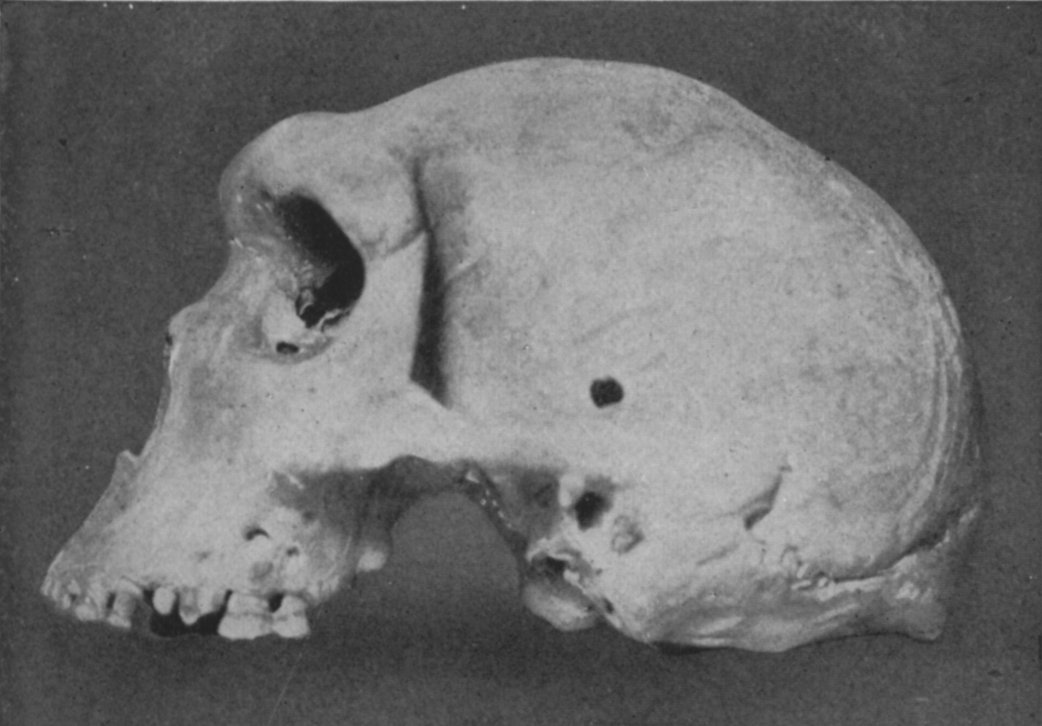
Skull from Broken Hill (Kabwe), Zambia. This kind of human was still around when the Neanderthals were going extinct in Europe. (Wikicommons)


East Africa, 60,000 to 80,000 years ago. The relative stasis of early humans was being shaken by a series of population expansions. The last one went global, spreading out of Africa, into Eurasia and, eventually, throughout the whole world (Watson et al., 1997). Those humans became us.

This expansion took place at the expense of more archaic humans: Neanderthals in Europe, the Middle East, and Central Asia; Denisovans in East Asia; and mysterious hobbit-like creatures in parts of Southeast Asia.

And in Africa itself? We know less about those archaic humans, partly because the archeological record is so patchy and partly because ancient DNA does not survive as long in the tropics. Over time, the double helix breaks down, and this decomposition occurs faster at higher ambient temperatures. We'll probably never be able to reconstruct the genome of archaic Africans.

Yet they did exist. Surprisingly, they held out longer in parts of Africa than their counterparts did much farther away. A Nigerian site has yielded a skull that is only about 16,300 years old and yet looks intermediate in shape between modern humans on the one hand and Neanderthals and Homo erectus on the other. It resembles the skull of a very early modern human, like the ones who once lived at Skhul and Qafzeh in Israel some 80,000 to 100,000 years ago (Harvati et al., 2011; Stojanowski, 2014).

Archaic humans also held out in southern Africa. The Broken Hill or Kabwe skull, from Zambia has been dated to 110,000 years ago and looks very much like a Homo erectus (Bada et al., 1974; Stringer, 2011). This pre-sapiens human seems to have lasted into much later times. Hammer et al. (2011) found that about 2% of the current African gene pool comes from a population that split from ancestral modern humans some 700,000 years ago. They dated the absorption of this archaic DNA to about 35,000 years ago and placed it in Central Africa, since the level of intermixture is highest in pygmy groups from that region.
 

Cognitive modernity: less awesome on its home turf

Why did archaic humans survive longer in Africa than elsewhere? Some of them were more advanced than the Neanderthals or Denisovans, and perhaps better able to fend off invasive groups. This was the case with archaic West Africans, who seem to have been transitional between pre-sapiens and sapiens. They may have met modern humans on a more level playing field while enjoying the home team advantage.

On the other hand, archaic southern Africans look clearly pre-sapiens. What was levelling their playing field? Perhaps modern humans had advantages that were more useful outside Africa. Klein (1995) has argued that this advantage was cognitive, specifically a superior ability not only to create ideas but also to share them with other individuals via language—in a word, culture. This cognitive edge may have been more useful outside the tropics, where the yearly cycle forced humans to plan ahead collectively and keep warm collectively by building shelters and making garments. The result was a much wider range of human technology: deep storage pits for meat refrigeration; hand-powered rotary tools; kilns for ceramic manufacture; woven textiles; eyed sewing needles; traps and snares; and so on (Frost, 2014).

Modern humans were thus pre-adapted in Africa for later success elsewhere. We see this in their rapid penetration of cold environments unlike anything in their place of origin. By 43,500 years ago, they were already present in Central Europe at a time when it was barren steppe with some boreal forest in sheltered valleys (Nigst et al., 2014).

Pre-adaptation is a recurring oddity of evolution. A new ability may initially be a bit helpful and only later truly awesome. Does this mean that evolution anticipates future success? Well, no. It's just that the difference between failure and success—or between so-so success and the howling kind—often hinges on a few things that may or may not exist in your current environment. By moving to other environments, you increase your chances of finding one that will put your talents to better use. Success is fragile, but so is failure.
 

References 

Bada, J.L., R.A. Schroeder, R. Protsch, & R. Berger. (1974). Concordance of Collagen-Based Radiocarbon and Aspartic-Acid Racemization Ages, Proceedings of the National Academy of Sciences (USA), 71, 914-917.
http://www.pnas.org/content/71/3/914.short 

Frost, P. (2014). The first industrial revolution, Evo and Proud, January 18
http://evoandproud.blogspot.ca/2014/01/the-first-industrial-revolution.html

Hammer, M.F., A.E. Woerner, F.L. Mendez, J.C. Watkins, and J.D. Wall. (2011). Genetic evidence for archaic admixture in Africa, Proceedings of the National Academy of Sciences (USA), 108, 15123-15128.

Harvati, K., C. Stringer, R. Grün, M. Aubert, P. Allsworth-Jones, C.A. Folorunso. (2011). The Later Stone Age Calvaria from Iwo Eleru, Nigeria: Morphology and Chronology. PLoS ONE 6(9): e24024. doi:10.1371/journal.pone.0024024
http://www.plosone.org/article/info%3Adoi%2F10.1371%2Fjournal.pone.0024024 

Klein, R.G. (1995). Anatomy, behavior, and modern human origins, Journal of World Prehistory, 9, 167-198.
http://link.springer.com/article/10.1007/BF02221838 

Nigst, P.R., P. Haesaerts, F. Damblon, C. Frank-Fellner, C. Mallol, B. Viola, M. Gotzinger, L. Niven, G. Trnka, and J-J. Hublin. (2014). Early modern human settlement of Europe north of the Alps occurred 43,500 years ago in a cold steppe-type environment, Proceedings of the National Academy of Sciences (USA), published online before print
http://www.pnas.org/content/early/2014/09/16/1412201111.short 

Stojanowski, C.M. (2014). Iwo Eleru's place among Late Pleistocene and Early Holocene populations of North and East Africa, Journal of Human Evolution, epub ahead of print
http://www.sciencedirect.com/science/article/pii/S0047248414000876 

Stringer, C. (2011). The chronological and evolutionary position of the Broken Hill cranium. American Journal of Physical Anthropology, 144(supp. 52), 287

Watson, E., P. Forster, M. Richards, and H-J. Bandelt. (1997). Mitochondrial footprints of human expansions in Africa, American Journal of Human Genetics, 61, 691-704. 0024024
http://www.plosone.org/article/info%3Adoi%2F10.1371%2Fjournal.pone.0024024